Best 6 OpenAPI Documentation Tools in 2026
Last Updated: November 8, 2025
Standardized API specifications make it much easier to generate consistent, accurate documentation automatically. OpenAPI Documentation tools generate interactive, standards based documentation directly from an OpenAPI specification file.
These tools are used by API developers and platform teams that follow the OpenAPI standard for defining their services. Generating docs directly from the spec keeps documentation accurate as the API itself changes over time.
 Fern
Fern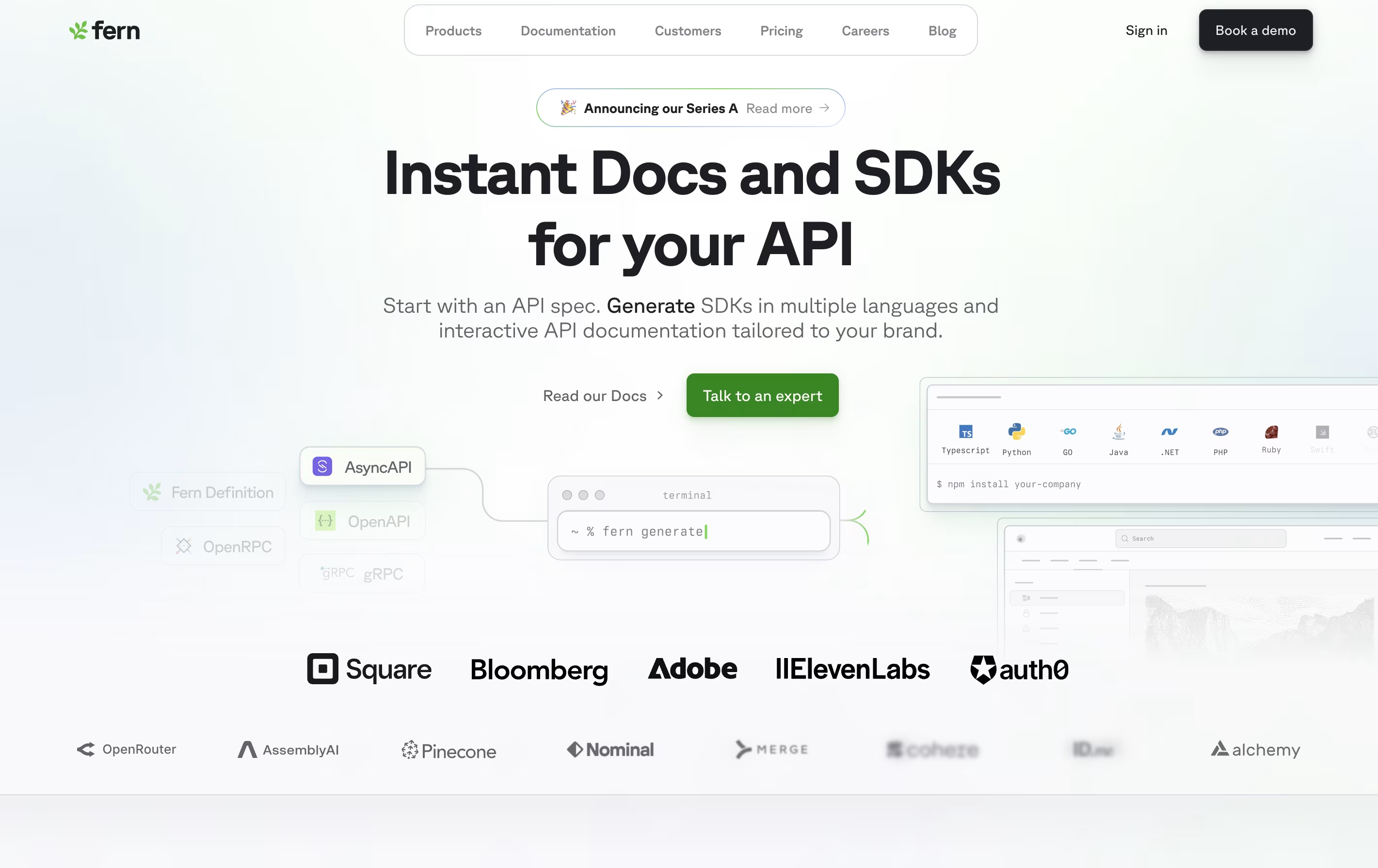 FernAuto-Generate SDKs and API Documentation,
  Redocly
 RedoclyBeautiful API Documentation and Developer Portals, and
  API Hub
 API HubComplete Platform for API Design, Testing, and Documentation are the best for OpenAPI Documentation. So, let’s take a closer look at all 6 tools.
Fern is a platform that automatically generates SDKs and API documentation from your API definition. You provide your OpenAPI, AsyncAPI, or gRPC specification, and Fern creates ready-to-use client libraries in languages like TypeScript, Python, Go, Java, Ruby, C#, PHP, and Swift.
The platform also builds documentation websites that look professional and match your brand identity. These sites include interactive API references, code examples, and a playground where developers can test your API without leaving the documentation.
Fern is open source and available on GitHub. It integrates with your existing workflow by publishing SDKs directly to package registries like npm and PyPI. The tool is designed for companies that want to provide a great developer experience without dedicating engineering resources to manual SDK maintenance.
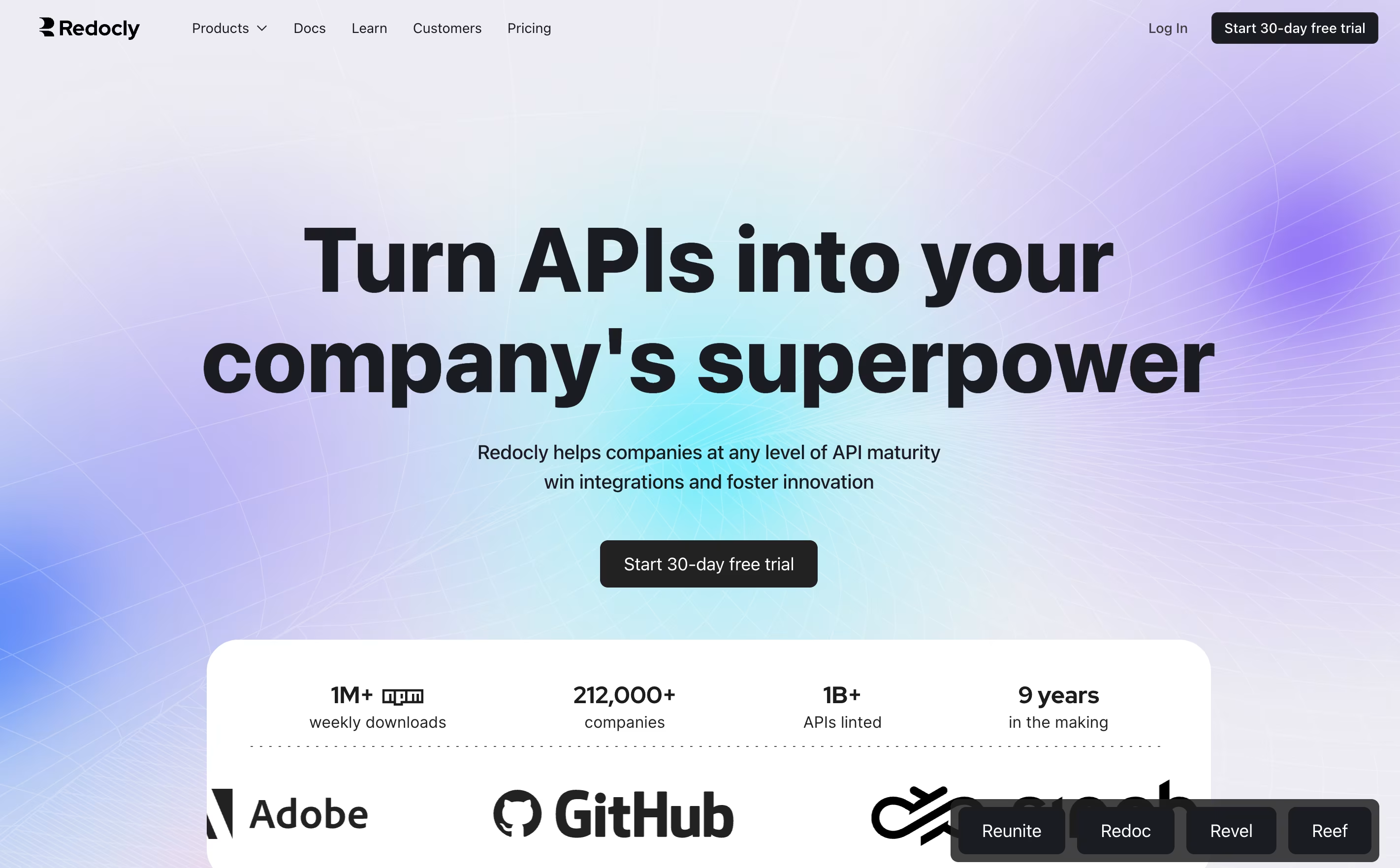
Redocly is an API documentation platform that helps you build professional developer portals. You start with an OpenAPI file that describes your API, and Redocly transforms it into clean, readable documentation with examples and interactive features.
The platform includes several products working together. Reunite is where teams write and review content. Realm delivers the final documentation to your users. Redoc is the open-source engine that renders API reference docs. Reef helps you organize and discover all your APIs in one catalog.
Unlike basic documentation generators, Redocly gives you a complete developer portal. You can add guides, tutorials, and custom pages alongside your API reference. Everything is version controlled and updates automatically when you change your API definition.
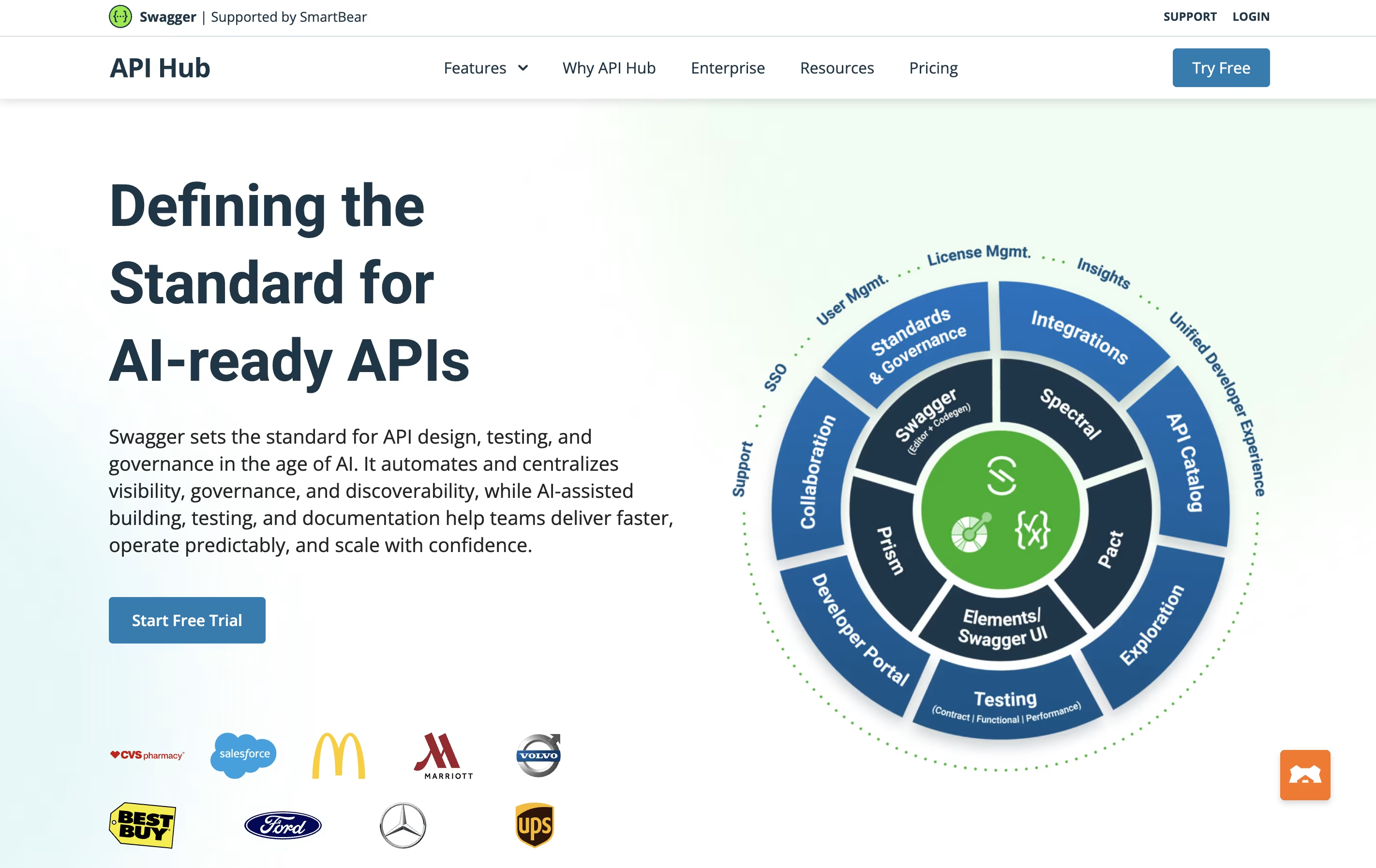
API Hub is an all-in-one platform for the complete API development process. It lets you design APIs using a visual editor or code, test them automatically, create documentation, and share with users through branded portals.
The platform works with OpenAPI and AsyncAPI standards, supporting both traditional REST APIs and event-driven architectures. It includes tools for checking that your APIs follow your team's rules, generating mock servers for testing, and validating contracts between services.
Teams can work together with version control, commenting features, and role-based permissions. The platform connects with popular development tools like GitHub, CI/CD pipelines, and API management systems. Whether you need basic API design or complex enterprise workflows, API Hub provides the features you need.

Stoplight is a web-based platform for API design and management that follows a design-first philosophy. This means you plan and design your API before writing any code, which saves time and reduces errors during development.
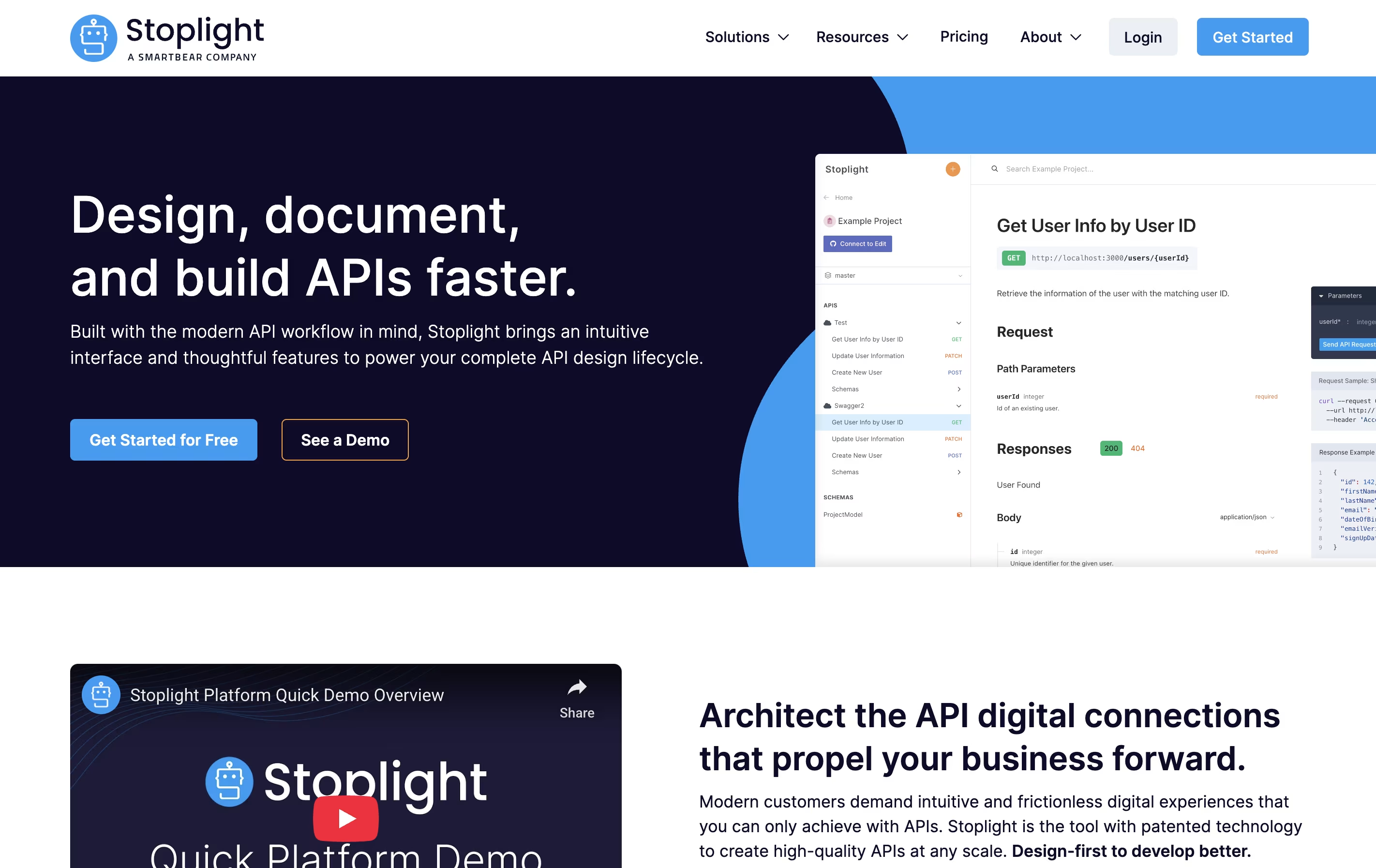
The platform includes Stoplight Studio, a visual editor that lets you create API designs using forms instead of code. It supports OpenAPI and JSON Schema standards, which are widely used in the industry. You can work directly with files in your Git repository, making it easy to fit into your existing workflow.
Stoplight automatically generates beautiful documentation from your API designs, creates mock servers for testing, and provides validation tools to catch errors early. It works as a cloud service but also offers desktop and web versions.

Scalar is a platform for building API documentation that looks professional and works smoothly. You provide your OpenAPI document, and Scalar transforms it into easy-to-read pages with examples and testing tools built in.
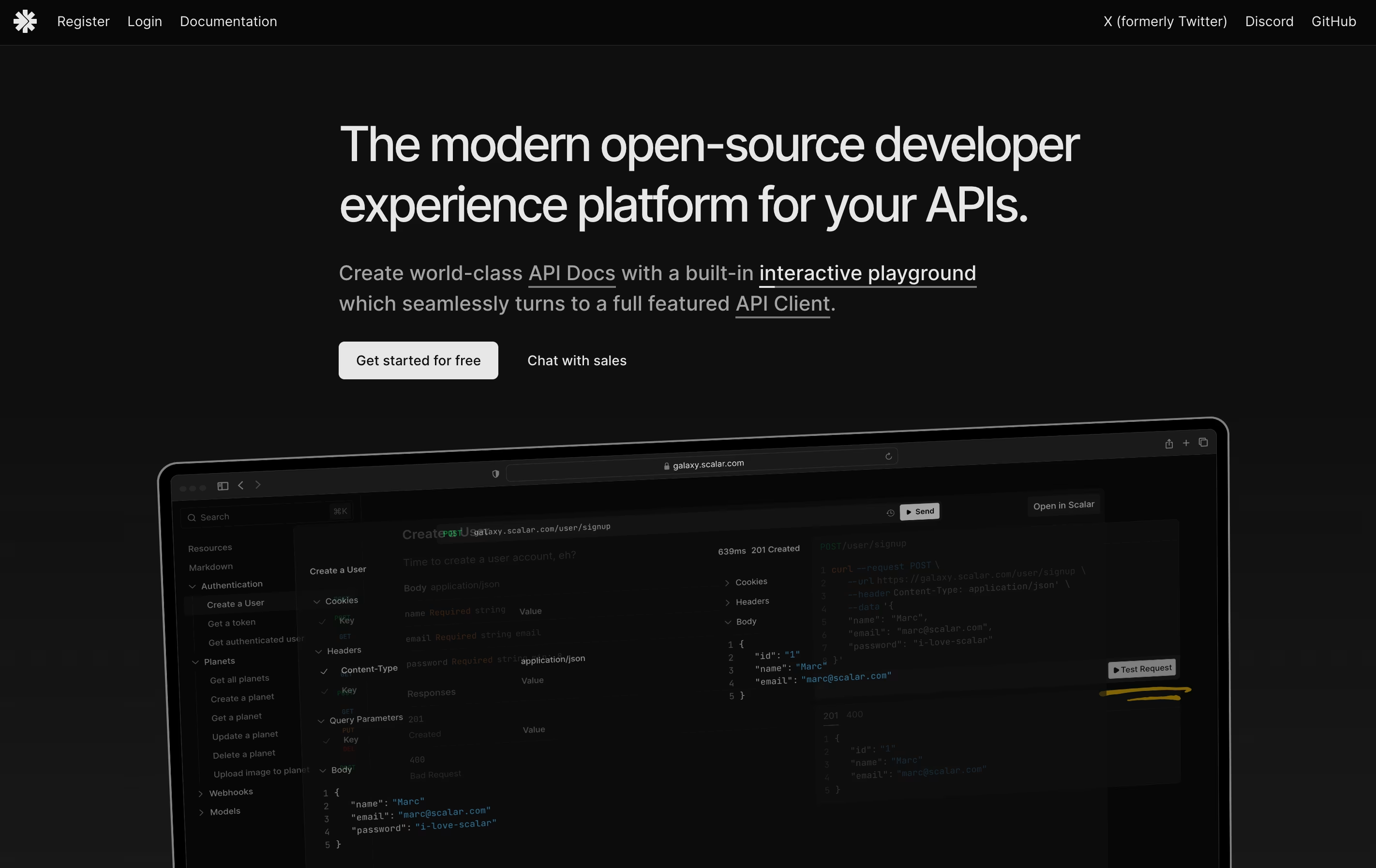
The platform offers several products working together. The API Reference shows your documentation in a clean layout. The API Client lets developers test endpoints directly. The platform also includes tools for managing multiple versions of your API documents and syncing with GitHub.
Scalar is completely open-source, which means the code is public and free to use. You can host it yourself or use their cloud service. The free plan covers basic features, while paid plans add collaboration tools, custom domains, and better support.
Speakeasy is a complete API toolchain that transforms your OpenAPI specification into ready-to-use developer tools. It creates native SDKs that follow best practices for each programming language, making them feel handwritten rather than machine-generated.
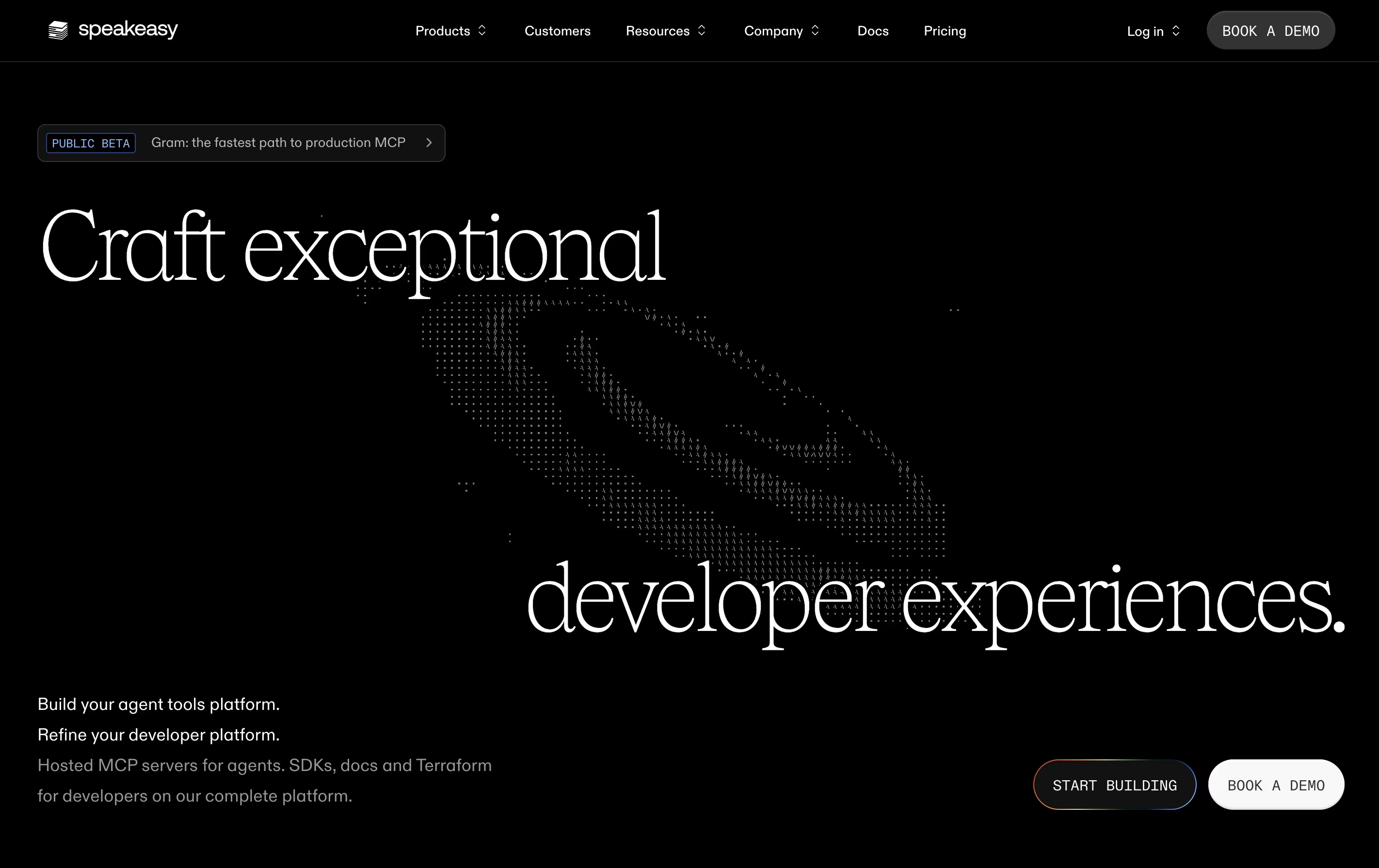
The platform includes three main products: SDK Generation for creating client libraries, Gram for building and hosting MCP servers that connect AI applications to your APIs, and interactive documentation that lets users test endpoints directly. Everything stays synchronized with your API changes through automated workflows.
Speakeasy goes beyond basic code generation by adding features like retry logic, error handling, pagination support, and OAuth integration. The generated code includes full type safety, detailed documentation, and works smoothly with popular development tools. Whether you are building internal tools or public APIs, Speakeasy helps ensure a consistent and professional developer experience.