Best 11 Tools for AI Workflow Creation in 2026
Last Updated: March 24, 2026
Chaining multiple AI steps together into one working process takes more planning than a single prompt. AI Workflow Creation tools help design and connect a sequence of AI-driven steps into a repeatable process.
Developers and technical teams use workflow creation to automate multi-step tasks that would otherwise require manual handoffs between steps.
 AirOps
 AirOpsAI Content Workflows for SEO Teams,
  Relevance AI
 Relevance AIBuild Your AI Workforce Easily, and
  Trigger.dev
 Trigger.devOpen Source Background Jobs Platform for Developers are the best for AI Workflow Creation. So, let’s take a closer look at all 11 tools.
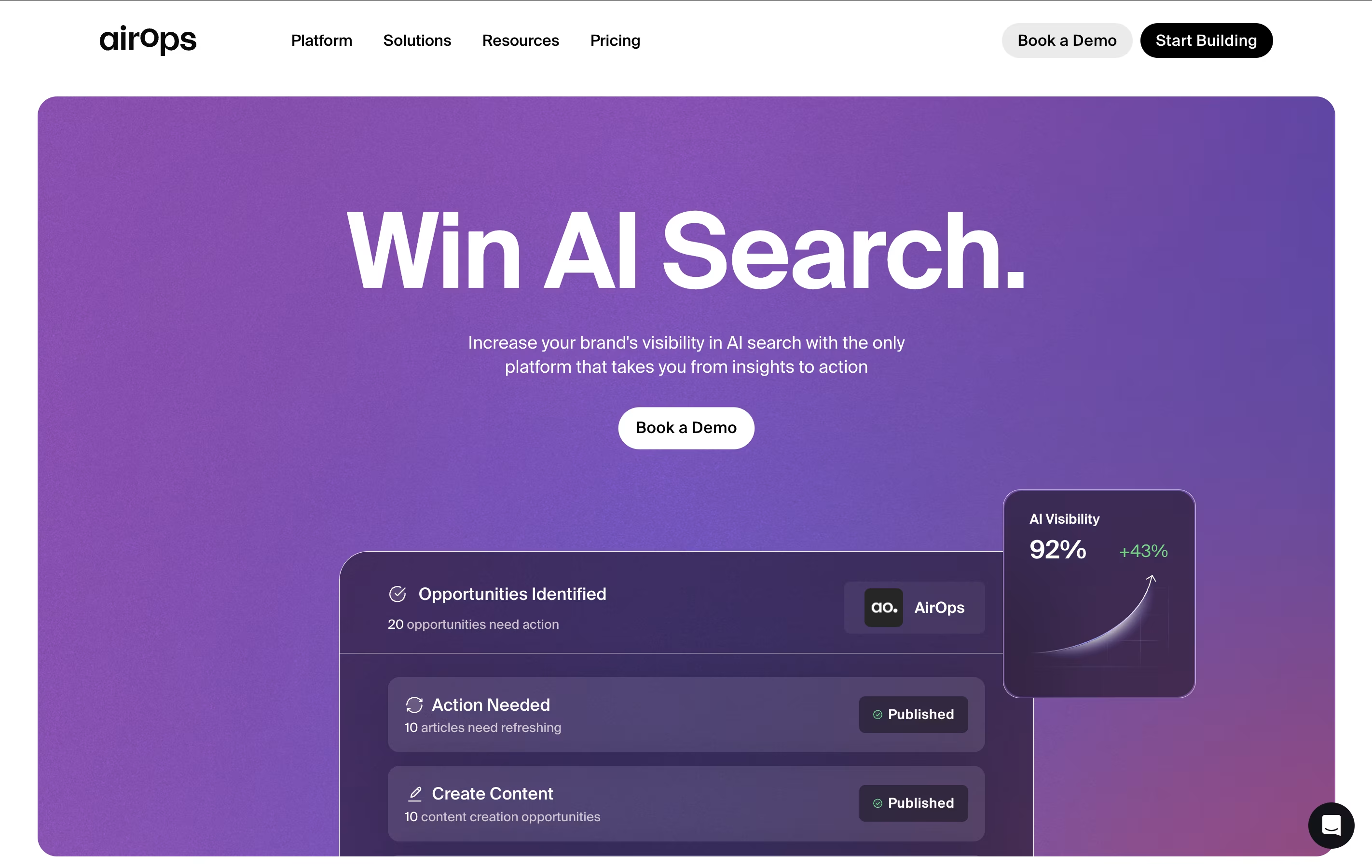
AirOps is a content workflow automation platform that combines artificial intelligence with human oversight to help teams scale their content operations. Instead of just being another AI writer, it acts as a complete content management system that can handle everything from research to publishing.
The platform uses a visual drag-and-drop interface where you build custom workflows for different content tasks. You can connect multiple AI models (like GPT-4, Claude, and Gemini), add human review checkpoints, and integrate with your existing tools like Semrush for SEO data and your CMS for direct publishing.
What makes AirOps special is its focus on brand consistency and quality control. You can create Brand Kits that ensure all AI-generated content matches your company's voice and style. The platform also includes features specifically designed for AI search optimization, helping your content appear in AI-powered search results.
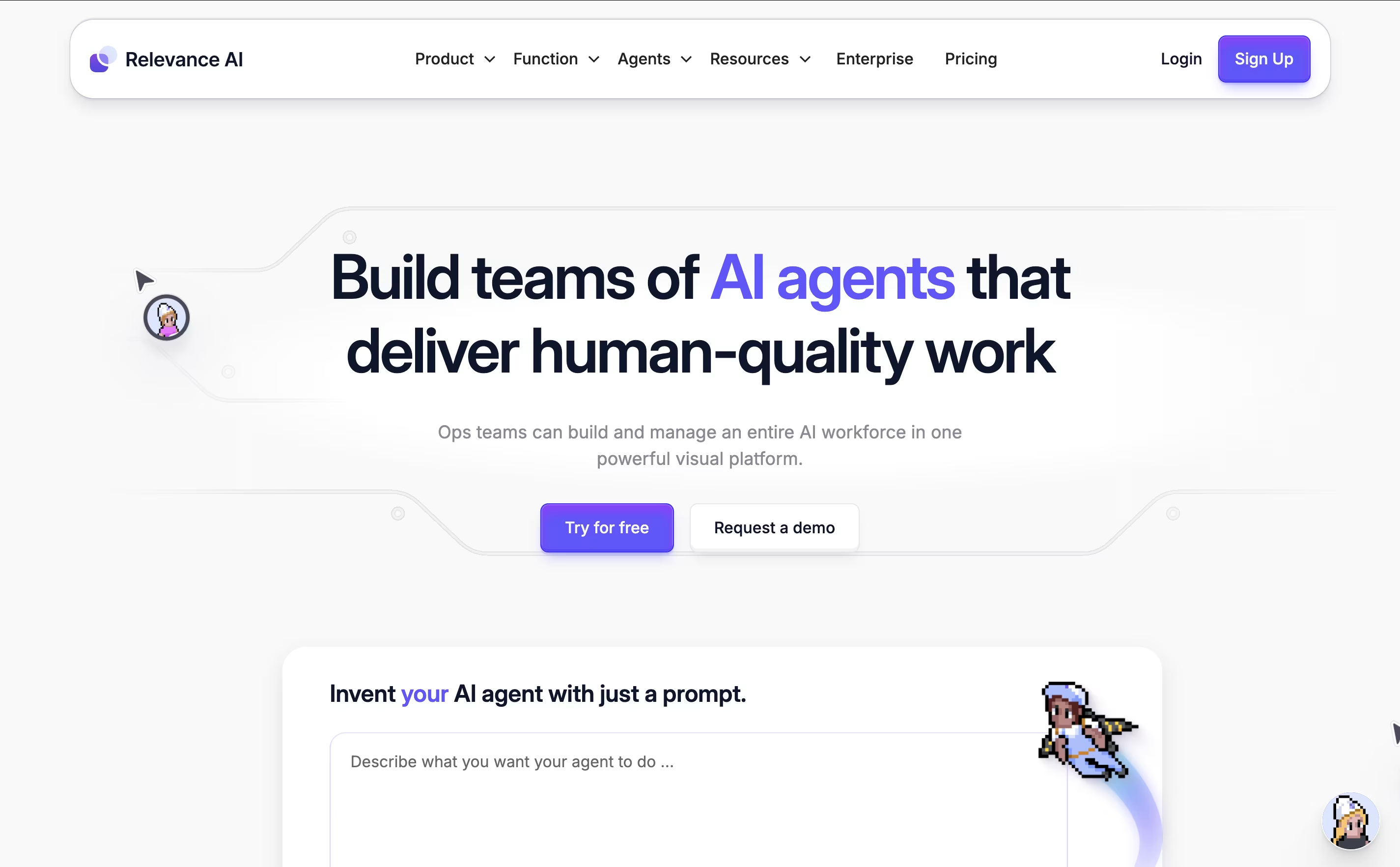
Relevance AI is a no-code platform where anyone can build AI agents and complete AI teams to handle business tasks automatically. These AI agents work like digital employees that can be trained to follow your exact processes and procedures.
The platform supports multiple AI models including GPT-4, Claude, and Gemini, so you get access to the most advanced AI technology. You can create custom tools and workflows, then give these tools to your AI agents so they can complete complex tasks on their own.
What makes it special is that everything happens without coding. You simply drag and drop to build workflows, connect your existing apps, and train your agents using plain English. The platform is SOC 2 compliant and offers data centers in the US, EU, and Australia for security and privacy.
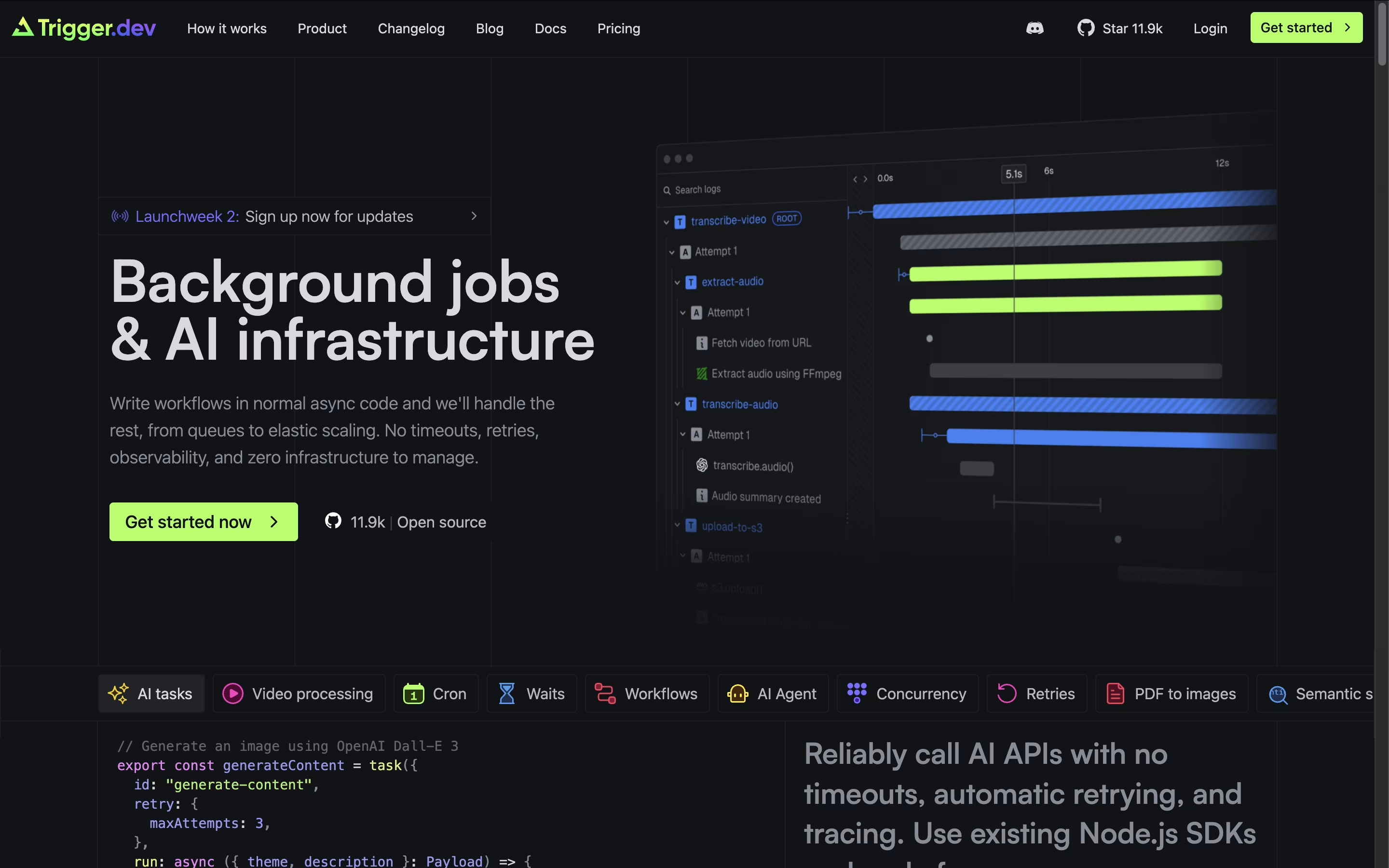
Trigger.dev is an open source background jobs framework that allows developers to create reliable, long-running tasks directly in their codebase. Think of it as a better way to handle any job that takes more than a few seconds to complete, without worrying about timeouts or server management.
The platform excels at tasks like AI content generation, video processing, data analysis, email campaigns, and complex workflows that traditional serverless functions struggle with. What makes Trigger.dev special is its simplicity - you write regular JavaScript or TypeScript code, deploy it through their CLI, and it runs on their managed infrastructure with no timeout limits.
With automatic retries, real-time monitoring, and seamless integration with your existing codebase, Trigger.dev handles the complex parts of background job management while you focus on building great features. It supports multiple environments and can be self-hosted or used as a cloud service.

Inngest is an event-driven durable execution platform built to run reliable, multi-step workflows on any platform without managing infrastructure. Think of it as a mix between traditional queues and modern serverless functions, but much better.
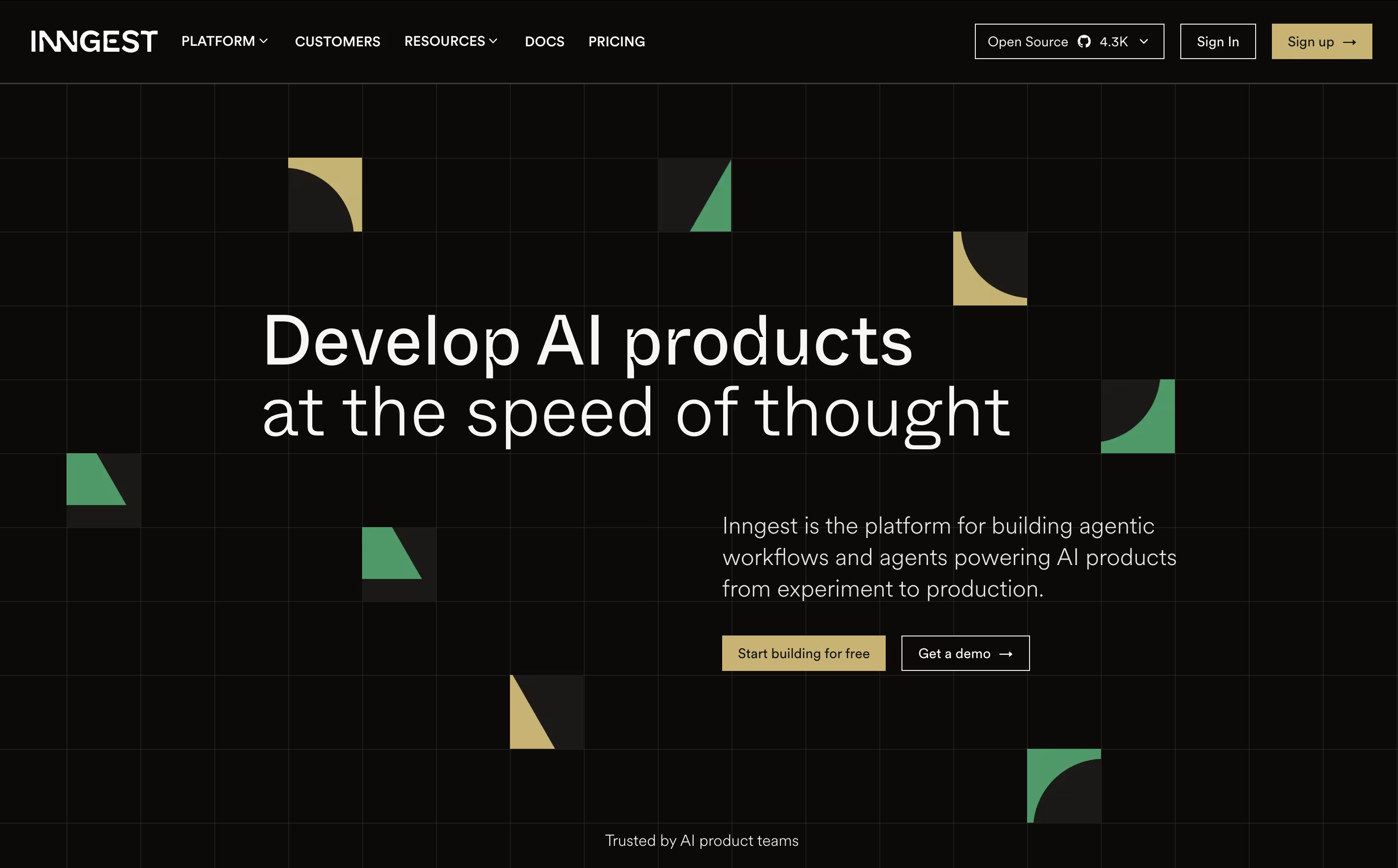
It uses step functions and incorporates real-time event processing, enabling developers to build complex workflows that can run for days or months with automatic error recovery. The main difference from regular workflow tools is simple: instead of setting up queues and managing state, you write normal code and Inngest handles all the infrastructure complexity.
Each step in your workflow automatically retries on failure and maintains state between executions, allowing you to easily build reliable systems. Founded in 2021, this tool has become popular because it eliminates infrastructure headaches and makes complex workflows easy. You can write functions in TypeScript, Python, or Go and deploy anywhere.
Langflow is an open-source platform for building AI applications through a visual interface. You create workflows by connecting building blocks called components. Each component performs a specific task, such as loading data, talking to an AI model, or storing information in a database.
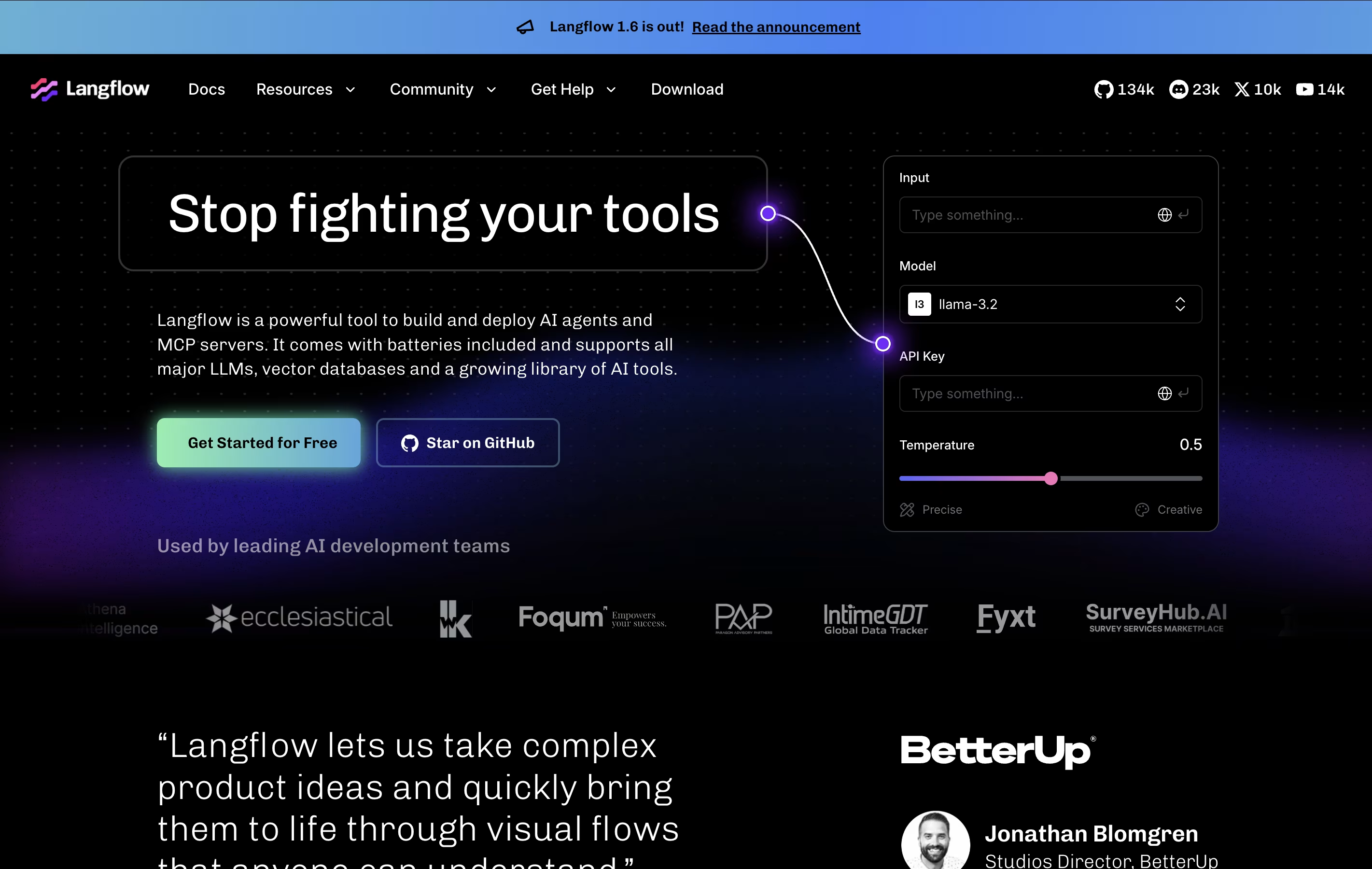
The platform supports agents that can make decisions, use tools, and perform multiple tasks automatically. It also enables Retrieval Augmented Generation (RAG), which lets AI applications search through your documents and provide accurate answers based on your specific data.
There is no cost to use Langflow. It's completely free and open-source. You only pay for external services you connect to it, such as AI model providers like OpenAI or cloud hosting if you choose to deploy your application online.

Dify is a complete platform for building AI-powered applications using a visual interface. You can create workflows by connecting different components without writing code. The platform supports many AI models from providers like OpenAI, Anthropic, and others, letting you switch between them easily.
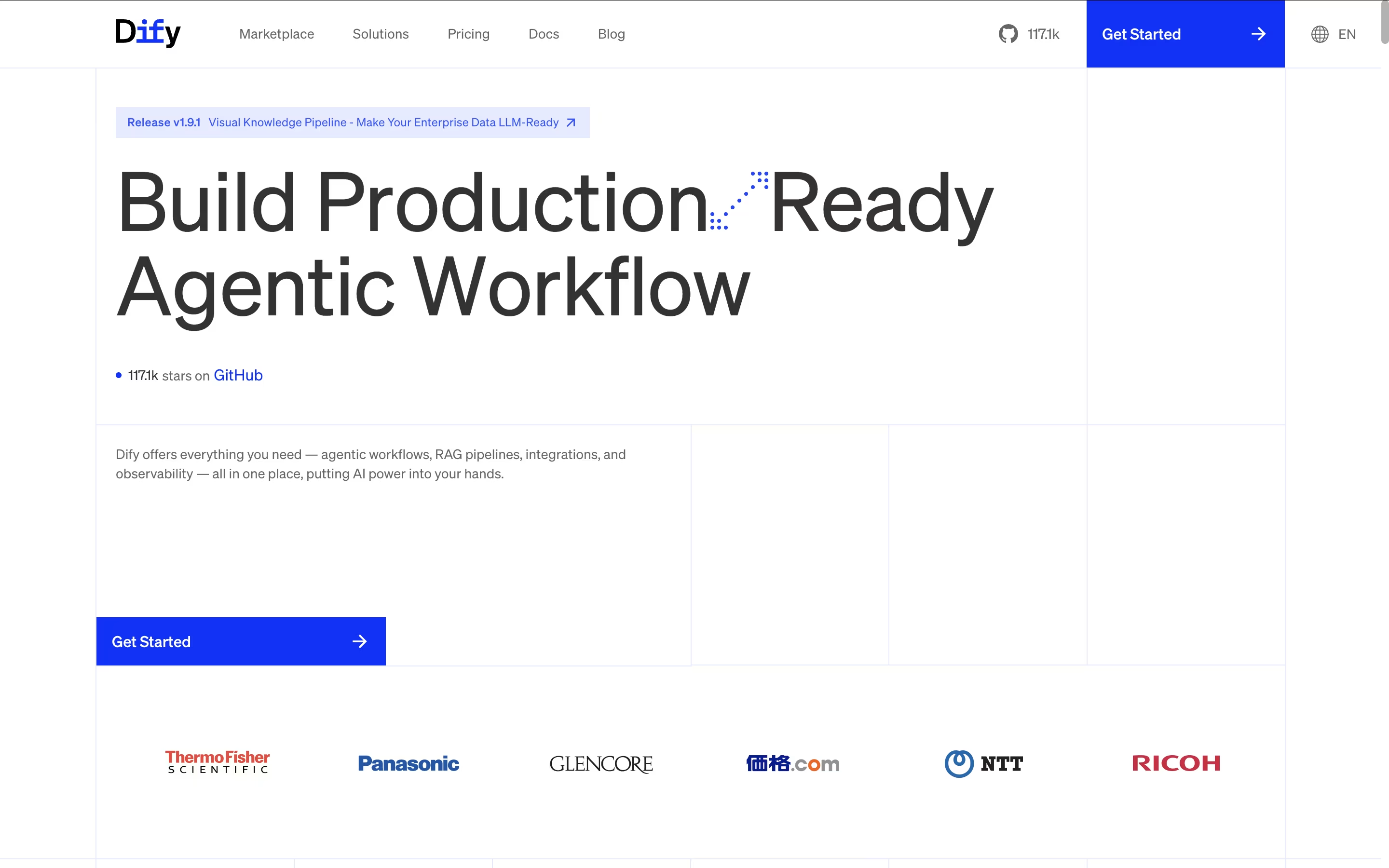
The platform includes tools for managing knowledge bases, creating custom agents, and monitoring application performance. It offers both cloud-based service and self-hosted options, giving you control over where your data lives. The visual workflow builder lets you design complex logic through simple drag-and-drop actions.
Dify is open-source, meaning a community of developers constantly improves it. This makes it reliable and feature-rich while remaining free to use for basic needs, with premium plans available for advanced features.
StackAI is a platform where you build AI agents through a visual canvas. Instead of coding, you drag components onto a screen and connect them together. These components can be language models, your company documents, or connections to other software you use.
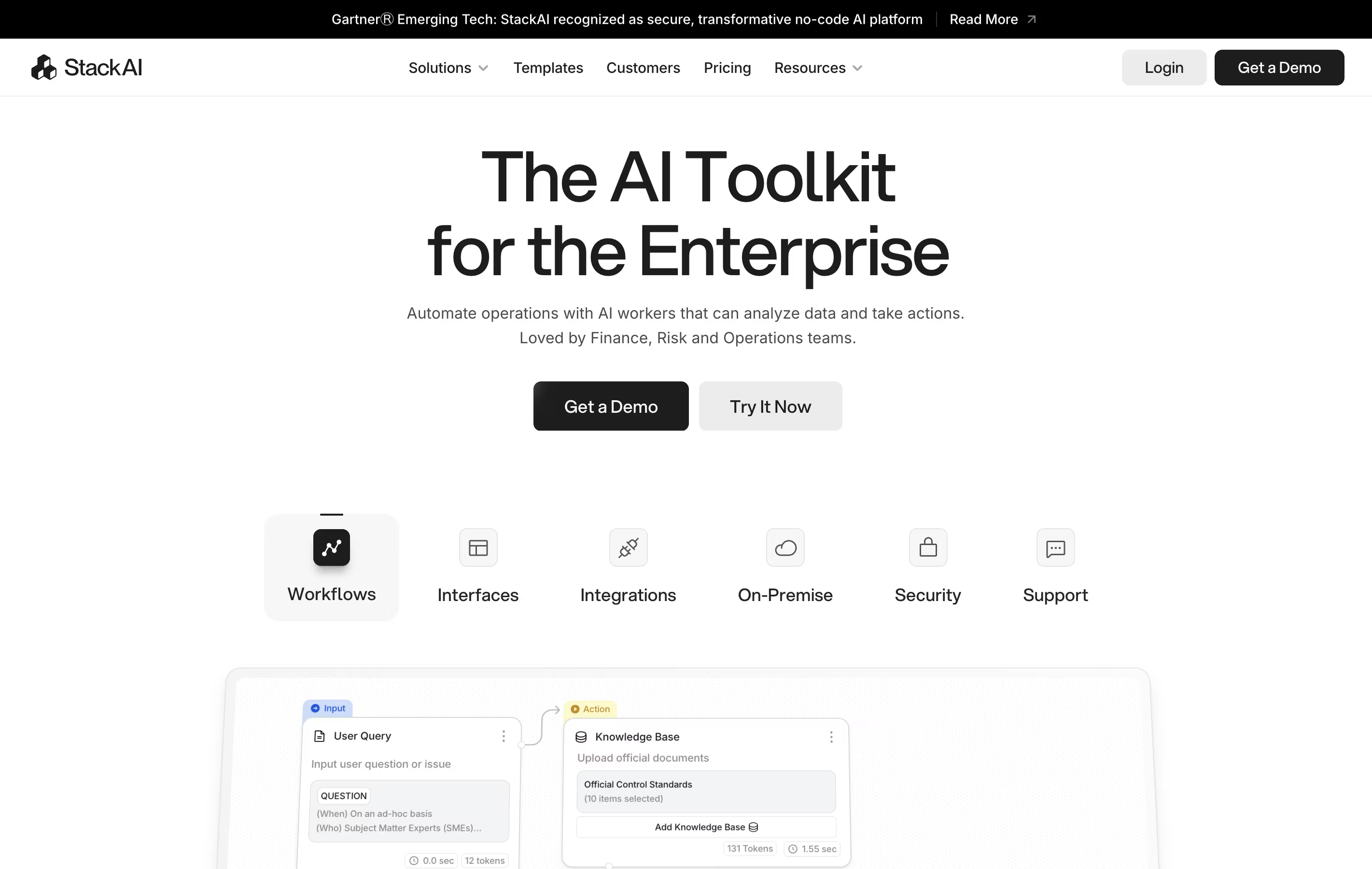
The platform specializes in helping businesses automate their internal processes. You can build chatbots that answer employee questions, systems that analyze documents, or tools that generate reports from your data. Everything runs in a secure environment that follows industry rules for data protection.
StackAI works with multiple AI models from companies like OpenAI and Anthropic. You can also choose where your data lives, including keeping everything on your own servers if needed for extra security.

Vellum is a platform that helps you create AI applications from start to finish. You can build chatbots, content tools, data analysis systems, or custom AI assistants. The platform works with all major AI models including GPT-4, Claude, and open source options.
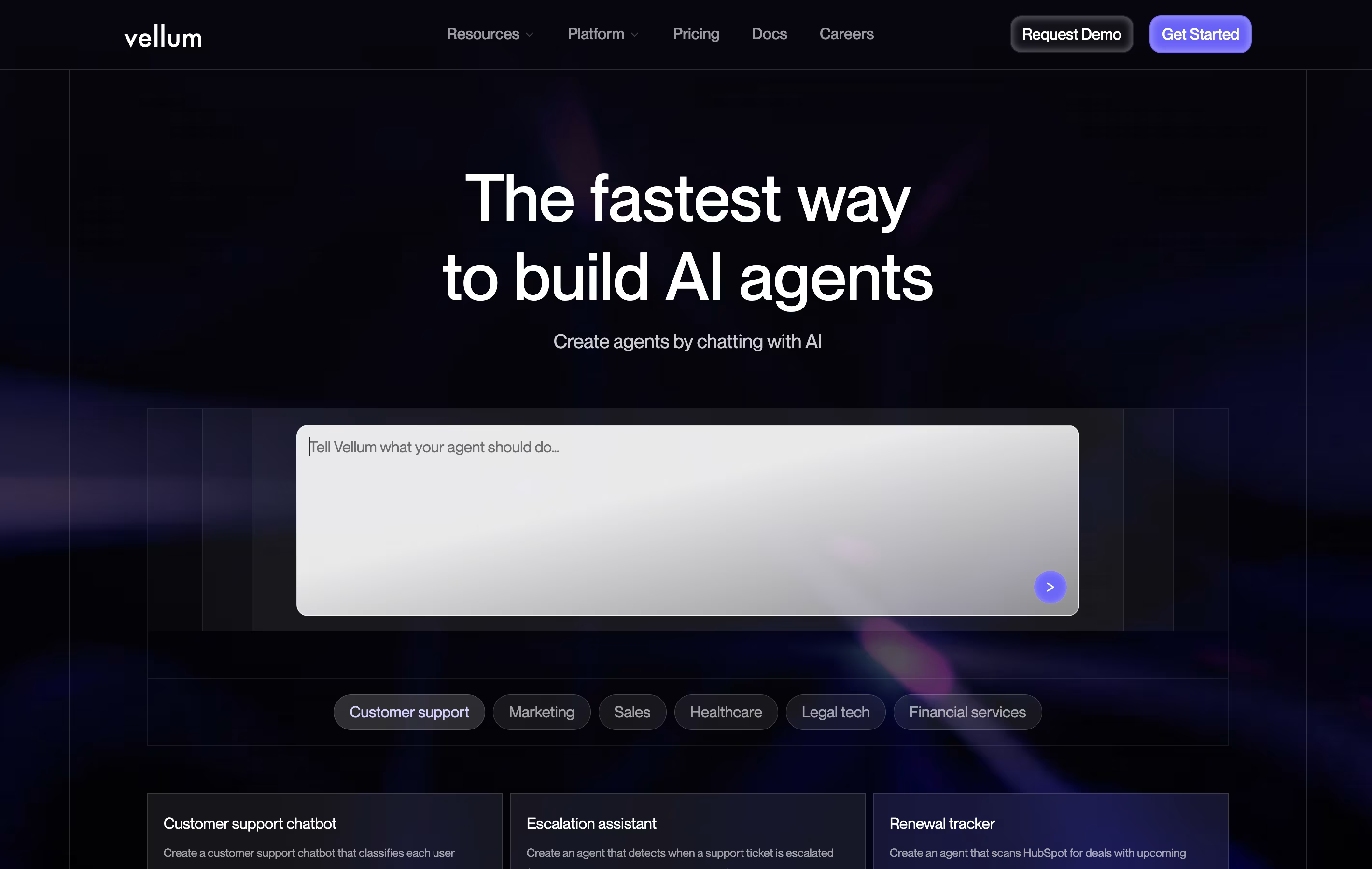
What makes Vellum different is its agent builder. You describe what you want your AI to do in plain language, and it automatically creates the workflow. You can connect your AI to business tools like HubSpot, Slack, and Google Drive. The platform includes testing tools to check quality before launch and monitoring to track how well things work after launch.
Both technical and non-technical team members can use Vellum. Developers set up connections and security, while other team members adjust prompts and workflows without touching code.

AgentX is a tool that helps you create multiple AI agents that work together as a team. Each agent can focus on specific tasks like customer support, sales follow-ups, or data analysis. Unlike simple chatbots, these agents can collaborate with each other to complete complex jobs.
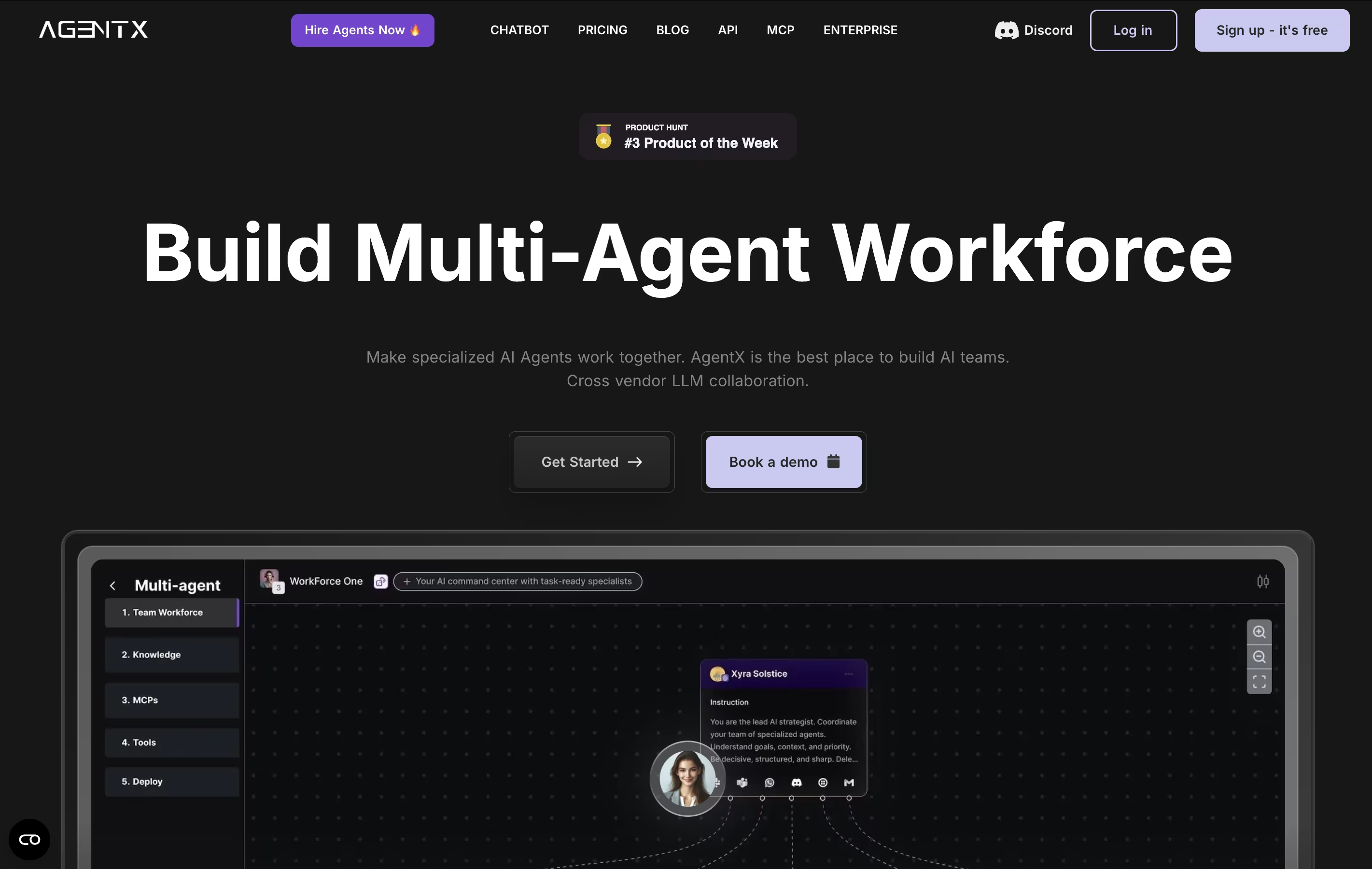
The platform supports all major AI models including GPT-4, Claude, and Gemini. You can choose which model works best for each task. Your agents can access your company documents, connect to databases, and use external tools automatically.
AgentX includes a drag-and-drop builder that makes creating agents simple. You can deploy your agents on websites, messaging apps like Slack and Discord, or use them internally. The system handles everything from simple questions to multi-step business processes without requiring technical knowledge.

Flowise is a visual development platform for creating AI-powered applications using large language models. Think of it as building blocks for AI: you drag components onto a canvas and connect them together to create smart systems.
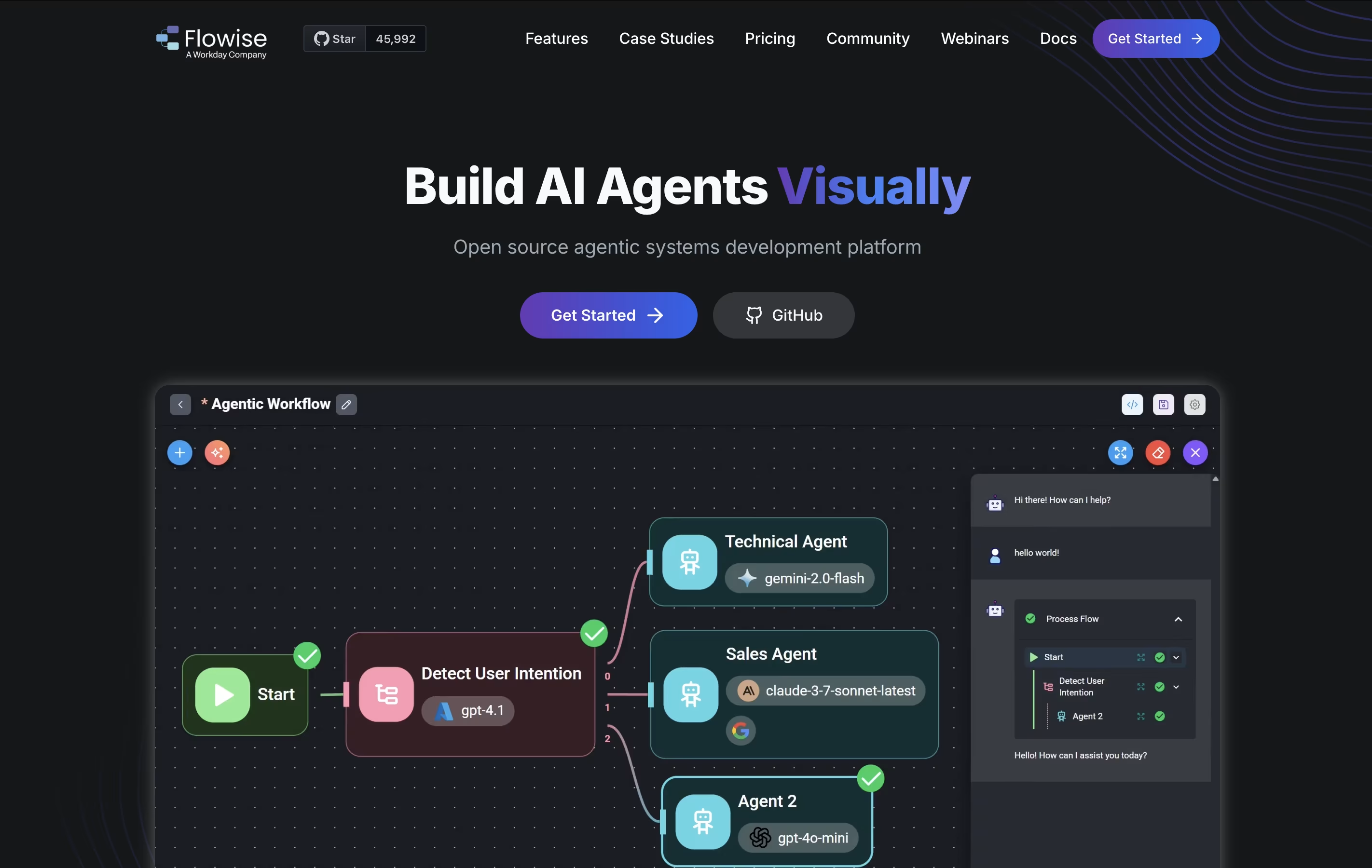
The platform lets you build chatbots that understand documents, create AI agents that can perform tasks automatically, and set up workflows that combine multiple AI tools. It supports retrieval-augmented generation, which means your AI can pull information from your own documents and databases to give accurate answers.
You can start with ready-made templates or build custom solutions from scratch. Flowise works with both cloud-based and locally-hosted AI models, giving you flexibility in how you deploy your applications. The platform is open-source, meaning the community constantly adds new features and improvements.
Plane is a project management tool built to track work, manage sprints, and organize team projects without unnecessary complexity. It gives teams a clear view of their work through multiple layouts like lists, boards, calendars, and charts. You can create tasks called work items, group them into projects, and track progress over time.
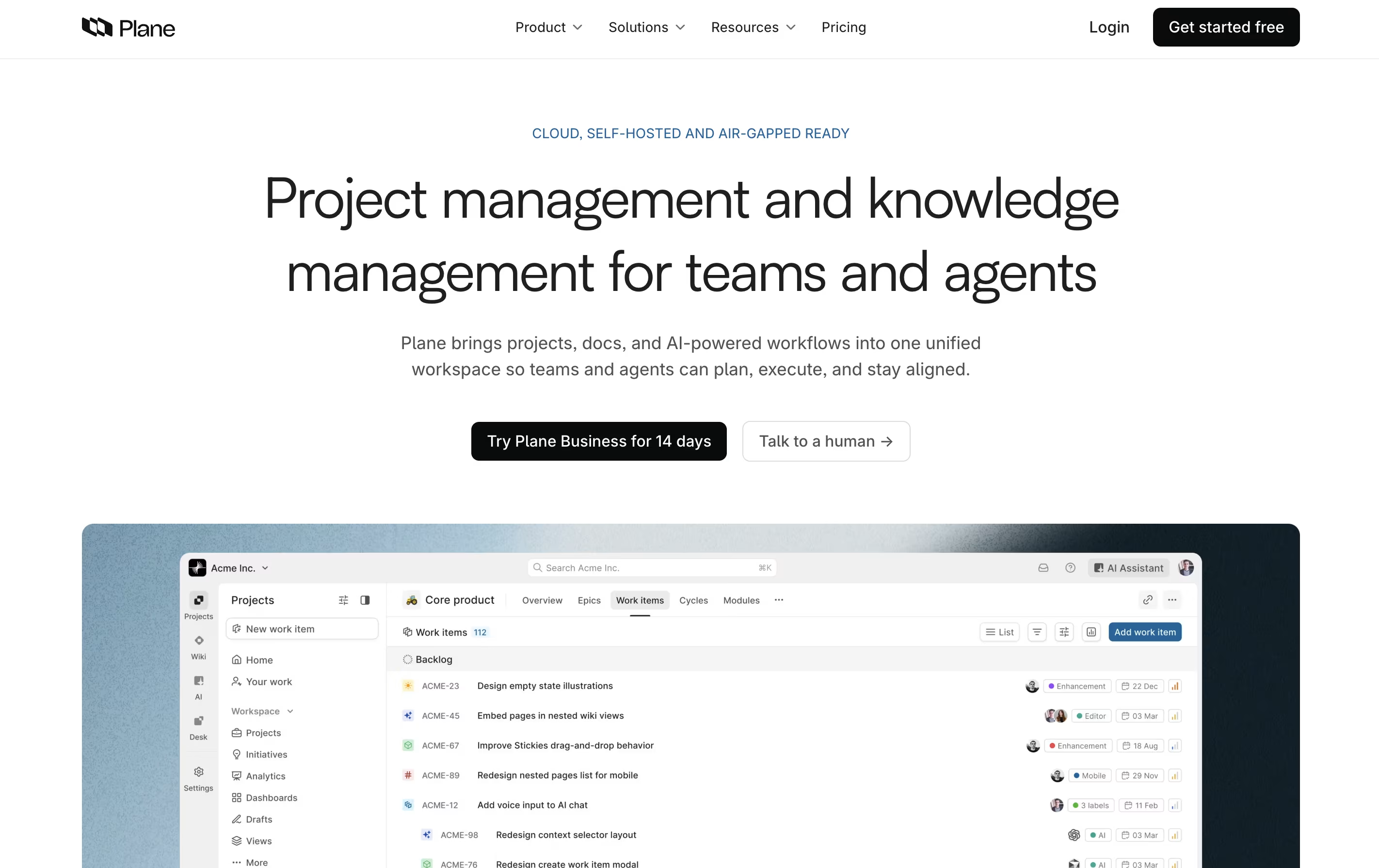
The platform includes AI-powered pages for documenting ideas and plans, built-in time tracking, and detailed analytics to understand team performance. Plane supports both cloud hosting and self-hosting, so you can choose where your data lives. It connects with tools like GitHub and Slack, making it easy to fit into your existing workflow. Whether you use agile methods, scrum, or your own process, Plane adjusts to match how your team actually works.