Best 6 Reporting Tools in 2026
Last Updated: September 24, 2025
Turning data into a clear, shareable report is a recurring need across nearly every business function. Reporting tools automate the creation of formatted reports and dashboards, pulling live data instead of requiring manual updates.
These tools are used by analysts, managers, and business teams who need consistent, up to date reporting without rebuilding it each time. Scheduled, automated reports keep stakeholders informed without extra manual effort.
 Luzmo
Luzmo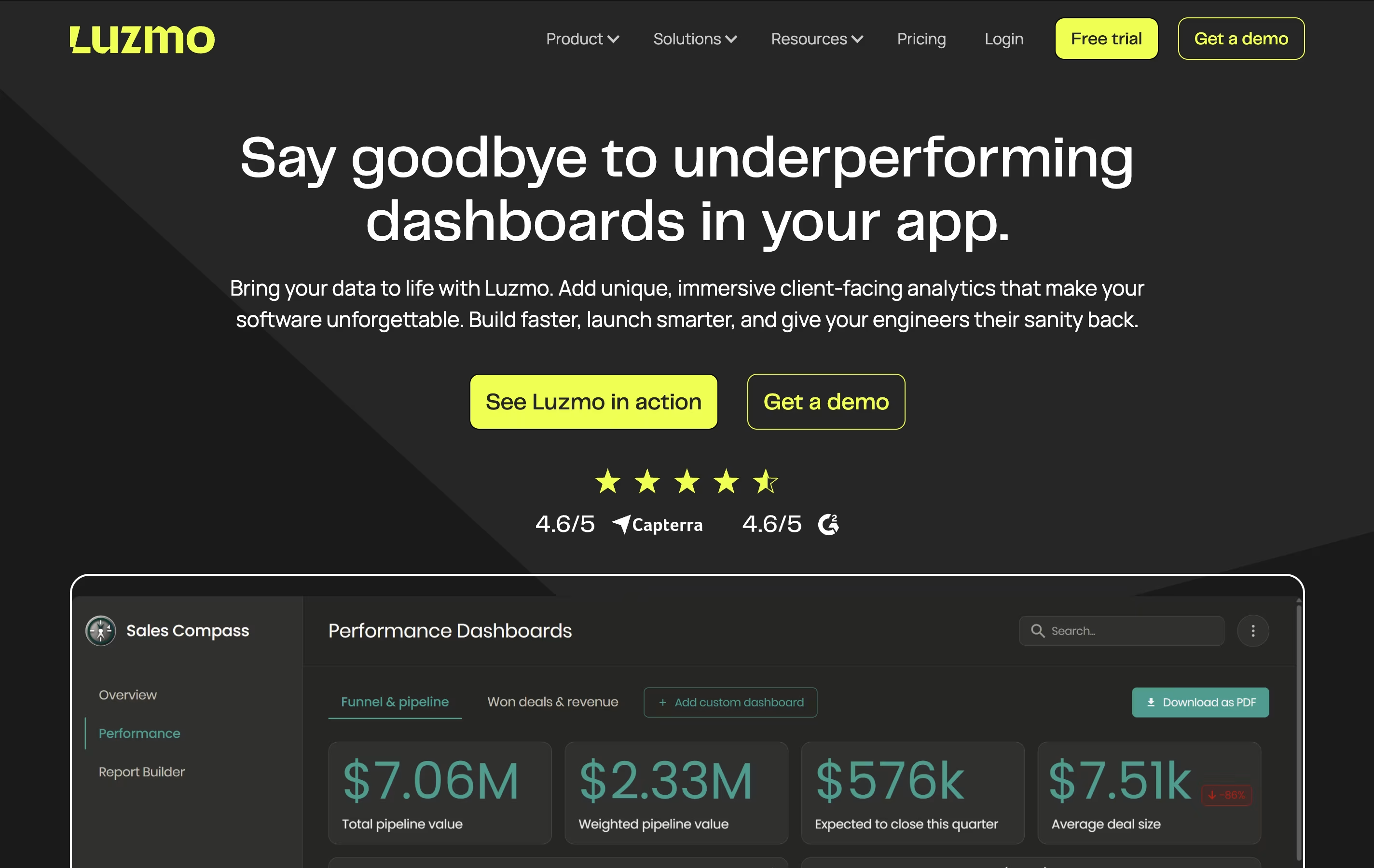 LuzmoEmbedded Analytics Platform for SaaS Companies,
  Appfigures
 AppfiguresMobile App Analytics & ASO Tools, and
  Metabase
 MetabaseOpen-Source Business Intelligence Tool are the best for Reporting. So, let’s take a closer look at all 6 tools.
Luzmo is an embedded analytics platform built for SaaS companies that want to add data visualization capabilities to their products. Think of it as a toolkit that lets you embed interactive dashboards, charts, and reports directly into your application without building everything from scratch.
The platform provides everything needed for embedded analytics: drag-and-drop dashboard builders, AI-powered insights, real-time data connections, and complete white-label customization. Your users can interact with data, create their own visualizations, and get insights without ever leaving your application.
What makes Luzmo special is its focus on embedding. Unlike traditional business intelligence tools meant for internal use, Luzmo is designed to become part of your product experience. It supports multi-tenancy, allowing you to serve analytics to many customers while keeping their data completely separate and secure.
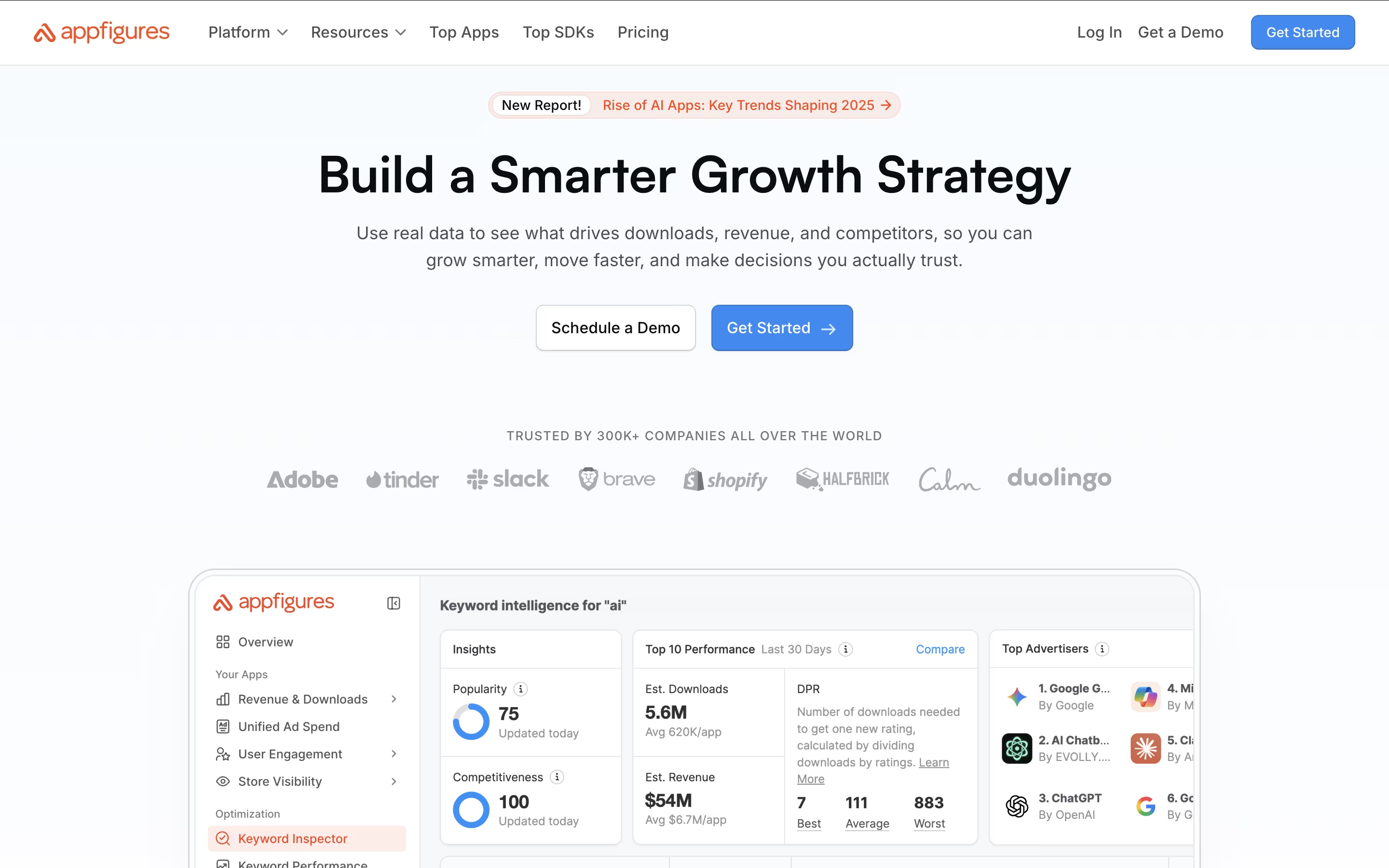
Appfigures is an all-in-one mobile app analytics and intelligence platform that provides developers and marketers with complete visibility into their app's performance and the competitive landscape. It automatically collects data from major app stores, ad networks, and analytics providers to give you a unified view of your mobile business.
The platform offers three main areas of functionality. First, comprehensive analytics that track downloads, revenue, subscriptions, ratings, and rankings across all app stores. Second, powerful ASO tools that help you discover high-performing keywords, track ranking changes, and optimize your app store listings. Third, competitive intelligence that lets you monitor competitor performance, analyze market trends, and identify growth opportunities.
Whether you're an indie developer with one app or a large publisher managing dozens of apps, Appfigures provides the insights you need to understand your performance, outsmart competitors, and grow downloads organically.
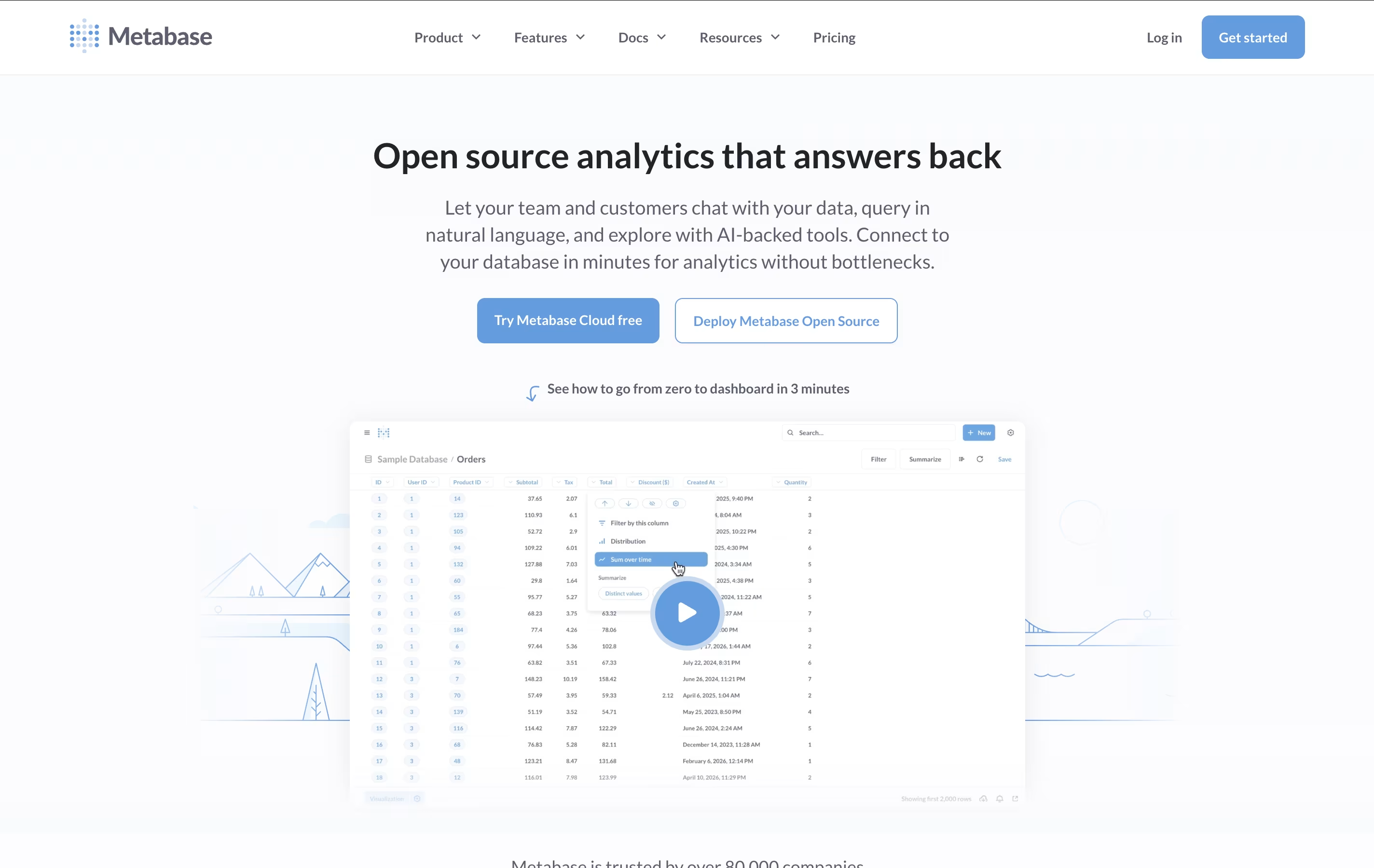
Metabase is an open-source business intelligence platform designed to make data accessible to everyone in your organization. Instead of requiring SQL knowledge or technical training, it provides a visual query builder that lets users click and drag to create charts, graphs, and dashboards.
The platform connects to over 20 different databases and data sources, from PostgreSQL and MySQL to cloud services like BigQuery and Snowflake. It queries your data directly without copying or storing it elsewhere, which keeps everything secure and up-to-date.
Metabase offers both self-hosted and cloud deployment options. The open-source version includes all core features for free, while paid plans add advanced permissions, embedding capabilities, and professional support. Whether you're a startup analyzing customer data or an enterprise building internal dashboards, Metabase scales from simple charts to complex multi-user analytics platforms.

ChartMogul is a subscription analytics platform that automatically imports data from your billing systems and converts it into meaningful business metrics. Instead of spending hours calculating revenue numbers in spreadsheets, you get instant access to key performance indicators that matter for subscription businesses.
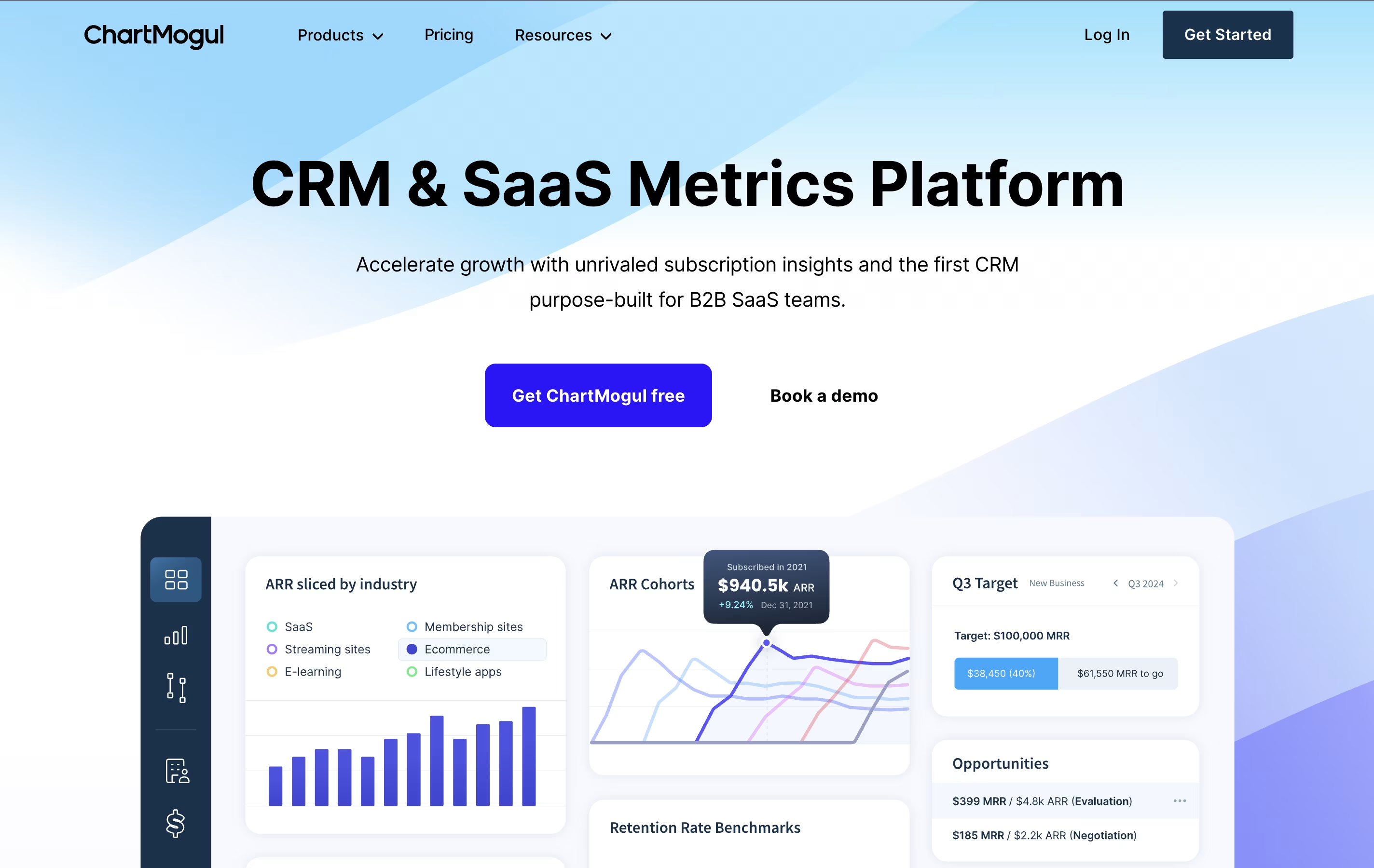
The platform tracks essential metrics like Monthly Recurring Revenue, Annual Recurring Revenue, customer churn rates, and customer lifetime value. It also provides cohort analysis, segmentation tools, and benchmarking features to compare your performance against industry standards.
ChartMogul offers both analytics and CRM functionality, making it a complete solution for managing subscription data and customer relationships. It serves businesses from early-stage startups to enterprise companies, with pricing based on your revenue size.
Coupler.io is a "no-code data integration and automation platform" that connects different business applications to create unified reports and dashboards. It acts as a bridge between your marketing tools, sales software, accounting systems, and reporting platforms.
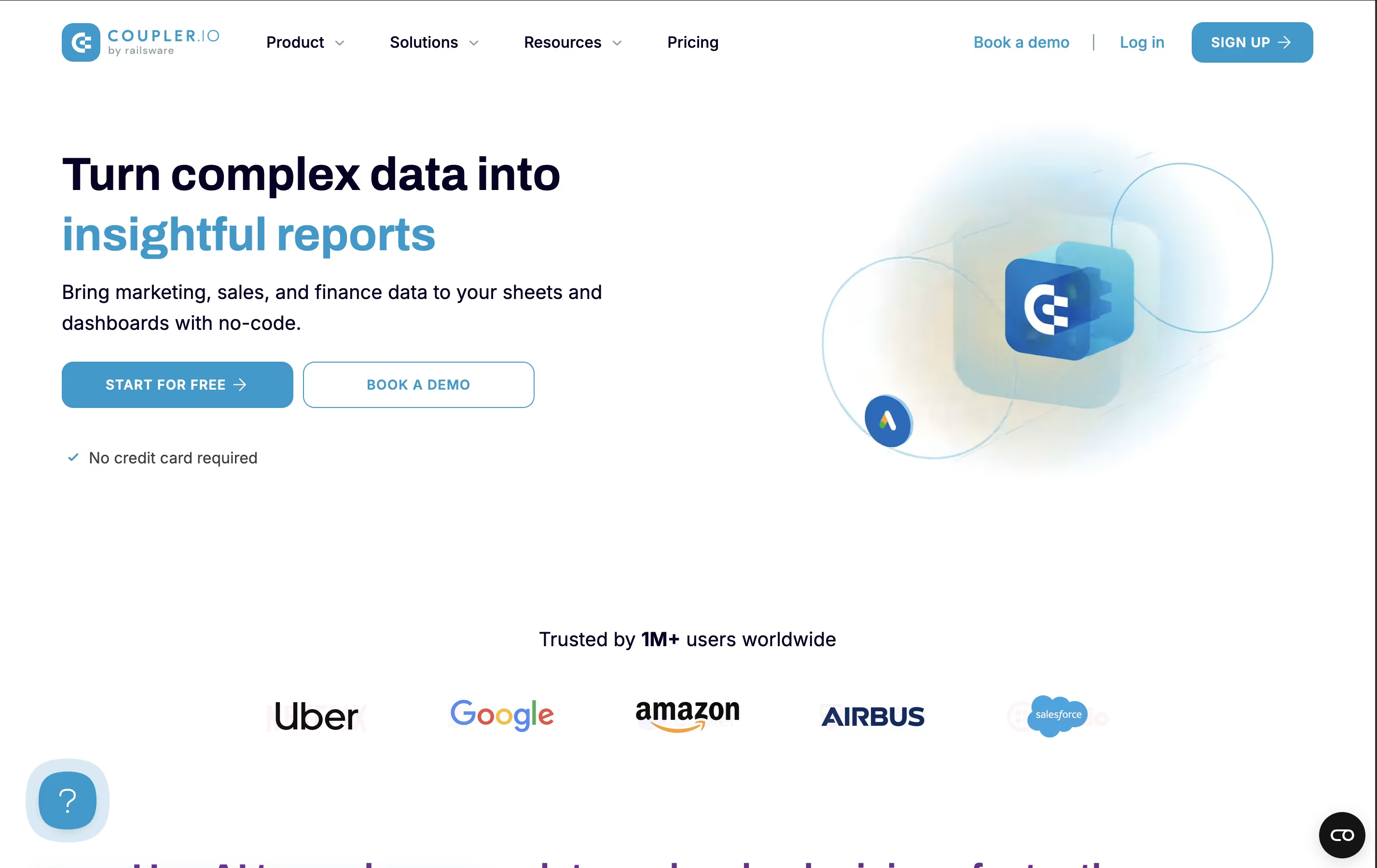
The tool automatically pulls data from sources like Google Analytics, HubSpot, Xero, and social media platforms, then sends it to destinations like Google Sheets, Excel, Power BI, or Looker Studio. This happens on a schedule you set, so your reports stay fresh without manual work.
What makes it special is its ability to transform and combine data from multiple sources, creating custom reports that update themselves. This helps businesses track performance, spot trends, and make data-driven decisions faster than traditional manual reporting methods.

Drata is an AI-powered security and compliance automation platform built to deliver continuous monitoring and automated evidence collection for audit readiness. Think of it as a mix between traditional compliance tools and modern automation, but better.
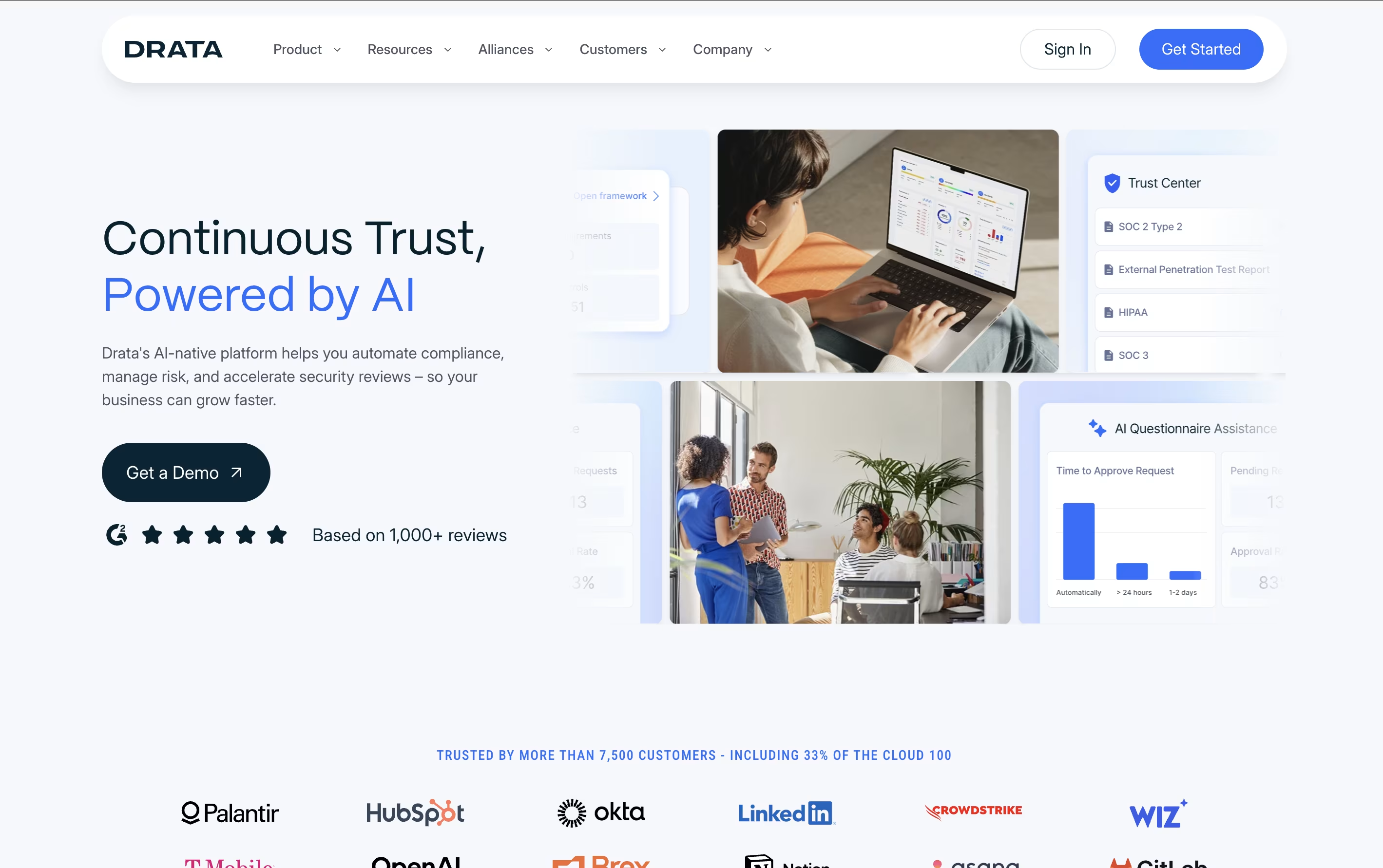
It uses artificial intelligence and integrates with over 200 applications to provide real-time monitoring based on current security controls. The main difference from manual compliance processes is simple: instead of collecting evidence manually, Drata automatically gathers proof from your connected systems and tells you exactly what needs attention.
Each monitoring result includes detailed evidence linking to original sources, allowing you to easily verify information or explore further. Founded in 2020, this tool has become popular because it saves time and makes compliance management easier. You can manage multiple frameworks simultaneously, just like talking to a compliance expert, and get smart, helpful guidance backed by real automated monitoring.