

Best 7 Tools for Data Pipeline Building in 2026
Last Updated: September 23, 2025
Moving data reliably from one system to another is rarely as simple as it sounds. Data Pipeline Building tools help design and automate the flow of data between sources, storage, and analysis tools.
Data engineers and analysts use pipeline tools to keep data moving accurately and on schedule without manual intervention at every step.
 Mage
Mage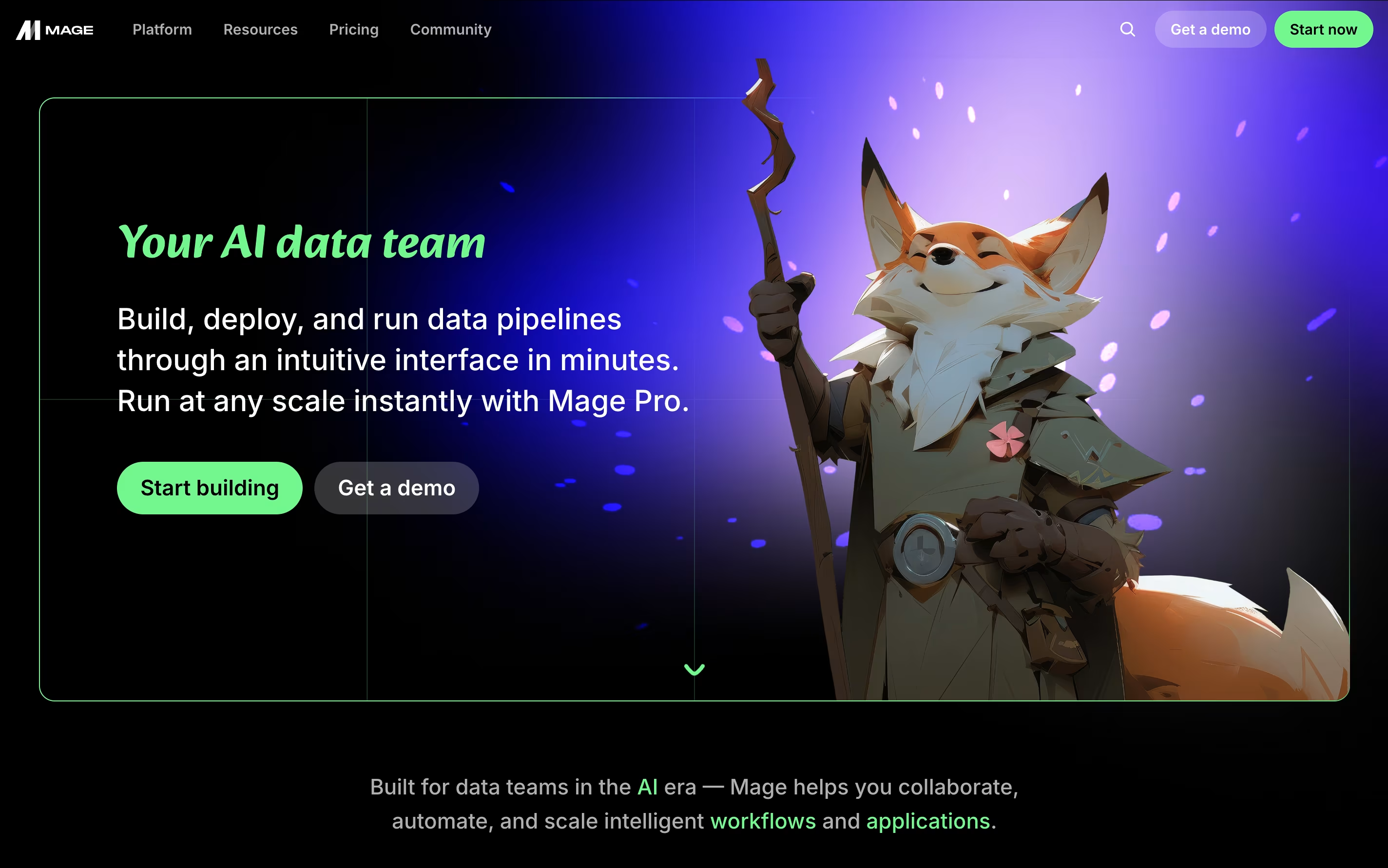 MageModern Data Pipeline Platform for Teams,
  Temporal
 TemporalDurable Execution Platform for Developers, and
  MotherDuck
 MotherDuckServerless Analytics Data Warehouse Built on DuckDB are the best for Data Pipeline Building. So, let’s take a closer look at all 7 tools.
Mage AI is a comprehensive data pipeline orchestration platform designed to simplify how teams build, deploy, and manage data workflows. Think of it as a smart workspace that combines notebook-style development with powerful automation features.
The platform offers both open-source and enterprise versions, allowing teams to start free and scale as needed. Mage connects to virtually any data source, from databases and APIs to cloud storage services, making data integration seamless. What sets it apart is its AI-powered assistance that helps write code, optimize performance, and debug issues automatically.
The tool supports multiple programming languages including Python, SQL, and R, giving developers flexibility to work with familiar tools. Built-in features include real-time monitoring, automated testing, version control, and collaboration tools. This makes Mage perfect for data engineers, analysts, and scientists who want to focus on insights rather than infrastructure management.
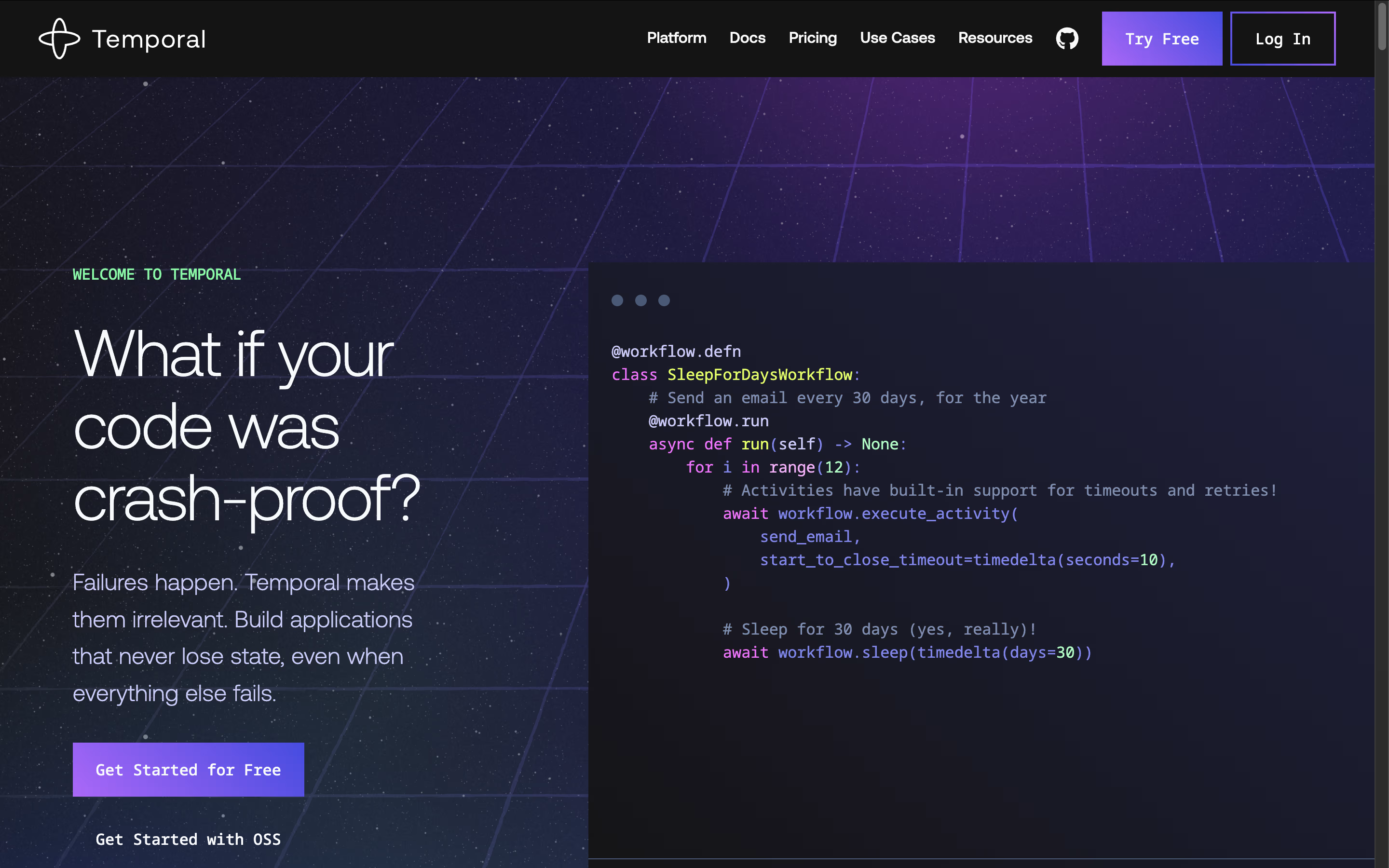
Temporal is a durable execution platform that guarantees your application code will run to completion, no matter what goes wrong. Think of it as a safety net for your software that automatically handles all the messy parts of distributed systems.
The platform consists of two main parts: an open-source server that manages workflow execution and SDKs for popular programming languages like Go, Java, Python, TypeScript, .NET, and PHP. Unlike traditional approaches where you write complex error-handling code, Temporal lets you write your business logic as simple workflows and activities.
Workflows define the overall process, while activities handle individual tasks like sending emails or processing payments. The system automatically persists your application's state at every step, so if something fails, execution picks up exactly where it left off. This approach eliminates the need for custom retry logic, state machines, and complex failure handling code.
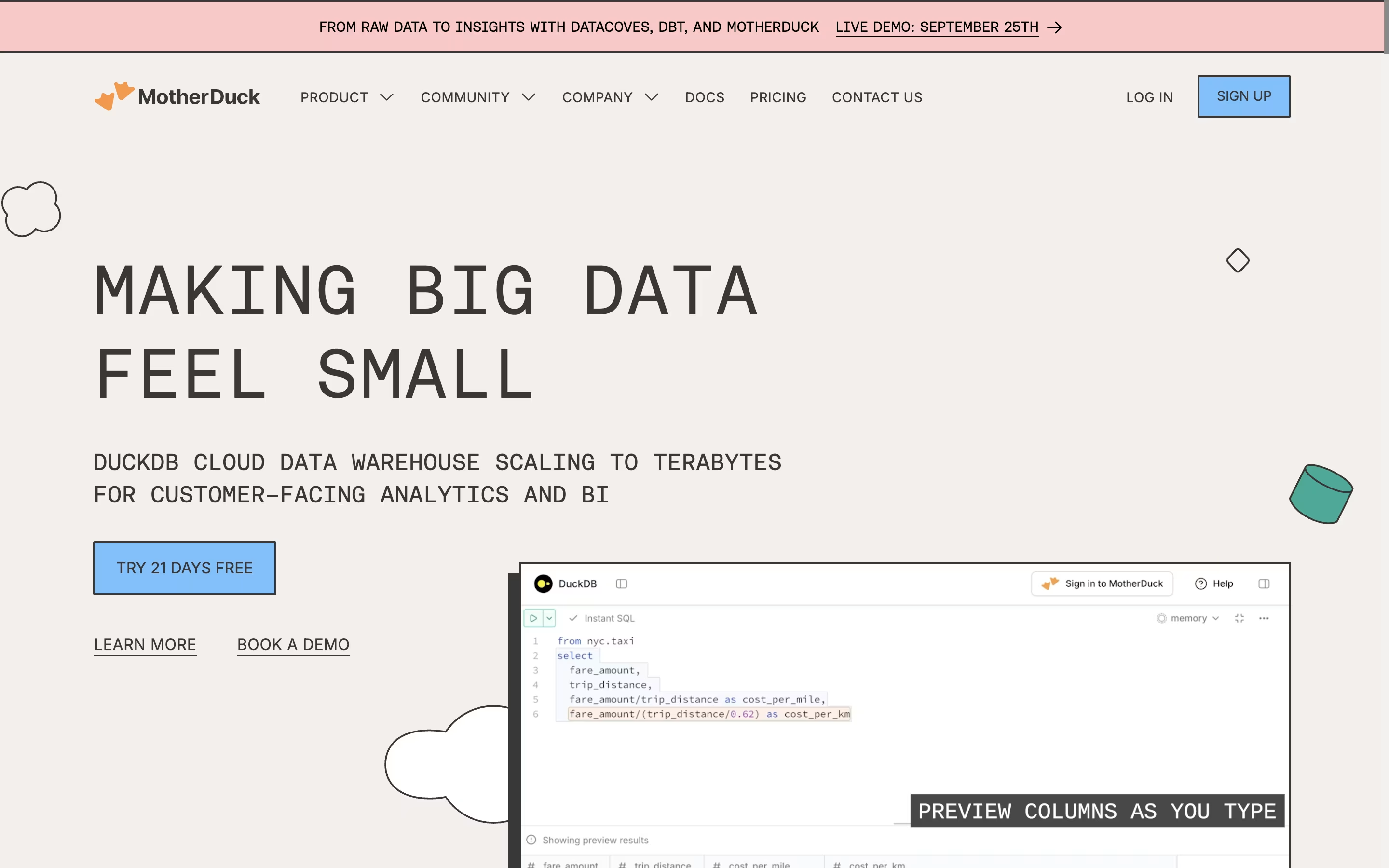
MotherDuck is a serverless cloud analytics platform that extends DuckDB's capabilities to the cloud. Think of it as "DuckDB as a Service" – you get all the speed and simplicity of DuckDB but with cloud-scale storage, sharing, and collaboration features.
The platform uses a unique hybrid processing model where queries can run on your local machine, in the cloud, or both simultaneously. This means you keep the fast performance of local analytics while gaining the benefits of cloud computing when you need them. Each user gets their own isolated compute instance, eliminating resource conflicts and ensuring consistent performance.
Founded by database veterans from companies like Google BigQuery and Snowflake, MotherDuck is designed for teams who want powerful analytics without the complexity of traditional data warehouses. It supports standard SQL, integrates with popular data tools, and makes sharing data as simple as sending a link.

Apify is a comprehensive web scraping and browser automation platform designed to help businesses extract data from websites at scale. Think of it as a marketplace combined with a powerful infrastructure that handles all the complex technical parts of web scraping for you.
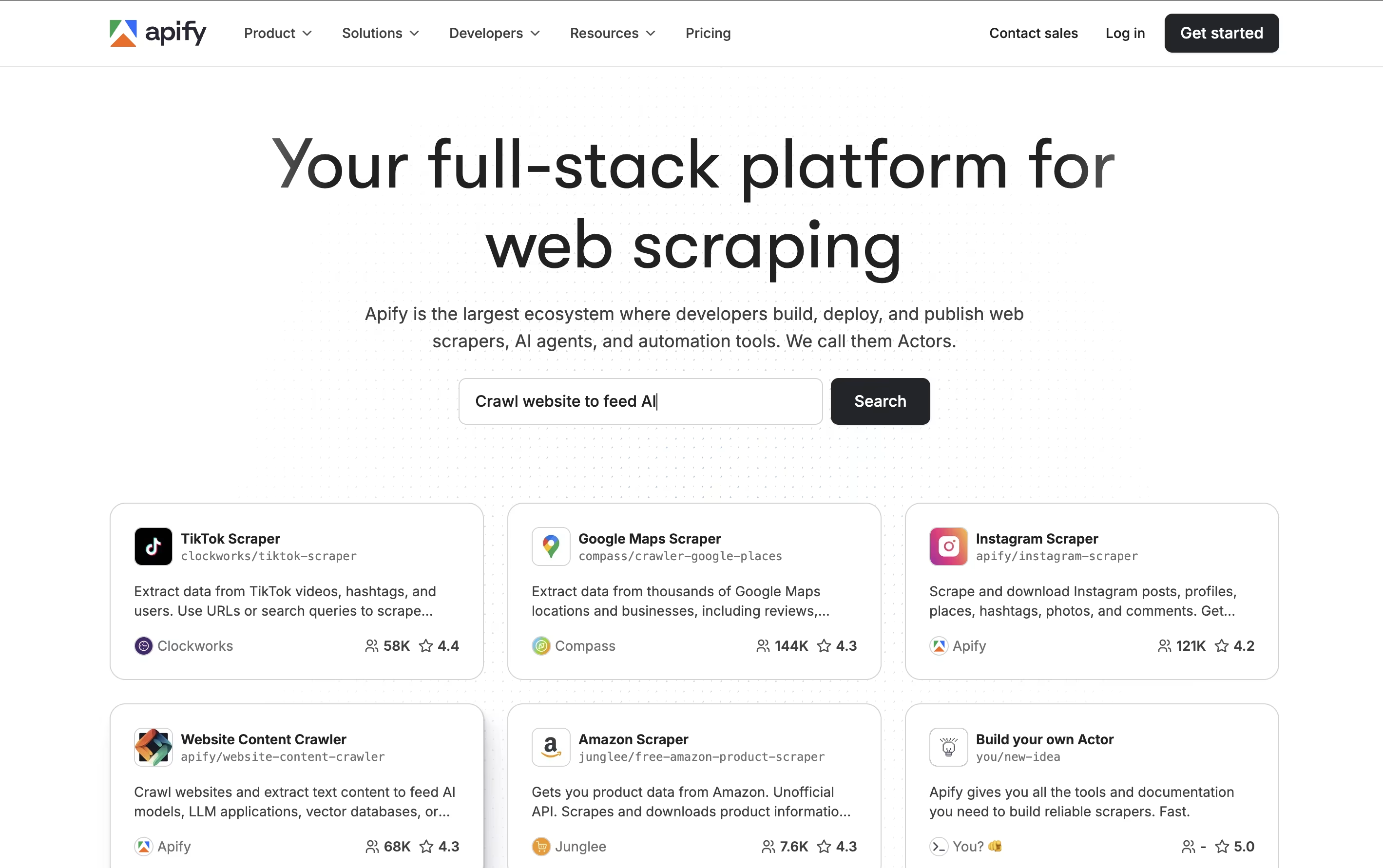
The platform hosts over 6,000 pre-built scrapers and automation tools called "Actors" that can extract data from popular websites like Google Maps, Instagram, Amazon, LinkedIn, and many others. Each Actor is like a specialized robot that knows exactly how to navigate and collect data from specific websites. The main difference from building your own scrapers is simplicity: instead of dealing with proxies, browser management, and anti-bot measures, you just choose an Actor, configure it, and let it run. Founded in 2015, Apify has become the largest ecosystem for web scraping tools, serving over 10,000 customers worldwide.

Inngest is an event-driven durable execution platform built to run reliable, multi-step workflows on any platform without managing infrastructure. Think of it as a mix between traditional queues and modern serverless functions, but much better.
It uses step functions and incorporates real-time event processing, enabling developers to build complex workflows that can run for days or months with automatic error recovery. The main difference from regular workflow tools is simple: instead of setting up queues and managing state, you write normal code and Inngest handles all the infrastructure complexity.
Each step in your workflow automatically retries on failure and maintains state between executions, allowing you to easily build reliable systems. Founded in 2021, this tool has become popular because it eliminates infrastructure headaches and makes complex workflows easy. You can write functions in TypeScript, Python, or Go and deploy anywhere.

Trigger.dev is an open source background jobs framework that allows developers to create reliable, long-running tasks directly in their codebase. Think of it as a better way to handle any job that takes more than a few seconds to complete, without worrying about timeouts or server management.
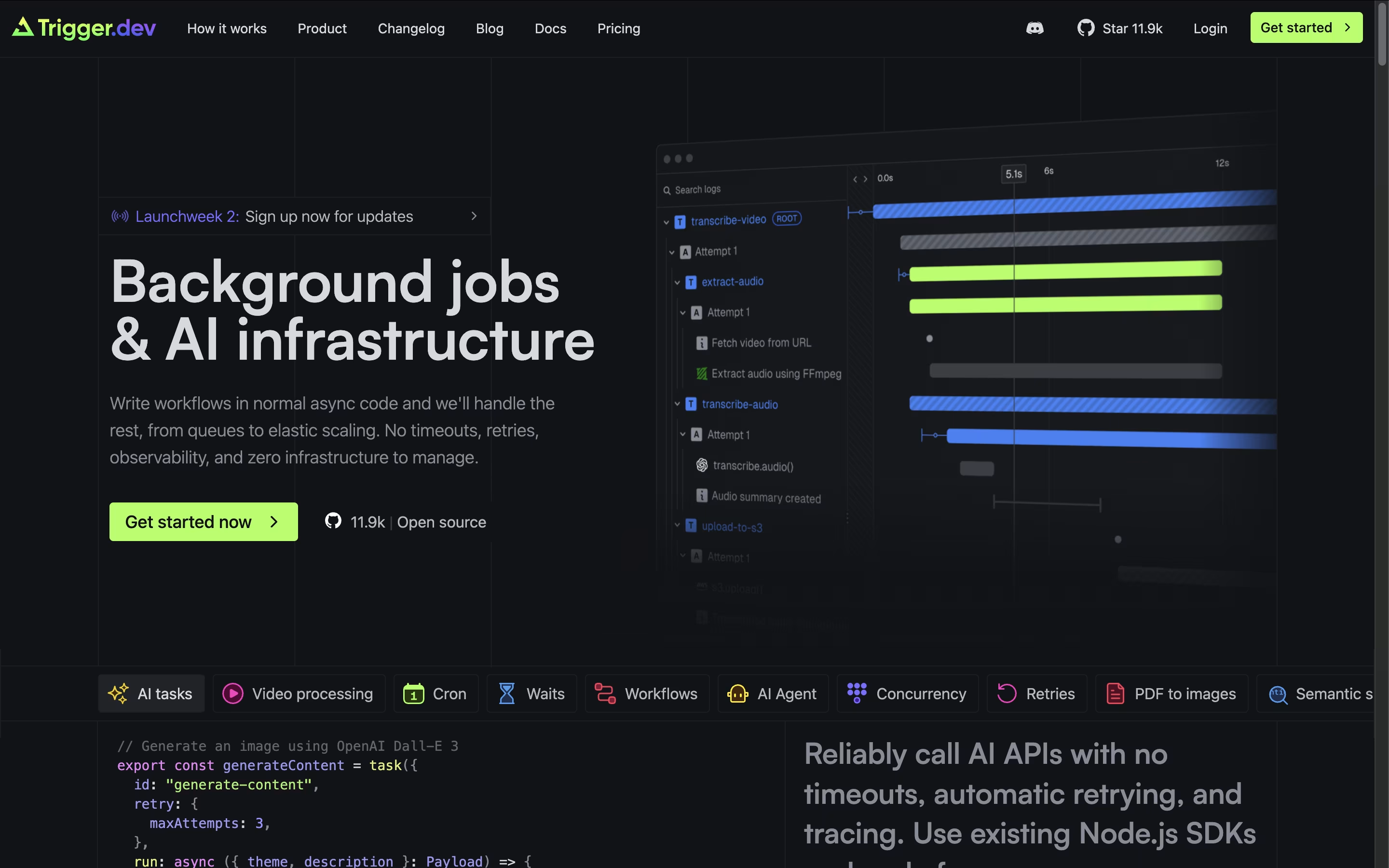
The platform excels at tasks like AI content generation, video processing, data analysis, email campaigns, and complex workflows that traditional serverless functions struggle with. What makes Trigger.dev special is its simplicity - you write regular JavaScript or TypeScript code, deploy it through their CLI, and it runs on their managed infrastructure with no timeout limits.
With automatic retries, real-time monitoring, and seamless integration with your existing codebase, Trigger.dev handles the complex parts of background job management while you focus on building great features. It supports multiple environments and can be self-hosted or used as a cloud service.

Gumloop is an AI-native automation platform designed to help businesses automate complex workflows using artificial intelligence and machine learning. Think of it as a visual programming tool that connects your favorite business applications with cutting-edge AI models.
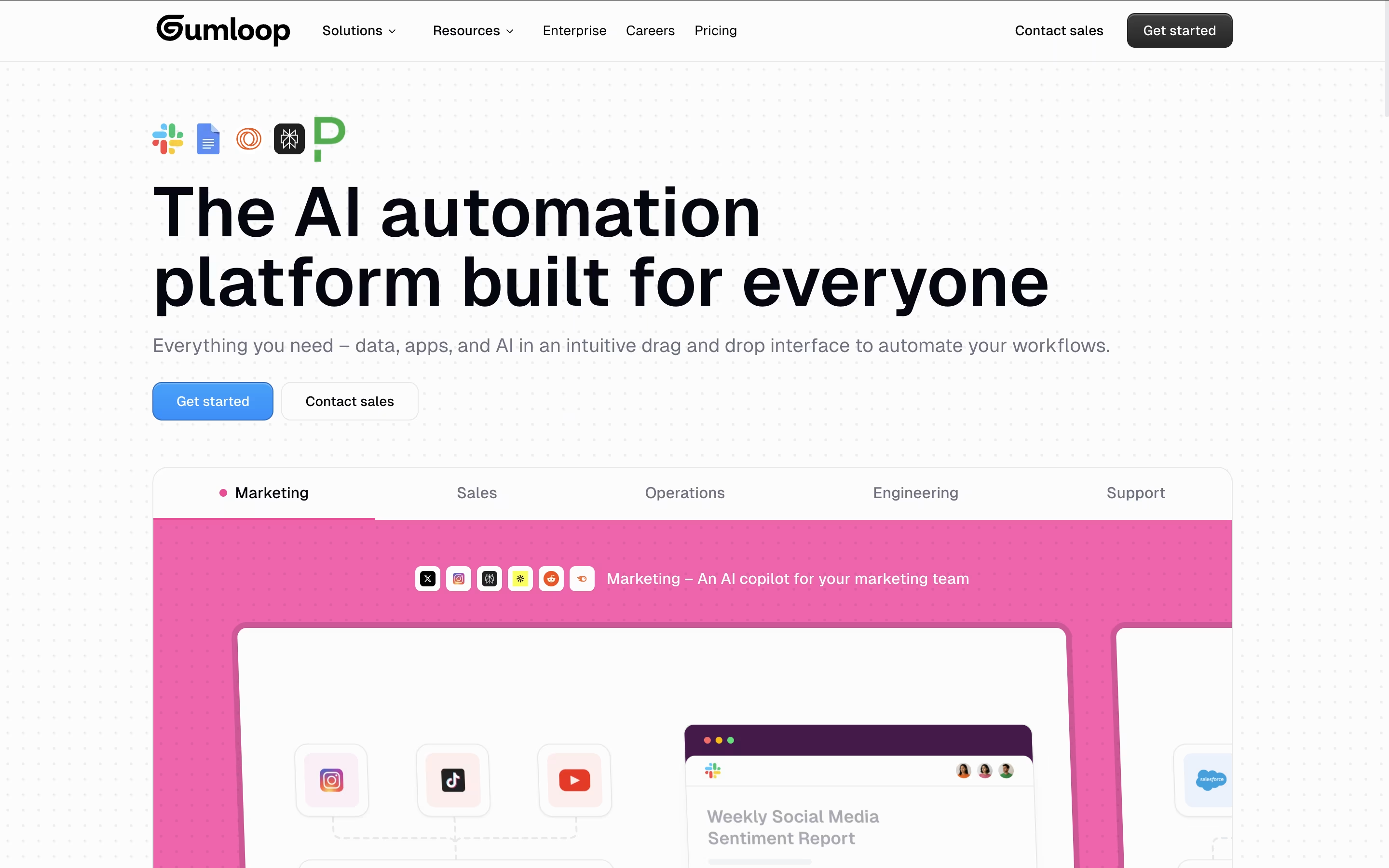
The platform works by letting users drag and drop "nodes" (individual components) onto a visual canvas to build complete automation workflows. These nodes can be anything from web scrapers and document processors to AI models like GPT-4 and Claude. Users connect these nodes together to create "flows" that can handle complex business processes automatically.
Founded in 2023, Gumloop has quickly gained popularity among teams at companies like Webflow, Instacart, and Shopify. What makes it special is its AI-first approach - instead of just moving data between apps, it can actually process, analyze, and make decisions about that data using artificial intelligence. This makes it perfect for automating tasks that previously required human judgment.