Best 7 Tools for App Integration in 2026
Last Updated: August 15, 2026
Most workflows involve multiple tools that need to share data with each other to actually work well together. App Integration tools connect separate apps so information flows between them automatically.
Operations teams and developers use app integration to reduce manual data transfer between systems.
 Coupler.io
 Coupler.ioNo-Code Data Integration Platform,
  Integry
 IntegryAI-Powered Integration Platform for SaaS Apps, and
  Pipedream
 PipedreamWorkflow Automation for Developers are the best for App Integration. So, let’s take a closer look at all 7 tools.
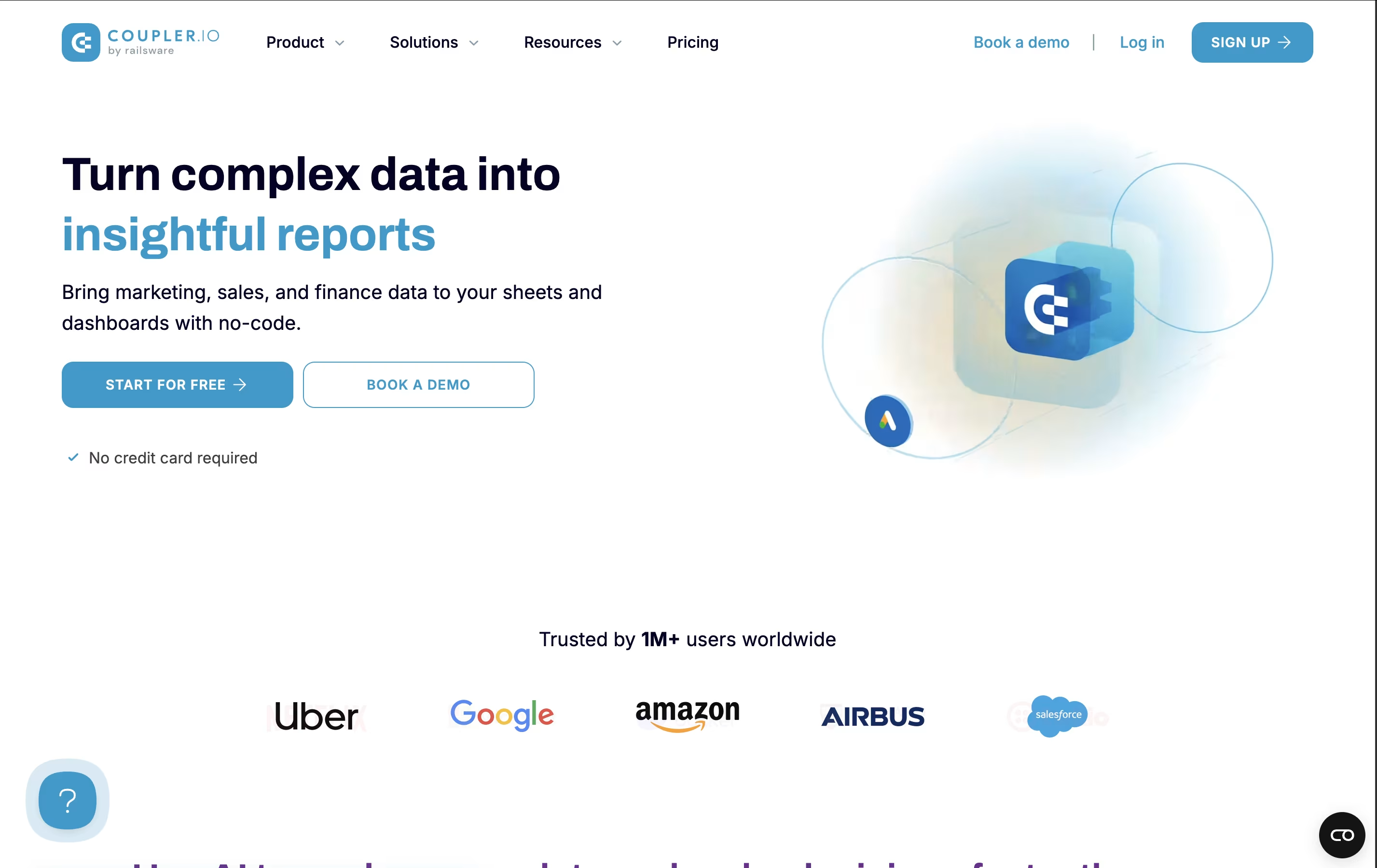
Coupler.io is a "no-code data integration and automation platform" that connects different business applications to create unified reports and dashboards. It acts as a bridge between your marketing tools, sales software, accounting systems, and reporting platforms.
The tool automatically pulls data from sources like Google Analytics, HubSpot, Xero, and social media platforms, then sends it to destinations like Google Sheets, Excel, Power BI, or Looker Studio. This happens on a schedule you set, so your reports stay fresh without manual work.
What makes it special is its ability to transform and combine data from multiple sources, creating custom reports that update themselves. This helps businesses track performance, spot trends, and make data-driven decisions faster than traditional manual reporting methods.
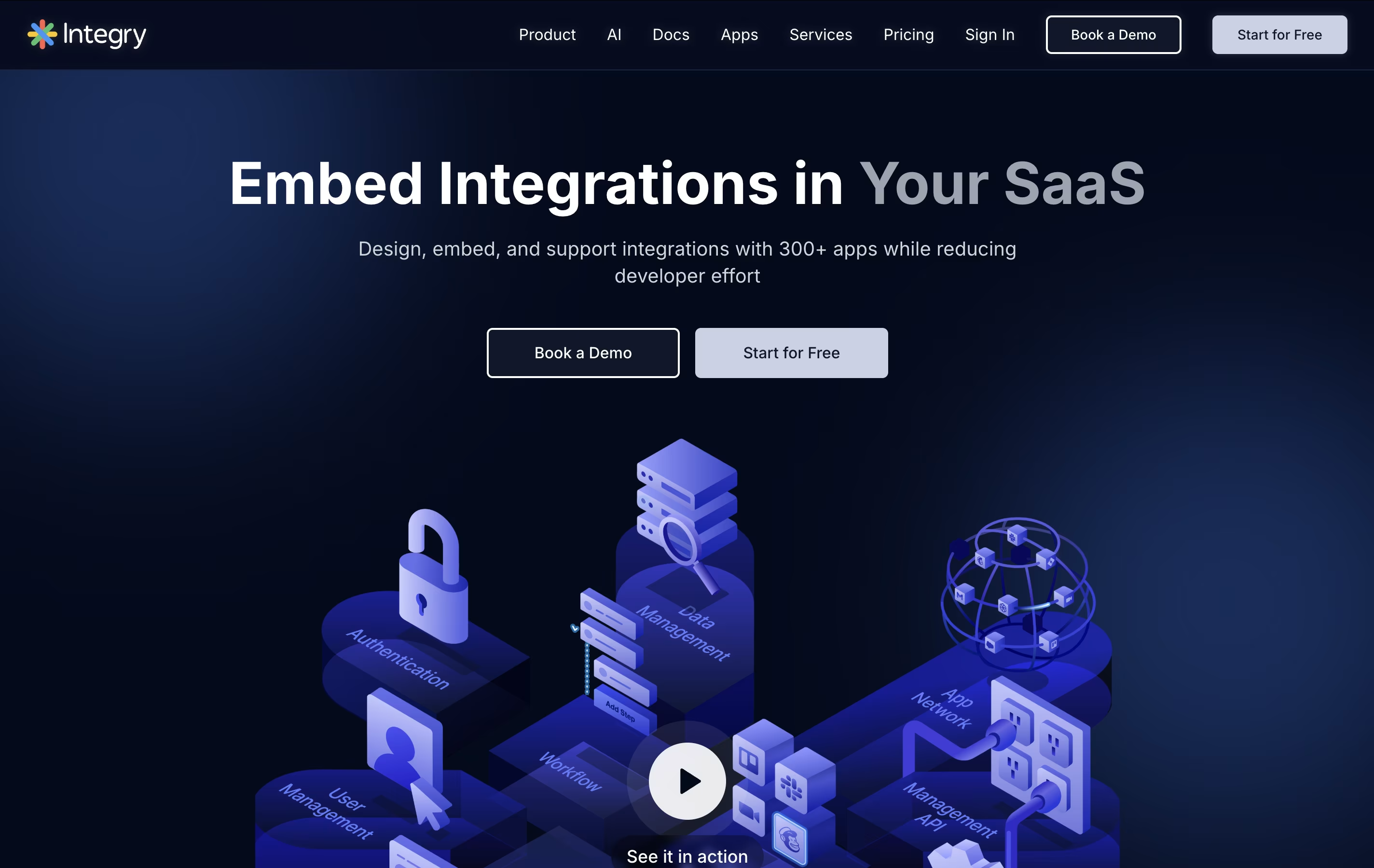
Integry is an enterprise-grade integration platform that serves as the bridge between SaaS applications and hundreds of third-party tools. Unlike traditional integration solutions, Integry focuses on embedded, user-facing integrations that work directly within your product interface.
The platform offers AI-powered function calling capabilities, allowing artificial intelligence systems to predict and execute actions across different applications automatically. This makes it particularly valuable for AI agents and chatbots that need to interact with external tools.
Integry handles the complex technical aspects of integrations including OAuth authentication, data mapping, error handling, and API management. The visual programming environment lets product teams build sophisticated workflows without writing code, while the white-label components ensure the integration experience matches your brand perfectly.
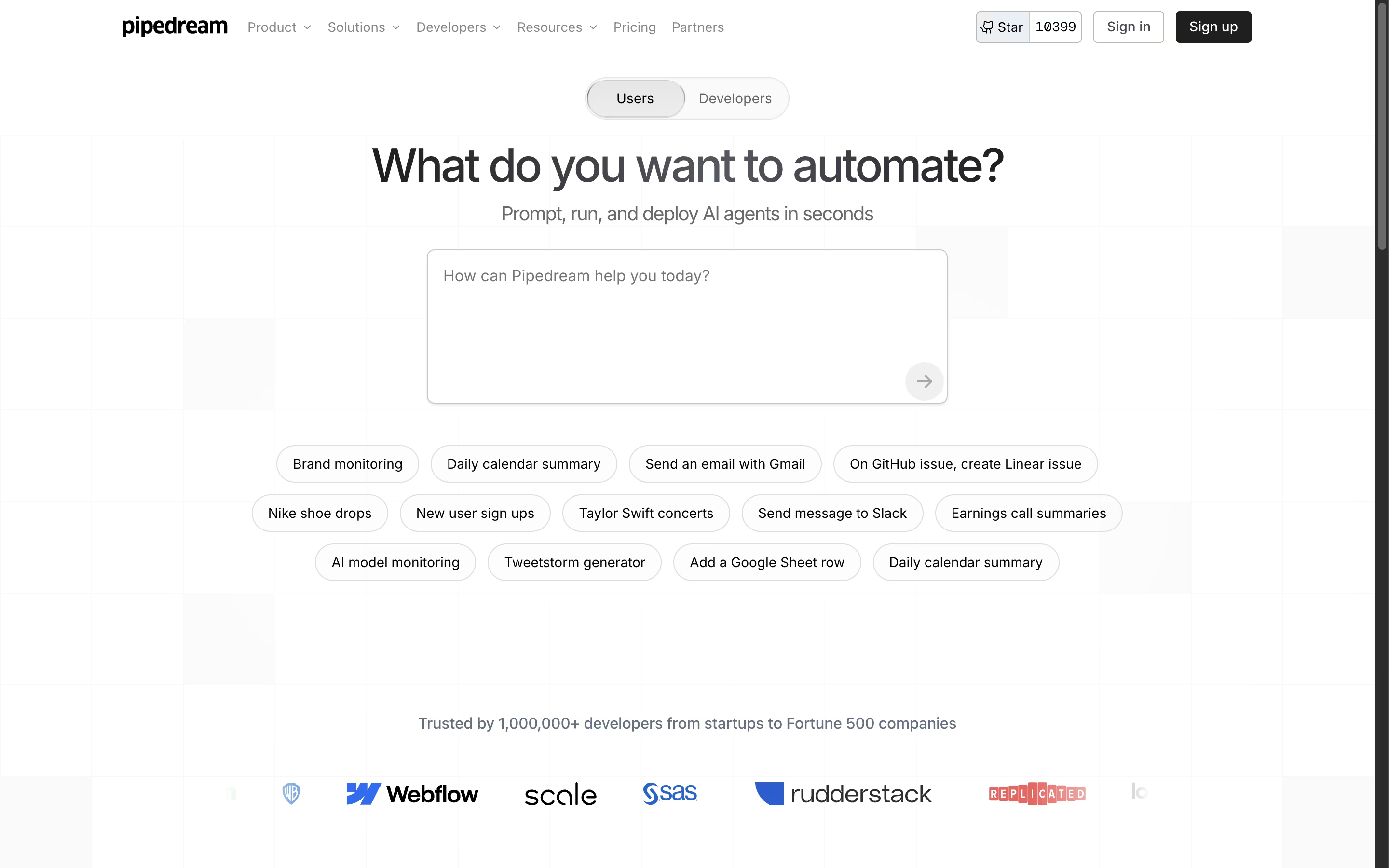
Pipedream is a serverless workflow automation platform designed specifically for developers who need to connect different applications and APIs. Think of it as a bridge that lets your apps talk to each other automatically.
Unlike traditional automation tools, Pipedream gives you the power to write custom code when needed while providing thousands of pre-built components for common tasks. The platform handles all the infrastructure, authentication, and scaling automatically, so you can focus on building workflows instead of managing servers.
Each workflow is a series of steps that run when triggered by events like new emails, API calls, or scheduled times. With support for major programming languages and integration with popular services like Slack, Google Sheets, GitHub, and Stripe, Pipedream makes it easy to automate almost any business process or technical workflow.
BuildShip is an AI-powered visual backend builder designed to help businesses and developers create scalable backend infrastructure without extensive coding knowledge. Think of it as a smart toolbox that combines no-code simplicity with low-code flexibility.
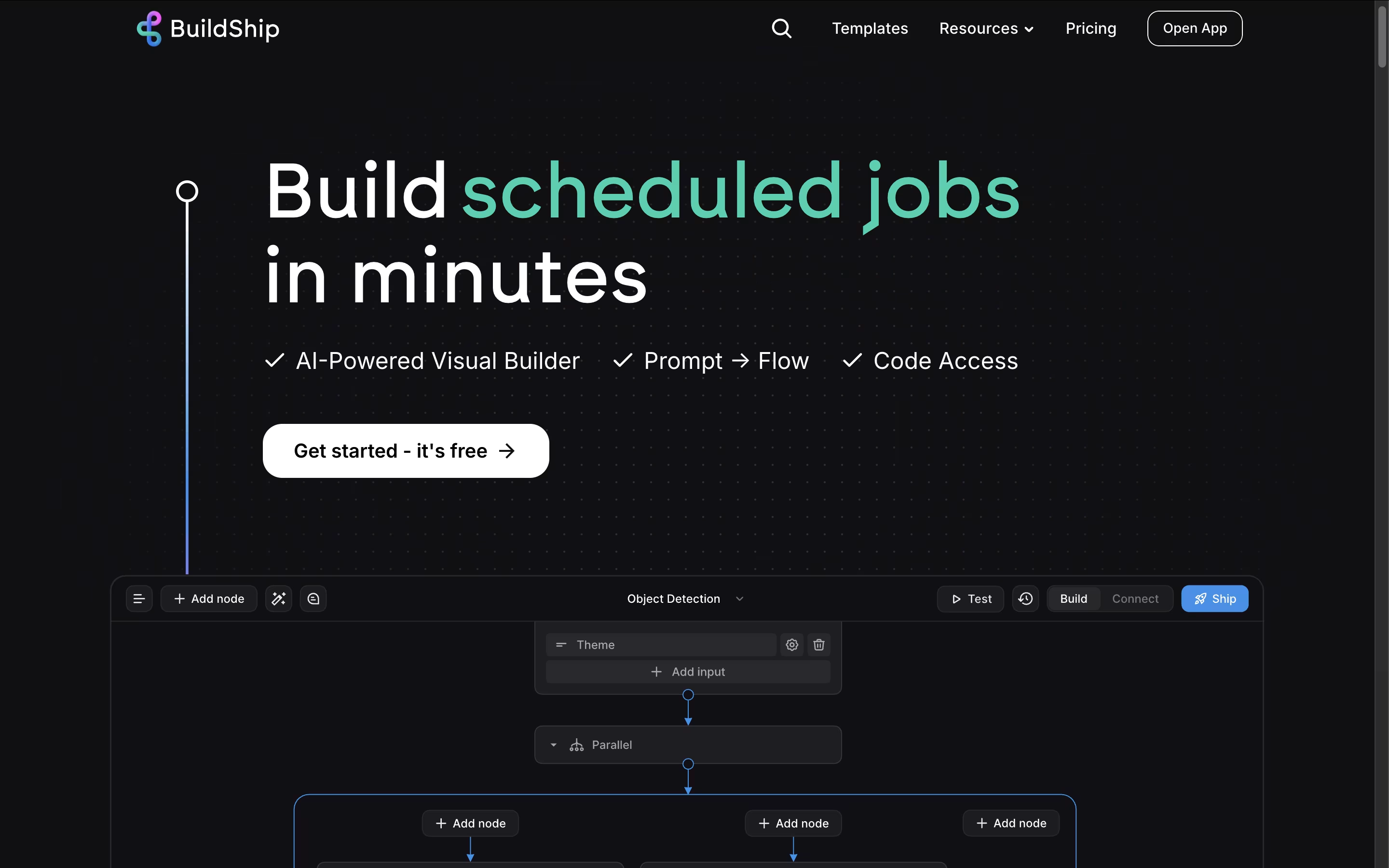
The platform uses a node-based system where you can drag and drop pre-built components or ask AI to generate custom nodes for your specific needs. It runs on Google Cloud Platform, ensuring enterprise-grade scalability and security. BuildShip connects seamlessly with popular AI models like ChatGPT, databases like Firebase and PostgreSQL, and hundreds of third-party services.
Founded in 2023 by the team behind Rowy, this platform has become popular because it eliminates the complexity of traditional backend development while giving you full control over your code when needed.

Paragon is an embedded integration infrastructure platform designed specifically for B2B SaaS companies that need to offer native integrations to their customers. Think of it as the backbone that powers all your app's connections to other software tools your customers use daily.
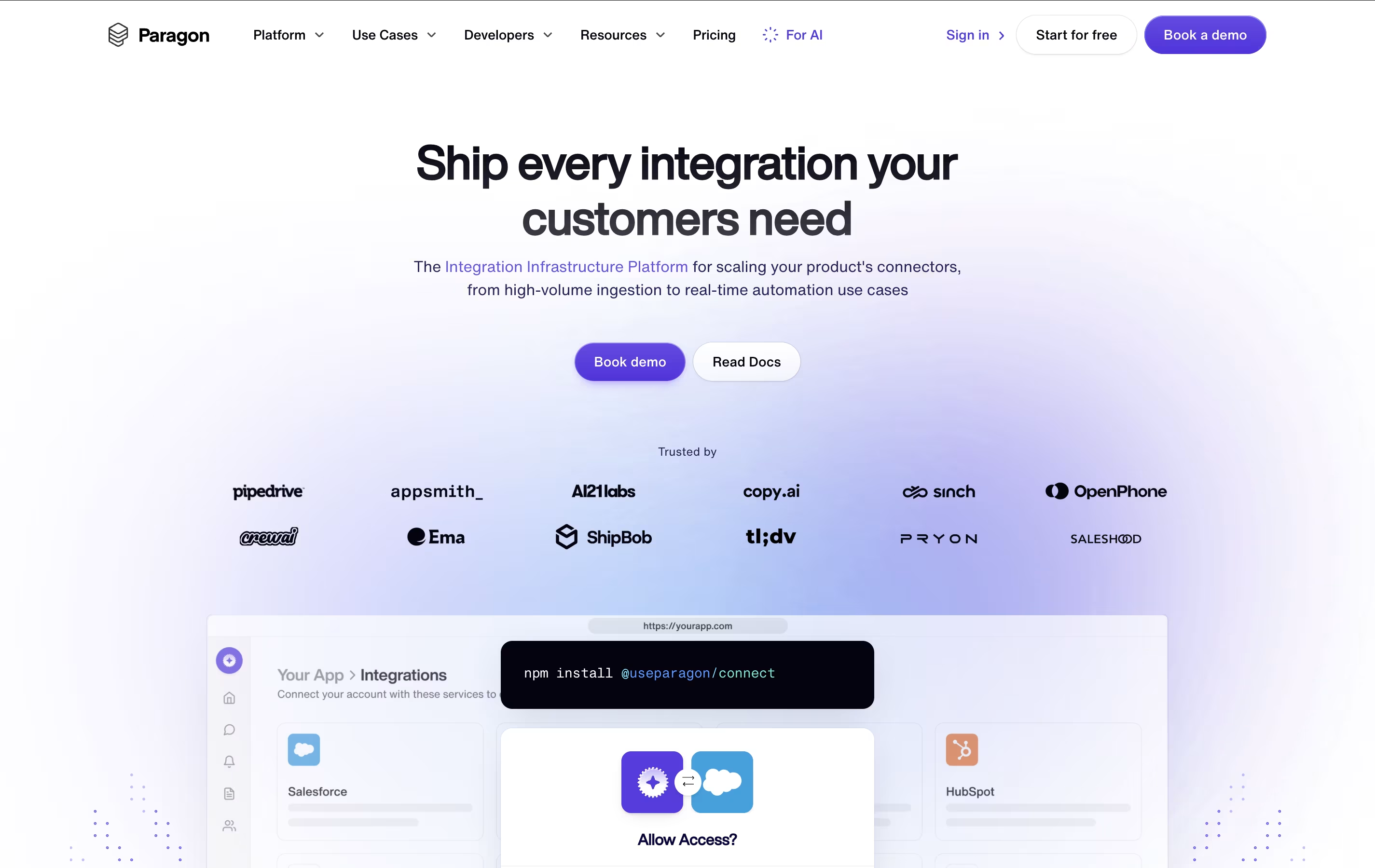
The platform provides over 130 pre-built connectors for popular business applications, along with the ability to create custom integrations for any third-party API. What makes Paragon special is that it handles all the technical complexity behind integrations - user authentication, data syncing, error monitoring, and maintenance - while providing your customers with a white-labeled, native experience that looks and feels like part of your product.
Founded in 2019 and backed by Y Combinator, Paragon processes over 100 million requests monthly for companies ranging from startups to enterprise organizations, making it a trusted solution for scaling integration needs.

Questflow is a decentralized AI automation platform that orchestrates multiple AI agents to complete tasks automatically across different platforms. Think of it as having a team of smart digital workers who never get tired and can handle repetitive tasks 24/7.
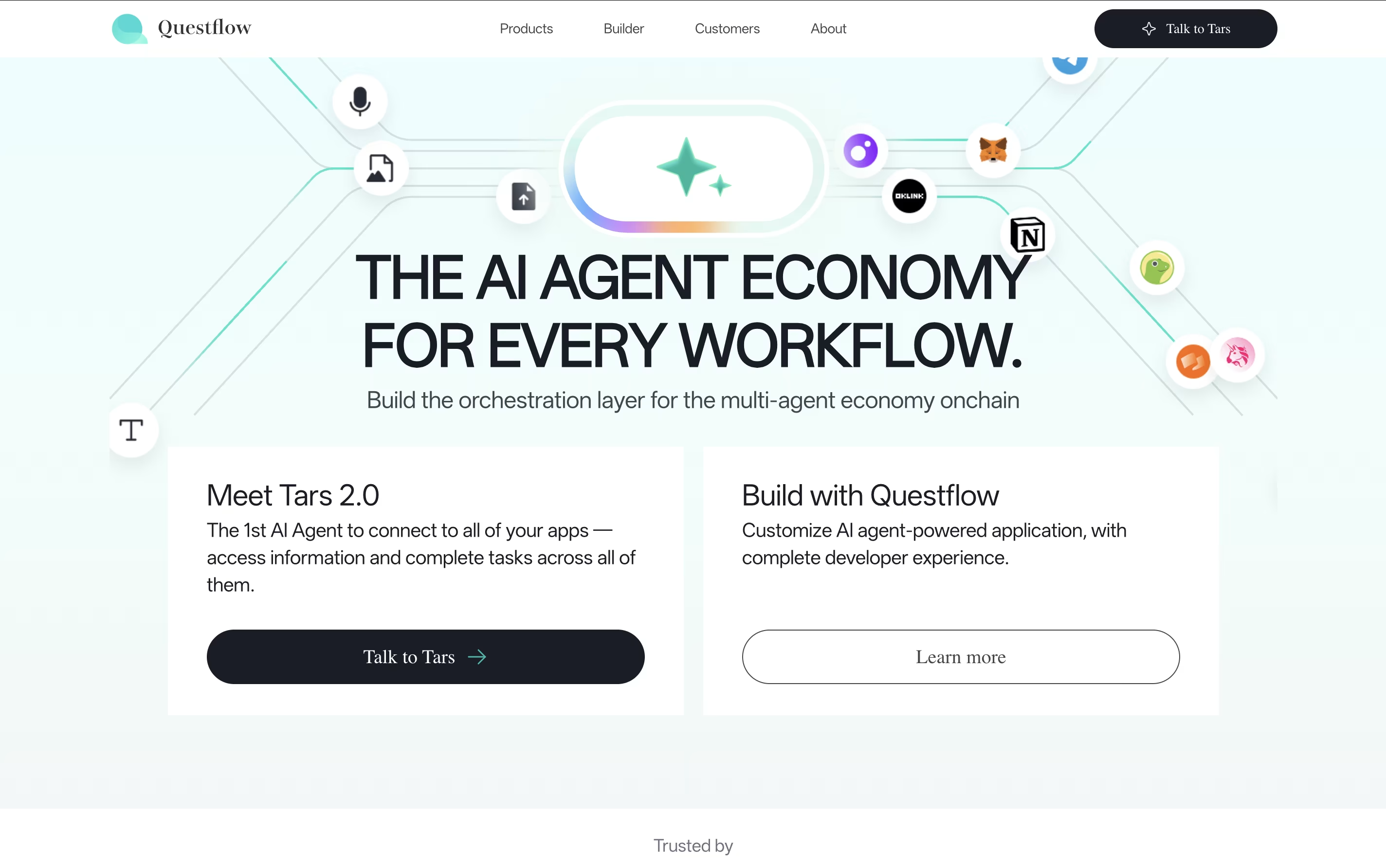
The platform uses a no-code approach, meaning you don't need programming skills to create powerful automation workflows. You simply describe what you want to accomplish, and Questflow's AI agents figure out how to do it. What makes it special is the multi-agent approach - instead of one AI doing everything, different specialized agents work together like a real team.
The platform also uses blockchain technology with QF Coin for secure transactions and rewards. Founded by experts in AI and automation, Questflow aims to make AI accessible to everyone, from small businesses to large enterprises.

Cloudonix is a "Communications Platform as a Service" (CPaaS) that provides voice APIs, SIP trunking, and development tools for building voice applications. The platform is designed to add "superpowers" to AI voice agents by connecting them to phone systems, carriers, and business applications.
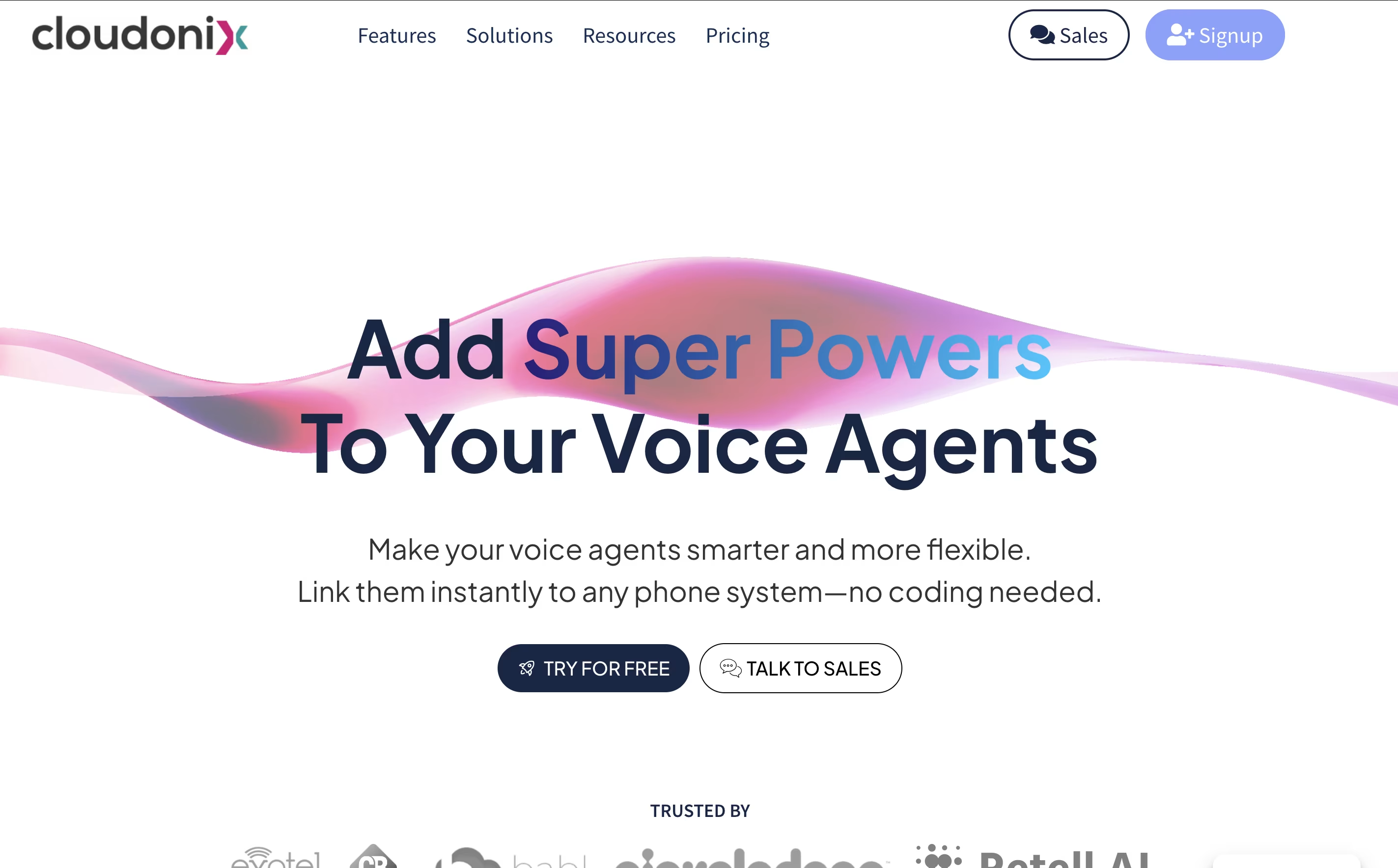
It uses a special programming language called CXML (Cloudonix XML) that makes building voice apps simple. The platform also offers no-code tools through Make.com integration, so businesses can create voice solutions without programming skills.
Cloudonix supports popular AI voice platforms like VAPI, ReTell, and 11Labs, making it easy to connect voice agents to real phone calls. It also provides mobile and web SDKs for developers who want to add voice calling features to their apps.