

Best 5 Developer Portal Builders Tools in 2026
Last Updated: November 8, 2025
Giving external developers a good self service experience requires more than just documentation, it requires a full portal. Developer Portal Builders help create branded developer hubs with documentation, API keys, and support resources in one place.
These tools are valuable for API companies and platform teams supporting a growing ecosystem of external developers. A polished developer portal often becomes the first impression a developer has of your API.
 Readme
 ReadmeInteractive API Documentation & Developer Hubs,
  Redocly
 RedoclyBeautiful API Documentation and Developer Portals, and
  Stoplight
 StoplightVisual API Design and Documentation are the best for Developer Portal Builders. So, let’s take a closer look at all 5 tools.
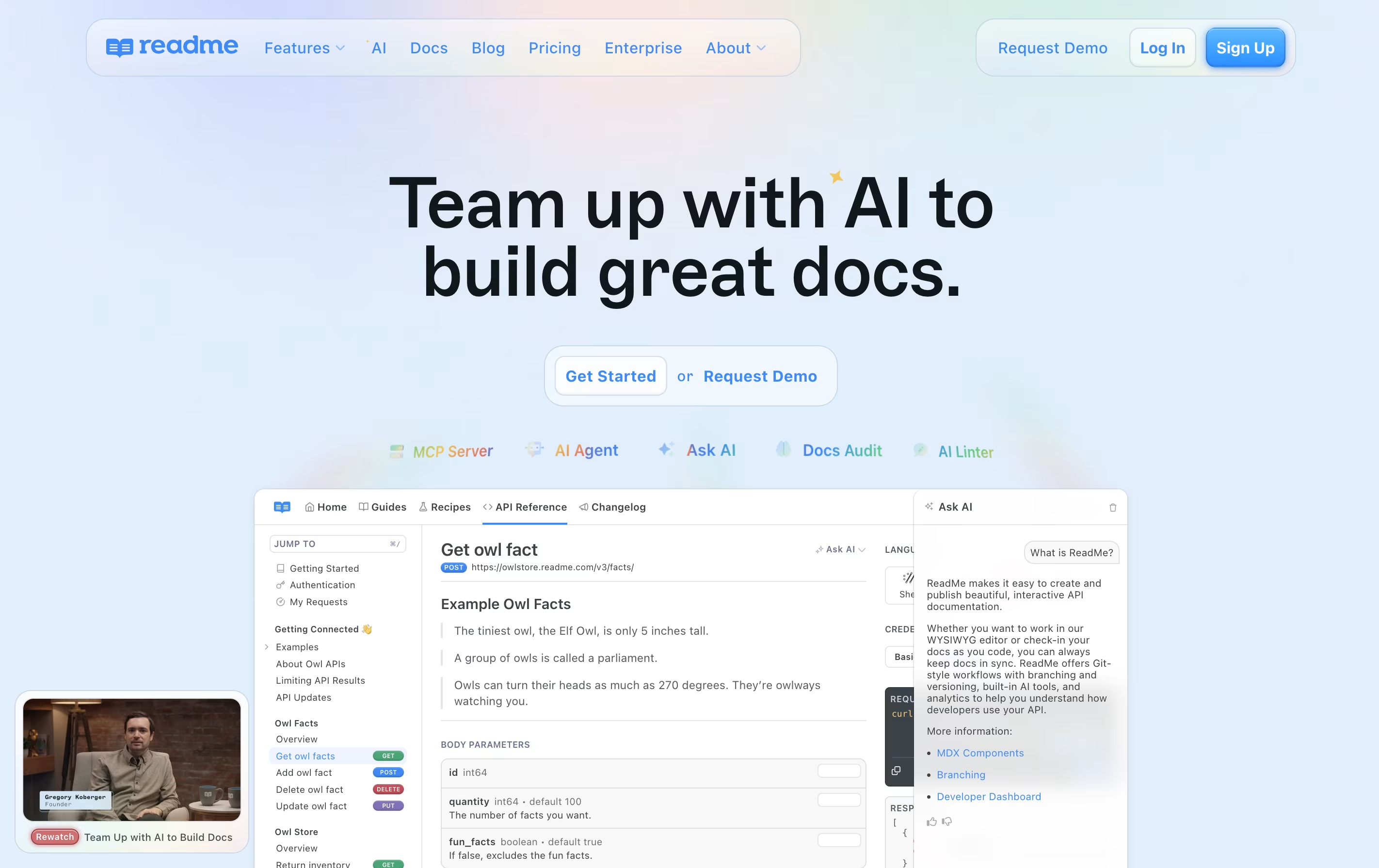
Readme is a platform that lets you create and publish interactive developer documentation for your APIs. Unlike traditional documentation tools, Readme automatically generates API references from your OpenAPI or Swagger files and keeps everything in sync with your code.
The platform includes a built-in editor where you can write guides, add code examples, and explain how your API works. Developers using your API can test endpoints directly from the documentation with the Try It feature, making it easier to understand how everything works.
Readme also provides analytics so you can see which parts of your documentation get the most views and where developers might be getting stuck, helping you improve your API experience over time.
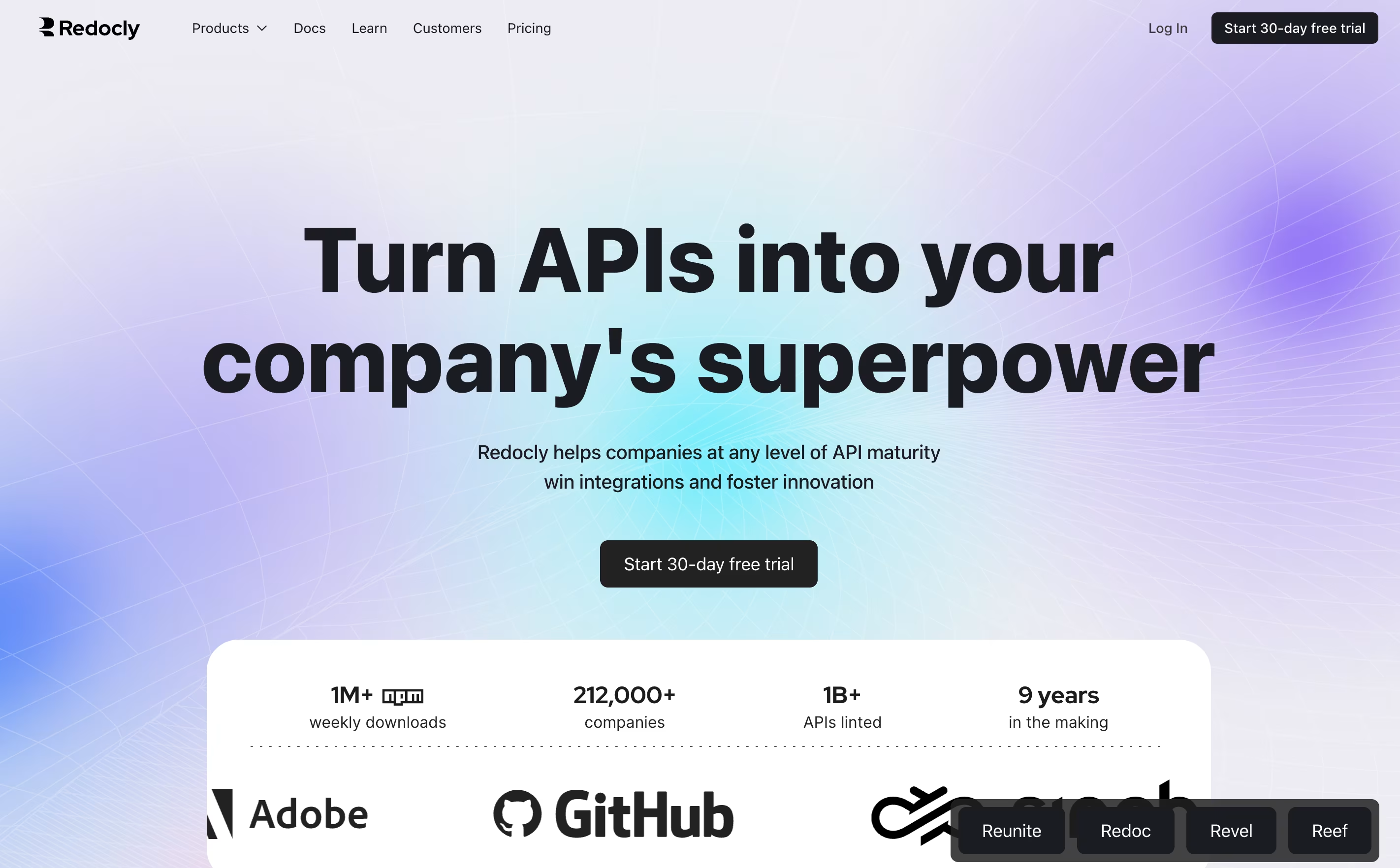
Redocly is an API documentation platform that helps you build professional developer portals. You start with an OpenAPI file that describes your API, and Redocly transforms it into clean, readable documentation with examples and interactive features.
The platform includes several products working together. Reunite is where teams write and review content. Realm delivers the final documentation to your users. Redoc is the open-source engine that renders API reference docs. Reef helps you organize and discover all your APIs in one catalog.
Unlike basic documentation generators, Redocly gives you a complete developer portal. You can add guides, tutorials, and custom pages alongside your API reference. Everything is version controlled and updates automatically when you change your API definition.
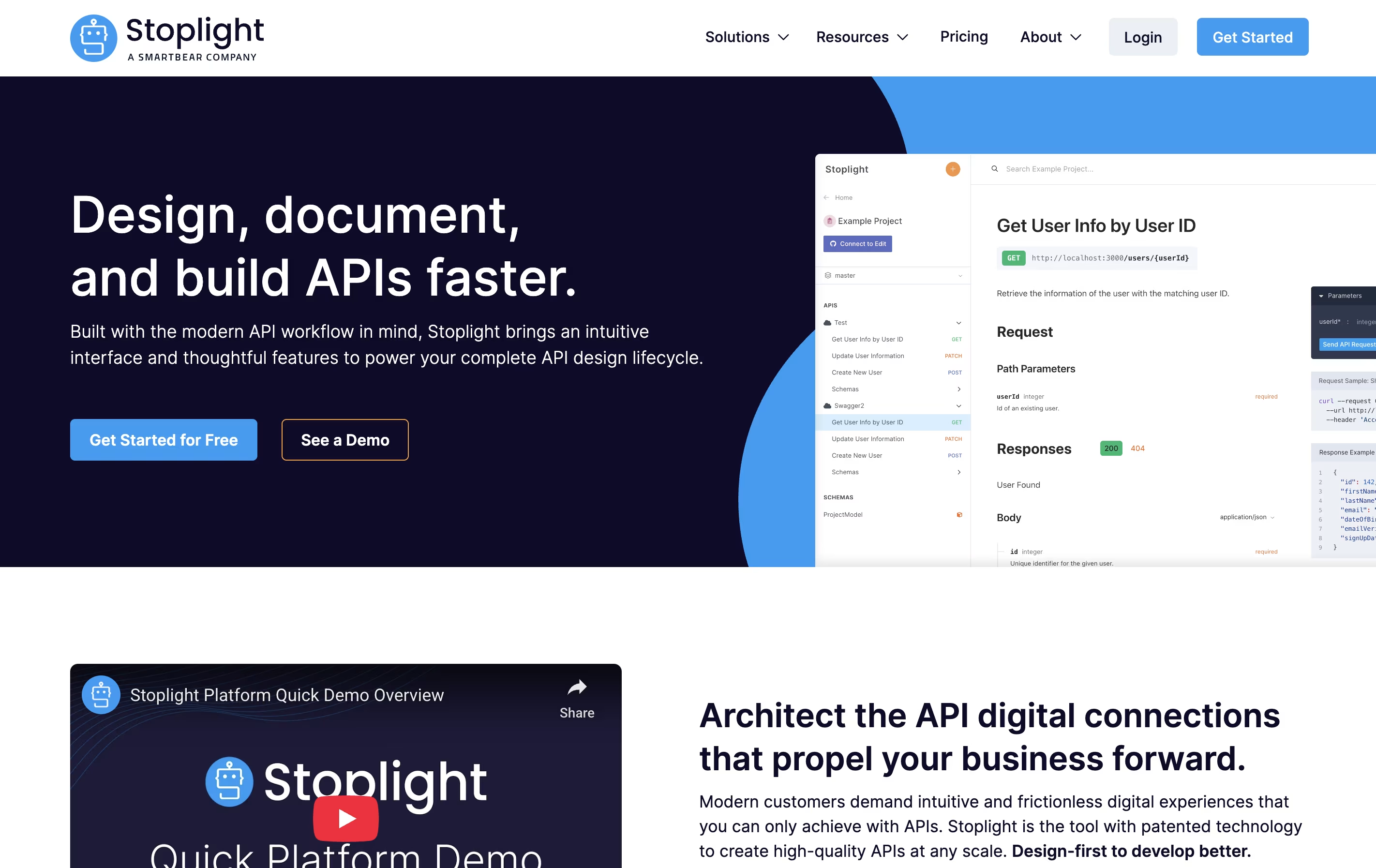
Stoplight is a web-based platform for API design and management that follows a design-first philosophy. This means you plan and design your API before writing any code, which saves time and reduces errors during development.
The platform includes Stoplight Studio, a visual editor that lets you create API designs using forms instead of code. It supports OpenAPI and JSON Schema standards, which are widely used in the industry. You can work directly with files in your Git repository, making it easy to fit into your existing workflow.
Stoplight automatically generates beautiful documentation from your API designs, creates mock servers for testing, and provides validation tools to catch errors early. It works as a cloud service but also offers desktop and web versions.

NoDocs is a web-based platform that makes creating documentation easy. You type and format your content just like you would in a word processor, and it automatically turns into professional-looking web pages. You do not need any coding skills to use it.
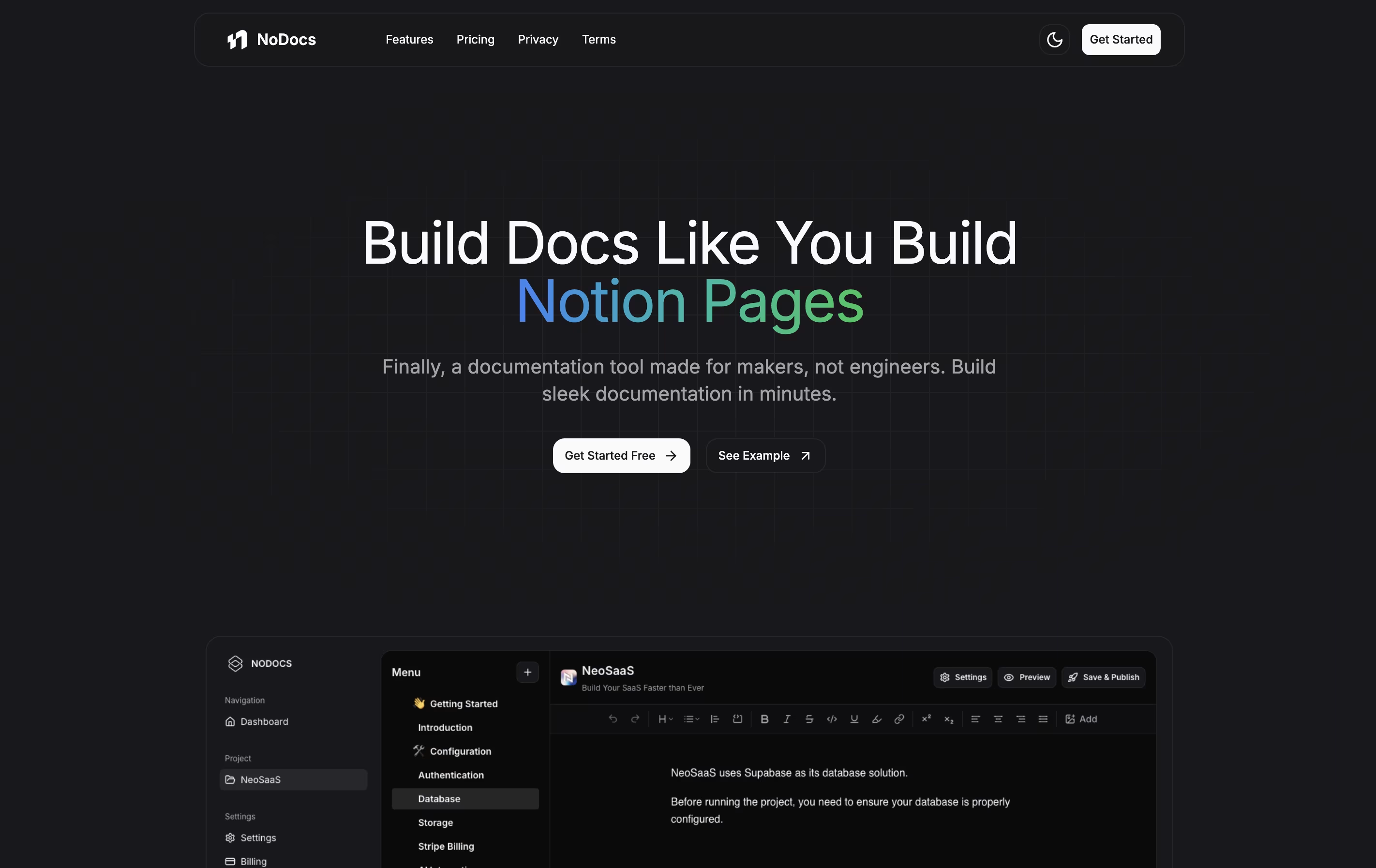
The tool includes everything you need: a simple editor, the ability to organize pages into sections, custom domain support, and different themes including dark mode. It also has AI features that help you write better content and suggest improvements as you type.
There are three plans available: a free version to try it out, a Pro plan for small teams with more features, and a Plus plan for unlimited projects and pages. Each plan includes different features to match your needs.

DeveloperHub is a complete documentation tool that combines writing, publishing, and tracking in one place. You can create different types of content including API references, how-to guides, release notes, and knowledge bases all in the same project.
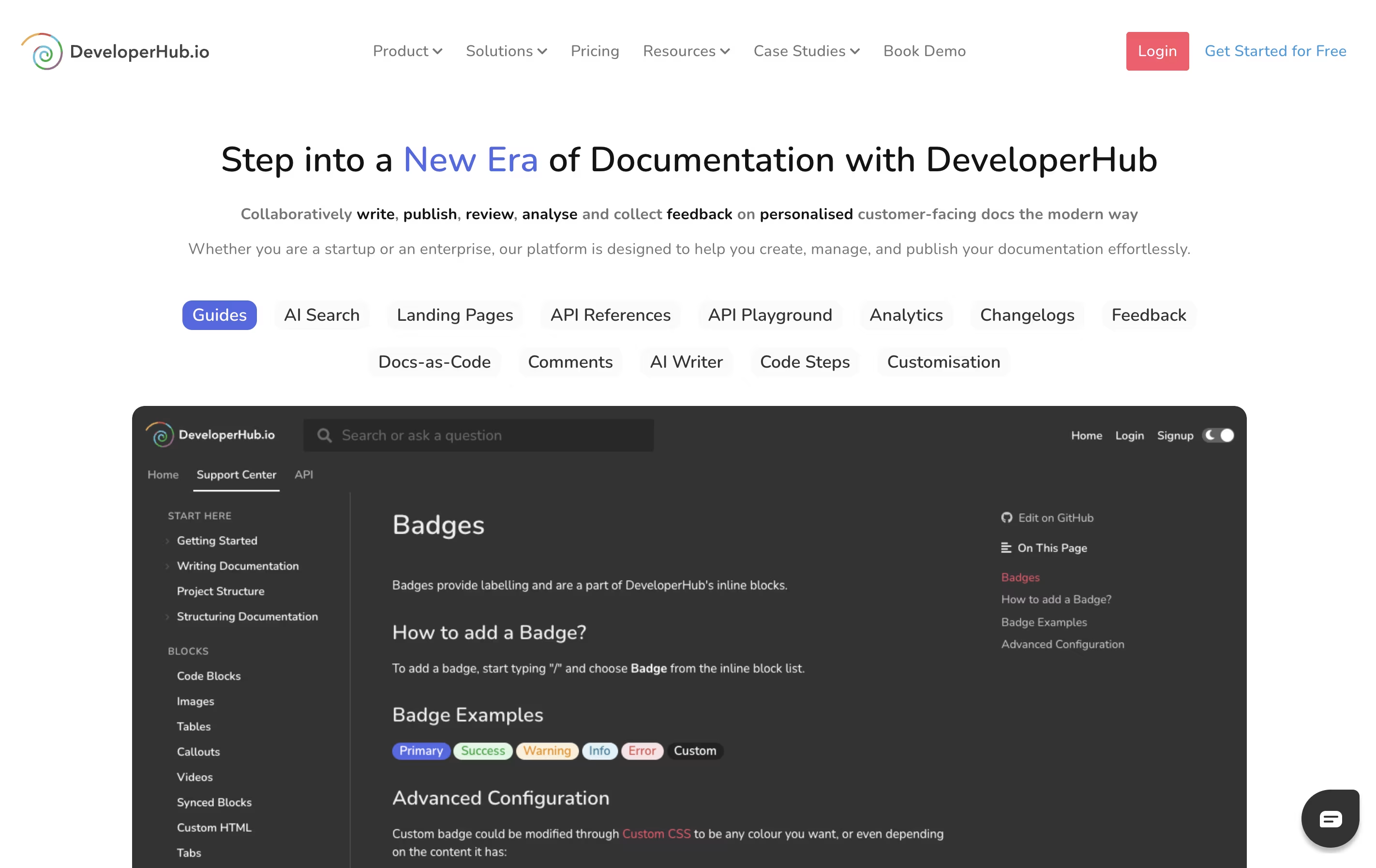
The platform uses a visual editor that feels like working in a word processor. You can add images, videos, code examples, and interactive elements without touching any code. Every page supports version control, so you can see who changed what and roll back if needed.
What makes it special is how it handles API documentation. You can import OpenAPI specifications and automatically generate beautiful, searchable reference pages. The platform also includes AI-powered search that helps readers find answers faster than traditional search bars.
Related to
Developer Portal Builders