Best 6 Open Source Katalon Alternatives in 2026
Last Updated: August 15, 2026
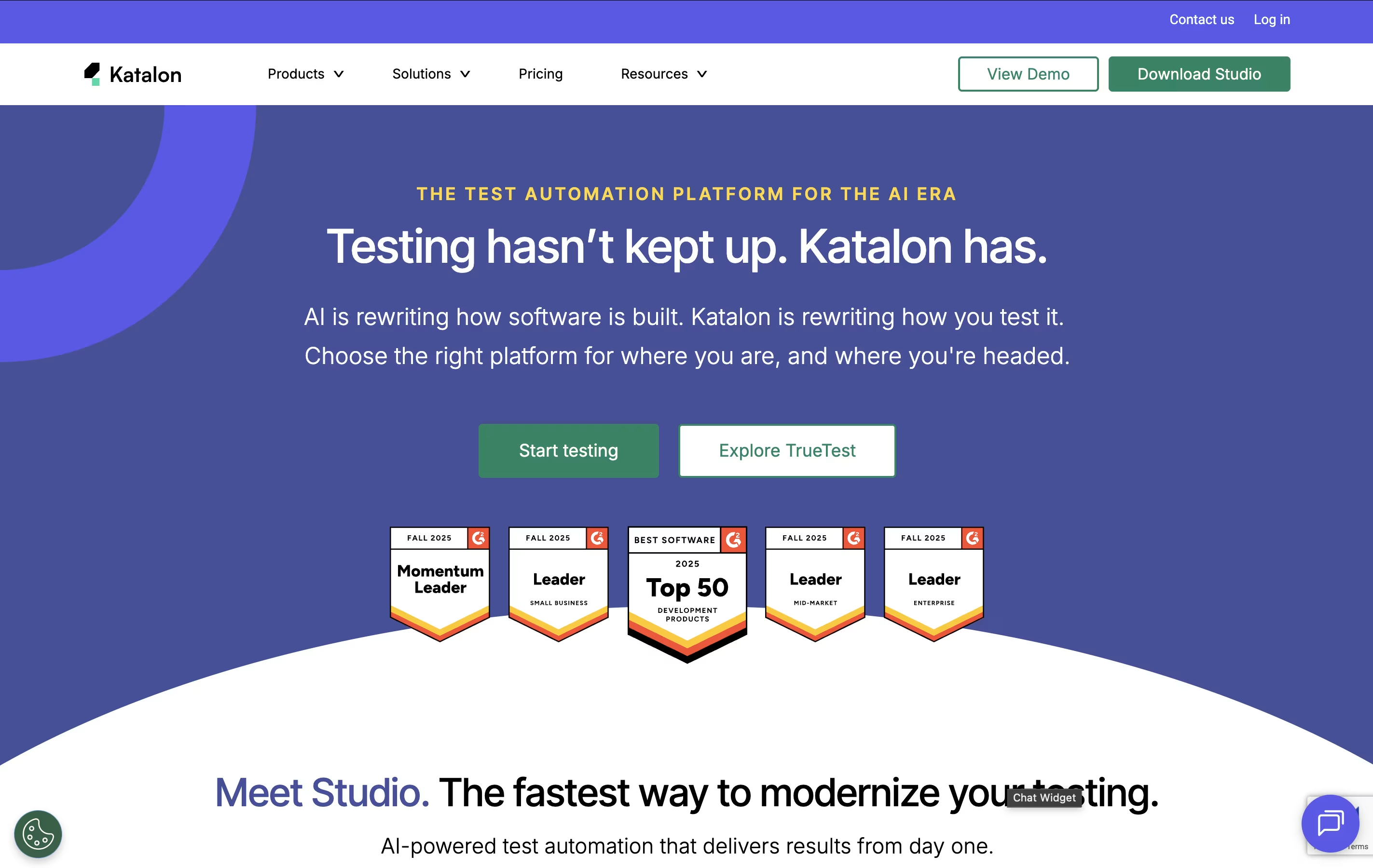
Katalon is a complete testing solution that automates the process of checking if software works correctly. Instead of testing applications manually every time, Katalon lets you create automated tests that run on their own.
The platform supports four main types of testing in one place: web applications, mobile apps (Android and iOS), APIs, and desktop programs. You can create tests using simple point-and-click recording, basic drag-and-drop actions, or by writing code if you prefer more control.
The best alternative to Katalon is  Insomnia
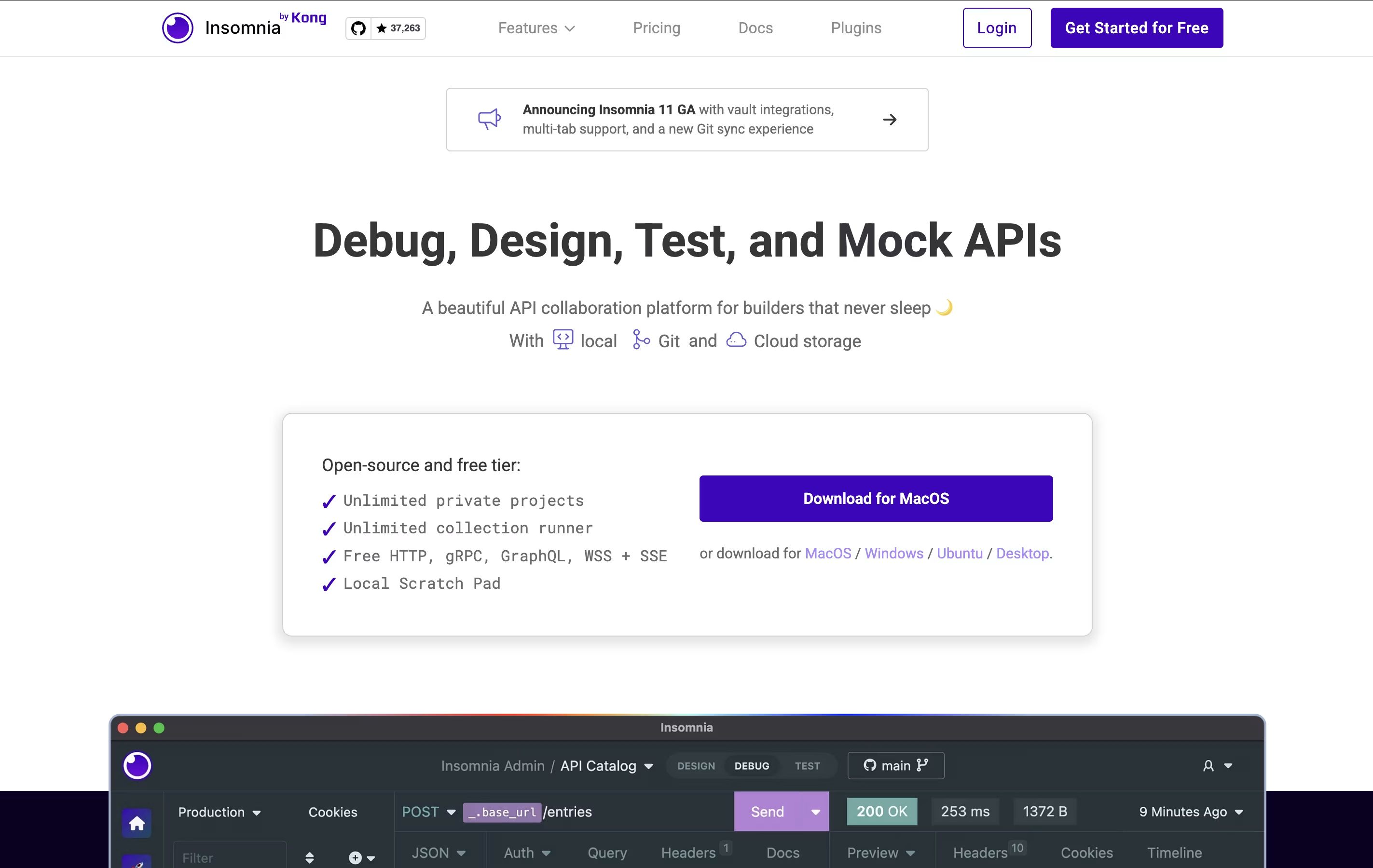 InsomniaOpen-Source API Client for REST, GraphQL & More.
  Bruno
Bruno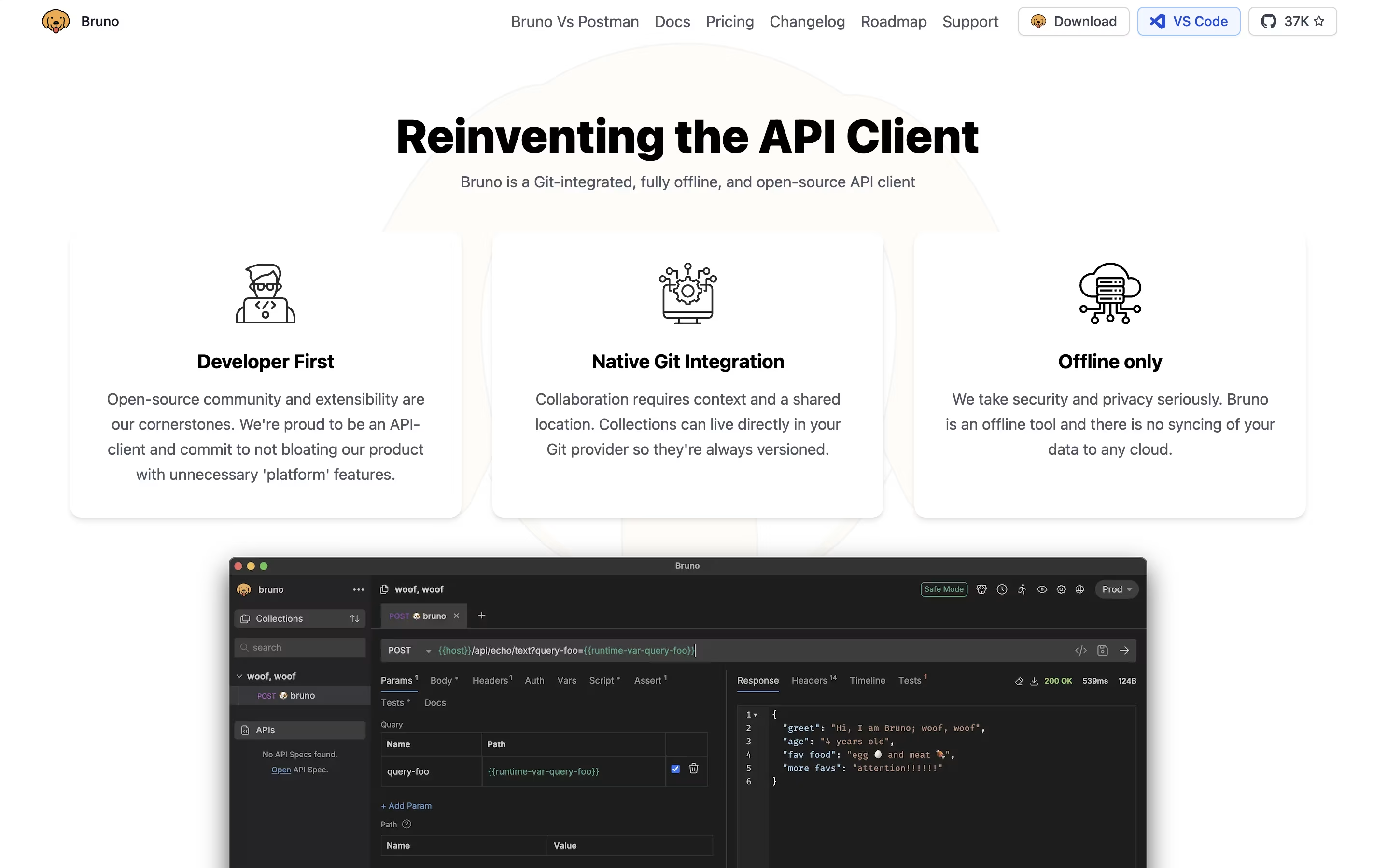 BrunoFast Offline API Client for Developers and
  Hoppscotch
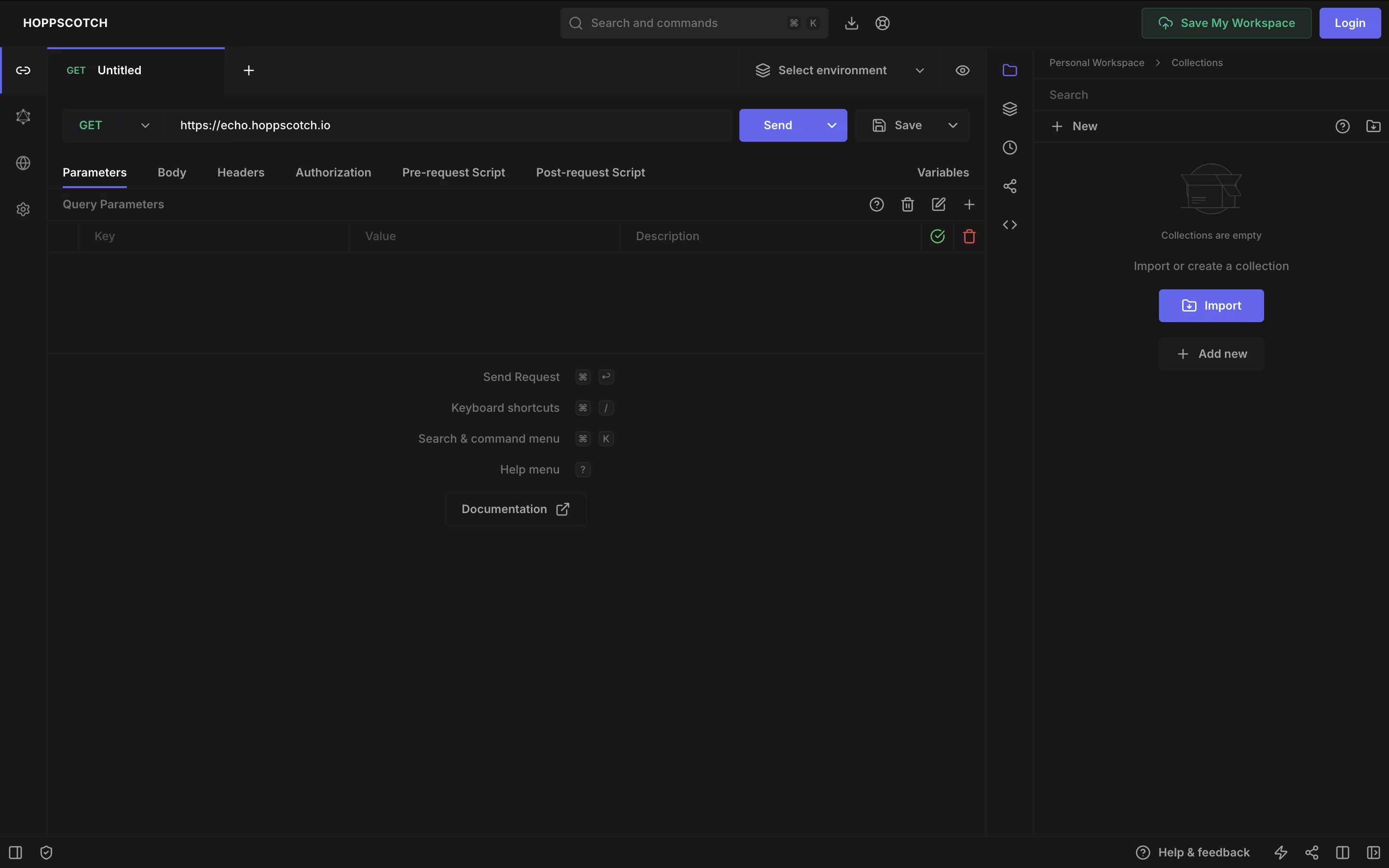 HoppscotchOpen Source API Testing Tool for Fast Development are also among the best options for API Testing.
So, here are the 6 best alternatives to Katalon:

Insomnia is a desktop application that lets you test and work with APIs. Think of it as a specialized tool for developers who need to send requests to APIs and check the responses they get back. It supports all major API types, so you don't need different tools for different projects.
The tool includes helpful features like environment variables (which let you switch between different settings easily), code generation (which creates code snippets you can use), and authentication helpers (which handle login details). You can also create mock servers to test your APIs before they're fully built.
Insomnia offers both free and paid versions. The free version works great for most individual developers, while paid plans add team features and extra tools.
Bruno is an "offline-first API client" that revolutionizes how developers test and manage APIs. Instead of forcing you to create accounts or store data in the cloud, Bruno saves everything directly on your device using a simple text format called "Bru."
This approach means your API collections, tests, and sensitive data never leave your computer unless you choose to share them. Bruno supports all major API types including REST, GraphQL, and gRPC, making it versatile for any project.
The tool integrates seamlessly with Git and other version control systems, allowing teams to collaborate on API collections just like they do with code. Bruno also includes JavaScript-based testing, environment management, and command-line support for automation and continuous integration workflows.
Hoppscotch is an API development environment that runs in your web browser. You can test any API by sending requests and viewing the responses instantly. Unlike traditional tools, Hoppscotch is completely free and open-source, meaning anyone can use it or even contribute to improving it.
The platform supports various API types including REST, GraphQL, WebSocket, Socket.IO, MQTT, and Server-Sent Events. This makes it useful for testing modern real-time applications as well as standard web services. You can organize your API requests into collections, use environment variables for different setups, and write tests to check if APIs work correctly.
Hoppscotch offers both a free version with full features and an Organization plan for teams needing extra collaboration tools and support.

Firecamp is a multi-protocol API development tool that helps you test and build APIs with ease. Unlike traditional API clients that focus mainly on REST, Firecamp offers dedicated GUI playgrounds for REST, GraphQL, WebSocket, and Socket.IO protocols all in one application.
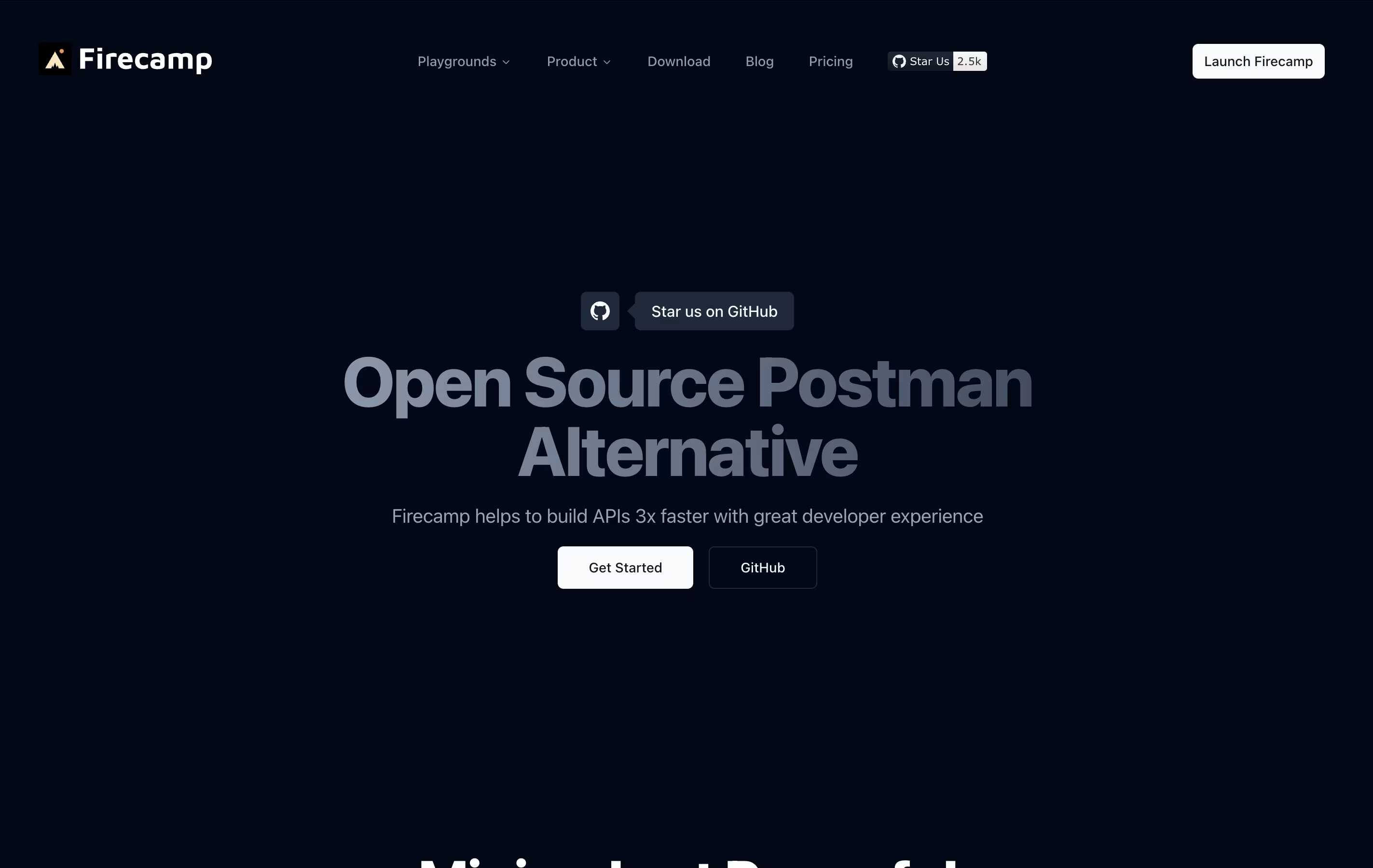
The platform is completely open-source and built with developers in mind. It provides a clean interface similar to VS Code, making it familiar and easy to navigate. You can create API collections, set up environments, write scripts, and collaborate with your team in real-time.
Whether you use the web version or desktop app, Firecamp keeps everything synchronized across your workspace. It supports authentication methods, allows you to import collections from Postman, and helps you document your APIs for your team or community.

HTTPie is a tool designed for testing APIs and HTTP servers with an easy-to-understand approach. You type commands that look similar to the actual HTTP requests you want to make, and HTTPie handles the technical details for you. The responses come back formatted with colors, making JSON and other data easy to read.
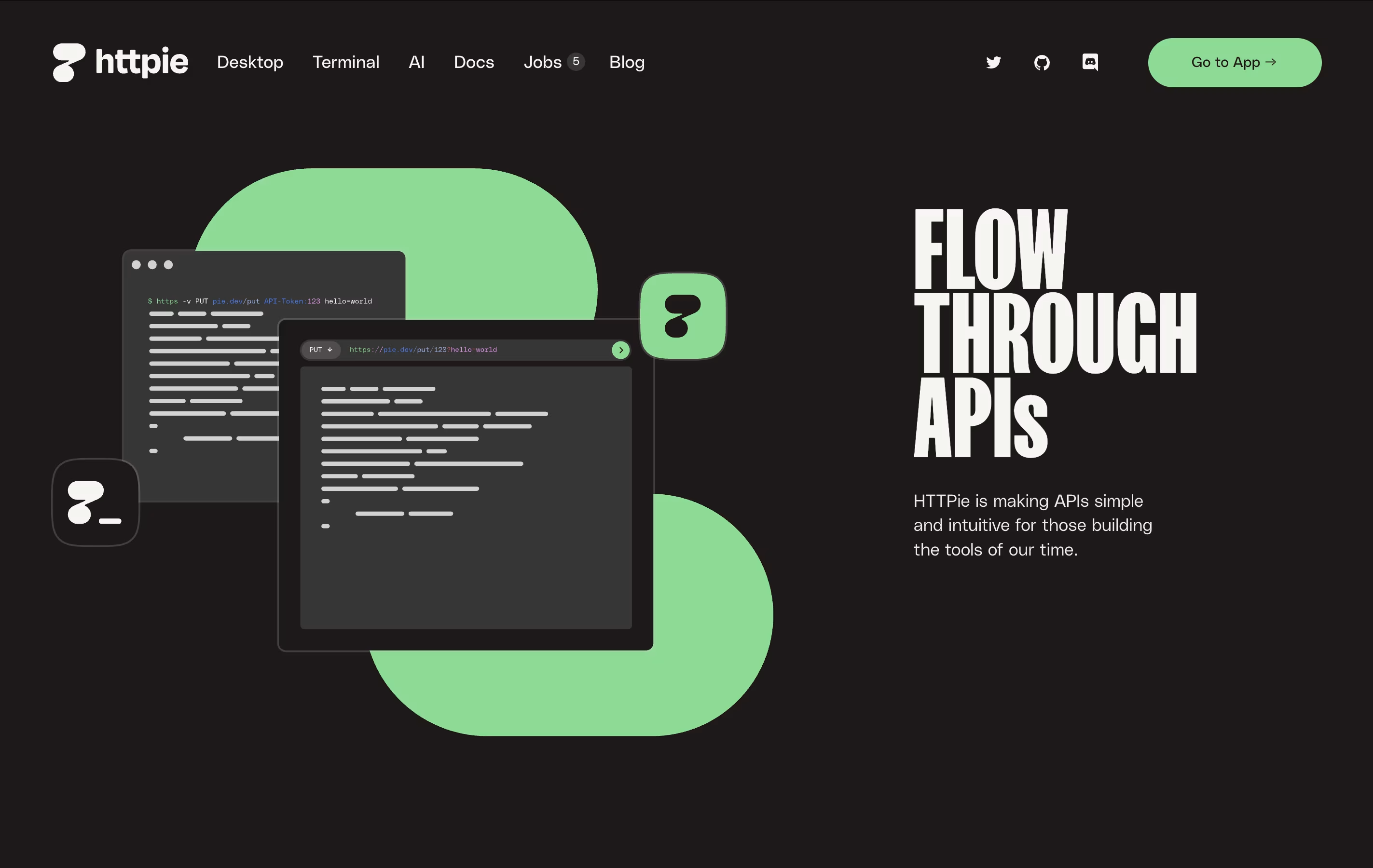
The command-line version is completely free and open-source, meaning anyone can use it and even modify it. The web and desktop versions offer a visual interface with the same friendly approach. HTTPie supports everything developers need: authentication, custom headers, file uploads, session management, and more. It works on all major operating systems and integrates well with development workflows.

SoapUI is a testing platform that checks how APIs and web services perform. You can use it to send requests to your API, check the responses, and make sure everything works as expected. It runs on Windows, Mac, and Linux computers because it is built using Java.
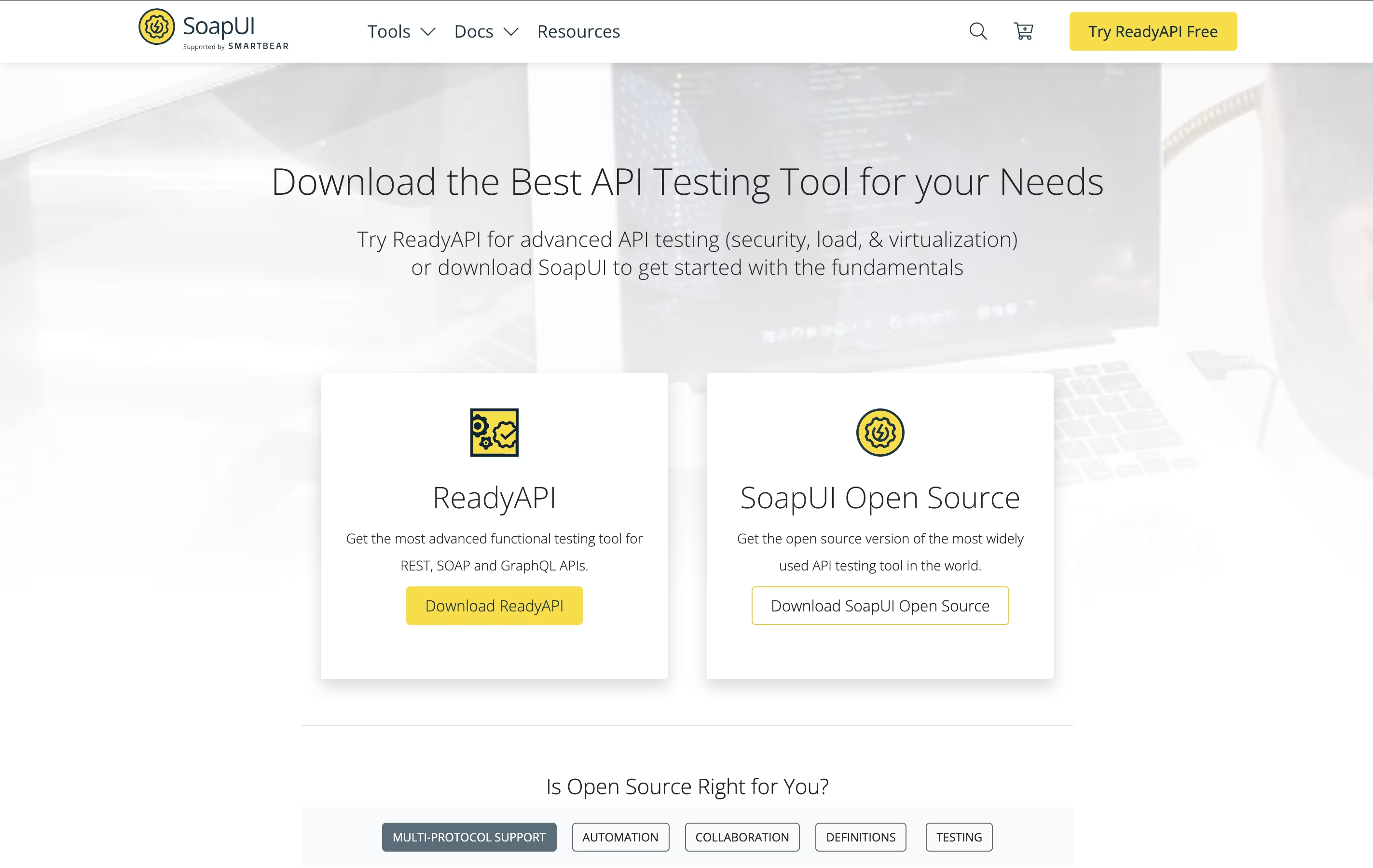
The tool lets you do functional testing to verify your API works correctly, load testing to see how it handles many users, and security testing to find weak points. You can also write custom test scripts using Groovy programming language for more complex scenarios.
SoapUI works well with popular tools like Jenkins for continuous testing in your development process. The open-source version is completely free, while ReadyAPI offers extra productivity features.