
Best 4 Tools for Create API Endpoints in 2026
Last Updated: October 24, 2025
Making a piece of functionality accessible to other systems requires exposing it through a defined API endpoint. Create API Endpoints tools help build and configure endpoints that other applications can call.
Developers use API endpoint creation to expose functionality in a structured, reusable way.
 Apidog
 Apidog,
  Xano
Xano XanoNo-Code Backend Platform for Scalable Apps, and
  Postman
 PostmanComplete API Development Platform for Testing & Collaboration are the best for Create API Endpoints. So, let’s take a closer look at all 4 tools.
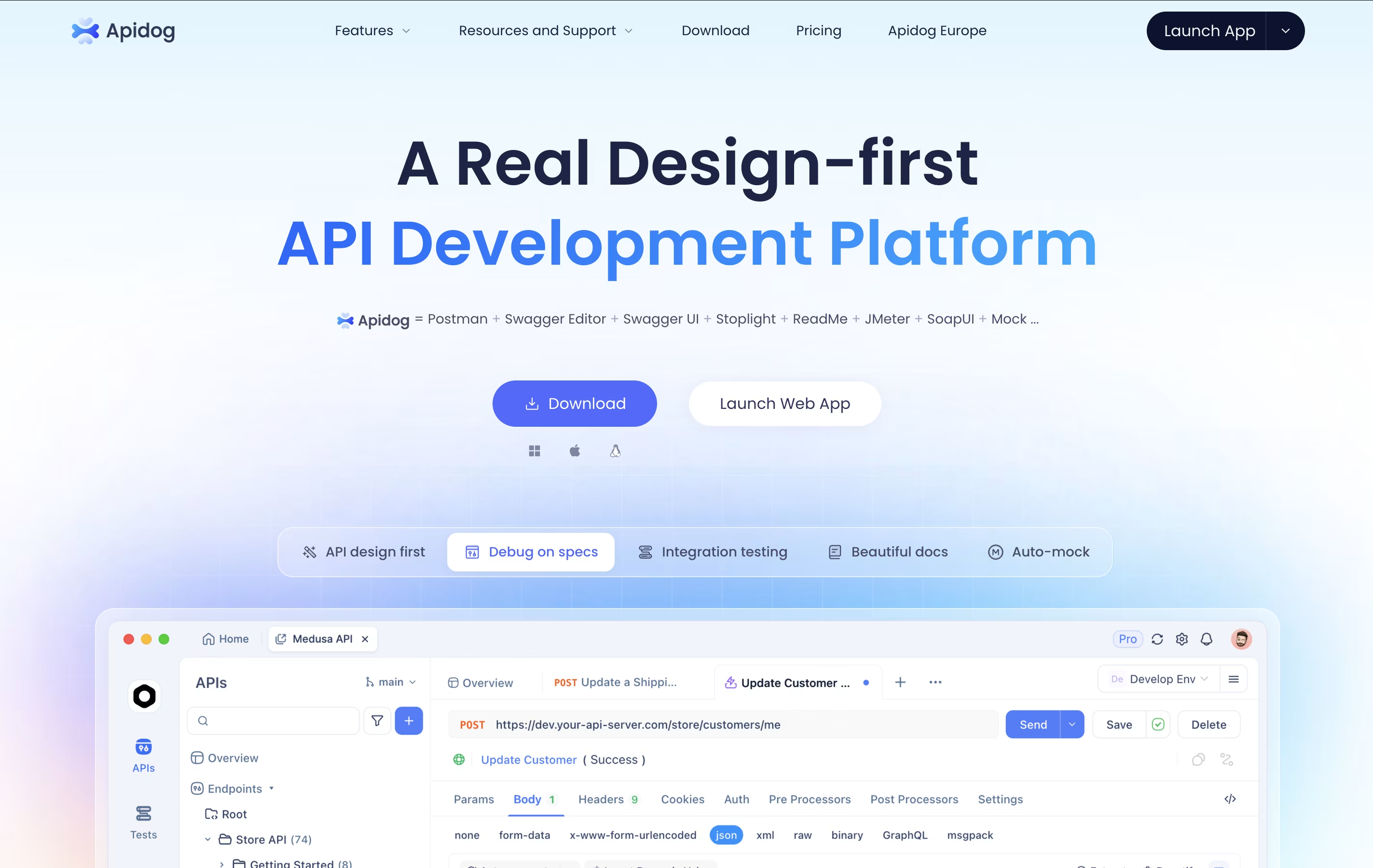
Apidog is a platform that handles the complete process of creating and managing APIs. You can design your API structure, test how it works, create clear documentation, and share it with your team, all from one application.
The platform follows a design-first approach, which means you plan your API before writing code. This helps catch problems early and keeps everyone on the same page. It automatically creates mock servers so front-end developers can start working before the back-end is ready.
There is a free version that works great for small teams and individual developers. Paid plans add more features like unlimited projects, advanced testing tools, and priority support for growing businesses.
Xano is a complete backend-as-a-service platform that handles all the technical work behind your applications. You get a PostgreSQL database, API builder, authentication system, and hosting infrastructure without managing servers or writing backend code.
The platform uses a visual interface where you design data models, create API endpoints, and build business logic by connecting functions together. This approach makes backend development accessible to people without programming experience while still offering power for technical users.
Xano connects easily with popular frontend builders like Bubble, WeWeb, and FlutterFlow. It also provides enterprise-level security with GDPR, SOC 2, and HIPAA compliance options. The system scales automatically as your user base grows, handling everything from small projects to applications with millions of users.
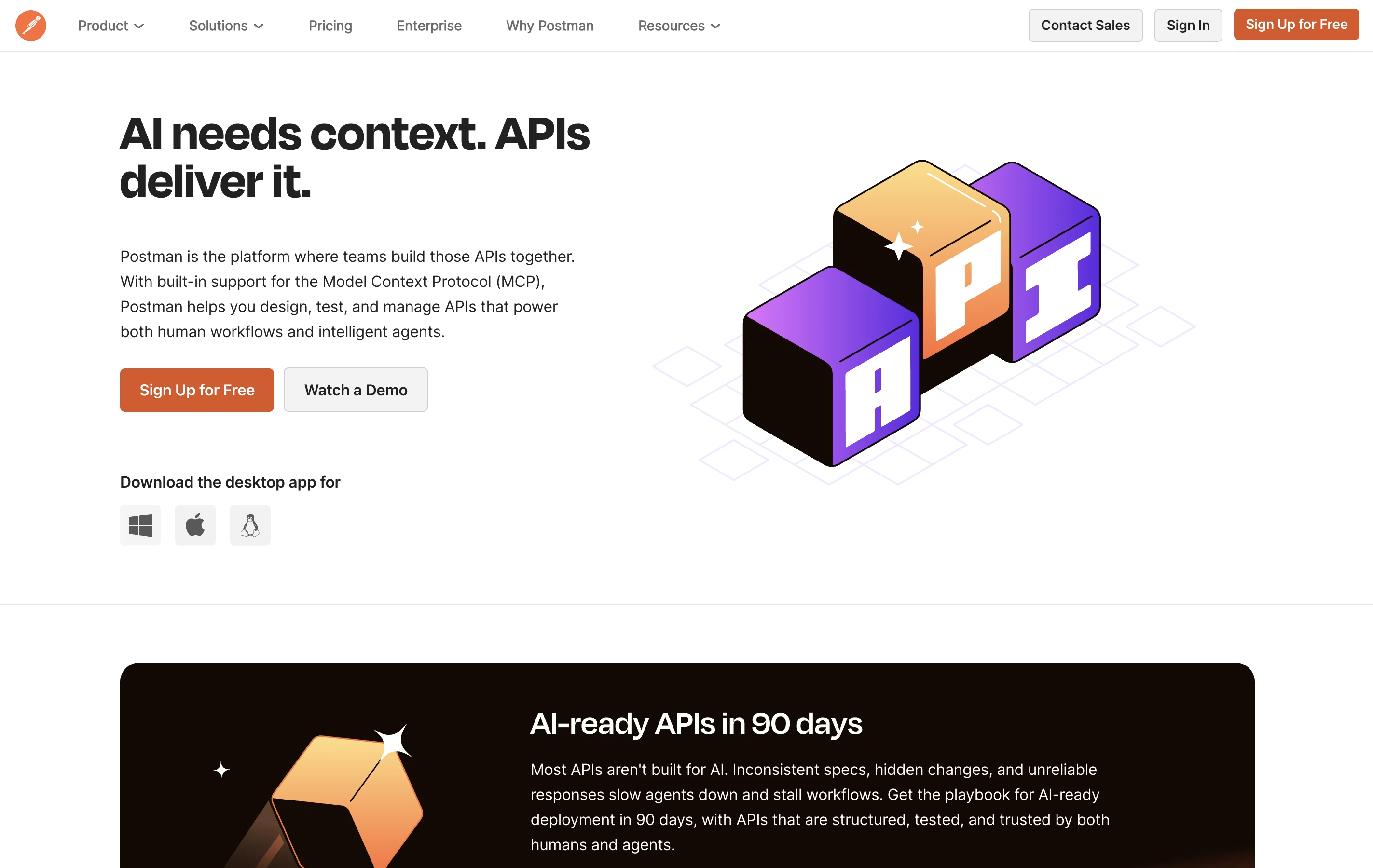
Postman is an all-in-one platform for working with APIs throughout their entire lifecycle. It provides tools to send API requests, view responses, write tests, create documentation, and monitor performance. Unlike basic HTTP clients, Postman offers a complete environment where teams can organize their work into collections, share them with teammates, and automate testing.
The platform includes an easy-to-use interface where you can build requests without writing code, though it also supports advanced scripting when needed. Postman works as a desktop app, web app, or through command-line tools for automation. It integrates with popular development tools and supports team collaboration through workspaces, making it ideal for both individual developers and large organizations building complex API systems.

Strapi is an open-source headless CMS built with Node.js that delivers content through APIs instead of traditional web pages. Think of it as a smart backend system that stores and manages your content, then sends it anywhere you need through REST or GraphQL APIs.
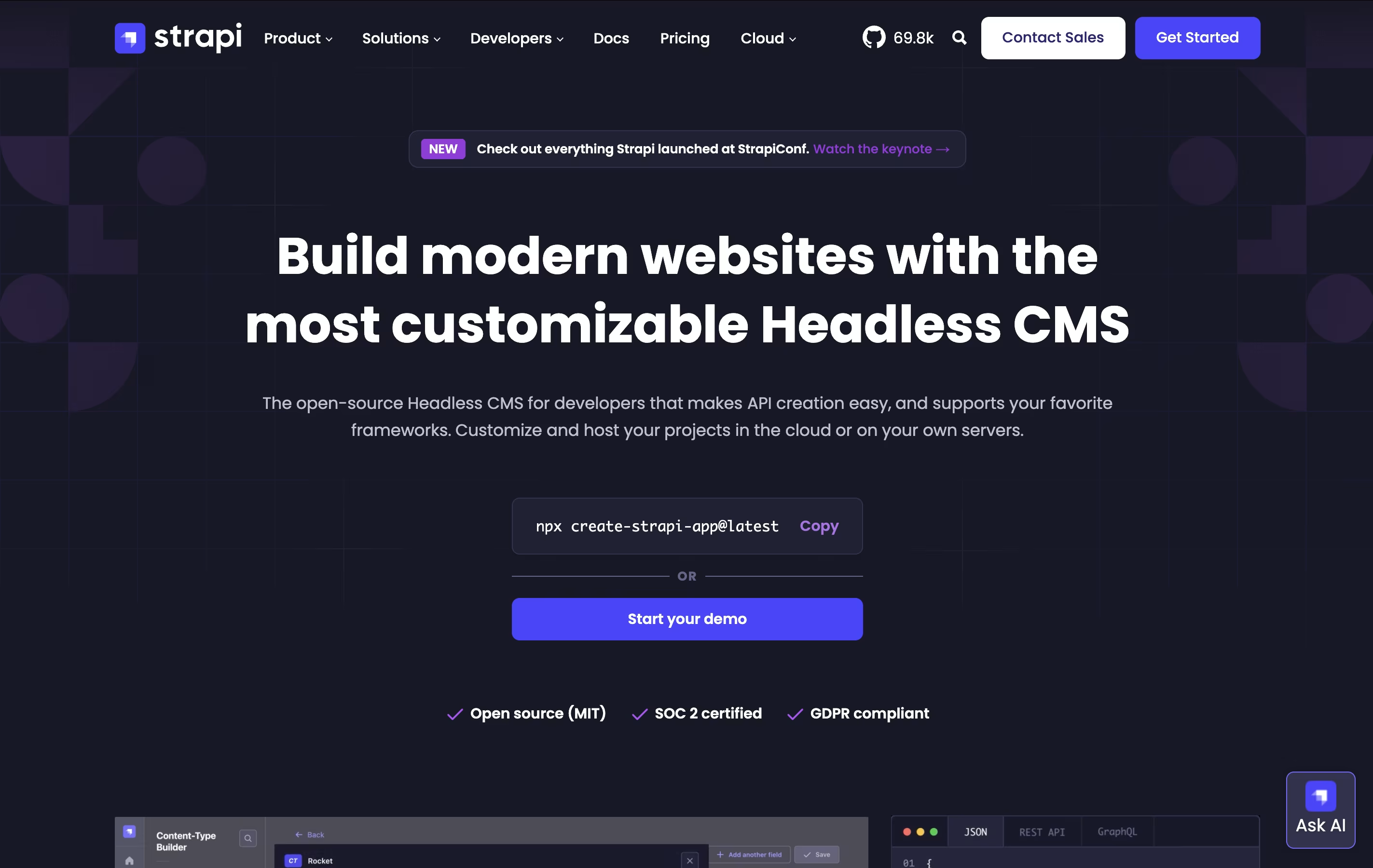
The main difference from traditional systems like WordPress is flexibility. Instead of forcing you to use specific templates, Strapi lets you build exactly what you need. You control everything: the database, the content structure, and how it all works together. Each project starts with built-in features like user management, permissions, and content organization.
Founded in 2015, Strapi has become popular with over 60,000 stars on GitHub and millions of downloads. You can host it yourself on your own servers or use Strapi Cloud for managed hosting, making it perfect for any project size.