
Best 7 Tools for API Documentation Generation in 2026
Last Updated: August 15, 2026
Keeping API documentation accurate as endpoints change is easy to fall behind on if it is done manually. API Documentation Generation tools automatically produce reference docs based on the actual API structure and code.
Developers use documentation generation to keep API references accurate without maintaining them by hand.
 Postman
 PostmanComplete API Development Platform for Testing & Collaboration,
  Testfully
 TestfullyAffordable API Testing & Monitoring Platform for Developers, and
  Sanity
 SanityModern Content Platform for Structured Content Management are the best for API Documentation Generation. So, let’s take a closer look at all 7 tools.
Postman is an all-in-one platform for working with APIs throughout their entire lifecycle. It provides tools to send API requests, view responses, write tests, create documentation, and monitor performance. Unlike basic HTTP clients, Postman offers a complete environment where teams can organize their work into collections, share them with teammates, and automate testing.
The platform includes an easy-to-use interface where you can build requests without writing code, though it also supports advanced scripting when needed. Postman works as a desktop app, web app, or through command-line tools for automation. It integrates with popular development tools and supports team collaboration through workspaces, making it ideal for both individual developers and large organizations building complex API systems.
Testfully is a platform that helps developers test and monitor APIs during development and after deployment. You can use it to send requests to your APIs, create automated tests, and set up monitoring to catch problems before they affect users.
The tool comes in two versions: Cloud and Offline. The Cloud version stores your data online and makes collaboration easy. The Offline version keeps everything on your computer for enhanced privacy and security. Both versions have identical features, so you can choose based on your needs.
Testfully works with major API types including REST, GraphQL, and XML. It includes an API client for building requests, testing tools for validation, and monitoring features for tracking API health around the clock.
Sanity is a content platform that stores your content as structured data and makes it available through powerful tools. Unlike traditional systems where content and design are locked together, Sanity keeps them separate. This means you create content once and use it anywhere - websites, apps, smart devices, or anywhere else you need it.
The platform has three main parts: Content Lake for storing your content as data, Sanity Studio for editing and managing content, and powerful tools for getting your content where it needs to go. It uses a special query language called GROQ that makes finding and organizing content simple and fast. Everything updates in real-time, so teams can work together without conflicts or delays.

Insomnia is a desktop application that lets you test and work with APIs. Think of it as a specialized tool for developers who need to send requests to APIs and check the responses they get back. It supports all major API types, so you don't need different tools for different projects.
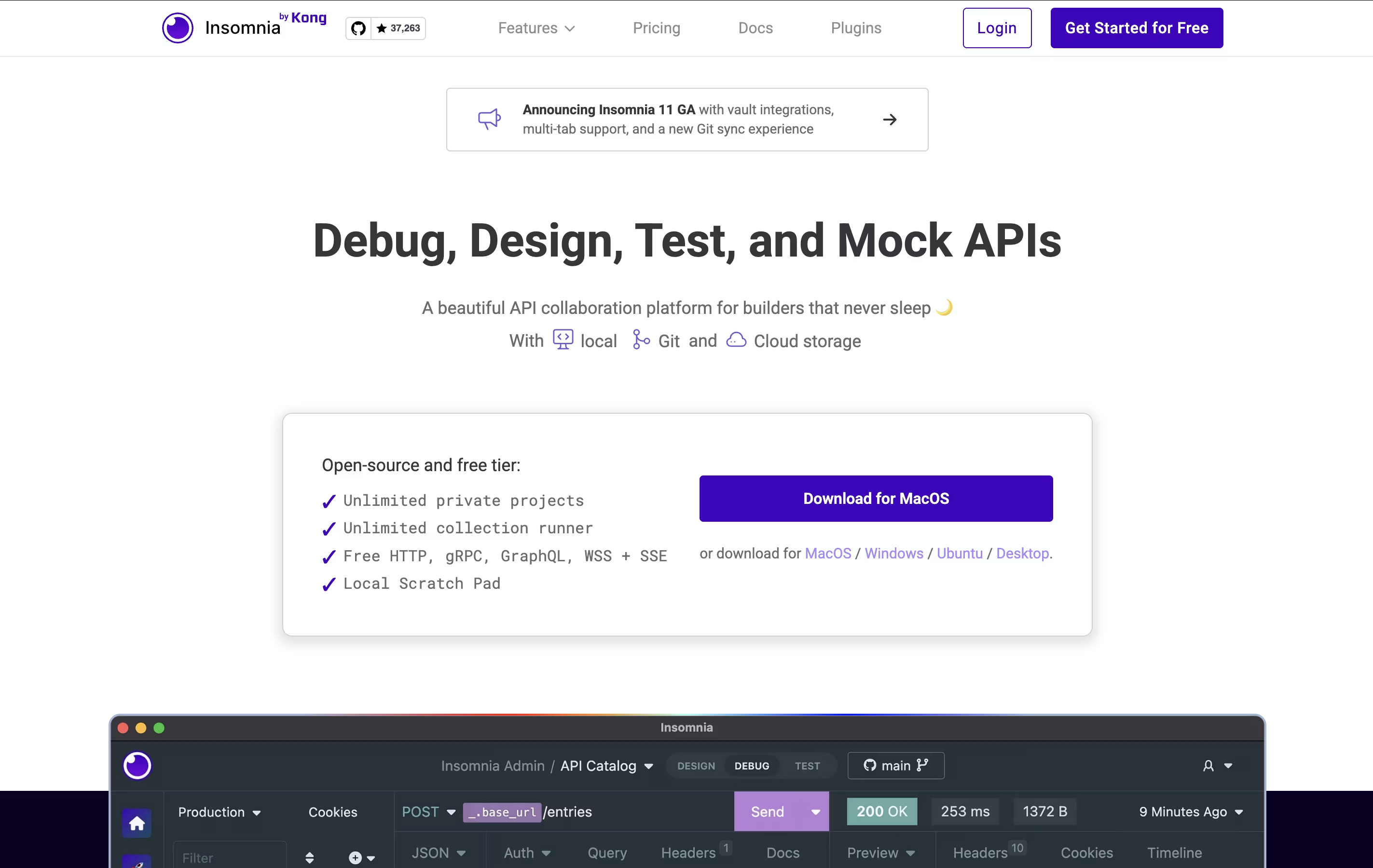
The tool includes helpful features like environment variables (which let you switch between different settings easily), code generation (which creates code snippets you can use), and authentication helpers (which handle login details). You can also create mock servers to test your APIs before they're fully built.
Insomnia offers both free and paid versions. The free version works great for most individual developers, while paid plans add team features and extra tools.

Firecamp is a multi-protocol API development tool that helps you test and build APIs with ease. Unlike traditional API clients that focus mainly on REST, Firecamp offers dedicated GUI playgrounds for REST, GraphQL, WebSocket, and Socket.IO protocols all in one application.
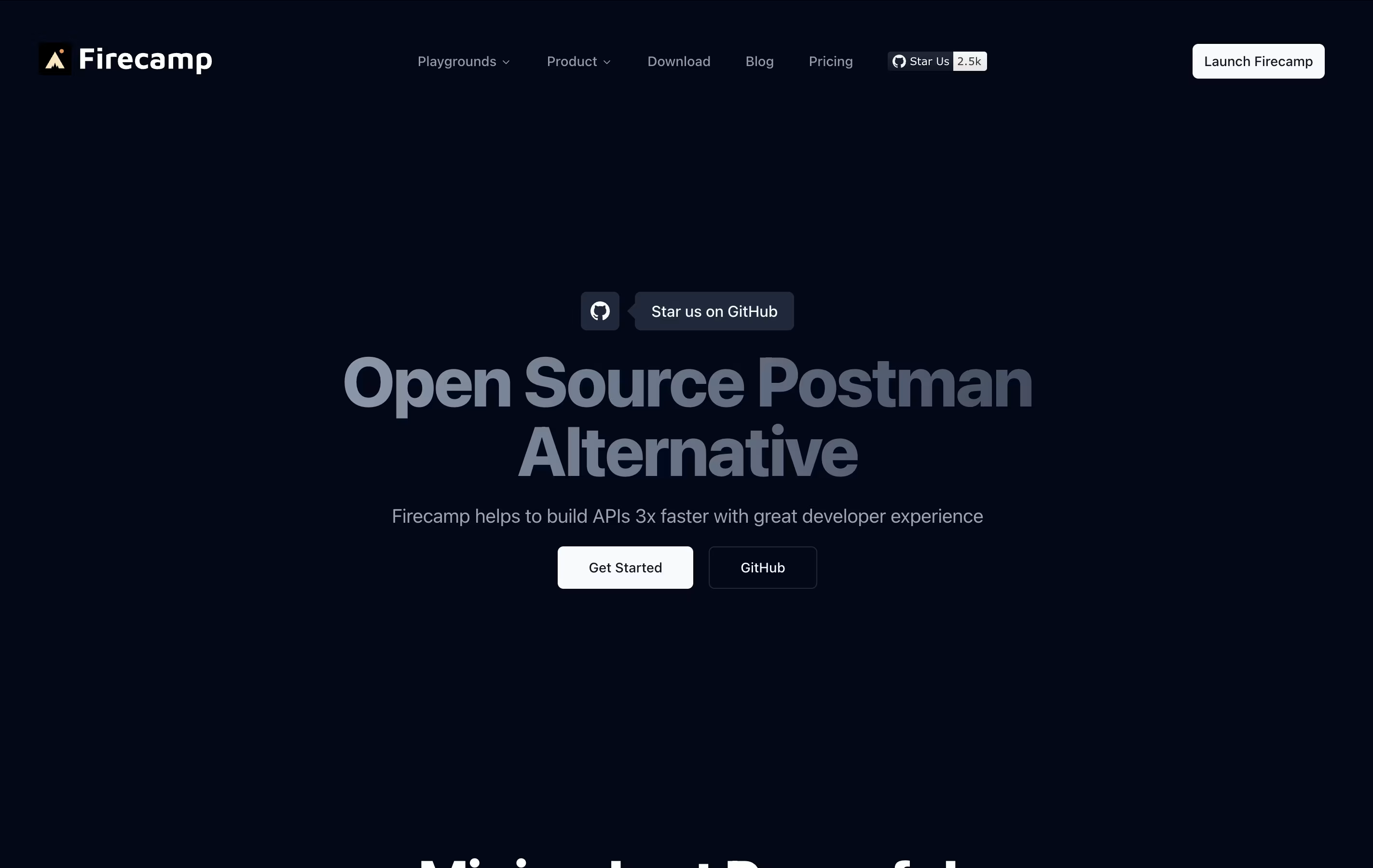
The platform is completely open-source and built with developers in mind. It provides a clean interface similar to VS Code, making it familiar and easy to navigate. You can create API collections, set up environments, write scripts, and collaborate with your team in real-time.
Whether you use the web version or desktop app, Firecamp keeps everything synchronized across your workspace. It supports authentication methods, allows you to import collections from Postman, and helps you document your APIs for your team or community.

Hoppscotch is an API development environment that runs in your web browser. You can test any API by sending requests and viewing the responses instantly. Unlike traditional tools, Hoppscotch is completely free and open-source, meaning anyone can use it or even contribute to improving it.
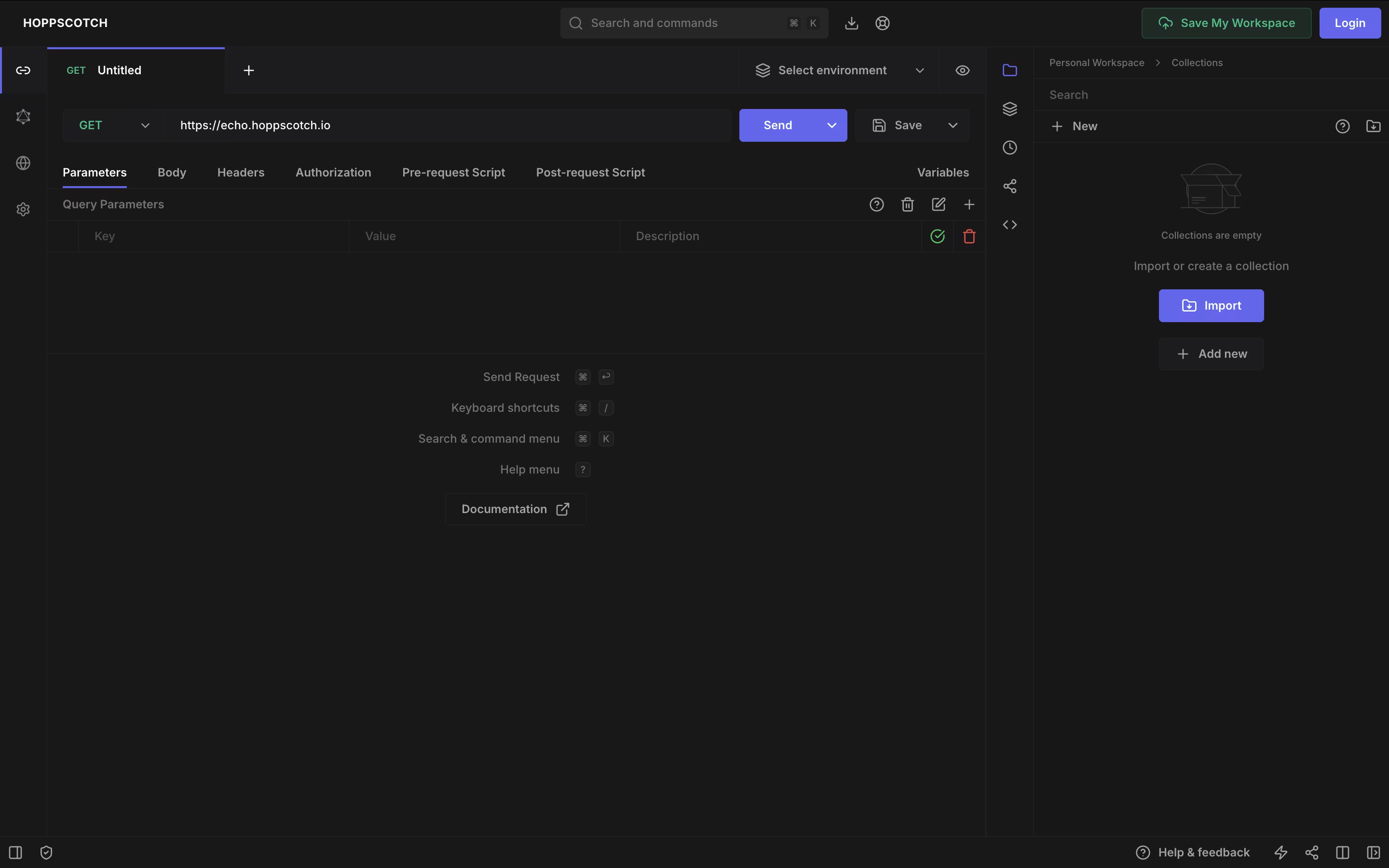
The platform supports various API types including REST, GraphQL, WebSocket, Socket.IO, MQTT, and Server-Sent Events. This makes it useful for testing modern real-time applications as well as standard web services. You can organize your API requests into collections, use environment variables for different setups, and write tests to check if APIs work correctly.
Hoppscotch offers both a free version with full features and an Organization plan for teams needing extra collaboration tools and support.

Strapi is an open-source headless CMS built with Node.js that delivers content through APIs instead of traditional web pages. Think of it as a smart backend system that stores and manages your content, then sends it anywhere you need through REST or GraphQL APIs.
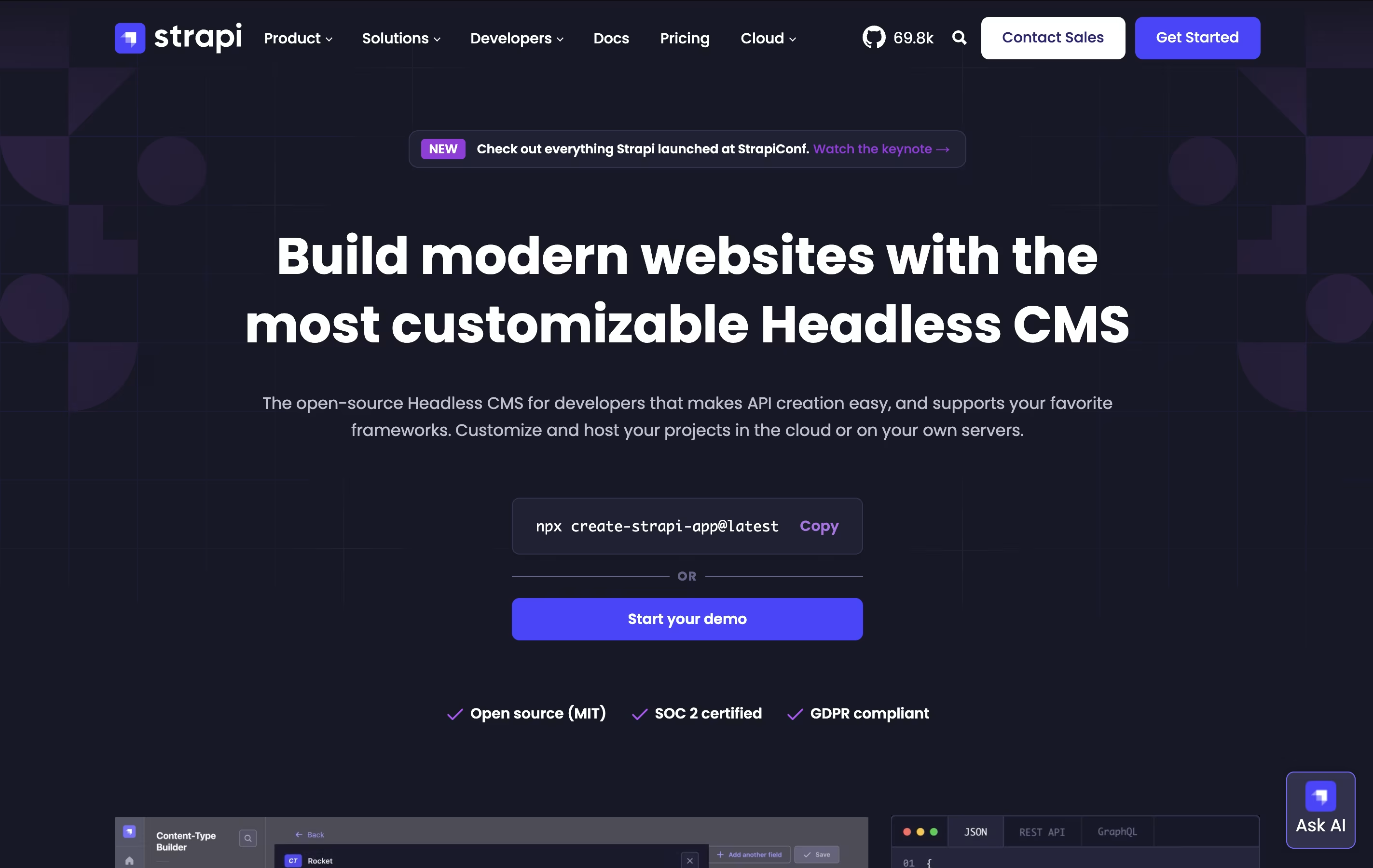
The main difference from traditional systems like WordPress is flexibility. Instead of forcing you to use specific templates, Strapi lets you build exactly what you need. You control everything: the database, the content structure, and how it all works together. Each project starts with built-in features like user management, permissions, and content organization.
Founded in 2015, Strapi has become popular with over 60,000 stars on GitHub and millions of downloads. You can host it yourself on your own servers or use Strapi Cloud for managed hosting, making it perfect for any project size.