
Best 2 Tools for User Directory Syncing in 2026
Last Updated: October 26, 2025
Keeping user information consistent across multiple systems requires those systems to stay in sync. User Directory Syncing tools keep user data updated and matching across connected directories.
IT teams use directory syncing to avoid outdated or conflicting user information across systems.
 Okta
Okta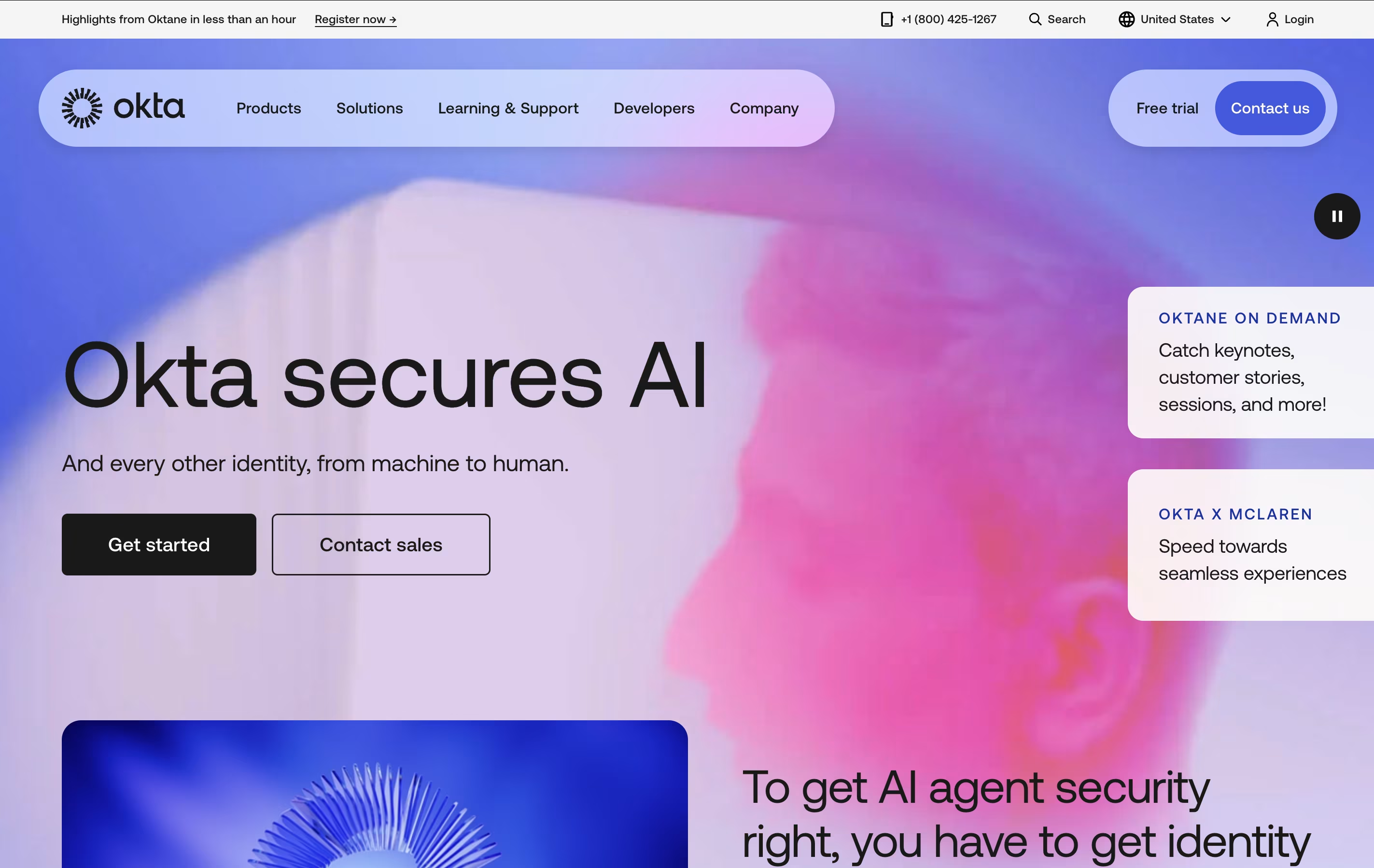 OktaCloud Identity and Access Management Platform and
  WorkOS
 WorkOSEnterprise Authentication for Developers are the best for User Directory Syncing. So, let’s take a closer look at both tools.
Okta is a tool that handles identity and access management in the cloud. It lets businesses control who can use their apps and resources safely. When someone needs to log in, Okta checks their identity and decides what they can access based on company rules.
The platform includes features like single sign-on, where users log in once and access all their apps without entering passwords again. It also offers extra security checks through methods like codes sent to phones. Okta connects with employee directories and can automatically create or remove accounts when people join or leave a company.
The service is built for the cloud, so it scales easily and works from anywhere. Companies can start with basic features and add more as needed.
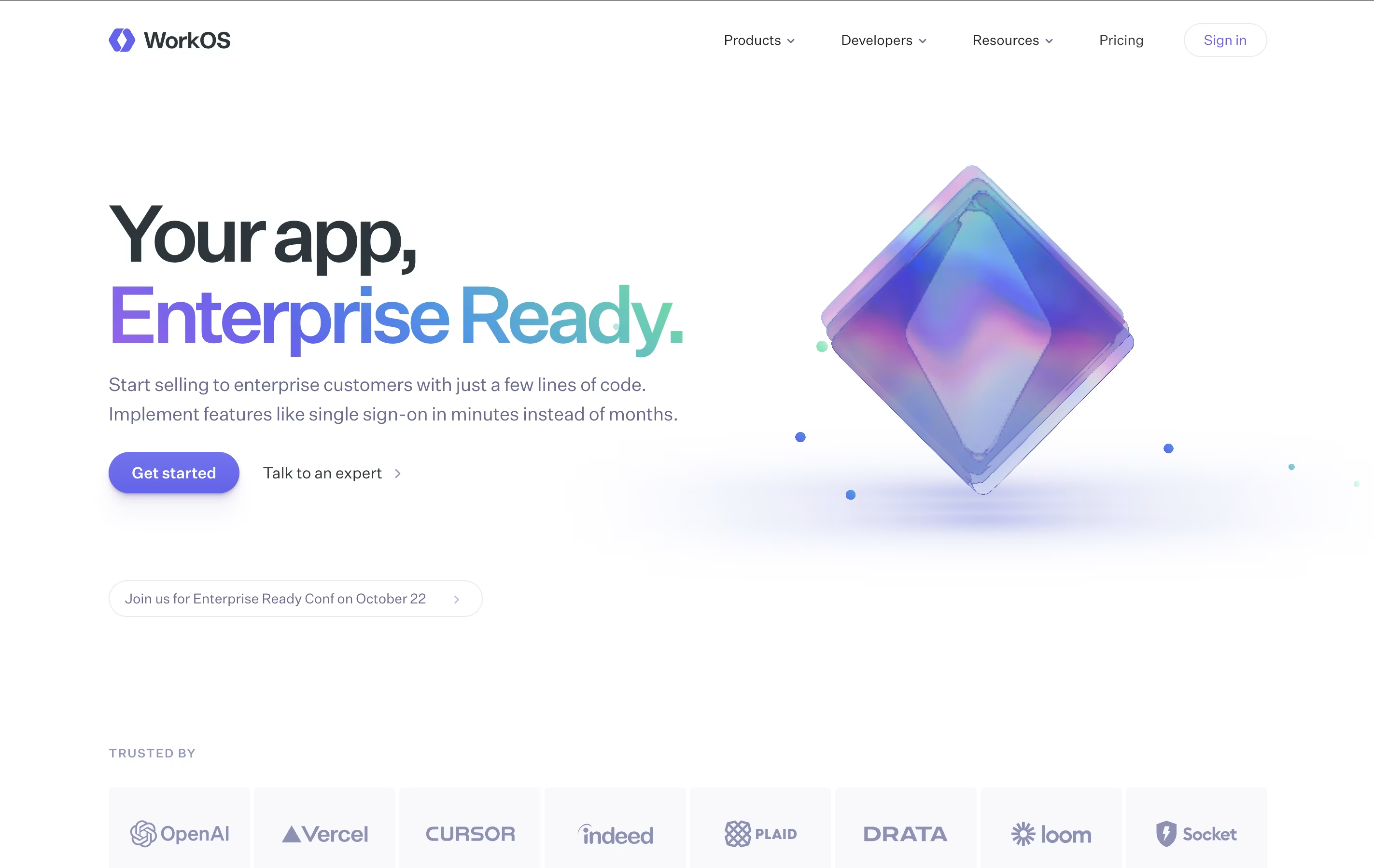
WorkOS is an API platform that provides enterprise authentication and identity features for web applications. When you need to add features like company login systems or user management to your app, WorkOS provides the technical foundation.
The platform includes several key products. AuthKit handles user login and management with support for passwords, social logins, and security features. Single Sign-On lets enterprise customers use their company login systems. Directory Sync keeps user lists updated automatically from company directories. Audit Logs track important security events. Radar protects against bots and fake accounts.
Developers integrate WorkOS using APIs and software libraries for popular programming languages. The platform handles the complex technical work while you focus on building your main product.