
Best 5 Tools for Digital Asset Management in 2026
Last Updated: October 5, 2025
A growing library of images, videos, and files becomes hard to navigate without a proper system behind it. Digital Asset Management tools organize, tag, and store media so it is easy to find and reuse.
Marketing and creative teams use asset management to avoid recreating content that already exists somewhere in their files.
 Contentful
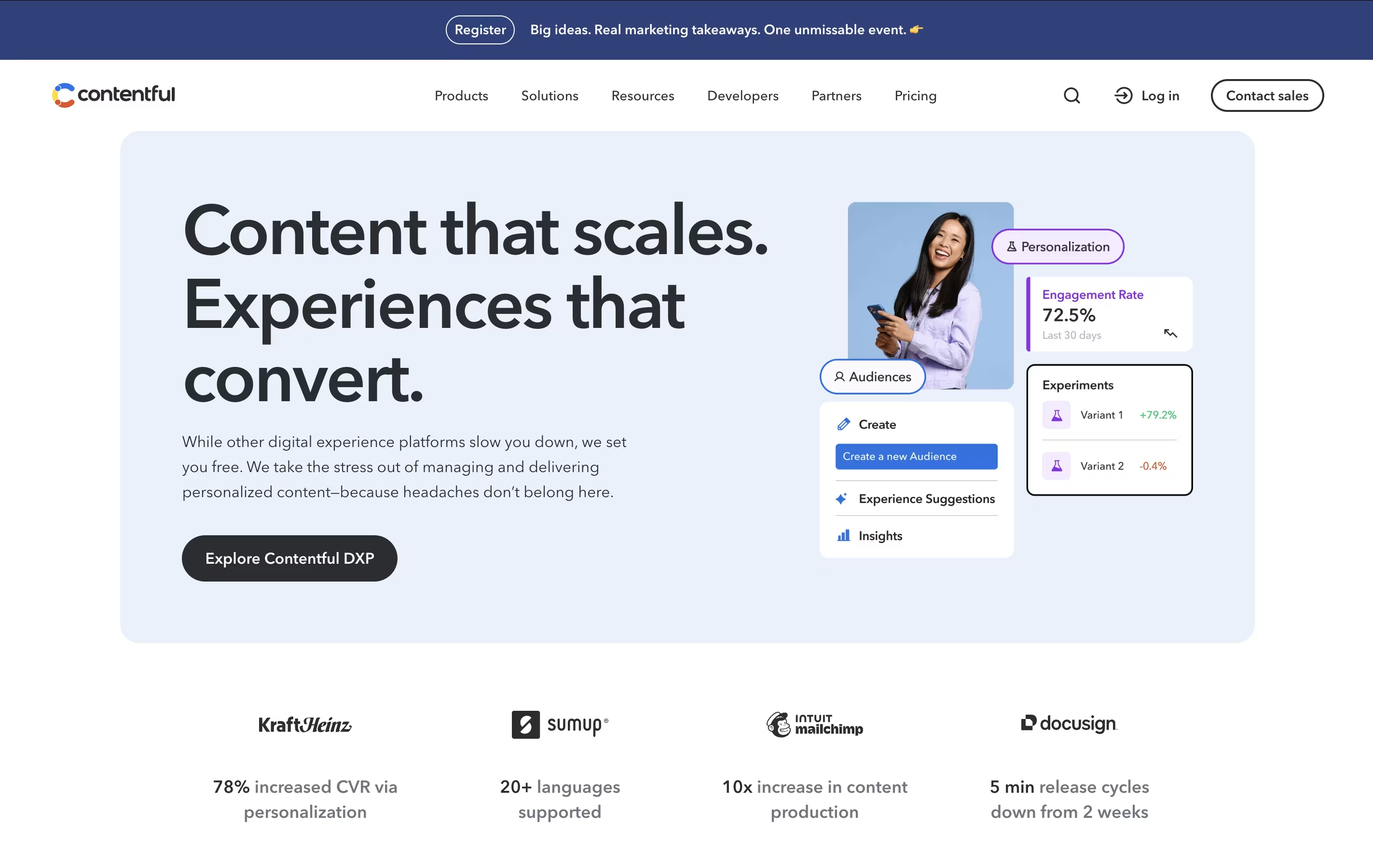 ContentfulHeadless CMS for Multi-Channel Content Management,
  Sanity
 SanityModern Content Platform for Structured Content Management, and
  Webiny
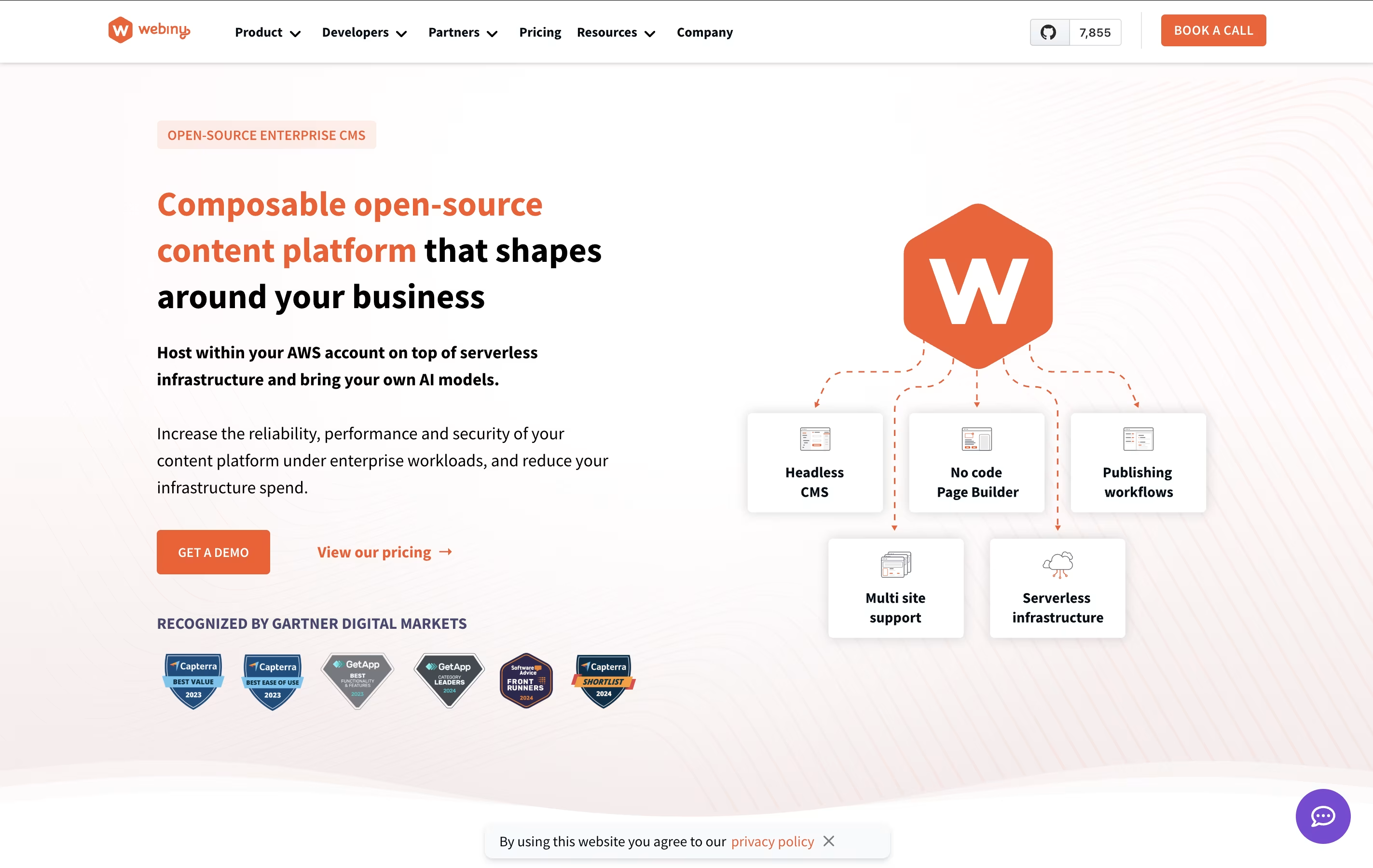 WebinyOpen-Source Serverless CMS for AWS are the best for Digital Asset Management. So, let’s take a closer look at all 5 tools.
Contentful is a headless content management system, which means it stores and organizes your content but does not control how it appears to users. Think of it like a smart storage room for all your digital content - text, images, videos, and more. When you need to show this content on your website, app, or any other platform, Contentful sends it instantly through connections called APIs.
The platform lets you build custom content structures that fit your exact needs. You can create different types of content, add various fields to them, and organize everything in ways that make sense for your business. Multiple team members can work together, editing and updating content at the same time without stepping on each other's toes.
Sanity is a content platform that stores your content as structured data and makes it available through powerful tools. Unlike traditional systems where content and design are locked together, Sanity keeps them separate. This means you create content once and use it anywhere - websites, apps, smart devices, or anywhere else you need it.
The platform has three main parts: Content Lake for storing your content as data, Sanity Studio for editing and managing content, and powerful tools for getting your content where it needs to go. It uses a special query language called GROQ that makes finding and organizing content simple and fast. Everything updates in real-time, so teams can work together without conflicts or delays.
Webiny is a serverless content management system that you install and run inside your own AWS cloud account. It's completely open-source, which means you can see how it works and change it to fit your needs.
The platform includes four main tools. First, a headless CMS lets you create and store your content. Second, a page builder helps you design website pages by dragging and dropping elements without writing code. Third, a form builder makes it easy to create contact forms and surveys. Fourth, a file manager organizes all your images, videos, and documents.
Because it's serverless, you only pay for what you actually use. Your website can handle both small traffic and millions of visitors without any extra setup. The system automatically scales up or down based on your needs.

Roboflow is a complete computer vision development platform that makes building AI models simple and fast. Think of it as the missing piece that connects your images to working AI applications. The platform handles every step of the computer vision pipeline, from organizing your data to deploying models that can recognize objects, detect defects, or analyze scenes in real-time.
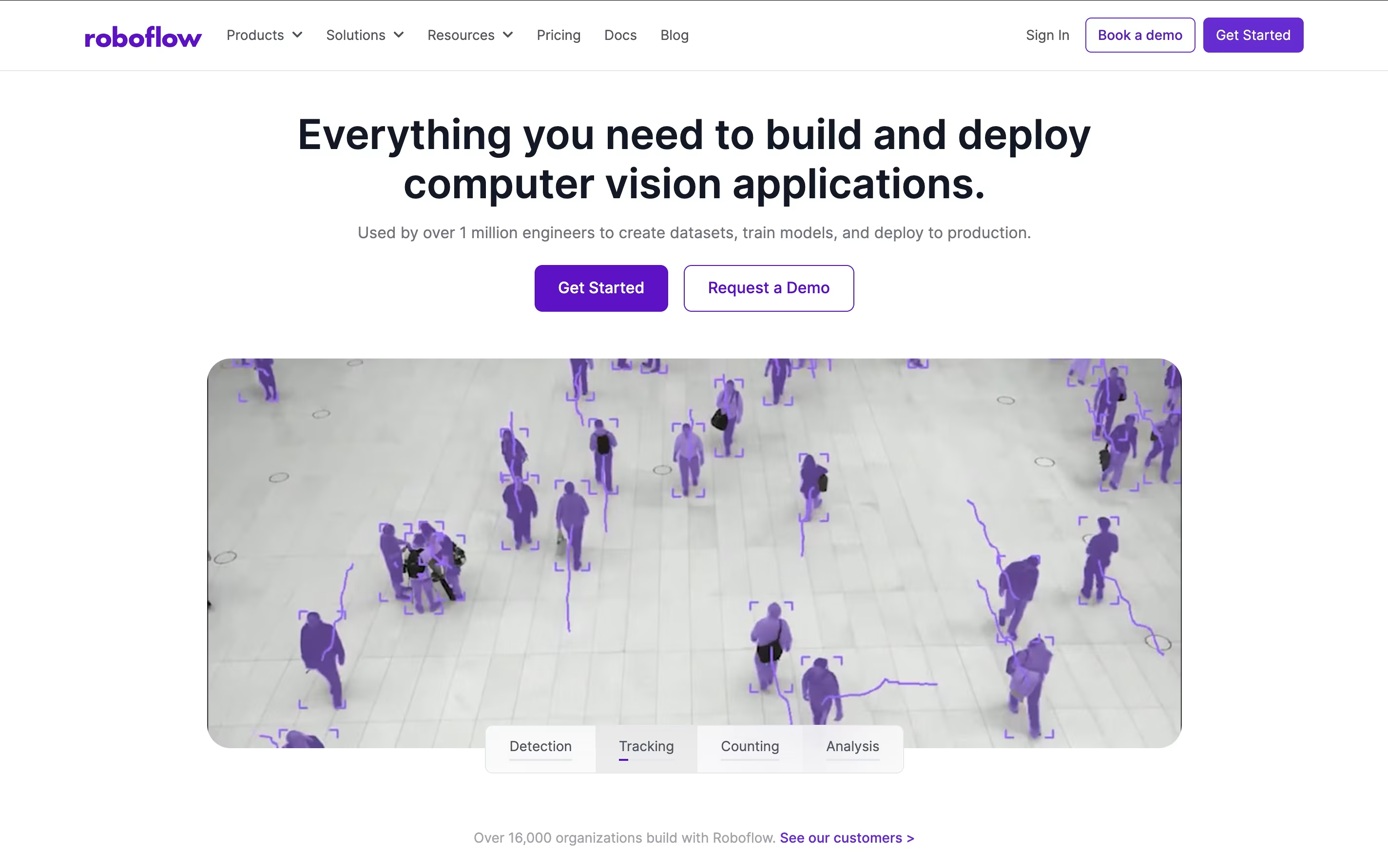
Unlike traditional approaches that require deep technical expertise, Roboflow provides user-friendly tools that work together seamlessly. You can upload images, label them with smart AI assistance, train state-of-the-art models with one click, and deploy them anywhere from cloud APIs to edge devices. The platform includes access to thousands of pre-trained models and datasets through Roboflow Universe, making it possible to start with existing solutions and customize them for your specific needs.

Strapi is an open-source headless CMS built with Node.js that delivers content through APIs instead of traditional web pages. Think of it as a smart backend system that stores and manages your content, then sends it anywhere you need through REST or GraphQL APIs.
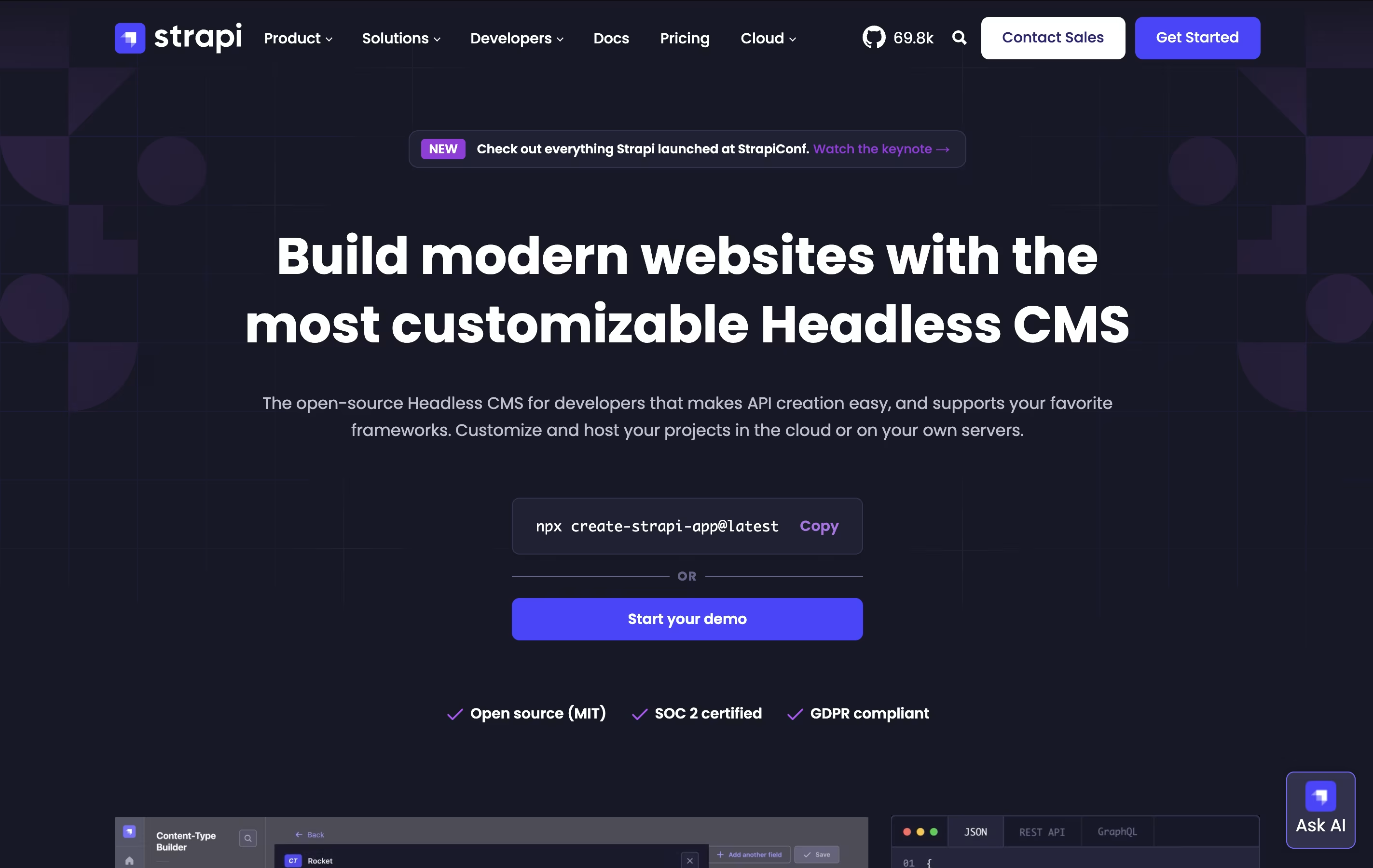
The main difference from traditional systems like WordPress is flexibility. Instead of forcing you to use specific templates, Strapi lets you build exactly what you need. You control everything: the database, the content structure, and how it all works together. Each project starts with built-in features like user management, permissions, and content organization.
Founded in 2015, Strapi has become popular with over 60,000 stars on GitHub and millions of downloads. You can host it yourself on your own servers or use Strapi Cloud for managed hosting, making it perfect for any project size.