

Best 2 Tools for Product Roadmap Management in 2026
Last Updated: November 7, 2025
Communicating what is coming next, and why, keeps stakeholders and users aligned with a product's direction. Product Roadmap Management tools help plan and share upcoming priorities.
Product teams use roadmap management to keep everyone informed and aligned on what is coming.
 Featurebase
 FeaturebaseFeedback & Support Platform for Teams and
  FeatureOS
 FeatureOSComplete Product Management Platform are the best for Product Roadmap Management. So, let’s take a closer look at both tools.
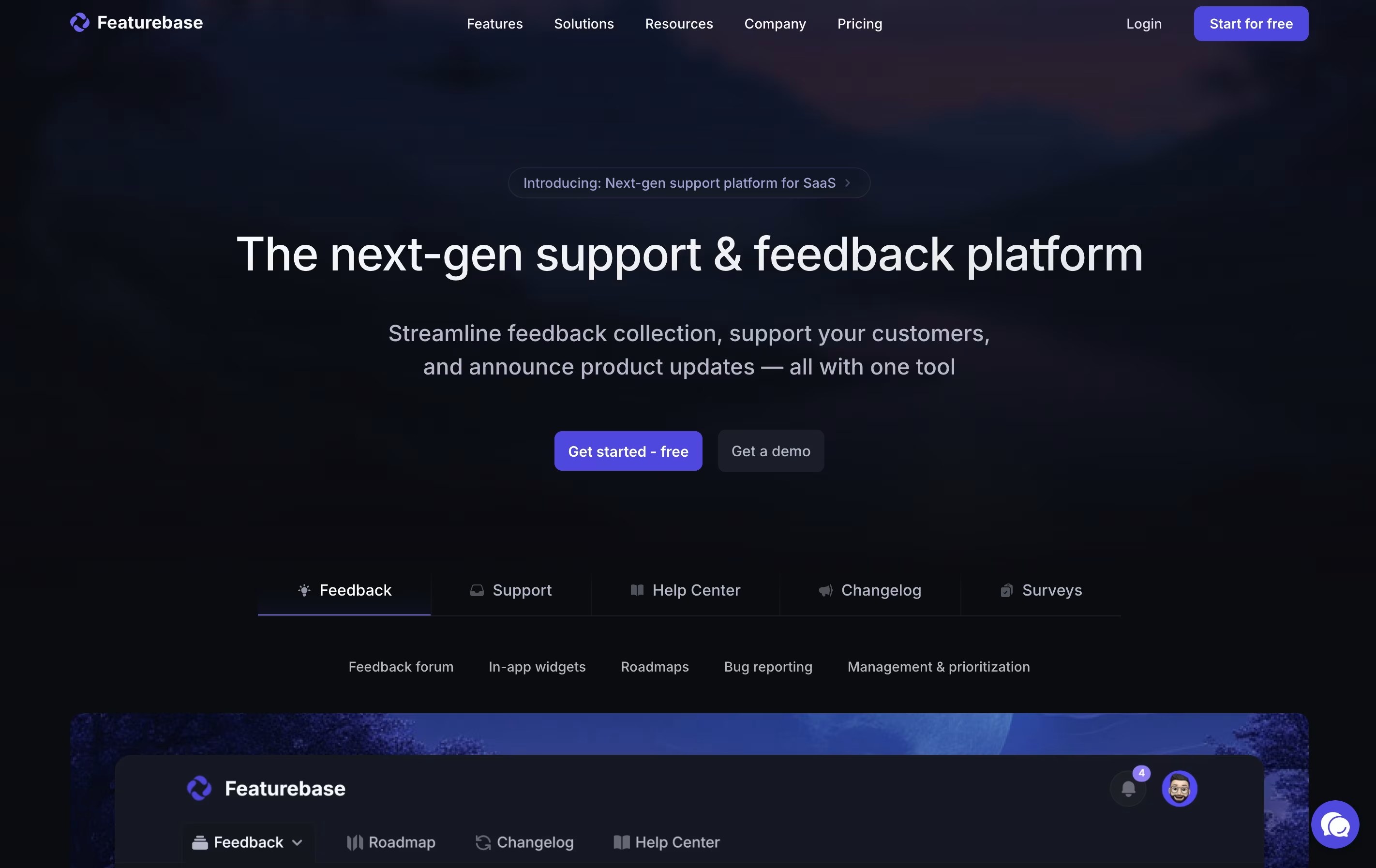
Featurebase is an all-in-one platform for managing customer feedback and support. It allows you to create public feedback boards where users can submit ideas, vote on features, and see what you are working on through roadmaps and changelogs.
The platform includes several key components: feedback boards for collecting feature requests, a support inbox for handling customer questions, a help center for self-service documentation, surveys for gathering specific insights, and changelogs for announcing updates. Everything is customizable with your own branding, colors, and domain.
Unlike separate tools for feedback, support, and documentation, Featurebase connects everything in one place. This means customer support tickets appear alongside their feature requests, giving you complete context when helping users.
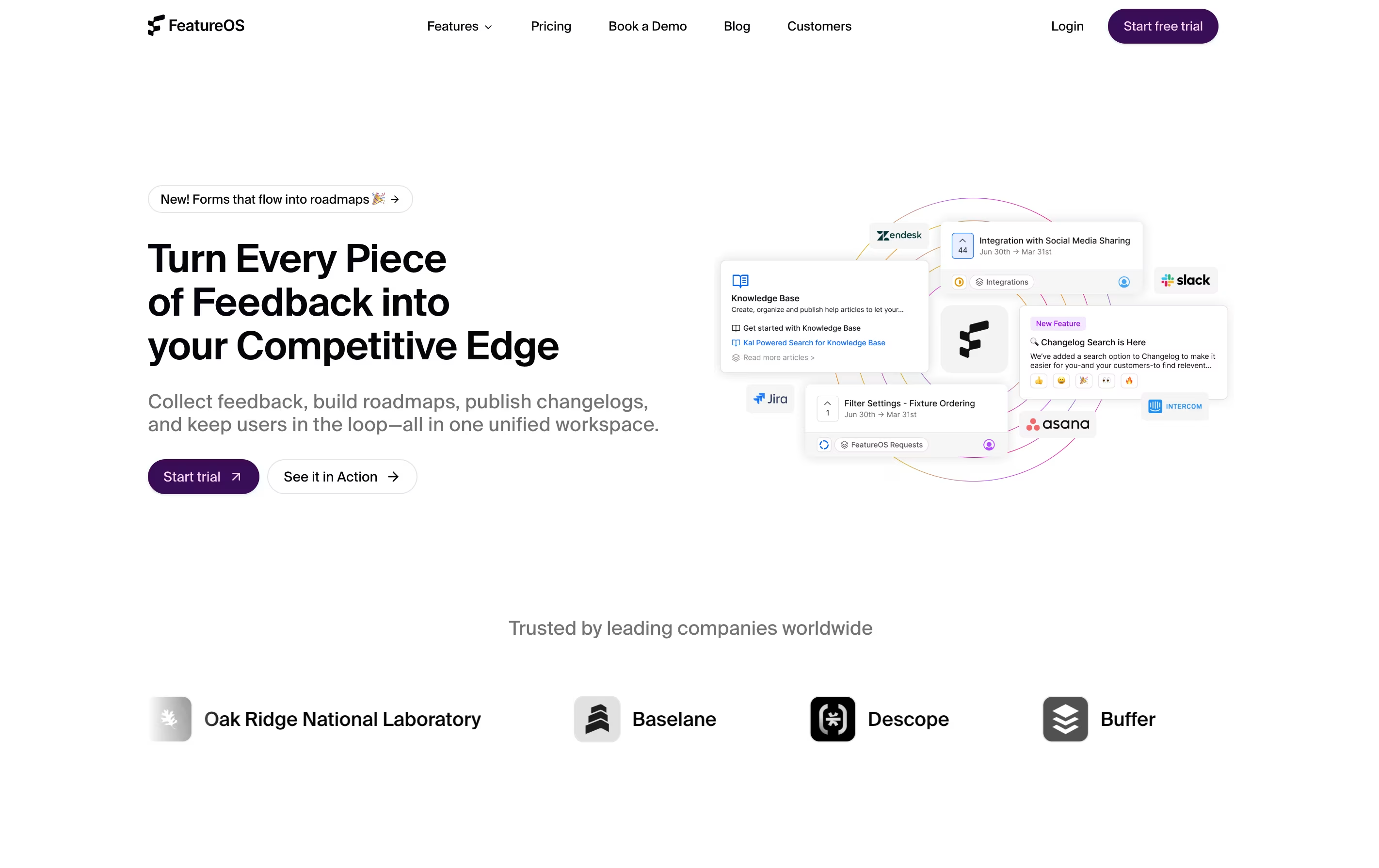
FeatureOS is an all-in-one workspace for product teams that combines five main modules. The Feedback Boards let you collect and organize customer requests through public or private boards. The Roadmap module helps you plan what features to build and when. The Changelog keeps users updated about new releases. Forms and Surveys gather specific input from customers. The Knowledge Base provides self-service help documentation.
What makes it different is how everything connects. When you collect feedback, you can link it to roadmap items. When you finish a feature, the changelog update goes out automatically. The platform also uses AI called KAL to help analyze feedback, spot patterns, and suggest priorities. This saves time and helps teams make better decisions based on real customer needs.