

Best 10 Tools for User Authentication Management in 2026
Last Updated: October 24, 2025
Verifying who a user is, securely and reliably, is a core requirement for almost any application. User Authentication Management tools help manage login, verification, and session handling for users.
Developers use authentication management to implement secure login without building it entirely from scratch.
 Appwrite
 AppwriteOpen-Source Backend Platform for Apps,
  Supabase
 SupabaseOpen-Source Backend Platform with Postgres Database, and
  Zitadel
 ZitadelOpen-Source Identity Platform for Secure User Login and Access Management are the best for User Authentication Management. So, let’s take a closer look at all 10 tools.
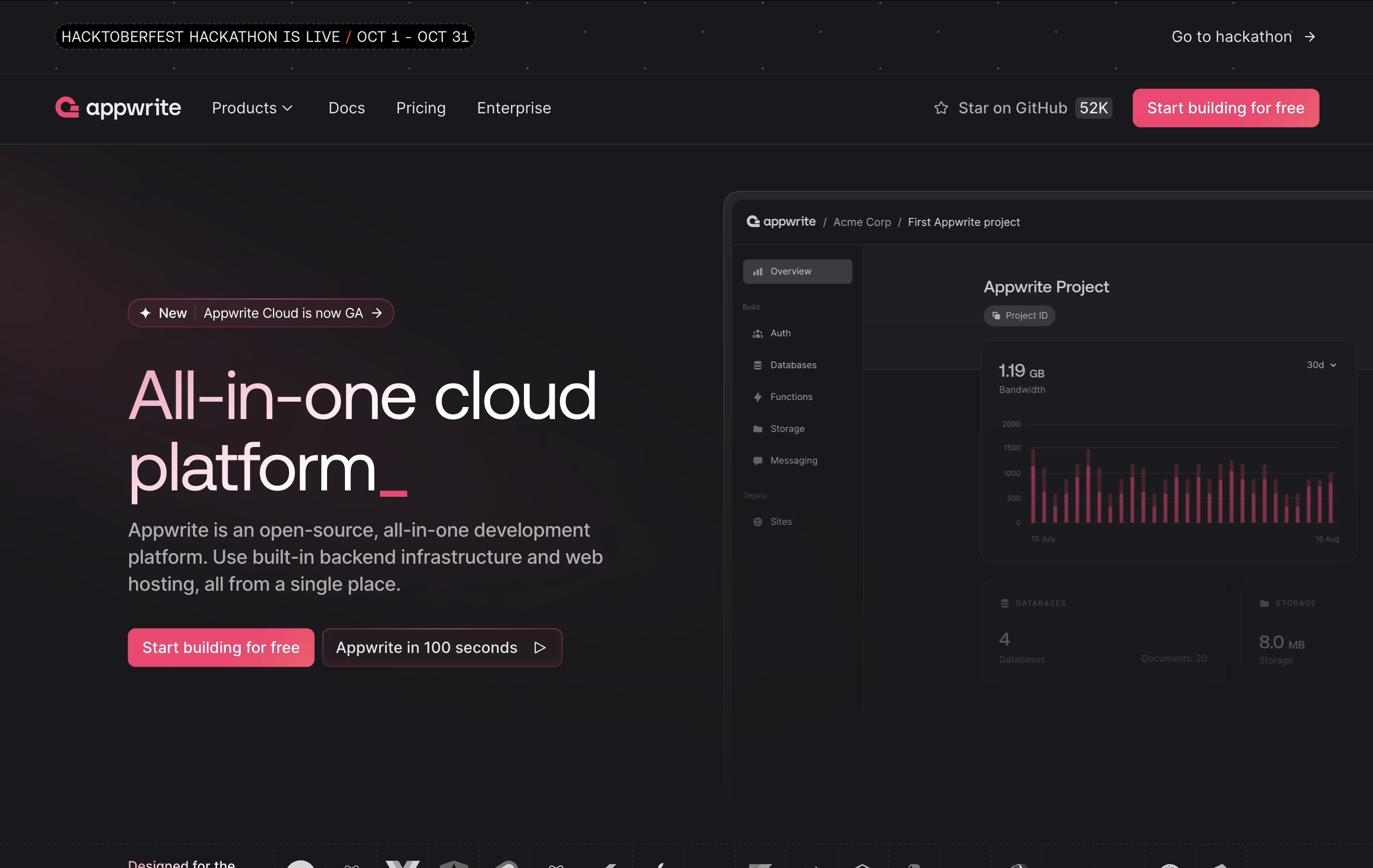
Appwrite is a backend platform that handles all the technical work behind your apps. Instead of building everything yourself, you get pre-made systems for common needs like storing user data, managing files, and handling authentication. Think of it as a toolbox filled with everything your app needs to work properly.
The platform works with many programming languages and frameworks, so you can use the tools you already know. You can add features like user sign-up, password recovery, database storage, and file uploads with just a few lines of code.
Appwrite can be installed on your own servers or used through their cloud service. Both options give you the same features, but self-hosting means you keep complete control over your data and how everything runs.
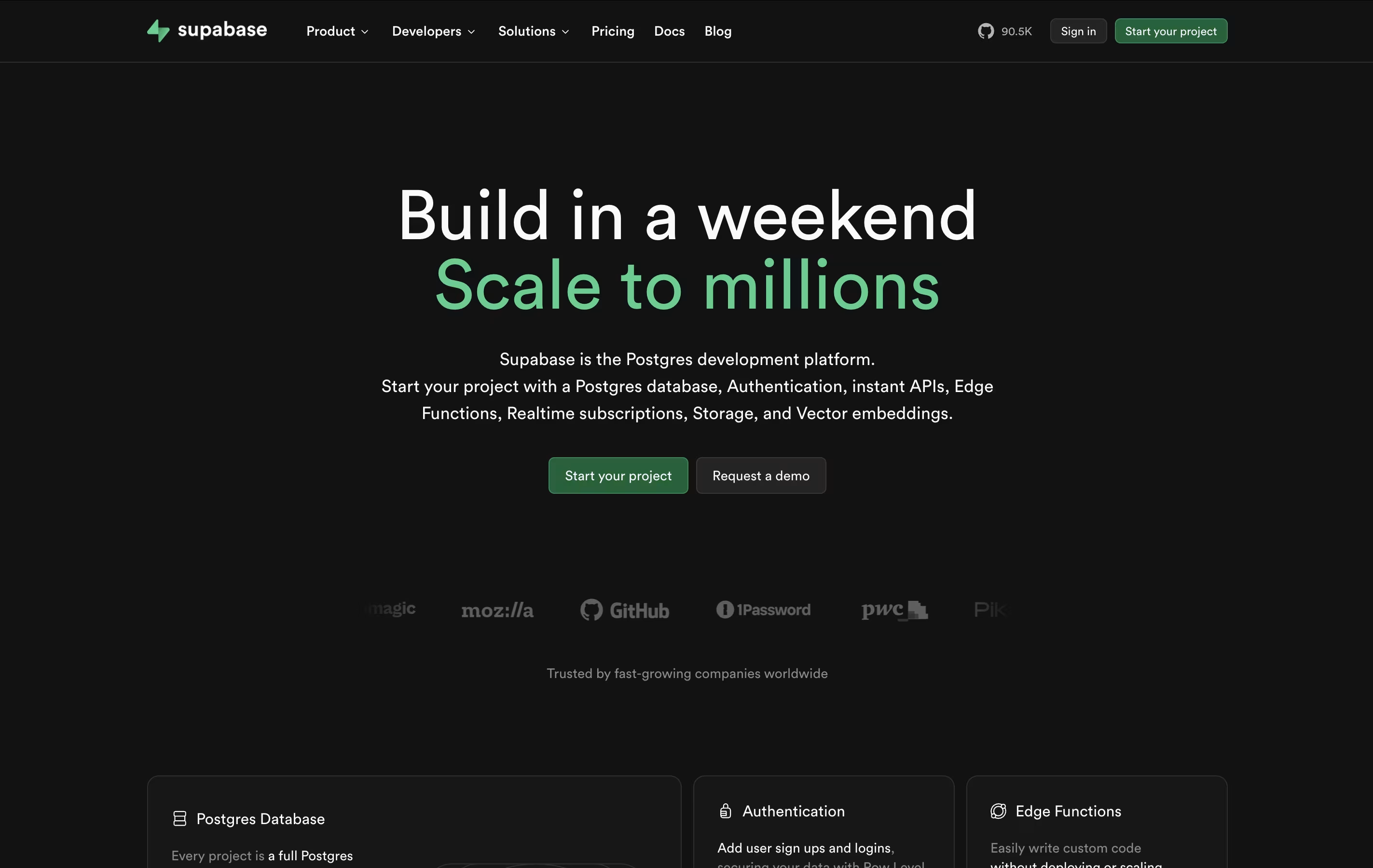
Supabase is a complete backend platform that gives you all the tools needed to build modern applications. At its core is a Postgres database, which is known for being stable and feature-rich. You can store data, create tables, and manage relationships without writing complex code.
Beyond the database, Supabase includes user authentication with support for email, social logins, and phone numbers. It also has file storage for images and documents, real-time features for live updates, and edge functions to run custom code. Everything connects through simple APIs that are automatically created from your database structure.
What makes Supabase different is that it is completely open-source. You can host it yourself or use their cloud service, and you never get locked into their platform.
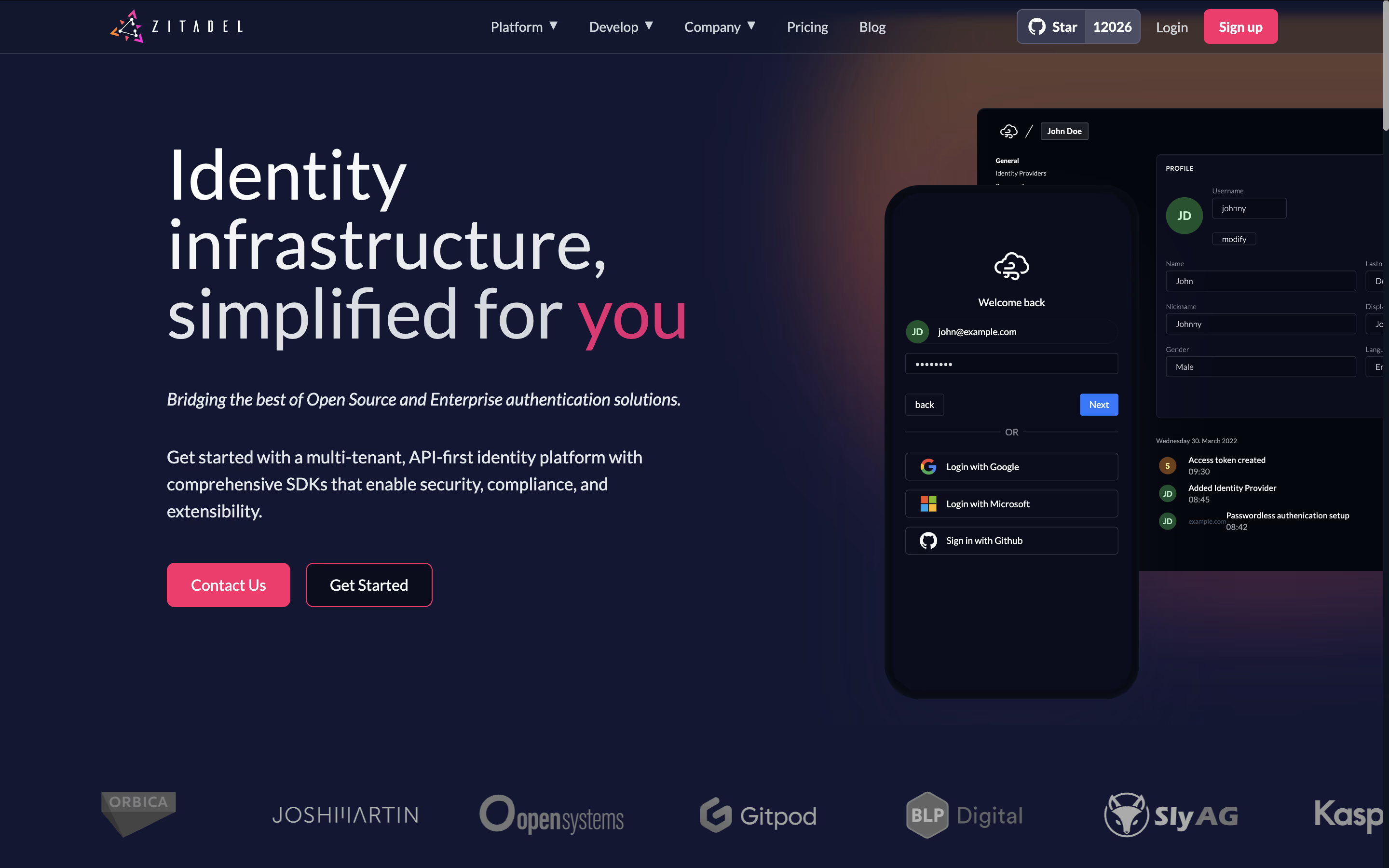
Zitadel is a tool that manages who can log into your application and what they can do once inside. You can set it up to handle user accounts, control access to different features, and keep track of security events. Unlike building your own login system, Zitadel provides everything ready to use.
It supports modern login methods like social accounts (Google, Facebook), company systems (Microsoft, Okta), and passwordless options using fingerprints or face recognition. The platform uses standard protocols that work with any application, so your app simply talks to Zitadel without needing custom code for each login method.
There is a free tier that works for small projects, and paid plans that add more users, better support, and advanced features for growing businesses.

Firebase is a cloud-based platform that provides backend services for applications. Think of it as a complete toolkit that handles everything your app needs on the server side. Instead of building your own servers, databases, and authentication systems from scratch, Firebase gives you ready-to-use services.
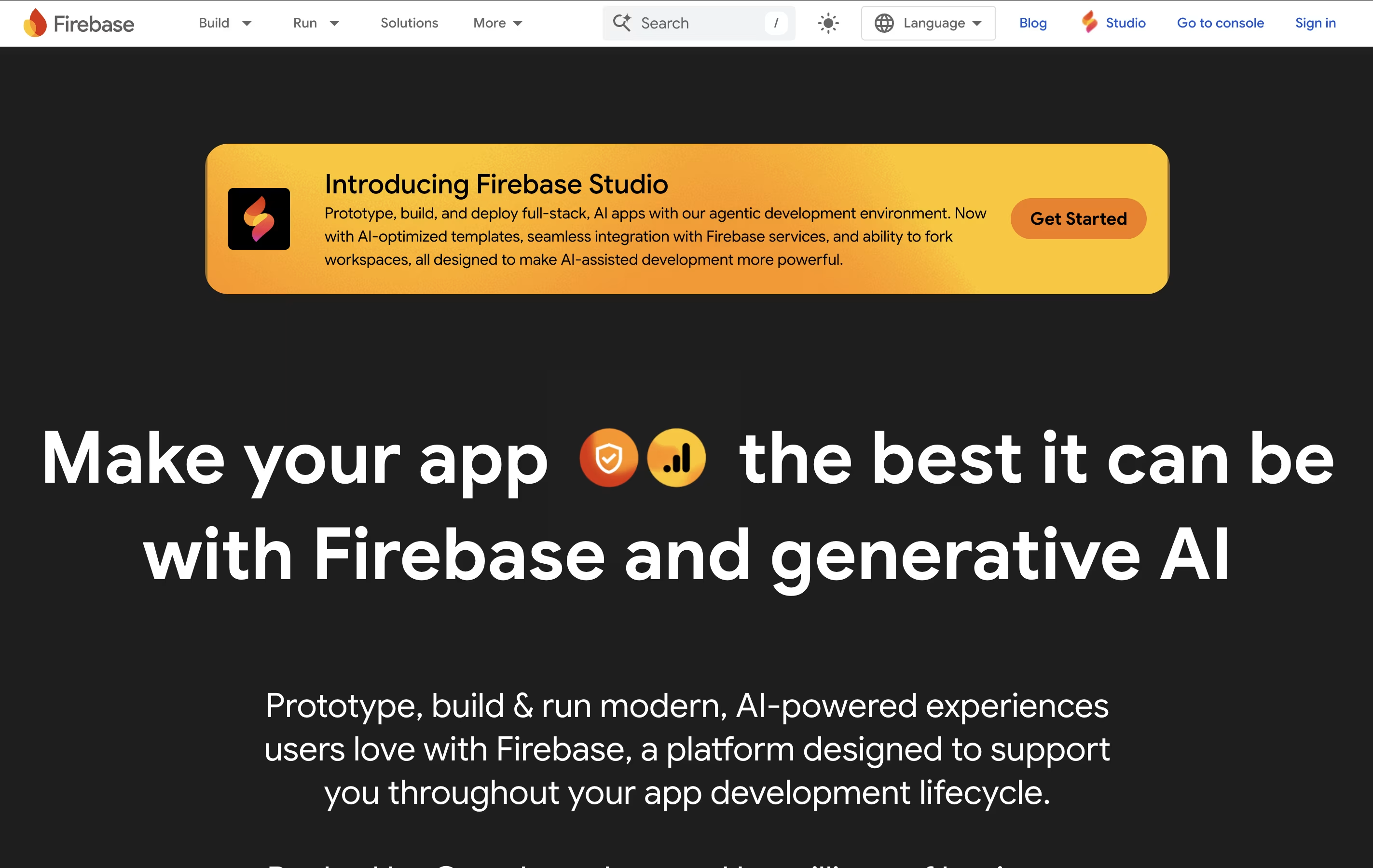
The platform includes a real-time database where your app data updates instantly across all devices. It has user authentication that works with email, phone numbers, Google, Facebook, and other providers. Firebase also offers cloud storage for images and files, push notifications to reach users, crash reporting to find bugs, and performance tracking to see how your app runs.
All these services work together smoothly. You can pick only what you need, making it flexible for any project size from small hobby apps to large business applications.

Nhost is a complete backend service that provides everything needed to build modern applications. You get a PostgreSQL database, a real-time GraphQL API, user authentication with multiple sign-in options, file storage for images and documents, and the ability to run custom code.
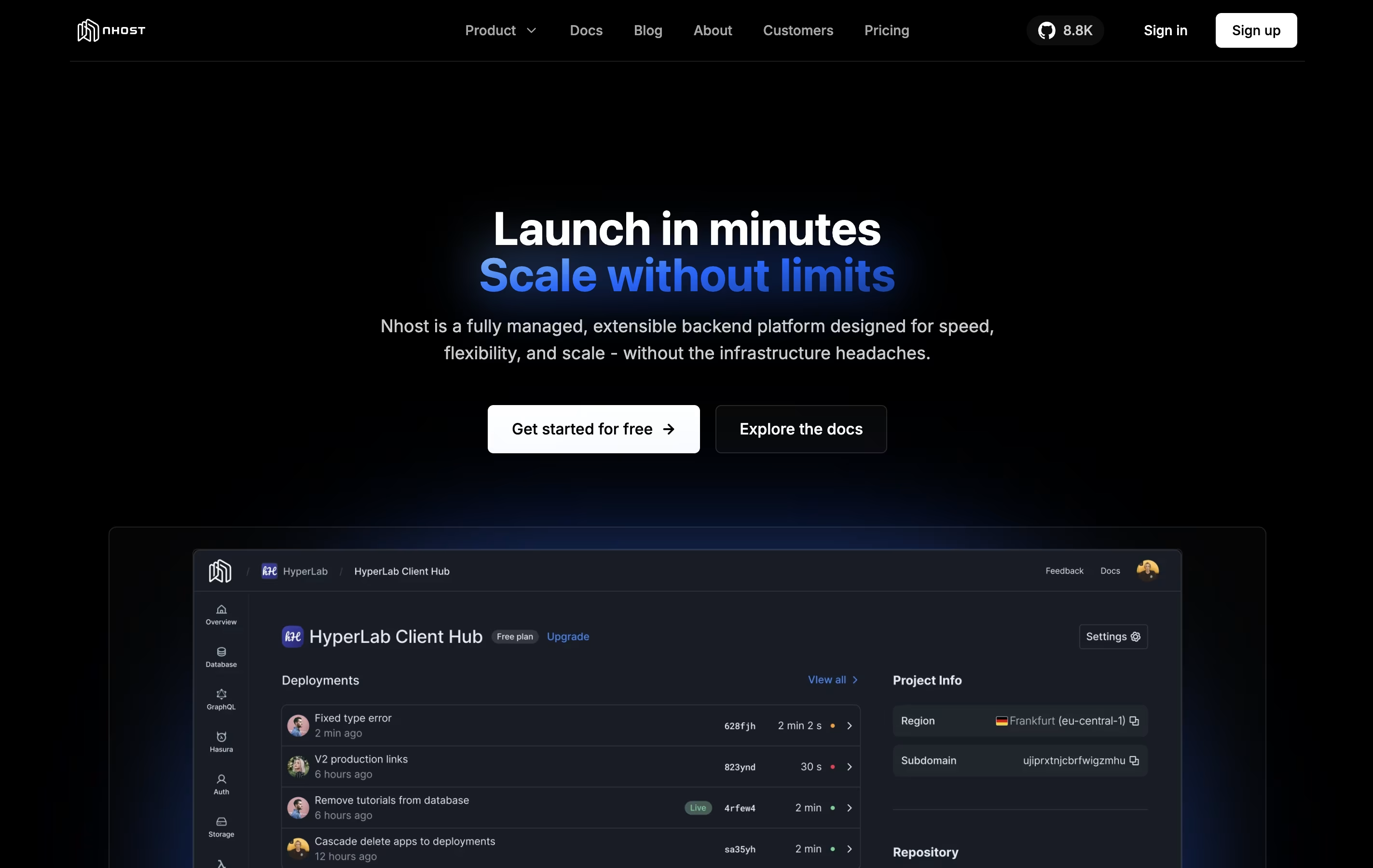
Unlike traditional backend setup that requires technical expertise in servers and security, Nhost handles all of this automatically. The platform is fully open-source, meaning you own your data and can move it anywhere without being locked into one provider.
It runs on cloud servers with automatic backups and updates. You can develop your project locally on your computer, then deploy it with a simple push to GitHub. Everything scales automatically as your user base grows.

AWS Amplify is a set of tools and services that helps developers create full-stack applications. It includes everything needed to build an app: a place to host your website, databases to store information, user login systems, file storage, and ways to connect different parts of your app together.
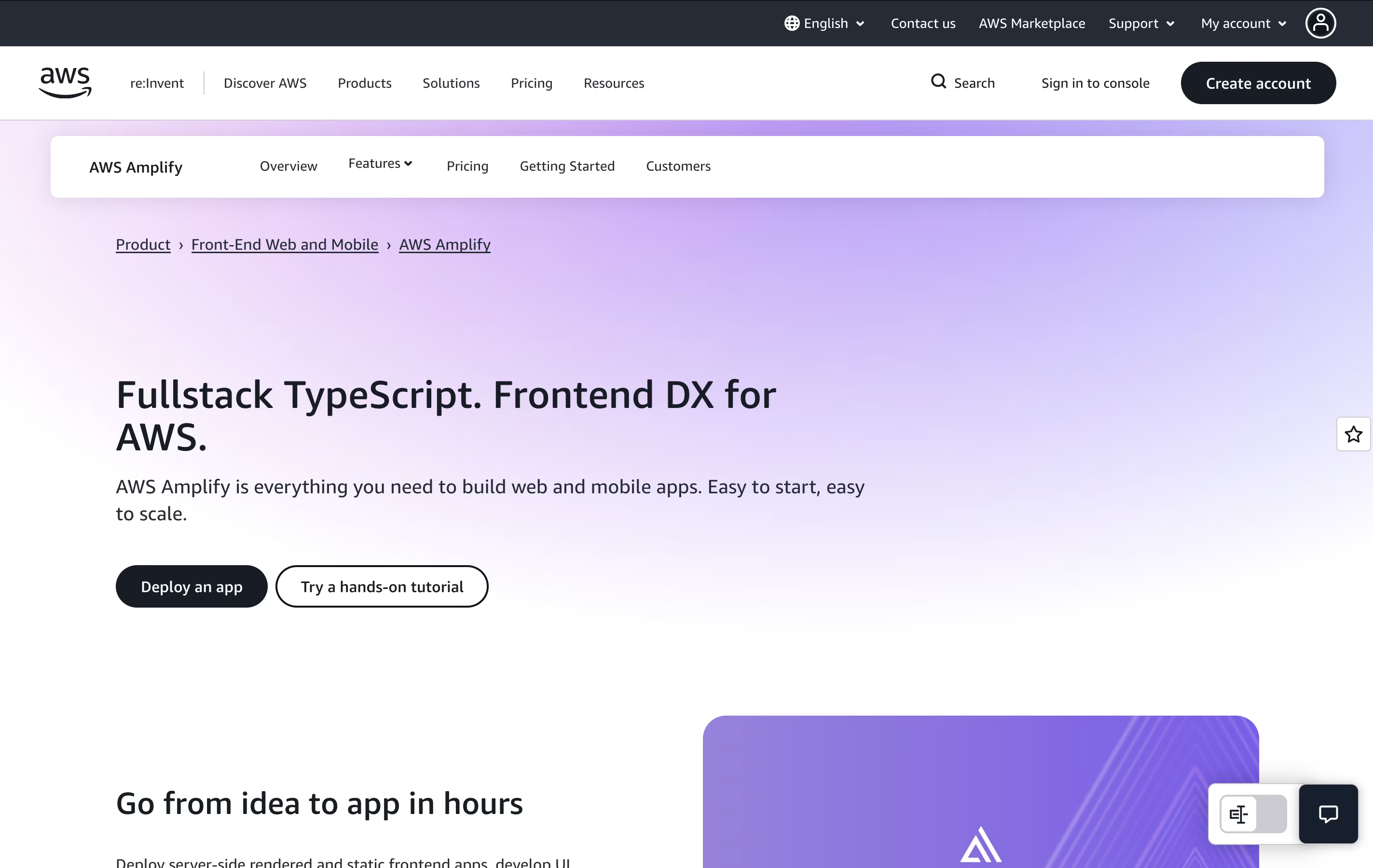
The platform uses a code-first approach, meaning you can define what you need using familiar programming languages like TypeScript. Amplify then automatically creates the right cloud resources for you. It also provides instant development environments for each team member, so developers can test changes without affecting others.
There is a generous free tier to get started, and you only pay for what you actually use beyond that. This makes it budget-friendly for both small projects and large applications.

PocketBase is a backend solution that puts all essential backend features into one small file. Unlike traditional backends that need multiple services and databases, PocketBase includes an embedded SQLite database with real-time updates, built-in user authentication, file storage system, and a web-based admin panel.
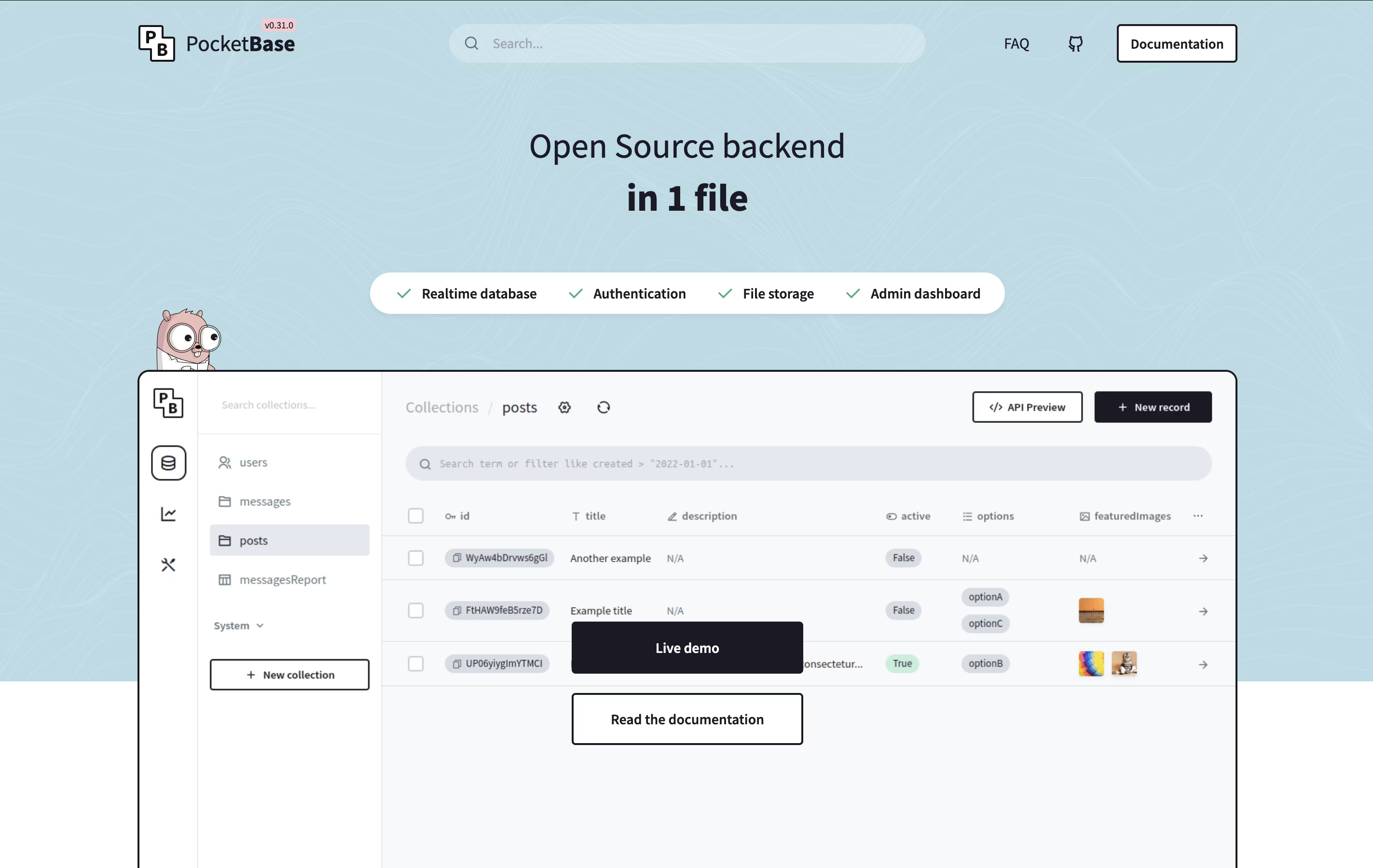
The tool is designed to be simple. You download one file, run it, and your backend is ready. It supports over 15 login methods including email, password, and social logins like Google, Facebook, and GitHub. Developers can interact with it through easy REST APIs or use the official JavaScript and Dart libraries.
PocketBase is self-hosted, meaning you control your data and can run it on your own server or computer.

Back4App is a Backend-as-a-Service platform that provides all the backend tools needed for mobile and web applications. You get a database, user authentication system, file storage, APIs, and server-side functions without setting up your own servers.
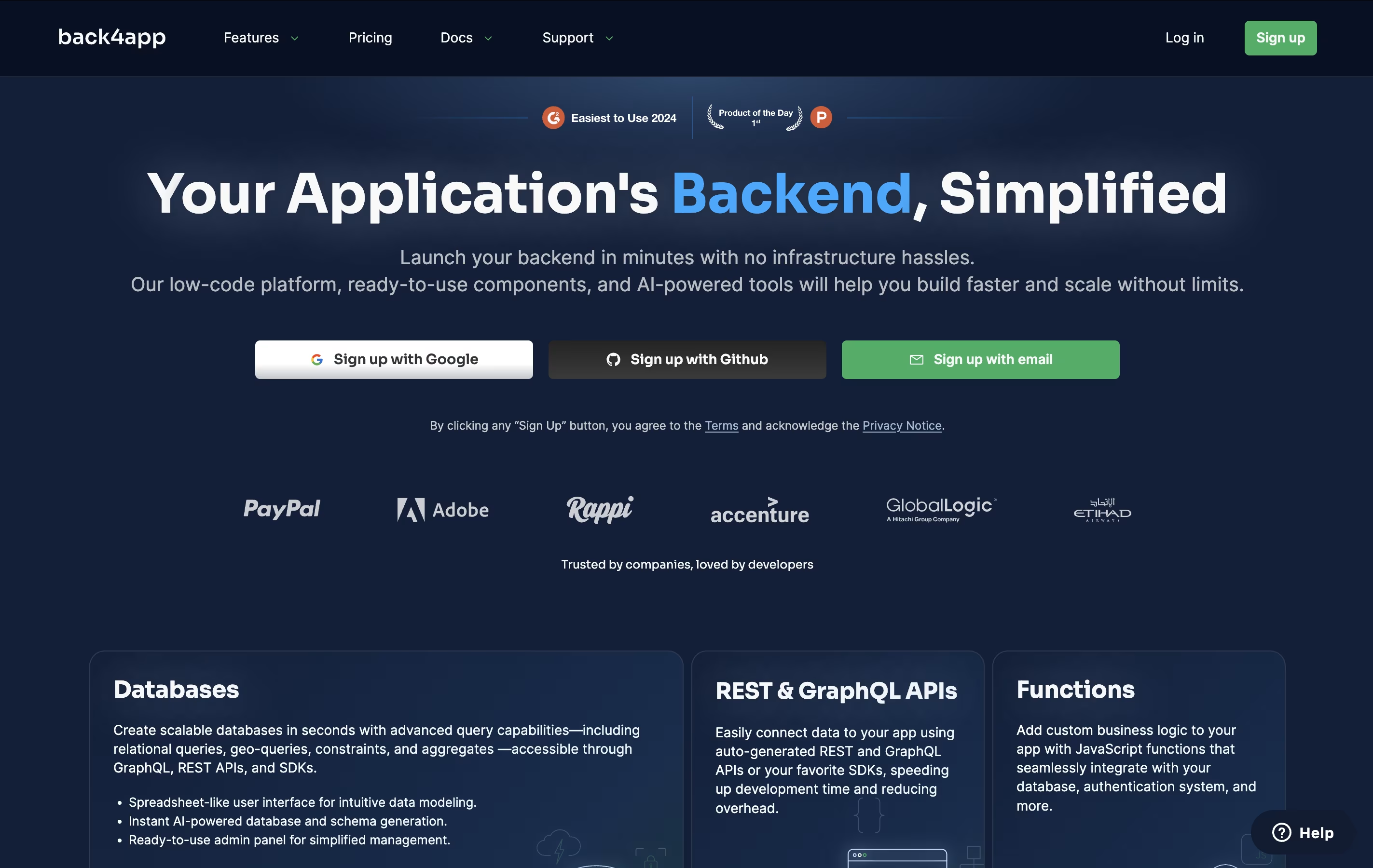
The platform uses Parse Server, which is open-source technology trusted by many developers. This means you are not locked into proprietary systems. You can choose between NoSQL and PostgreSQL databases depending on your project needs.
Back4App handles the technical infrastructure like hosting, scaling, backups, and security. You connect your frontend application through easy-to-use SDKs for JavaScript, React, Flutter, Android, iOS, and other platforms. The service offers both free and paid plans, making it accessible for projects of any size.

Parse Platform is an open-source Backend-as-a-Service framework that runs on Node.js. It provides a complete backend solution without needing to write everything from scratch. You can store data, handle user accounts, send push notifications, and manage files all through one system.
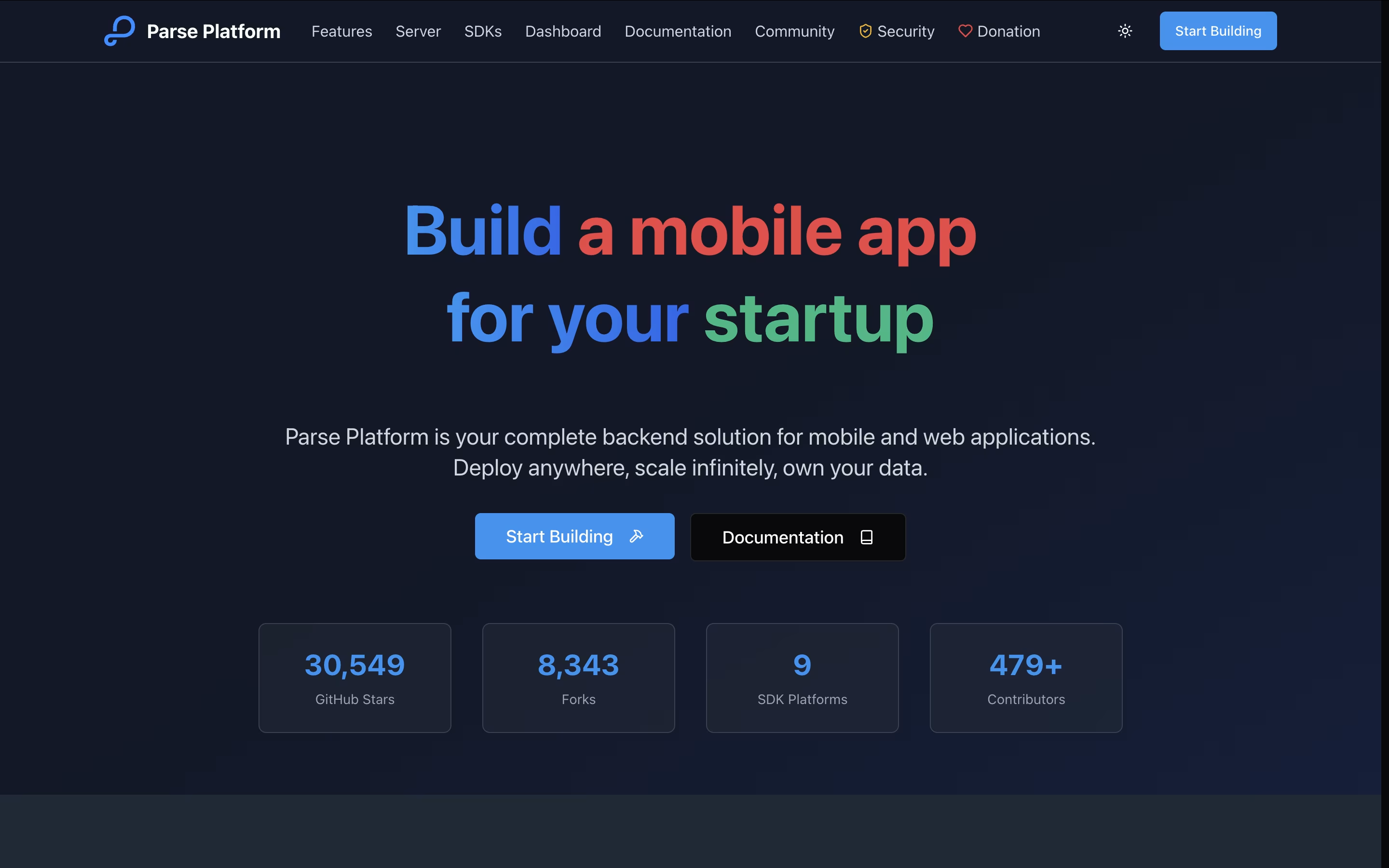
The platform supports both MongoDB and PostgreSQL databases, giving you flexibility in how you store information. It includes Parse Server for the backend logic, Parse Dashboard for visual management, and software libraries for connecting different types of apps. These libraries work with iOS, Android, JavaScript, PHP, and many other languages.
Being open-source means it is completely free to use, and you have full control over your data and servers.

SinglebaseCloud is a complete backend platform that lets you build AI applications with modern features. It provides a vector database for storing AI embeddings, a NoSQL database for regular data, user authentication, file storage, and AI tools like similarity search and RAG pipelines.
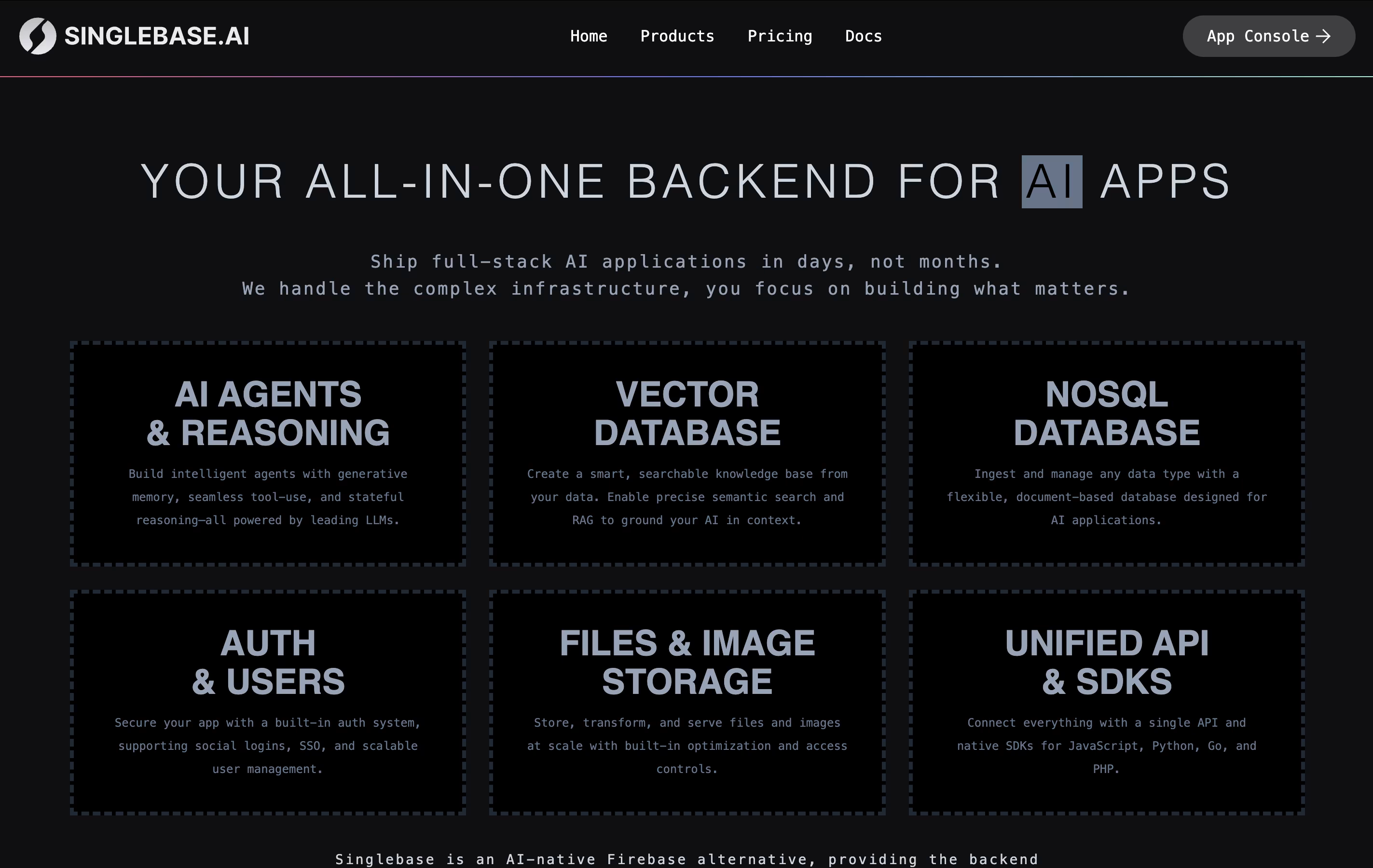
The platform supports multiple AI models from providers like OpenAI, Anthropic, Gemini, Mistral, Llama, Cohere, and Deepseek. This means you can build smart applications that understand context, search through documents, and generate responses using the latest AI technology.
You can access all features through simple APIs using GraphQL, SQL, or REST. There are software development kits for JavaScript, TypeScript, and Python, making it easy to connect your applications to the platform.