
Best 10 Newsletter Platform Tools in 2026
Last Updated: March 7, 2026
Publishing and growing a newsletter requires writing, design, and subscriber management working together smoothly. Newsletter Platforms give creators and businesses the tools to design, send, and grow email newsletters.
These platforms are popular with independent writers, publishers, and businesses building a direct relationship with their audience through email. Built in growth and monetization tools make newsletters a viable business on their own for many creators.
 Substack
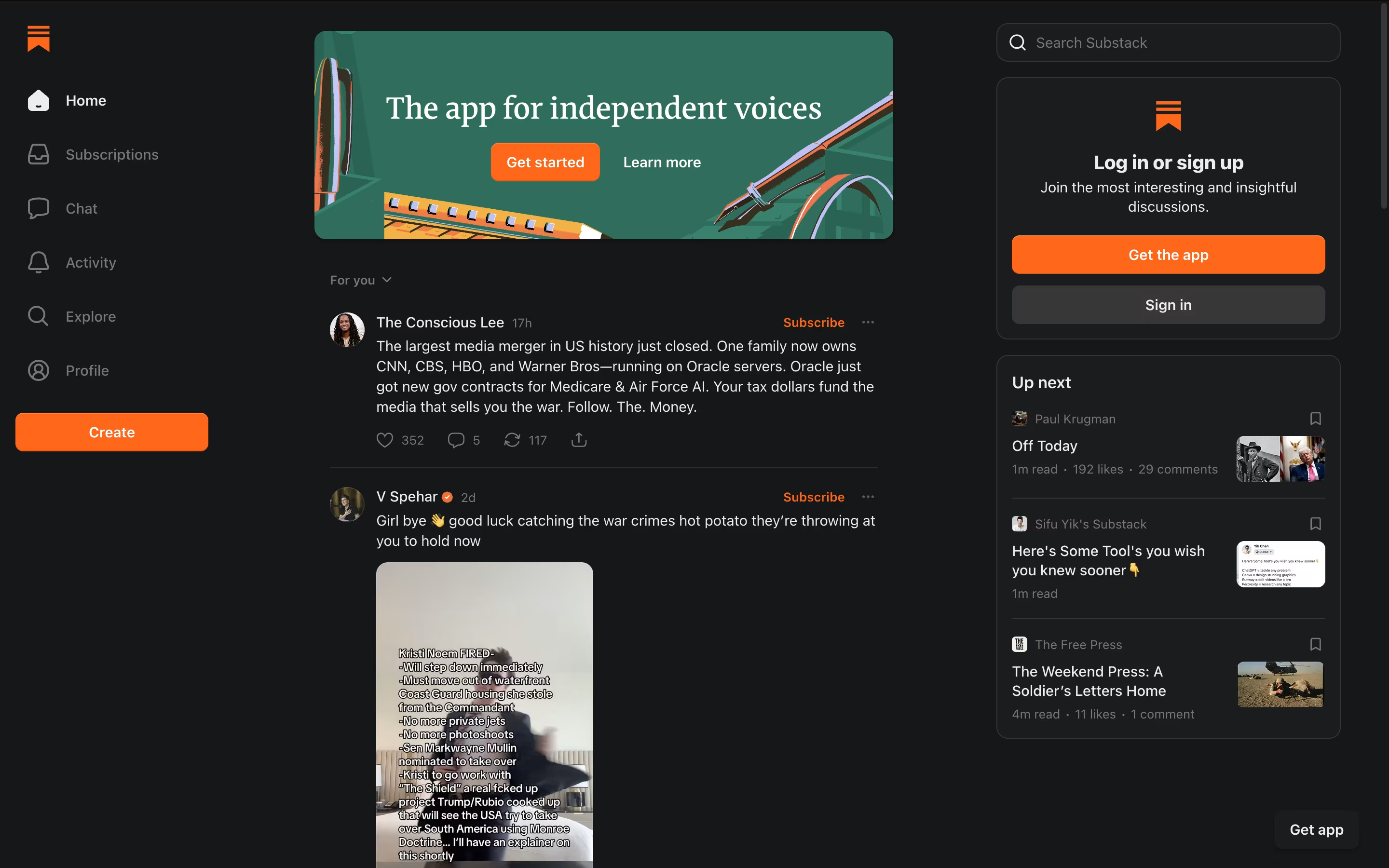 SubstackNewsletter Platform for Independent Writers,
  Beehiiv
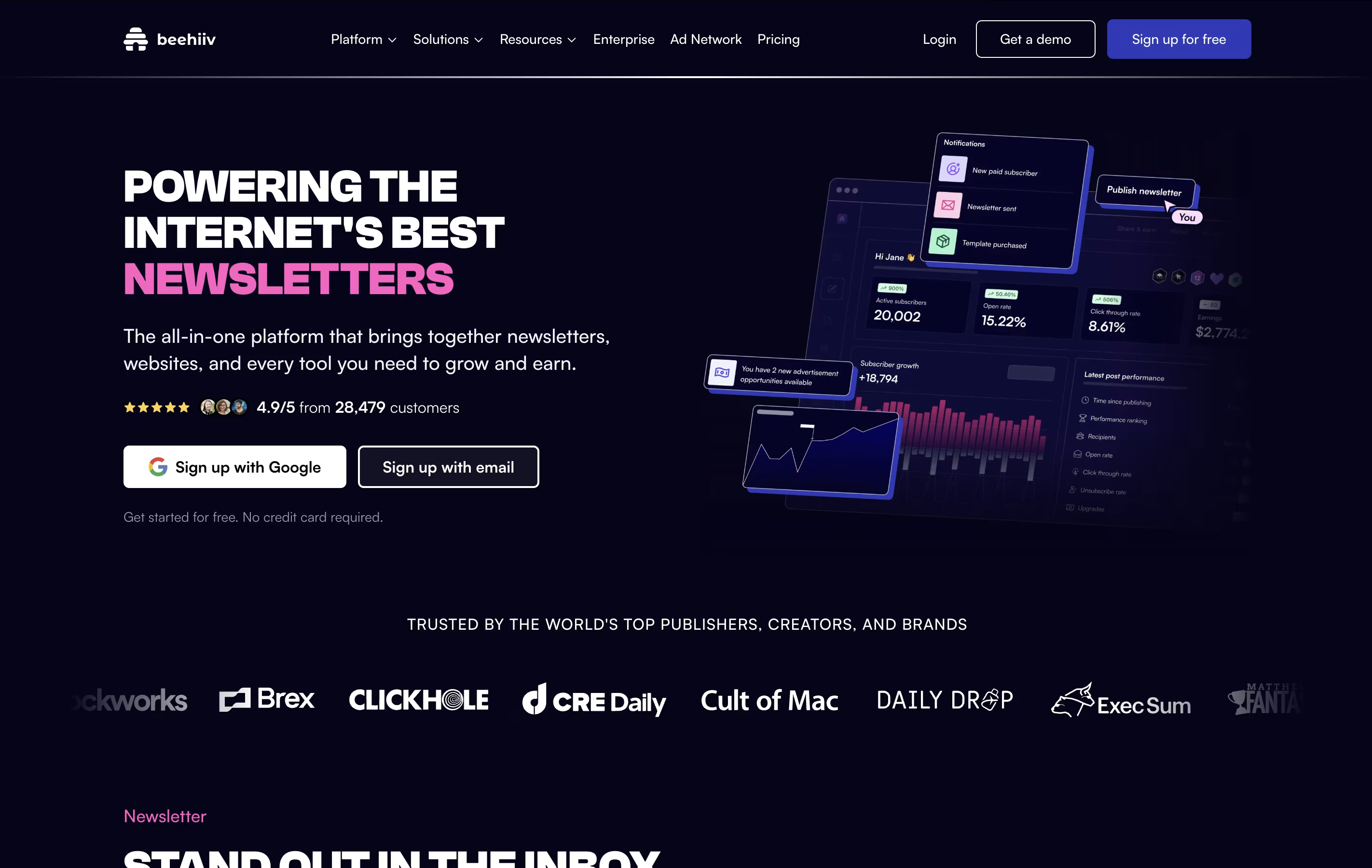 BeehiivNewsletter Platform for Creator Growth, and
  Kit
Kit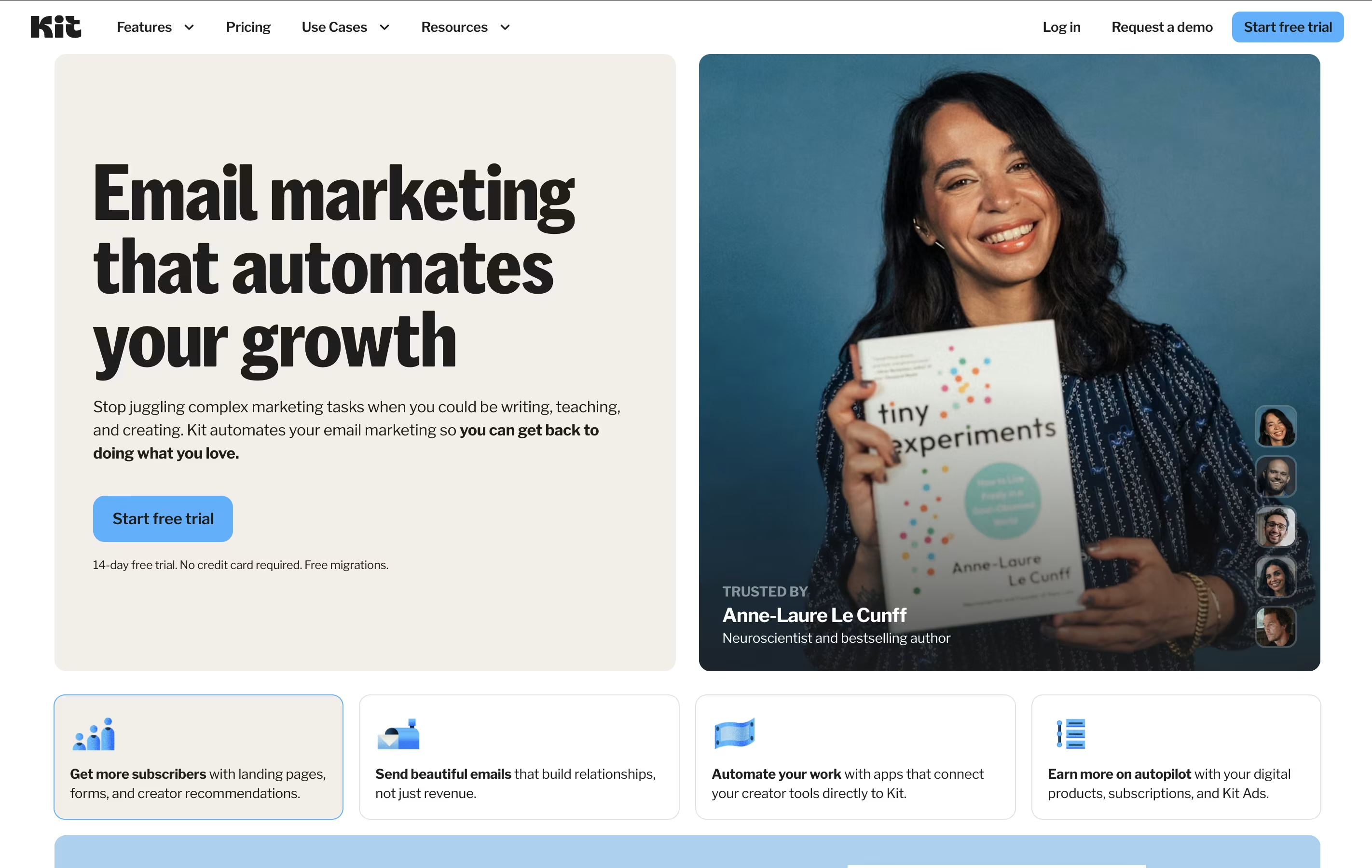 KitEmail Marketing Platform for Content Creators are the best for Newsletter Platform. So, let’s take a closer look at all 10 tools.

Substack is a publishing platform that helps writers create and send newsletters to their readers. Unlike traditional blogging sites, it puts email delivery at the center, ensuring your content reaches people directly in their inbox. You can write long articles, record podcasts, upload videos, or share short notes similar to social media posts.
The platform handles all the technical work like email sending, payment processing, and subscriber management. Writers own their email list and can export it anytime, which means you are not locked into the platform. Substack works on a simple business model: publishing is free, but if you charge for subscriptions, Substack takes a percentage of your earnings. This aligns their success with yours.
Beehiiv is a platform where you can write and send newsletters while also building a website for your content. It gives you one place to create, publish, and manage everything related to your newsletter business. The platform includes tools that help you understand your audience through clear data reports and analytics.
Unlike basic email tools, Beehiiv focuses specifically on newsletter creators. It has special features like referral programs that turn your readers into promoters, and an ad network that connects you with brands wanting to sponsor your content. You can also set up paid subscriptions where readers pay monthly to access special content. The free plan lets you start with up to 2,500 subscribers, making it easy to test the platform.
Kit is a platform that helps you build and manage an email list. You can create signup forms and landing pages to collect email addresses, then send messages to your subscribers. It works differently from other email tools because it focuses on what creators need.
The platform uses a system called tags and segments. This lets you organize your subscribers based on what they're interested in. So if someone clicks on a cooking article, you can tag them and send them more cooking content later.
You can also sell digital products directly through Kit. This includes ebooks, online courses, or paid newsletter subscriptions. Everything is in one place, which saves time and money.

Listmonk is an email marketing platform that you install and run on your own server. Unlike cloud services such as Mailchimp, you download and host it yourself, which means you own all your data and pay no monthly fees.
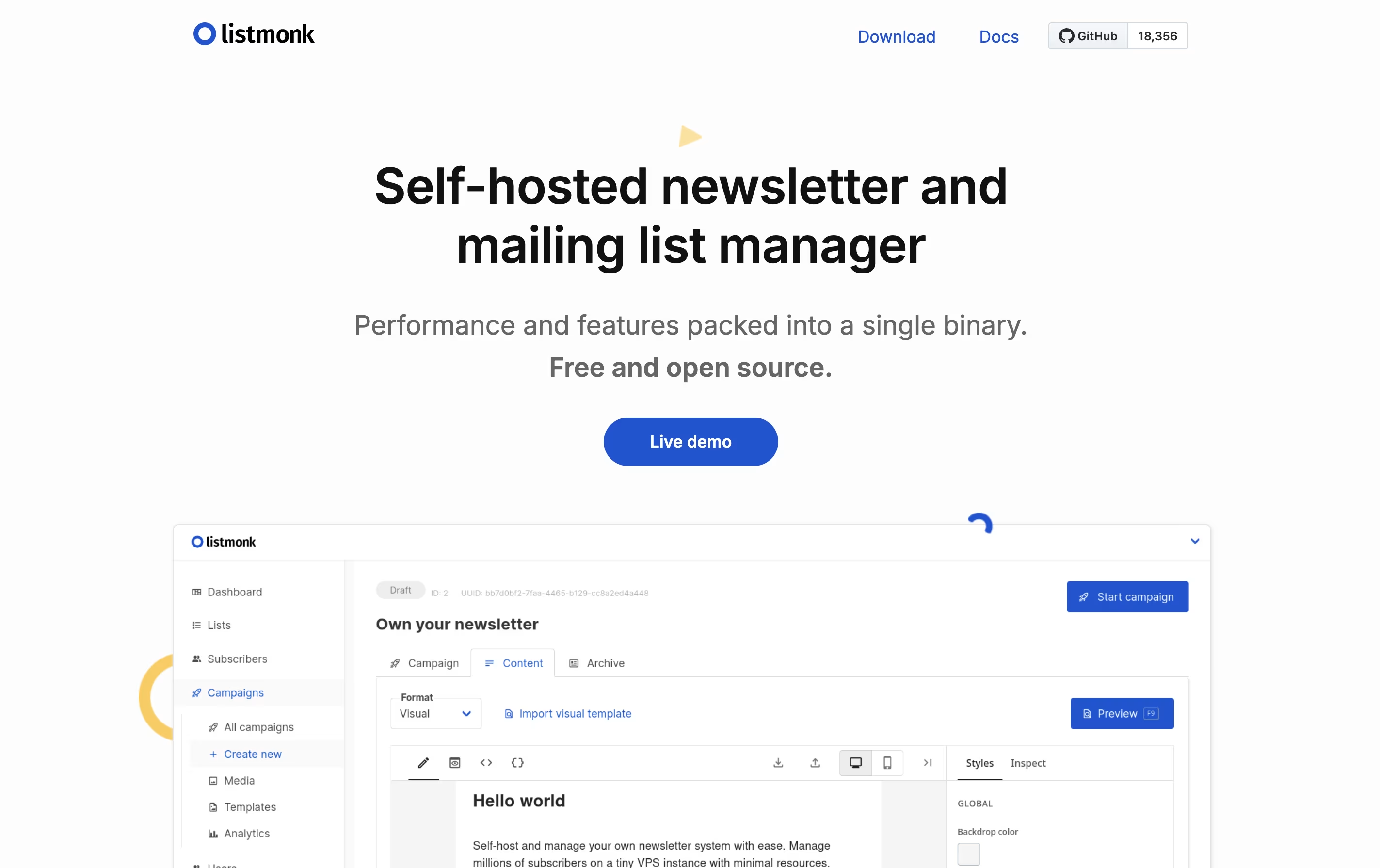
It lets you manage subscriber lists, create email campaigns, and track performance through a clean web dashboard. The software is built using Go programming language and uses PostgreSQL as its database, making it fast and reliable.
You can send bulk newsletters, automated transactional emails, and even SMS messages through external services. The platform includes a drag-and-drop email builder, multiple template options, and detailed analytics. Because it is open source under the AGPLv3 license, developers can modify and customize it to fit specific needs.

Mailchimp is a complete marketing platform that focuses on email marketing. You can use it to design emails, send campaigns to thousands of people at once, and see how many people open or click your emails. The platform also offers automation, which means you can set up emails to send automatically based on customer actions.
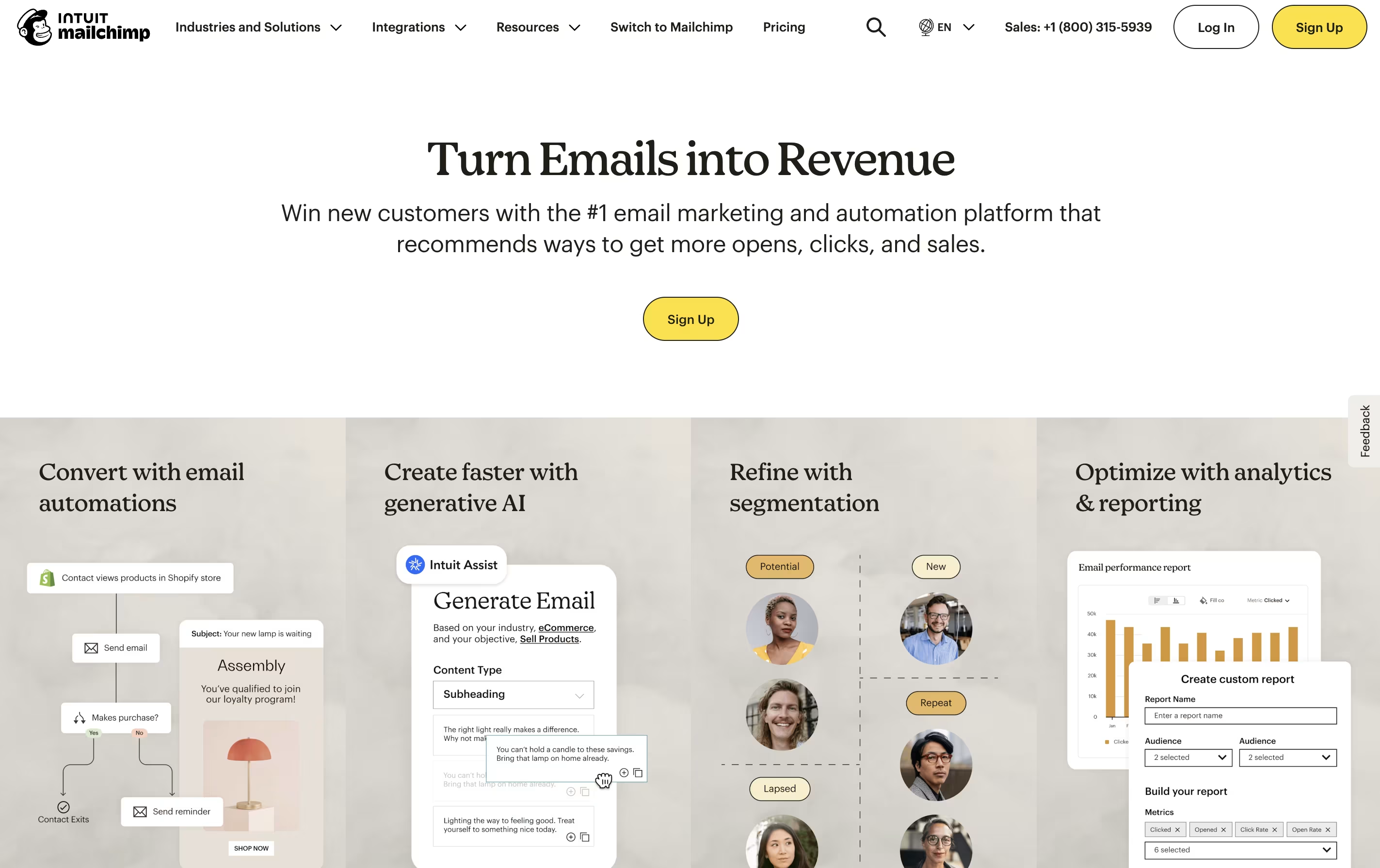
Beyond email, Mailchimp includes tools for creating landing pages, managing social media posts, and building simple websites. It connects with popular platforms like Shopify, WordPress, and Salesforce to sync your customer data automatically. The platform uses smart technology to suggest the best times to send emails and help you reach more customers. Both beginners and experienced marketers find value in its features and ease of use.

Medium is a writing platform where people publish articles, essays, and stories on any topic. It works like a social network for readers and writers. Instead of needing your own blog or website, you can start writing on Medium immediately after signing up. The platform has a simple, clean look that puts the focus on the writing itself.
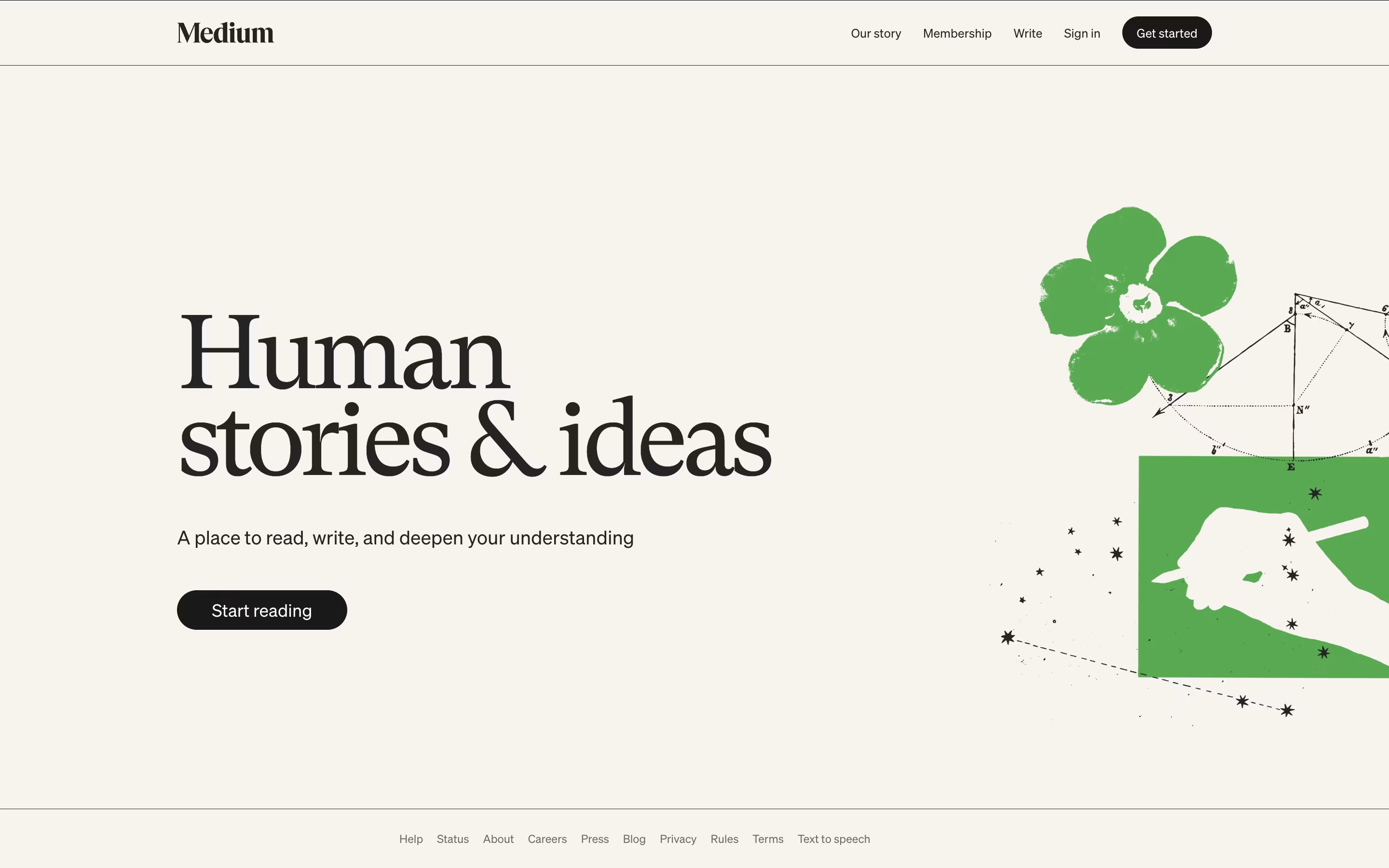
You can follow topics you like, save articles to read later, and interact with writers through comments and claps (similar to likes). Medium offers both free and paid memberships. Free users can read a limited number of stories each month, while paying members get unlimited access to all content.
The platform also lets writers earn money through the Partner Program based on how much readers engage with their work.

Plunk is a complete email platform that helps you send three main types of emails from one place. First, there are transactional emails - the automatic messages your app sends like password resets or order confirmations. Second, marketing automations - email sequences that trigger based on what your users do. Third, broadcast campaigns - newsletters and updates you send to many people at once.
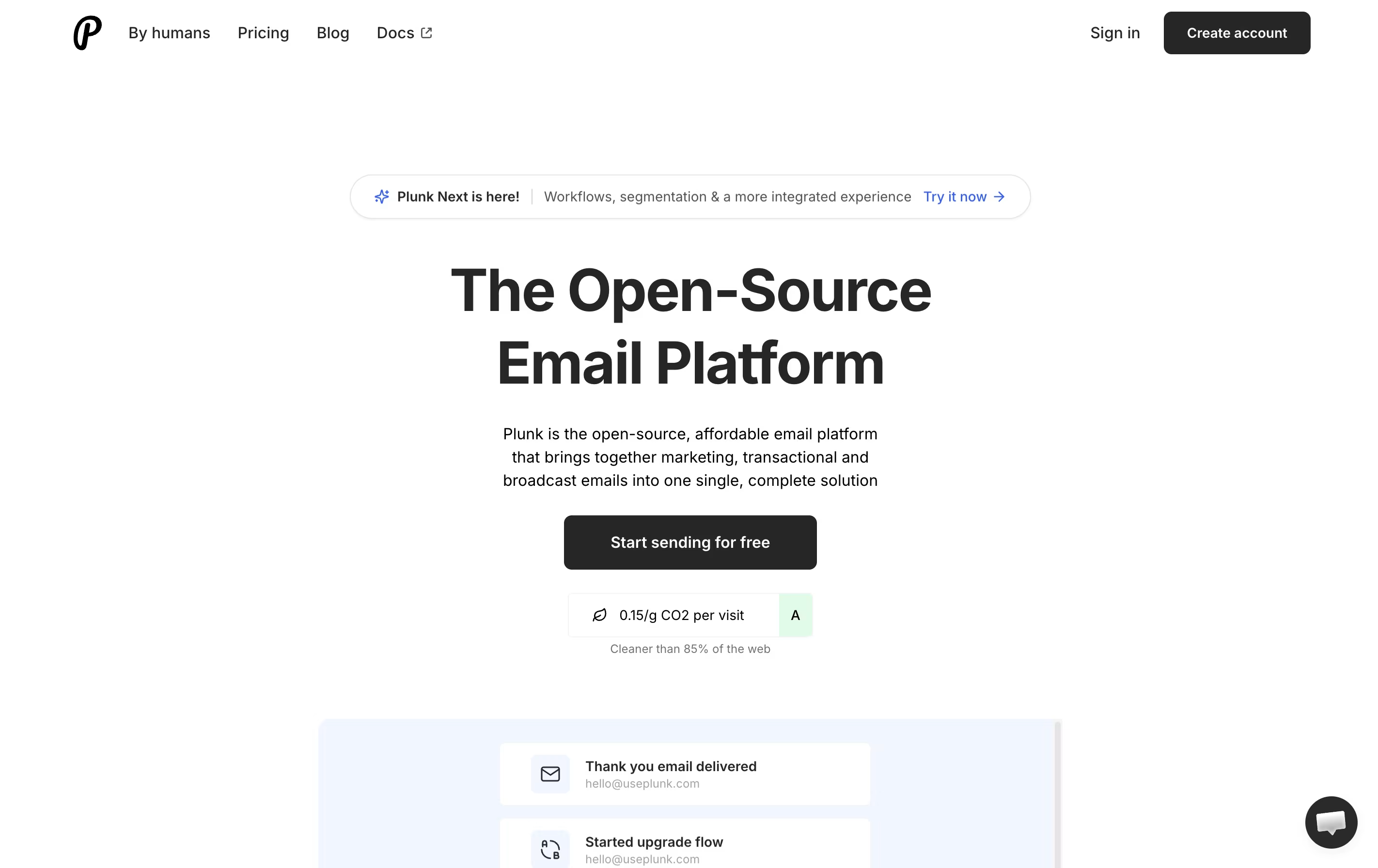
The platform is open-source, which means the code is public and you can even host it yourself if you want. It runs on Amazon's email service, which makes it reliable and fast. Plunk offers a clean dashboard where you can create emails, track who opens them, and manage your contact list all in one spot.

Loops is an email sending platform made for software companies. It lets you create and send three types of emails from one dashboard: campaigns (one-time announcements), loops (automated sequences), and transactional emails (password resets, receipts).
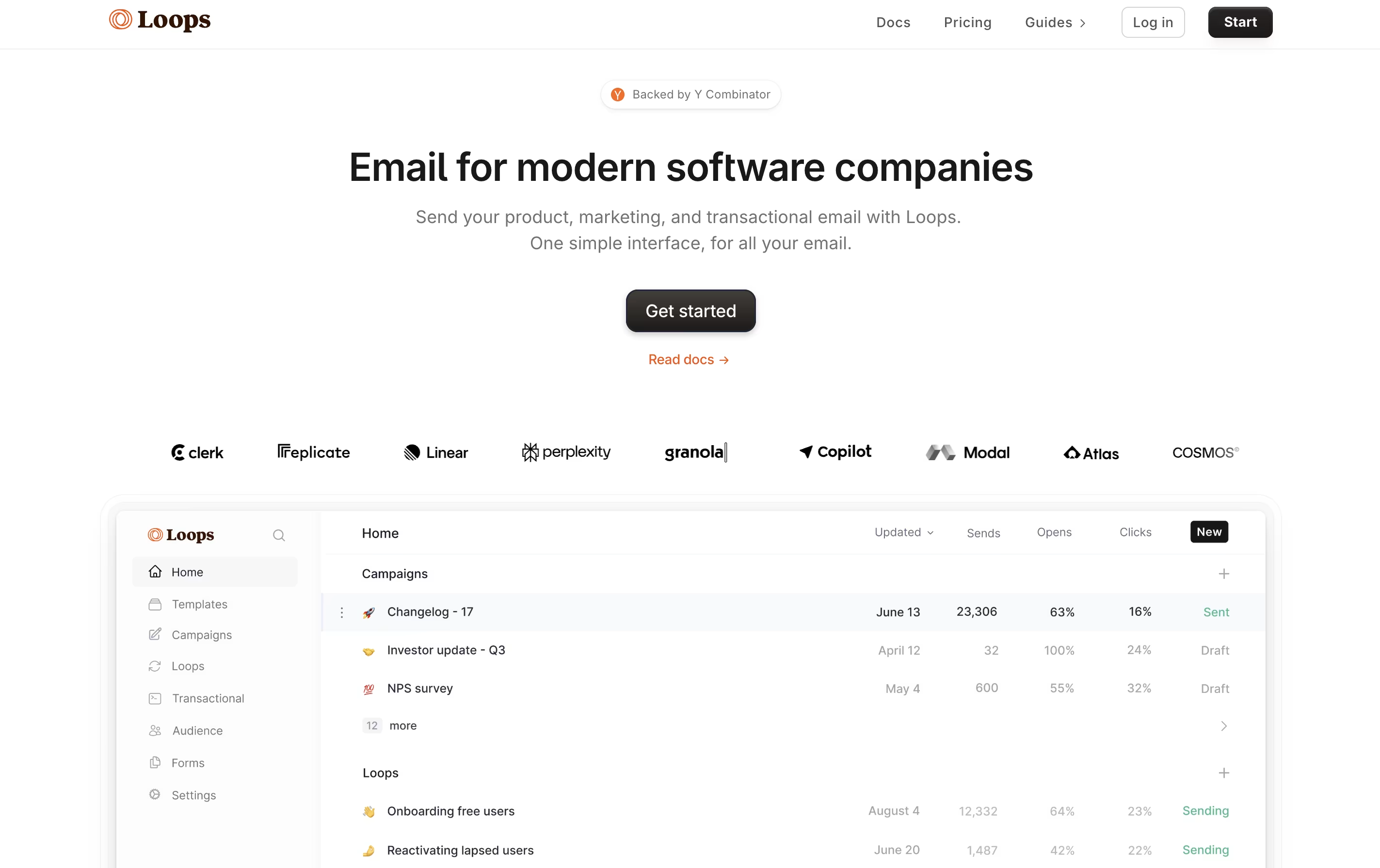
The platform features a Notion-style editor that makes creating emails feel familiar and easy. You can add text, images, buttons, and dynamic content without touching code. Unlike older tools like Mailchimp or ConvertKit, Loops focuses only on what SaaS companies need, without extra features that complicate things.
Everything runs on strong email delivery systems, so your messages actually reach inboxes. You can connect Loops with your app through their API, trigger emails based on user actions, and track how people engage with your messages.

Audienceful is an email marketing tool that combines simple writing with powerful features. You type your message in a clean editor, add your branding, and send. The platform automatically wraps your content in mobile-friendly, professional templates that look good in any inbox, including dark mode.
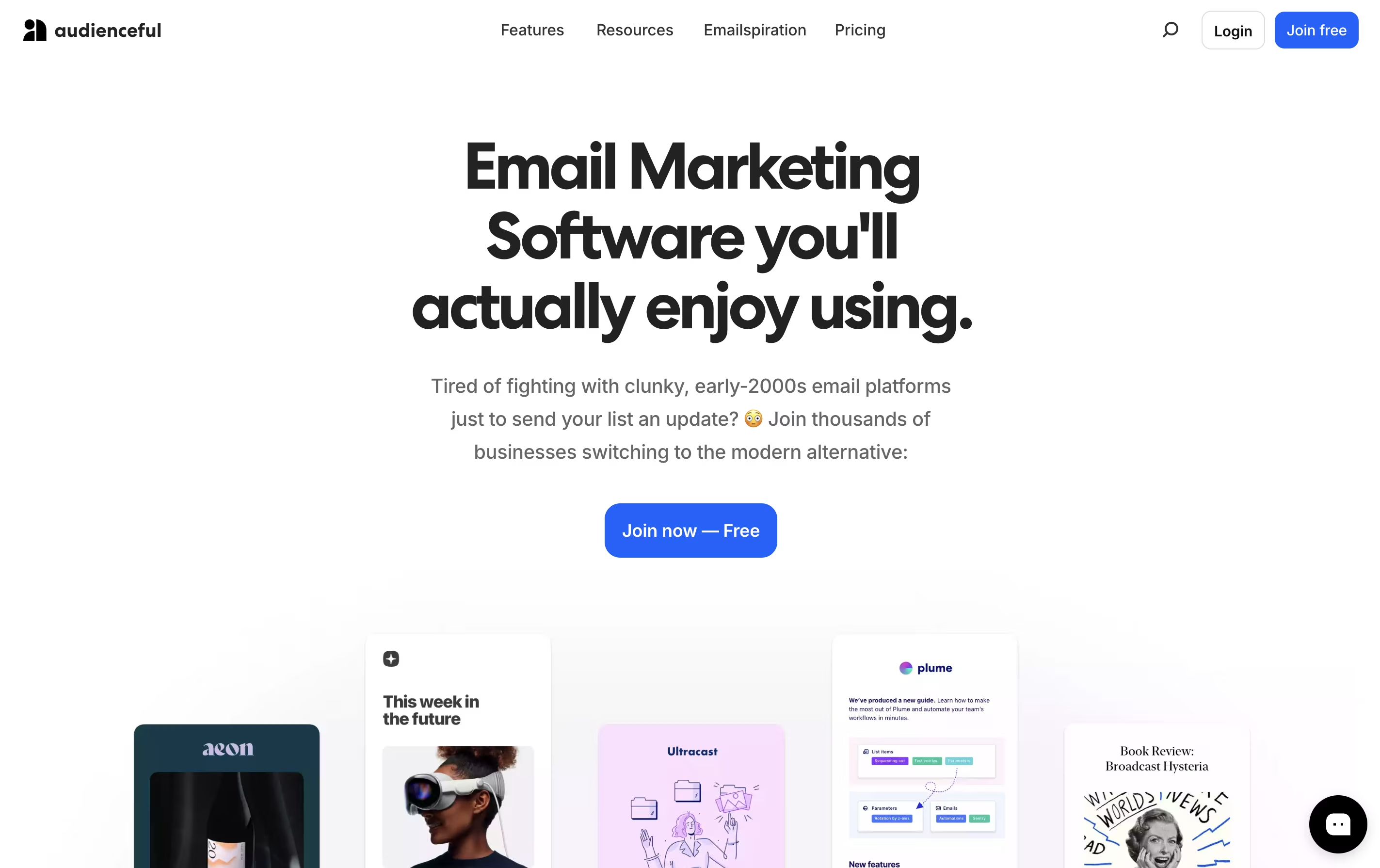
Unlike traditional email platforms with complicated campaign builders, Audienceful feels lightweight and fast. You can segment your contacts into different groups using tags and custom fields. The platform also lets you set up automated email sequences for things like welcome messages, lead magnets, or email courses.
It integrates with popular tools through Zapier and has a direct connection with Webflow for publishing content. There is a free plan to start, and paid plans add more features and remove limits.

SendPortal is an open-source email marketing application that you host on your own server. Unlike paid services that charge per subscriber or per email, SendPortal is completely free to download and use. You just pay for your own hosting and the email sending service you choose.
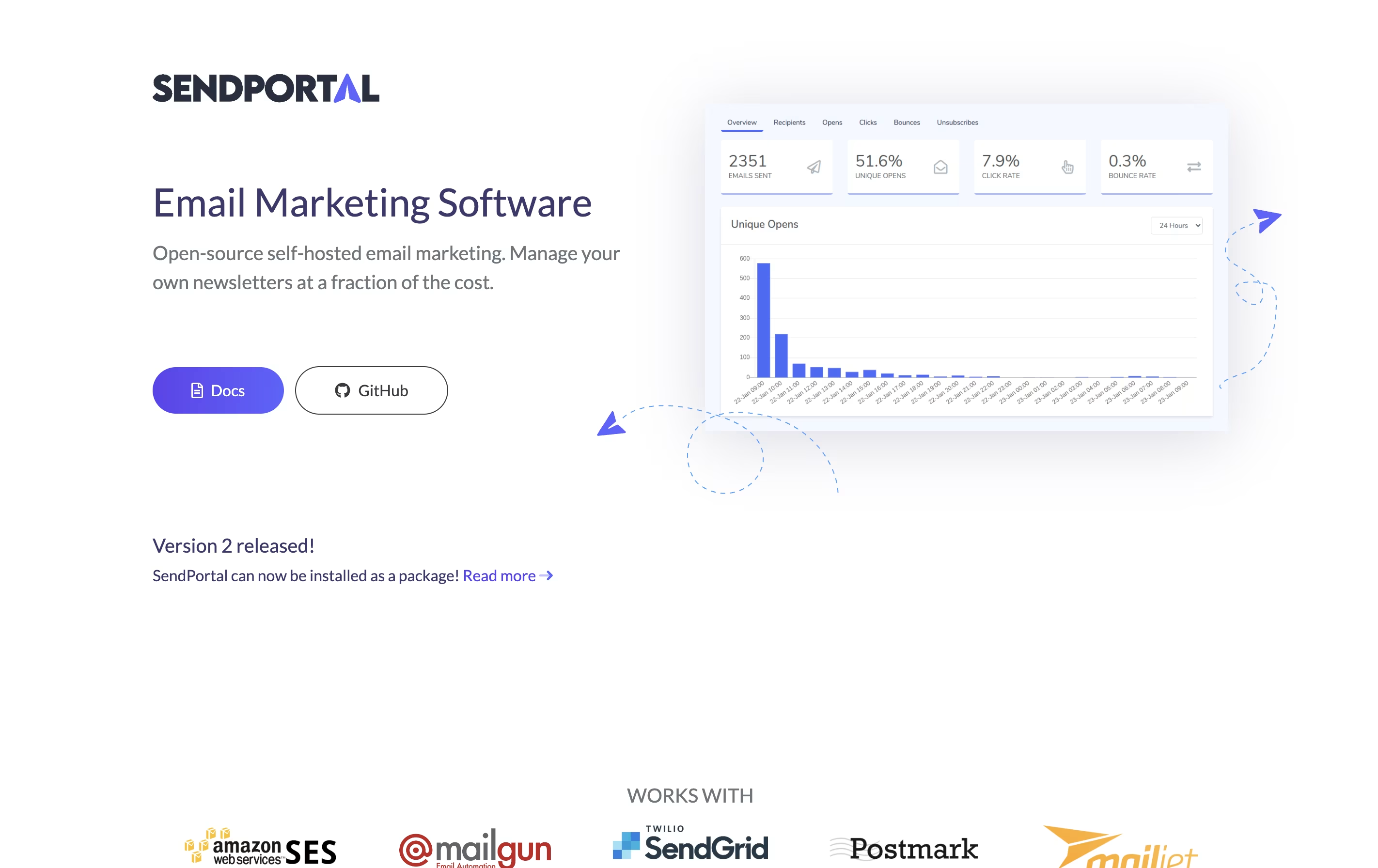
The platform includes all the features you need to run email campaigns: subscriber lists, custom templates, message tracking, and detailed reports. It can handle multiple workspaces, making it useful for agencies managing different clients. SendPortal connects to major email providers through APIs, which means you get professional email delivery at wholesale prices.
Because it is self-hosted, you maintain complete control over your data and can customize the platform to fit your exact needs.