

Best 12+ Tools for API Documentation Creation in 2026
Last Updated: November 8, 2025
An API is much easier to adopt when its documentation clearly explains how to use it. API Documentation Creation tools help write and organize reference material for developers using an API.
Developers and technical writers use API documentation tools to make integration easier for external developers.
 Mintlify
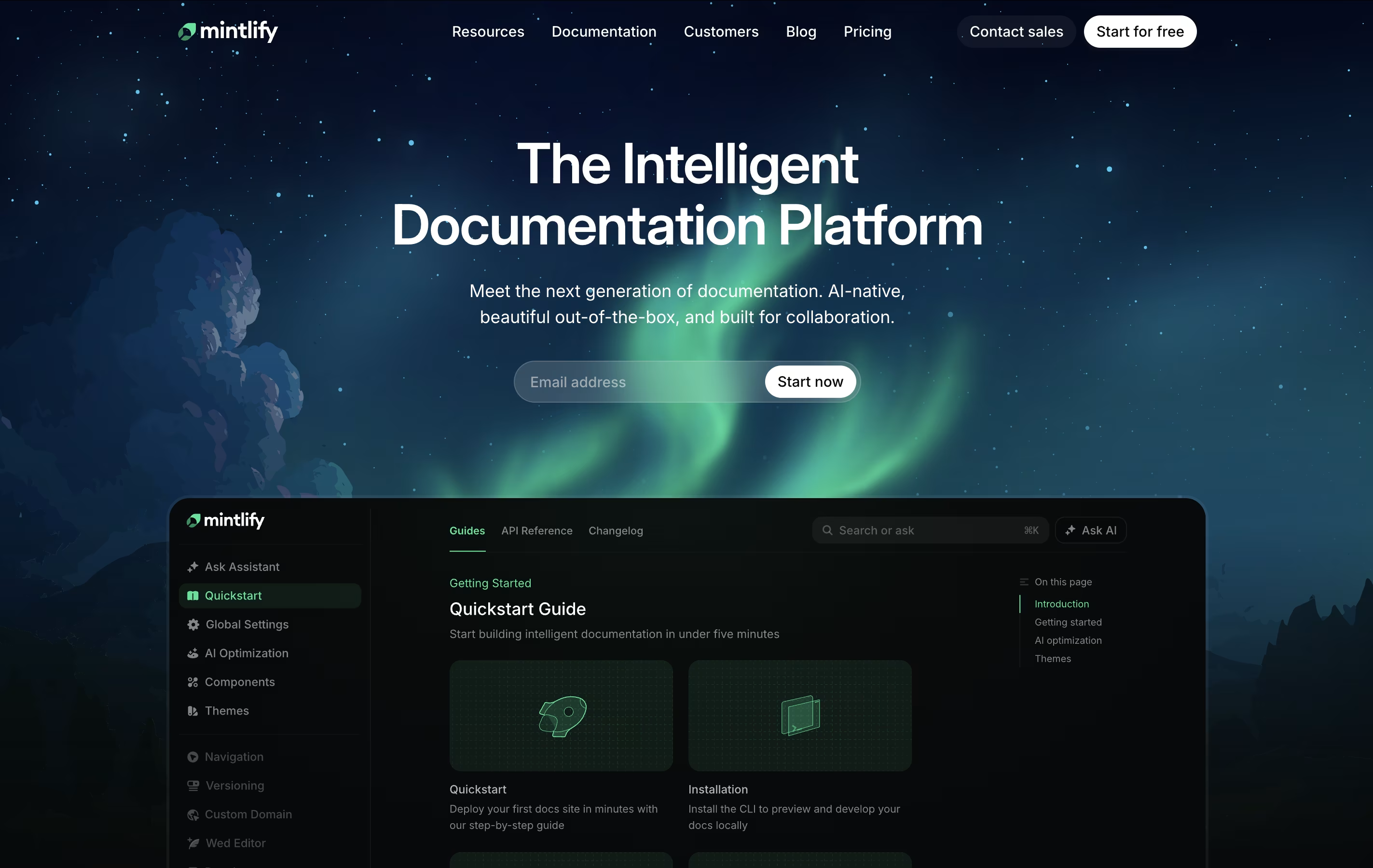 MintlifyAI-Powered Documentation Platform for Developers,
  Fern
Fern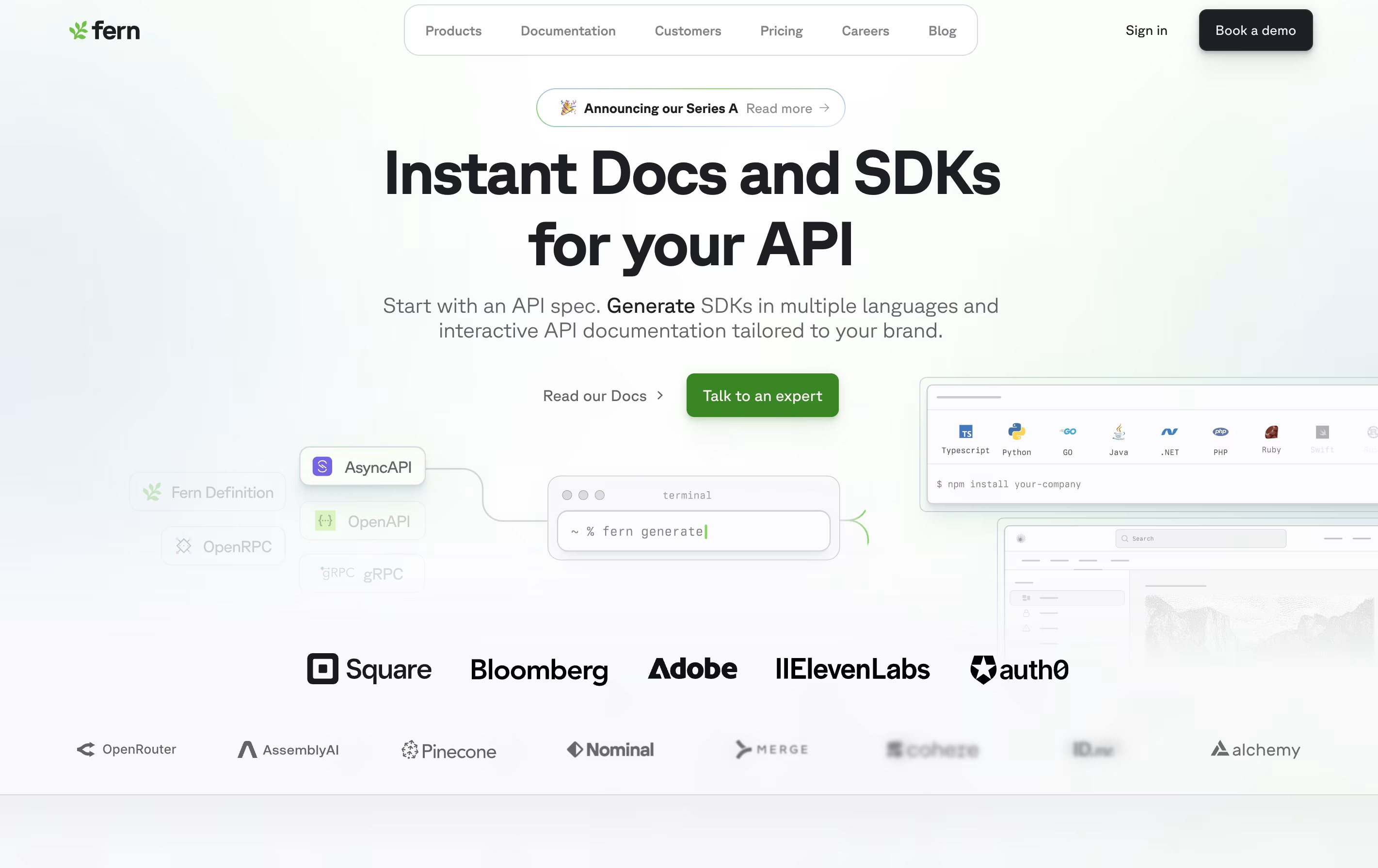 FernAuto-Generate SDKs and API Documentation, and
  Apidog
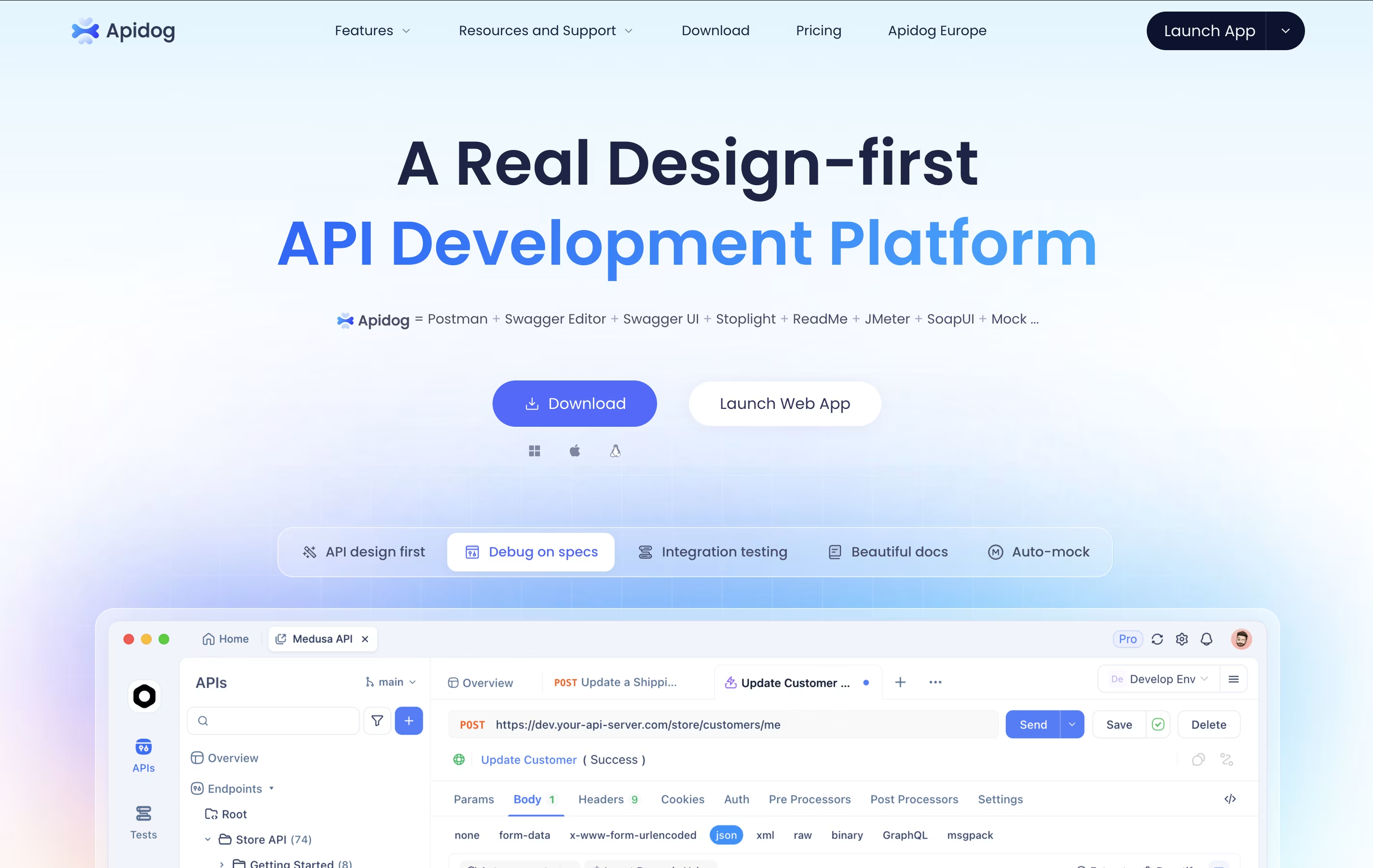 Apidog are the best for API Documentation Creation. So, let’s take a closer look at all 12+ tools.
Mintlify is a documentation platform that transforms markdown files into polished, interactive websites. It works by connecting to your code repository and automatically building documentation sites whenever you make changes. The platform includes an AI assistant that helps write content, suggests improvements, and answers user questions directly in the docs.
Unlike traditional documentation tools that require coding knowledge and complex setup, Mintlify provides ready-to-use components and templates. You get features like API playgrounds, search functionality, and mobile-responsive designs without extra work. The platform also includes analytics so you can see which pages users visit most and where they struggle. There is a free plan for individuals and paid plans for teams that need collaboration features and advanced AI capabilities.
Fern is a platform that automatically generates SDKs and API documentation from your API definition. You provide your OpenAPI, AsyncAPI, or gRPC specification, and Fern creates ready-to-use client libraries in languages like TypeScript, Python, Go, Java, Ruby, C#, PHP, and Swift.
The platform also builds documentation websites that look professional and match your brand identity. These sites include interactive API references, code examples, and a playground where developers can test your API without leaving the documentation.
Fern is open source and available on GitHub. It integrates with your existing workflow by publishing SDKs directly to package registries like npm and PyPI. The tool is designed for companies that want to provide a great developer experience without dedicating engineering resources to manual SDK maintenance.
Apidog is a platform that handles the complete process of creating and managing APIs. You can design your API structure, test how it works, create clear documentation, and share it with your team, all from one application.
The platform follows a design-first approach, which means you plan your API before writing code. This helps catch problems early and keeps everyone on the same page. It automatically creates mock servers so front-end developers can start working before the back-end is ready.
There is a free version that works great for small teams and individual developers. Paid plans add more features like unlimited projects, advanced testing tools, and priority support for growing businesses.
API Hub is an all-in-one platform for the complete API development process. It lets you design APIs using a visual editor or code, test them automatically, create documentation, and share with users through branded portals.
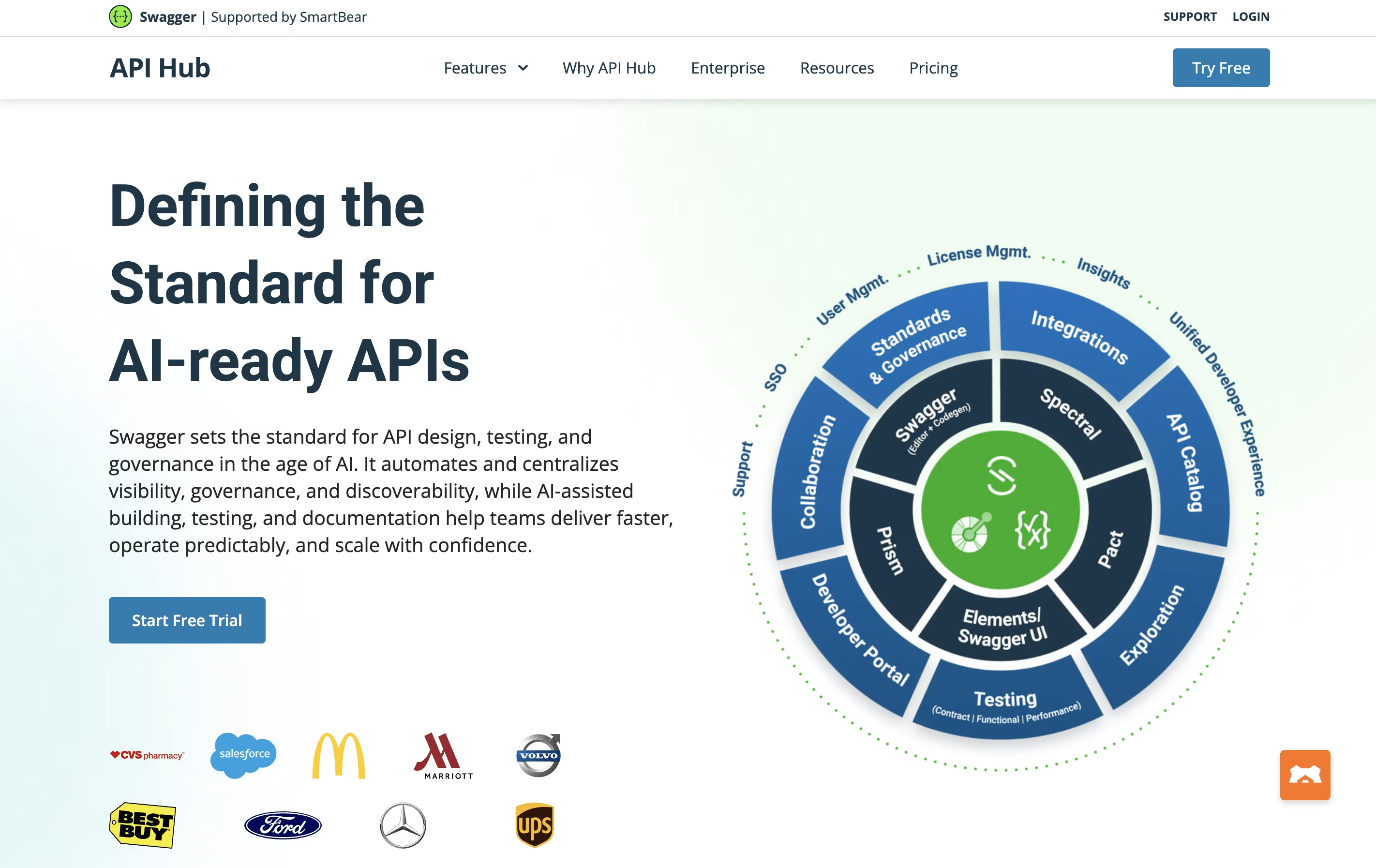
The platform works with OpenAPI and AsyncAPI standards, supporting both traditional REST APIs and event-driven architectures. It includes tools for checking that your APIs follow your team's rules, generating mock servers for testing, and validating contracts between services.
Teams can work together with version control, commenting features, and role-based permissions. The platform connects with popular development tools like GitHub, CI/CD pipelines, and API management systems. Whether you need basic API design or complex enterprise workflows, API Hub provides the features you need.

Stoplight is a web-based platform for API design and management that follows a design-first philosophy. This means you plan and design your API before writing any code, which saves time and reduces errors during development.
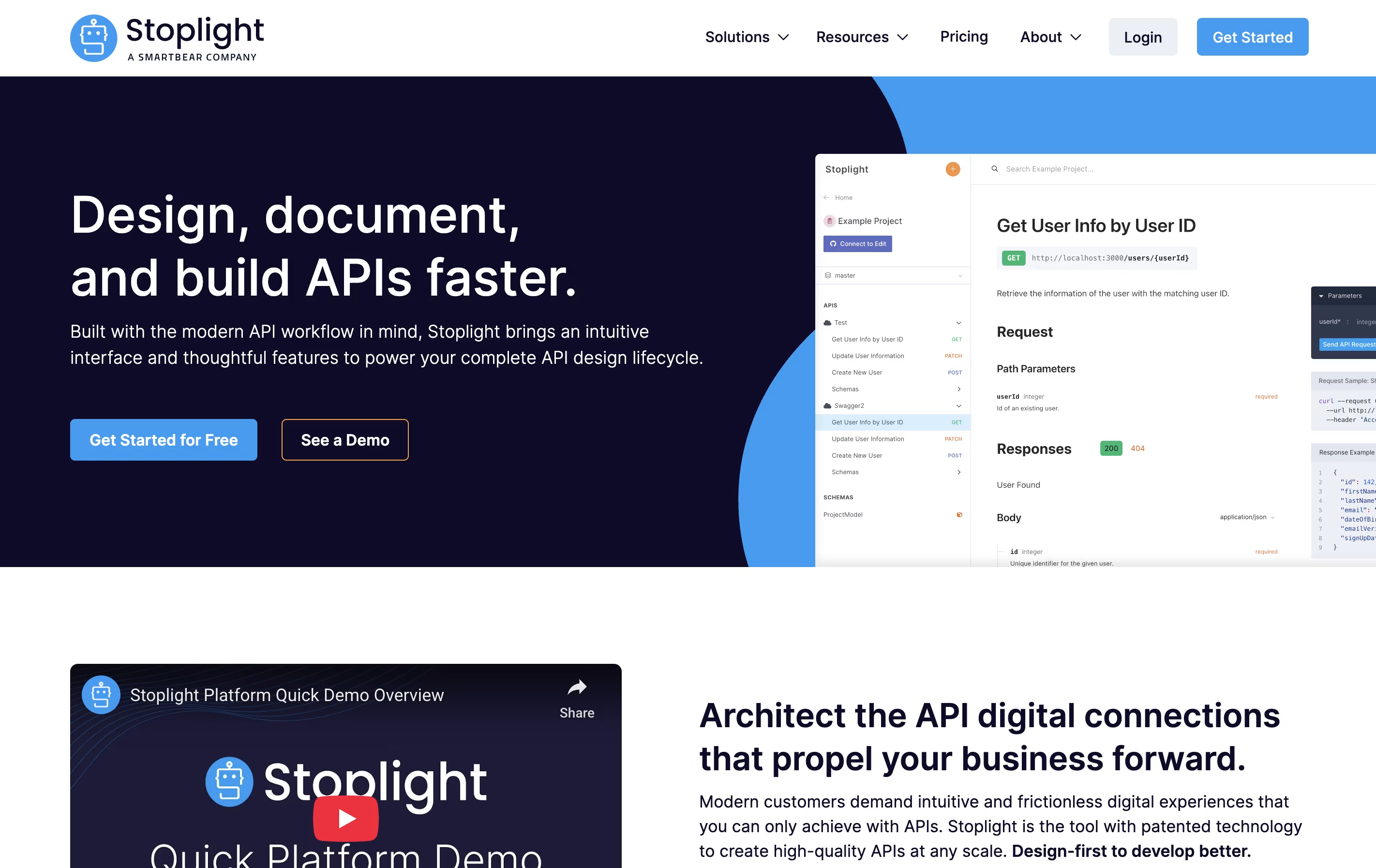
The platform includes Stoplight Studio, a visual editor that lets you create API designs using forms instead of code. It supports OpenAPI and JSON Schema standards, which are widely used in the industry. You can work directly with files in your Git repository, making it easy to fit into your existing workflow.
Stoplight automatically generates beautiful documentation from your API designs, creates mock servers for testing, and provides validation tools to catch errors early. It works as a cloud service but also offers desktop and web versions.

Theneo is an AI-native documentation platform that transforms how teams create and manage API documentation. Think of it as having an expert technical writer that works instantly - you provide your API specification files (like OpenAPI, Postman collections, or GraphQL schemas), and Theneo generates complete, interactive documentation automatically.
What makes it special is the AI technology that writes descriptions, creates examples, and organizes everything in a clean, professional format. The result looks like high-quality documentation from companies like Stripe or Twilio, but without the months of work typically required.
Beyond just creating docs, Theneo offers developer portals, real-time collaboration tools, automatic changelog generation, and API testing capabilities. It supports custom branding, so your documentation matches your company's look and feel. The platform handles everything from simple internal API docs to complex public developer portals.

Scalar is a platform for building API documentation that looks professional and works smoothly. You provide your OpenAPI document, and Scalar transforms it into easy-to-read pages with examples and testing tools built in.
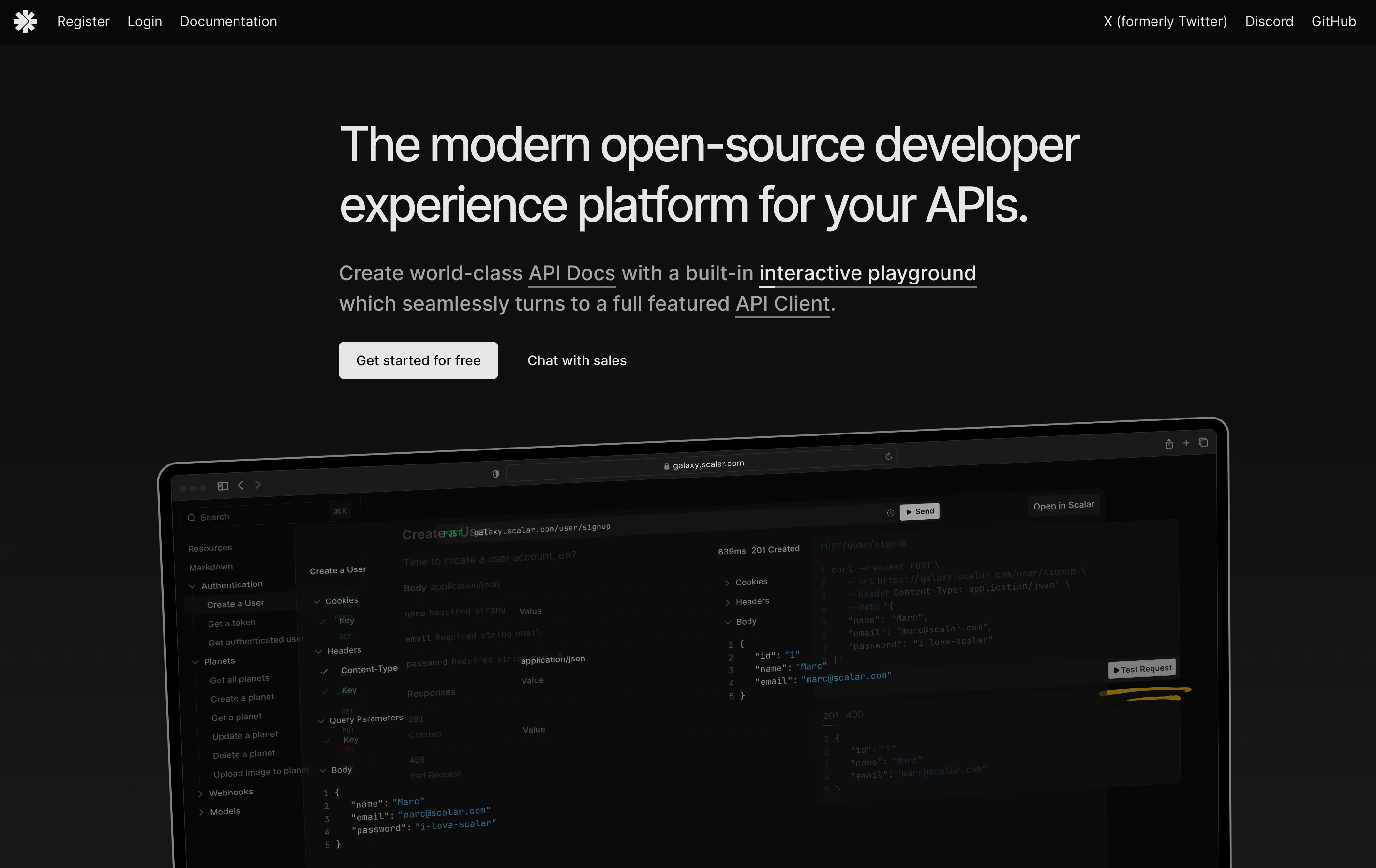
The platform offers several products working together. The API Reference shows your documentation in a clean layout. The API Client lets developers test endpoints directly. The platform also includes tools for managing multiple versions of your API documents and syncing with GitHub.
Scalar is completely open-source, which means the code is public and free to use. You can host it yourself or use their cloud service. The free plan covers basic features, while paid plans add collaboration tools, custom domains, and better support.

Bump is an API documentation tool that creates beautiful documentation from your OpenAPI or AsyncAPI files. Instead of writing documentation by hand, you provide your API specification file, and Bump generates a complete documentation website with all endpoints, parameters, and examples.
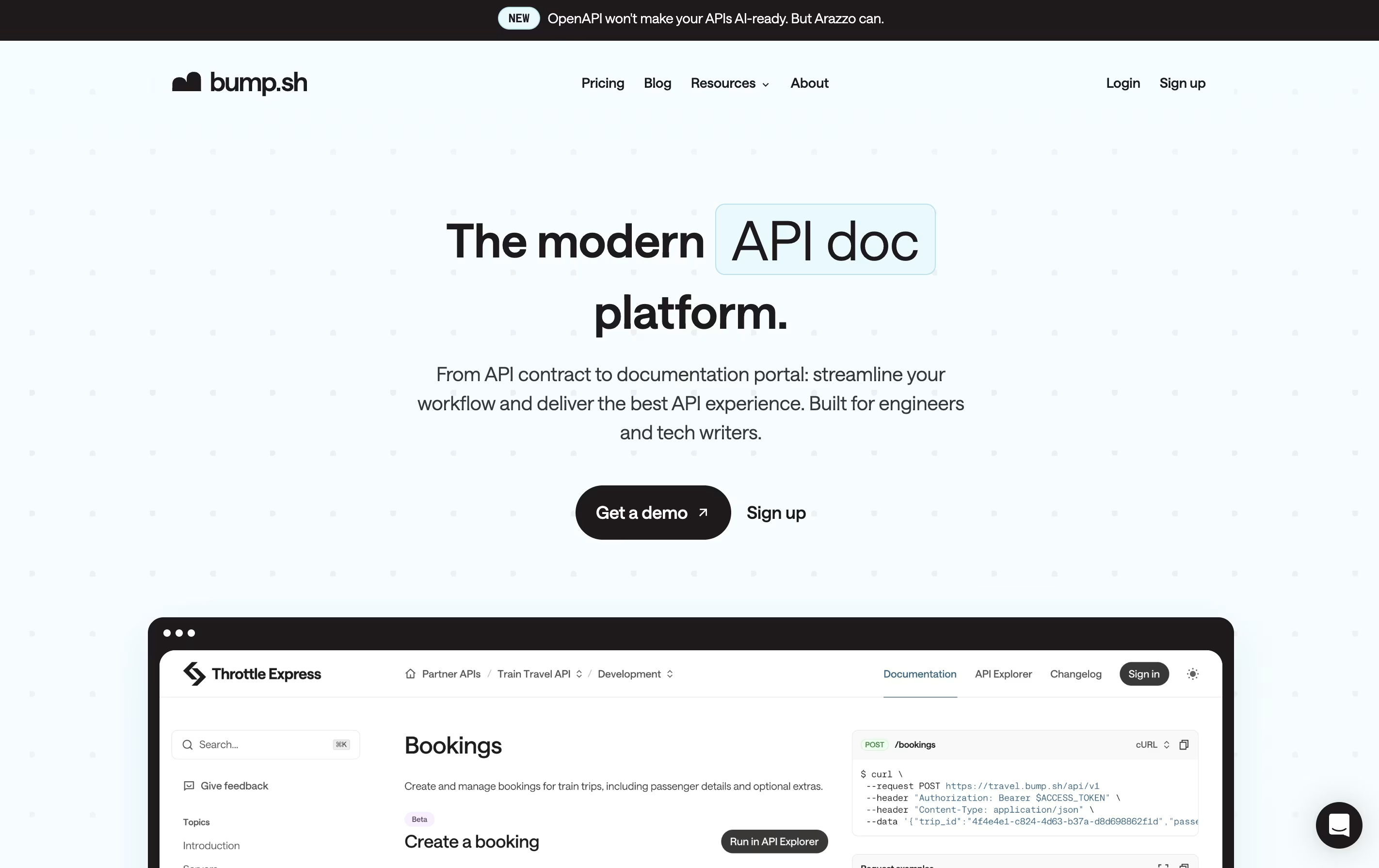
The platform works as a hub for all your API documentation. It can host multiple API docs in one place, making it easy for developers to find what they need. Bump tracks every change you make to your API and creates a detailed changelog automatically. This means your team and API users always know what changed and when.
It includes features like custom domains, access control, and team collaboration tools. You can make your documentation public or keep it private with password protection.

Readme is a platform that lets you create and publish interactive developer documentation for your APIs. Unlike traditional documentation tools, Readme automatically generates API references from your OpenAPI or Swagger files and keeps everything in sync with your code.
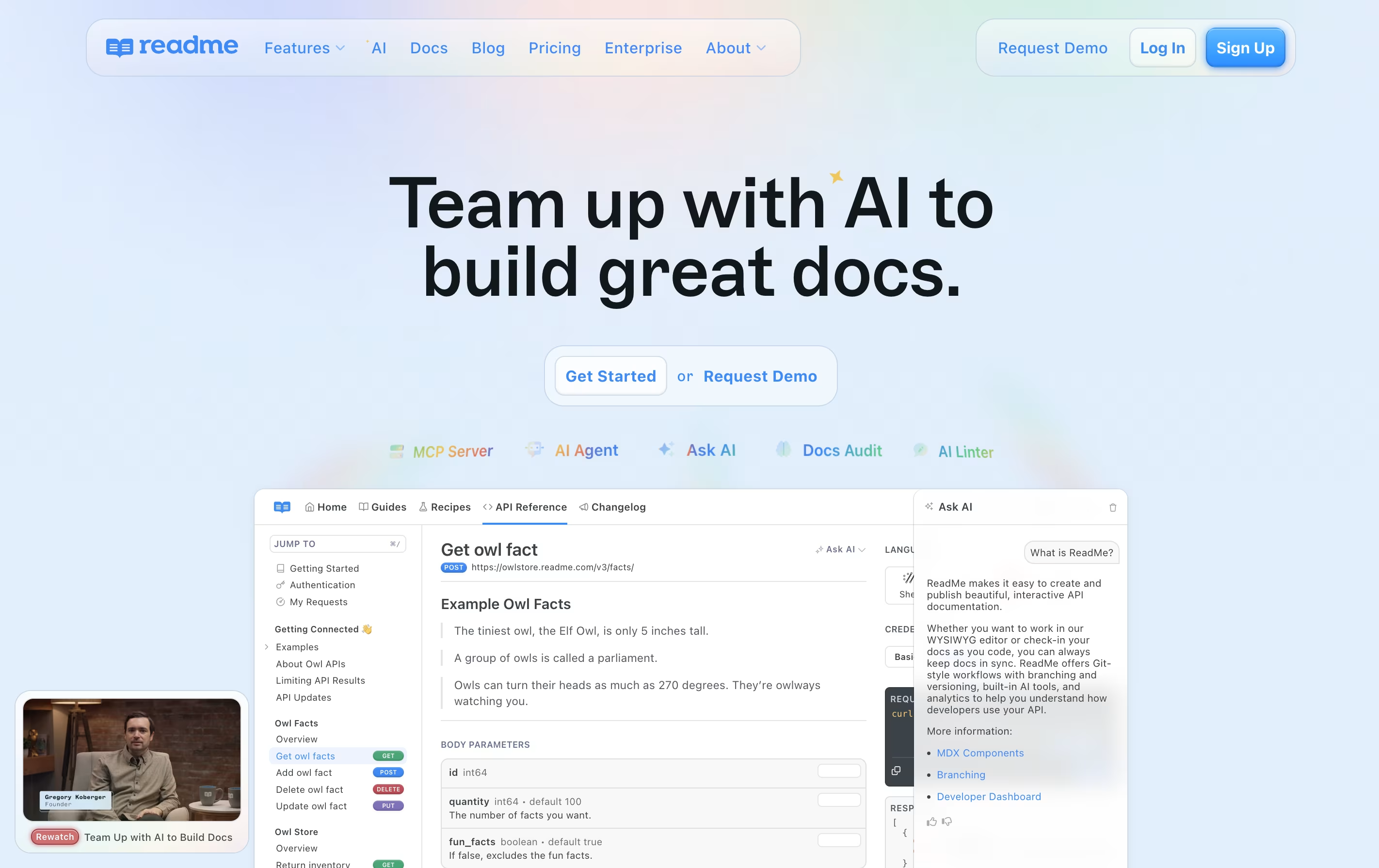
The platform includes a built-in editor where you can write guides, add code examples, and explain how your API works. Developers using your API can test endpoints directly from the documentation with the Try It feature, making it easier to understand how everything works.
Readme also provides analytics so you can see which parts of your documentation get the most views and where developers might be getting stuck, helping you improve your API experience over time.

Redocly is an API documentation platform that helps you build professional developer portals. You start with an OpenAPI file that describes your API, and Redocly transforms it into clean, readable documentation with examples and interactive features.
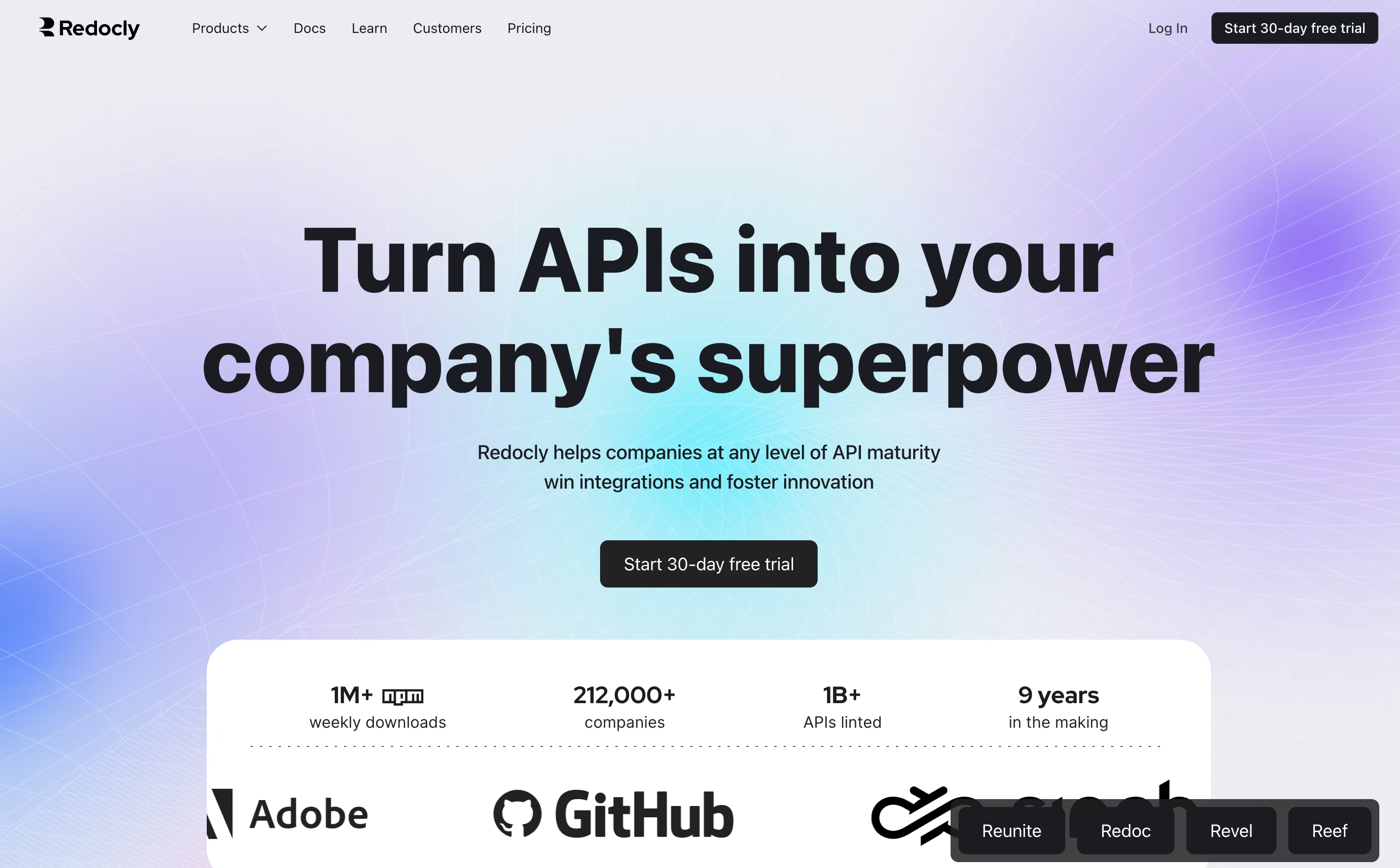
The platform includes several products working together. Reunite is where teams write and review content. Realm delivers the final documentation to your users. Redoc is the open-source engine that renders API reference docs. Reef helps you organize and discover all your APIs in one catalog.
Unlike basic documentation generators, Redocly gives you a complete developer portal. You can add guides, tutorials, and custom pages alongside your API reference. Everything is version controlled and updates automatically when you change your API definition.

Documentation AI is a tool that helps you create professional documentation for your products and APIs. You can write content using a simple editor, and it automatically makes everything look polished and professional. Unlike basic documentation tools, it adds smart features like an AI assistant that answers questions directly on the page.
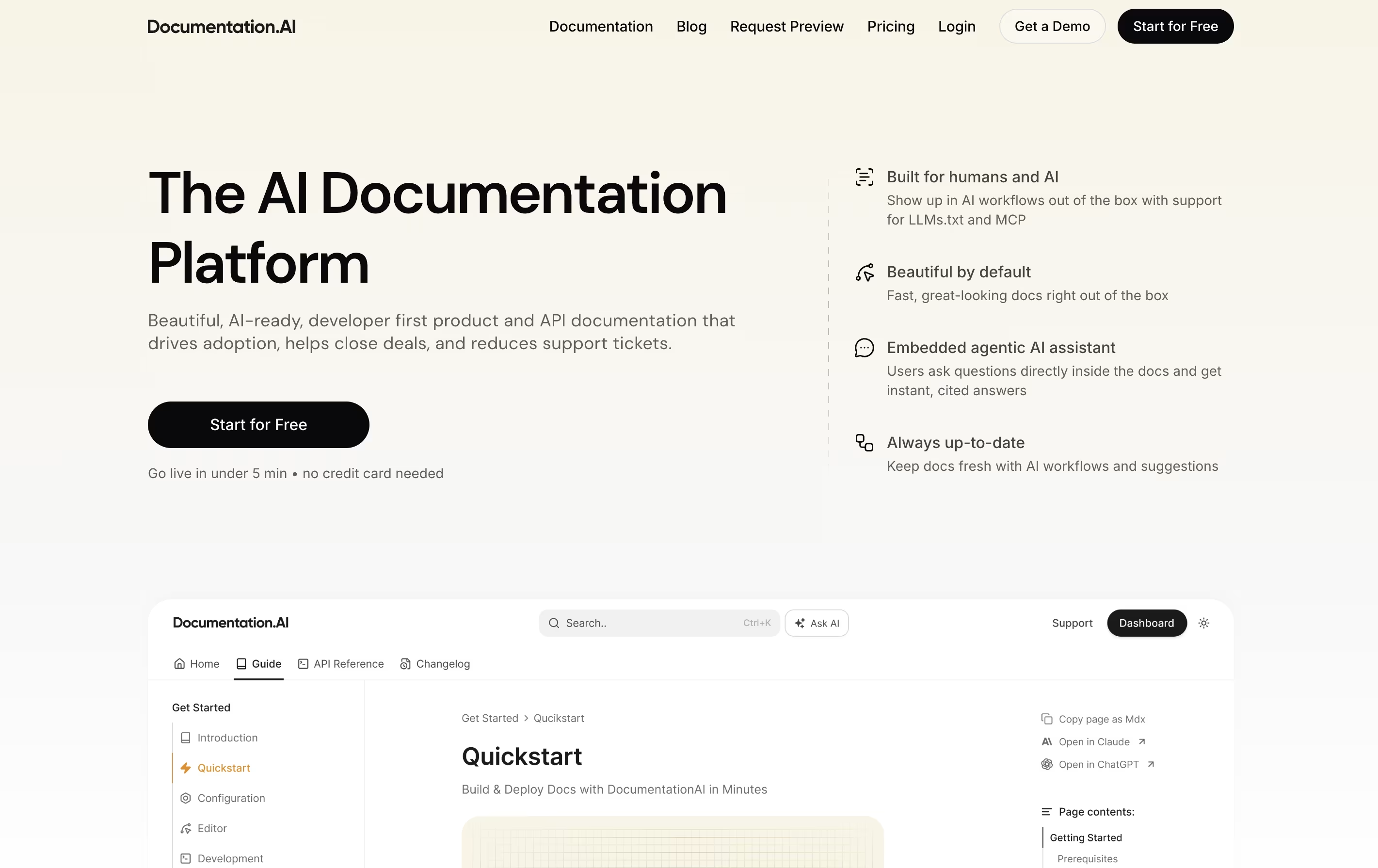
The platform focuses on three main things: beautiful design that works everywhere, speed that scores perfect on performance tests, and AI features that help both humans and chatbots understand your content. It supports modern formats like Markdown and connects with popular developer tools.
There's a free plan to start, and paid plans add more features like extra editor seats, advanced AI queries, and team permissions for growing businesses.

DeveloperHub is a complete documentation tool that combines writing, publishing, and tracking in one place. You can create different types of content including API references, how-to guides, release notes, and knowledge bases all in the same project.
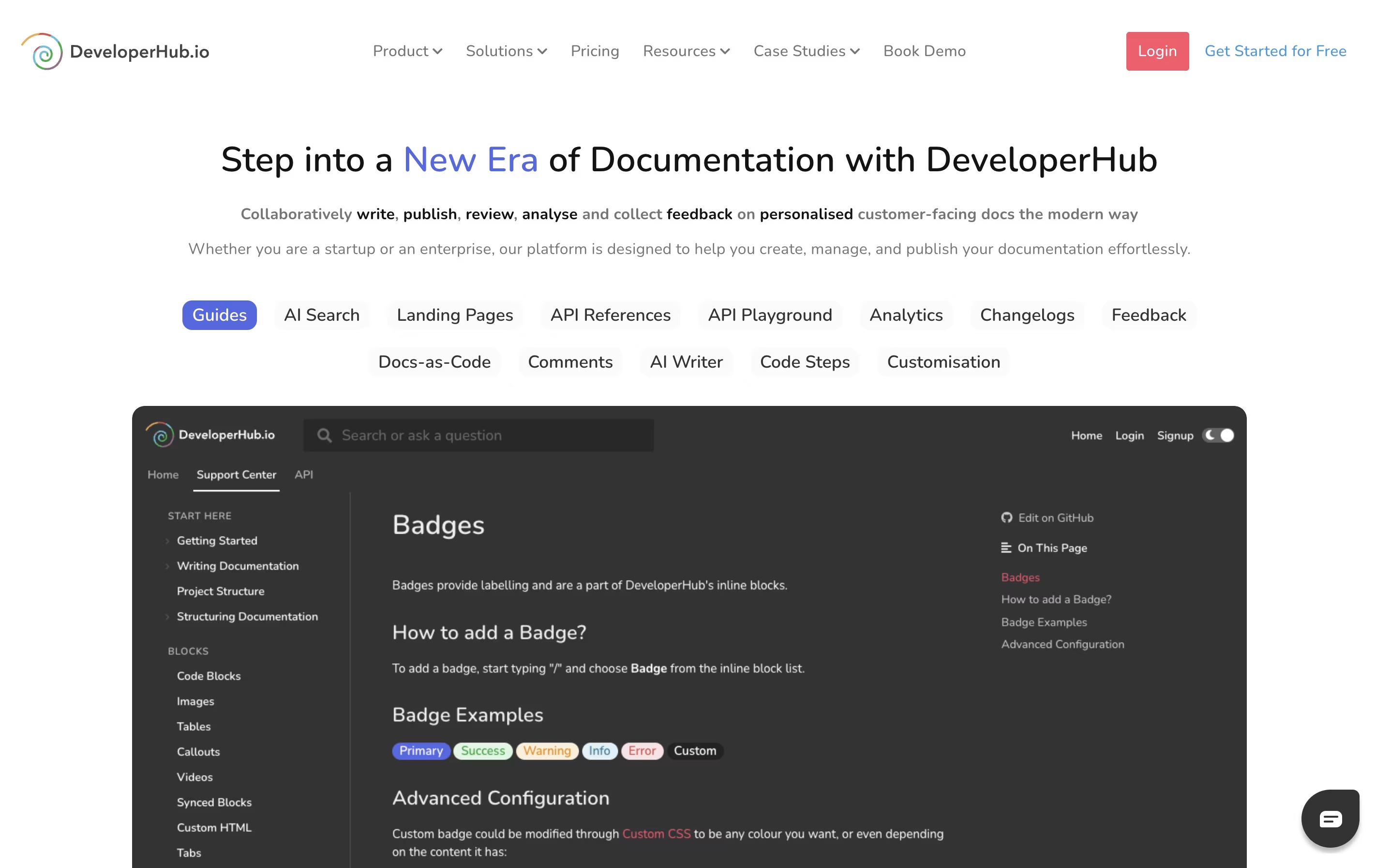
The platform uses a visual editor that feels like working in a word processor. You can add images, videos, code examples, and interactive elements without touching any code. Every page supports version control, so you can see who changed what and roll back if needed.
What makes it special is how it handles API documentation. You can import OpenAPI specifications and automatically generate beautiful, searchable reference pages. The platform also includes AI-powered search that helps readers find answers faster than traditional search bars.
Speakeasy is a complete API toolchain that transforms your OpenAPI specification into ready-to-use developer tools. It creates native SDKs that follow best practices for each programming language, making them feel handwritten rather than machine-generated.
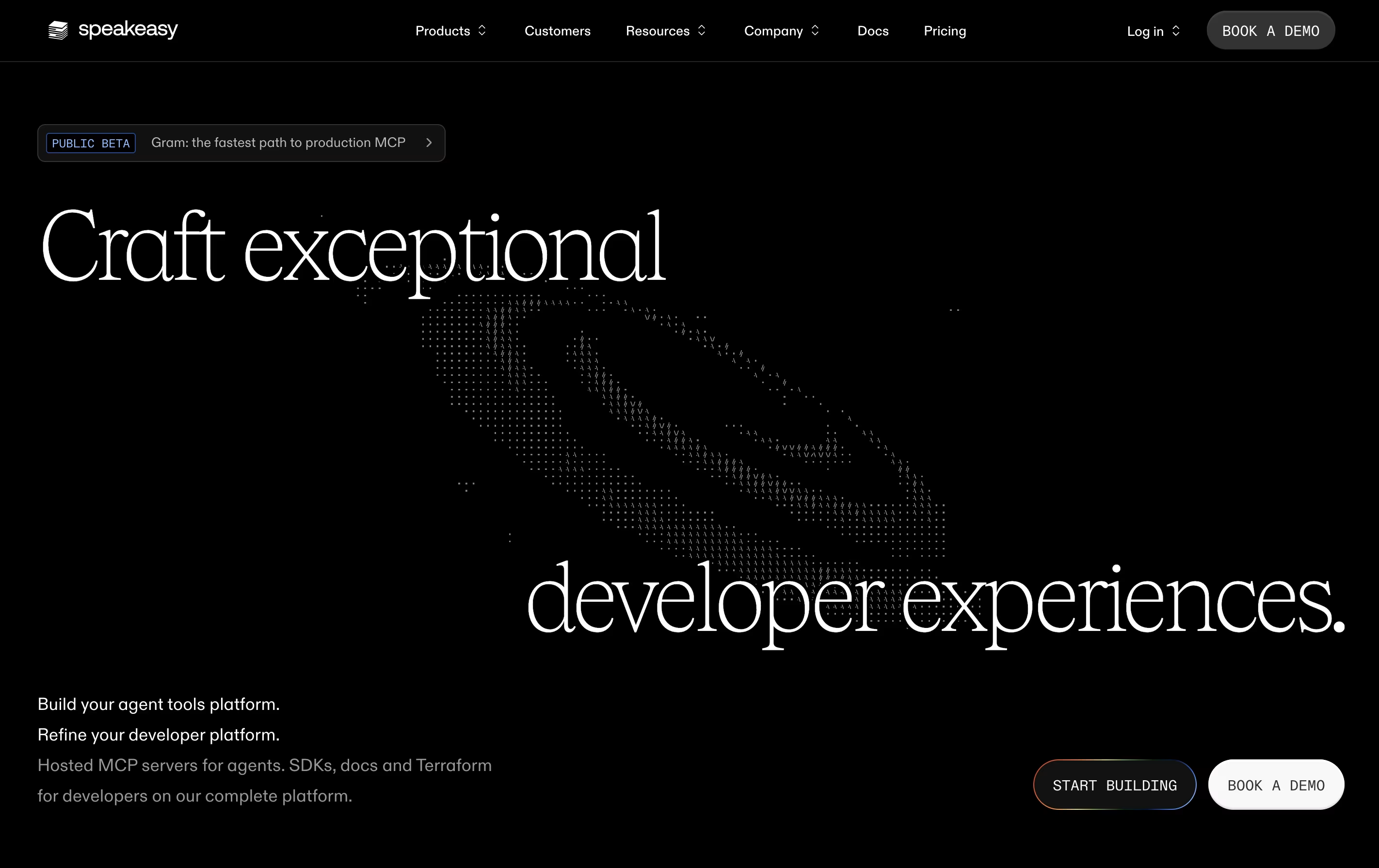
The platform includes three main products: SDK Generation for creating client libraries, Gram for building and hosting MCP servers that connect AI applications to your APIs, and interactive documentation that lets users test endpoints directly. Everything stays synchronized with your API changes through automated workflows.
Speakeasy goes beyond basic code generation by adding features like retry logic, error handling, pagination support, and OAuth integration. The generated code includes full type safety, detailed documentation, and works smoothly with popular development tools. Whether you are building internal tools or public APIs, Speakeasy helps ensure a consistent and professional developer experience.

Document360 is a software tool that helps organizations create and maintain knowledge bases. A knowledge base is a central place where people can find answers, guides, and instructions about products or services. You can build both public knowledge bases for customers and private ones for employees.
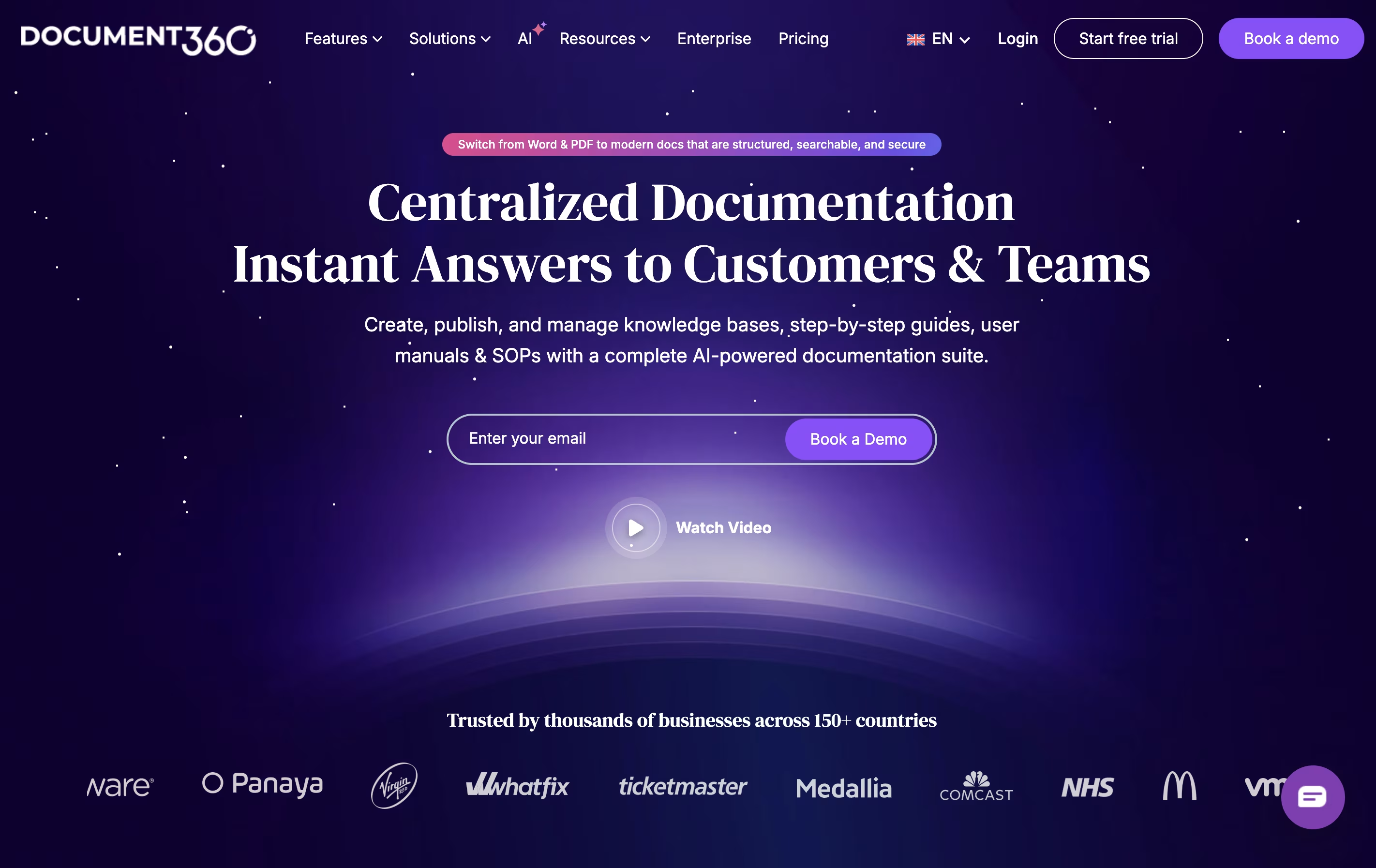
The platform includes powerful editing tools that work like a word processor, making it simple to write and format articles. It offers AI features that help with writing, searching, and translating content. Document360 also provides detailed tracking to see which articles get the most views and what people are searching for.
Companies can customize the appearance to match their brand and integrate Document360 with other tools they already use like support systems and communication platforms.