

Best 12+ Tools for API Integration in 2026
Last Updated: August 15, 2026
Getting two software systems to actually talk to each other usually requires connecting their APIs correctly. API Integration tools help set up and manage the connections between different platforms and services.
Developers use API integration to build workflows that pull data and functionality from multiple systems into one place.
 Keboola
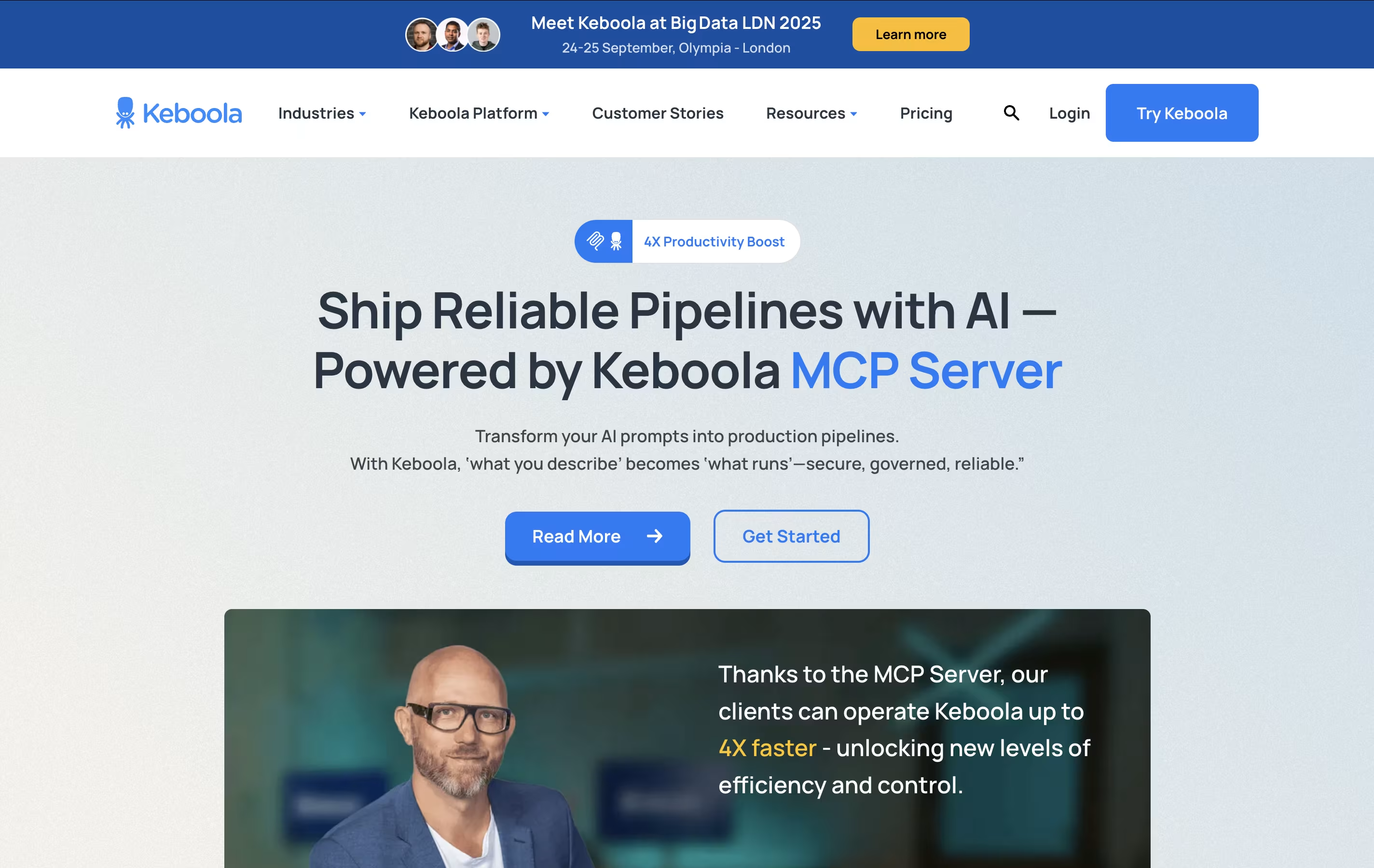 KeboolaComplete Data Platform for Integration & AI Automation,
  BuildShip
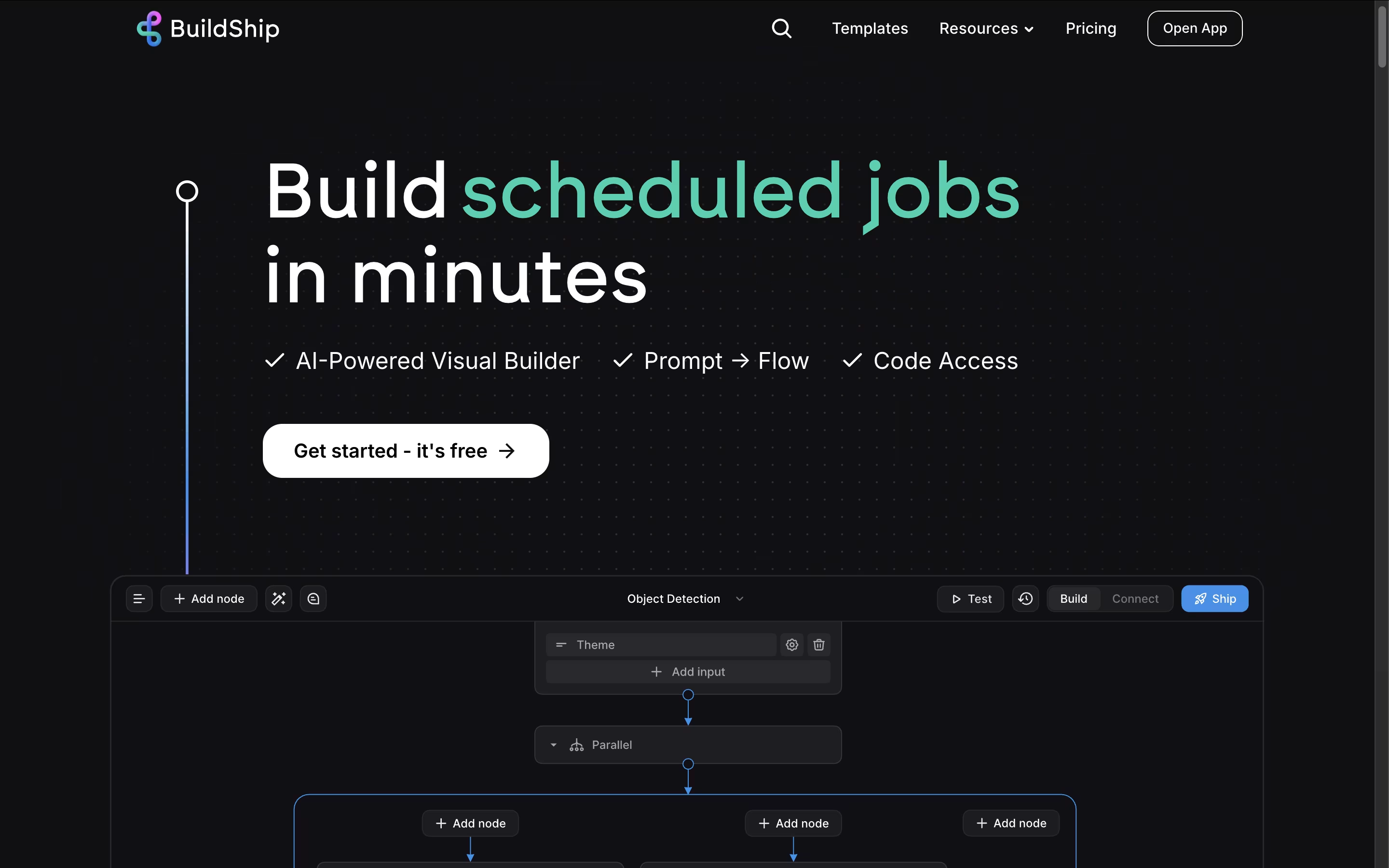 BuildShipAI-Powered Visual Backend Builder for APIs and Workflows, and
  Typing Mind
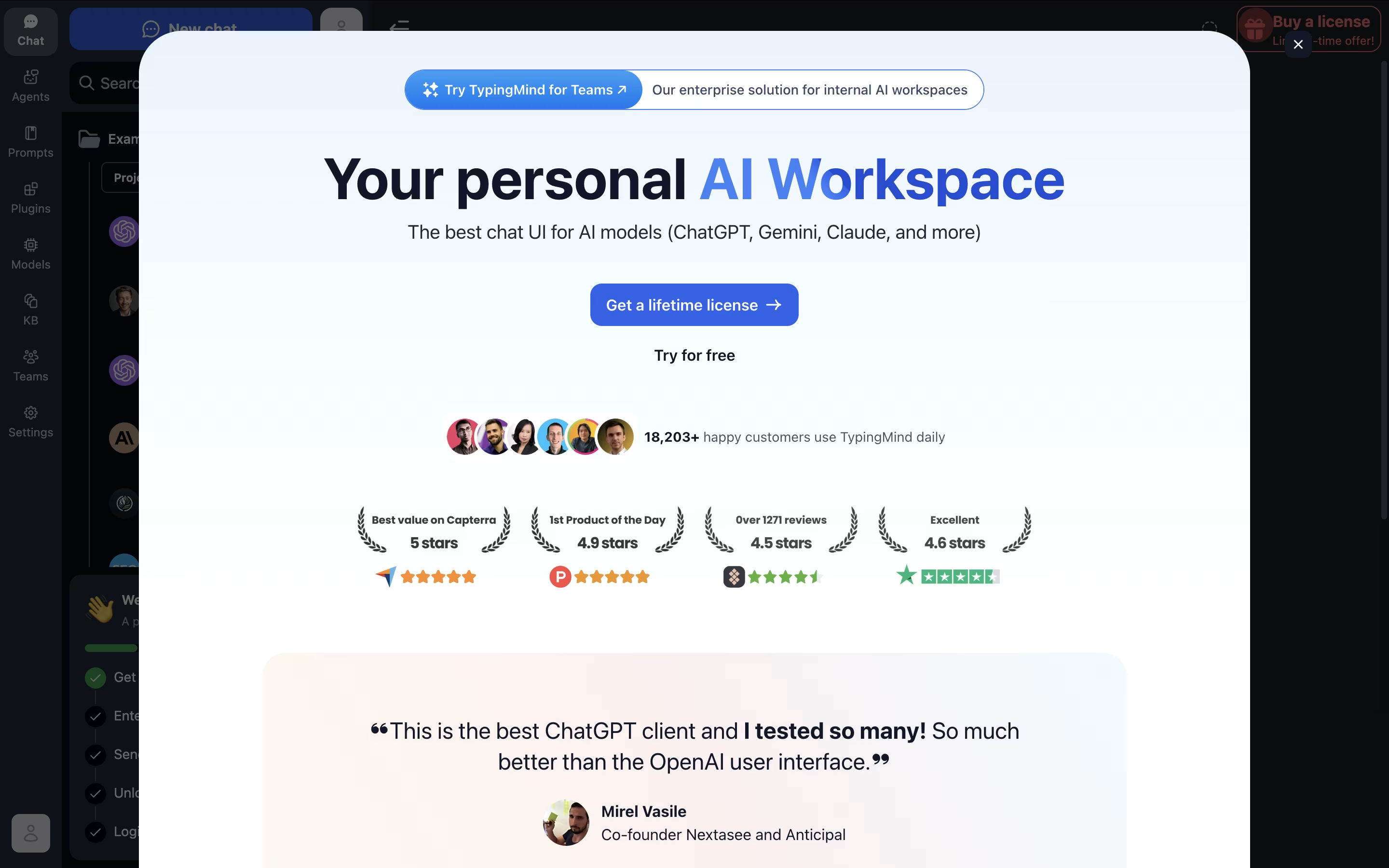 Typing MindAdvanced AI Chat Frontend for ChatGPT, Claude & Gemini are the best for API Integration. So, let’s take a closer look at all 12+ tools.
Keboola is a comprehensive data platform that handles your entire data stack as a service. Instead of managing separate tools for extraction, transformation, storage, and orchestration, everything works together in one integrated environment. The platform connects to virtually any data source through its extensive library of 700+ native connectors and API integrations.
Users can transform data using familiar programming languages without worrying about infrastructure, scaling, or maintenance. Keboola automatically handles data storage using powerful cloud warehouses like Snowflake, BigQuery, and Redshift. The platform includes built-in automation, monitoring, data lineage tracking, and governance features. It supports various deployment models from fully managed multi-tenant setups to private cloud installations, making it suitable for organizations with different security and compliance requirements.
BuildShip is an AI-powered visual backend builder designed to help businesses and developers create scalable backend infrastructure without extensive coding knowledge. Think of it as a smart toolbox that combines no-code simplicity with low-code flexibility.
The platform uses a node-based system where you can drag and drop pre-built components or ask AI to generate custom nodes for your specific needs. It runs on Google Cloud Platform, ensuring enterprise-grade scalability and security. BuildShip connects seamlessly with popular AI models like ChatGPT, databases like Firebase and PostgreSQL, and hundreds of third-party services.
Founded in 2023 by the team behind Rowy, this platform has become popular because it eliminates the complexity of traditional backend development while giving you full control over your code when needed.
Typing Mind is an advanced chat frontend for popular AI models like ChatGPT, Claude, Gemini, and others. Instead of using the official websites, you use your own API keys with Typing Mind to get a much better chat experience.
Think of it as a replacement interface that makes AI chatting more powerful and organized. You get features like chat folders, history search, voice input, text-to-speech, and the ability to chat with multiple AI models from one place.
The big advantage is cost and privacy. You only pay for actual API usage (often much cheaper than ChatGPT Plus), and your conversations stay completely private. The tool works offline-first, storing everything locally on your device, so no one else can see your chats.

Integry is an enterprise-grade integration platform that serves as the bridge between SaaS applications and hundreds of third-party tools. Unlike traditional integration solutions, Integry focuses on embedded, user-facing integrations that work directly within your product interface.
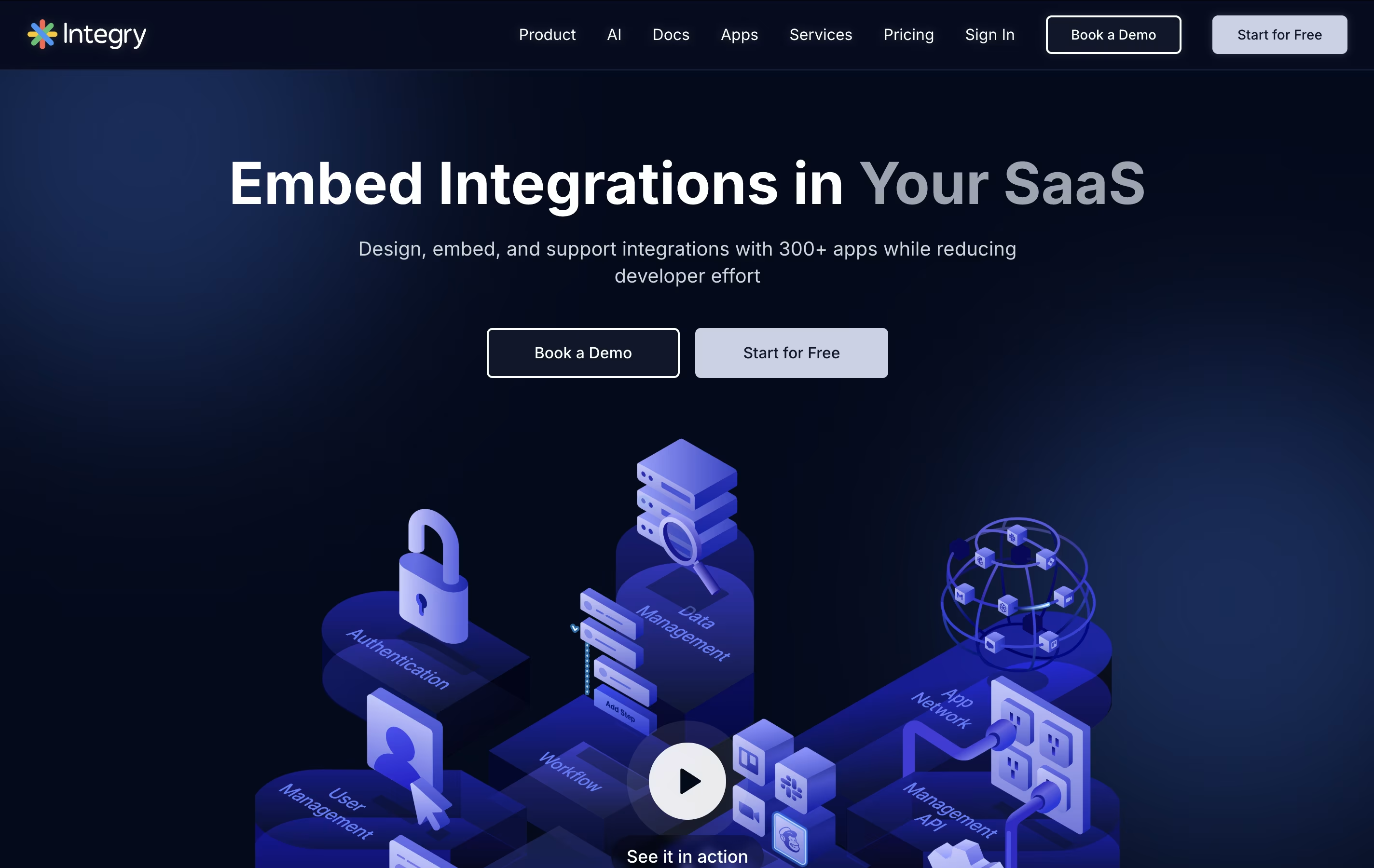
The platform offers AI-powered function calling capabilities, allowing artificial intelligence systems to predict and execute actions across different applications automatically. This makes it particularly valuable for AI agents and chatbots that need to interact with external tools.
Integry handles the complex technical aspects of integrations including OAuth authentication, data mapping, error handling, and API management. The visual programming environment lets product teams build sophisticated workflows without writing code, while the white-label components ensure the integration experience matches your brand perfectly.

Pipedream is a serverless workflow automation platform designed specifically for developers who need to connect different applications and APIs. Think of it as a bridge that lets your apps talk to each other automatically.
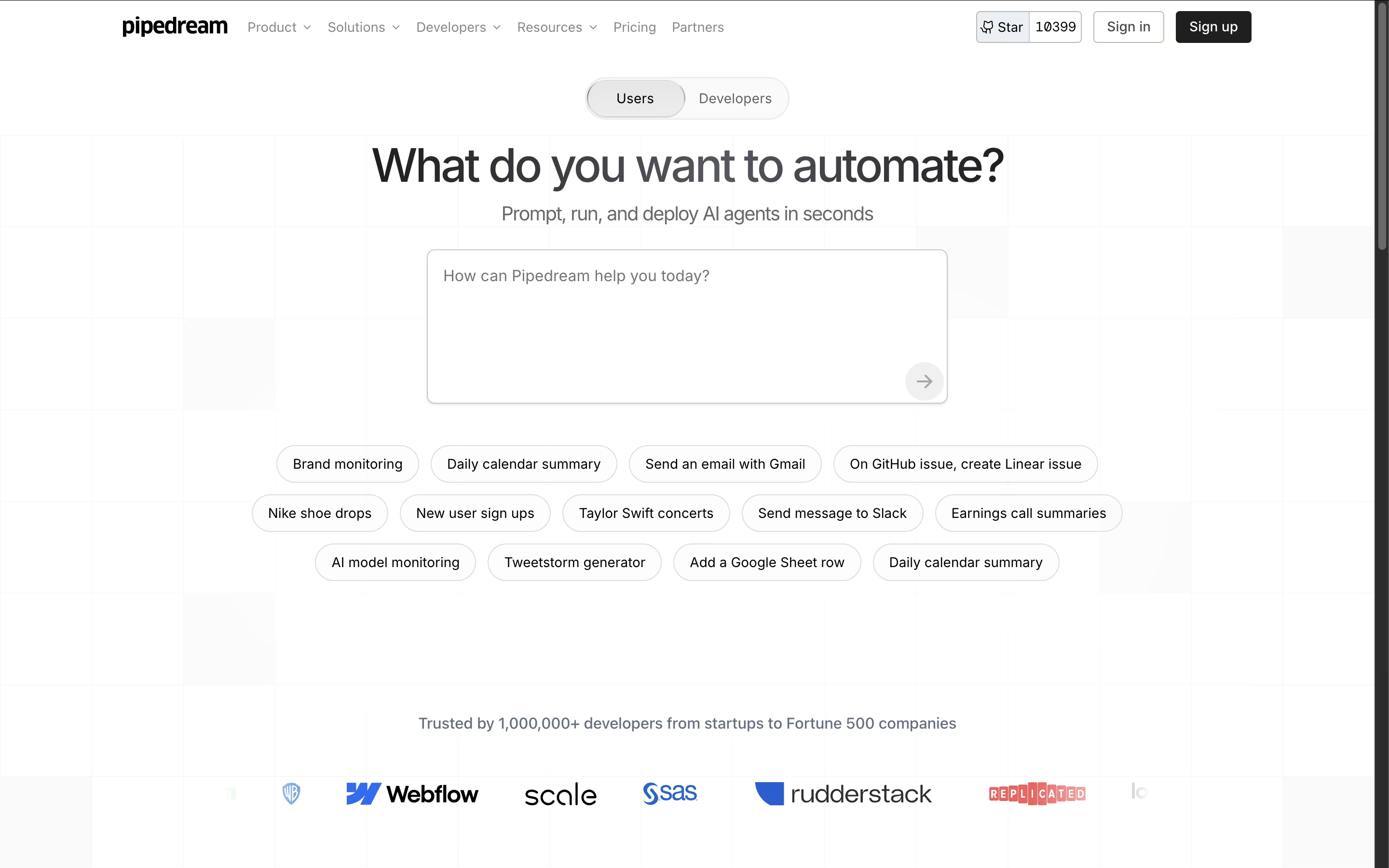
Unlike traditional automation tools, Pipedream gives you the power to write custom code when needed while providing thousands of pre-built components for common tasks. The platform handles all the infrastructure, authentication, and scaling automatically, so you can focus on building workflows instead of managing servers.
Each workflow is a series of steps that run when triggered by events like new emails, API calls, or scheduled times. With support for major programming languages and integration with popular services like Slack, Google Sheets, GitHub, and Stripe, Pipedream makes it easy to automate almost any business process or technical workflow.

Sanity is a content platform that stores your content as structured data and makes it available through powerful tools. Unlike traditional systems where content and design are locked together, Sanity keeps them separate. This means you create content once and use it anywhere - websites, apps, smart devices, or anywhere else you need it.
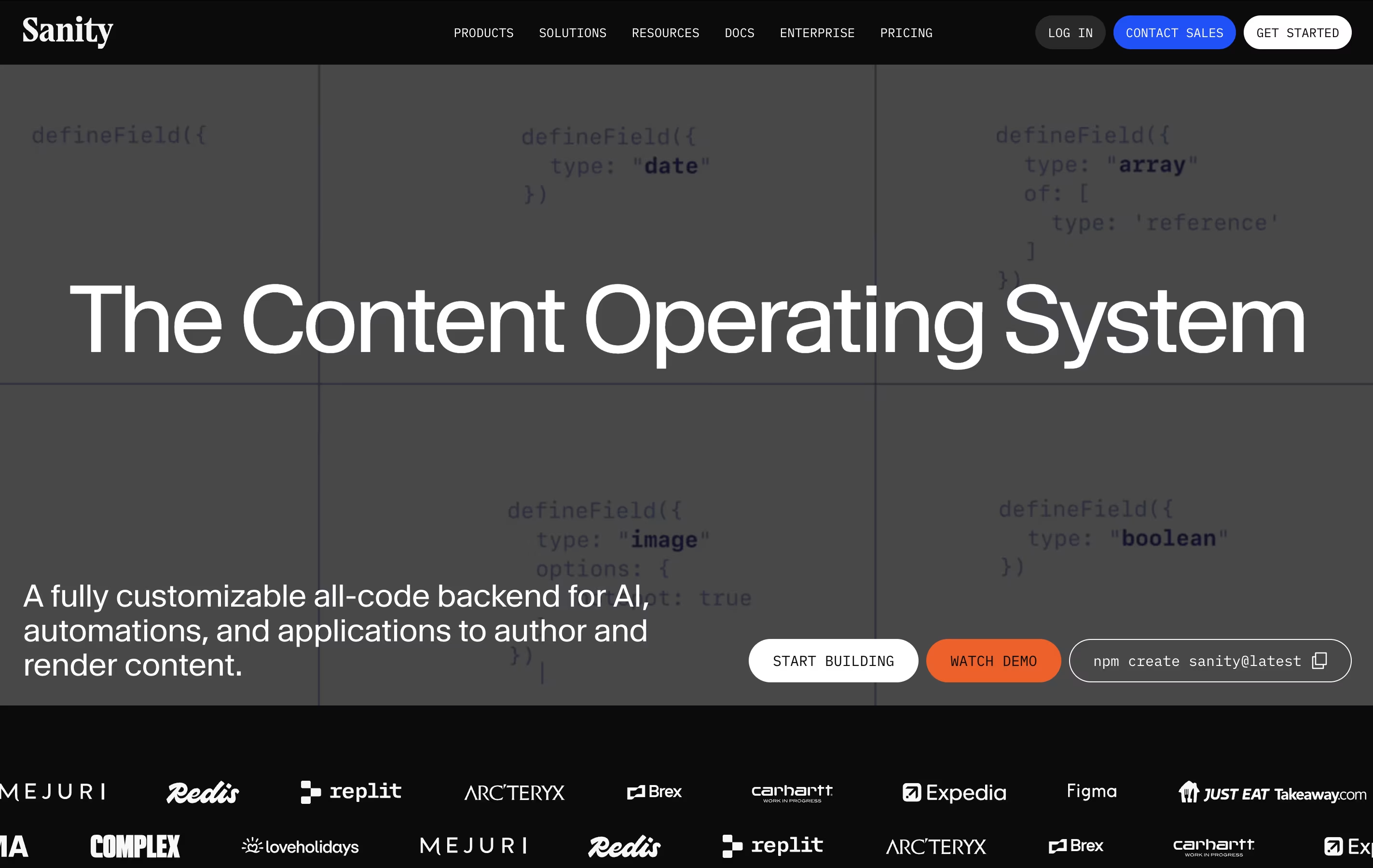
The platform has three main parts: Content Lake for storing your content as data, Sanity Studio for editing and managing content, and powerful tools for getting your content where it needs to go. It uses a special query language called GROQ that makes finding and organizing content simple and fast. Everything updates in real-time, so teams can work together without conflicts or delays.

Cube.js is a universal semantic layer that sits between your data sources and applications. Think of it as a smart middleware that connects to data warehouses like Snowflake, BigQuery, or Postgres and transforms raw data into business-ready metrics and dimensions.
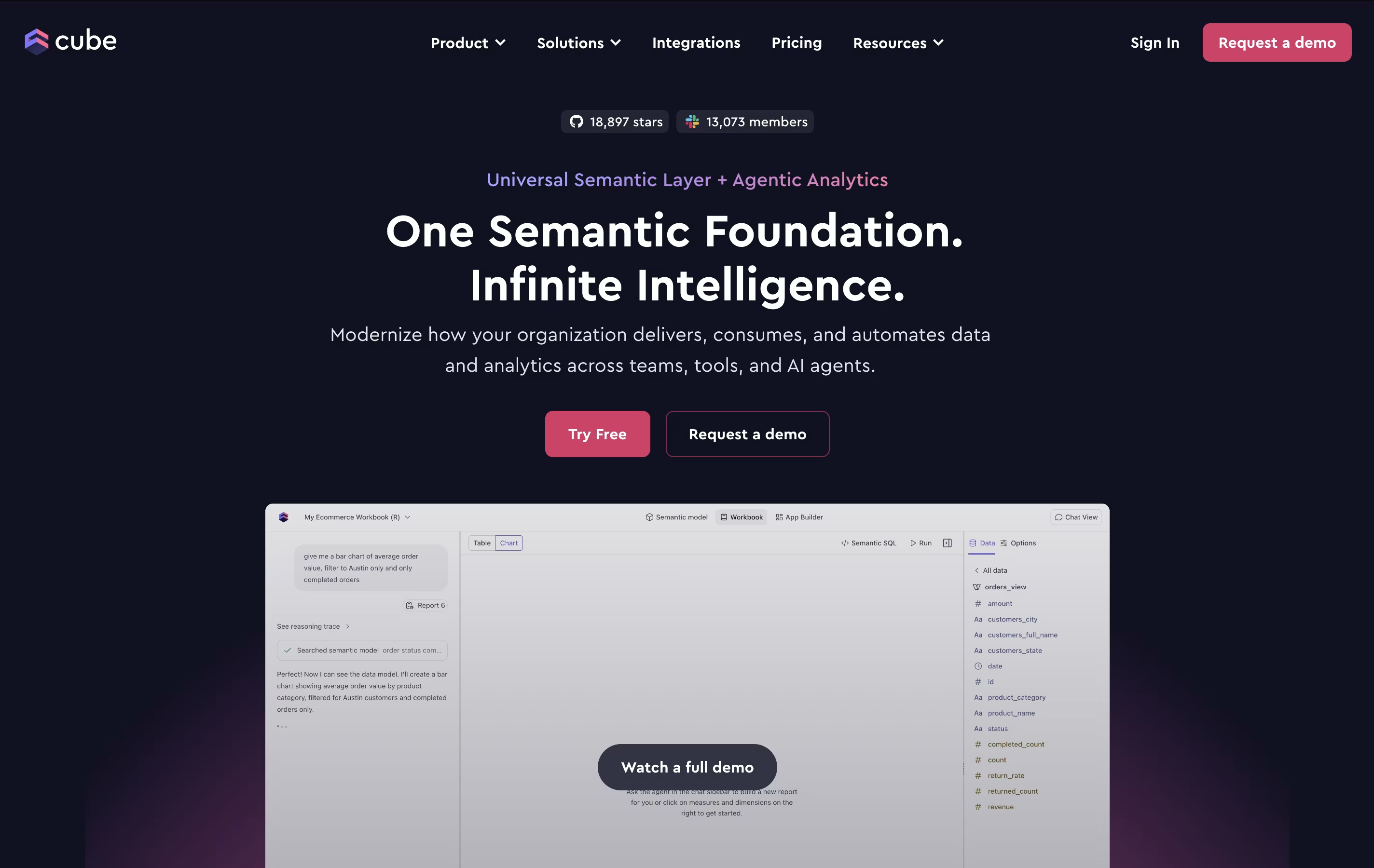
Unlike traditional BI tools that lock you into specific interfaces, Cube.js provides flexible APIs that work with any application or tool. You define your data model once using code, and Cube.js automatically generates optimized SQL queries, handles caching for faster performance, and provides consistent results across all your applications.
The platform consists of two main offerings: Cube Core (open-source) for self-hosting and Cube Cloud (managed service) with additional enterprise features. Both versions support the same core functionality but Cube Cloud includes hosting, security features, and integrations with popular BI tools like Tableau and Power BI.

Paragon is an embedded integration infrastructure platform designed specifically for B2B SaaS companies that need to offer native integrations to their customers. Think of it as the backbone that powers all your app's connections to other software tools your customers use daily.
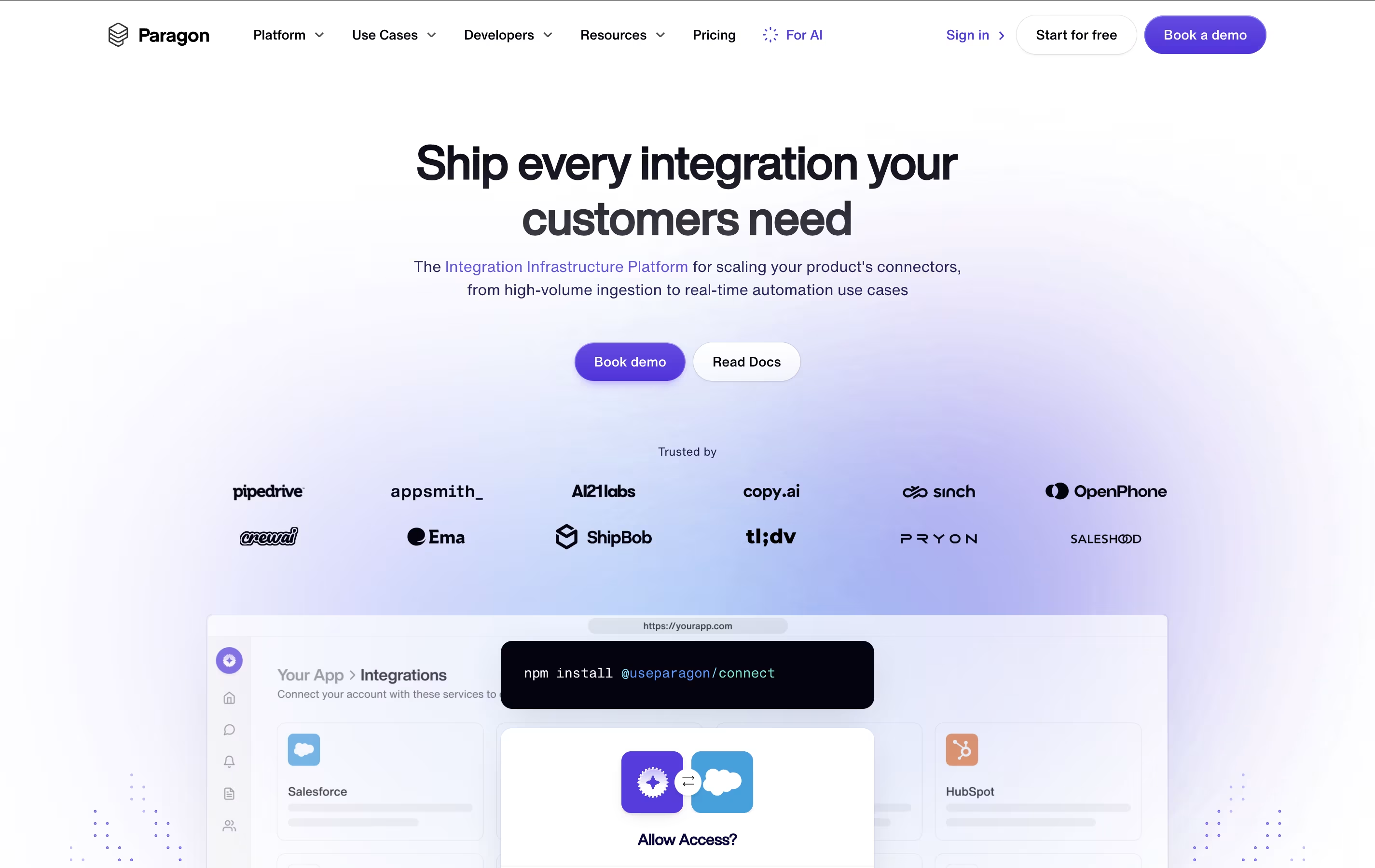
The platform provides over 130 pre-built connectors for popular business applications, along with the ability to create custom integrations for any third-party API. What makes Paragon special is that it handles all the technical complexity behind integrations - user authentication, data syncing, error monitoring, and maintenance - while providing your customers with a white-labeled, native experience that looks and feels like part of your product.
Founded in 2019 and backed by Y Combinator, Paragon processes over 100 million requests monthly for companies ranging from startups to enterprise organizations, making it a trusted solution for scaling integration needs.

Cloudonix is a "Communications Platform as a Service" (CPaaS) that provides voice APIs, SIP trunking, and development tools for building voice applications. The platform is designed to add "superpowers" to AI voice agents by connecting them to phone systems, carriers, and business applications.
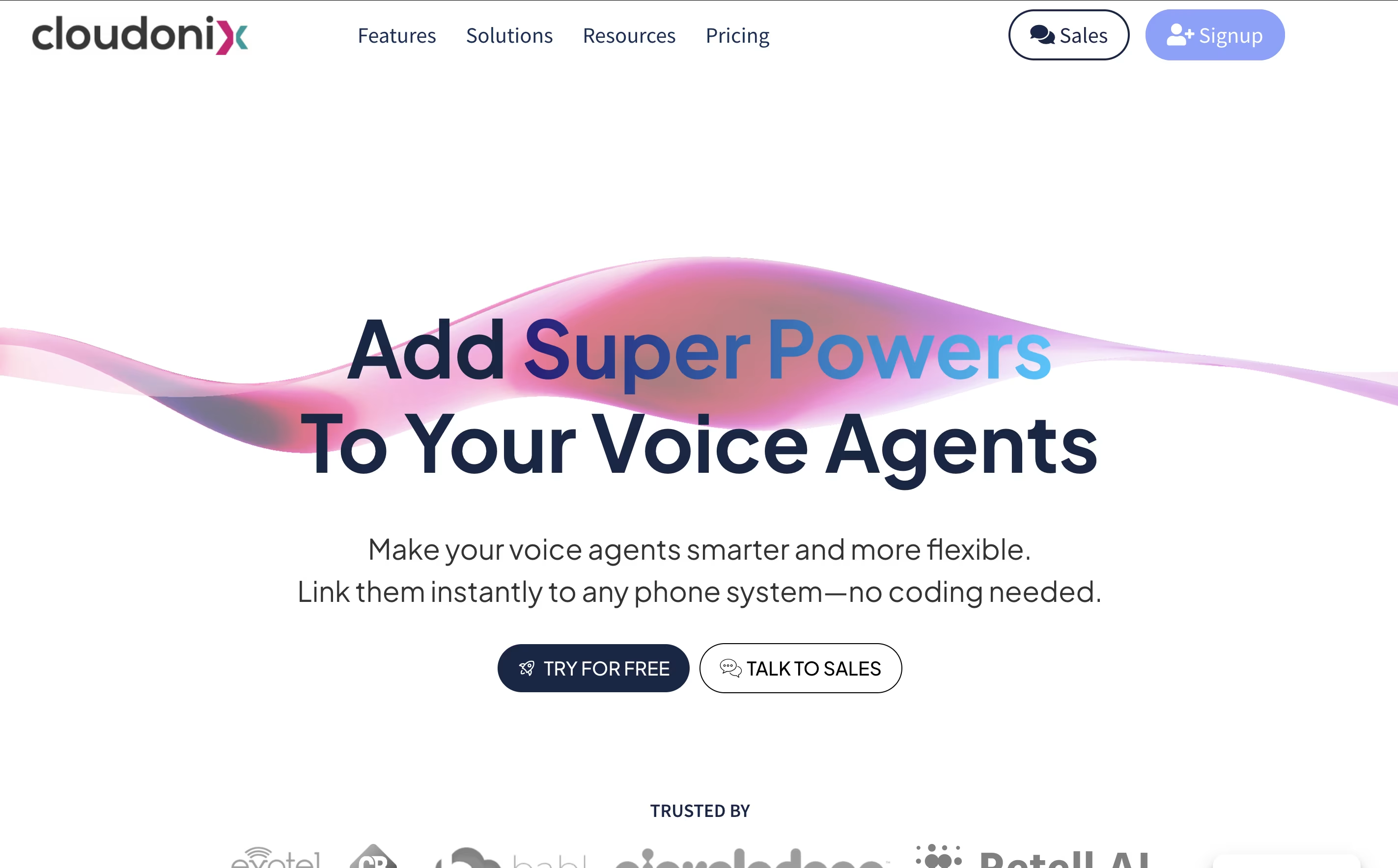
It uses a special programming language called CXML (Cloudonix XML) that makes building voice apps simple. The platform also offers no-code tools through Make.com integration, so businesses can create voice solutions without programming skills.
Cloudonix supports popular AI voice platforms like VAPI, ReTell, and 11Labs, making it easy to connect voice agents to real phone calls. It also provides mobile and web SDKs for developers who want to add voice calling features to their apps.

Webiny is a serverless content management system that you install and run inside your own AWS cloud account. It's completely open-source, which means you can see how it works and change it to fit your needs.
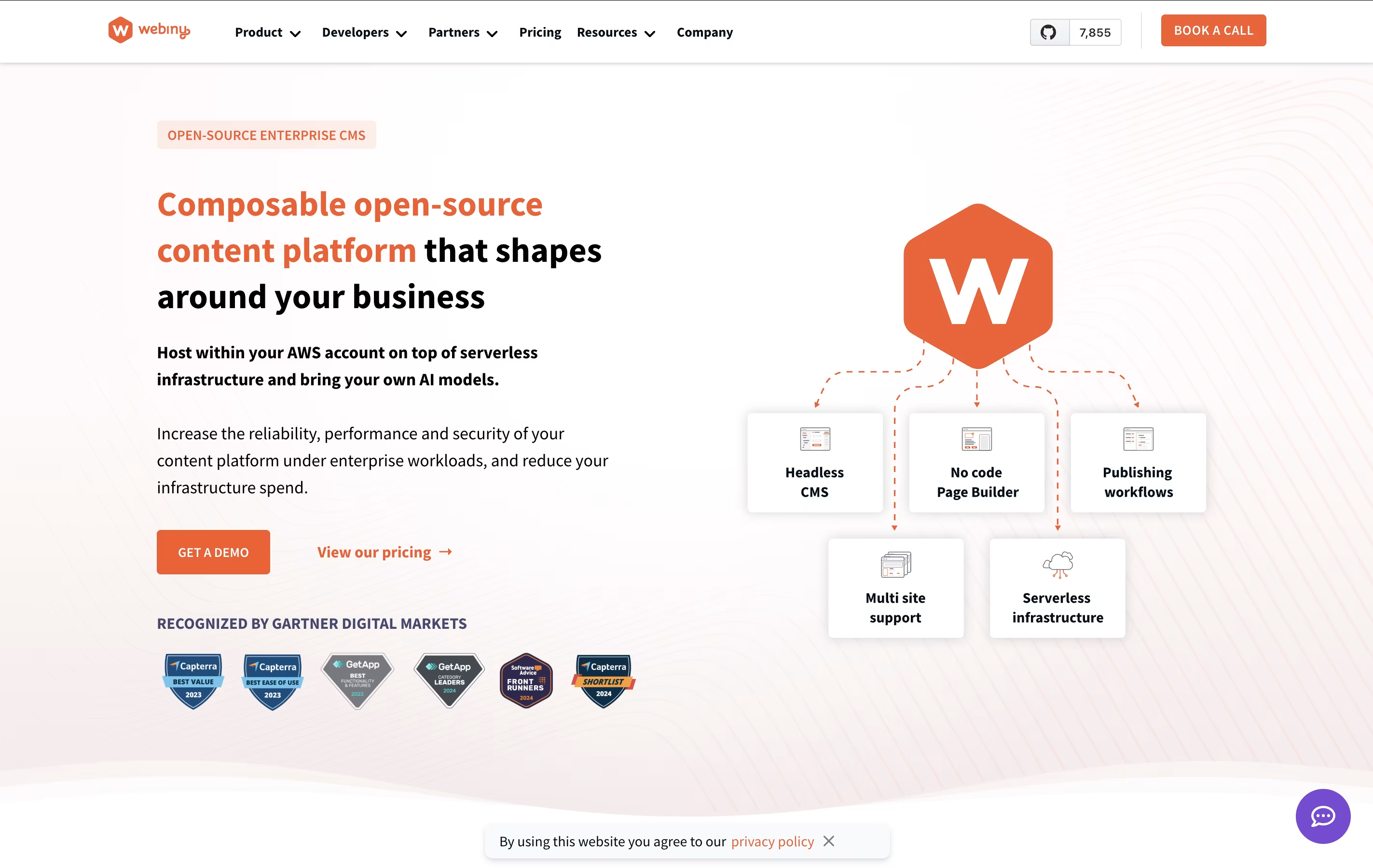
The platform includes four main tools. First, a headless CMS lets you create and store your content. Second, a page builder helps you design website pages by dragging and dropping elements without writing code. Third, a form builder makes it easy to create contact forms and surveys. Fourth, a file manager organizes all your images, videos, and documents.
Because it's serverless, you only pay for what you actually use. Your website can handle both small traffic and millions of visitors without any extra setup. The system automatically scales up or down based on your needs.

VoxImplant is a comprehensive cloud communications platform that enables businesses and developers to integrate voice, video, and messaging capabilities into their applications and services. Founded in 2013 and based in Palo Alto, the company serves millions of users worldwide through its innovative Communication Platform as a Service (CPaaS) solution.
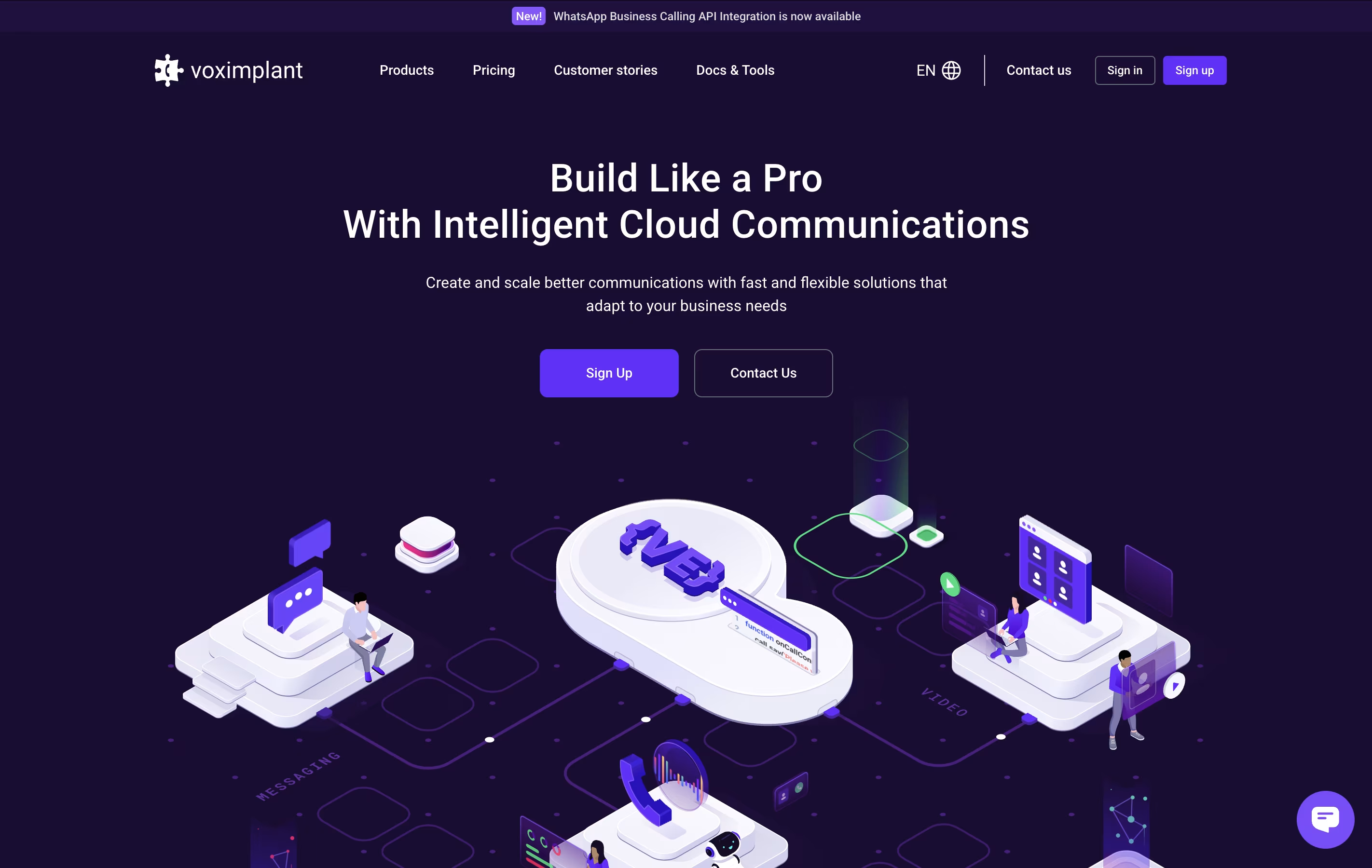
The platform consists of two main products: VoxImplant Platform, which provides APIs and SDKs for custom development, and VoxImplant Kit, an omnichannel contact center solution. VoxImplant Platform supports multiple programming languages and frameworks including iOS, Android, React Native, Flutter, Unity, and web applications. The service includes advanced features like AI-powered voice bots, natural language processing, call recording, transcription, and seamless integration with popular AI providers like OpenAI, Google Gemini, and Dialogflow, making it perfect for creating sophisticated communication experiences.

Luzmo is an embedded analytics platform built for SaaS companies that want to add data visualization capabilities to their products. Think of it as a toolkit that lets you embed interactive dashboards, charts, and reports directly into your application without building everything from scratch.
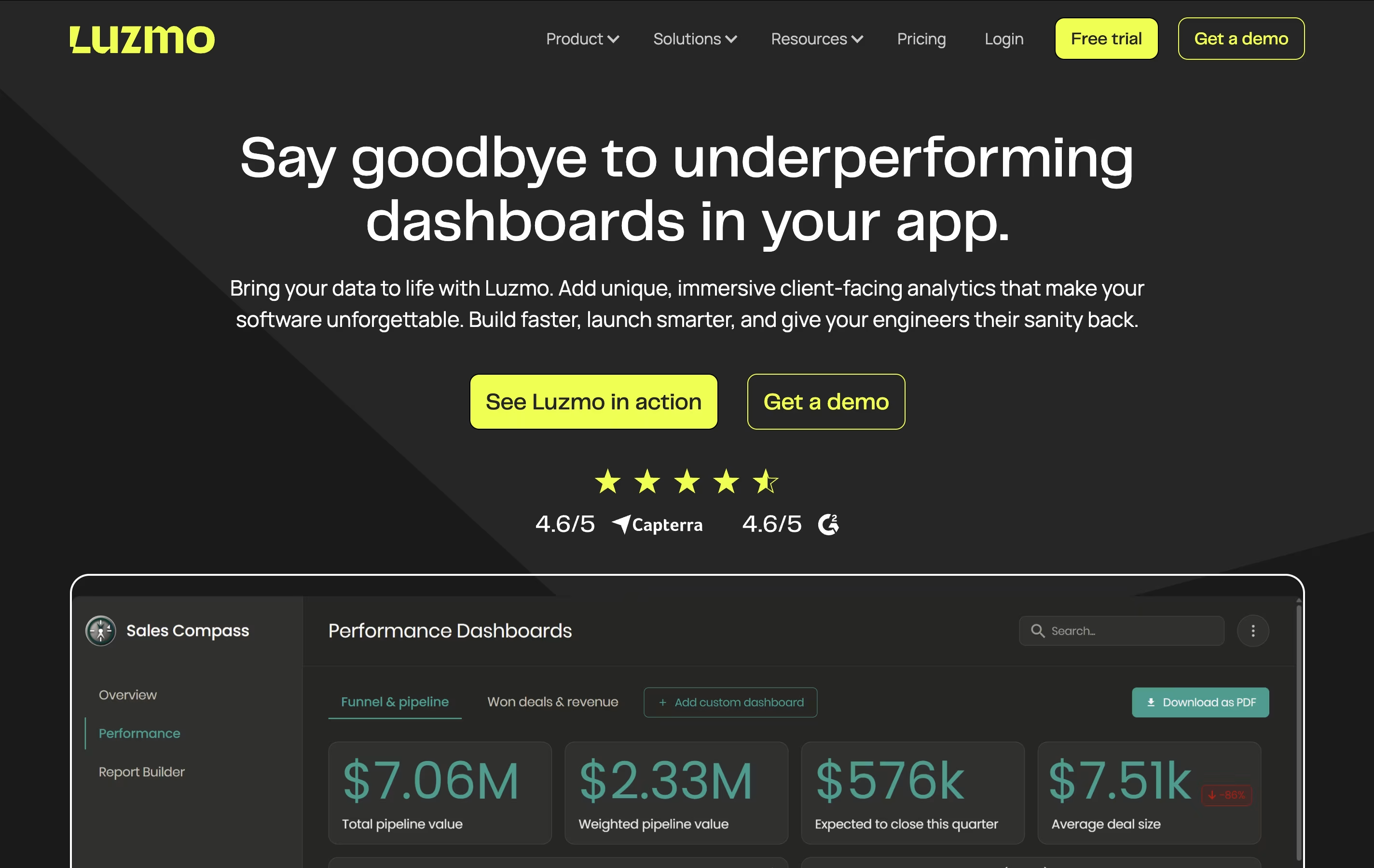
The platform provides everything needed for embedded analytics: drag-and-drop dashboard builders, AI-powered insights, real-time data connections, and complete white-label customization. Your users can interact with data, create their own visualizations, and get insights without ever leaving your application.
What makes Luzmo special is its focus on embedding. Unlike traditional business intelligence tools meant for internal use, Luzmo is designed to become part of your product experience. It supports multi-tenancy, allowing you to serve analytics to many customers while keeping their data completely separate and secure.

Mage AI is a comprehensive data pipeline orchestration platform designed to simplify how teams build, deploy, and manage data workflows. Think of it as a smart workspace that combines notebook-style development with powerful automation features.
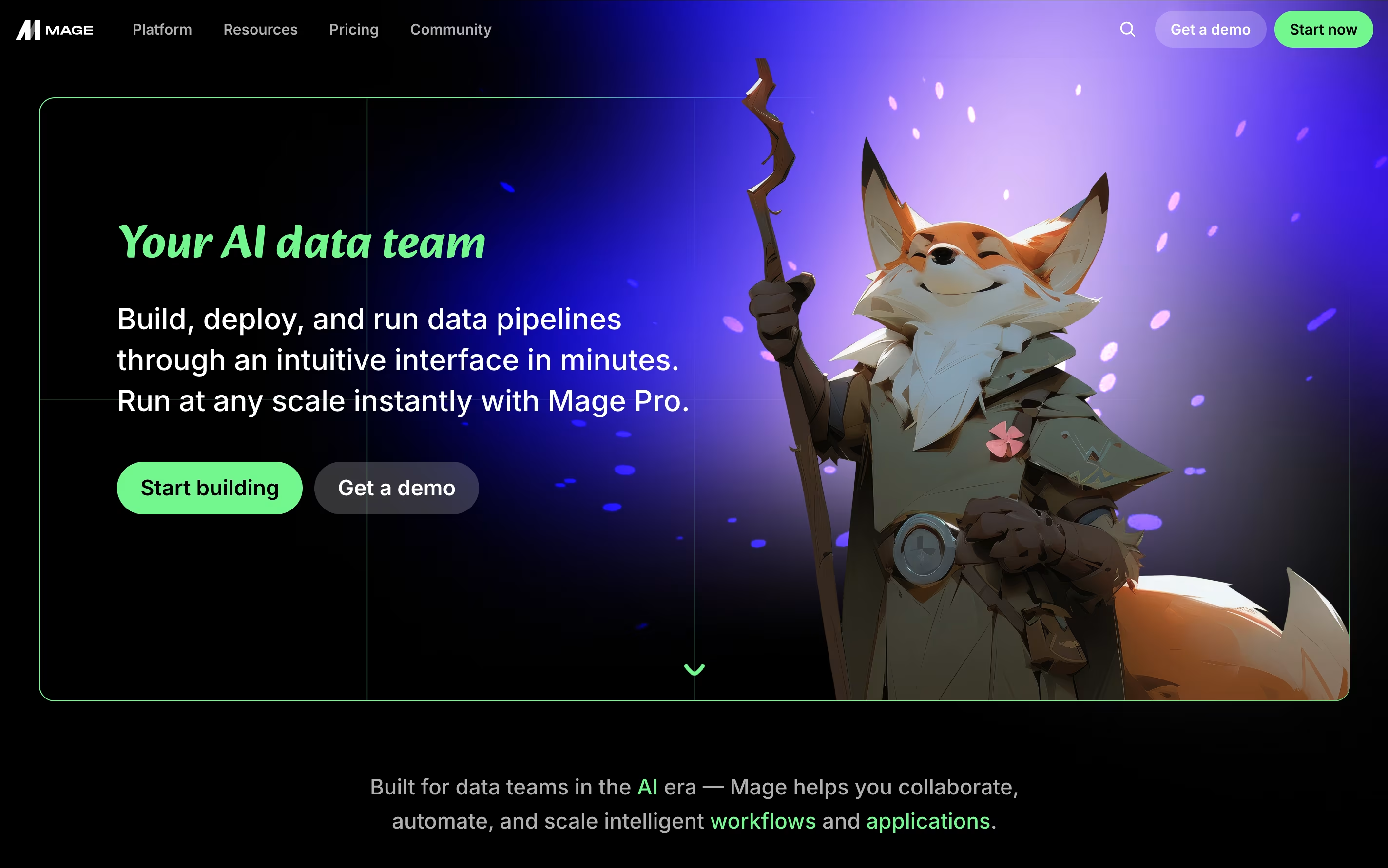
The platform offers both open-source and enterprise versions, allowing teams to start free and scale as needed. Mage connects to virtually any data source, from databases and APIs to cloud storage services, making data integration seamless. What sets it apart is its AI-powered assistance that helps write code, optimize performance, and debug issues automatically.
The tool supports multiple programming languages including Python, SQL, and R, giving developers flexibility to work with familiar tools. Built-in features include real-time monitoring, automated testing, version control, and collaboration tools. This makes Mage perfect for data engineers, analysts, and scientists who want to focus on insights rather than infrastructure management.

Contentful is a headless content management system, which means it stores and organizes your content but does not control how it appears to users. Think of it like a smart storage room for all your digital content - text, images, videos, and more. When you need to show this content on your website, app, or any other platform, Contentful sends it instantly through connections called APIs.
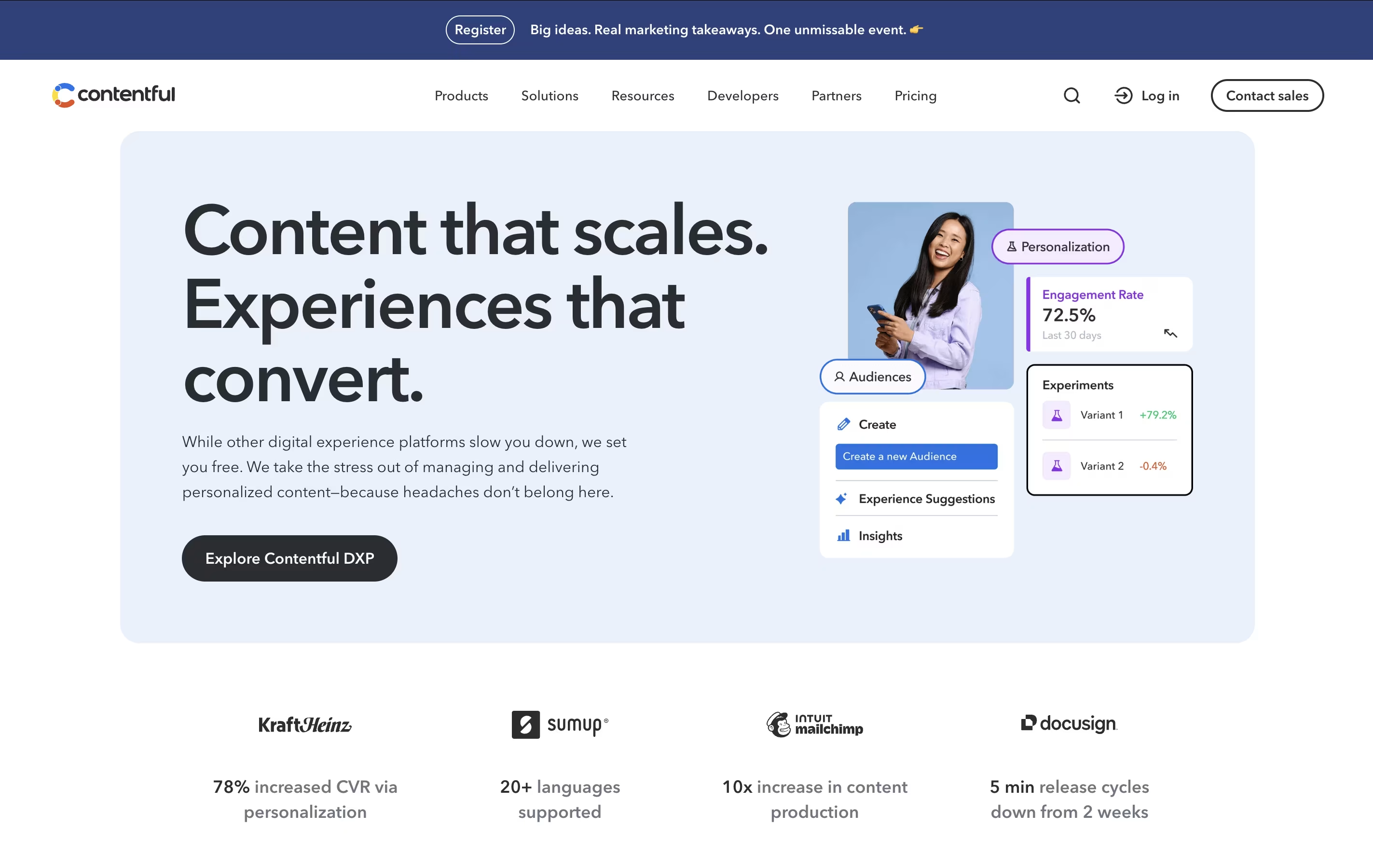
The platform lets you build custom content structures that fit your exact needs. You can create different types of content, add various fields to them, and organize everything in ways that make sense for your business. Multiple team members can work together, editing and updating content at the same time without stepping on each other's toes.

Strapi is an open-source headless CMS built with Node.js that delivers content through APIs instead of traditional web pages. Think of it as a smart backend system that stores and manages your content, then sends it anywhere you need through REST or GraphQL APIs.
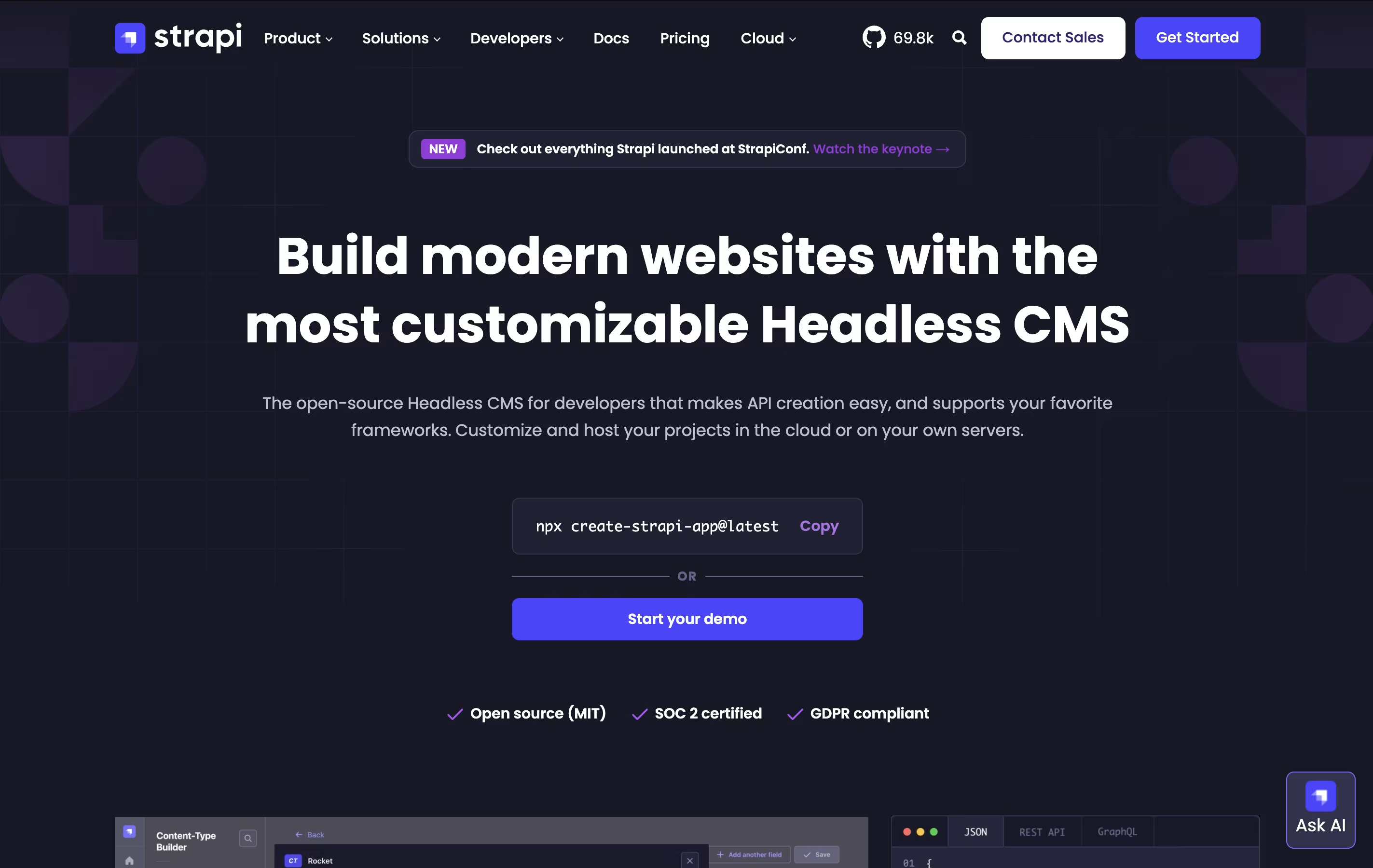
The main difference from traditional systems like WordPress is flexibility. Instead of forcing you to use specific templates, Strapi lets you build exactly what you need. You control everything: the database, the content structure, and how it all works together. Each project starts with built-in features like user management, permissions, and content organization.
Founded in 2015, Strapi has become popular with over 60,000 stars on GitHub and millions of downloads. You can host it yourself on your own servers or use Strapi Cloud for managed hosting, making it perfect for any project size.