

Best 11 Tools for User Account Management in 2026
Last Updated: October 26, 2025
Creating, updating, and deactivating user accounts needs a reliable, consistent process as a user base grows. User Account Management tools help manage the full lifecycle of user accounts.
Developers and IT teams use account management tools to keep user accounts accurate and properly maintained.
 Clerk
Clerk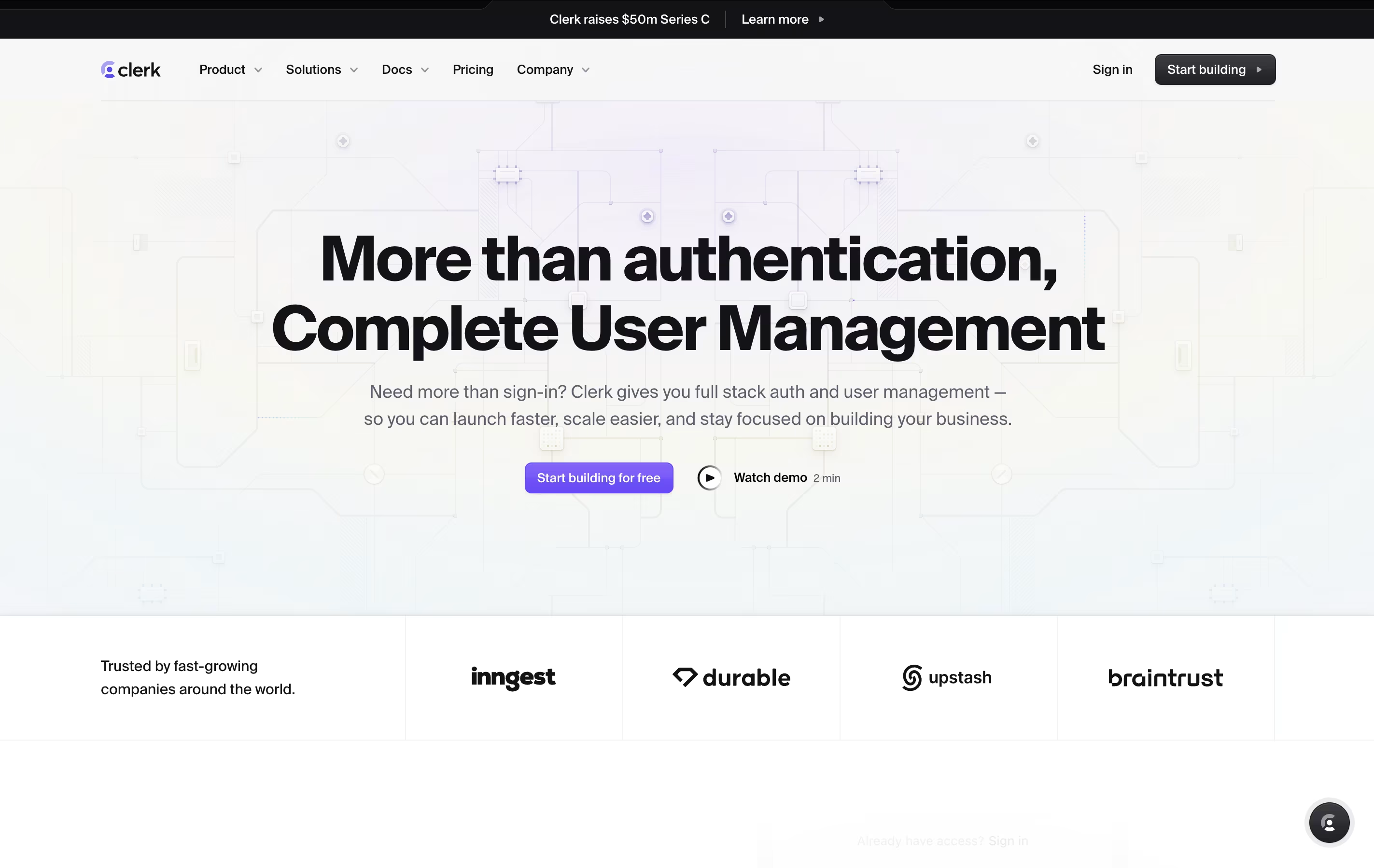 ClerkComplete Authentication for Modern Apps,
  FusionAuth
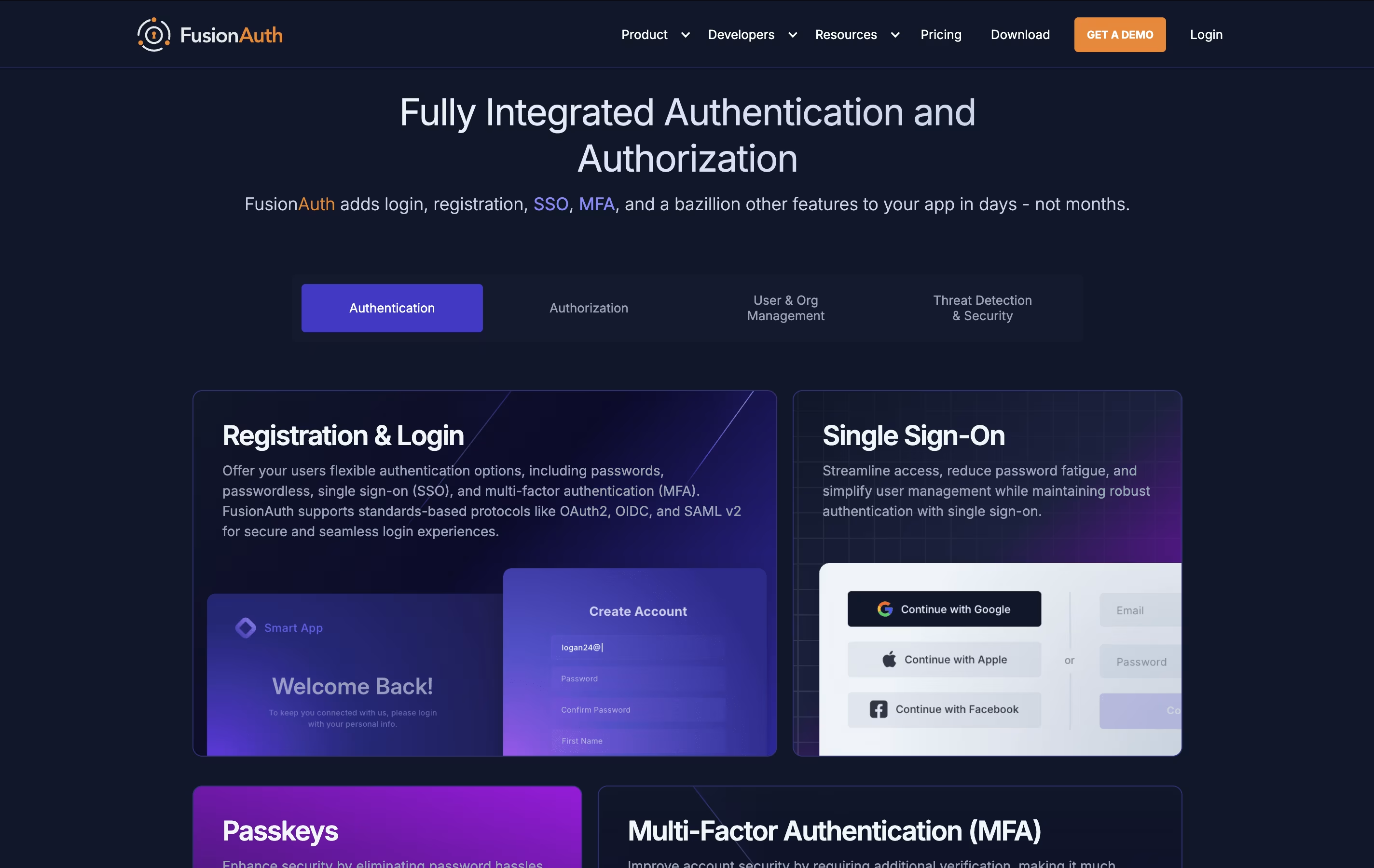 FusionAuthDeveloper Authentication Platform, and
  Stack Auth
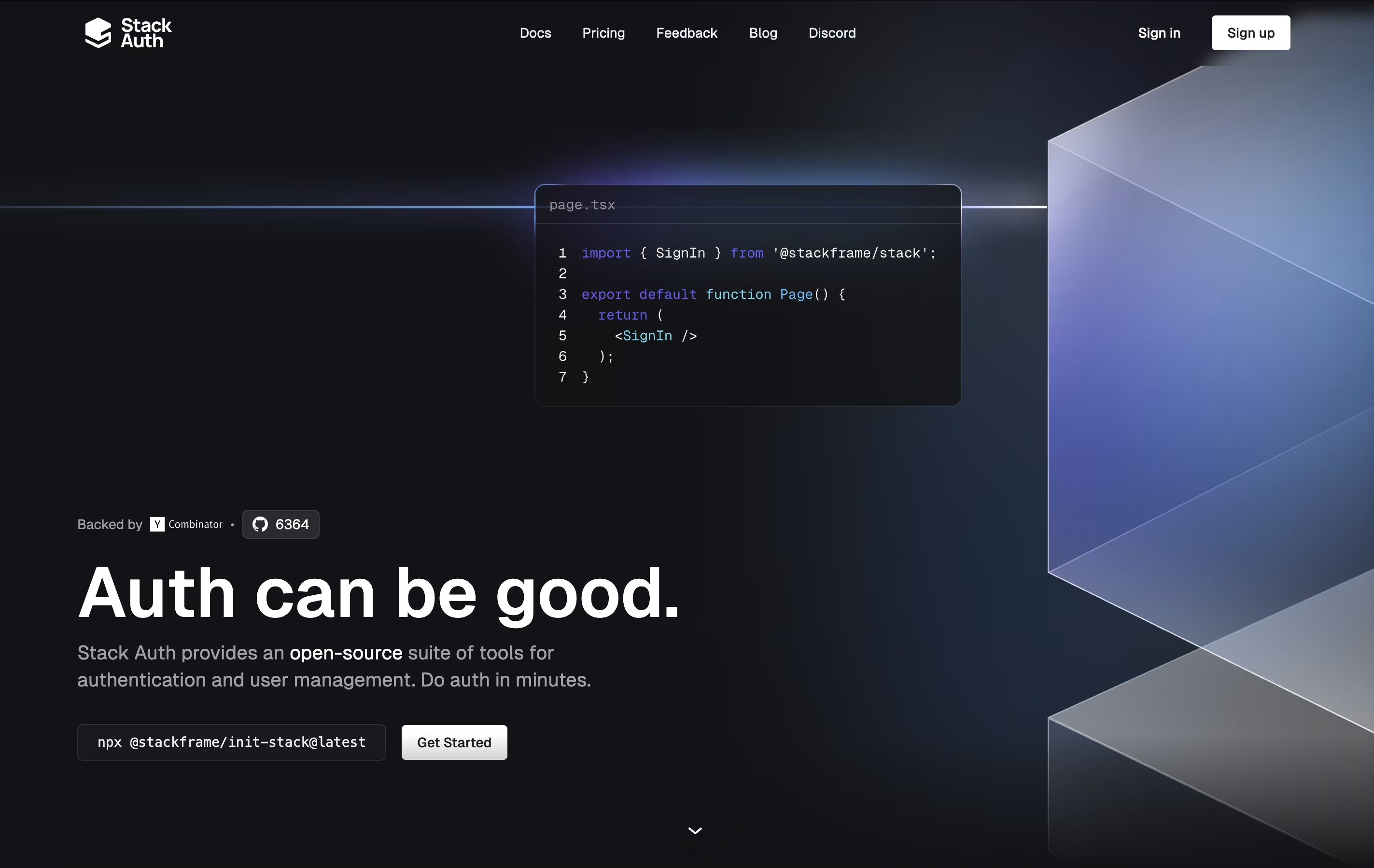 Stack AuthOpen-Source Authentication Platform for Developers are the best for User Account Management. So, let’s take a closer look at all 11 tools.
Clerk is an authentication platform that handles all aspects of user identity and access control. You get pre-built login screens, user profile pages, and account management tools that you can customize to match your brand. Unlike basic auth solutions, Clerk provides advanced features out of the box.
It supports multiple sign-in methods including passwords with breach detection, social logins from providers like Google and GitHub, email codes, and SMS verification. For business applications, Clerk includes organizations with roles and permissions, allowing you to build team-based features easily.
The platform also handles security requirements like multi-factor authentication, session management, and device tracking. Everything is managed through a dashboard where you can monitor users, configure settings, and access detailed analytics.
FusionAuth is a complete authentication system that manages who can access your application and what they can do. You can install it on your own computer, your company servers, or use their cloud service. This flexibility makes it different from most authentication tools that force you to use only their cloud.
The platform supports all modern login methods - traditional passwords, passwordless access, social media logins, and biometric authentication like fingerprints. It follows industry standards like OAuth2, OpenID Connect, and SAML, meaning it works smoothly with other software.
There is a free version with all core features, and paid plans add extra security, support, and cloud hosting. The free version has no user limits, making it suitable for projects of any size.
Stack Auth is a complete authentication solution that handles all the complex parts of user login and management. When you add it to your application, you get ready-made login pages, account settings, password reset flows, and user dashboards without writing code for these features yourself.
The platform supports multiple ways for users to sign in, including regular passwords, social logins through Google or GitHub, magic email links, and modern passkeys using fingerprints or face recognition. It also handles advanced features like two-factor authentication for extra security, team management for business apps, and permission systems to control what different users can do.
Stack Auth is fully open-source and licensed under MIT and AGPL, meaning you can see exactly how it works and modify it if needed.
Logto is an authentication and identity management platform that handles user sign-in, permissions, and security for your applications. You can use it as a cloud service or install it on your own servers since it's open-source.
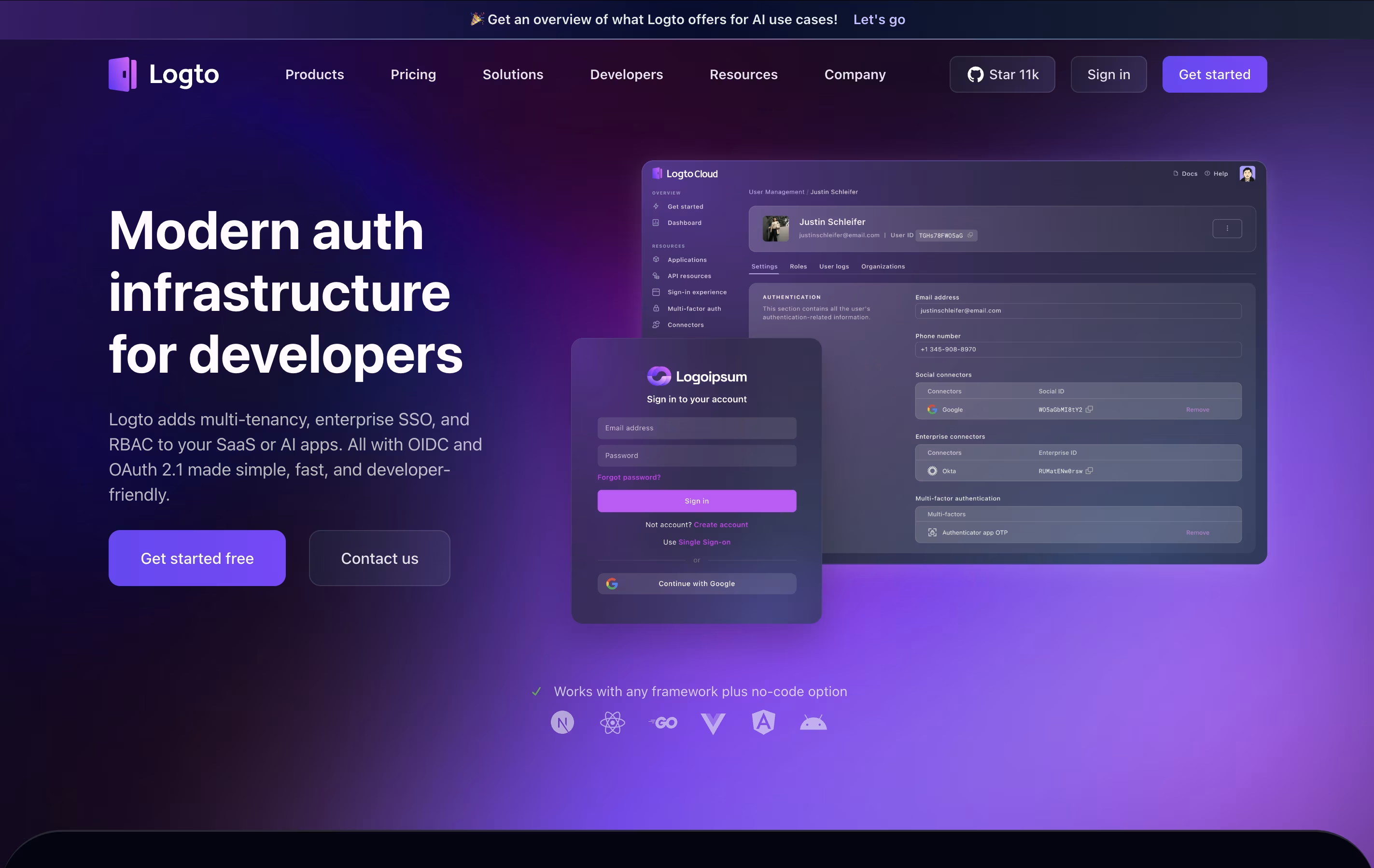
The platform supports multiple ways for users to sign in: traditional passwords, email codes, phone verification, social media accounts like Google and Facebook, or enterprise systems through Single Sign-On. It also includes advanced features like multi-factor authentication for extra security and role-based access control to manage what different users can do.
Logto works with over 30 programming languages and frameworks including React, Next.js, Vue, Python, and Go. It's trusted by companies worldwide and meets strict security standards with SOC 2 Type II certification.

LoginRadius is a tool that handles user identity and login management for your digital products. When someone visits your website or app, LoginRadius manages their registration, login, and account security. It offers multiple ways for users to sign in, including traditional passwords, social media accounts like Google or Facebook, or passwordless options like magic links.
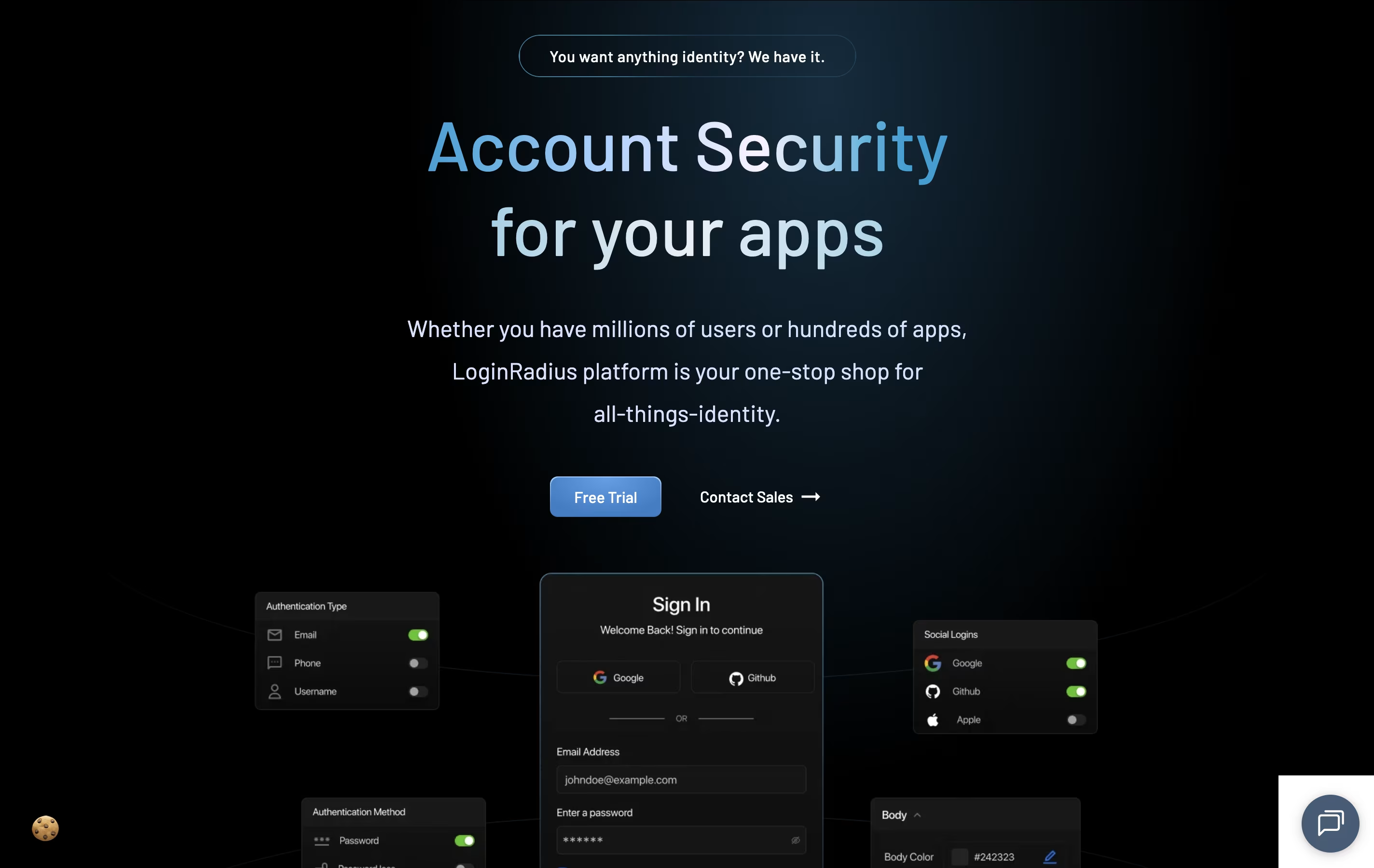
The platform uses ready-to-use tools that developers can add to any website or mobile app with a few lines of code. It includes features like single sign-on, which lets users log in once and access multiple sites, and multi-factor authentication for extra security.
There are different plans available, from a free version for small projects to enterprise solutions for large companies with millions of users.
Amazon Cognito is a cloud service that manages user authentication and authorization for applications. It has two main parts: user pools and identity pools. User pools store user profiles and handle login, while identity pools give users access to AWS resources.
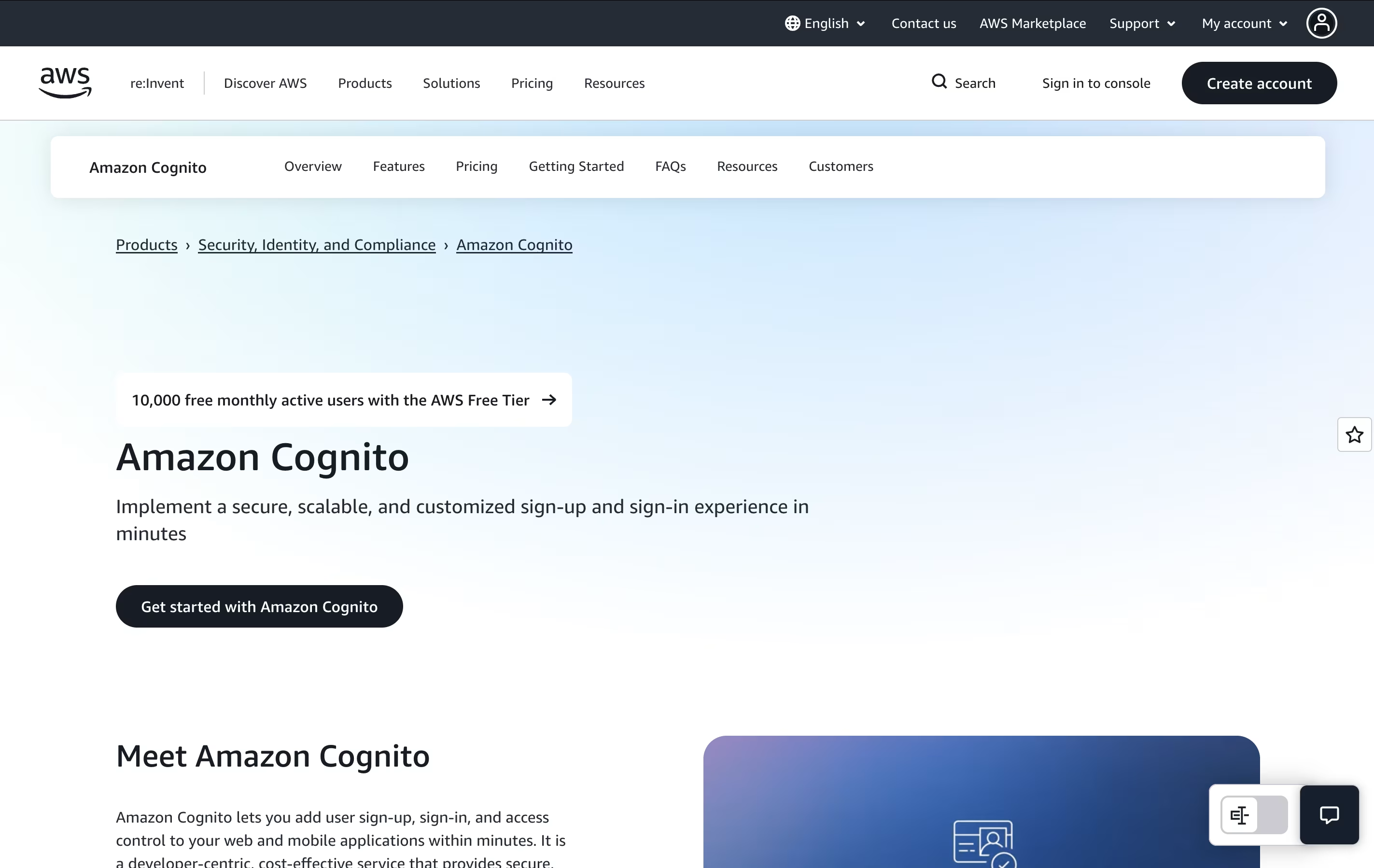
You can let users sign in with usernames and passwords, or through social accounts like Google and Facebook. The service also supports business login systems through SAML and OpenID Connect. It includes security features like password requirements, account verification through email or SMS, and protection against suspicious login attempts.
Cognito offers three pricing levels: Lite for basic needs, Essentials with standard security, and Plus with advanced threat protection. The free tier includes 10,000 active users monthly, making it easy to start.

PropelAuth is a tool that adds user authentication to your business software. It provides ready-made login pages, signup forms, and user management screens that you can customize with your brand colors and logo.
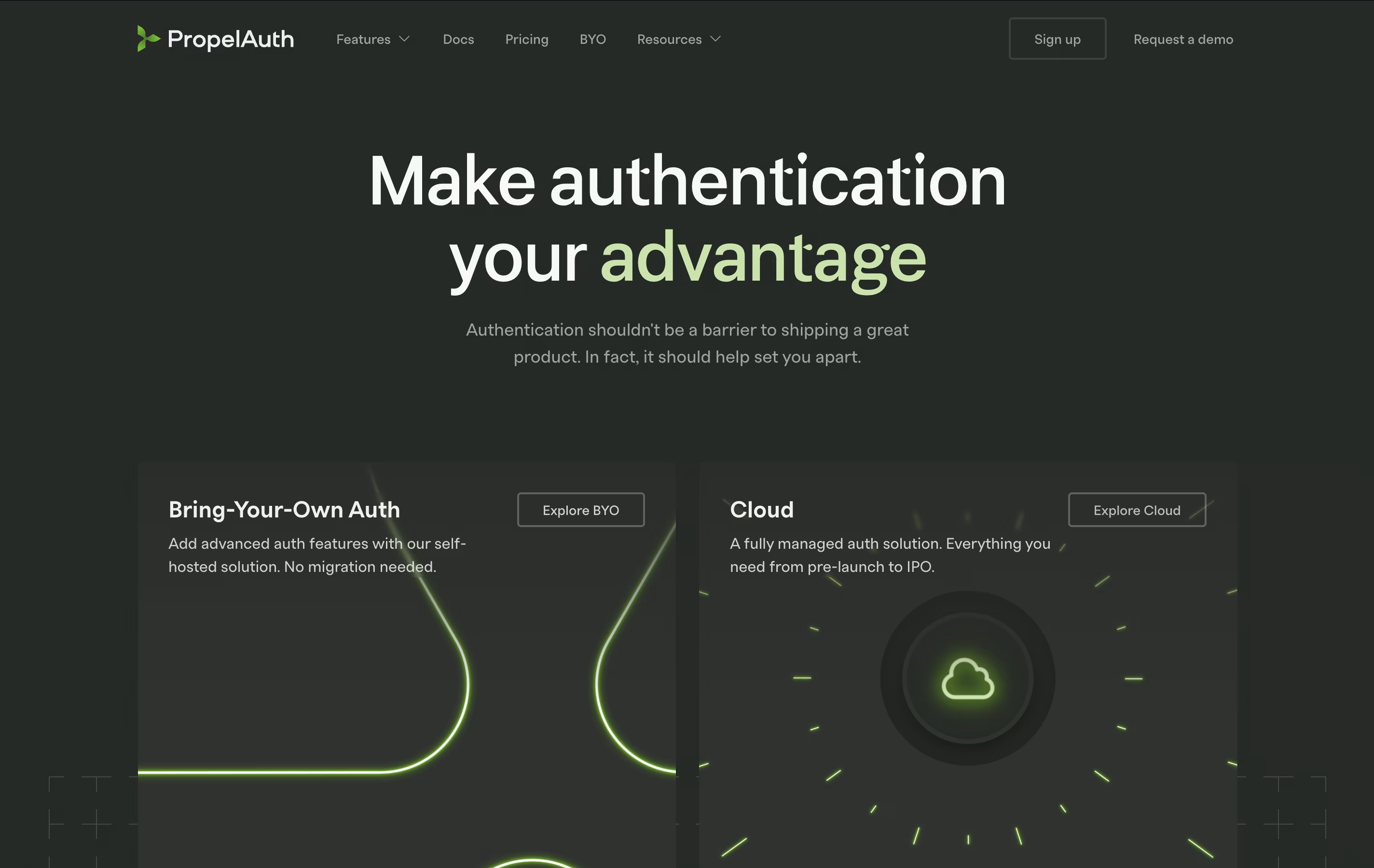
What makes PropelAuth different is its focus on business needs. It understands that your customers work in teams, so it includes features for creating organizations, inviting team members, and managing who can do what. The platform handles password security, two-factor authentication, and social logins automatically.
PropelAuth works with popular programming languages including React, Python, Node.js, and Rust. You can start with the free plan and upgrade as you grow. The service runs in the cloud, so there is nothing to install or maintain on your servers.

Frontegg is a ready-to-use system that handles everything related to user accounts and access in your software. When you add it to your product, users get a professional login page, account settings, and security features automatically. It works like adding a pre-built module to your application.
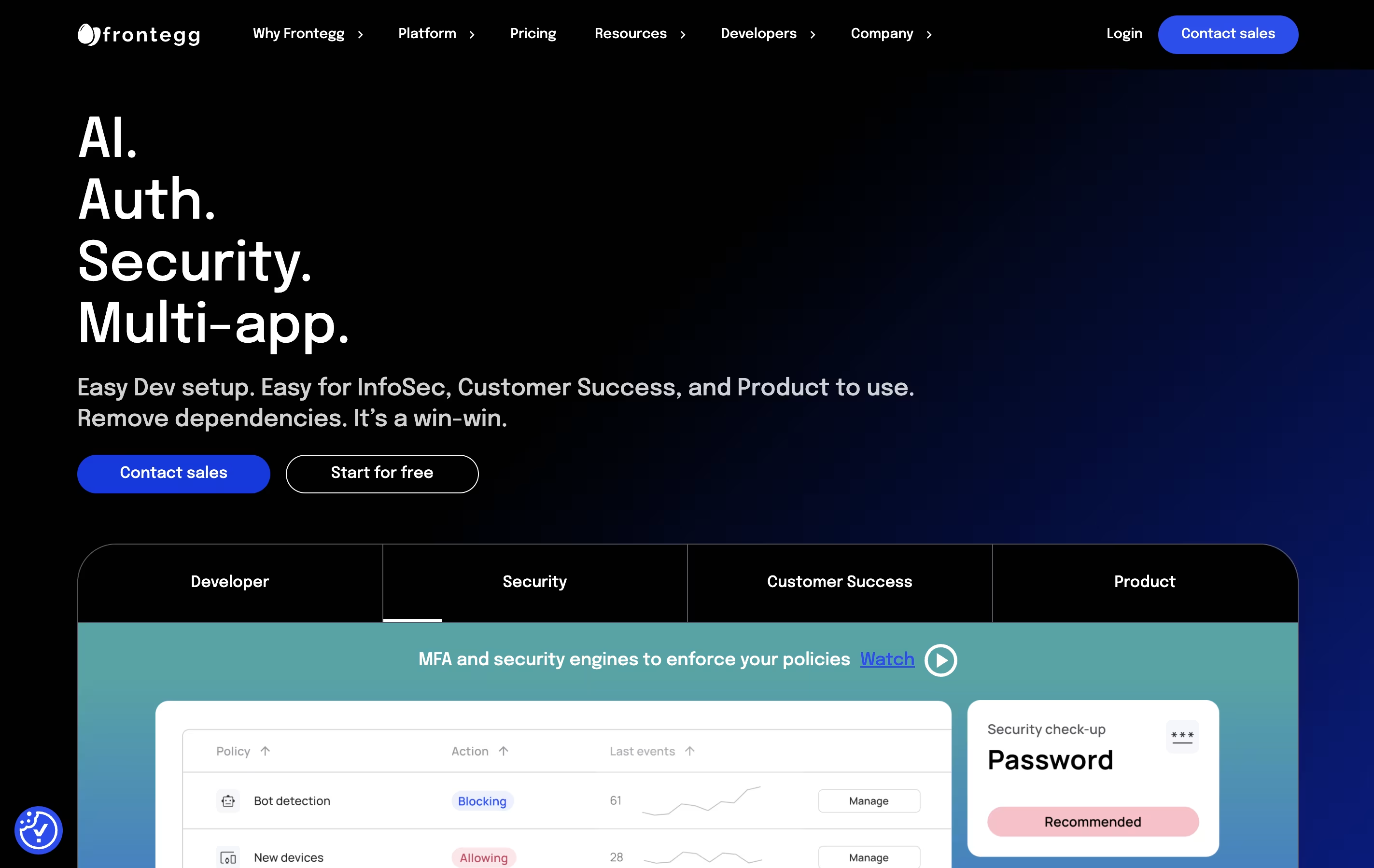
The platform handles complex tasks like letting companies use their own login systems, managing different user roles, and keeping everything secure. It supports multiple ways to log in including passwords, social accounts like Google, and business systems.
You can customize how everything looks to match your brand. The free version works for smaller projects, while paid plans add features needed by bigger companies with stricter security requirements.

Kinde is an all-in-one platform that handles authentication and user management for your applications. It lets you add secure login systems, manage user permissions, organize customers into groups, and track feature access all from one dashboard.
The platform supports different login methods like passwords, magic codes sent by email, social media accounts, and business single sign-on. It also includes tools for managing teams, setting up different user roles, and controlling which features each customer can access.
What makes Kinde different is that it combines multiple tools into one. Instead of using separate services for login, billing, and feature control, you get everything in one place. This saves time during setup and makes it easier to manage as your business grows.

Casdoor is a complete identity management solution that handles user authentication and authorization for your applications. It supports OAuth 2.0, OpenID Connect, SAML, CAS, and LDAP protocols, making it compatible with almost any application or service.
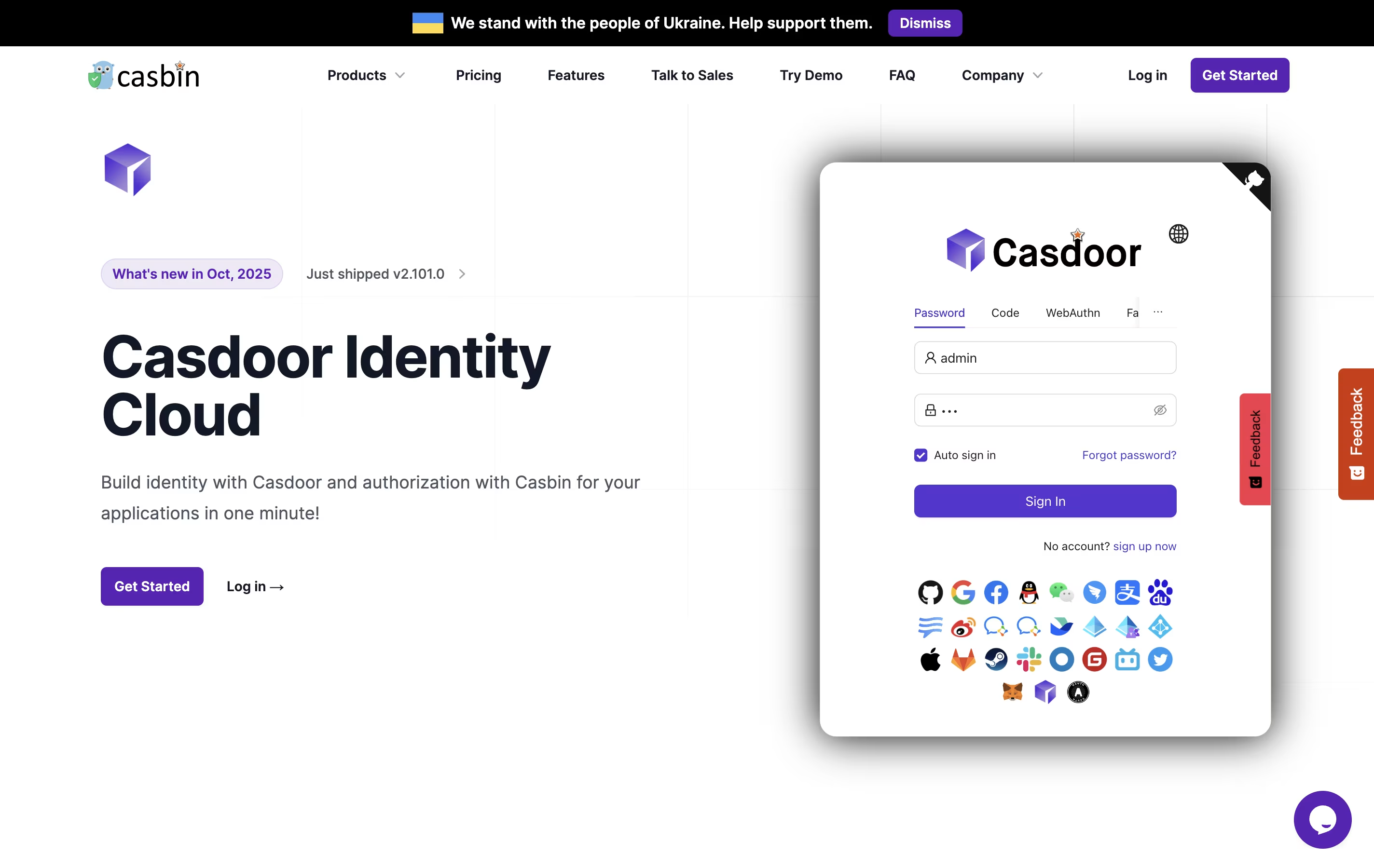
The platform includes a user-friendly admin panel where you can manage users, set up authentication methods, and control access permissions. It allows users to log in with passwords, social media accounts like Google and Facebook, or security keys. The system also supports advanced features like multi-factor authentication and biometric login.
You can use Casdoor as a cloud service or install it on your own servers. It works with multiple databases and integrates easily with existing systems through synchronization tools.

Descope is a platform that handles all authentication and user management tasks for your application. You can build complete login systems using visual workflows, or integrate directly through code using their SDKs and APIs.
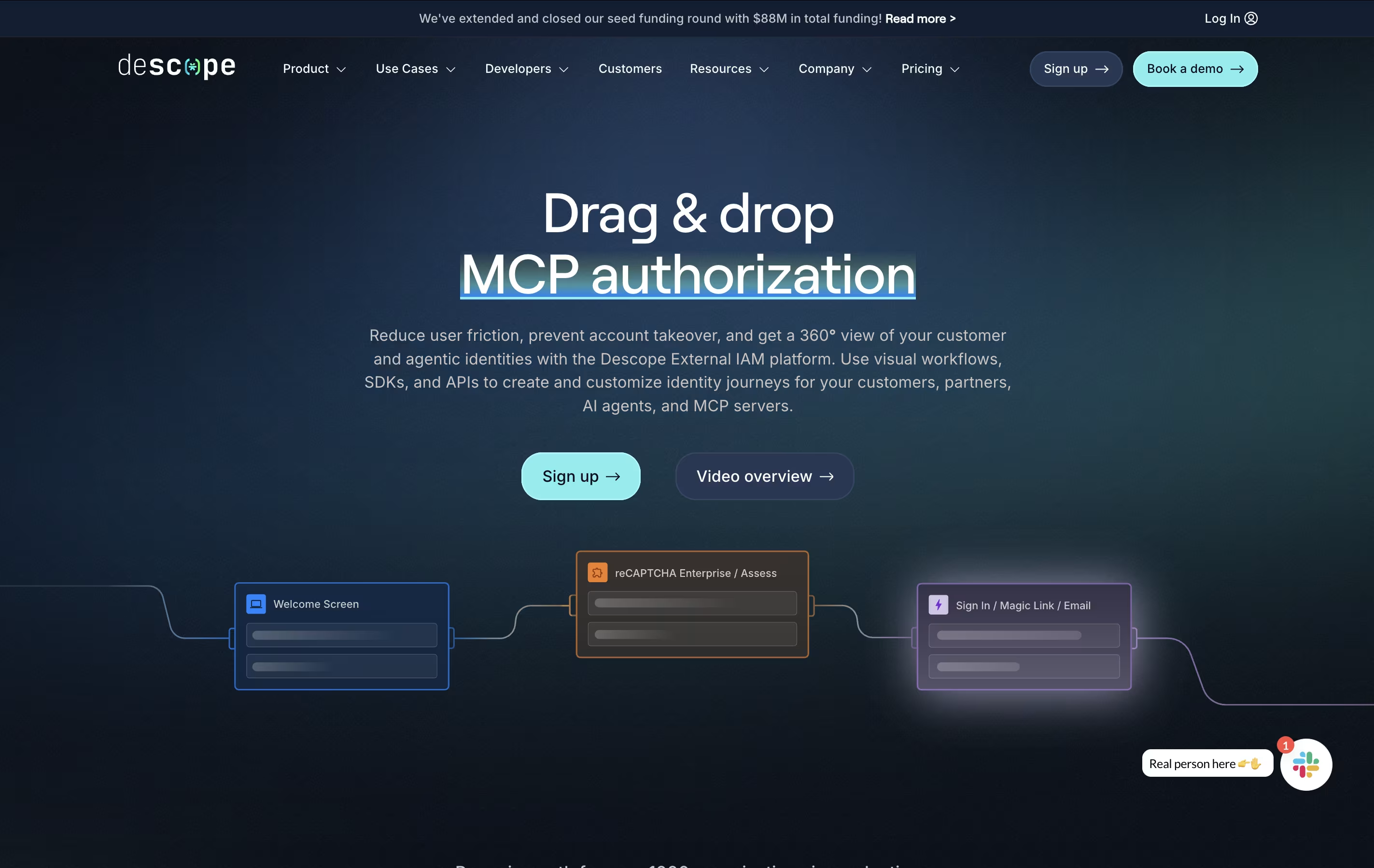
It supports many authentication methods: passwordless login through magic links, social logins like Google and Microsoft, multi-factor authentication, single sign-on for businesses, and traditional passwords. The platform also includes security features like bot protection and fraud prevention.
Descope works as a complete identity solution. It manages user sessions, handles permissions and roles, supports multiple tenants for business applications, and connects with other services through webhooks and APIs. There is a free version for small projects and paid plans with more features for growing companies.