

Best 9 Tools for Blog Post Writing in 2026
Last Updated: March 7, 2026
Publishing consistently is one of the hardest parts of running a content-driven website. Blog Post Writing tools help draft, structure, and polish long-form content, assisting anywhere from an initial draft to refining tone, structure, and SEO once the writing is mostly done.
This is a key tool for content marketers, bloggers, and businesses that depend on regular blog content to drive traffic and build authority, without sacrificing quality to keep up the pace.
 Ghost
Ghost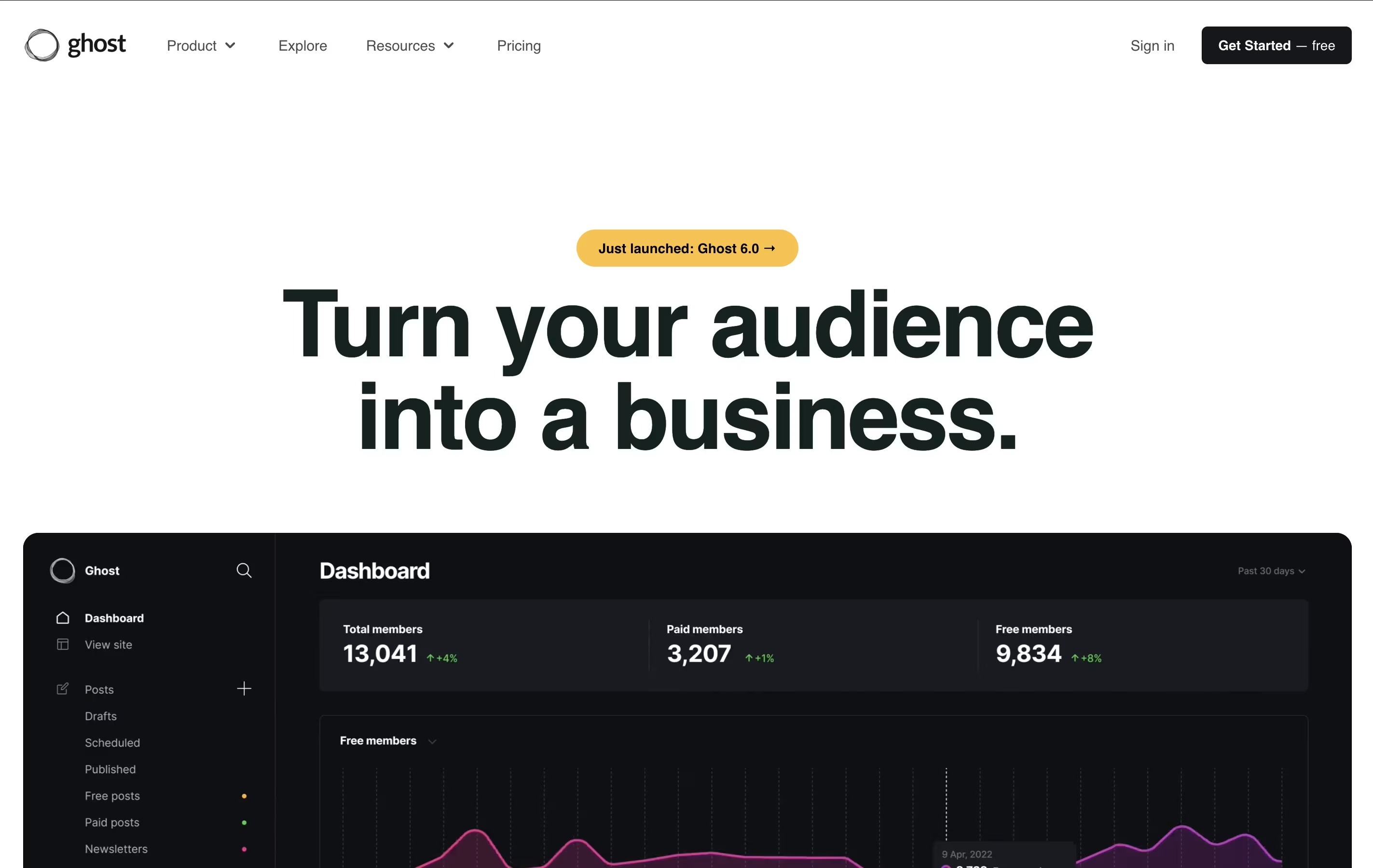 GhostOpen Source Publishing Platform for Blogs & Newsletters,
  Scalenut
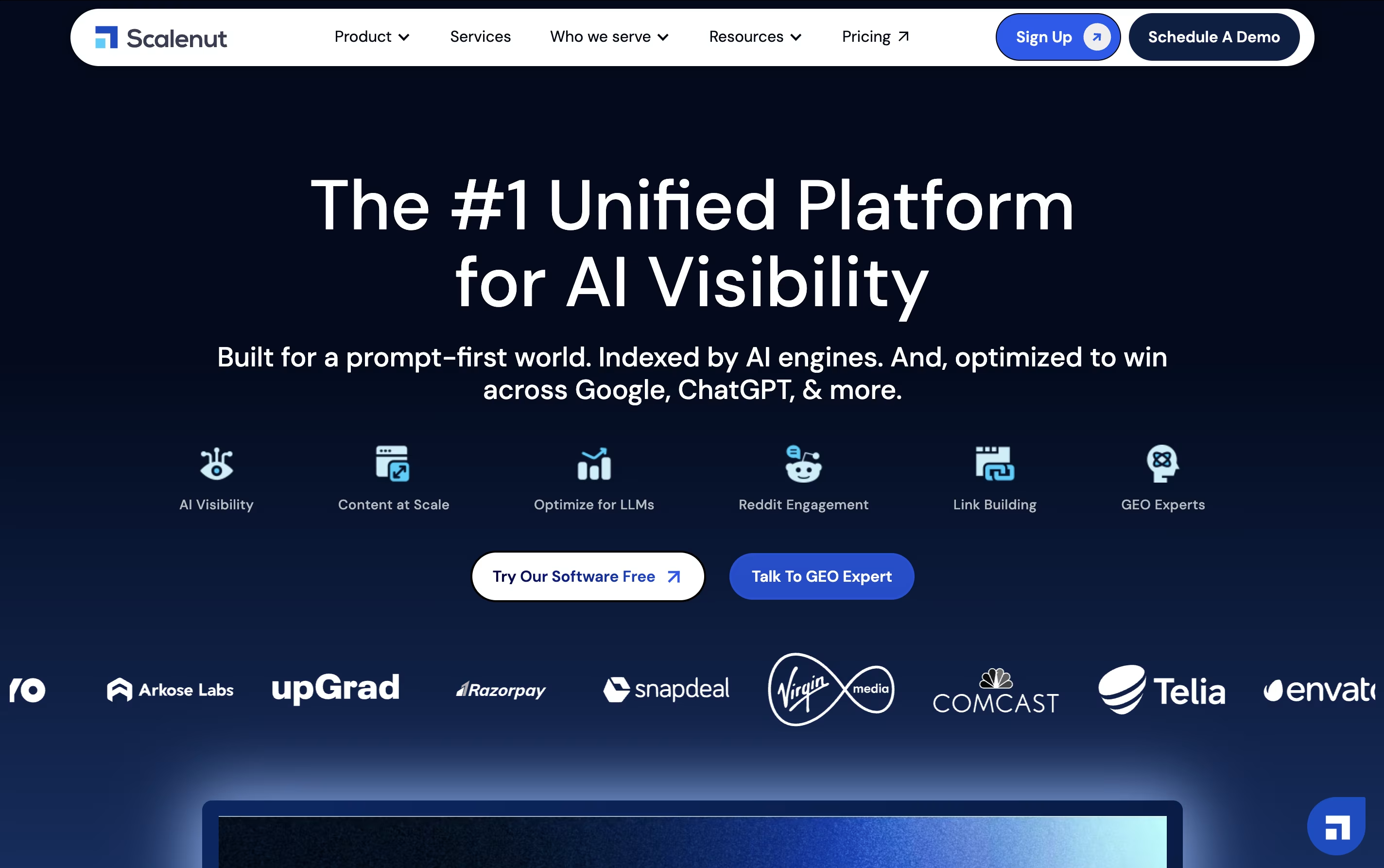 ScalenutAI-Powered SEO Platform for Content Creation and Optimization, and
  Substack
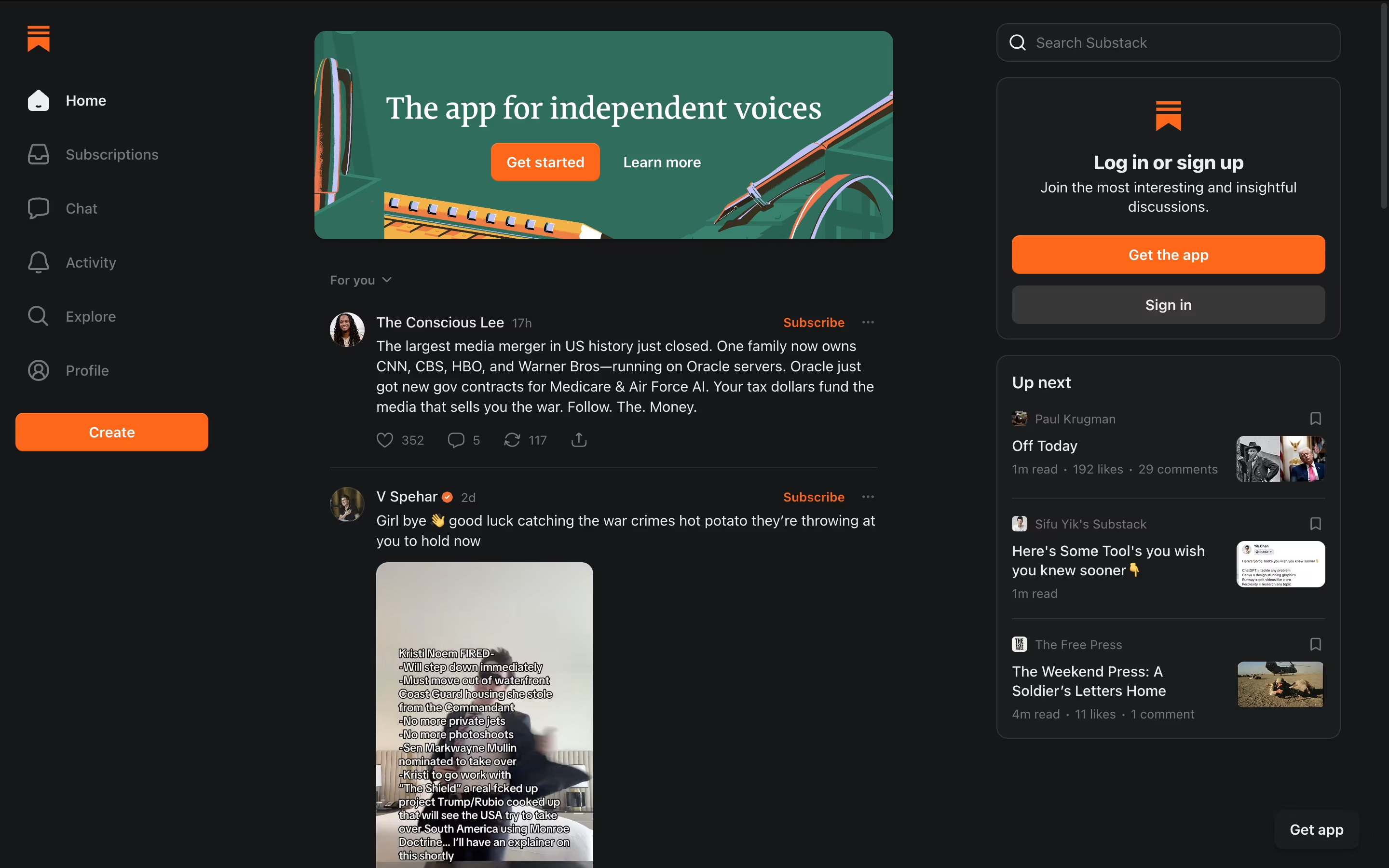 SubstackNewsletter Platform for Independent Writers are the best for Blog Post Writing. So, let’s take a closer look at all 9 tools.
Ghost is a publishing platform that helps you create professional websites and send newsletters. Unlike other systems that try to do everything, Ghost focuses on publishing content and building audiences.
You can write and publish articles using a clean editor that stays out of your way. The platform automatically sends your posts to email subscribers when you publish. You can offer free or paid memberships, with Ghost handling the payment processing through Stripe.
The software is open source and free to download. You can host it yourself on your own server, or use Ghost Pro, which is managed hosting where Ghost handles all technical work. Ghost Pro starts at $18 per month with automatic updates, backups, and support included.
Scalenut is an all-in-one AI-powered platform designed to simplify your entire content marketing workflow from start to finish. Think of it as your personal SEO assistant that never sleeps.
The platform uses advanced AI technology to help you discover the right keywords, create content that ranks well on Google, and optimize existing articles for better performance. Unlike basic writing tools, Scalenut focuses specifically on SEO, meaning every piece of content it helps you create is designed to attract more visitors from search engines.
Founded in 2020, Scalenut has quickly grown to serve businesses of all sizes, from solo entrepreneurs to large enterprises. The platform combines keyword research, content creation, optimization tools, and performance tracking all in one place, making it easier to manage your content strategy without jumping between different tools.
Substack is a publishing platform that helps writers create and send newsletters to their readers. Unlike traditional blogging sites, it puts email delivery at the center, ensuring your content reaches people directly in their inbox. You can write long articles, record podcasts, upload videos, or share short notes similar to social media posts.
The platform handles all the technical work like email sending, payment processing, and subscriber management. Writers own their email list and can export it anytime, which means you are not locked into the platform. Substack works on a simple business model: publishing is free, but if you charge for subscriptions, Substack takes a percentage of your earnings. This aligns their success with yours.

Beehiiv is a platform where you can write and send newsletters while also building a website for your content. It gives you one place to create, publish, and manage everything related to your newsletter business. The platform includes tools that help you understand your audience through clear data reports and analytics.

Unlike basic email tools, Beehiiv focuses specifically on newsletter creators. It has special features like referral programs that turn your readers into promoters, and an ad network that connects you with brands wanting to sponsor your content. You can also set up paid subscriptions where readers pay monthly to access special content. The free plan lets you start with up to 2,500 subscribers, making it easy to test the platform.

Hashnode is a free content creation platform where developers can start and manage blogs on their own domain. You get a powerful editor that supports both Markdown and visual editing modes, making it easy to write technical articles with code blocks, images, and embedded content. The platform handles all the technical details like hosting, SSL certificates, and CDN delivery automatically.
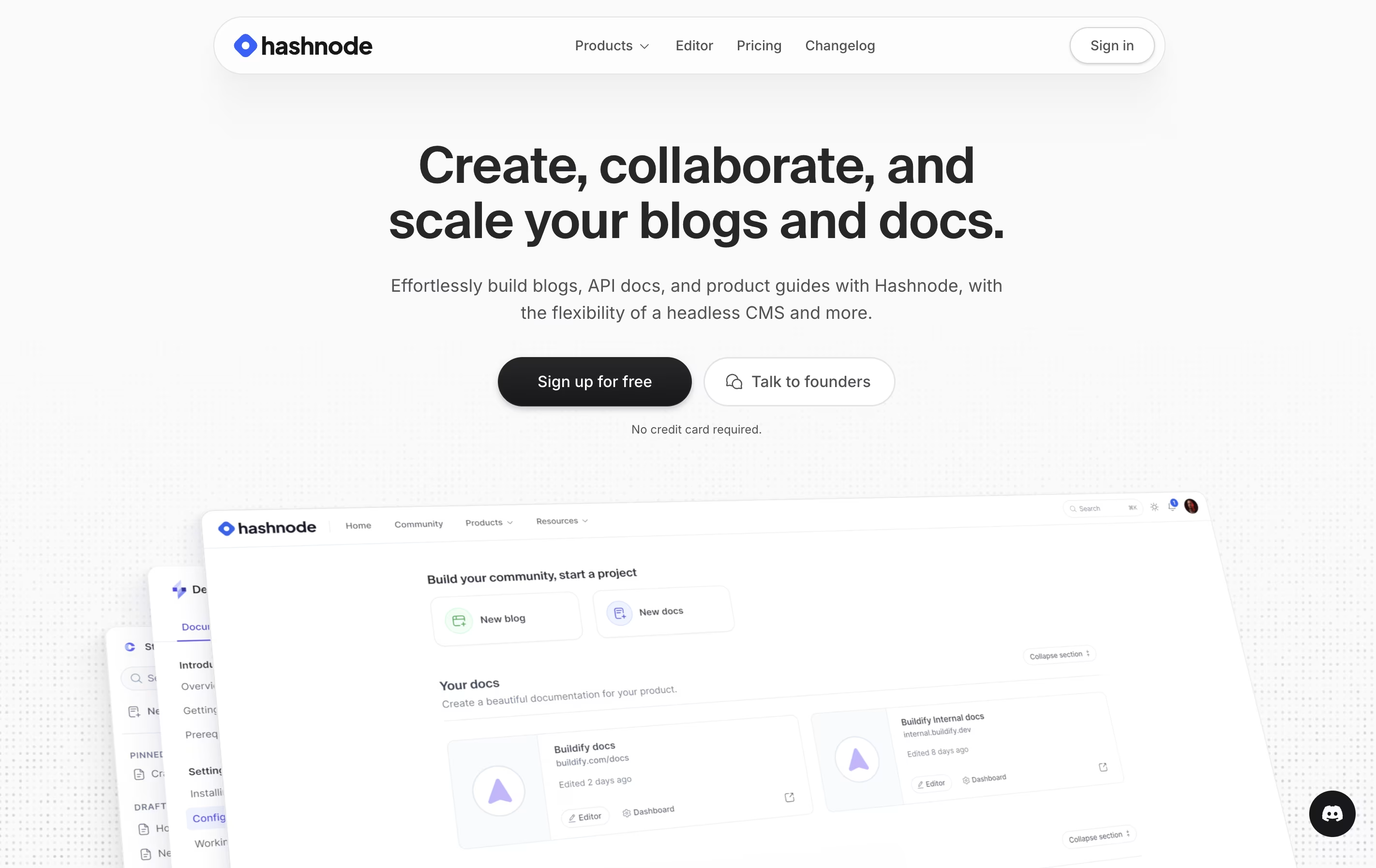
You can customize your blog appearance, connect it to your domain, or start with a free Hashnode subdomain. The platform includes AI-powered writing assistance to help with drafting, editing, and optimizing content. There are paid plans for teams that need collaboration features, advanced analytics, and priority support. Individual creators can use all essential features completely free.

Medium is a writing platform where people publish articles, essays, and stories on any topic. It works like a social network for readers and writers. Instead of needing your own blog or website, you can start writing on Medium immediately after signing up. The platform has a simple, clean look that puts the focus on the writing itself.
You can follow topics you like, save articles to read later, and interact with writers through comments and claps (similar to likes). Medium offers both free and paid memberships. Free users can read a limited number of stories each month, while paying members get unlimited access to all content.
The platform also lets writers earn money through the Partner Program based on how much readers engage with their work.

AirOps is a content workflow automation platform that combines artificial intelligence with human oversight to help teams scale their content operations. Instead of just being another AI writer, it acts as a complete content management system that can handle everything from research to publishing.
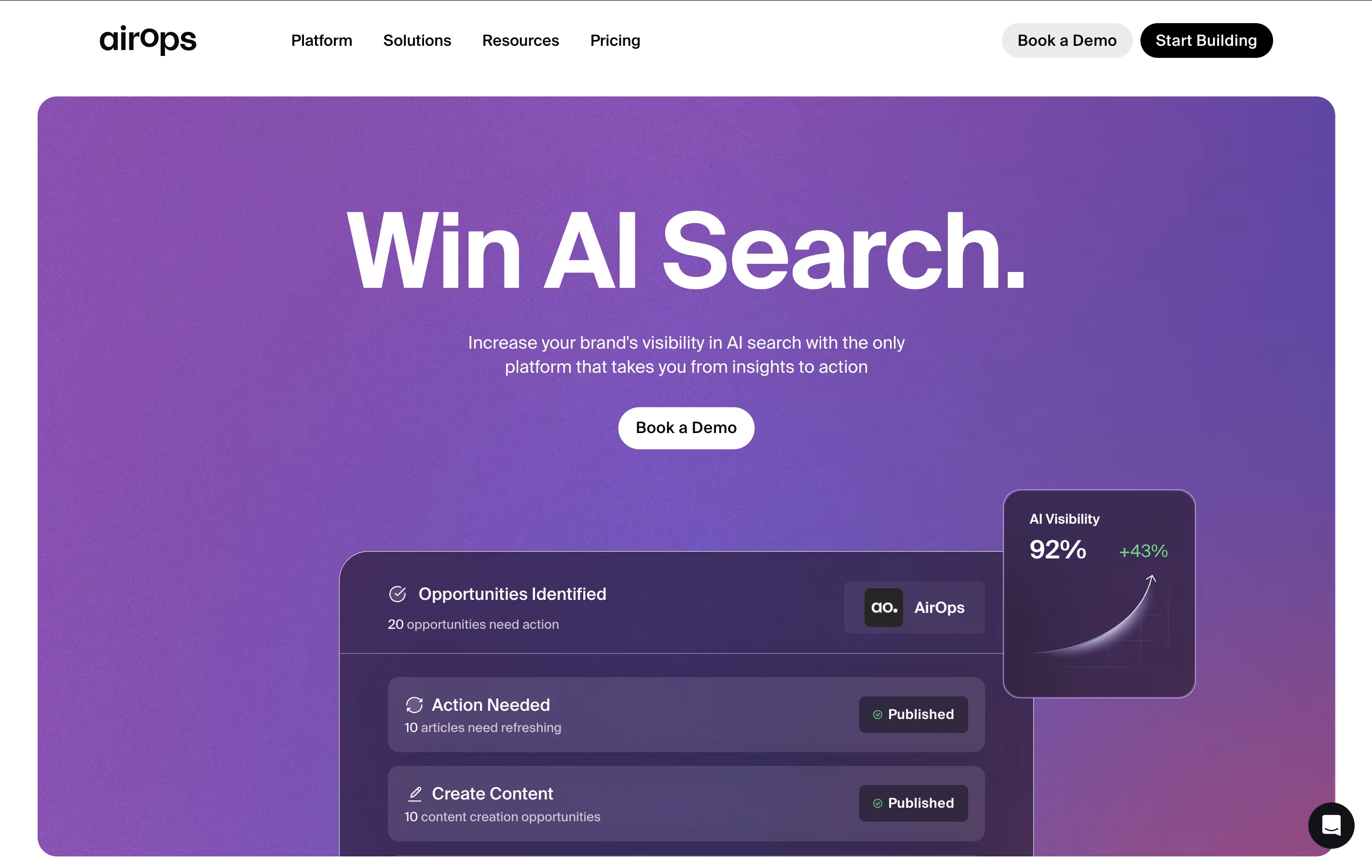
The platform uses a visual drag-and-drop interface where you build custom workflows for different content tasks. You can connect multiple AI models (like GPT-4, Claude, and Gemini), add human review checkpoints, and integrate with your existing tools like Semrush for SEO data and your CMS for direct publishing.
What makes AirOps special is its focus on brand consistency and quality control. You can create Brand Kits that ensure all AI-generated content matches your company's voice and style. The platform also includes features specifically designed for AI search optimization, helping your content appear in AI-powered search results.

Surfer SEO is a content intelligence platform designed to help you write articles that rank higher in Google search results. Think of it as your personal SEO coach that watches what your competitors are doing and gives you a step-by-step guide to beat them.

The tool works by analyzing the top-ranking pages for your target keyword and breaking down exactly what makes them successful. It looks at things like word count, keyword usage, headings, and content structure. Then it gives you real-time suggestions as you write, telling you which keywords to include, how many images to add, and even how long your article should be.
Founded in 2017 in Poland, Surfer has grown to serve over 150,000 customers worldwide. The platform uses machine learning and natural language processing to provide recommendations that are always based on current Google ranking factors, not outdated SEO practices.

Monica AI is a comprehensive AI assistant that integrates multiple advanced AI models including GPT-4o, Claude 3.7, Gemini 2.0, and DeepSeek R1. Instead of using different AI tools separately, Monica brings them all together in one platform.

It works as a browser extension for Chrome and Edge, plus mobile and desktop apps for all your devices. Monica can help you chat with AI, write and improve content, create images and videos, translate text, summarize web pages and documents, and even help with coding.
The tool is designed for anyone who wants to boost their productivity with AI. Whether you're a student, professional, content creator, or developer, Monica provides the AI assistance you need without switching between different platforms. It's like having multiple AI assistants combined into one smart helper.