

Best 12+ Tools for Website Creation in 2026
Last Updated: August 27, 2026
Building a website from scratch used to require writing code by hand or hiring a developer for even simple pages. Website Creation tools use templates and drag-and-drop builders to let anyone put together a functional, good-looking website.
Small business owners and freelancers use website builders to launch an online presence quickly, without needing development skills.
 Framer
 FramerAI-Native Website Builder & Design Tool,
  Webflow
 WebflowVisual Website Builder & CMS Platform, and
  WordPress
 WordPressBuild Any Website With Ease Today are the best for Website Creation. So, let’s take a closer look at all 12+ tools.

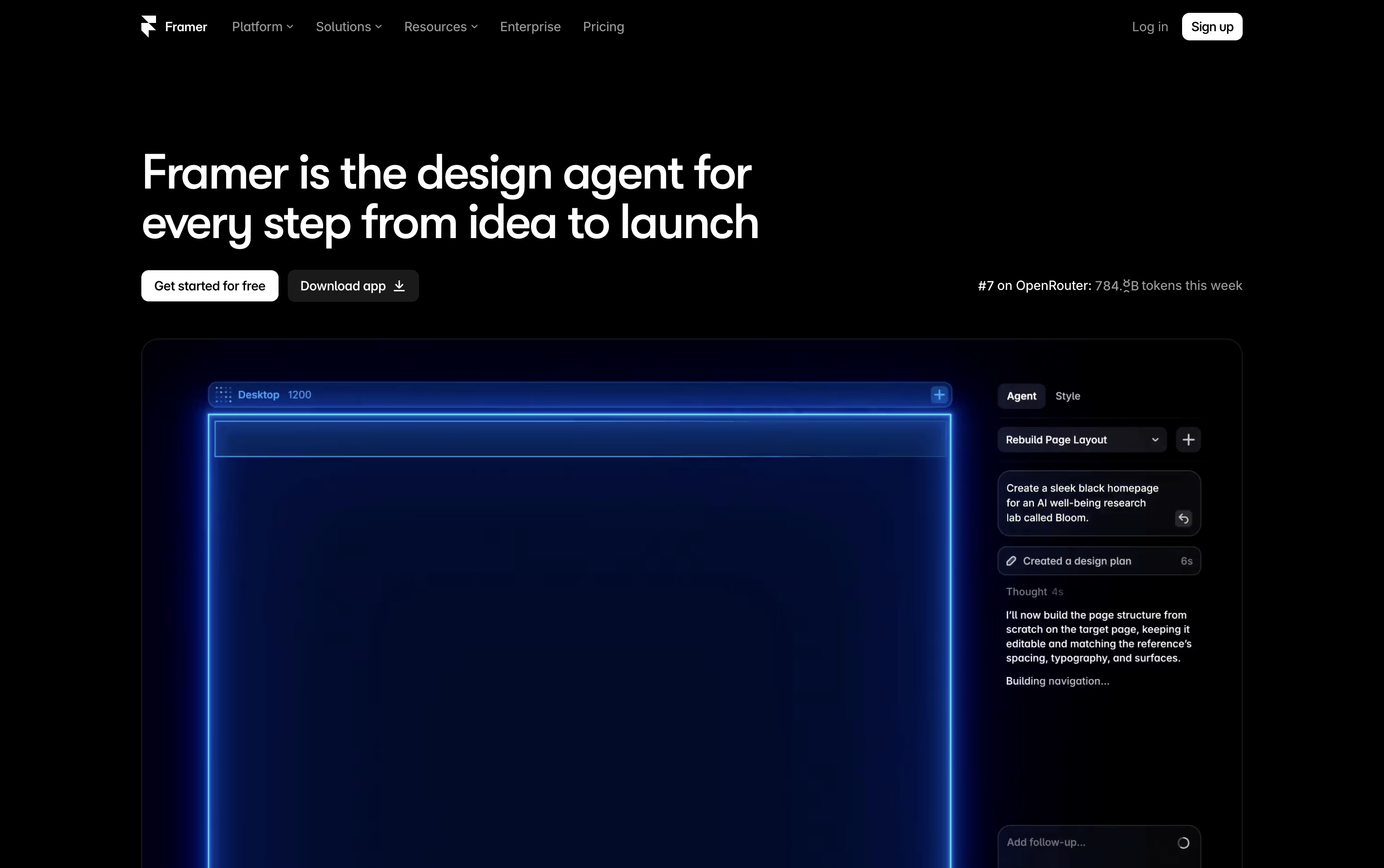
Building a site in Framer means designing and publishing in the same place, since the canvas you work on is the live website itself.
Instead of starting from a blank screen, you can describe what you want and AI agents will draft the layout, write the text, set up your content collections, and flag SEO or accessibility issues.
Under the hood you get stacks, grids, and components for building responsive pages, plus smooth motion and effects for a polished feel.
The free plan lets you explore Framer with 500 credits. Basic starts at $15 a month for creative personal sites, while Pro at $45 a month adds branching, staging, and a bigger CMS for growing teams. Paying yearly brings these down to $10 and $30 a month.
Larger organizations can move to Enterprise for custom limits, unlimited seats, and enterprise security like SSO and SCIM.
Every plan includes managed hosting, SSL, and strong performance out of the box.
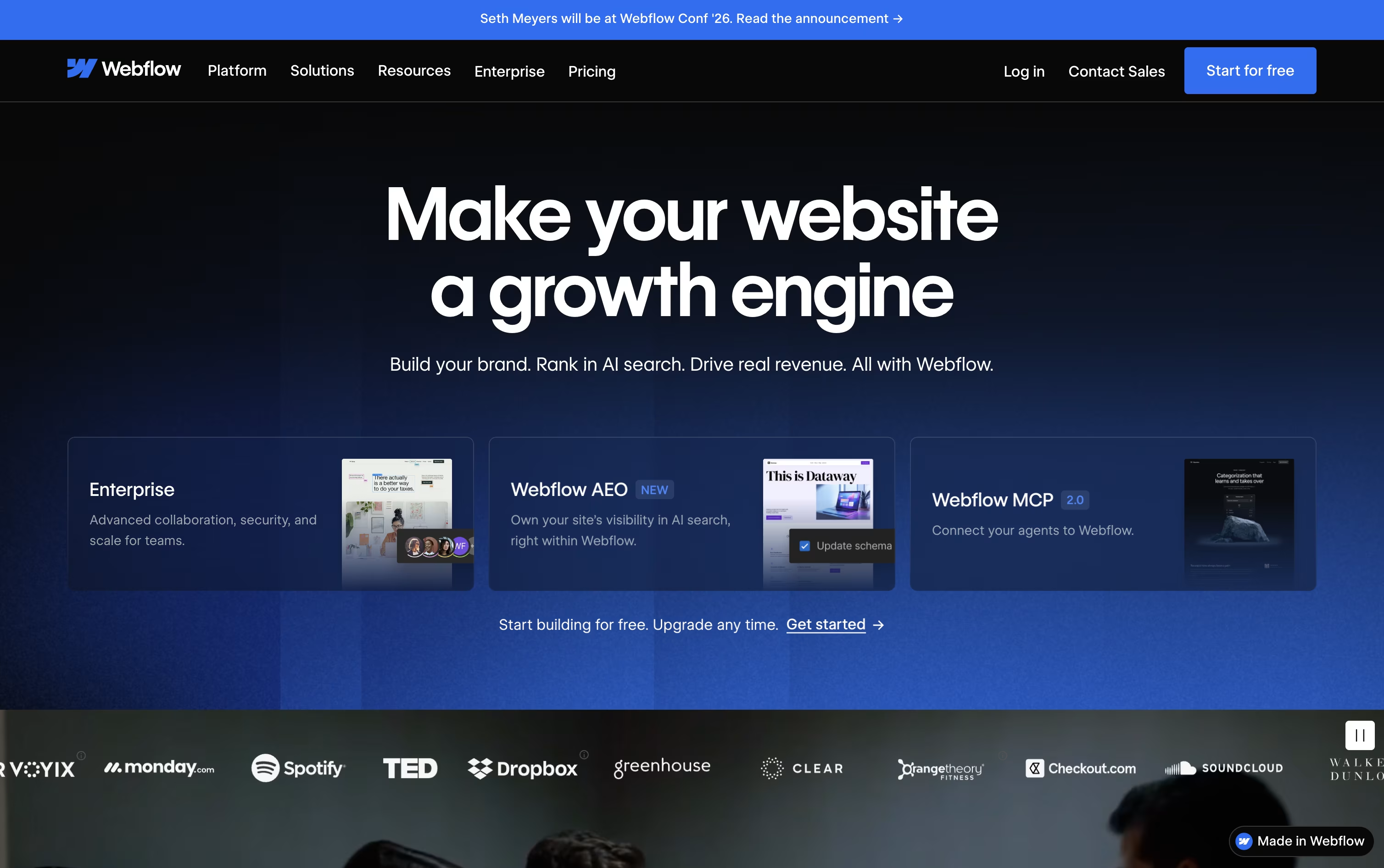
Instead of handing a design to a developer, Webflow lets you build the finished, working website yourself on a visual canvas that outputs clean HTML, CSS, and JavaScript.
A built-in CMS handles blogs and other repeating content, and ecommerce tools let you sell products without a separate platform, all hosted on Webflow's own fast, secure servers.
You can start for free on the Starter plan, then move to Basic at $25 a month or Premium at $39 a month once you need a custom domain, a CMS, or more bandwidth. Yearly billing lowers both prices.
Bigger organizations can choose the Team plan at $2,500 a month, billed annually, which adds governance, publishing controls, and localization tools, while Enterprise buyers get a custom quote and dedicated support.
Optional add-ons for testing, analytics, and translation, along with separate ecommerce and Workspace plans, mean you only pay for what your project needs.
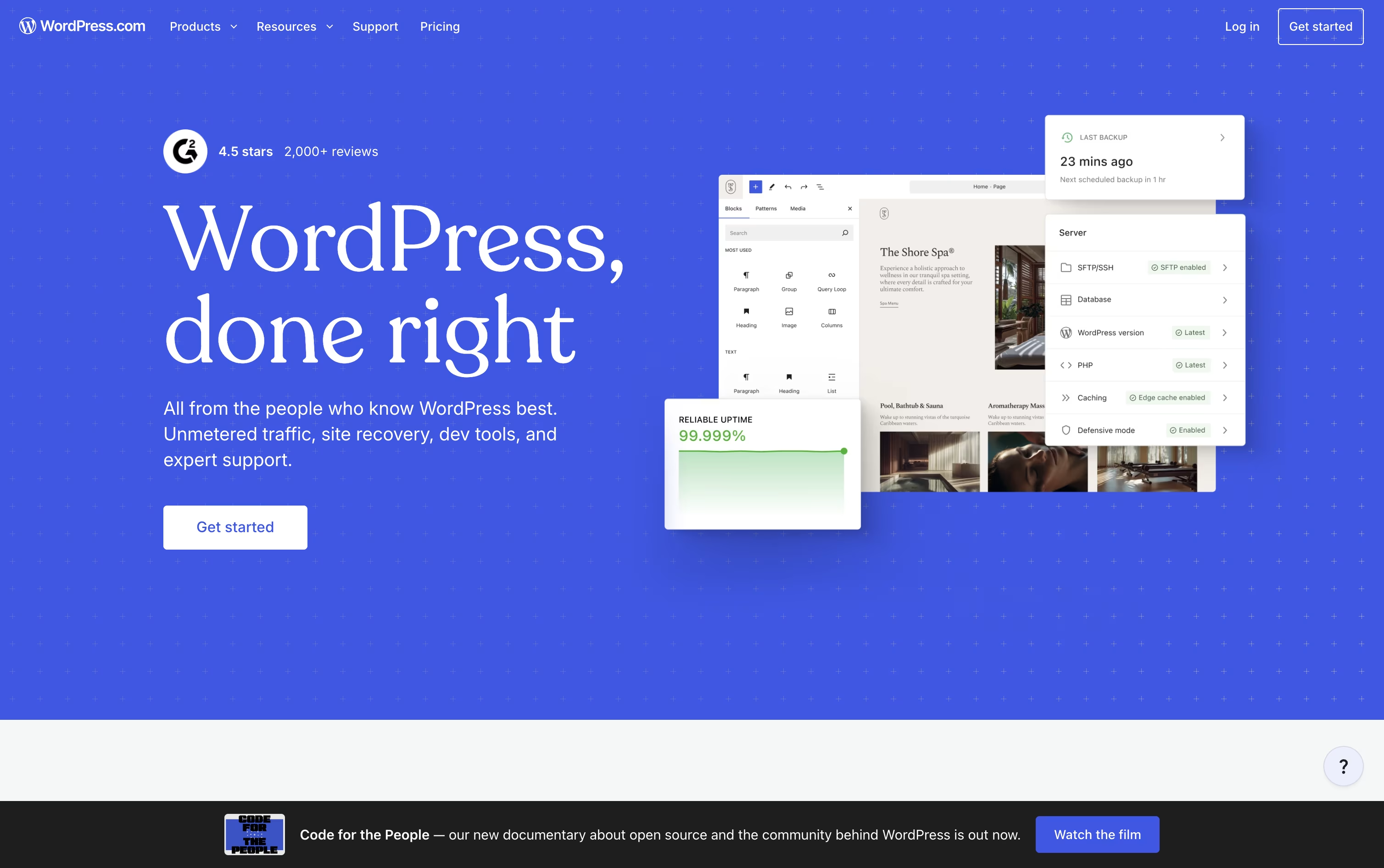
Automattic runs WordPress.com as a managed version of the open source WordPress software, taking care of hosting, security, and updates so you can focus on your content instead of server maintenance.
Getting started is simple: sign up for free, choose a theme, or let the AI Website Builder put together a site for you based on a short description. From there the Block Editor gives you a visual way to add pages, media, and forms.
Pricing starts at $0 for the Free plan with 1 GB of storage, then climbs through Personal at $9 a month, Premium at $18, Business at $40, and Commerce at $70, with yearly billing offering a lower rate.
As you move up the plans you gain premium themes, custom fonts and CSS, real-time backups, staging environments, and developer tools like WP-CLI and SFTP access.
The Commerce plan is built for online stores, adding full WooCommerce features and dropping the standard transaction fee to zero, while Enterprise offers custom pricing for large organizations.

Running a store often means juggling a website, a payment system, and separate tools for shipping and marketing. Shopify combines all of this into one platform, so you can set up a store, list products, and start accepting payments without stitching different services together.
Selling is not limited to your own website. Shopify connects to social media, marketplaces, physical locations through Point of Sale, and newer AI chat experiences, so shoppers can find and buy your products in more places.
The Basic plan costs $25 a month and works well for someone just starting out, while Grow at $65 and Advanced at $399 add more staff seats, lower transaction fees, and stronger API access as a business scales.
Larger companies with complex needs can move to Shopify Plus, which starts from $2,300 a month and unlocks unlimited staff accounts, full checkout customization, and priority support.
Sidekick, the built-in AI assistant, is included on every plan and can help with tasks like writing product descriptions or building automated workflows.
New merchants can try Shopify free for 3 days before paying, and depending on the plan, can earn up to $10,000 in credits.

Squarespace combines website building, hosting, and business tools into one platform, aimed at creatives, freelancers, and small businesses who want a professional site without hiring a developer.
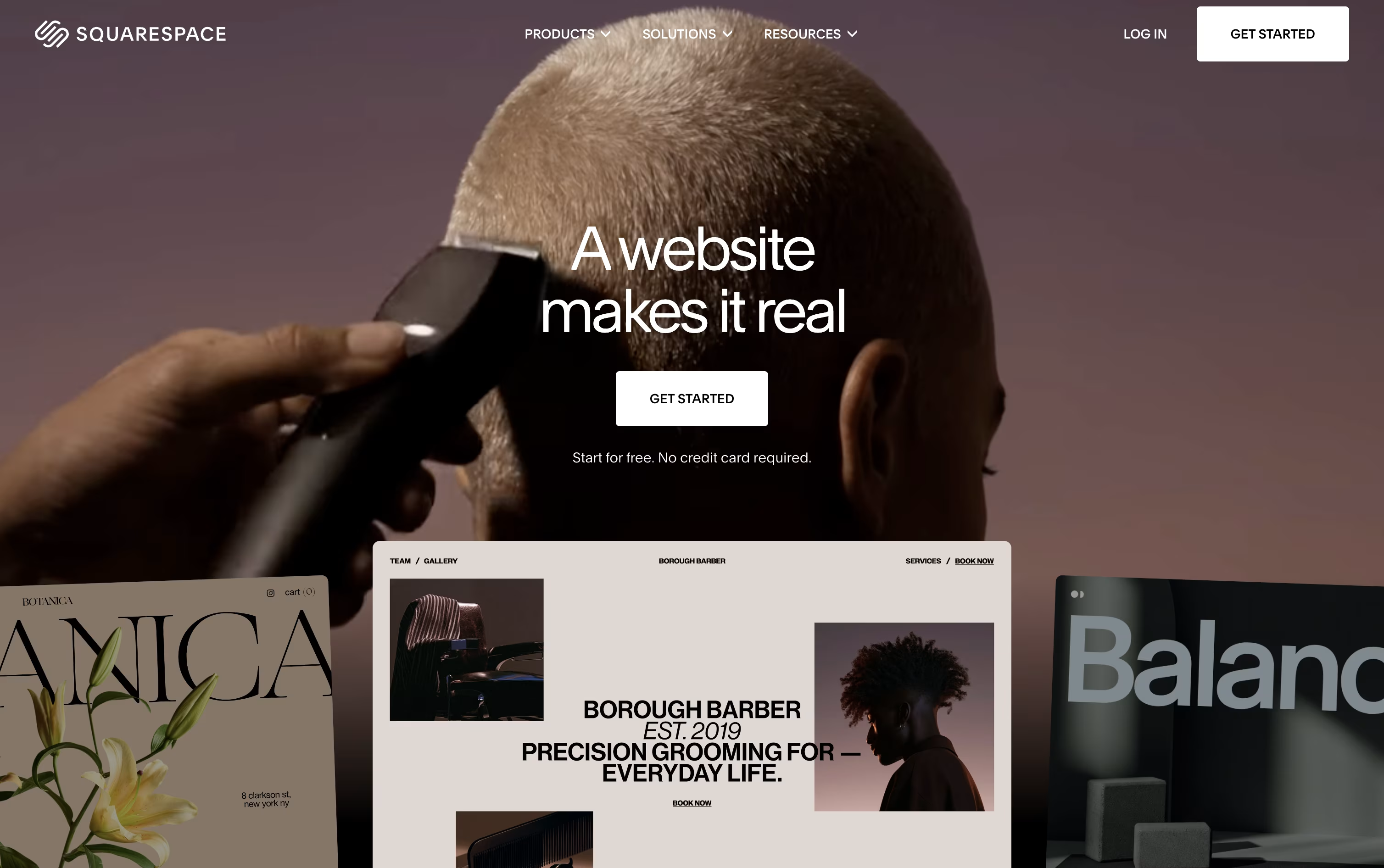
You can start from a designer template or use Blueprint AI to generate a complete site, then adjust it with the Fluid Engine editor, which allows free drag and drop placement of text, images, and products on both desktop and mobile layouts.
Beyond design, the platform includes online selling, appointment booking through Acuity, email campaigns, blogging, memberships, and built in analytics, cutting down the need for separate software.
The Basic plan starts at $12 a month billed yearly and covers a solid website with basic selling. Core, at $17 a month, is the recommended step up because it drops the online store transaction fee to zero and unlocks custom code and deeper marketing tools.
Advanced, at $25 a month, offers the lowest fees overall, unlimited video hosting, and the highest AI usage limits.
Businesses with bigger needs can request a custom Premium plan that adds a dedicated account manager and stronger security, and every plan can be tried free for 14 days.

Wix lets anyone build a professional website and run a business from one dashboard, without needing to write code.
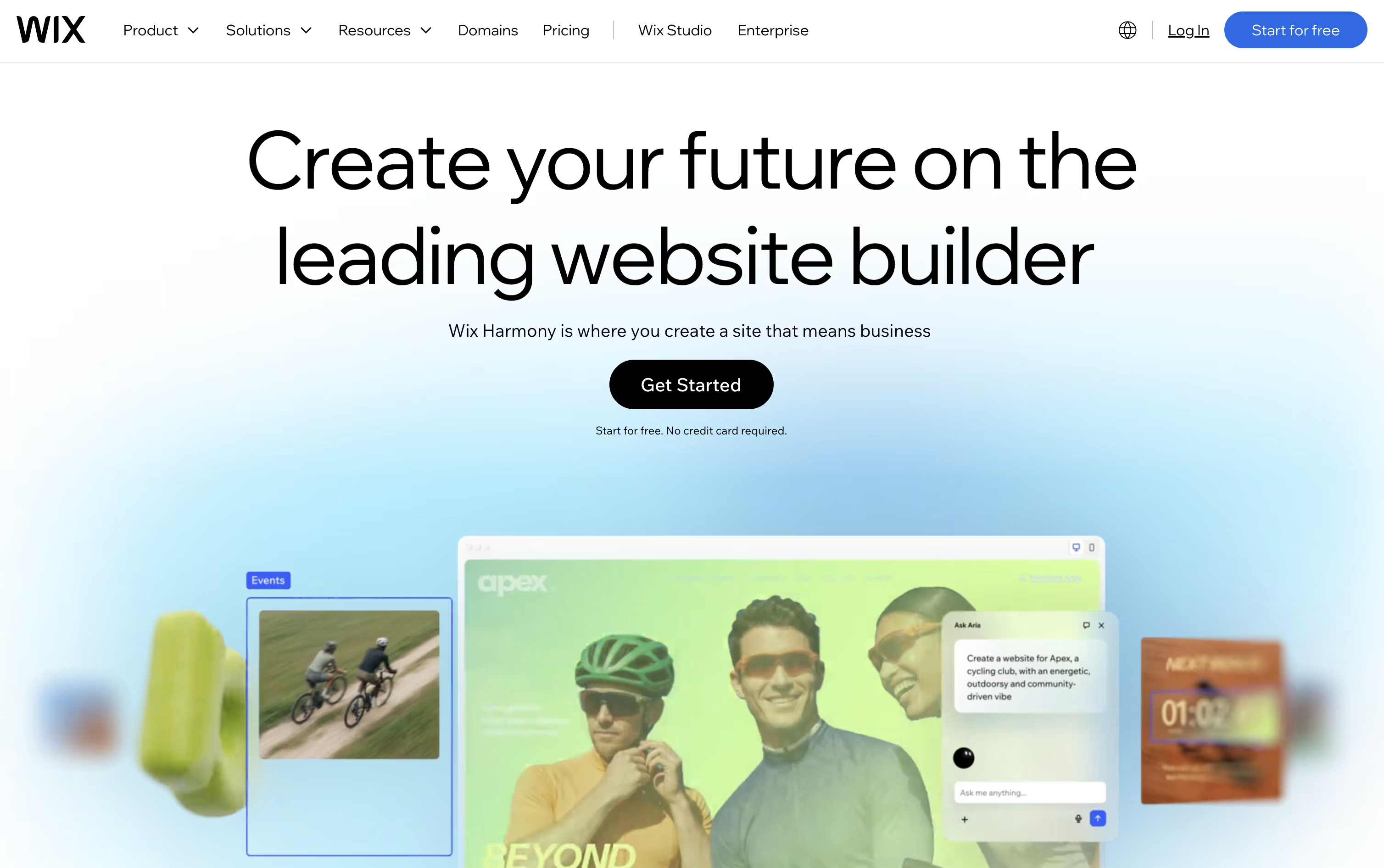
The fastest way to start is Wix Harmony, where you describe your goals in plain language and the Aria AI agent builds a complete site with layout, copy, and visuals that you can then refine by hand.
Once your site is live, built in tools cover online selling, appointment booking, event ticketing, and marketing campaigns, so you rarely need outside apps.
The Free plan costs nothing to start, while paid plans run from Light at $17 a month up to Business Elite at $159 a month, each unlocking more storage, collaborators, and advanced business features.
Agencies and developers can move up to Wix Studio for responsive design control, or use Velo and Wix Headless to build custom functionality on top of the platform.
This mix of easy AI creation and deeper technical tools is what makes Wix useful for beginners and professionals alike.

Building a website or app usually means choosing between a simple no-code tool or a fully custom codebase. Plasmic tries to close that gap by giving you a visual canvas that produces real React code your developers can use.
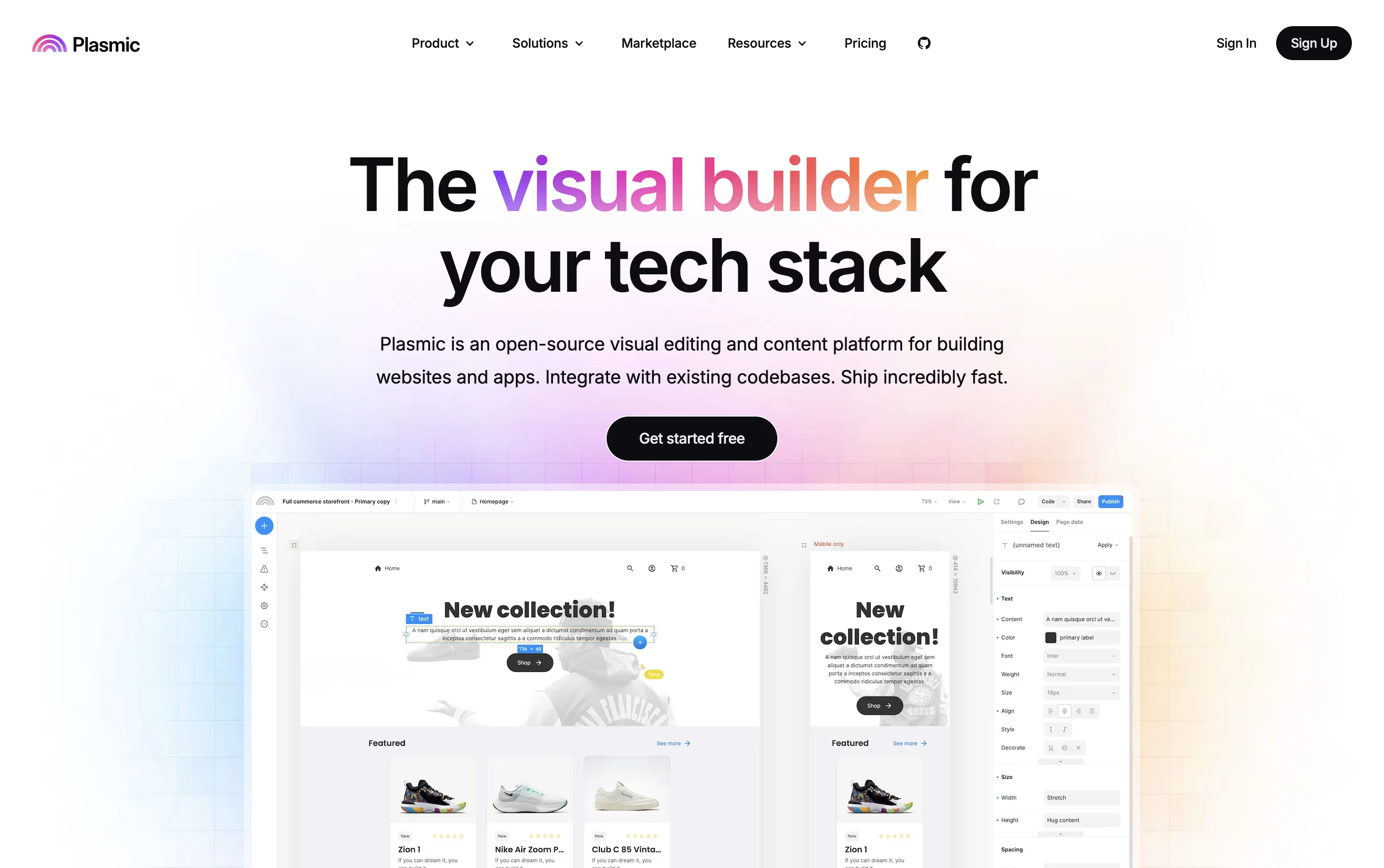
Non-technical teammates can design pages using the actual components your engineers built, all within guardrails that keep things consistent.
A built in headless CMS lets you manage content, while data integrations connect Plasmic to databases, ecommerce platforms, and other CMSs you already use.
Getting started costs nothing, with the free plan offering unlimited projects and CMS entries for up to 3 people.
As teams grow, the Starter, Pro, and Scale plans add more collaborators, priority support, A/B testing, and localization, ranging from $49 to $499 a month.
Larger organizations can move to Enterprise for custom pricing with SSO, white labeling, and dedicated onboarding support.
Instead of picking a template and filling in blanks, B12 asks you to describe your business in plain words, then builds the whole site from that description in a few minutes.
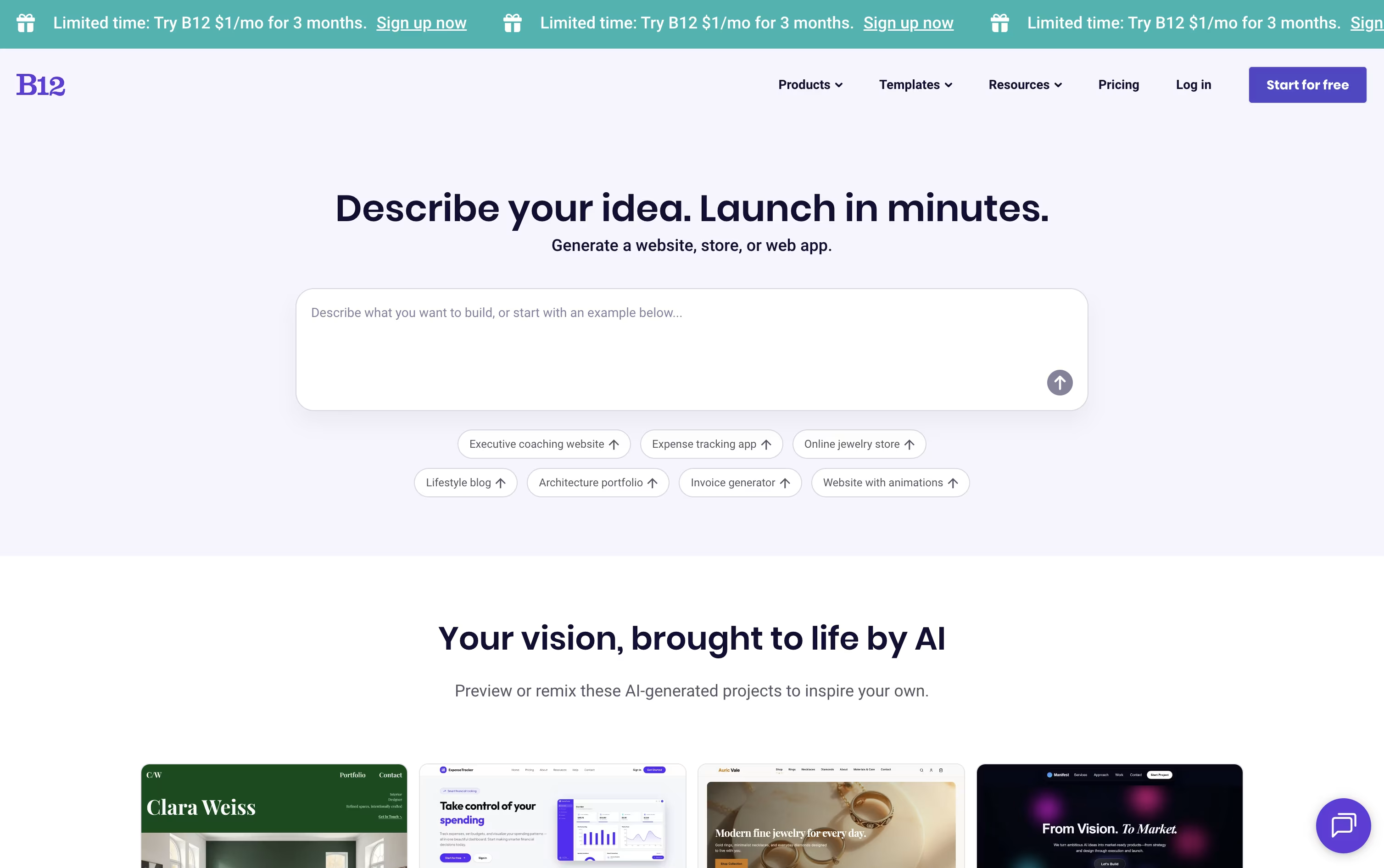
You can keep shaping the result by chatting with the AI Agent, clicking directly on page elements with Visual Edit, or opening the code when you need exact control.
Getting started costs nothing on the Free plan, which gives you a B12 subdomain and a small daily allowance of AI credits.
Moving up to the Website plan at $49 a month brings a custom domain, more credits, and analytics, and the Website plus Client Engagement plan at $78 a month adds invoicing, payments, email marketing, and a contact manager.
Businesses that prefer expert help can choose Professional at $199 a month or Advanced at $399 a month, where B12's own team builds and maintains the site, with Advanced adding extra seats and priority support.
Paying yearly instead of monthly lowers each plan's price by roughly 15 percent.

Hostinger Website Builder lets you create a full website without any coding skills, using either AI or a template. You simply describe your business and goals, and the AI Website Generator builds a complete site with layout, text, and images ready to go.
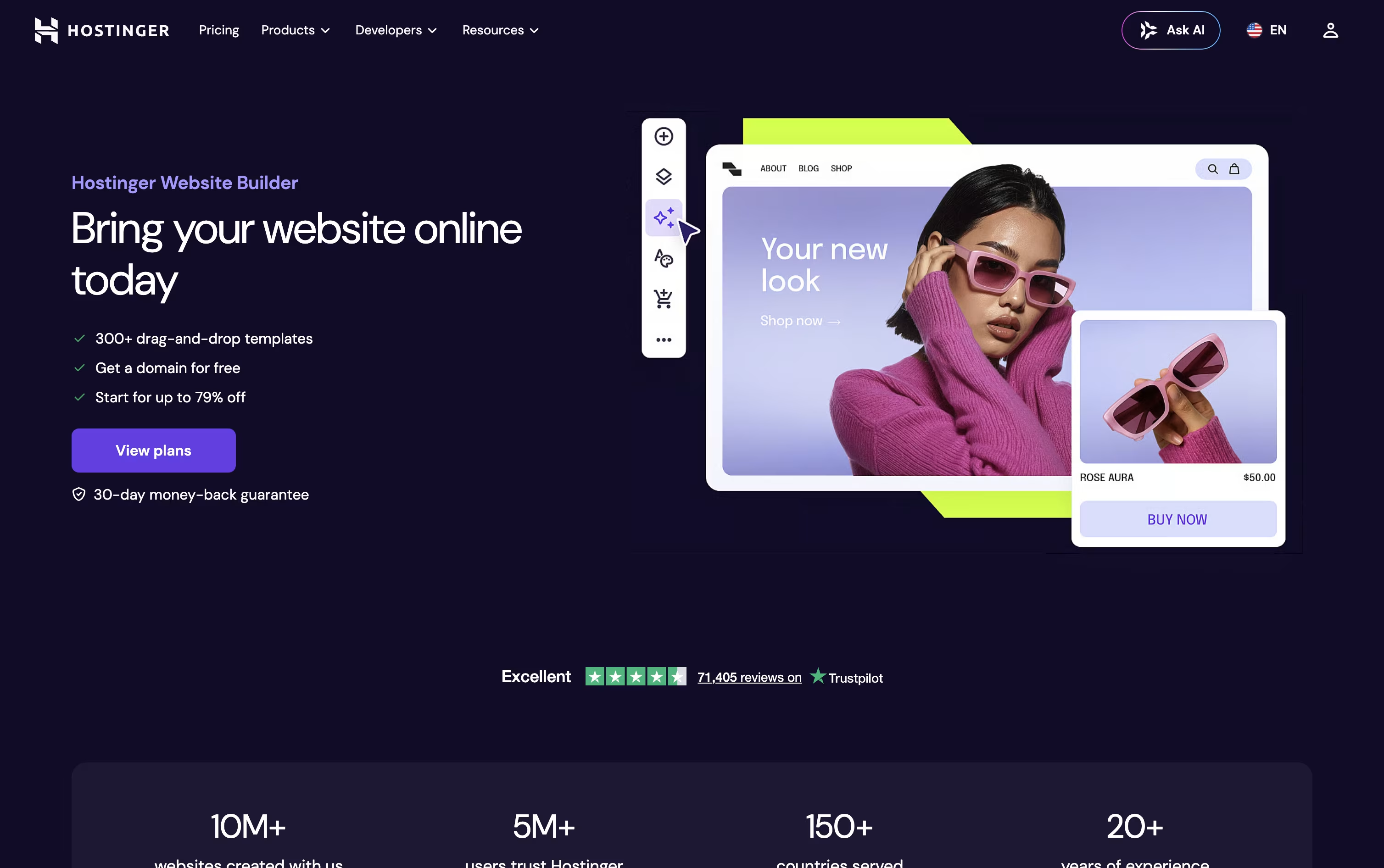
If you prefer more control, you can start with one of over 300 designer made templates and adjust it in the drag and drop editor, with separate views for desktop and mobile.
Along the way, AI tools help you write content, generate blog posts, create images and logos, and improve your SEO, while Kodee can assist with setup and everyday tasks.
The plans are priced simply. Premium starts at $2.99 a month for 3 sites, Business is $3.79 a month with online store features for up to 50 sites, and Unlimited is $4.99 a month with unlimited sites, full AI access, and no transaction fees.
Every plan comes with a free domain for the first year and free SSL included.

Rather than targeting a single personal website, Duda is aimed at agencies, freelancers, and platforms that need to launch and manage many client sites without extra headcount.
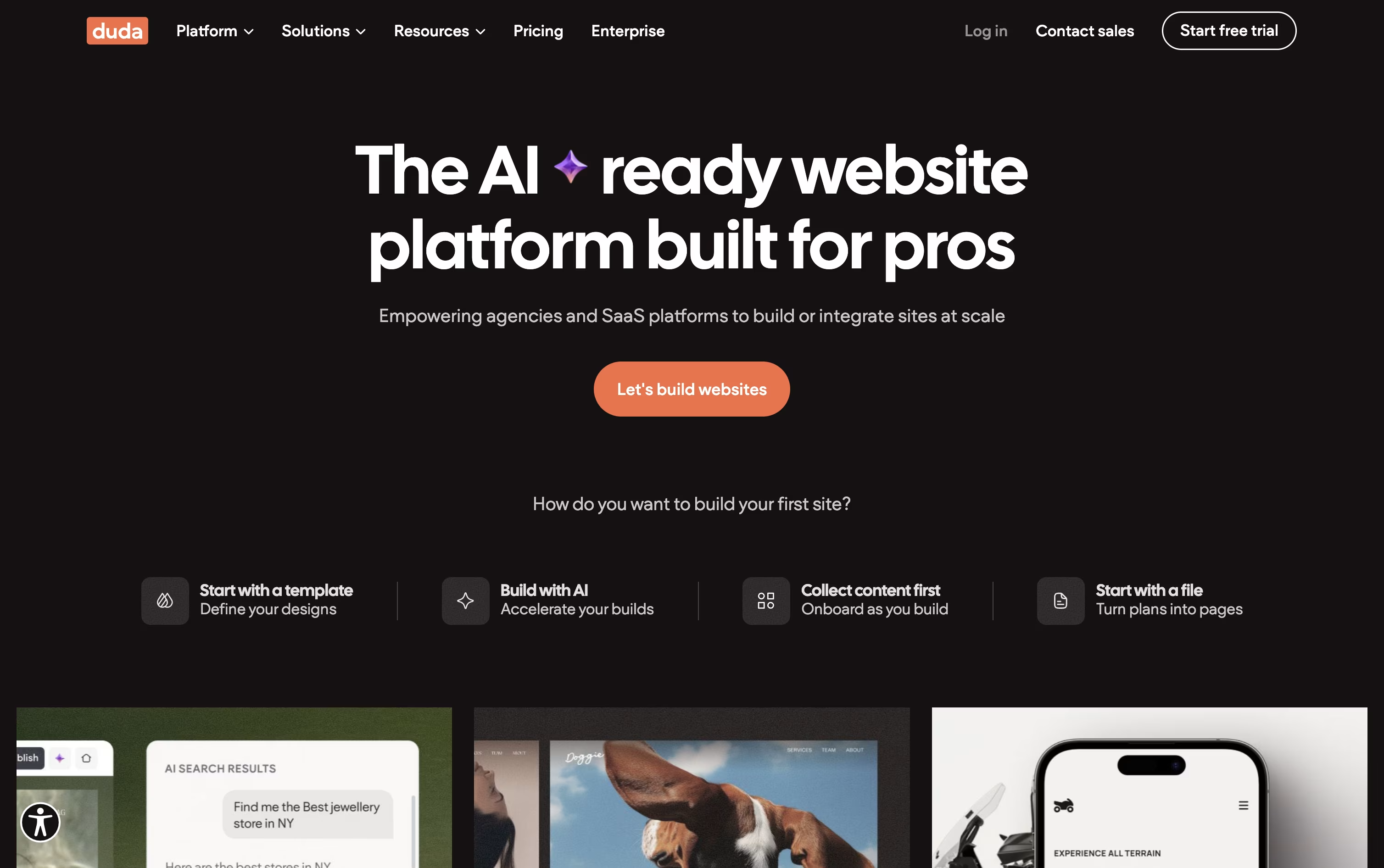
Its AI Stack, led by a conversational Copilot assistant, can draft entire sites, write content, build page sections, and handle SEO work from plain instructions.
Sites are hosted on AWS with strong performance, and built-in AEO tools such as automatic schema markup and AI visibility tracking help pages show up in tools like ChatGPT and Perplexity, not just classic search.
The Basic plan starts at $25 a month with one project, while Team at $39 a month opens up seats, unlimited clients, and role based permissions.
Agency, the most popular option at $69 a month, includes four projects and standard MCP access, and White Label at $199 a month unlocks full white label branding and a custom domain.
Larger organizations can request a Custom plan with advanced security, a dedicated account team, and tailored API access, and every plan opens with a 14 day free trial.

Instead of designing a site from scratch, Readdy builds it for you from a short description, a picture, or a link to a site you admire. It fills in the layout, wording, and images, and picking from 500 plus templates works just as well if you prefer a starting point.
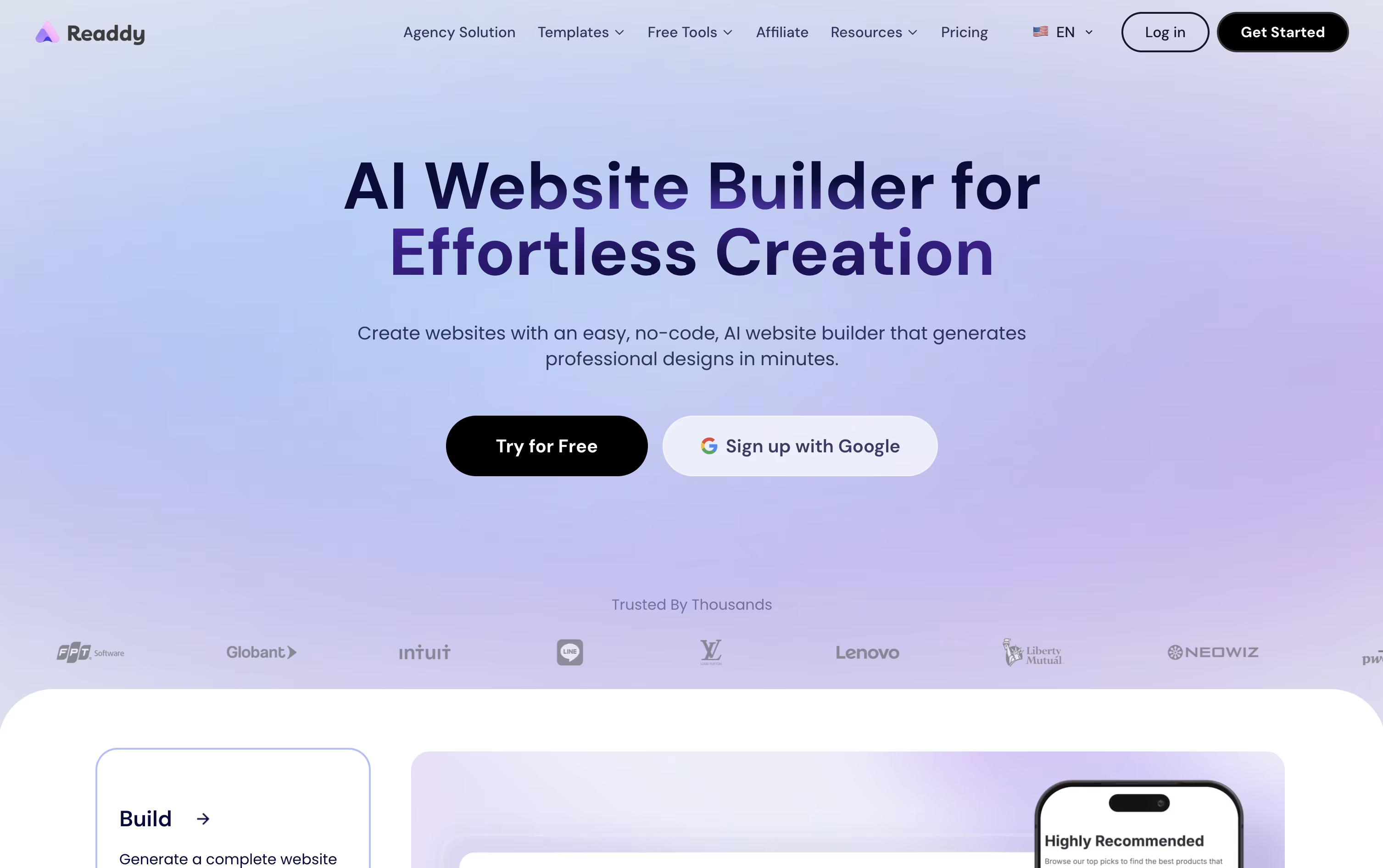
Making changes afterward is straightforward. Click on any piece of the page to edit it directly, or simply type out what you want changed and Readdy applies it. Forms, user logins, and databases come built in through the Readdy Backend, so there is no separate setup needed to collect leads or manage accounts.
A code editor is available for anyone who wants to look under the hood, showing the React, Tailwind, and TypeScript files that make up the site, and the whole project can be exported as a zip file whenever you like.
Pricing starts free with 250 credits a month, then moves to Starter at $25, Pro at $40, Agency at $120, and Agency Pro at $199 monthly, each adding more sites, storage, and features. Paying yearly can lower these prices by up to 60 percent, and an Ultimate plan covers teams that need unlimited everything.

Instead of building a prototype by hand, Figma Make lets you type a prompt and get back a working, clickable app or interactive screen in moments. You can start from scratch or feed it an existing Figma design, image, or file for extra context.
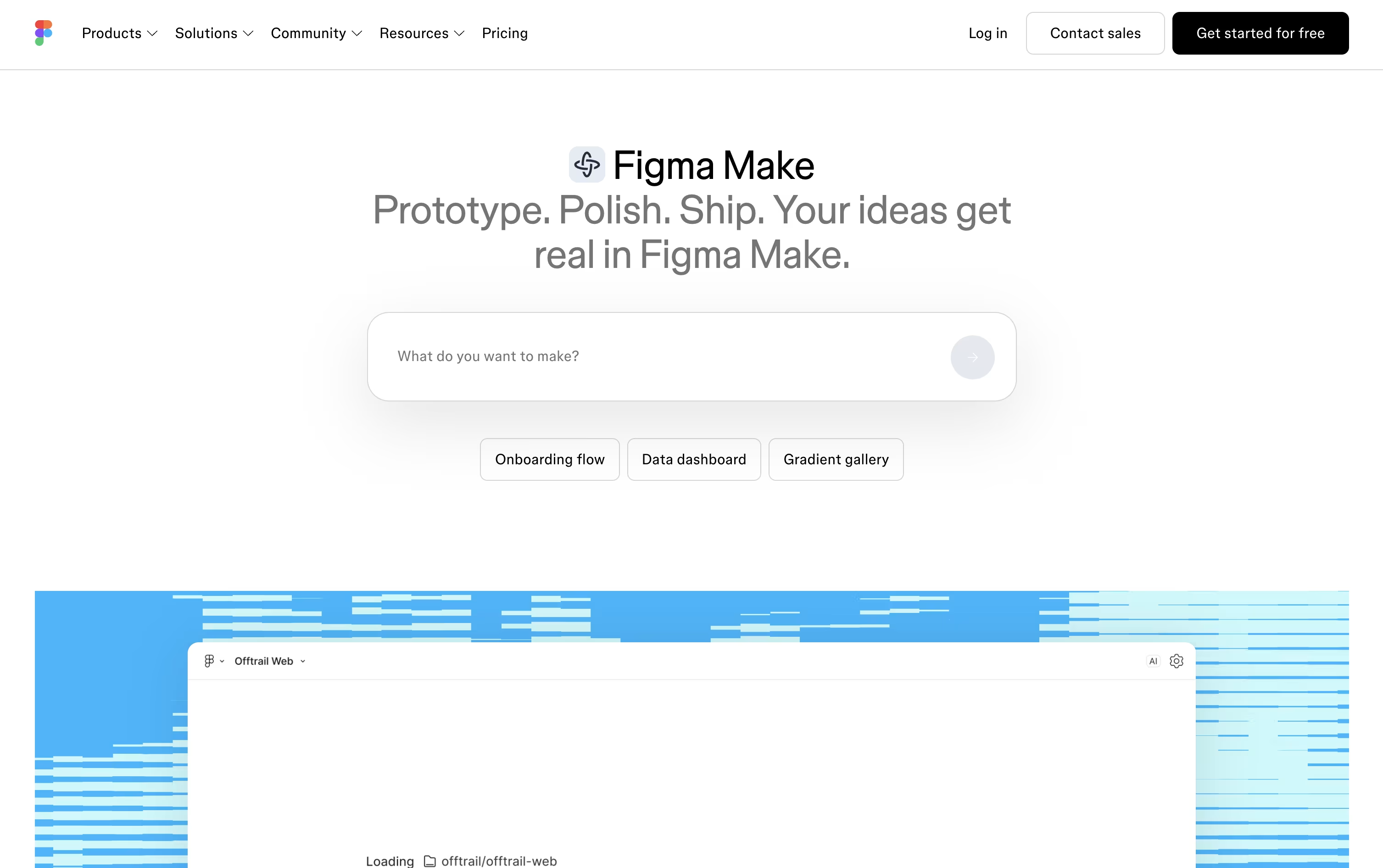
Once the first version appears, refining it is simple: keep the conversation going with follow up prompts, click on any part of the preview to tweak its style directly, or dive into the code editor for changes that need more precision. Complex projects can use plan mode, which lays out the build as a step by step plan first.
Teams stay consistent using Make kits, which package up brand styles and components, and can ground their prototypes in real data through MCP connectors to apps like Notion, GitHub, and Slack.
There is no separate price tag for Figma Make itself, it is bundled into the Full seat. Starter is free with limited daily credits, Professional Full costs $20 monthly or $16 annually with 3,000 AI credits, Organization is $55 monthly with 3,500 credits and unlimited teams, and Enterprise reaches $90 monthly with 4,250 credits and the strongest security controls.
Once you are happy with a build, share it with a public link, publish it to the Figma Community, or bring it back into Figma Design as editable layers.

With Durable, you skip the usual back and forth of building a website by hand. You describe your business, and the AI builds a complete, ready-to-edit site in roughly thirty seconds, images and all.
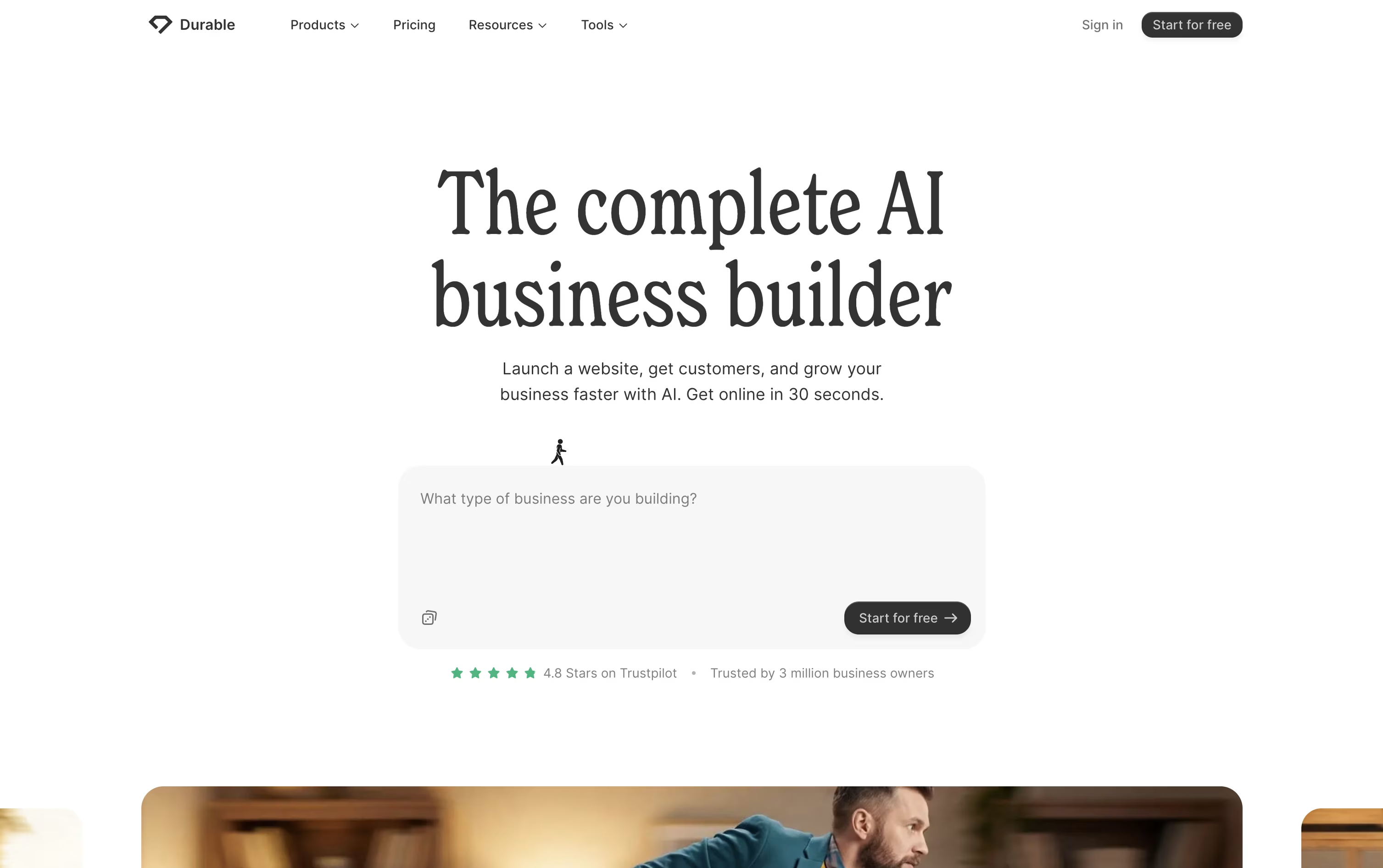
Once the site is live, Durable keeps working in the background. It comes with a CRM to track leads, an online booking tool that syncs with your calendar, and an AI assistant that can draft posts, reply to customers, and give business advice around the clock.
The free plan is a good way to try things out, offering a basic website, simple lead tracking, and a small monthly allowance of AI images and chat messages.
Stepping up to Launch, at $25 a month or $22 a month billed yearly, unlocks a more professional site, SEO and GEO tools to help you appear in Google and AI chat answers, unlimited bookings, and bigger AI limits.
The Grow plan, at $49 a month or $41 a month yearly, is built for busier teams, adding unlimited team seats, personal onboarding, and the highest AI usage limits.

Lovable lets you build a real, working web application just by describing it in everyday language. The AI handles the frontend design, backend logic, database setup, and user login, so you do not need to write code yourself.
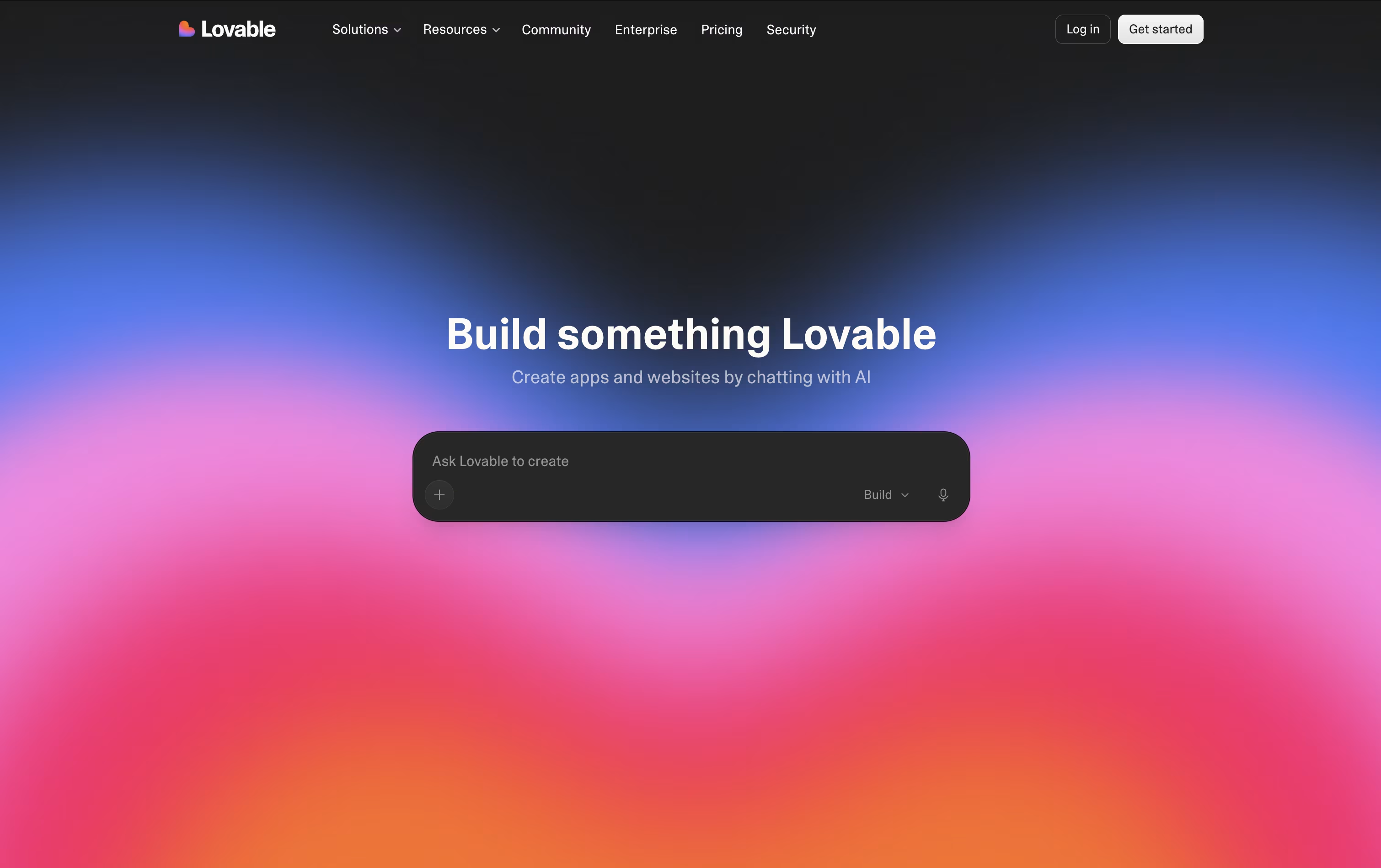
The platform includes its own cloud backend built on Supabase, meaning your app gets a database, file storage, and authentication without any separate setup. You can start a project from a text prompt, a screenshot, or even an existing website link.
Getting started is free, with no credit card required. If you need more, the Pro plan is $25 a month and unlocks custom domains, credit rollovers, and badge removal.
For teams, the Business plan at $50 a month adds shared workspaces, single sign on, and extra security tools. Larger companies can request Enterprise pricing for dedicated support, audit logs, and custom connectors.
When your app is ready, you can publish it with one click or sync the code to GitHub so you fully own it.

Bolt, built by StackBlitz, is a coding agent that builds full apps from simple text instructions. Type what you want, and it writes the code, installs what is needed, and opens a live preview right in the browser.
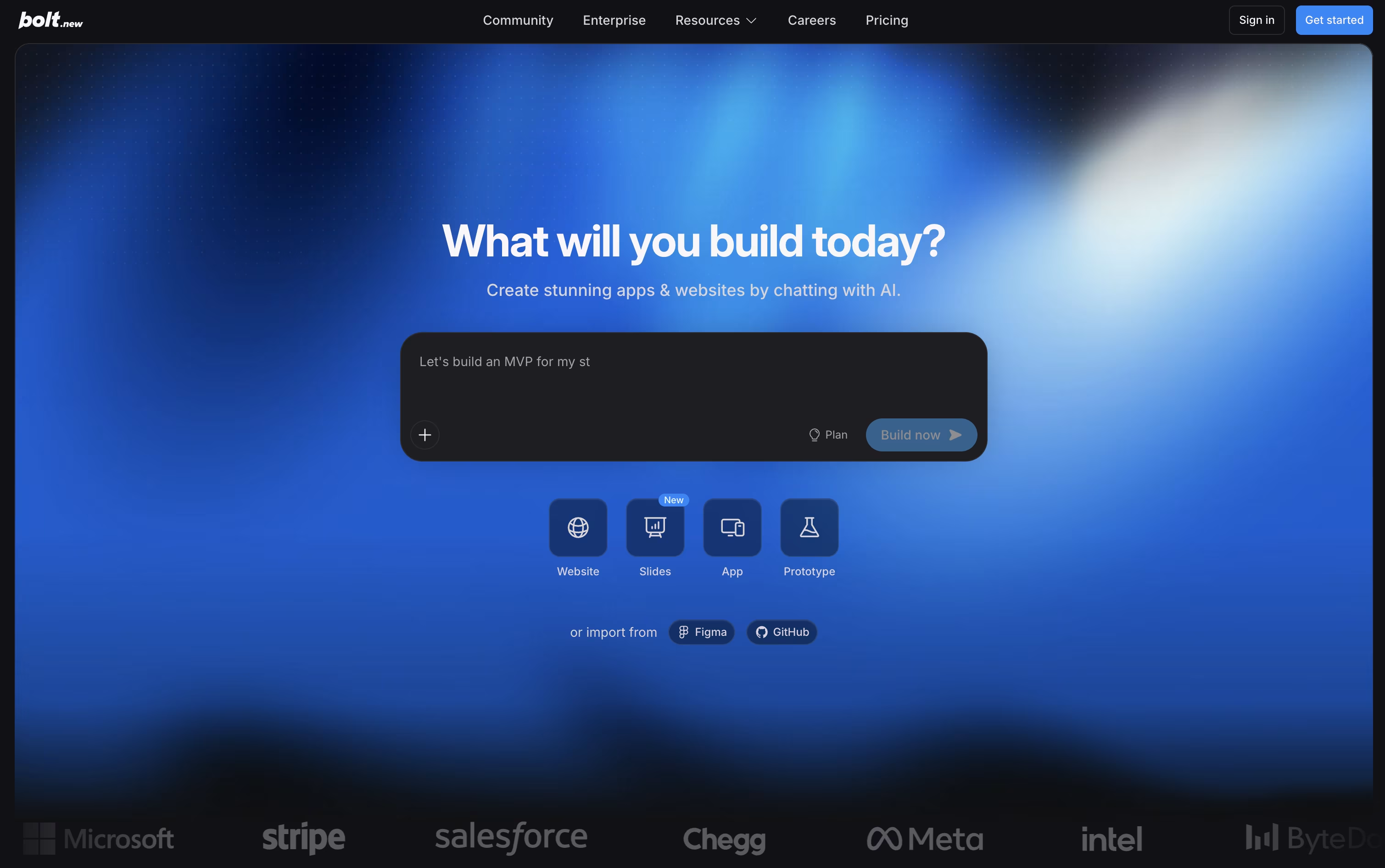
Because it runs on WebContainers, a complete coding environment inside the browser, there is nothing to install on your machine. Claude AI models power the agent, letting it scaffold projects, run servers, and correct errors as the conversation continues.
Getting started costs nothing. The Free plan includes 300K tokens a day, 1M tokens a month, website hosting, and unlimited databases, though the site shows Bolt branding.
Upgrading to Pro runs $25 a month, or $18 a month on the yearly plan. It lifts the daily token cap, gives 10M tokens a month, removes branding, and unlocks custom domains, SEO boosting, and AI image editing.
The Teams plan is $30 per member monthly, or $27 yearly, adding centralized billing and access controls, while Enterprise offers custom pricing with SSO, audit logs, and a dedicated account manager.
With built in support for Figma, GitHub, Supabase, and Stripe, Bolt suits founders, product teams, and developers who want a working app quickly while still owning the code.

Beehiiv is a platform where you can write and send newsletters while also building a website for your content. It gives you one place to create, publish, and manage everything related to your newsletter business. The platform includes tools that help you understand your audience through clear data reports and analytics.
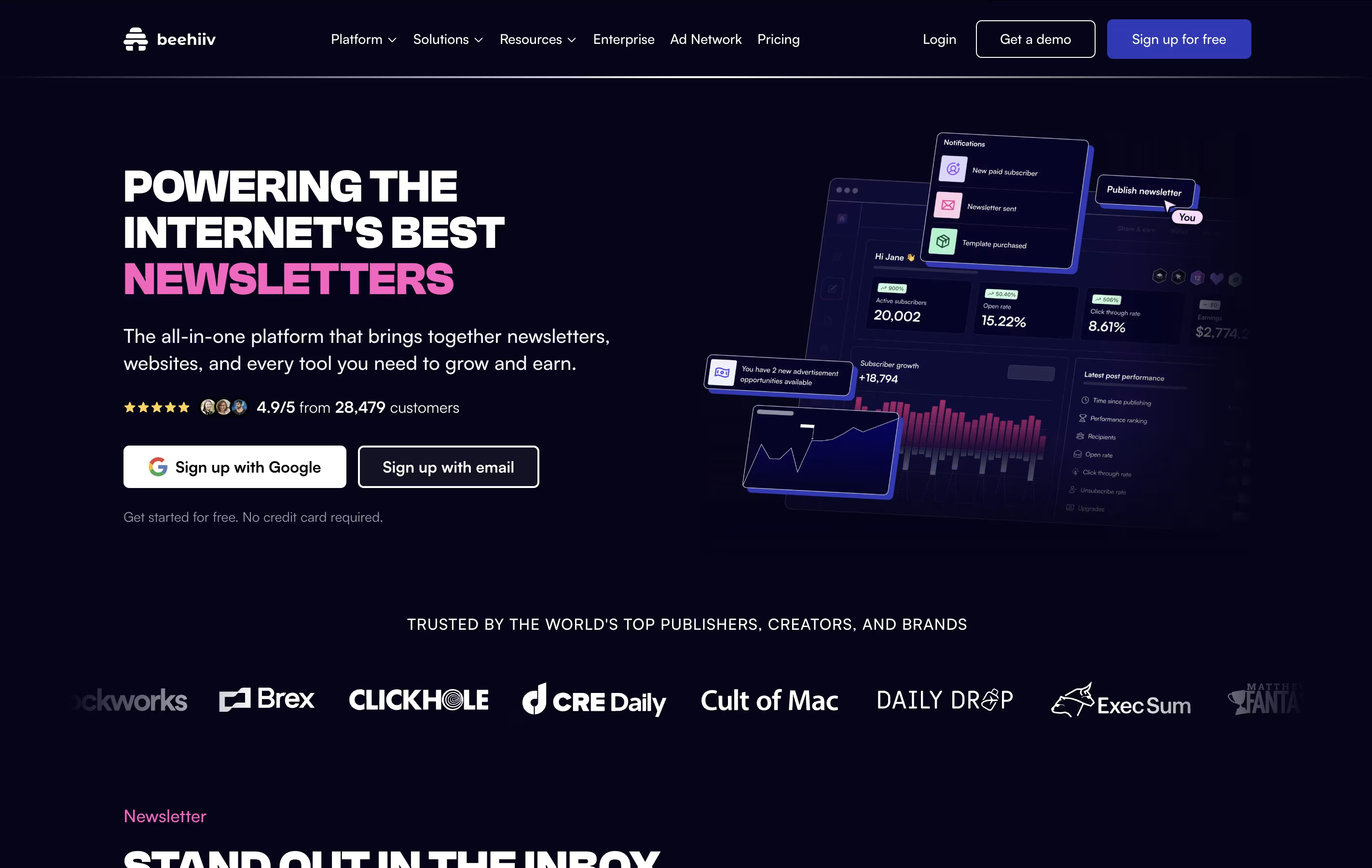
Unlike basic email tools, Beehiiv focuses specifically on newsletter creators. It has special features like referral programs that turn your readers into promoters, and an ad network that connects you with brands wanting to sponsor your content. You can also set up paid subscriptions where readers pay monthly to access special content. The free plan lets you start with up to 2,500 subscribers, making it easy to test the platform.

Webiny is a serverless content management system that you install and run inside your own AWS cloud account. It's completely open-source, which means you can see how it works and change it to fit your needs.
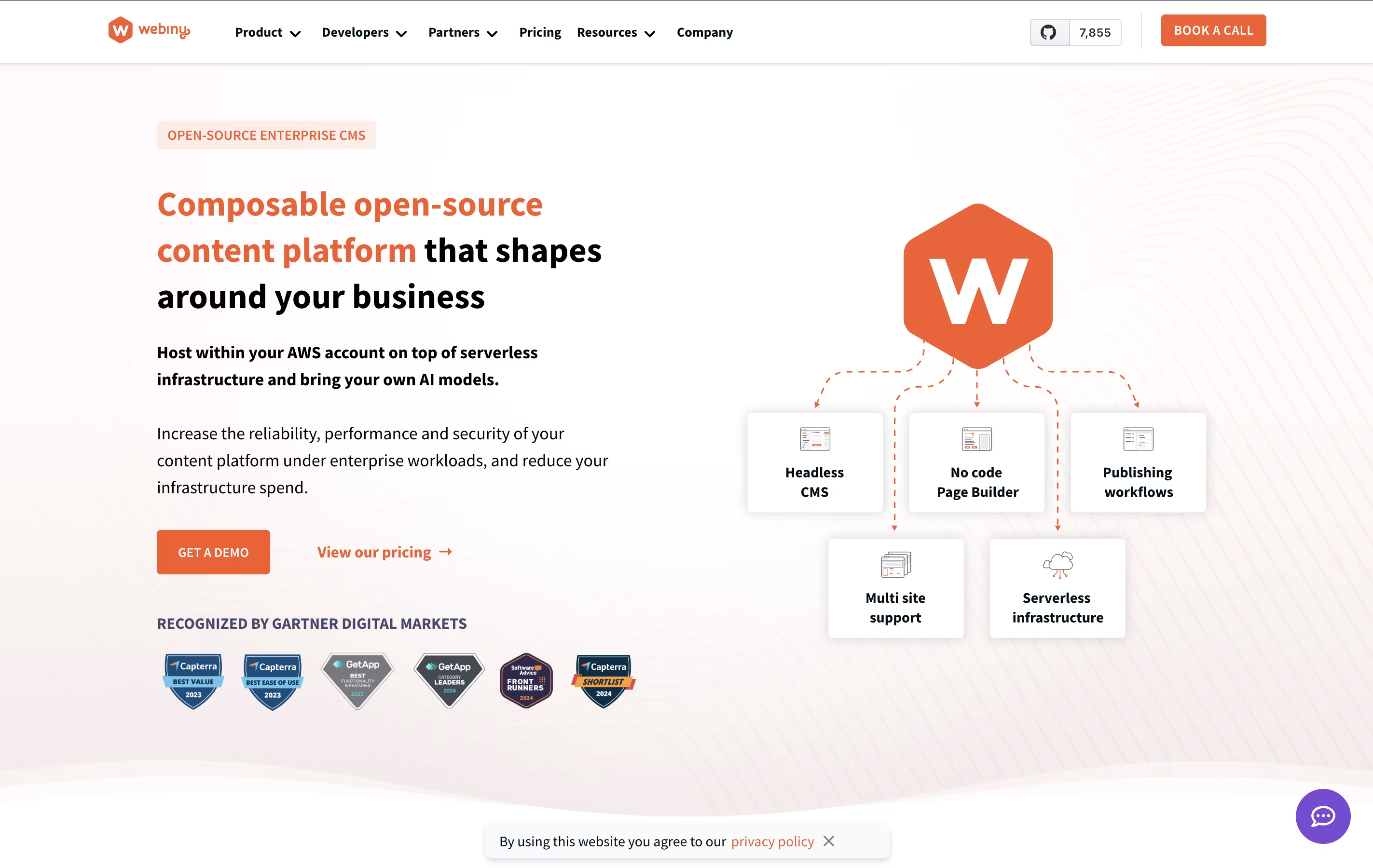
The platform includes four main tools. First, a headless CMS lets you create and store your content. Second, a page builder helps you design website pages by dragging and dropping elements without writing code. Third, a form builder makes it easy to create contact forms and surveys. Fourth, a file manager organizes all your images, videos, and documents.
Because it's serverless, you only pay for what you actually use. Your website can handle both small traffic and millions of visitors without any extra setup. The system automatically scales up or down based on your needs.
Most website projects start with a blank page and a lot of guesswork. Relume changes that by turning a short prompt into a full sitemap, then converting it into a wireframe built from real components rather than throwaway mockups.
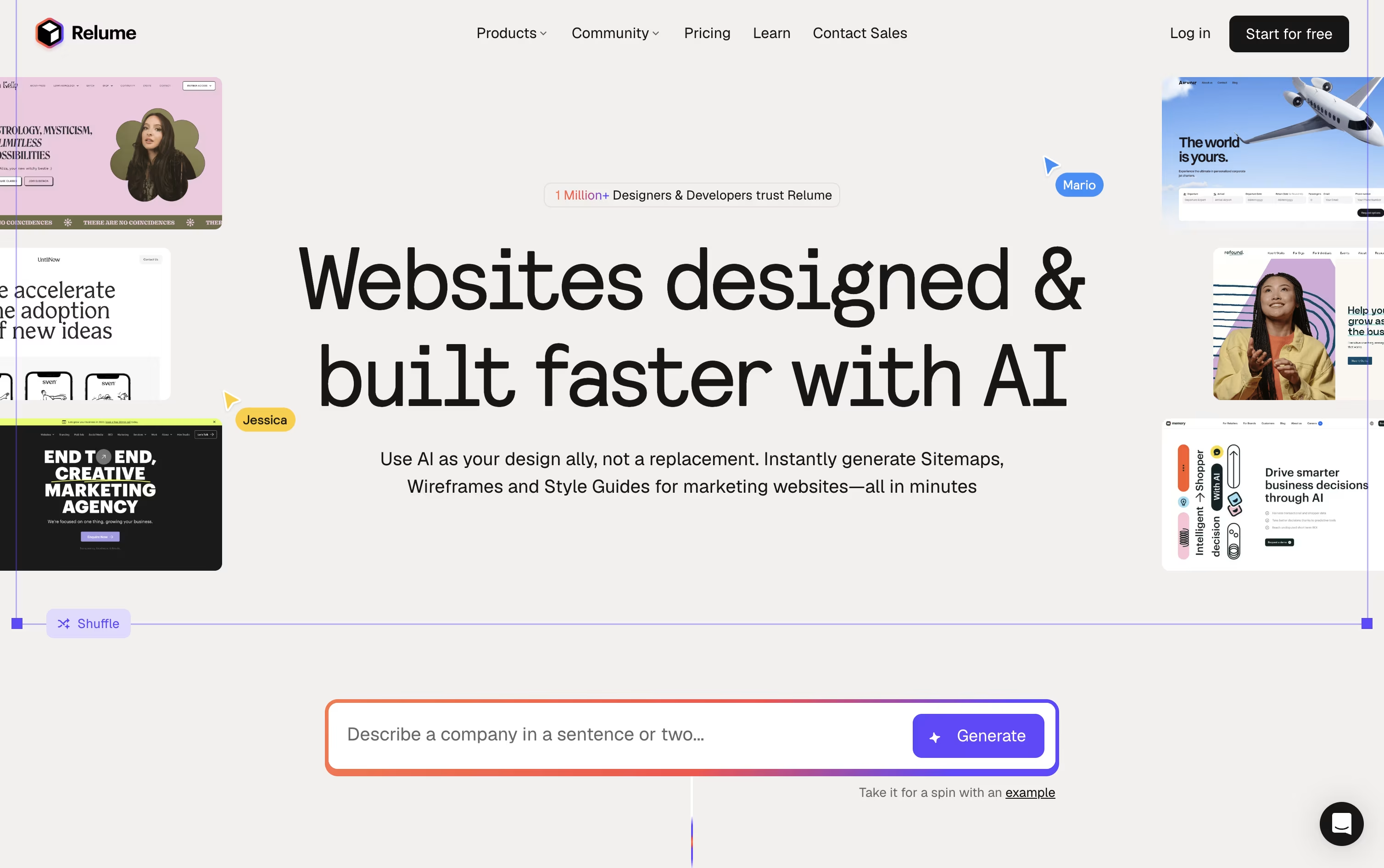
Once the structure is set, the Style Guide Builder suggests colors, fonts, and UI styles that match your brand, and you can pull from more than 1,000 components across Figma, Webflow, and React.
You can try all of this for free with 1 project and 1 page, exporting only to Figma. Moving to Starter at $26 a month, or $18 a month if billed yearly, opens up 5 pages plus Webflow and React export.
Freelancers juggling several sites usually pick Pro, at $58 a month or $40 a month billed yearly, since it drops the project and page caps entirely.
Agencies and teams can go with Team at $52 a month per person, or $36 a month per person billed yearly, with a minimum of 3 people, which layers on a shared workspace and branded client sharing.
Developers also get Relume Library MCP, a way to bring the same component library straight into AI coding tools like Cursor and VS Code.

Instead of chatting with one AI to write code, Atoms hands your idea to a small team of AI agents that each play a different role, like a real software company.
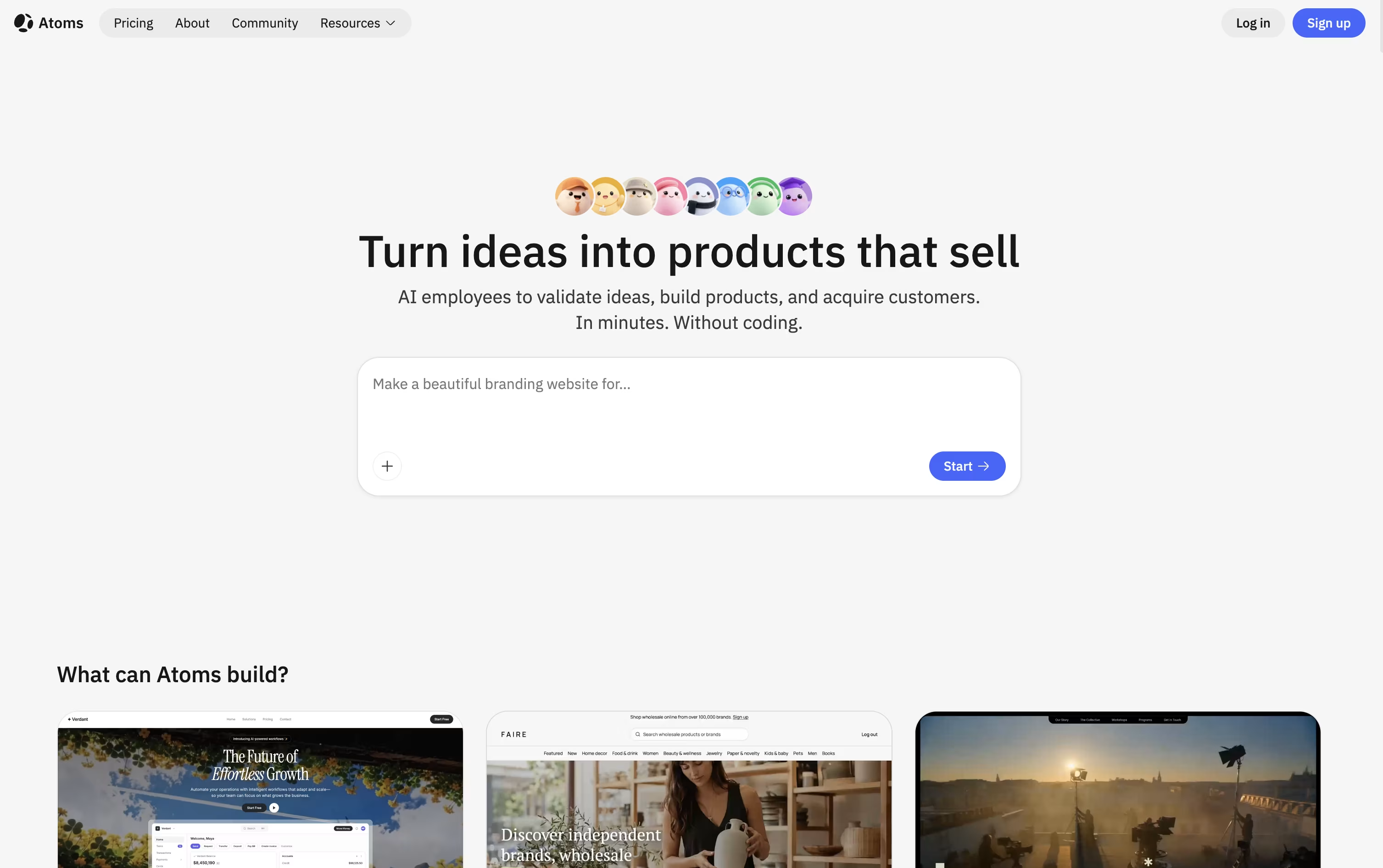
One agent researches your market, another turns your idea into a clear plan, and others handle the actual coding, covering both the frontend and backend along with login, a database, and Stripe payments.
After launch, an SEO agent optimizes your pages for search, an ads agent can run Google Ads for you, and a data agent tracks how your app is performing.
You can start for free, which gives 15 daily credits, 2 GB of storage, and 2 backend projects. The Pro plan starts at $20 a month for 100 credits and unlocks private projects, custom domains, and unlimited backend projects.
For heavier use, Max starts at $100 a month for 500 credits, offering 100 GB storage, double the compute resources, and Race Mode to compare results from multiple AI models. Choosing yearly billing saves up to 21%.
Whenever you want, you can export your project's code or sync it with GitHub, so your work is never locked inside the platform.
Gadget is an AI-powered, full-stack development platform designed to accelerate web application development by eliminating repetitive boilerplate code and setup tasks. Think of it as a complete development environment that includes everything you need: a Node.js backend, React frontend, PostgreSQL database, and serverless hosting, all integrated and ready to use.
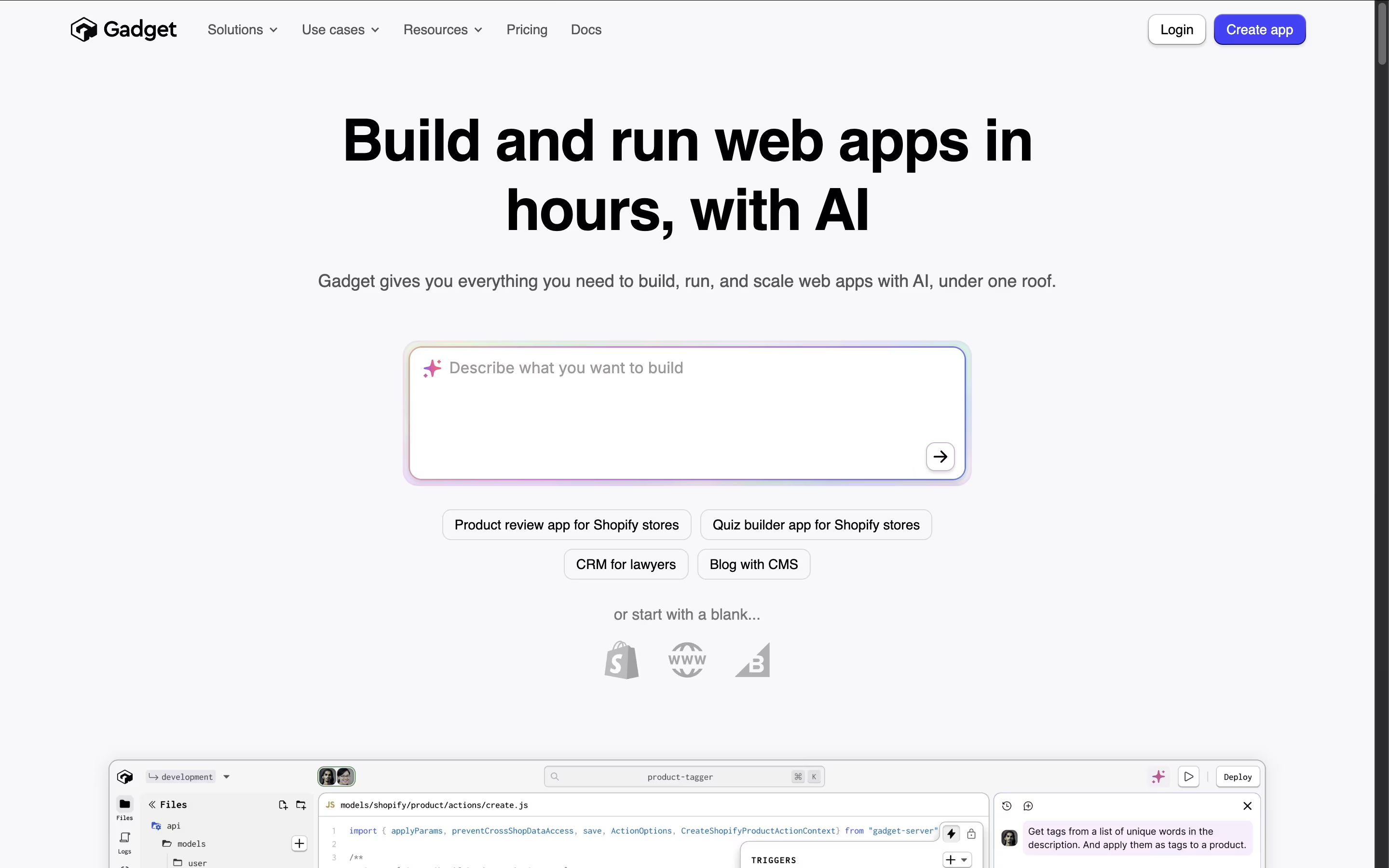
The platform automatically generates APIs, handles authentication, manages databases, and provides built-in connections to popular services like Shopify and BigCommerce. What makes Gadget special is its AI assistant that understands your specific app and helps write code, create database tables, and handle deployment tasks.
Unlike no-code tools that limit customization, Gadget gives you full control over your code while removing the tedious setup work. Founded by ex-Shopify executives, it combines best practices with smart automation to help developers build applications up to 10 times faster than traditional methods.

Building a website usually means learning to code or hiring someone who can. Hostinger Horizons skips that step by letting you describe your idea in normal language, through text, voice, or even a picture, and turning it into a real project.
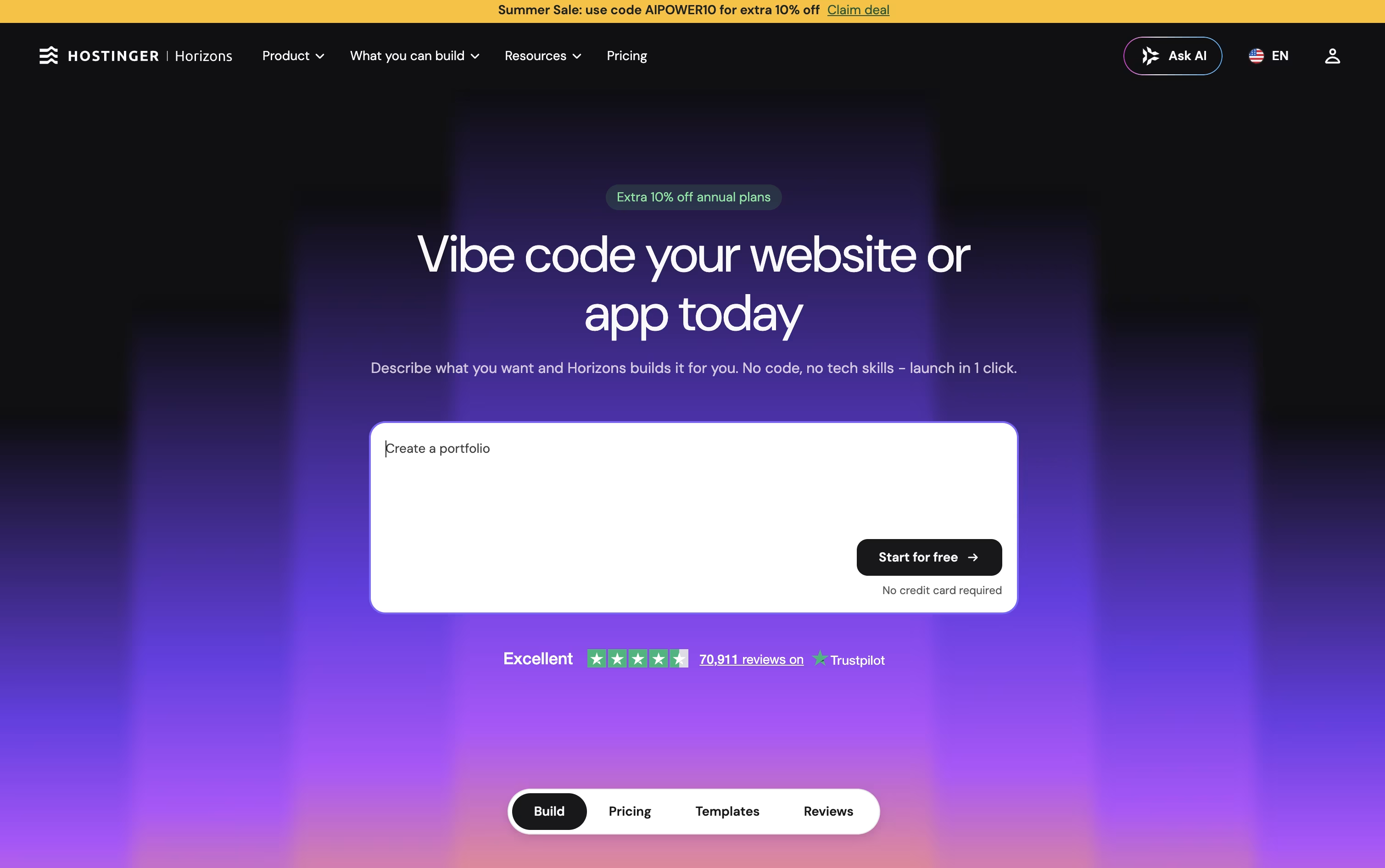
After the first version is ready, you simply keep talking to it to make changes, such as adding a login page, a store, or a chatbot. If you prefer, a full code editor is there too for hands-on edits.
Starting out is free, with 5 AI credits and no card needed. From there, the Explorer plan costs $6.99 a month for 30 credits, the Starter plan is $13.99 a month for 70 credits, and the Hobbyist plan runs $39.99 a month for 200 credits.
Paying plans throw in a free domain and hosting for the first year, quicker support, visitor analytics, and tools to sell products or subscriptions.
Every project is built with working code, so publishing takes one click and your site runs on Hostinger's own hosting, domains, and email setup.

Meku lets you build real websites and apps just by describing what you want in plain words. It puts together a working first version in under a minute, with a clean, modern look already in place.
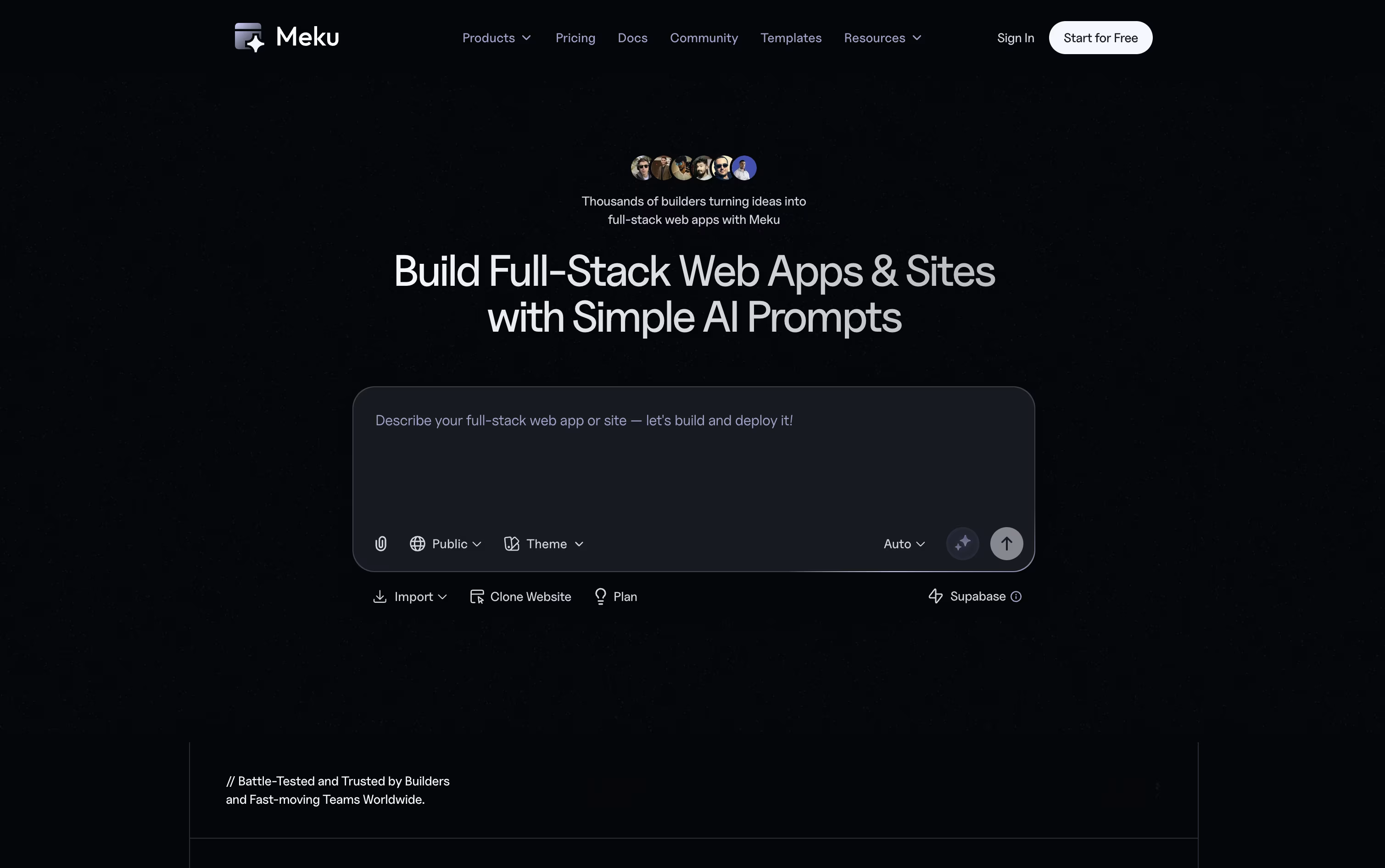
From there, you can shape the project through chat. Ask Meku to change a page, add a feature, or fix something, and you will see it update live as you go.
It also reads Figma files and turns them into working code, and connects with GitHub and Supabase so your project can have logins, a database, and proper version control.
The Free plan costs nothing and gives you 100 credits a month with three public projects. Starter is $16 a month, or $12 a month billed yearly, and opens up private projects, exports, and integrations.
Pro runs $25 a month with more credits and room for a bigger team, and Growth at $49 a month covers larger teams that need more projects, domains, and members.
On any paid plan you can export your code and run it anywhere, so your project is always fully yours.

Building a business app usually means hiring developers or wrestling with complicated tools. Zite skips that by letting you describe the app you want in plain English and having AI build it for you.
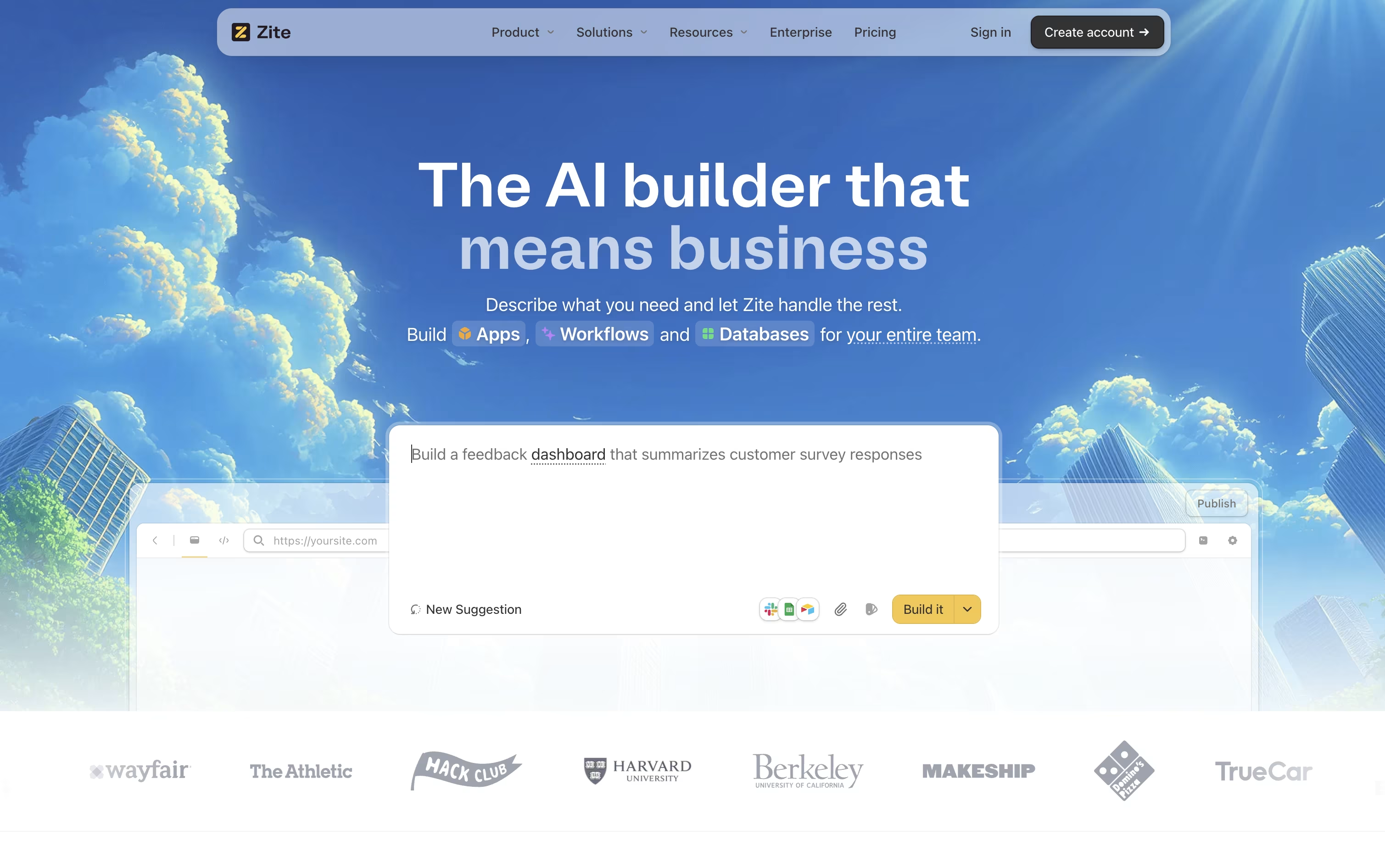
The platform started life as part of Fillout, a forms company, before the team renamed it Zite in 2026 and folded in ideas around planning, visual editing, and databases from two acquired teams.
Once your app is generated, you can adjust it through chat, a visual editor, or a flowchart view of the workflow logic, and everything sits on top of a built in database with no per-user fees.
Getting started costs nothing on the Free plan, which includes 5,000 database records and 1,000 workflow runs a month.
Growing teams can move up to Pro at $19 a month, Business at $69 a month, or the Team Bundle at $300 a month, each unlocking more credits, records, and features such as custom domains and unlimited brand kits.
Larger organizations can reach out for Enterprise pricing, which adds single sign-on, audit logs, and dedicated support.

Ghost is a publishing platform that helps you create professional websites and send newsletters. Unlike other systems that try to do everything, Ghost focuses on publishing content and building audiences.
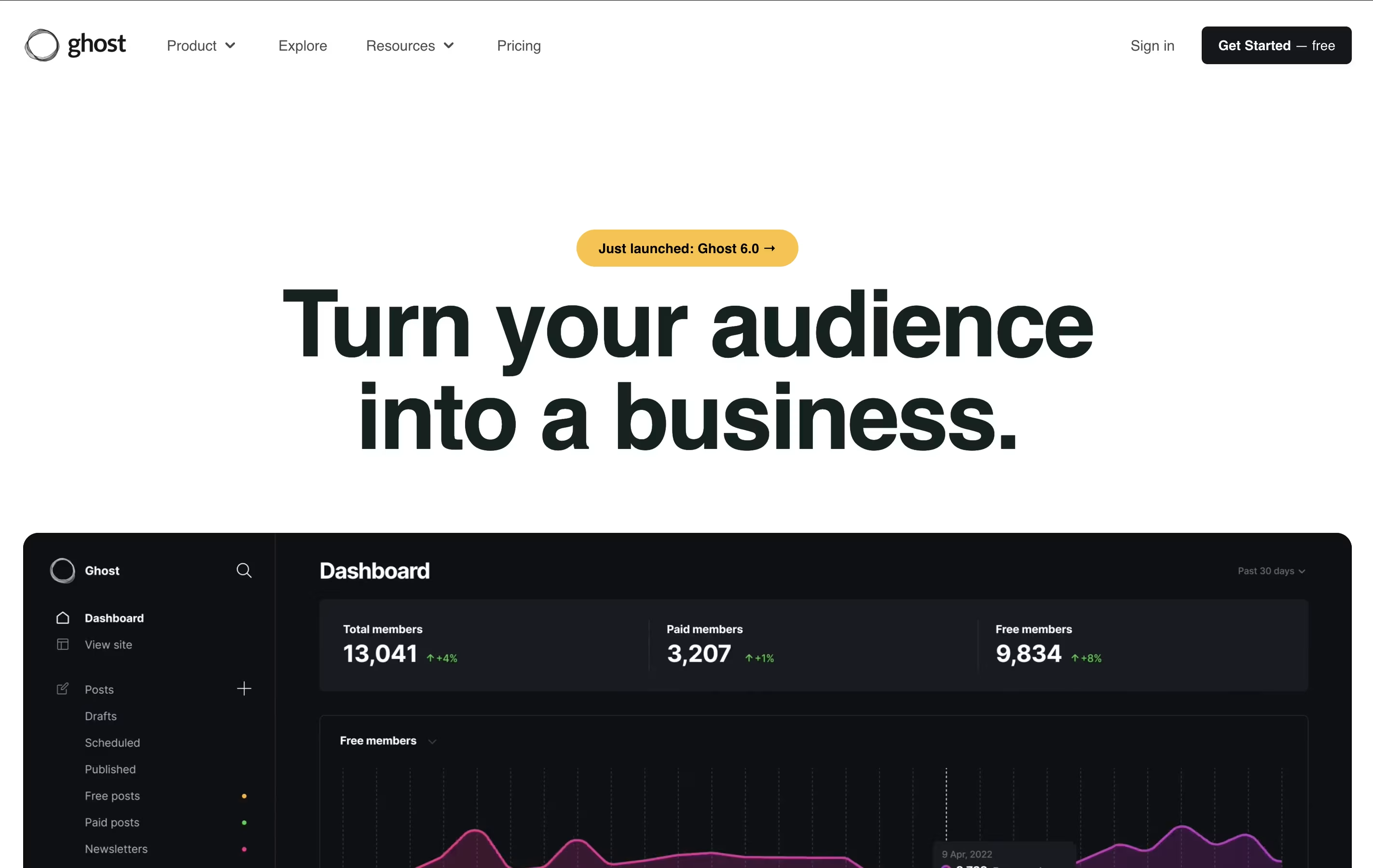
You can write and publish articles using a clean editor that stays out of your way. The platform automatically sends your posts to email subscribers when you publish. You can offer free or paid memberships, with Ghost handling the payment processing through Stripe.
The software is open source and free to download. You can host it yourself on your own server, or use Ghost Pro, which is managed hosting where Ghost handles all technical work. Ghost Pro starts at $18 per month with automatic updates, backups, and support included.

Retool is a low-code platform that simplifies building internal business applications. Instead of writing thousands of lines of code, you use pre-built components like tables, forms, buttons, and charts. You can arrange these visually and connect them to your databases, spreadsheets, or other systems.
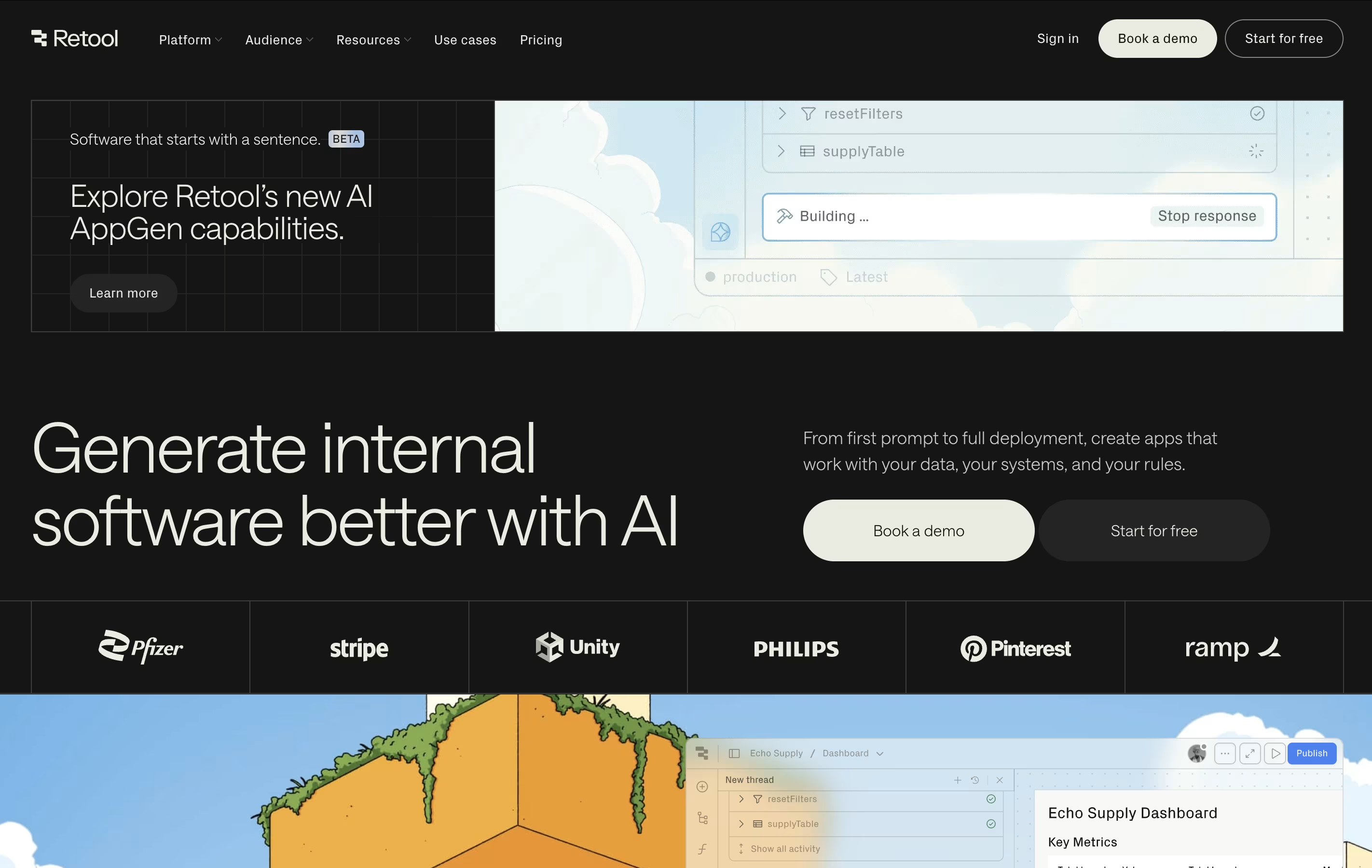
The platform works for creating many types of tools: admin panels for managing users, customer support dashboards, inventory systems, approval workflows, and data analysis tools. It bridges the gap between no-code simplicity and full coding power.
Retool supports both web and mobile applications. It includes features for workflows, automation, and even building tools powered by artificial intelligence. The platform handles security, permissions, and deployment automatically, so you can focus on solving business problems rather than managing servers.

Think of UX Pilot as a design partner that takes your rough idea and turns it into real screens. Feed it a prompt, a sketch, a PRD, or a website link, and it gets to work.
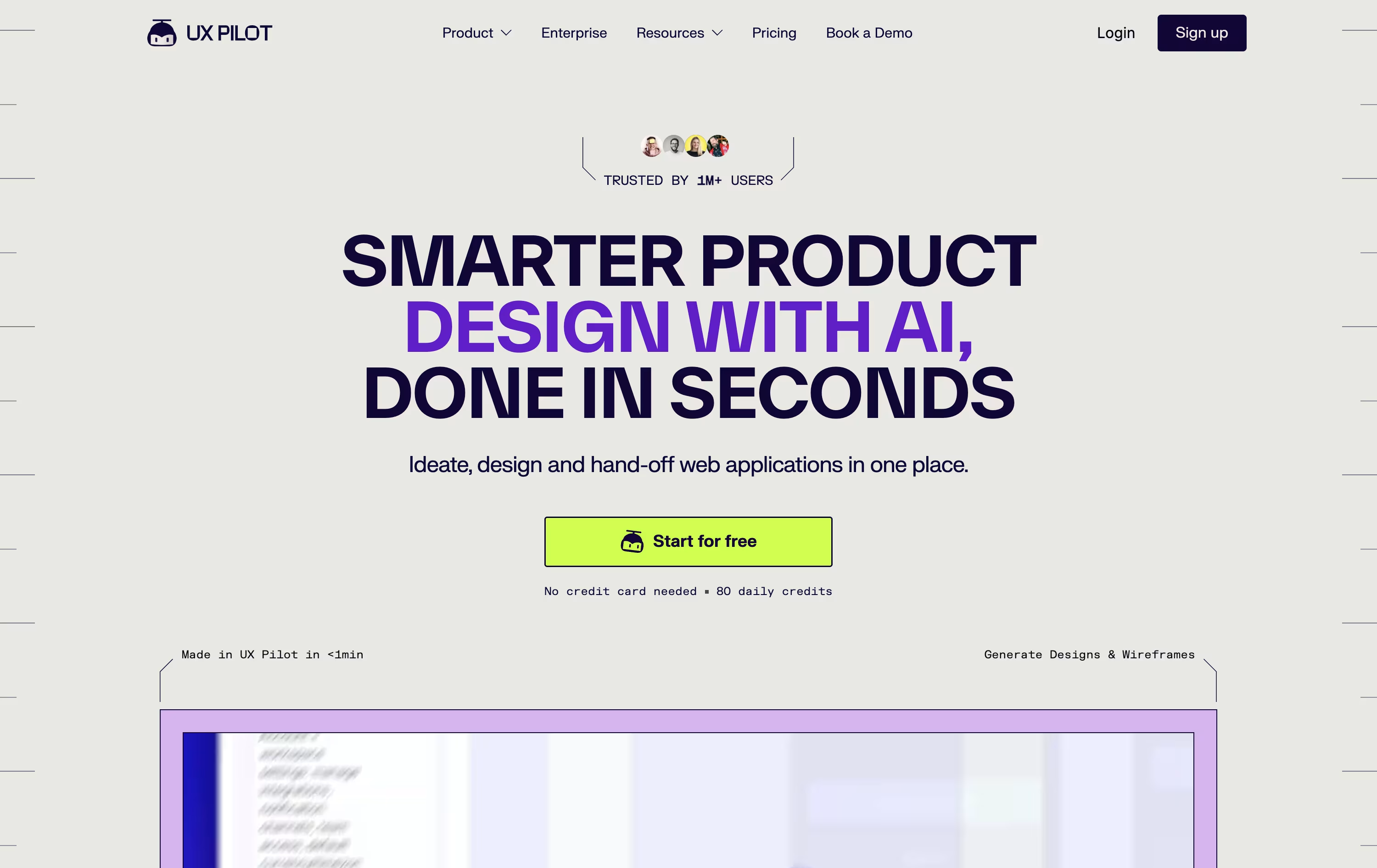
First comes the wireframe, then a polished hi fi version, and if needed a full flow covering every screen in the journey. You can also spin up a working React prototype with a visual editor and live chat edits.
For Figma users, the Nodey agent builds native layers straight from your own component library, so the result already looks like your product instead of a generic template. Code export and GitHub sync round out the handoff.
Pricing starts free, with 80 credits a day and 1 project at no cost.
Pro is $29 monthly, or $19 monthly if billed yearly, unlocking 750 credits, 125 screens, and website cloning.
Teams costs $39 per user monthly, or $31 per user yearly, with shared credits and collaboration, while Enterprise offers custom pricing with brand tuned AI, SSO, and a dedicated team.

Kickresume is a comprehensive AI-powered career platform that helps job seekers create professional resumes, cover letters, and personal websites. Unlike traditional resume builders that simply provide templates, Kickresume uses advanced GPT-4 technology to actually write content for you based on your job title and experience.
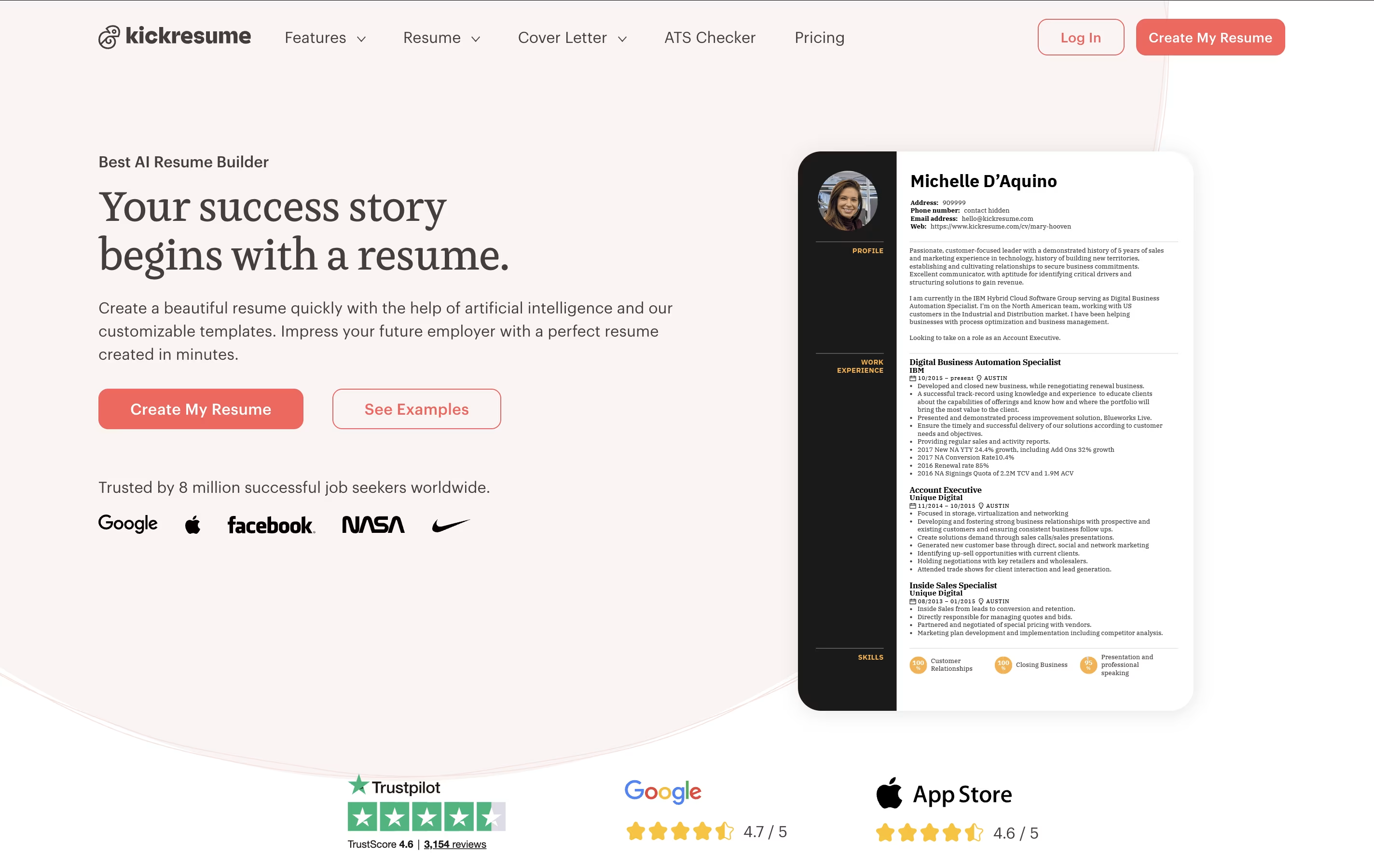
The platform offers over 40 professionally designed templates created by HR experts and typographers, ensuring your documents look polished and pass through Applicant Tracking Systems (ATS). Founded in 2013 and based in Slovakia, Kickresume has grown into a global platform serving millions of users.
What makes it special is the combination of AI writing assistance, LinkedIn integration for quick profile imports, and additional features like a personal website builder and mobile apps. The platform focuses on making job searching easier by providing all the tools you need in one place, from creating documents to analyzing your resume's effectiveness.