

Best 2 Tools for File Organization in 2026
Last Updated: October 5, 2025
Files pile up fast, and finding the right one later can take longer than it should without a clear system. File Organization tools help sort, tag, and structure files so everything stays easy to locate.
Professionals and teams use file organization tools to keep shared drives and folders from turning into a mess of scattered documents.
 Paste
Paste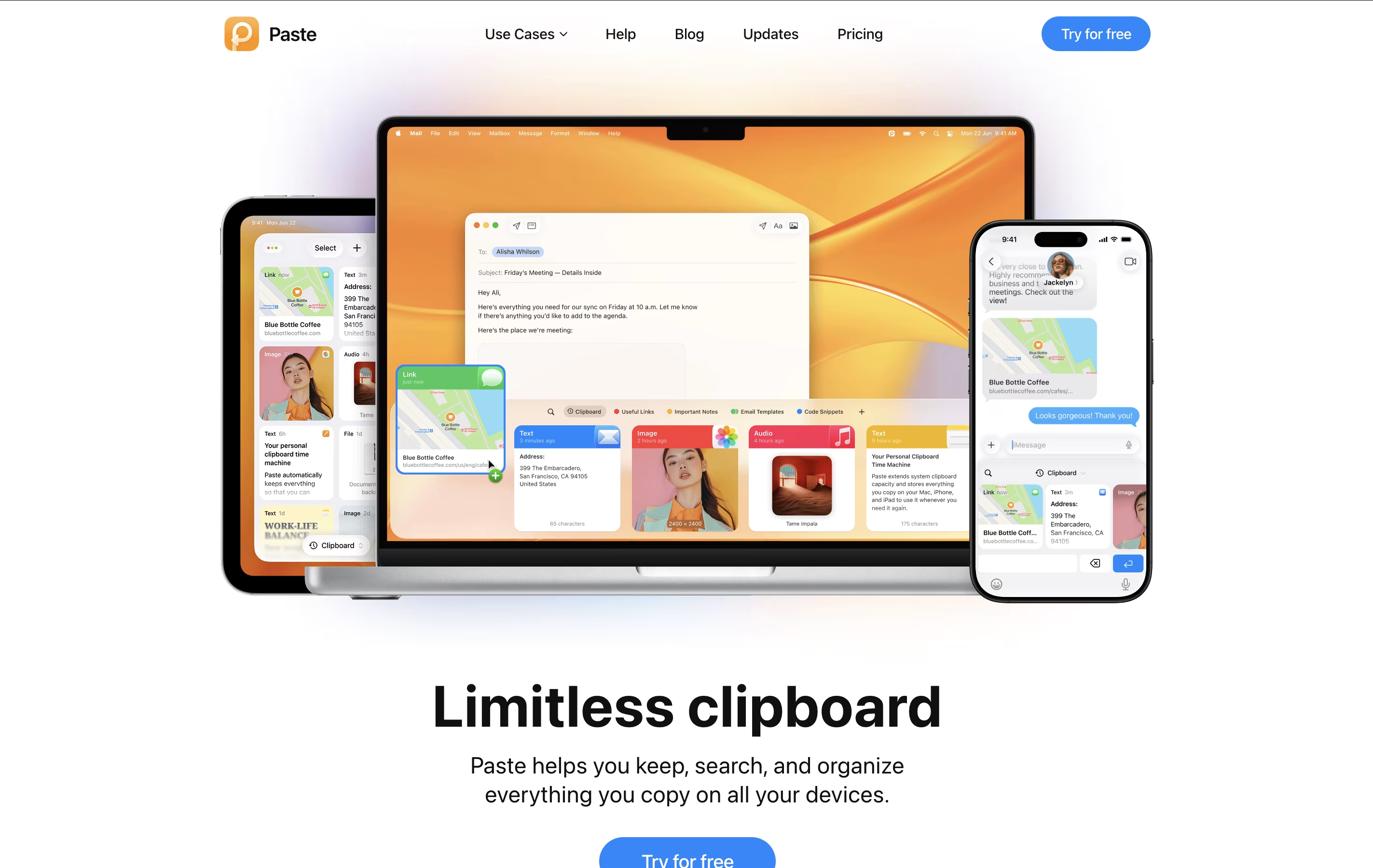 PasteClipboard Manager for Mac, iPhone & iPad and
  Notion
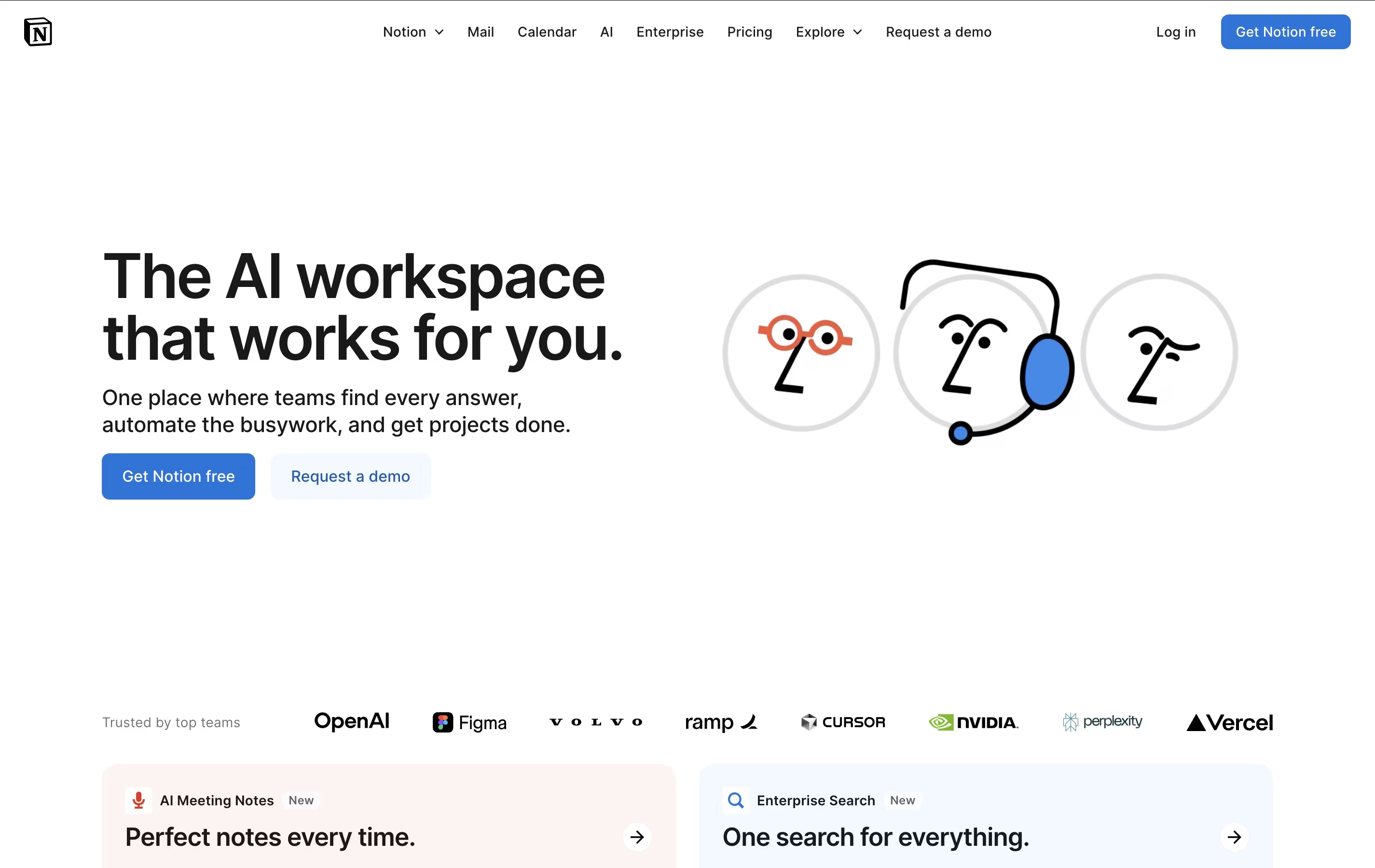 NotionAll-in-One Workspace for Teams & Projects are the best for File Organization. So, let’s take a closer look at both tools.
Paste is a clipboard manager that remembers everything you copy on your Apple devices. Think of it as a powerful upgrade to the standard clipboard that comes with your Mac, iPhone, or iPad.
The regular clipboard only holds one item at a time. When you copy something new, the old item disappears. Paste changes this by keeping a visual history of everything you've copied – text, links, images, files, and even colors. You can scroll through your history, search for specific items, and paste them whenever you need them.
Paste also lets you create Pinboards, which are custom collections where you can store frequently used items like email templates, code snippets, or design assets. The app uses iCloud to sync everything across your devices, so your clipboard history follows you everywhere.
Notion is a versatile all-in-one workspace that functions like a set of digital building blocks. Think of it as a combination of Google Docs, Trello, Airtable, and Evernote all rolled into one seamless platform. Every page in Notion is built using 'blocks' - individual pieces of content like text, images, databases, or embedded files that you can arrange however you want.
What sets Notion apart is its flexibility. You can create simple notes, complex project management systems, company wikis, or personal journals using the same tool. The platform supports real-time collaboration, allowing teams to work together on documents, databases, and projects simultaneously. With templates for common use cases and the ability to create custom workflows, Notion scales from personal use to enterprise-level operations while maintaining simplicity and elegance.