Best 7 Incident Management Tools in 2026
Last Updated: April 19, 2026
Responding quickly and clearly when something goes wrong keeps downtime and its impact to a minimum. Incident Management tools help teams detect, coordinate, and resolve outages or system issues efficiently.
These tools are essential for DevOps teams and engineering organizations that need a clear process for responding to incidents. A well practiced incident response process reduces both resolution time and the stress of dealing with an outage.
 Better Stack
 Better StackComplete Monitoring and Incident Management Platform,
  Incident.io
 Incident.ioAI-Powered Incident Management Platform, and
  Statuspage
 StatuspageStatus & Incident Communication Tool are the best for Incident Management. So, let’s take a closer look at all 7 tools.

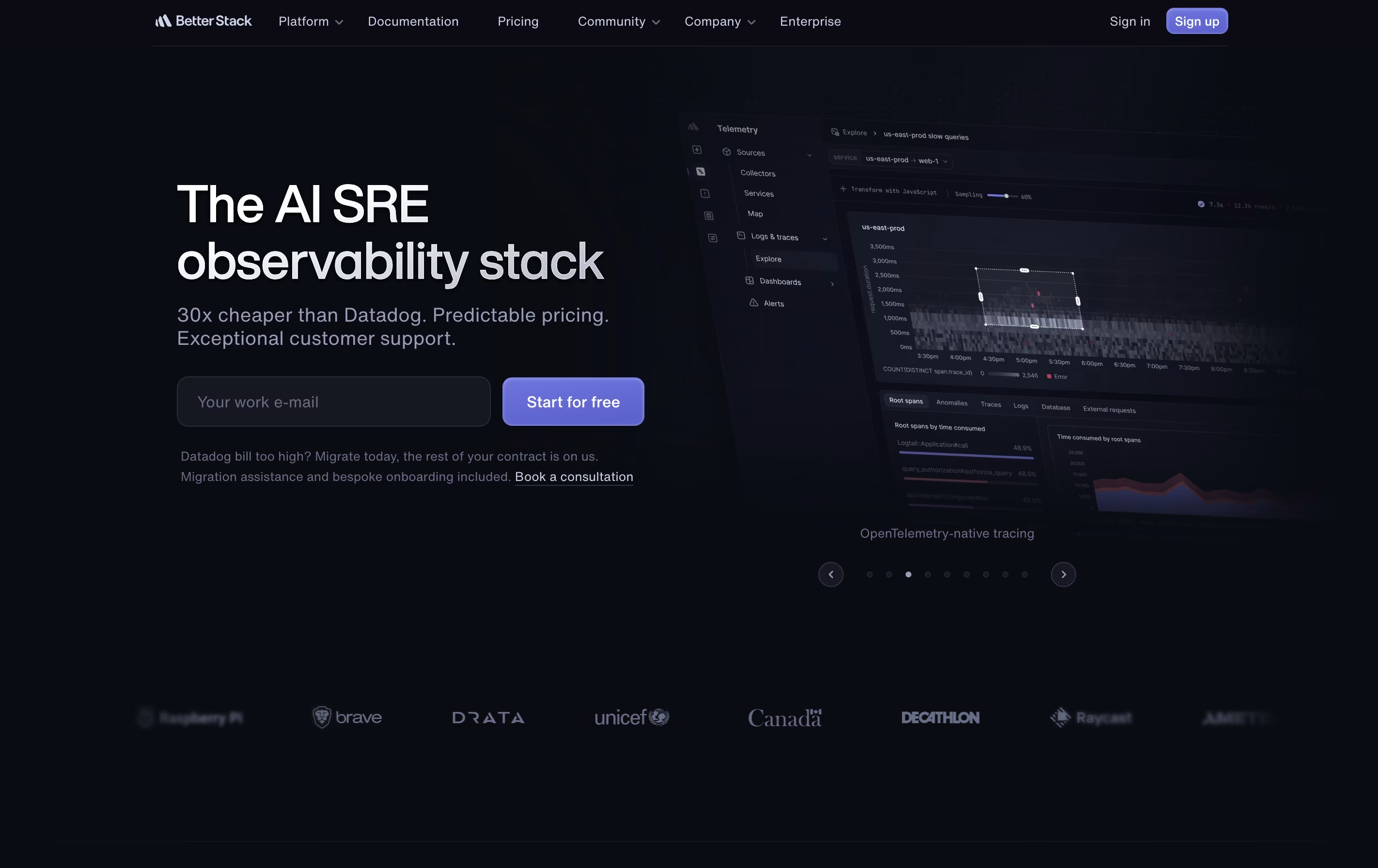
Better Stack is an all-in-one monitoring and incident management tool that watches over your digital services around the clock. It checks your websites and servers every 30 seconds, looking for problems like downtime or slow performance. When something goes wrong, it immediately alerts your team through phone calls, text messages, emails, or platforms like Slack and Teams.
Beyond basic monitoring, Better Stack collects and organizes all your application logs, making it easy to search through millions of log entries to find the cause of problems. It also creates public status pages so you can keep your customers informed during outages. The platform includes on-call scheduling features to make sure the right person gets notified at the right time.
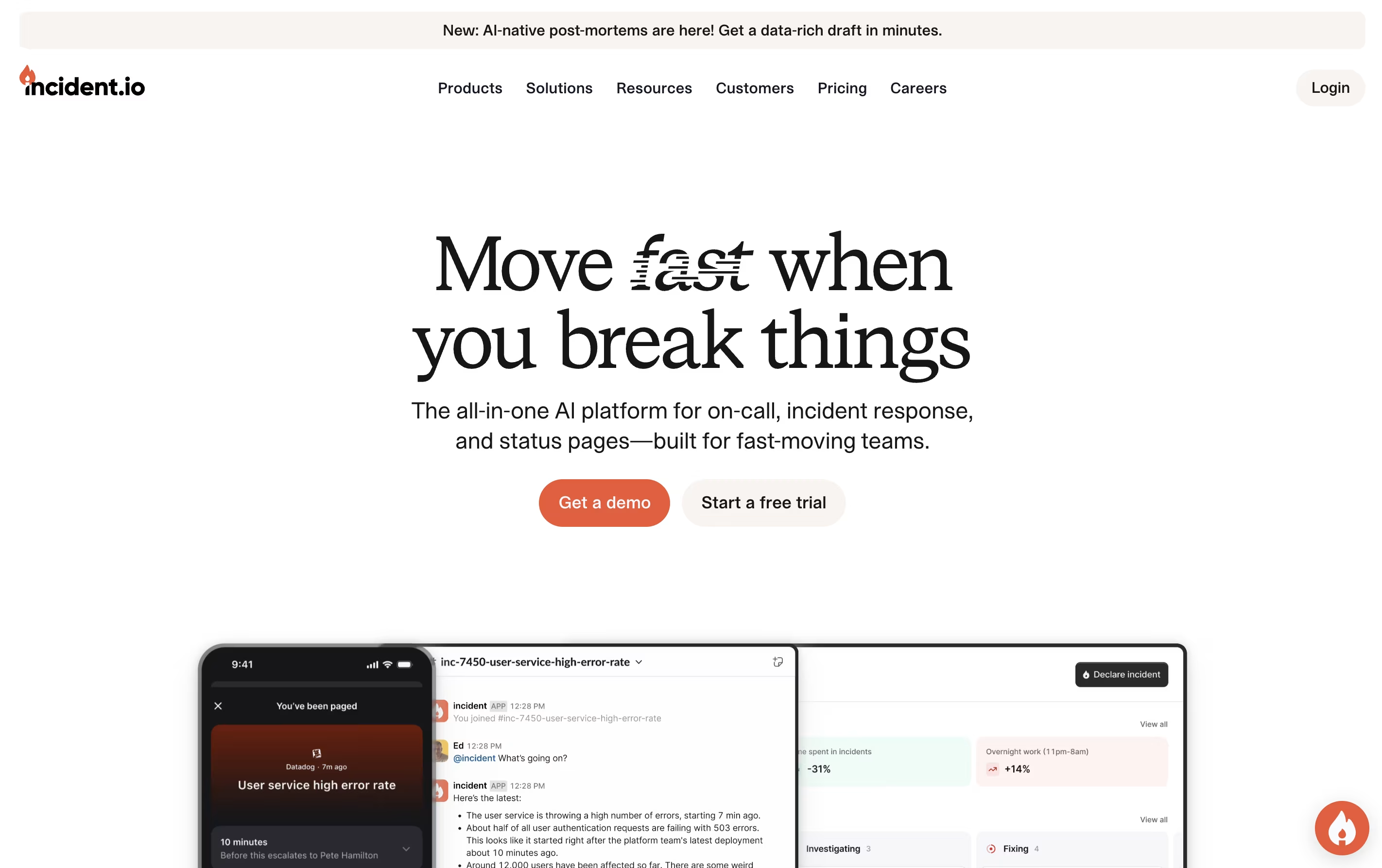
Incident.io is a platform that brings together all the tools needed to manage technical incidents in one place. When something breaks, it automatically creates dedicated channels in Slack or Teams, brings in the right people based on schedules, and helps coordinate the response effort.
The platform uses AI to reduce alert noise, suggest fixes, and even investigate problems automatically. It tracks everything that happens during an incident to create detailed timelines without extra work. After incidents are resolved, teams can review what happened and learn from it.
There are multiple pricing levels, from a free Basic plan with core features to Enterprise plans for large organizations. The Pro version includes advanced analytics and private incident handling.
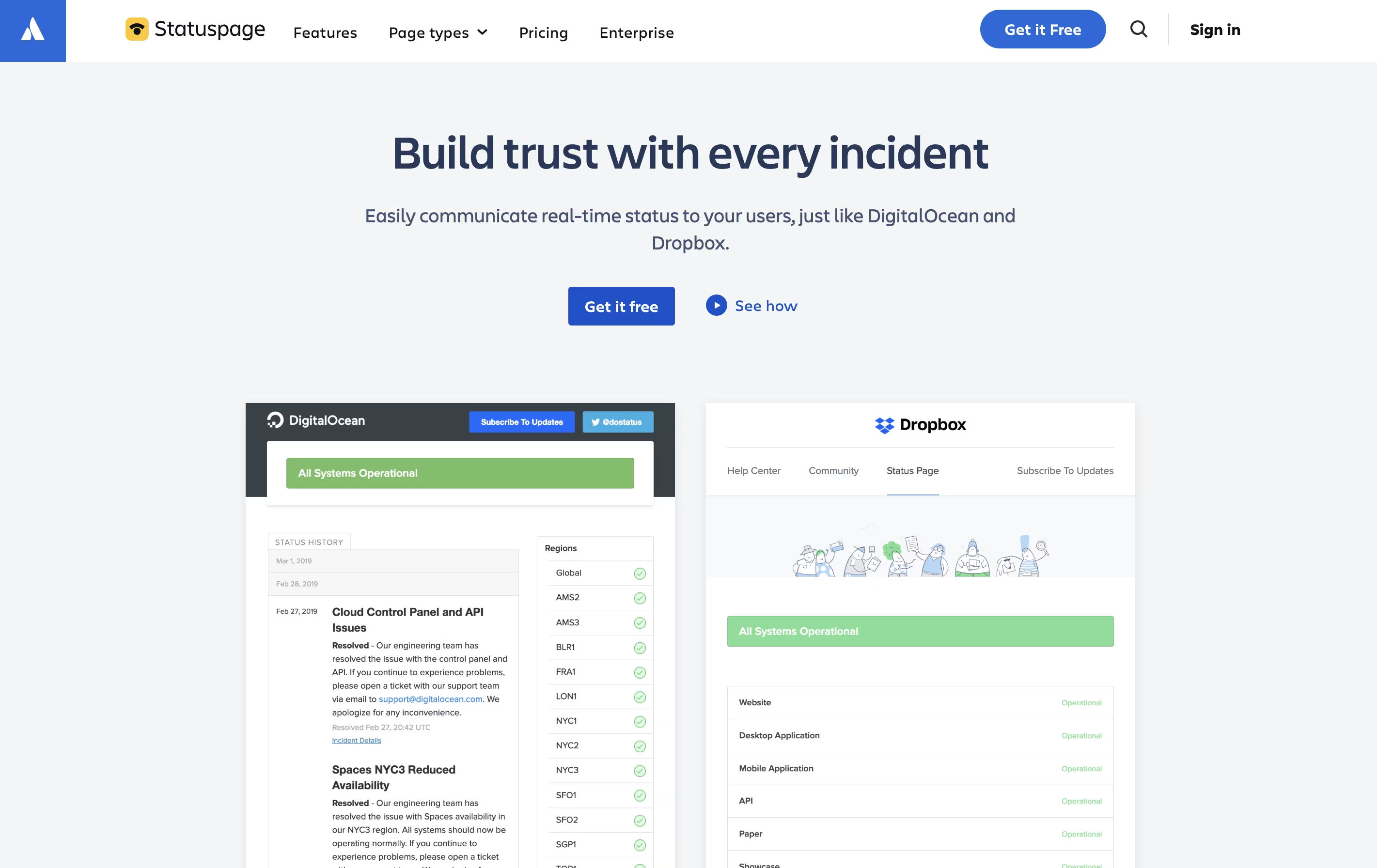
Statuspage is a web-based tool that creates status pages for your services and applications. When something goes wrong with your website, app, or service, you can quickly post an update that automatically notifies all your subscribers.
The platform does not monitor your systems directly. Instead, it connects with your existing monitoring tools like Datadog, New Relic, or PagerDuty. When these tools detect a problem, Statuspage can automatically update your status page and send notifications to users.
You can create public pages for external customers or private pages for internal teams. The tool includes features like incident templates, scheduled maintenance announcements, real-time metrics display, and historical uptime tracking. Everything works through a simple web interface that anyone on your team can use.

Rootly is a tool that helps teams manage incidents from start to finish. When something breaks in your system, Rootly jumps into action. It creates dedicated channels, brings in the right people, and organizes all the information you need in one place.
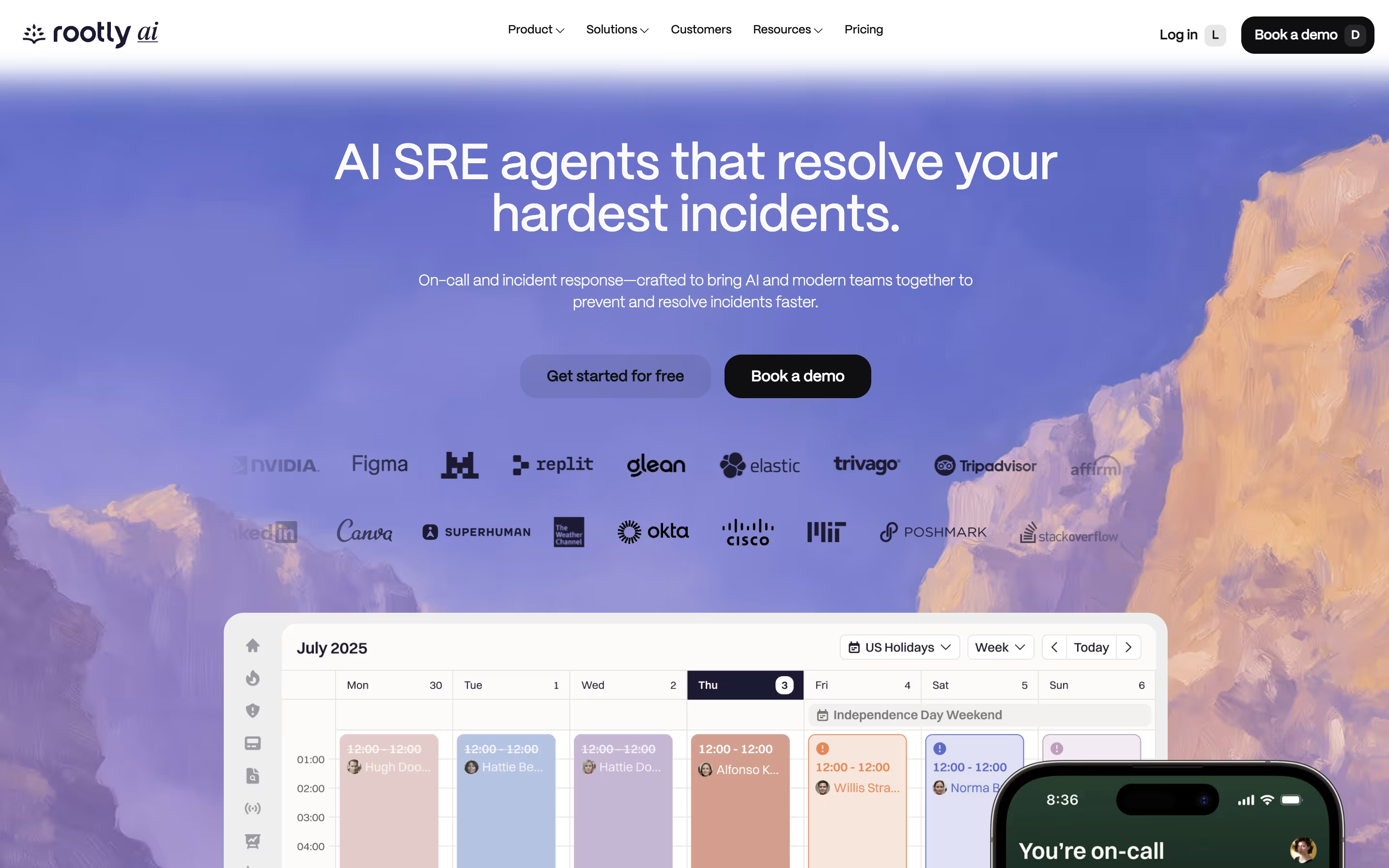
What makes Rootly different is its built-in AI features. The AI can suggest what might be wrong, write summaries, and even recommend fixes based on past incidents. It learns from every problem your team solves, getting smarter over time.
The platform connects with tools you already use, like Jira, PagerDuty, Datadog, and Zoom. Everything happens where your team already works, so you spend less time hunting for information and more time fixing problems.

FireHydrant is a tool that manages the complete incident response process for software teams. When something breaks in your application, FireHydrant helps you respond quickly and consistently. It starts with alerting and on-call management, then guides you through response with automated workflows called Runbooks.
The platform works directly in Slack or Teams, so your team stays in one place during incidents. It automatically creates incident channels, pulls in the right people, sets up video calls, and keeps stakeholders updated. During an incident, FireHydrant tracks everything that happens, creating a timeline that makes post-incident reviews easier.
After incidents are resolved, the platform helps teams learn through guided retrospectives and shows metrics like response time and incident frequency.

PagerDuty is a cloud platform designed to help teams manage and respond to incidents in real time. When something goes wrong with your systems or services, PagerDuty detects the problem and immediately alerts the right person or team to fix it.
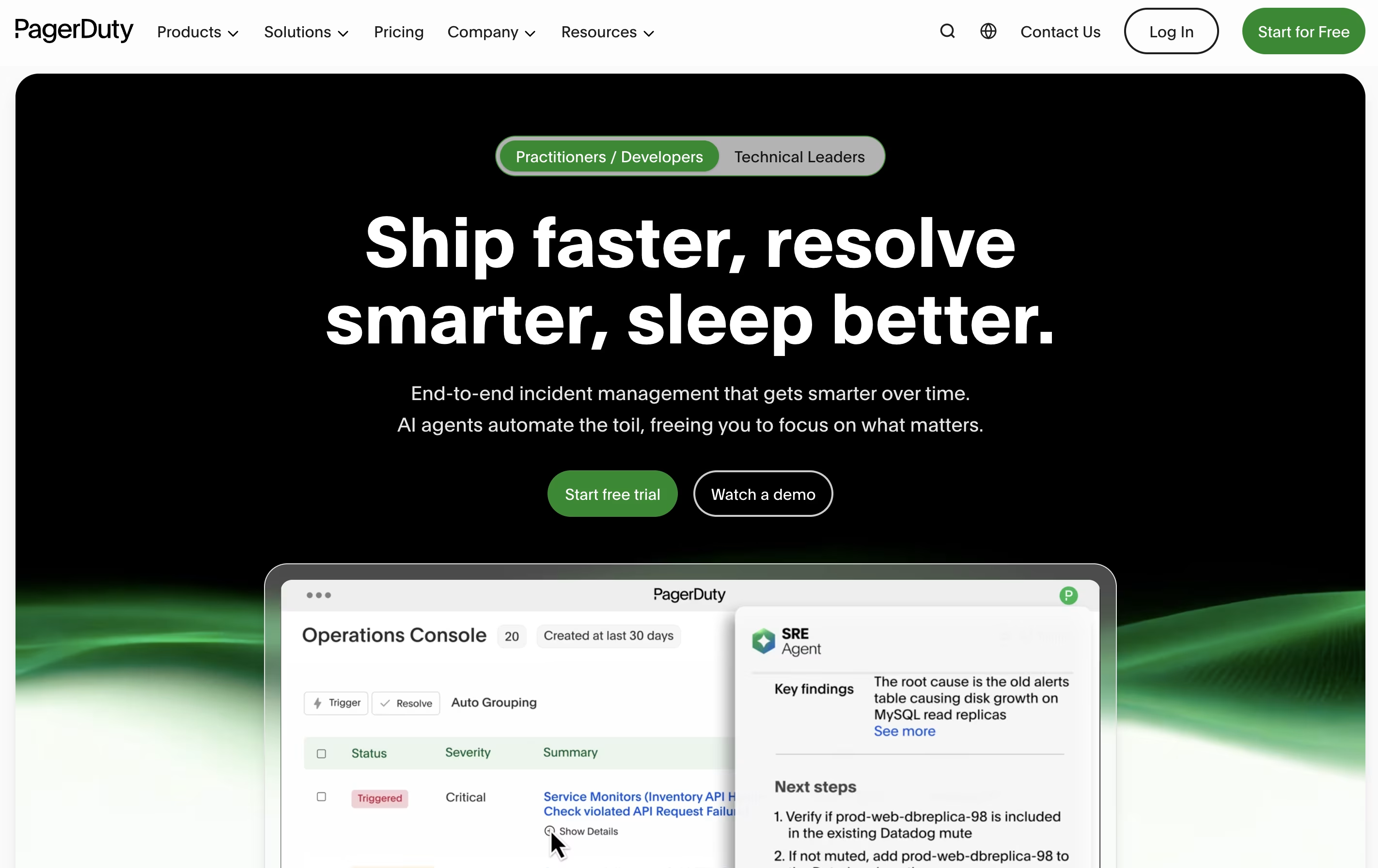
The platform works by connecting to your existing monitoring tools and applications. When these tools detect an issue, PagerDuty receives the alert and determines who should be notified based on schedules you create. It can send notifications through multiple channels to ensure someone responds quickly.
Beyond basic alerting, PagerDuty offers workflow automation, team collaboration features through chat tools, and detailed reports to help you learn from past incidents. It supports organizations of all sizes, from small startups to large enterprises managing complex systems.

Status.io is a cloud-based tool that creates and manages status pages for your online services. When you have a website, app, or service that people depend on, you need a way to tell them when something is not working properly or when you plan to do maintenance work.
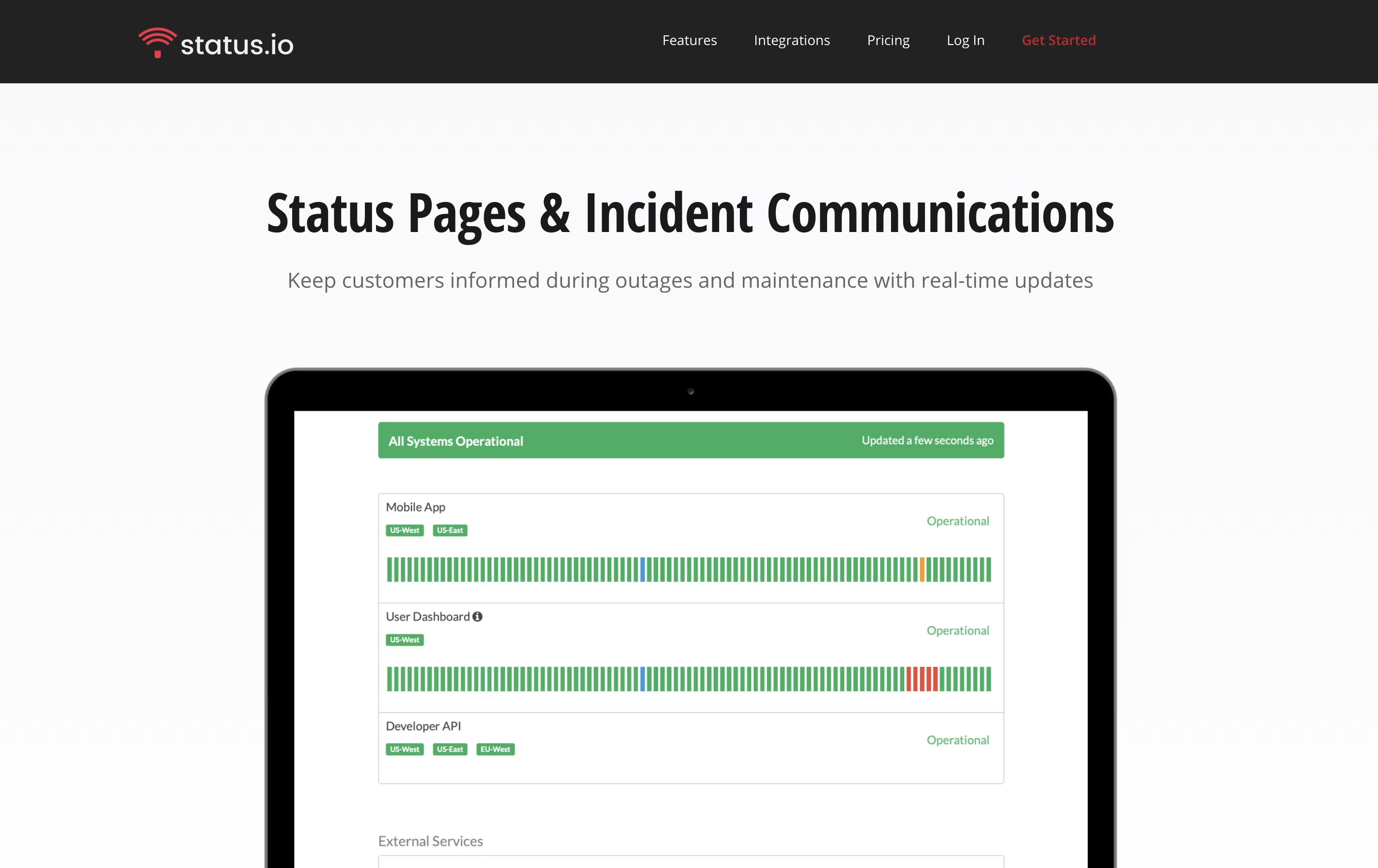
The platform lets you create a status page that shows which parts of your system are running normally and which ones have issues. You can track different components separately, such as your website, mobile app, payment system, or database. When problems occur, you can post updates and send notifications to people who subscribed to your status page through email, text messages, or other tools like Slack and Microsoft Teams.