

Best 8 Tools for Single Sign-On Enablement in 2026
Last Updated: October 26, 2025
Enterprise users often expect to log into multiple internal tools with a single set of credentials. Single Sign-On Enablement tools let organizations set up unified login across connected systems.
IT and security teams use SSO enablement to simplify login while keeping access centrally controlled.
 Okta
Okta OktaCloud Identity and Access Management Platform,
  Auth0
Auth0 Auth0Secure Authentication & User Login Platform by Okta, and
  Authentik
 AuthentikOpen Source Identity Provider for SSO are the best for Single Sign-On Enablement. So, let’s take a closer look at all 8 tools.
Okta is a tool that handles identity and access management in the cloud. It lets businesses control who can use their apps and resources safely. When someone needs to log in, Okta checks their identity and decides what they can access based on company rules.
The platform includes features like single sign-on, where users log in once and access all their apps without entering passwords again. It also offers extra security checks through methods like codes sent to phones. Okta connects with employee directories and can automatically create or remove accounts when people join or leave a company.
The service is built for the cloud, so it scales easily and works from anywhere. Companies can start with basic features and add more as needed.
Auth0 is an identity and access management platform that handles user authentication and authorization for web and mobile applications. It works as a service that sits between your application and your users, managing who can access what.
The platform supports many login types including traditional passwords, social media accounts like Google or Facebook, fingerprint recognition, and one-time codes. It also provides single sign-on, which lets users log into multiple apps with one set of credentials.
Auth0 handles security requirements like checking for breached passwords, blocking suspicious login attempts, and verifying user identity through multiple factors. Developers can set it up quickly using ready-made tools and code libraries, saving months of development time and reducing security risks.
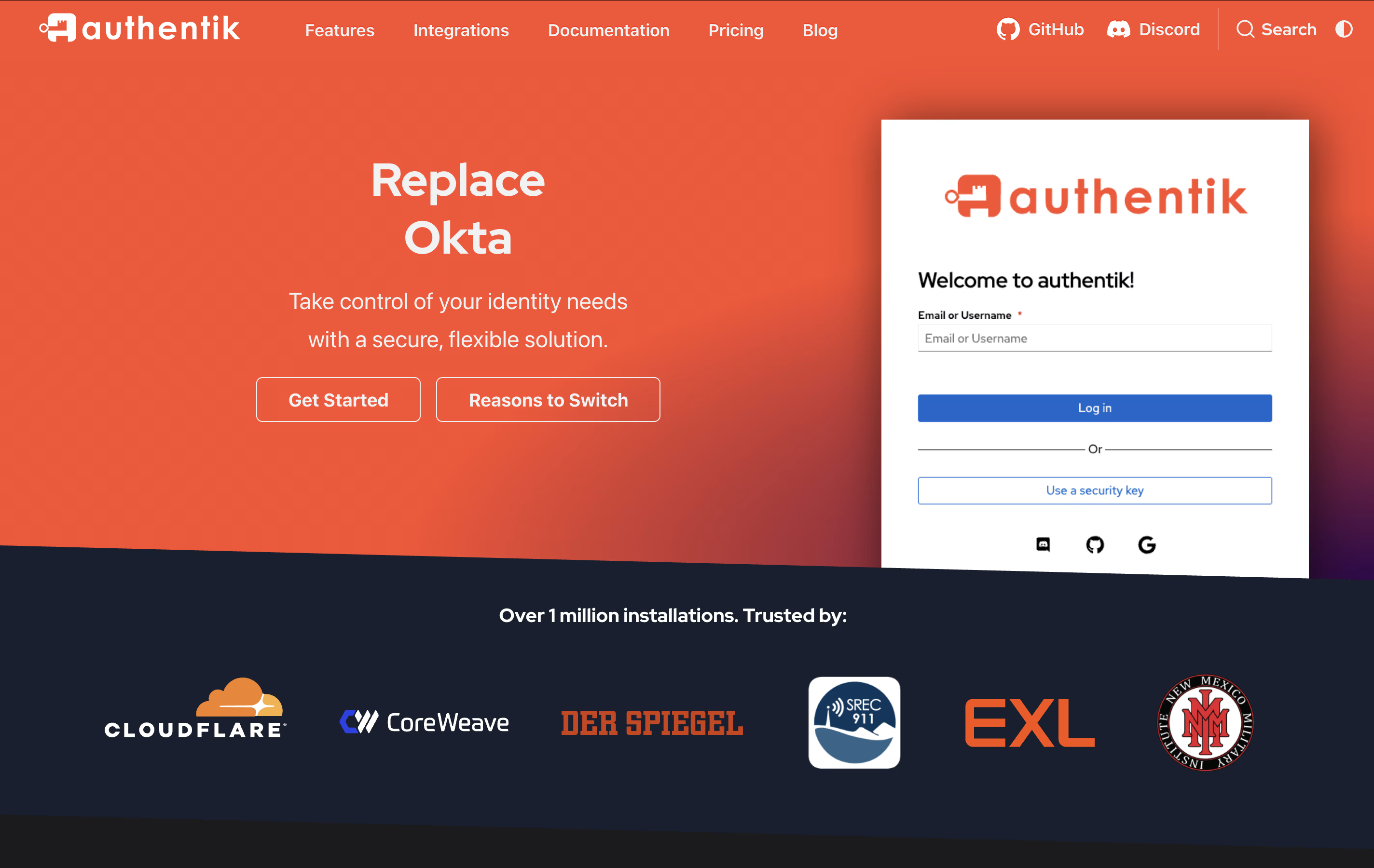
Authentik is a tool that manages how users sign in to your applications and services. Think of it as a central security checkpoint that verifies who someone is before letting them access your systems.
It supports multiple authentication methods, from simple passwords to advanced options like security keys and fingerprints. Authentik can connect to social login providers like Google or GitHub, or it can manage its own user database. The platform uses industry-standard protocols, which means it works with thousands of applications without custom coding.
Authentik is open source, meaning anyone can review its code for security issues. You can install it using Docker or Kubernetes, making it suitable for any size organization. There are free and paid versions available, depending on your needs.

Tesseral is a complete authentication system designed for business-to-business software applications. It handles user login, permission management, and security features so developers can focus on building their main product.
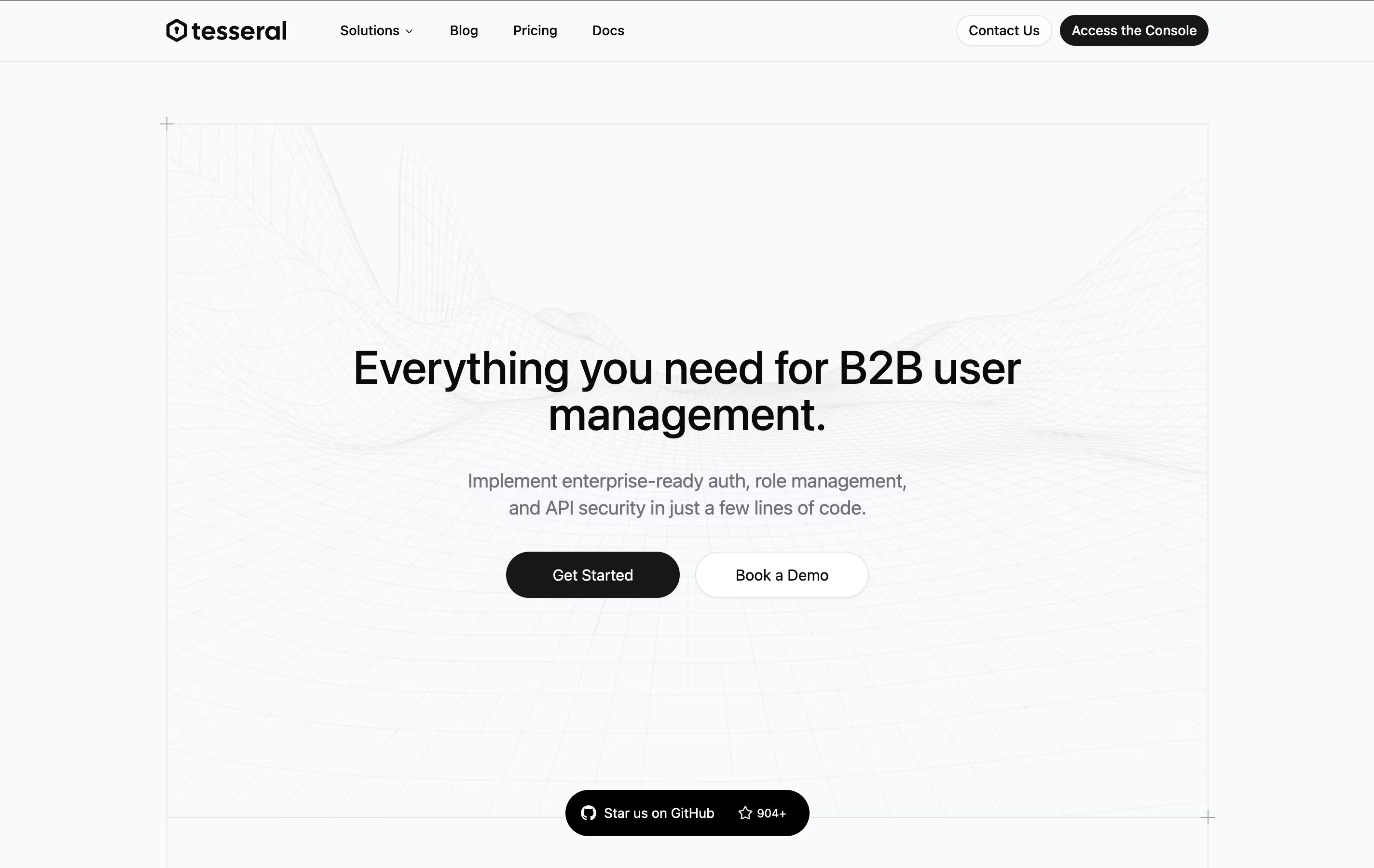
The platform supports multiple ways for users to log in, including passwords, magic links, Google, GitHub, and Microsoft accounts. For larger companies, it includes enterprise features like SAML and OIDC single sign-on, which lets employees use their work accounts.
Tesseral is open-source with an MIT license, meaning anyone can view, modify, and use the code. You can choose between using their managed cloud service or running Tesseral on your own servers. The platform works with popular frameworks like React, Next.js, Python, and Node.js through ready-made code packages.

Pomerium is a zero trust access proxy that sits between users and internal applications. It verifies identity and permission before allowing access to any resource. The tool works by connecting to your existing identity provider like Google, Okta, Azure, or others.
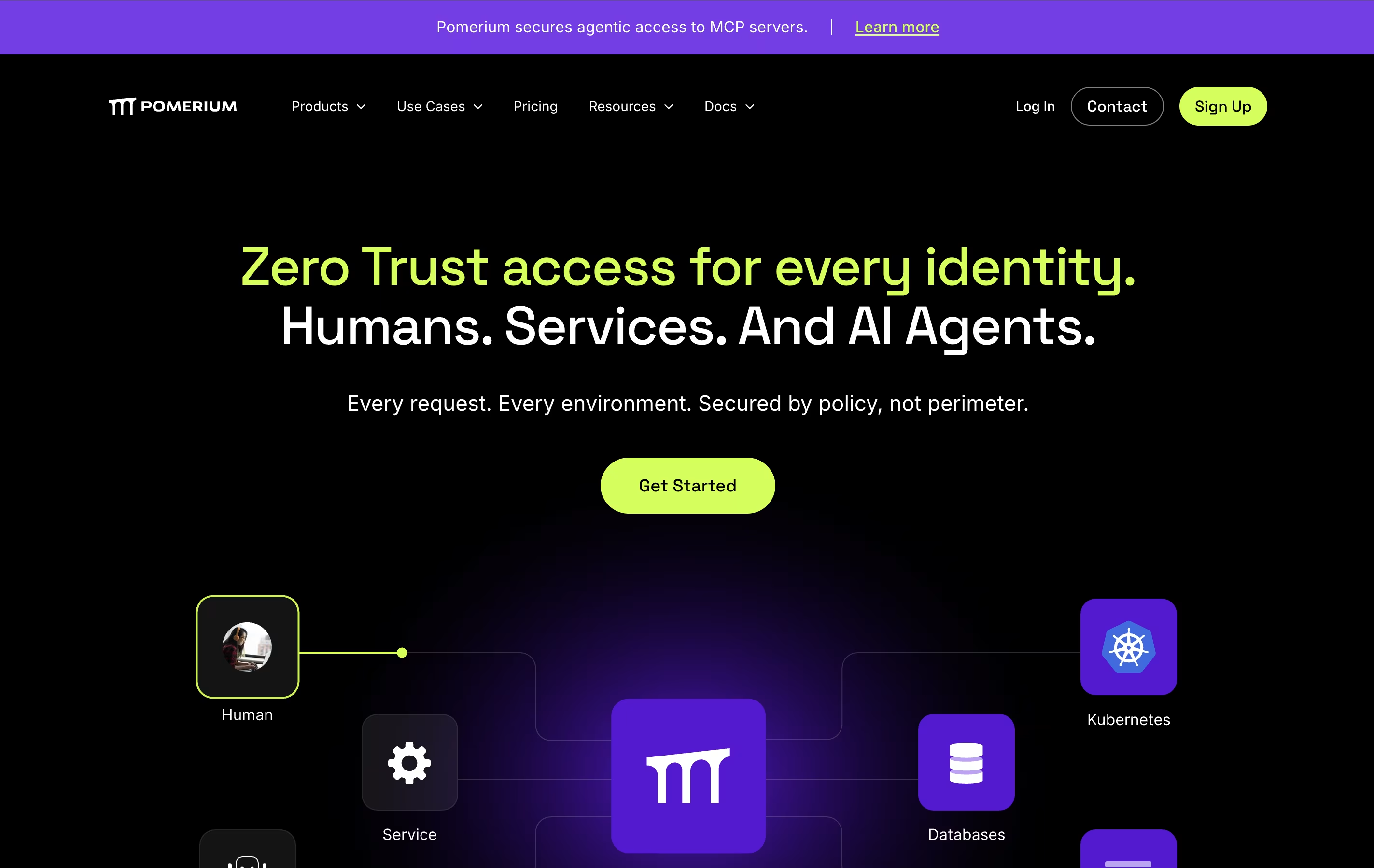
When someone tries to access an application, Pomerium checks their identity, device status, and other factors against your security rules. Only if everything matches will it grant access. This happens in real time for every request, not just once during login.
Pomerium is open source and can be self-hosted, meaning your data stays under your control. It offers both free and paid versions, with the paid options adding team features and support for larger organizations.

OneLogin is a cloud platform that manages who can access your company's apps and data. It acts as a central hub where users log in once and gain access to all their authorized applications without needing separate passwords for each tool.
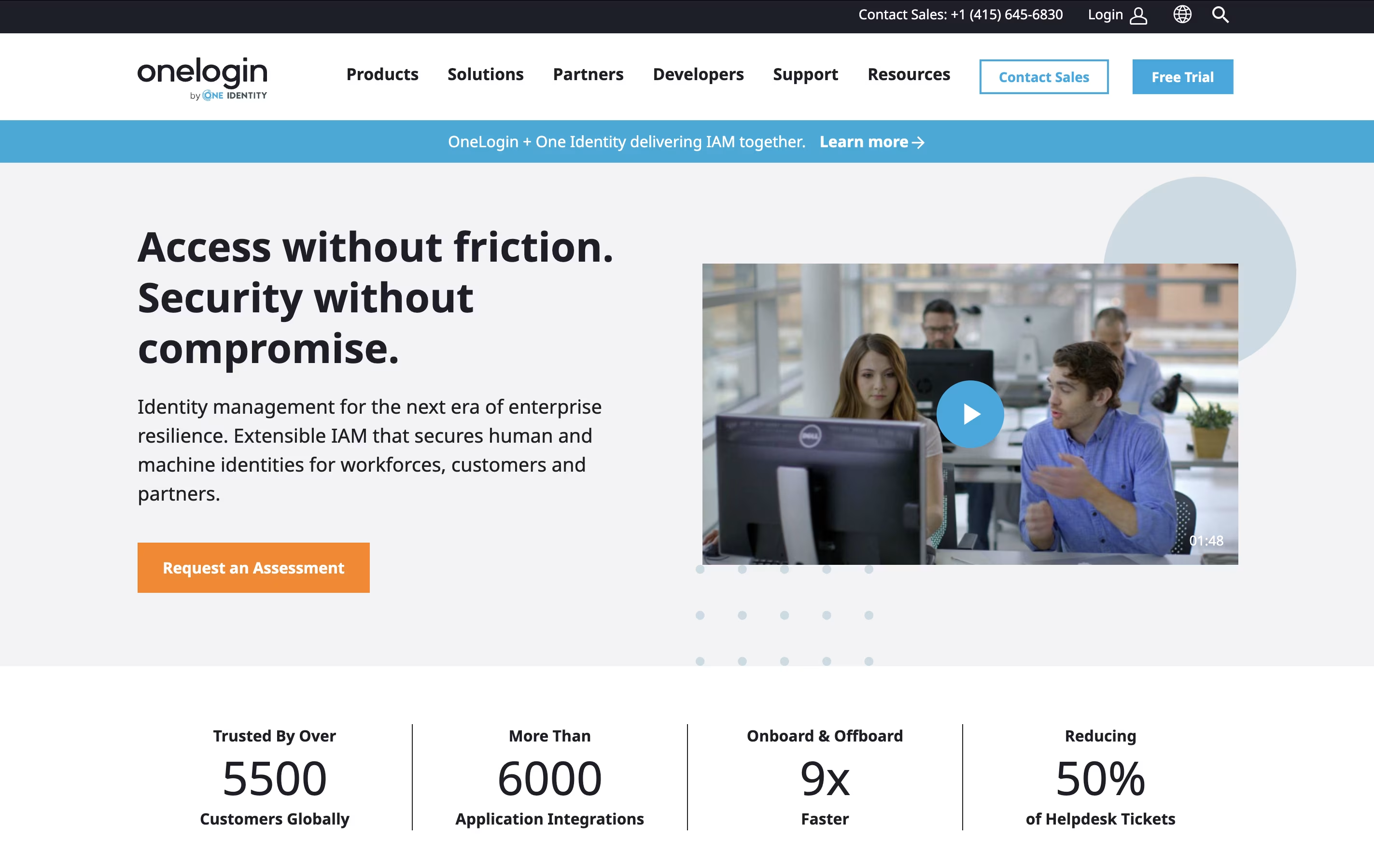
The platform includes several key capabilities: single sign-on lets users access multiple apps with one login, multi-factor authentication adds extra security layers, and automated user provisioning creates and removes accounts automatically when people join or leave your organization. OneLogin also connects with your existing directories like Active Directory or cloud systems like Workday.
Unlike traditional methods where IT teams manually manage each user's access, OneLogin automates these tasks while maintaining strong security through modern authentication methods and access policies.

Casdoor is a complete identity management solution that handles user authentication and authorization for your applications. It supports OAuth 2.0, OpenID Connect, SAML, CAS, and LDAP protocols, making it compatible with almost any application or service.
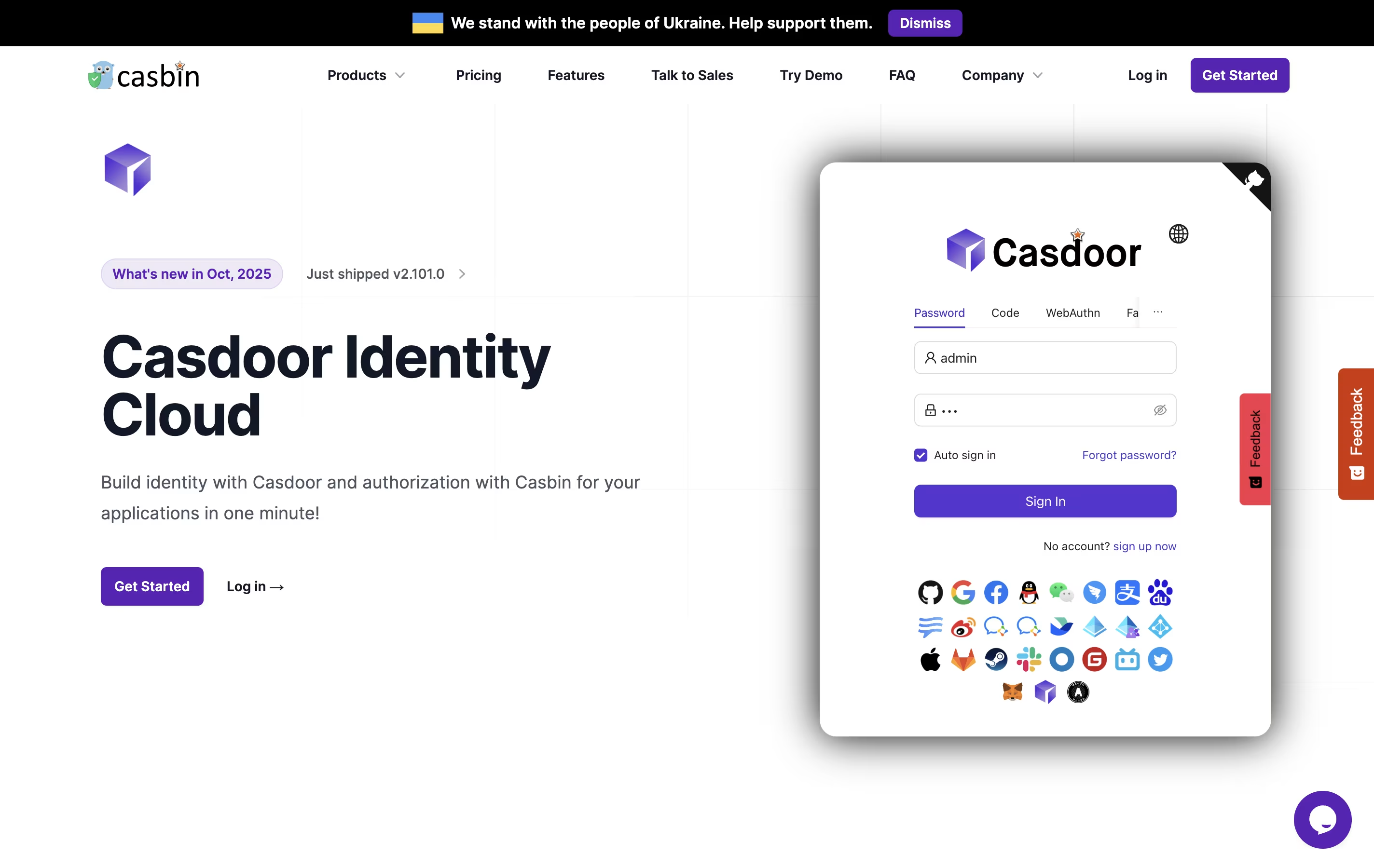
The platform includes a user-friendly admin panel where you can manage users, set up authentication methods, and control access permissions. It allows users to log in with passwords, social media accounts like Google and Facebook, or security keys. The system also supports advanced features like multi-factor authentication and biometric login.
You can use Casdoor as a cloud service or install it on your own servers. It works with multiple databases and integrates easily with existing systems through synchronization tools.
Ping Identity is a complete security platform that manages who can access your business applications and data. It acts as a gatekeeper, checking user identities before allowing access to sensitive information. When someone tries to log in, Ping Identity verifies they are who they claim to be using various methods like passwords, phone authentication, or fingerprints.
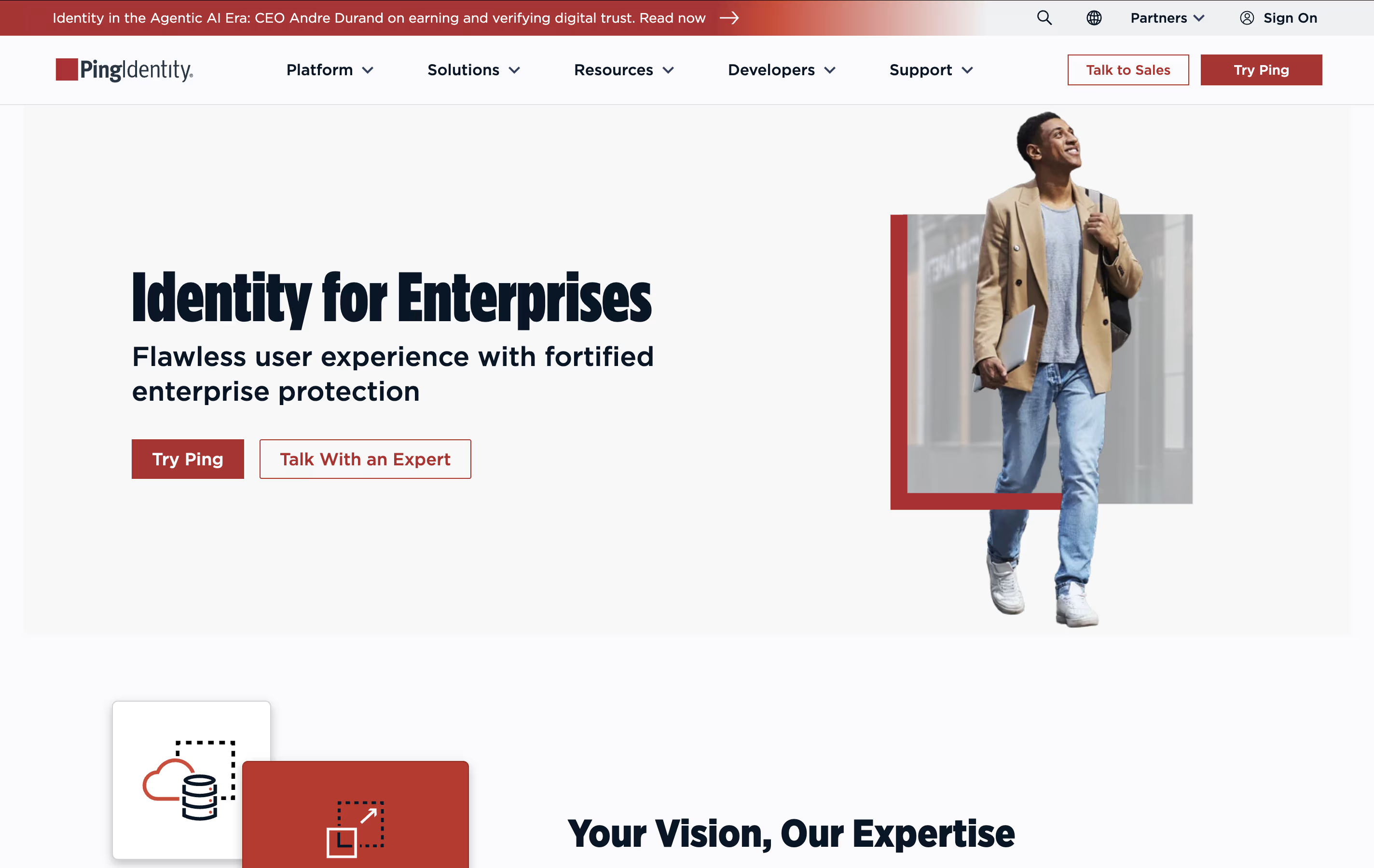
The platform includes several key tools: single sign-on lets users access multiple apps with one login, multi-factor authentication adds extra security layers, and access management controls what each user can see or do. It also includes API security to protect data connections and directory services to store user information. Ping Identity works with thousands of apps and can be set up in the cloud or on your own servers.