

Best 8 Tools for Process Automation in 2026
Last Updated: September 23, 2025
Repetitive manual tasks quietly eat up a huge amount of time across most teams. Process Automation tools connect apps and workflows so that routine tasks happen automatically, without someone having to trigger each step by hand.
Operations teams and business owners use process automation to cut down on manual busywork and reduce the chance of human error in repeated tasks.
 Gumloop
 GumloopNo-Code AI Automation Platform,
  Trigger.dev
 Trigger.devOpen Source Background Jobs Platform for Developers, and
  Lindy
Lindy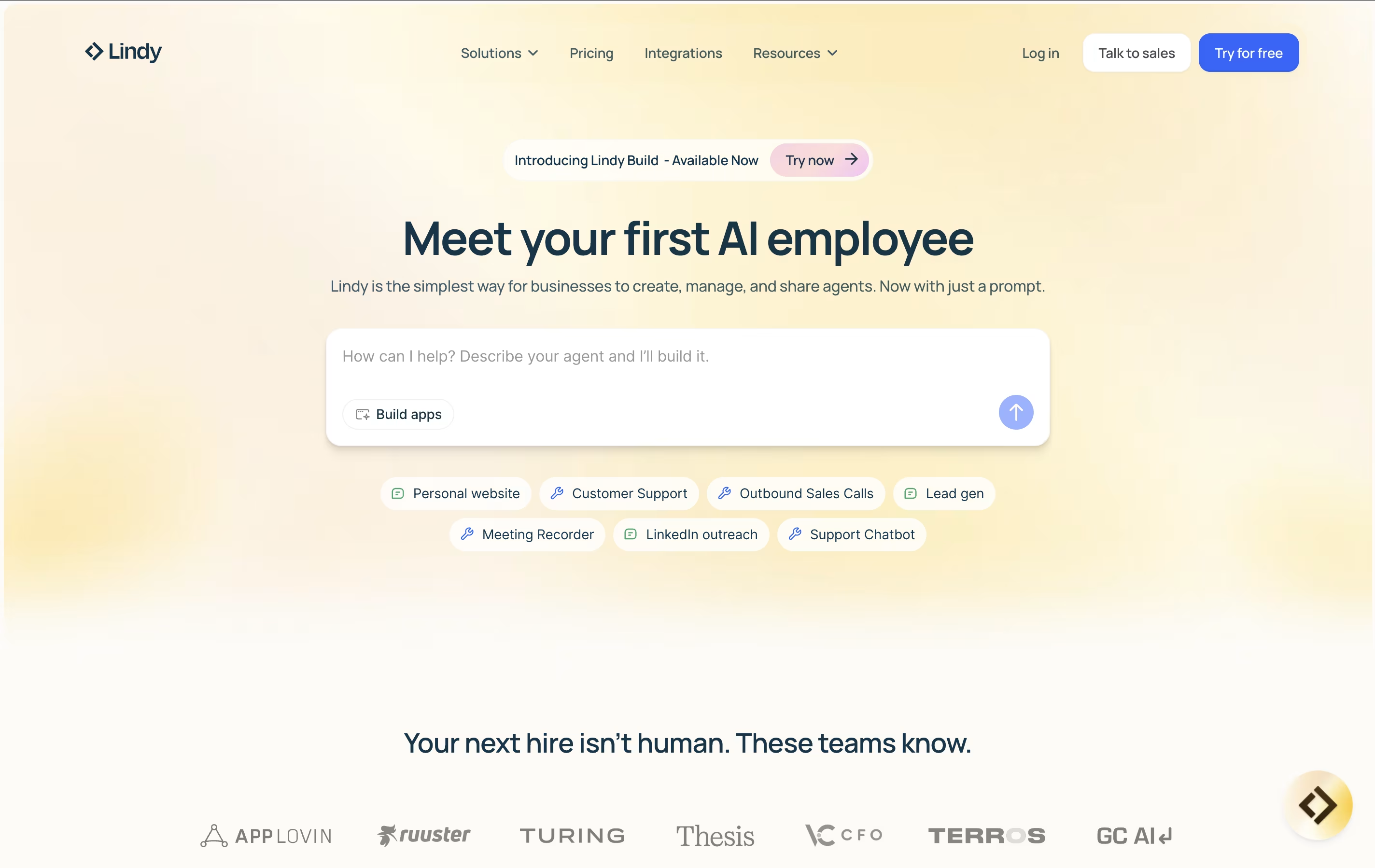 Lindy are the best for Process Automation. So, let’s take a closer look at all 8 tools.
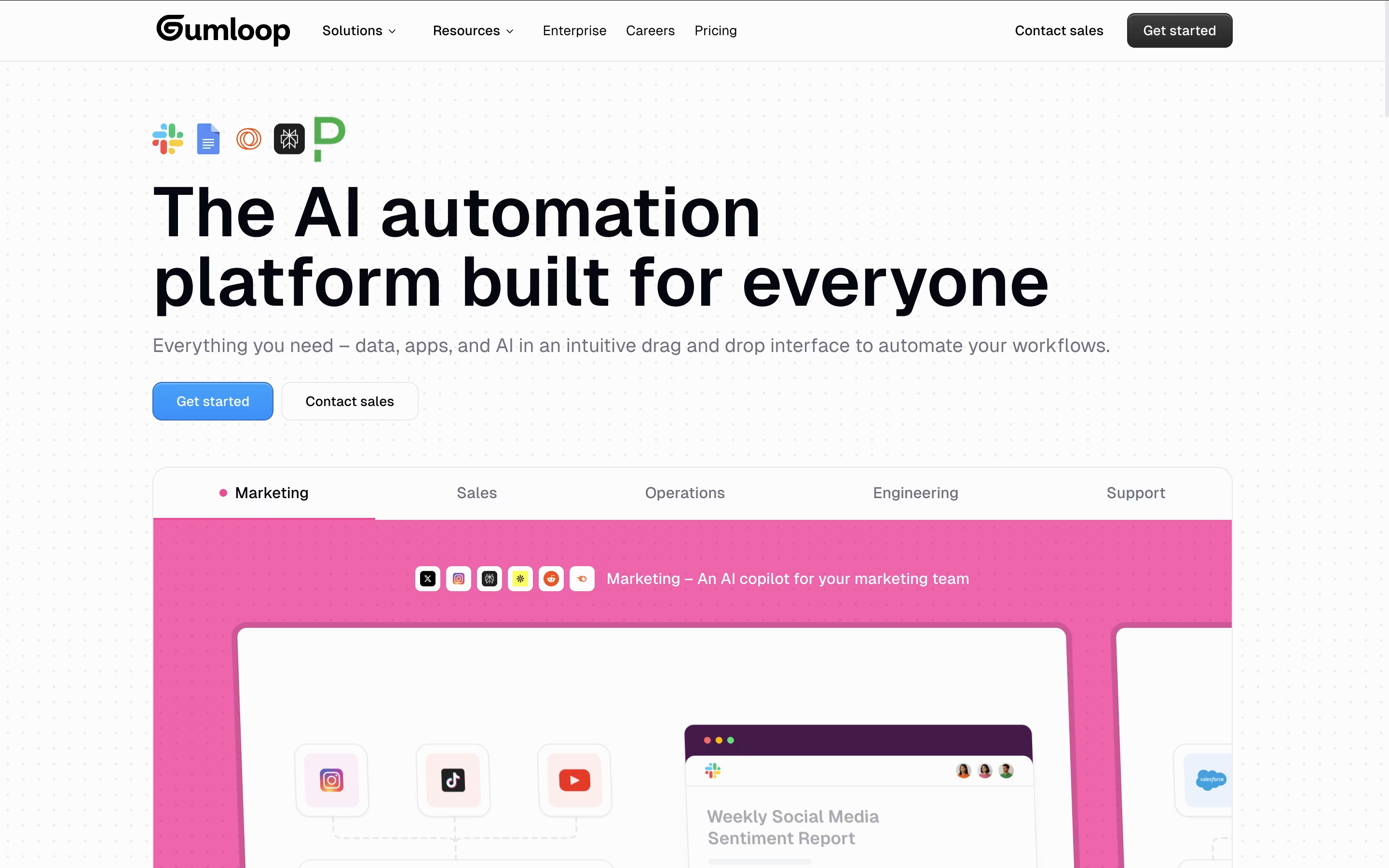
Gumloop is an AI-native automation platform designed to help businesses automate complex workflows using artificial intelligence and machine learning. Think of it as a visual programming tool that connects your favorite business applications with cutting-edge AI models.
The platform works by letting users drag and drop "nodes" (individual components) onto a visual canvas to build complete automation workflows. These nodes can be anything from web scrapers and document processors to AI models like GPT-4 and Claude. Users connect these nodes together to create "flows" that can handle complex business processes automatically.
Founded in 2023, Gumloop has quickly gained popularity among teams at companies like Webflow, Instacart, and Shopify. What makes it special is its AI-first approach - instead of just moving data between apps, it can actually process, analyze, and make decisions about that data using artificial intelligence. This makes it perfect for automating tasks that previously required human judgment.
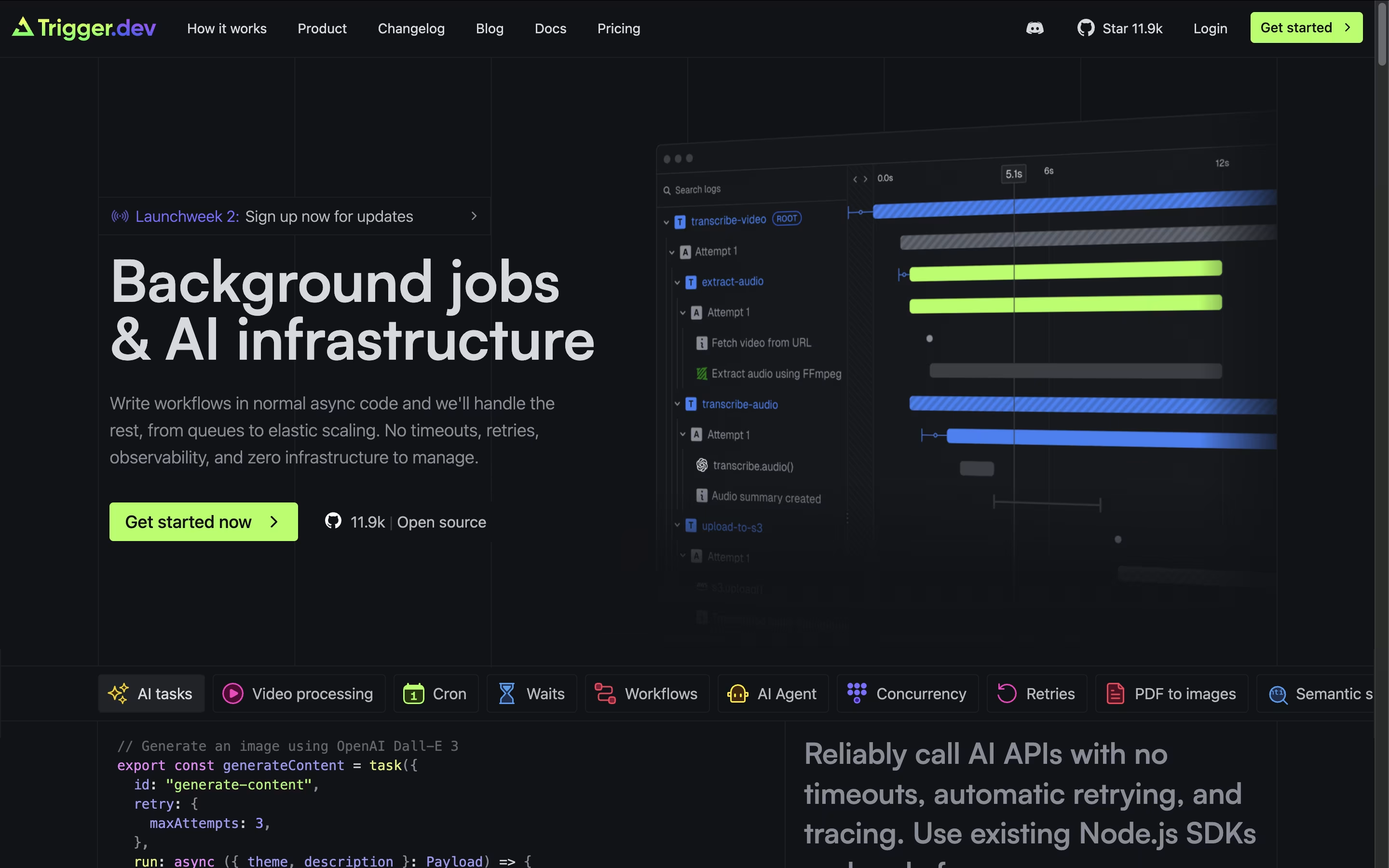
Trigger.dev is an open source background jobs framework that allows developers to create reliable, long-running tasks directly in their codebase. Think of it as a better way to handle any job that takes more than a few seconds to complete, without worrying about timeouts or server management.
The platform excels at tasks like AI content generation, video processing, data analysis, email campaigns, and complex workflows that traditional serverless functions struggle with. What makes Trigger.dev special is its simplicity - you write regular JavaScript or TypeScript code, deploy it through their CLI, and it runs on their managed infrastructure with no timeout limits.
With automatic retries, real-time monitoring, and seamless integration with your existing codebase, Trigger.dev handles the complex parts of background job management while you focus on building great features. It supports multiple environments and can be self-hosted or used as a cloud service.
Lindy is an AI-powered automation platform that lets anyone create intelligent assistants called "Lindies" without any coding knowledge. Think of it as a smart combination of ChatGPT's intelligence and Zapier's connectivity, but much more powerful.
Each Lindy you create can understand context, make decisions, and take actions across your entire tech stack. Unlike basic automation tools that just move data around, Lindy's AI agents can read emails and understand what they mean, research leads and write personalized outreach, join meetings and take detailed notes, or handle customer support with human-like responses.
The platform uses simple "if this, then that" logic combined with natural language commands, making it accessible to everyone from small business owners to large enterprise teams. You can start with pre-built templates or create completely custom agents tailored to your specific business needs.

Inngest is an event-driven durable execution platform built to run reliable, multi-step workflows on any platform without managing infrastructure. Think of it as a mix between traditional queues and modern serverless functions, but much better.
It uses step functions and incorporates real-time event processing, enabling developers to build complex workflows that can run for days or months with automatic error recovery. The main difference from regular workflow tools is simple: instead of setting up queues and managing state, you write normal code and Inngest handles all the infrastructure complexity.
Each step in your workflow automatically retries on failure and maintains state between executions, allowing you to easily build reliable systems. Founded in 2021, this tool has become popular because it eliminates infrastructure headaches and makes complex workflows easy. You can write functions in TypeScript, Python, or Go and deploy anywhere.

Tonkean is an enterprise-grade process orchestration platform that uses artificial intelligence to automate and coordinate business workflows across teams and systems. Think of it as the missing link between all your business applications, creating seamless experiences for employees who need to get things done.
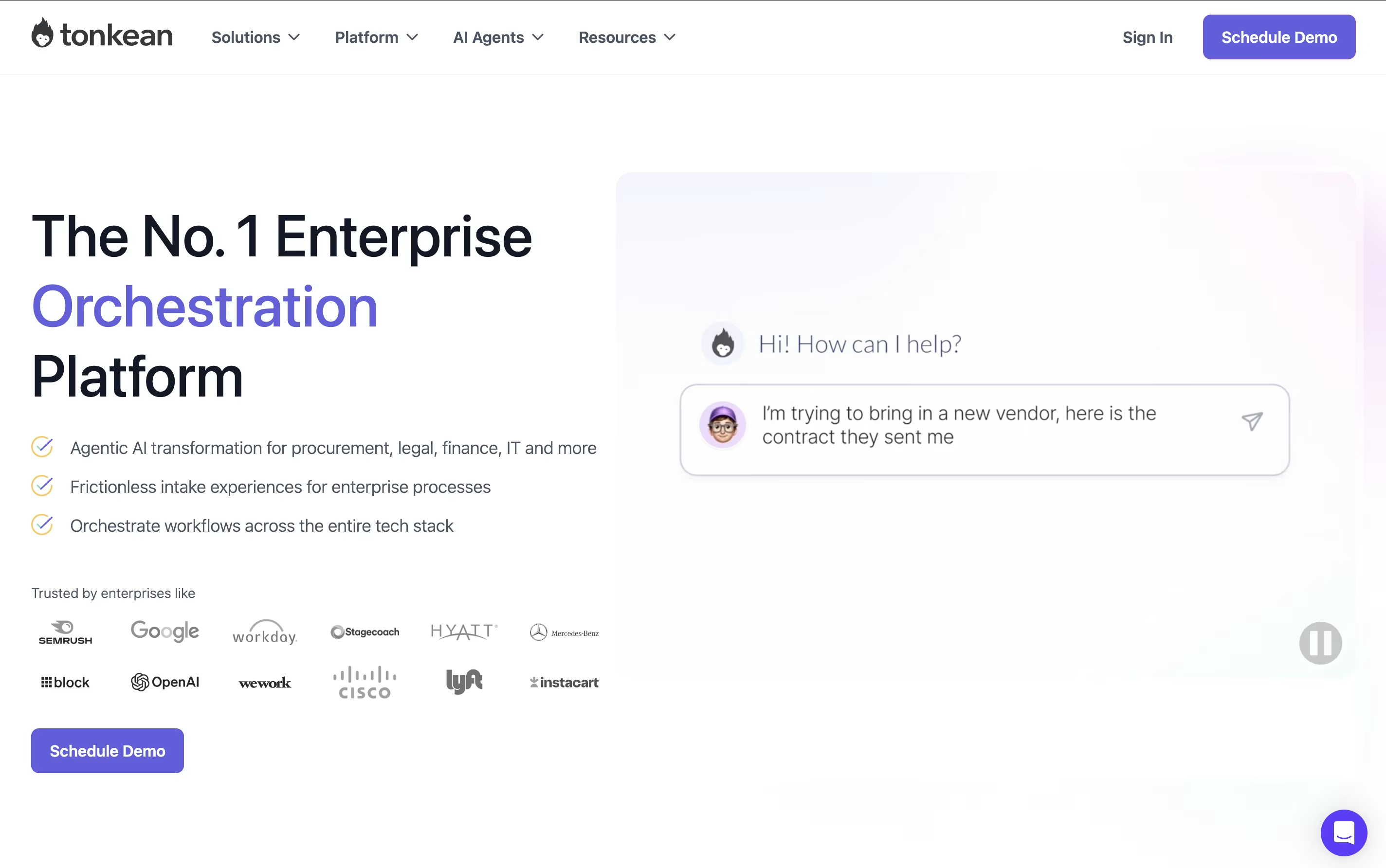
The platform specializes in "process orchestration," which means it doesn't just automate individual tasks—it manages entire workflows that involve multiple people, departments, and software systems. For example, when someone submits a purchase request, Tonkean can automatically check company policies, route it to the right approver, create purchase orders in your procurement system, and send updates to everyone involved.
Founded in 2015 and trusted by companies like Google, Netflix, and Instacart, Tonkean stands out because it requires no coding skills and works with your existing tools. You can build complex automated processes using simple drag-and-drop tools, making it accessible to business users rather than just IT professionals.

Process Street is the world's first AI-powered process management platform that helps teams document, share, and automate their core business processes. Think of it as turning your company handbook into smart, interactive workflows that guide your team through every step of important tasks.
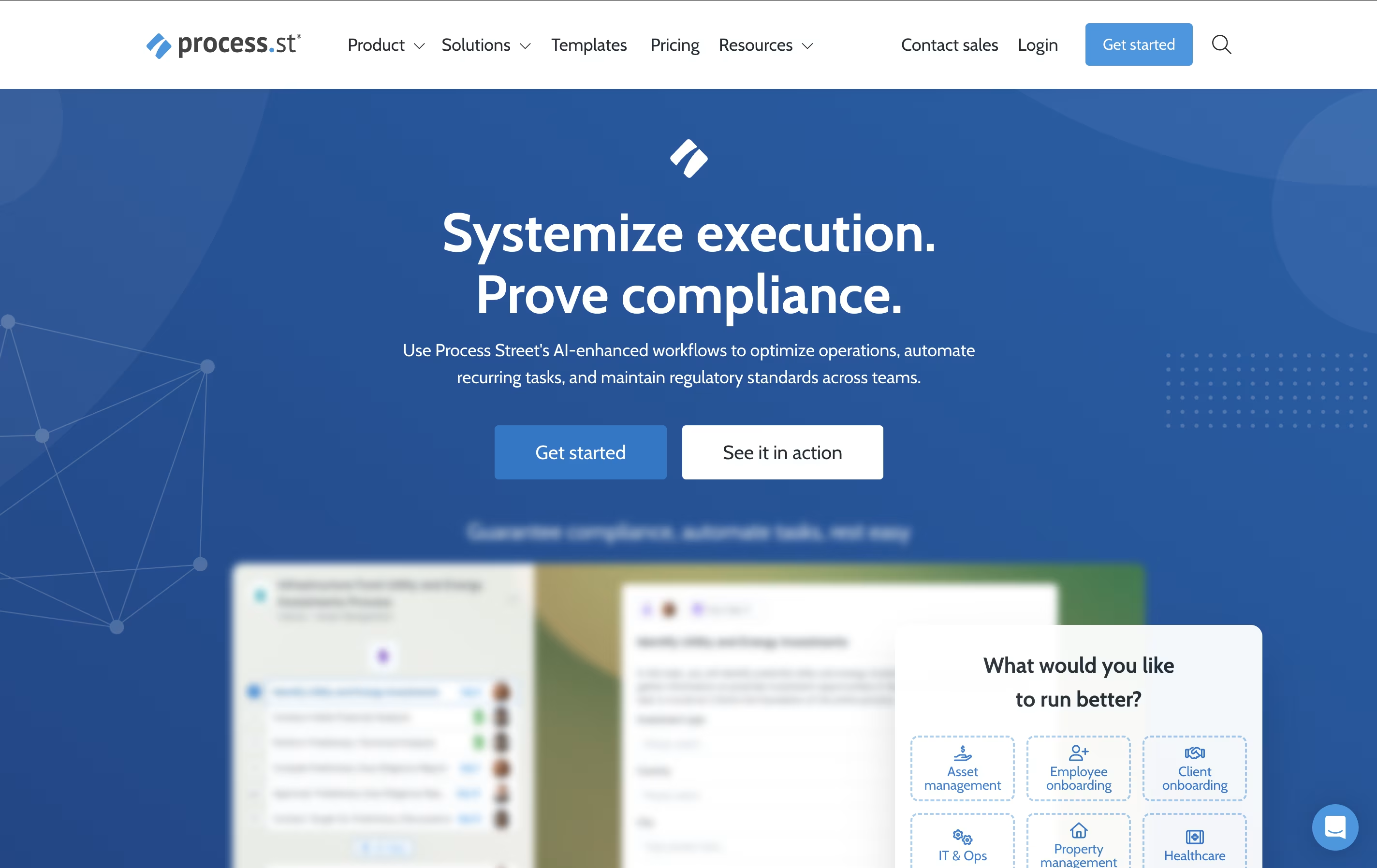
The platform allows you to create dynamic checklists with conditional logic, automated actions, and real-time tracking capabilities. Unlike static documents or basic task managers, Process Street creates living workflows that adapt based on different scenarios and automatically trigger actions across your tech stack.
From employee onboarding and customer implementations to compliance audits and quality control processes, the platform ensures nothing falls through the cracks. With features like AI-generated workflows, approval routing, and comprehensive analytics, Process Street transforms how organizations manage their operations. The result is improved consistency, reduced errors, faster completion times, and better team collaboration across all your business processes.

Temporal is a durable execution platform that guarantees your application code will run to completion, no matter what goes wrong. Think of it as a safety net for your software that automatically handles all the messy parts of distributed systems.
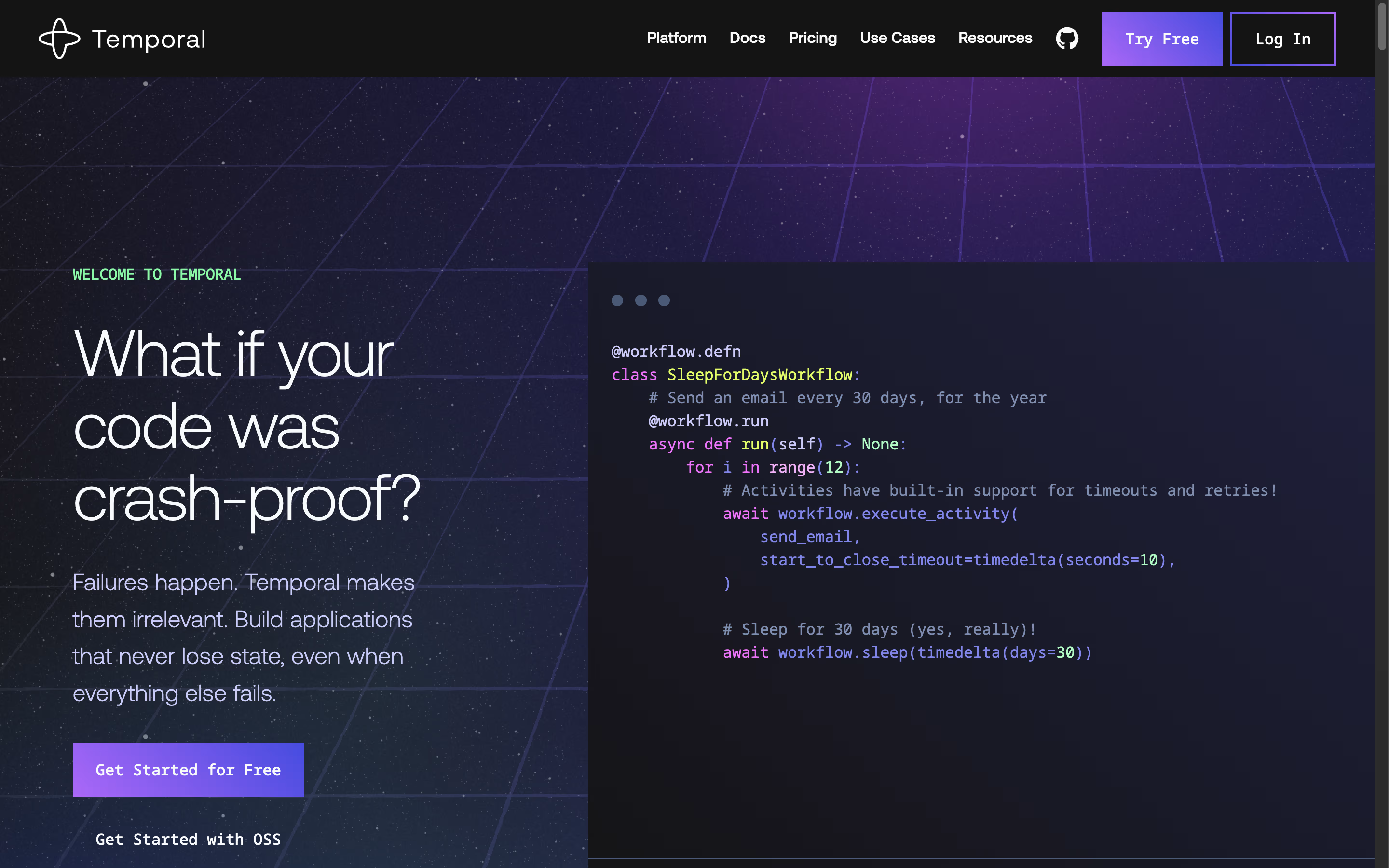
The platform consists of two main parts: an open-source server that manages workflow execution and SDKs for popular programming languages like Go, Java, Python, TypeScript, .NET, and PHP. Unlike traditional approaches where you write complex error-handling code, Temporal lets you write your business logic as simple workflows and activities.
Workflows define the overall process, while activities handle individual tasks like sending emails or processing payments. The system automatically persists your application's state at every step, so if something fails, execution picks up exactly where it left off. This approach eliminates the need for custom retry logic, state machines, and complex failure handling code.

Integry is an enterprise-grade integration platform that serves as the bridge between SaaS applications and hundreds of third-party tools. Unlike traditional integration solutions, Integry focuses on embedded, user-facing integrations that work directly within your product interface.
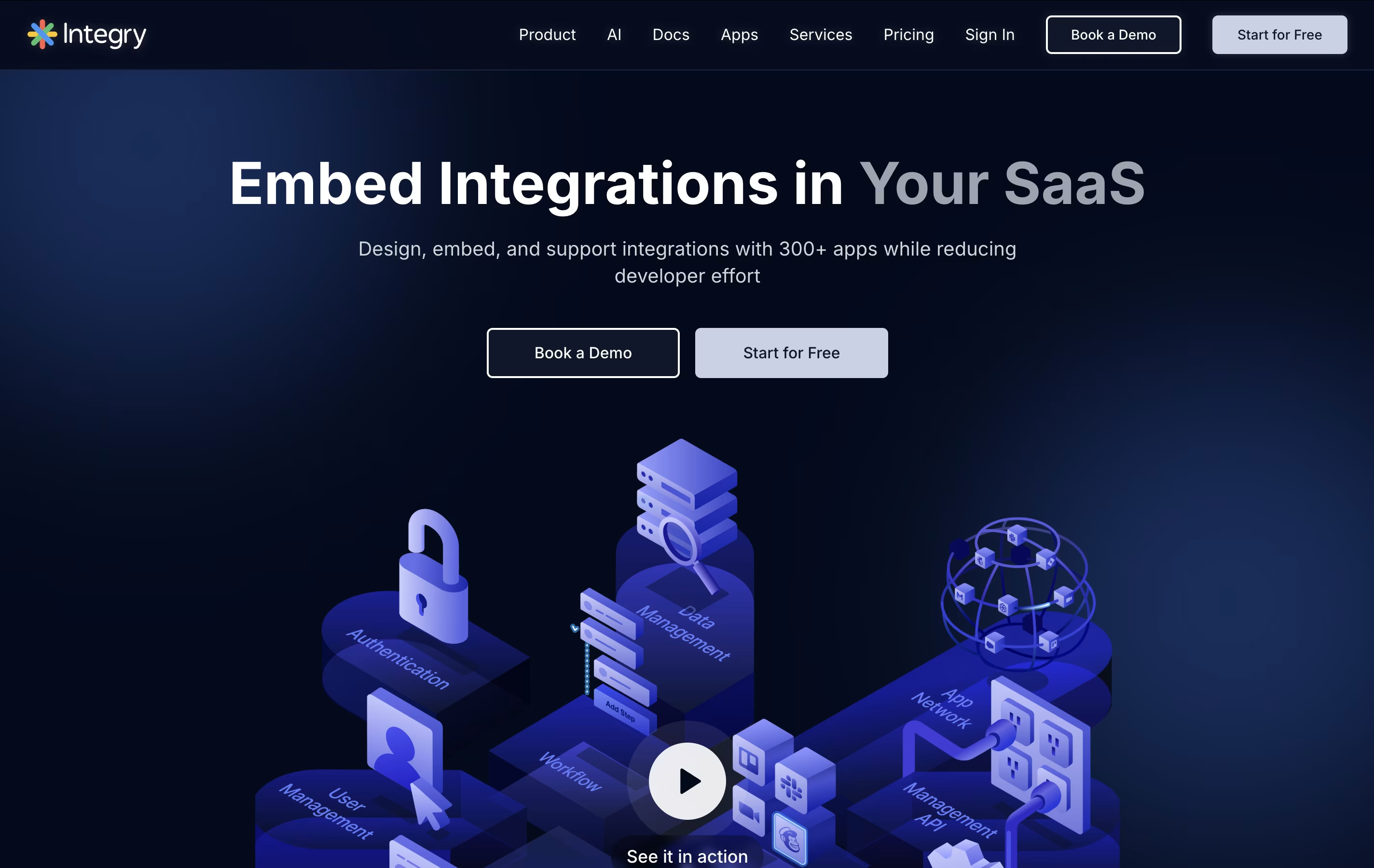
The platform offers AI-powered function calling capabilities, allowing artificial intelligence systems to predict and execute actions across different applications automatically. This makes it particularly valuable for AI agents and chatbots that need to interact with external tools.
Integry handles the complex technical aspects of integrations including OAuth authentication, data mapping, error handling, and API management. The visual programming environment lets product teams build sophisticated workflows without writing code, while the white-label components ensure the integration experience matches your brand perfectly.