
Statuspage vs UptimeRobot: Features, Pricing and User Reviews 2026

UptimeRobot
Website Monitoring with Instant Downtime Alerts
UptimeRobot
Website Monitoring with Instant Downtime Alerts
What are Statuspage and UptimeRobot?

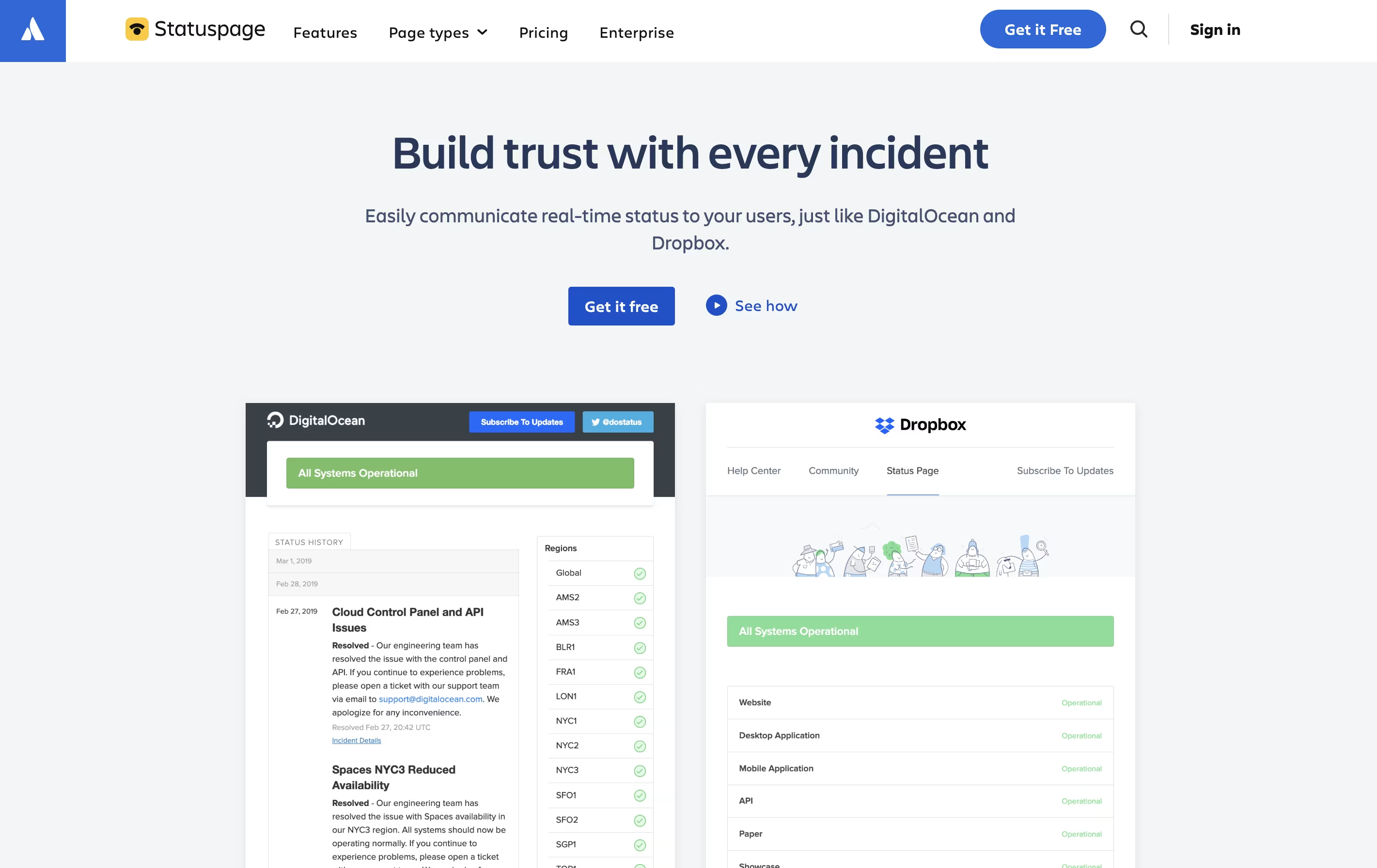
Statuspage is a web-based tool that creates status pages for your services and applications. When something goes wrong with your website, app, or service, you can quickly post an update that automatically notifies all your subscribers.
The platform does not monitor your systems directly. Instead, it connects with your existing monitoring tools like Datadog, New Relic, or PagerDuty. When these tools detect a problem, Statuspage can automatically update your status page and send notifications to users.
You can create public pages for external customers or private pages for internal teams. The tool includes features like incident templates, scheduled maintenance announcements, real-time metrics display, and historical uptime tracking. Everything works through a simple web interface that anyone on your team can use.
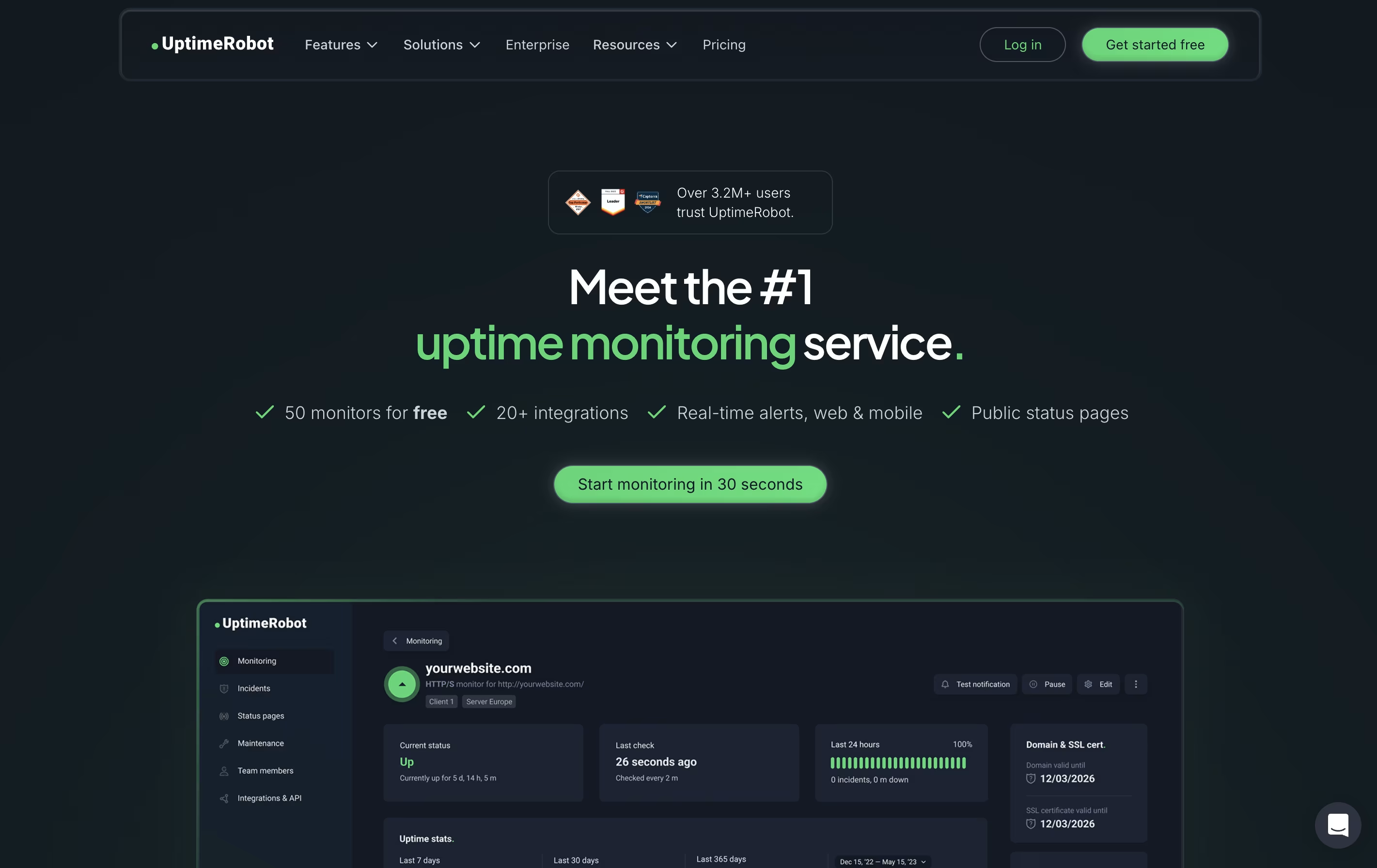
UptimeRobot is a monitoring tool that checks if your website or service is working properly. It sends automated requests to your website at regular intervals and notifies you immediately if it detects any problems. Unlike simple ping tools, UptimeRobot offers different types of checks including website monitoring, port monitoring, keyword tracking, and scheduled task verification.
The service runs checks from multiple locations worldwide to avoid false alerts. If your site goes down, UptimeRobot verifies the problem from different places before sending you a notification. This smart approach reduces unnecessary alerts while ensuring real issues get reported quickly.
You can receive alerts through email, text messages, phone calls, or popular apps like Slack and Discord. The free plan includes 50 monitors, while paid plans offer faster checks and more features.
Features of Statuspage and UptimeRobot
Create public, private, or audience-specific status pages
Automated incident notifications via email, SMS, and webhooks
Integration with monitoring tools and chat platforms
Scheduled maintenance announcements
Real-time system metrics display
Custom branding with CSS, HTML, JavaScript
Component-level status tracking
Incident templates for faster response
REST API access
Historical uptime showcase
Third-party component monitoring
Team collaboration features
Website and server monitoring with instant alerts
HTTP, ping, port, keyword, and heartbeat checks
SSL certificate and domain expiration tracking
Multi-location verification to prevent false alerts
Status pages for public uptime sharing
Email, SMS, phone call, and app notifications
Slack, Discord, Teams, and Zapier integrations
Response time and performance tracking
Team collaboration with customizable access levels
Mobile apps for iOS and Android
Use Cases of Statuspage and UptimeRobot
Pricing of Statuspage and UptimeRobot
Statuspage offers different pricing tiers for public and private pages to fit various needs.
Public Pages help you communicate with external customers. The Free Plan includes 100 subscribers, 25 components, 2 team members, and basic notifications. The Hobby Plan ($29/month) adds more subscribers and customization. The Startup Plan ($99/month) includes 1,000 subscribers and SMS notifications. The Business Plan ($399/month) offers 5,000 subscribers with advanced customization and role-based access. The Enterprise Plan ($1,499/month) provides 25,000 subscribers and priority support.
Private Pages are for internal team communication. Plans range from Starter ($79/month) to Enterprise ($1,499/month) with authenticated subscribers and enhanced security features.
Audience-Specific Pages start at $300/month for customized user group communication. All plans include SSL, REST API access, and core features like incident management and scheduled maintenance.
UptimeRobot offers pricing plans designed for different needs and budgets.
The Free Plan costs nothing and includes 50 monitors with checks every 5 minutes. You get basic features like keyword monitoring and simple status pages. This plan works well for hobby projects and personal websites.
Solo Plan at $8 per month provides 10 monitors with 60-second checks. It adds location-specific monitoring, slow response alerts, and DNS monitoring with access to 9 integrations.
The Team Plan costs $34 monthly and is the most popular choice. It includes 100 monitors, 60-second intervals, all 12 integrations, full-featured status pages, and space for 3 team members.
Enterprise Plan at $64 per month offers 200 monitors with 30-second checks, 5 team seats, and priority features for businesses needing maximum monitoring coverage.
All paid plans can be purchased annually to save around 20 percent on costs.
FAQs: Statuspage vs UptimeRobot
Reviews: Statuspage vs UptimeRobot
Based on 0 reviews
Based on 0 reviews
Compare Statuspage With Other Tools

Incident.io
AI-Powered Incident Management Platform

Better Stack
Complete Monitoring and Incident Management Platform

Status.io
Hosted Status Pages for Incident and Maintenance Communication

PagerDuty
Real-Time Incident Management for DevOps and IT Teams

FireHydrant
Incident Management Platform for Teams

Rootly
AI-Powered Incident Management Platform

StatusCake
Website Monitoring for Uptime, Speed & Security

Instatus
Fast Status Pages for Modern Teams

StatusPal
Hosted Status Pages & Service Monitoring
Compare UptimeRobot With Other Tools
Better Stack
Complete Monitoring and Incident Management Platform
Incident.io
AI-Powered Incident Management Platform
StatusCake
Website Monitoring for Uptime, Speed & Security

Hyperping
Simple Uptime Monitoring & Status Pages
Status.io
Hosted Status Pages for Incident and Maintenance Communication

Cronitor
Simple Monitoring for Cron Jobs and APIs
PagerDuty
Real-Time Incident Management for DevOps and IT Teams
Instatus
Fast Status Pages for Modern Teams

Checkly
Monitoring Platform for Developers