

Best 11 Tools for Incident Response in 2026
Last Updated: August 15, 2026
How quickly and clearly a team responds to a system outage or failure has a big impact on how much damage it causes. Incident Response tools help coordinate detection, communication, and resolution during an active incident.
IT and engineering teams use incident response tools to resolve outages faster and with clearer communication.
 PagerDuty
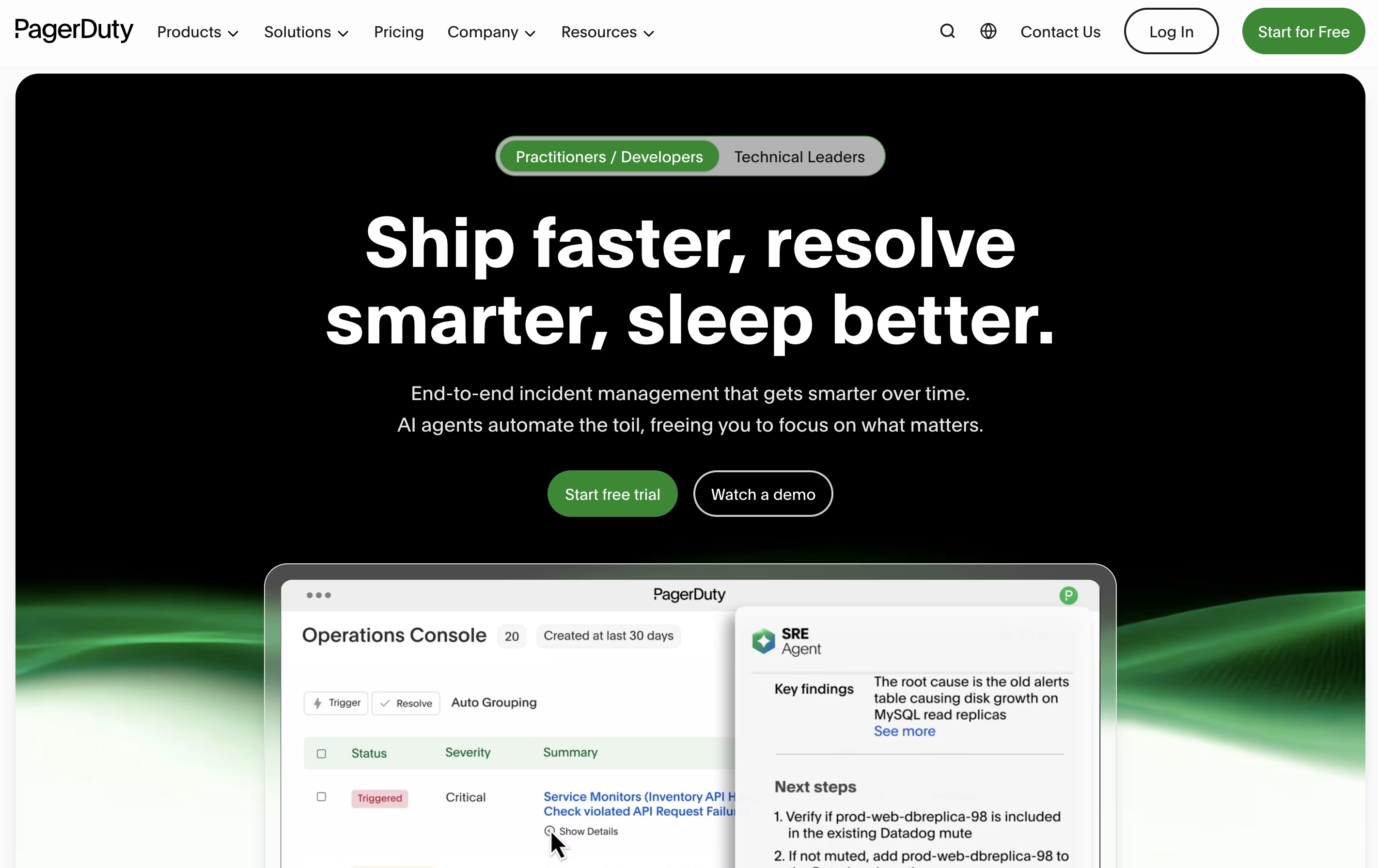 PagerDutyReal-Time Incident Management for DevOps and IT Teams,
  Incident.io
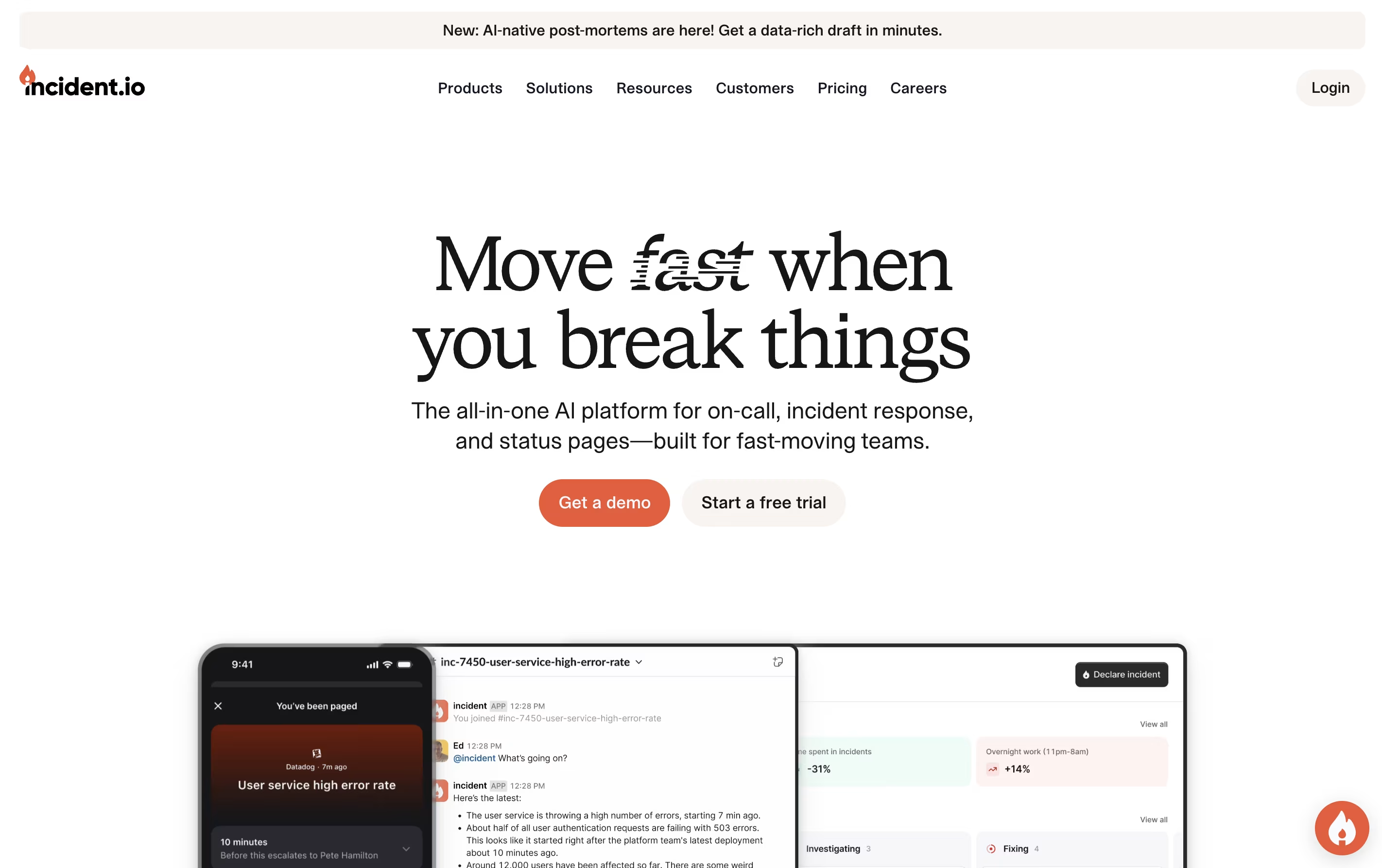 Incident.ioAI-Powered Incident Management Platform, and
  Statuspage
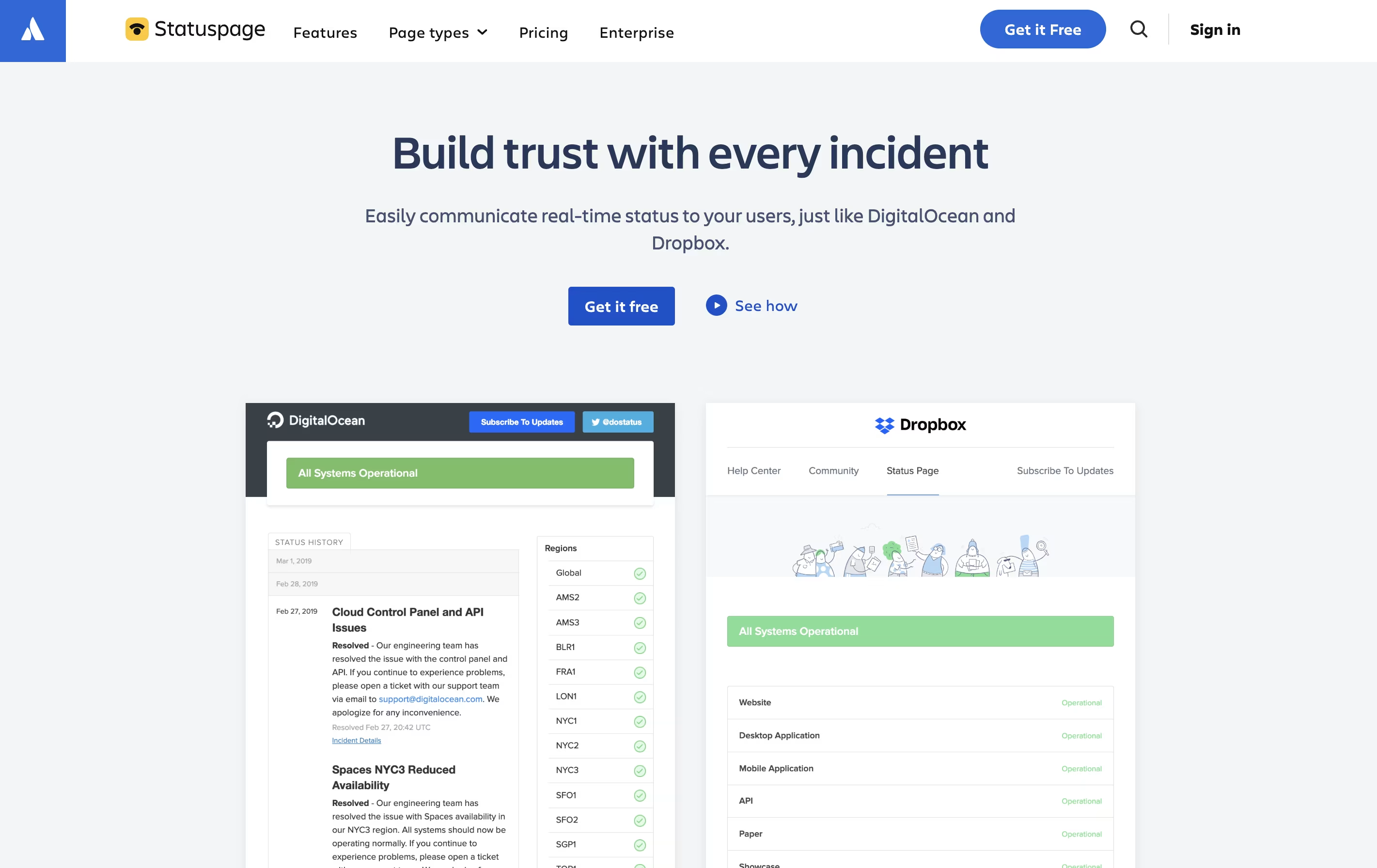 StatuspageStatus & Incident Communication Tool are the best for Incident Response. So, let’s take a closer look at all 11 tools.

PagerDuty is a cloud platform designed to help teams manage and respond to incidents in real time. When something goes wrong with your systems or services, PagerDuty detects the problem and immediately alerts the right person or team to fix it.
The platform works by connecting to your existing monitoring tools and applications. When these tools detect an issue, PagerDuty receives the alert and determines who should be notified based on schedules you create. It can send notifications through multiple channels to ensure someone responds quickly.
Beyond basic alerting, PagerDuty offers workflow automation, team collaboration features through chat tools, and detailed reports to help you learn from past incidents. It supports organizations of all sizes, from small startups to large enterprises managing complex systems.
Incident.io is a platform that brings together all the tools needed to manage technical incidents in one place. When something breaks, it automatically creates dedicated channels in Slack or Teams, brings in the right people based on schedules, and helps coordinate the response effort.
The platform uses AI to reduce alert noise, suggest fixes, and even investigate problems automatically. It tracks everything that happens during an incident to create detailed timelines without extra work. After incidents are resolved, teams can review what happened and learn from it.
There are multiple pricing levels, from a free Basic plan with core features to Enterprise plans for large organizations. The Pro version includes advanced analytics and private incident handling.
Statuspage is a web-based tool that creates status pages for your services and applications. When something goes wrong with your website, app, or service, you can quickly post an update that automatically notifies all your subscribers.
The platform does not monitor your systems directly. Instead, it connects with your existing monitoring tools like Datadog, New Relic, or PagerDuty. When these tools detect a problem, Statuspage can automatically update your status page and send notifications to users.
You can create public pages for external customers or private pages for internal teams. The tool includes features like incident templates, scheduled maintenance announcements, real-time metrics display, and historical uptime tracking. Everything works through a simple web interface that anyone on your team can use.

Rootly is a tool that helps teams manage incidents from start to finish. When something breaks in your system, Rootly jumps into action. It creates dedicated channels, brings in the right people, and organizes all the information you need in one place.
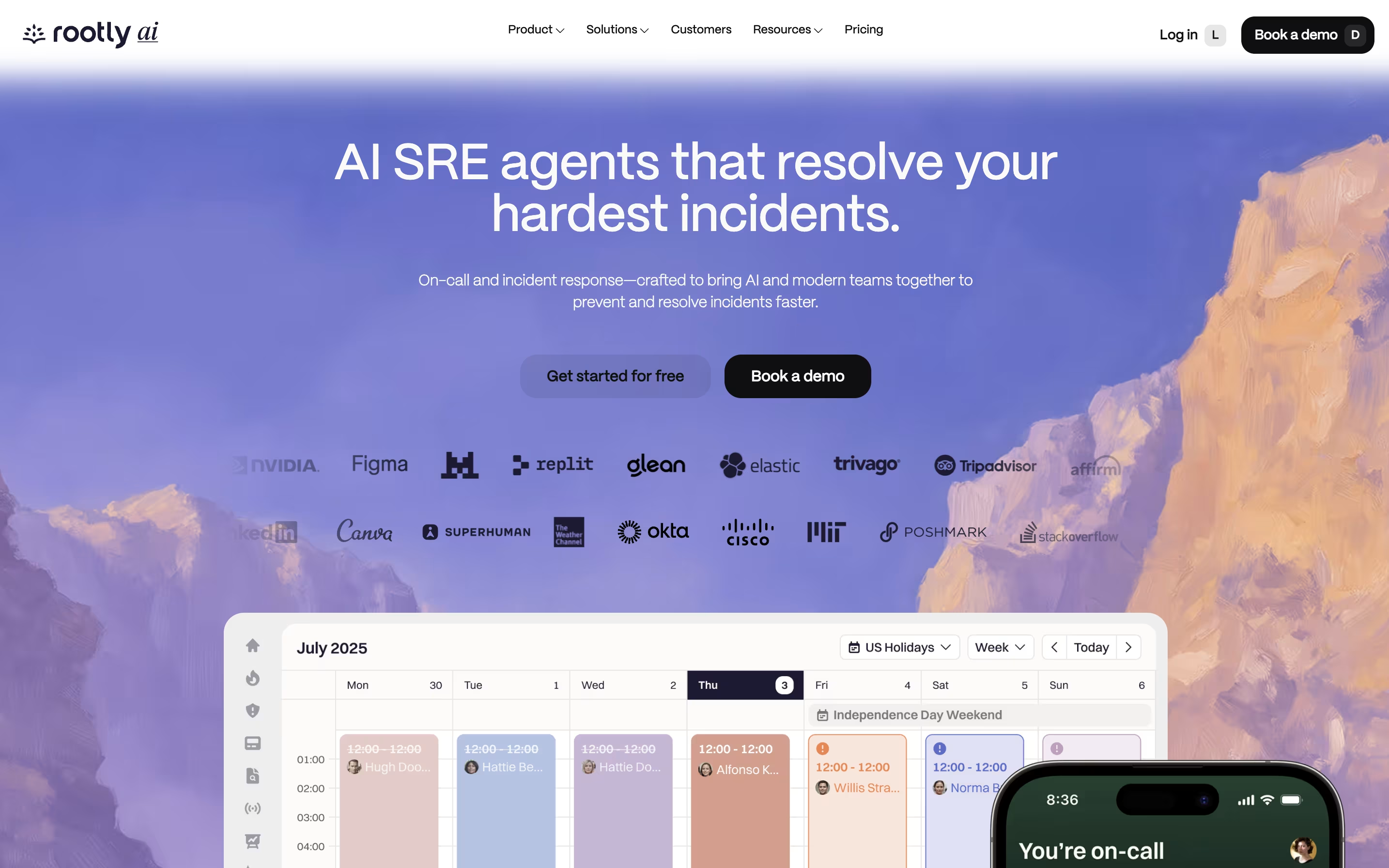
What makes Rootly different is its built-in AI features. The AI can suggest what might be wrong, write summaries, and even recommend fixes based on past incidents. It learns from every problem your team solves, getting smarter over time.
The platform connects with tools you already use, like Jira, PagerDuty, Datadog, and Zoom. Everything happens where your team already works, so you spend less time hunting for information and more time fixing problems.

FireHydrant is a tool that manages the complete incident response process for software teams. When something breaks in your application, FireHydrant helps you respond quickly and consistently. It starts with alerting and on-call management, then guides you through response with automated workflows called Runbooks.
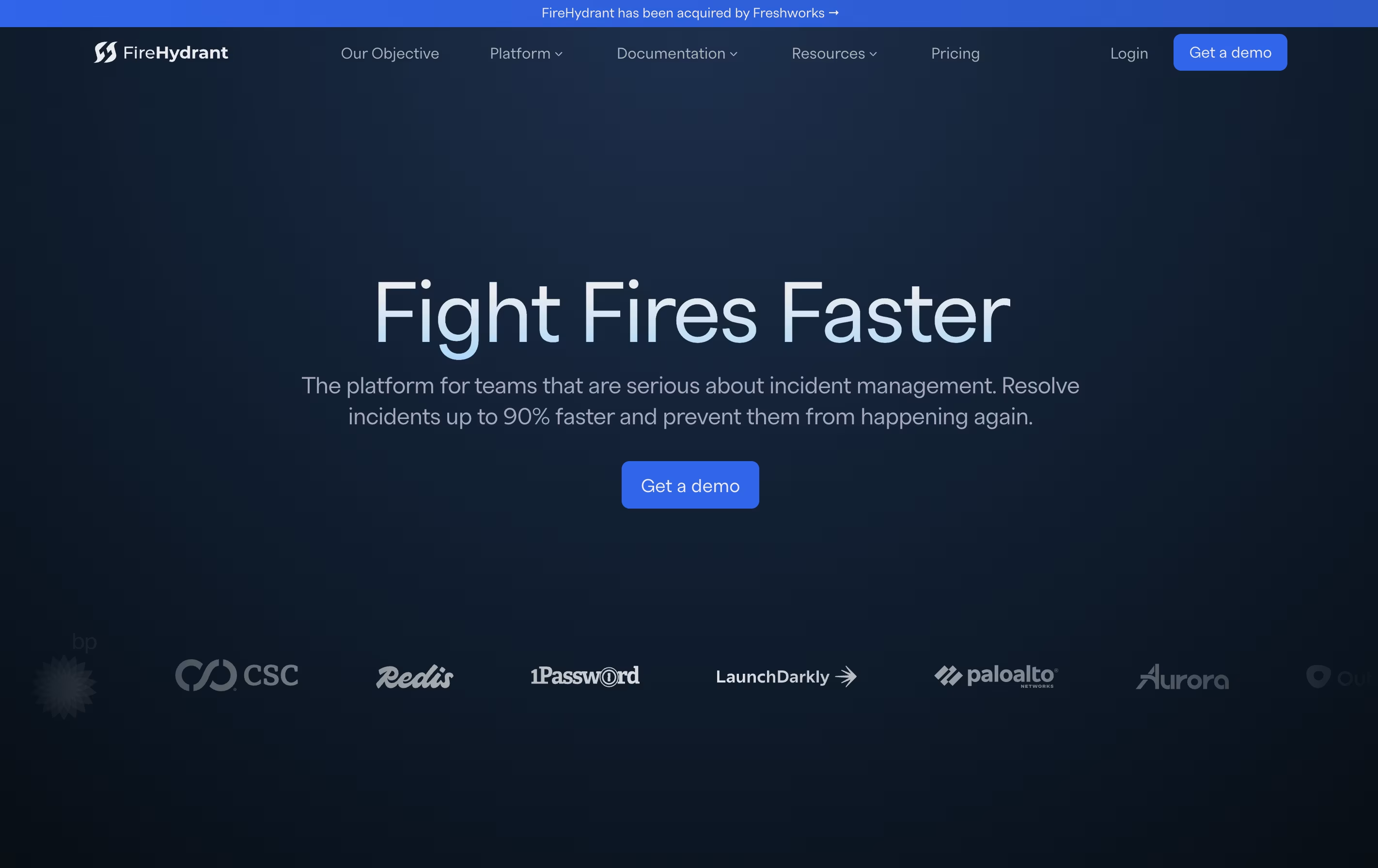
The platform works directly in Slack or Teams, so your team stays in one place during incidents. It automatically creates incident channels, pulls in the right people, sets up video calls, and keeps stakeholders updated. During an incident, FireHydrant tracks everything that happens, creating a timeline that makes post-incident reviews easier.
After incidents are resolved, the platform helps teams learn through guided retrospectives and shows metrics like response time and incident frequency.

Status.io is a cloud-based tool that creates and manages status pages for your online services. When you have a website, app, or service that people depend on, you need a way to tell them when something is not working properly or when you plan to do maintenance work.
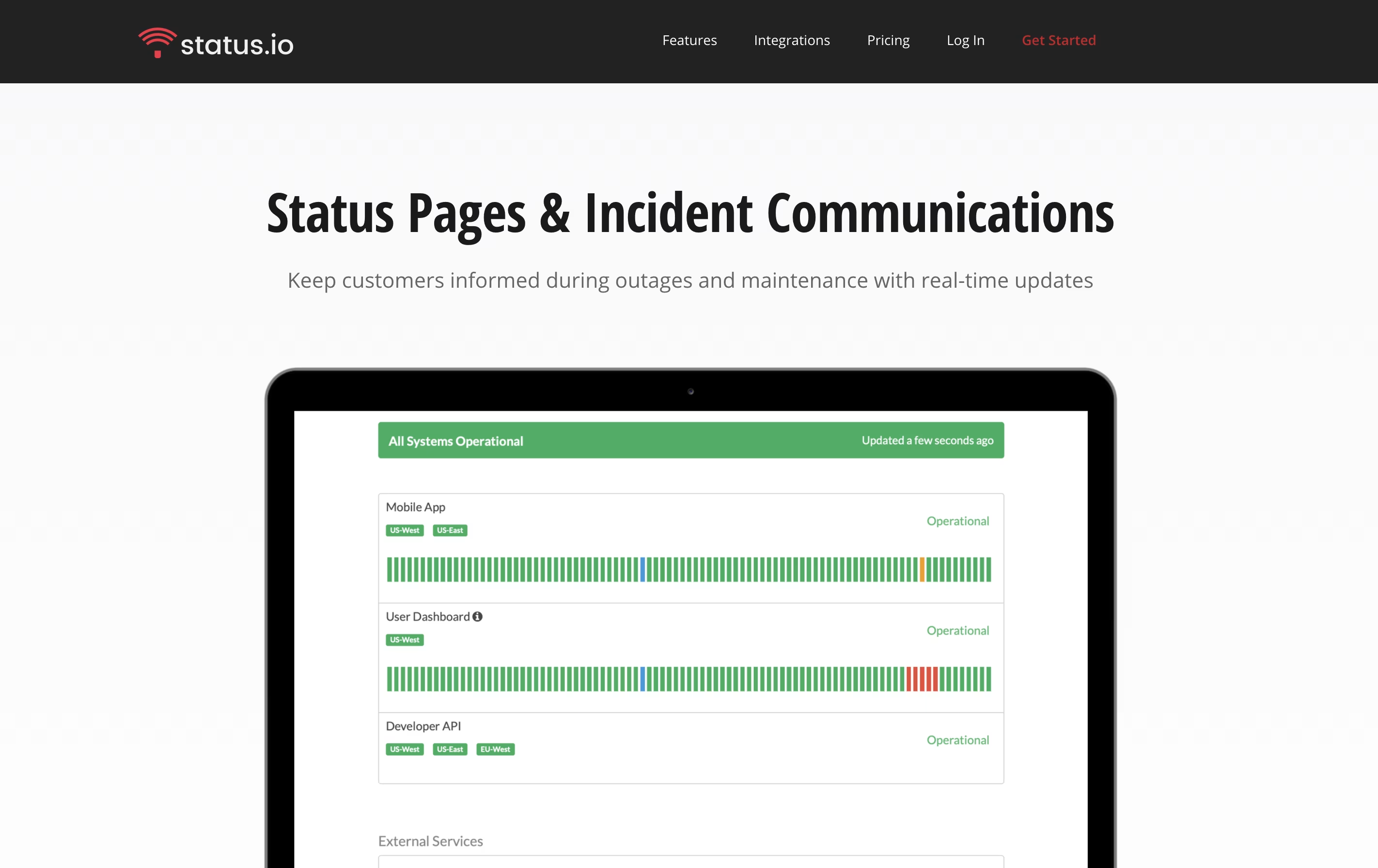
The platform lets you create a status page that shows which parts of your system are running normally and which ones have issues. You can track different components separately, such as your website, mobile app, payment system, or database. When problems occur, you can post updates and send notifications to people who subscribed to your status page through email, text messages, or other tools like Slack and Microsoft Teams.

StatusGator is a monitoring platform that tracks the health of cloud services and websites you depend on. Instead of checking multiple status pages manually, you get all updates in one place. The platform monitors official status pages from thousands of providers and also checks your custom websites and servers.
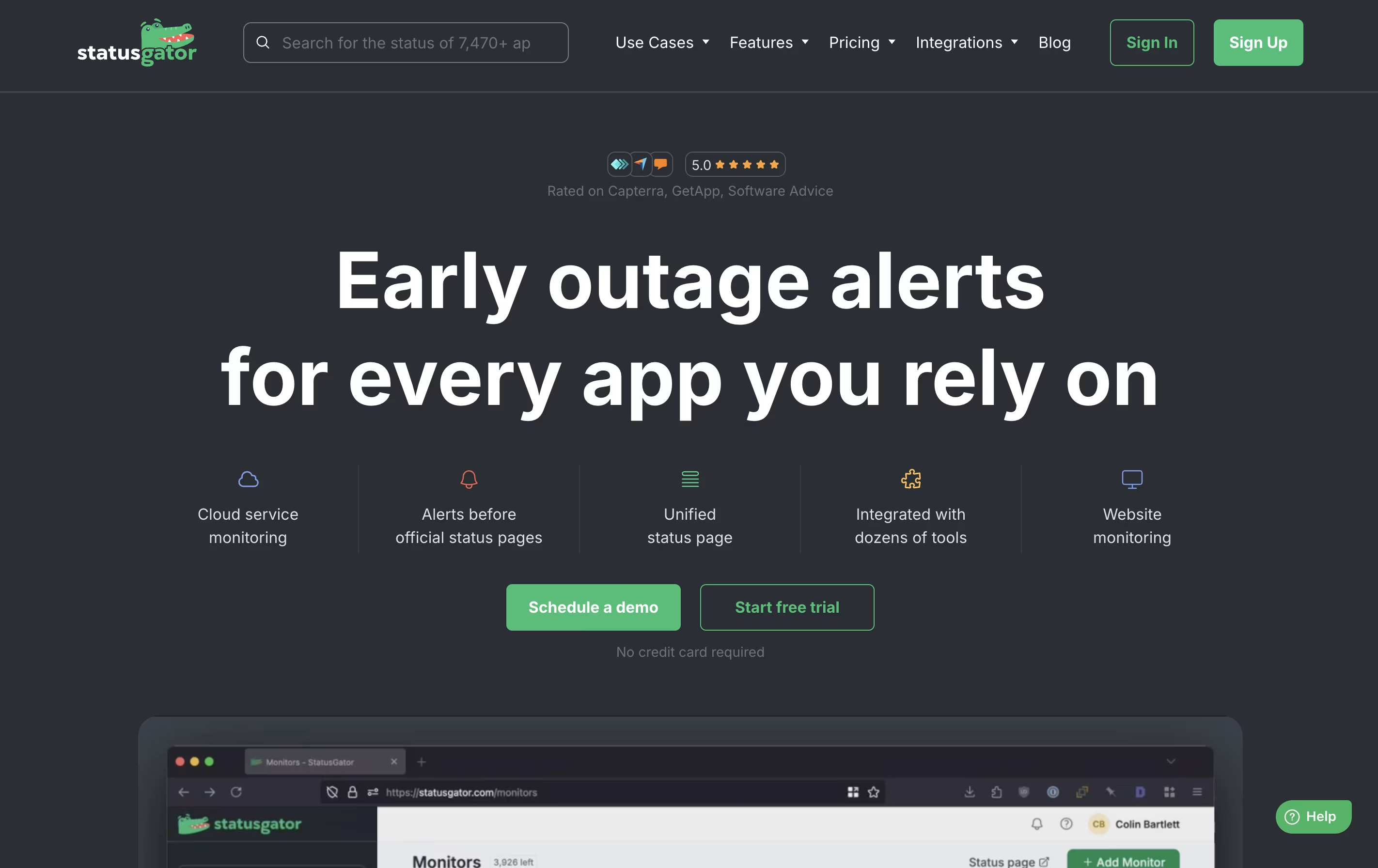
It provides two main features: monitoring and communication. The monitoring part watches services like AWS, Zoom, Slack, and other tools your team uses daily. The communication part lets you share status information with your team or customers through branded status pages.
StatusGator can detect outages early using its Early Warning Signal system, sometimes alerting you before providers officially acknowledge problems. This helps teams respond faster and keep users informed during disruptions.

StatusPal is a tool that creates customized status pages for your online services. When you experience downtime or need to perform maintenance, you can quickly post updates that all your users can see. The platform shows which services are working normally and which ones have problems.
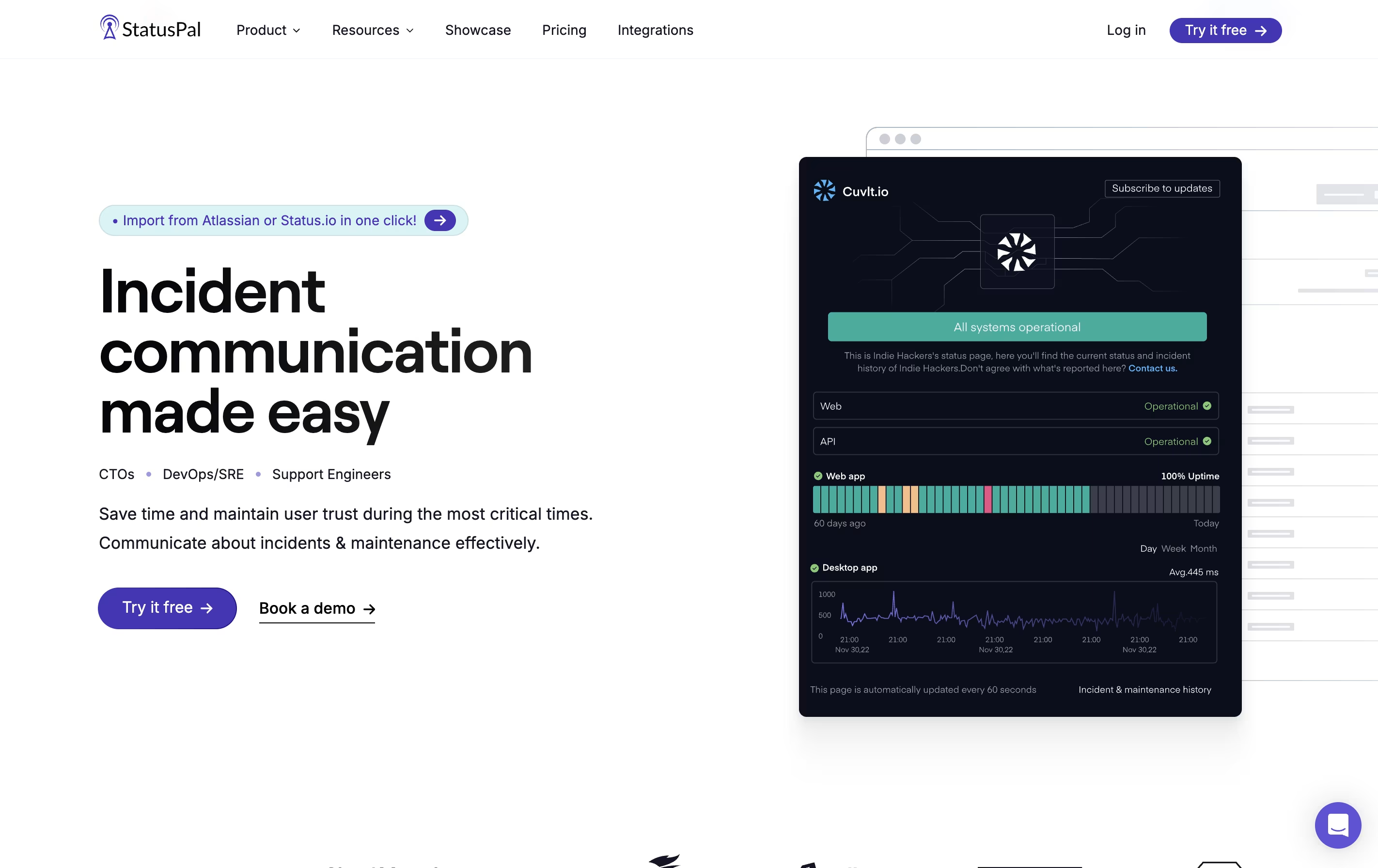
It connects with monitoring tools to detect issues automatically. When something goes wrong, StatusPal can create incident reports and send alerts without manual work. Users can subscribe to get notifications through email, SMS, or messaging apps like Slack.
There are different pricing plans available. All plans include unlimited status pages, which is helpful if you manage multiple products or services. The platform also supports multiple languages and offers private status pages for internal teams.

Sorry App is a status page builder that lets you create a public page where customers can check your service status anytime. You can post updates about incidents, schedule maintenance windows, and share general announcements all from one place.
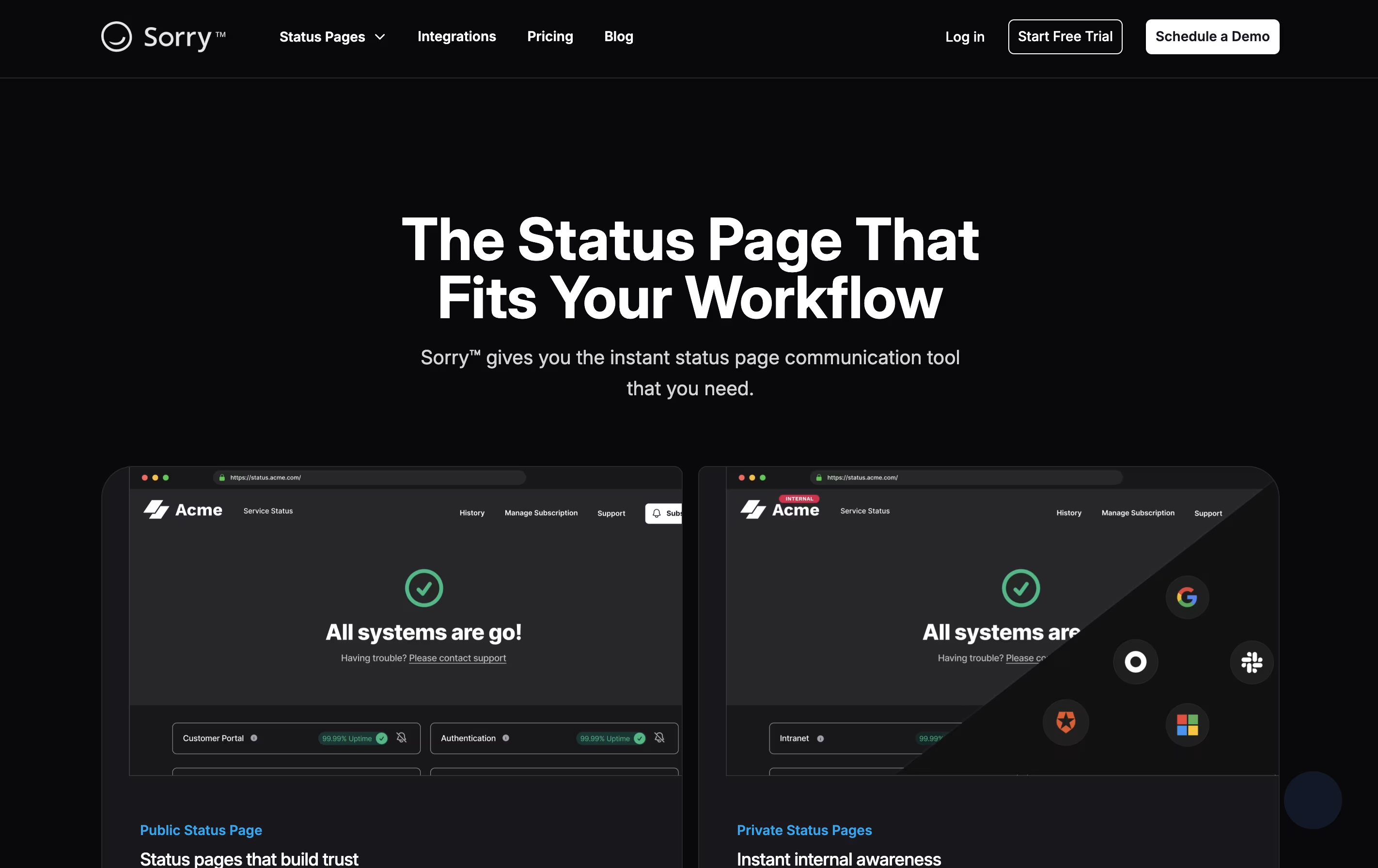
The platform connects with monitoring tools like Pingdom and New Relic to open and close incidents automatically when issues are detected. This means you can respond to problems faster without manual work. Each status page can be customized with your brand colors, logo, and custom domain.
Sorry App also manages who receives notifications. You can segment your audience by components, so only affected users get alerts. This prevents unnecessary worry and reduces support tickets from unaffected customers.
StatusKit is a platform that allows you to build and manage status pages for your online services. A status page shows your customers whether your services are working normally, experiencing issues, or under maintenance. When something goes wrong, you can post updates about the problem and how you are fixing it.
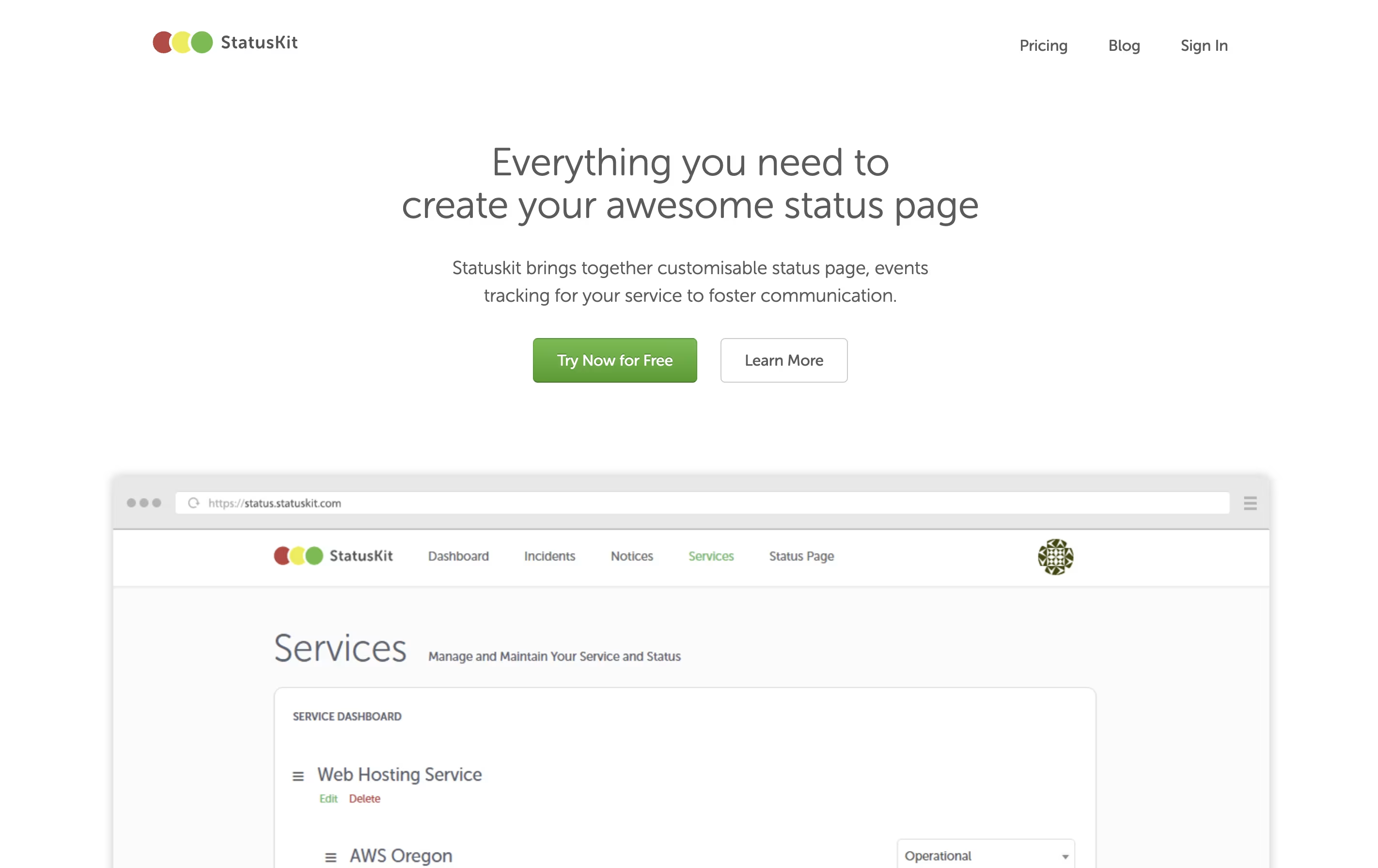
The tool offers flexible customization options for service statuses and incident types, so you can describe situations accurately using your own terms. Customers can subscribe to updates through email, RSS feeds, webhooks, or Facebook Messenger, ensuring they stay informed without constantly checking your website.
StatusKit focuses on human-centered communication rather than automated robot messages. You can create your status page in about three minutes without any coding knowledge required.

Instatus is a status page platform that lets you create a public or private page showing the current status of your services. It monitors your website, API, and other services, then automatically updates your status page when issues are detected. You can also manually post incidents and maintenance updates.
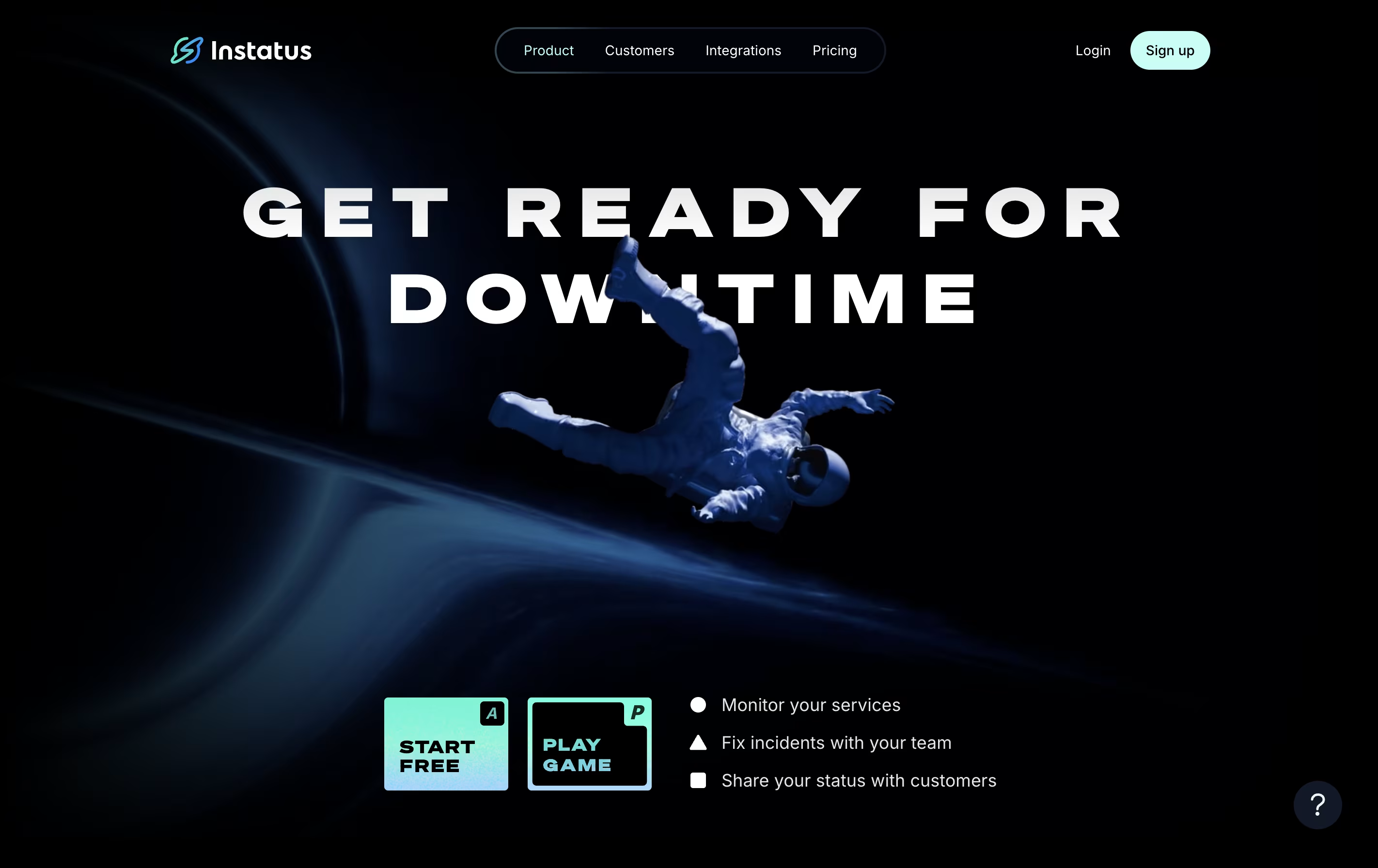
The tool includes features for team collaboration, on-call scheduling, and multi-channel alerts. When something goes wrong, the right team members get notified through email, SMS, phone calls, Slack, or Microsoft Teams. Your customers can subscribe to updates and see real-time information about service health.
Instatus status pages load fast and can be customized to match your brand. You can use your own domain, add custom colors, and even inject custom code if needed.