

Best 12+ Tools for Website Uptime Monitoring in 2026
Last Updated: April 19, 2026
A website going down without anyone noticing can mean lost visitors, sales, or trust before it gets fixed. Website Uptime Monitoring tools continuously check whether a site is accessible and alert teams when it is not.
Website owners and IT teams use uptime monitoring to catch outages quickly and minimize downtime.
 UptimeRobot
 UptimeRobotWebsite Monitoring with Instant Downtime Alerts,
  Better Stack
 Better StackComplete Monitoring and Incident Management Platform, and
  StatusCake
 StatusCakeWebsite Monitoring for Uptime, Speed & Security are the best for Website Uptime Monitoring. So, let’s take a closer look at all 12+ tools.

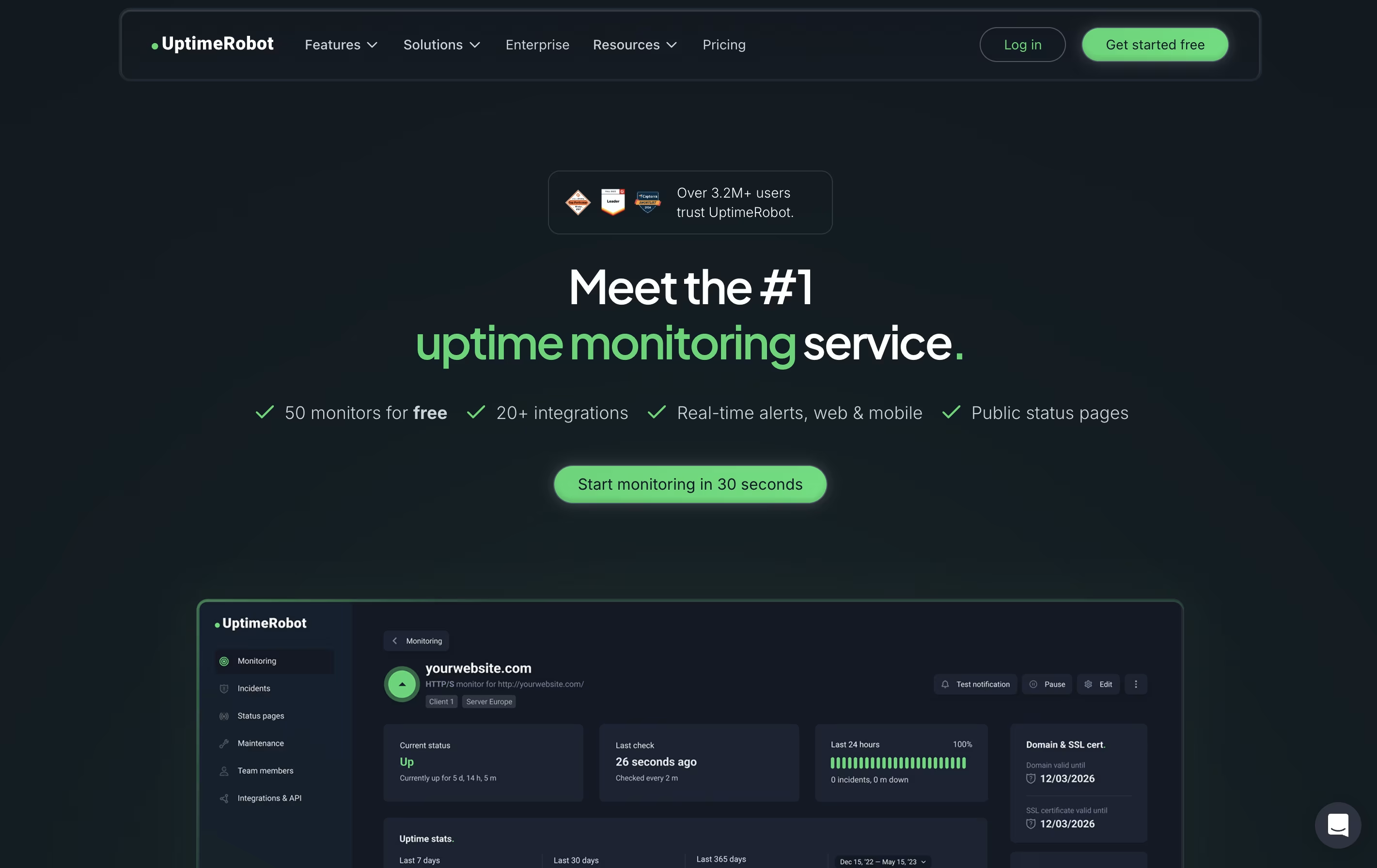
UptimeRobot is a monitoring tool that checks if your website or service is working properly. It sends automated requests to your website at regular intervals and notifies you immediately if it detects any problems. Unlike simple ping tools, UptimeRobot offers different types of checks including website monitoring, port monitoring, keyword tracking, and scheduled task verification.
The service runs checks from multiple locations worldwide to avoid false alerts. If your site goes down, UptimeRobot verifies the problem from different places before sending you a notification. This smart approach reduces unnecessary alerts while ensuring real issues get reported quickly.
You can receive alerts through email, text messages, phone calls, or popular apps like Slack and Discord. The free plan includes 50 monitors, while paid plans offer faster checks and more features.
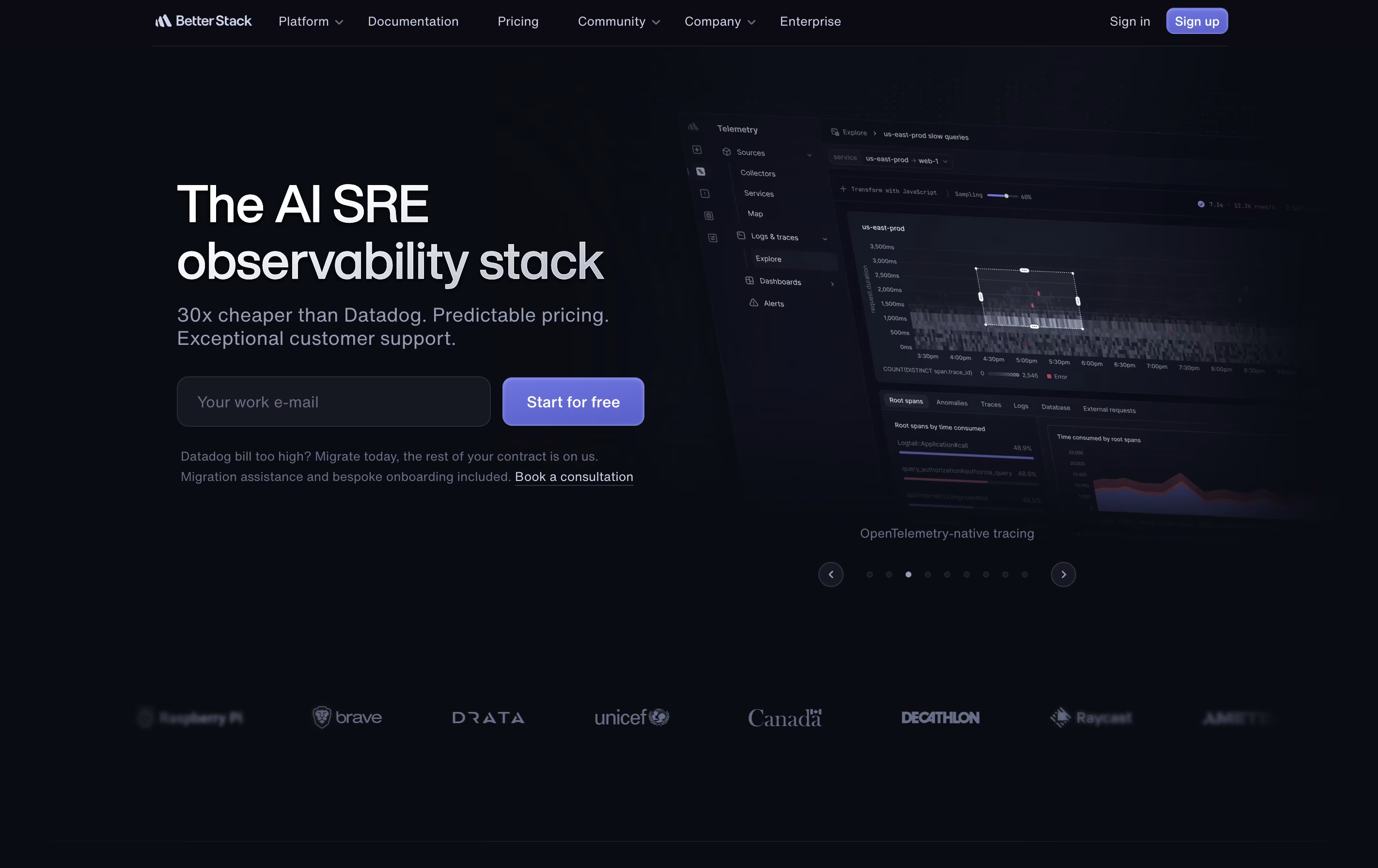
Better Stack is an all-in-one monitoring and incident management tool that watches over your digital services around the clock. It checks your websites and servers every 30 seconds, looking for problems like downtime or slow performance. When something goes wrong, it immediately alerts your team through phone calls, text messages, emails, or platforms like Slack and Teams.
Beyond basic monitoring, Better Stack collects and organizes all your application logs, making it easy to search through millions of log entries to find the cause of problems. It also creates public status pages so you can keep your customers informed during outages. The platform includes on-call scheduling features to make sure the right person gets notified at the right time.
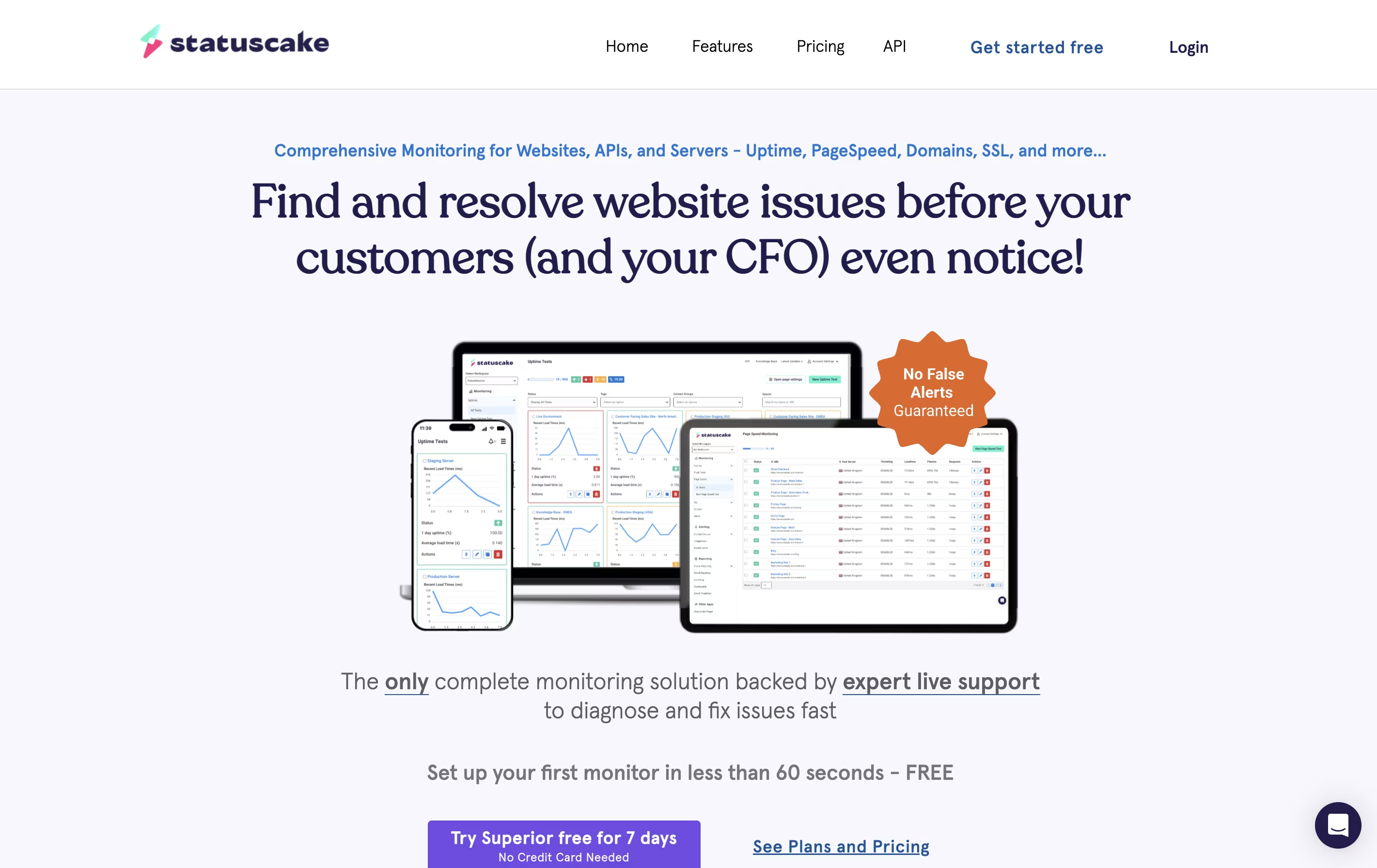
StatusCake is a cloud-based monitoring service that continuously checks your website's health and performance. It runs tests from multiple global locations to ensure your site is accessible to visitors worldwide. The platform monitors five key areas: uptime, page speed, SSL certificates, domain names, and server resources.
When StatusCake detects an issue, it verifies the problem using multiple servers to avoid false alarms. This means you only get notified when there's a real problem. The service tracks everything from simple website availability to detailed performance metrics like RAM usage and CPU load on your servers.
You can access StatusCake through a web dashboard that displays all your monitoring data in one place, making it easy to spot trends and respond quickly to issues.

Cronitor is a web-based monitoring service that watches your scheduled tasks and services. It works like a safety system for your computer processes. You tell Cronitor what should happen and when, and it watches to make sure things run correctly.
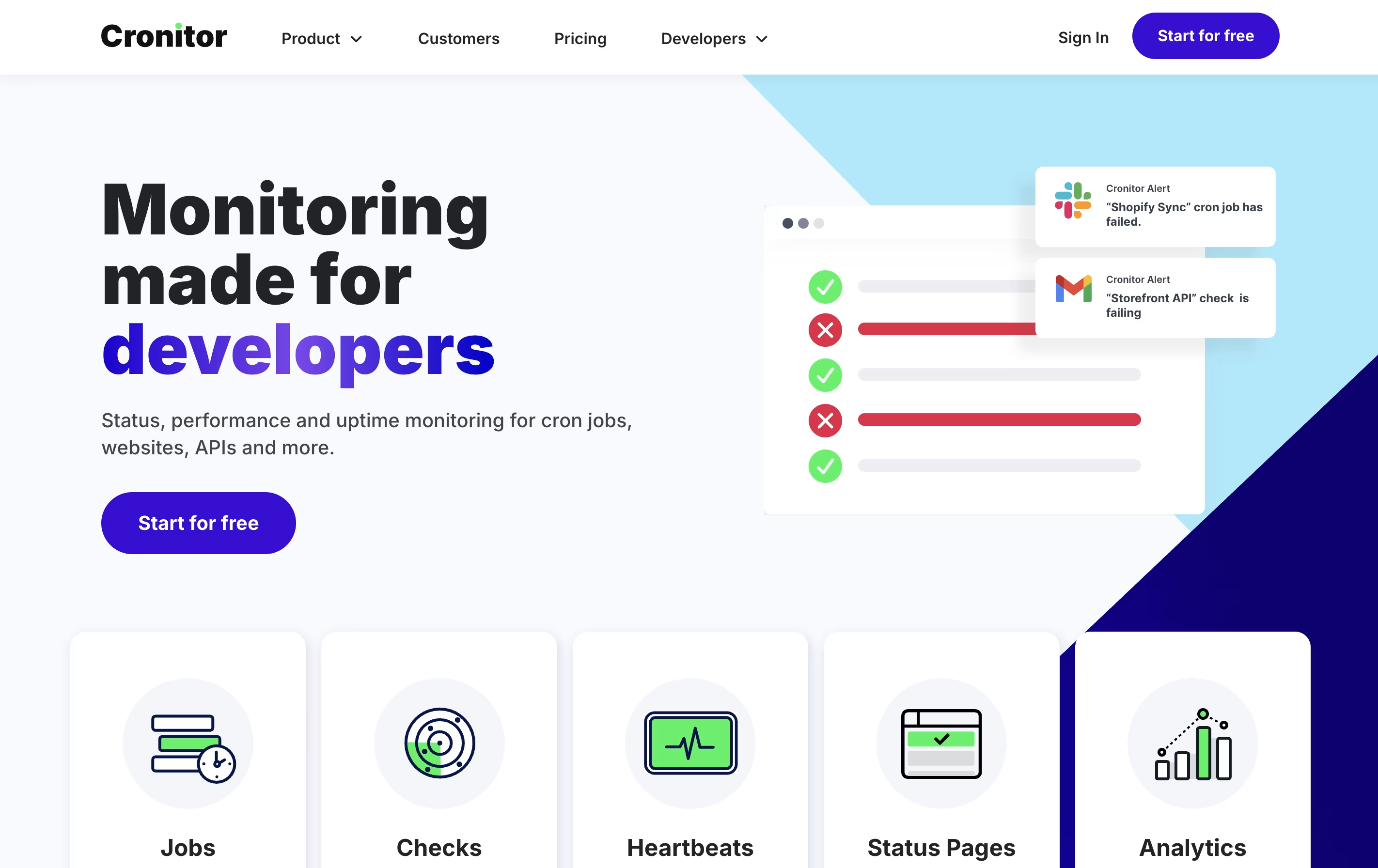
The platform monitors several types of services. It tracks cron jobs and scheduled tasks to ensure they run on time. It watches websites and APIs to check they stay online and respond quickly. It also monitors background processes and heartbeat signals from your systems.
When Cronitor detects a problem, like a job that did not run or a website that went down, it sends alerts through email, Slack, SMS, or other channels you choose. This helps teams fix issues fast before they become bigger problems.

Checkly is a monitoring platform that checks if your websites and apps are working properly. It runs automated tests from different locations around the world to make sure everything functions as expected. Unlike traditional monitoring tools, Checkly lets you write your monitors as code using JavaScript or TypeScript.
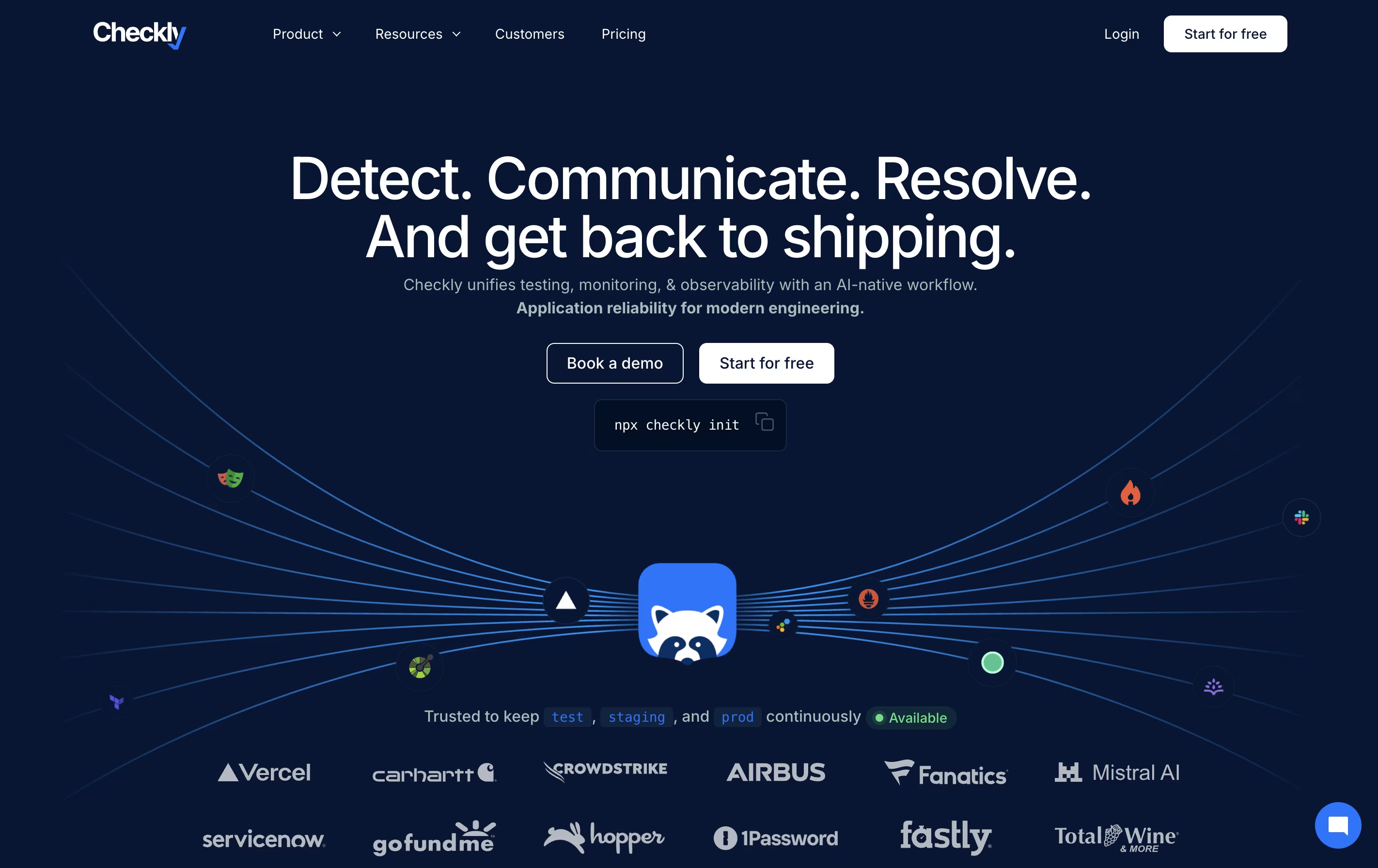
The platform specializes in three types of monitoring: browser checks that simulate real user actions, API checks that test your endpoints, and heartbeat monitoring for scheduled jobs. You can use the same Playwright tests you write for development as production monitors.
Checkly provides instant alerts when something breaks, showing you exactly what went wrong with screenshots, logs, and traces. It includes built-in status pages to communicate issues to your users and team members automatically.

Hyperping is a website and server monitoring tool that watches your online services around the clock. It checks your websites, APIs, servers, and even scheduled tasks to ensure they are running correctly. When something breaks or goes offline, Hyperping detects it and sends you an alert immediately.
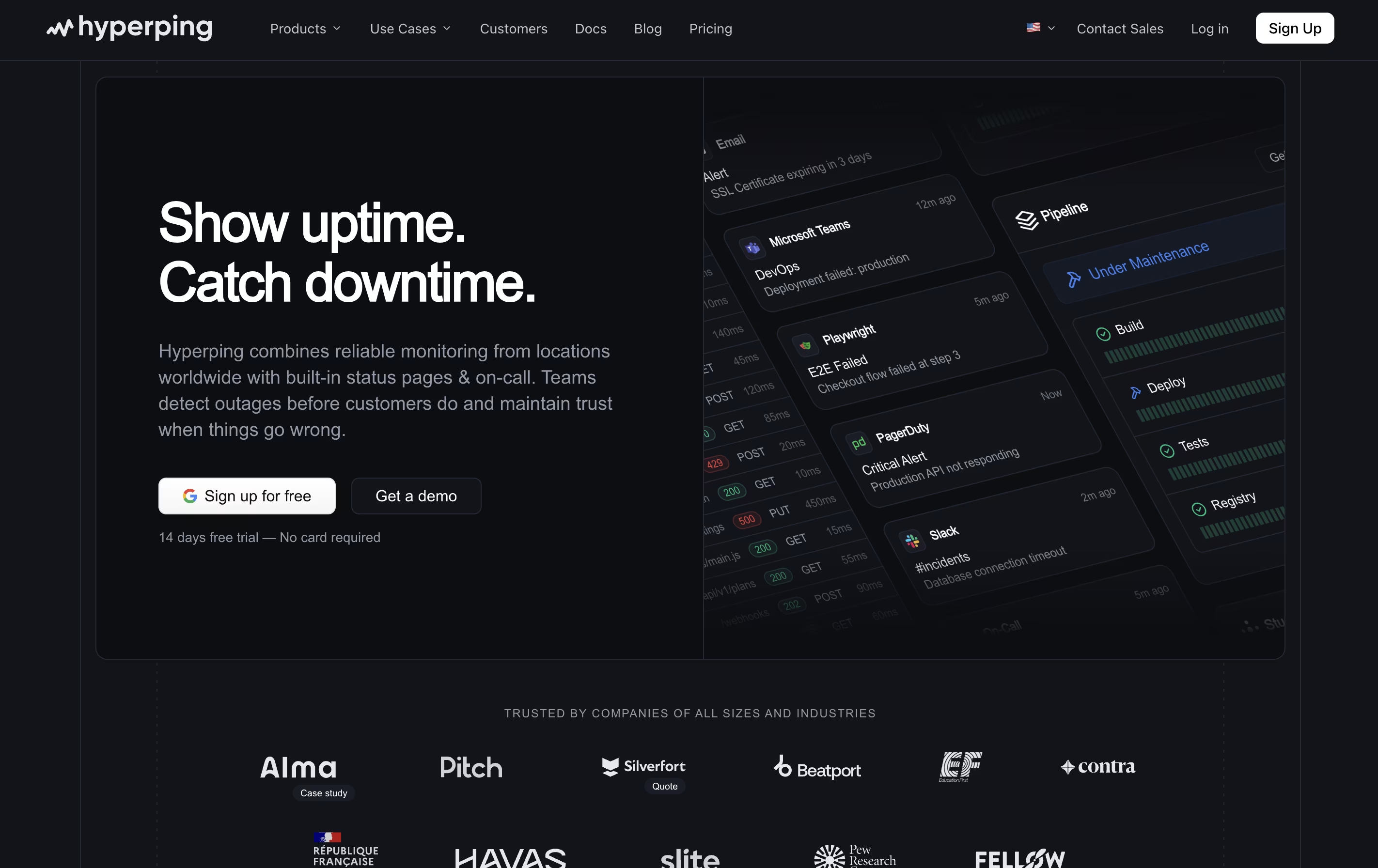
The platform checks your services from 19 locations around the world, which helps you understand how your service performs in different regions. It can check as often as every 30 seconds on paid plans, or every few minutes on the free plan.
Hyperping also includes status page features. You can create branded pages that show your service status to customers, update them during incidents, and let them subscribe to get notifications automatically.

Instatus is a status page platform that lets you create a public or private page showing the current status of your services. It monitors your website, API, and other services, then automatically updates your status page when issues are detected. You can also manually post incidents and maintenance updates.
The tool includes features for team collaboration, on-call scheduling, and multi-channel alerts. When something goes wrong, the right team members get notified through email, SMS, phone calls, Slack, or Microsoft Teams. Your customers can subscribe to updates and see real-time information about service health.
Instatus status pages load fast and can be customized to match your brand. You can use your own domain, add custom colors, and even inject custom code if needed.

StatusList is a monitoring service that watches your websites and web applications to ensure they stay online and perform well. It pings your servers at regular intervals, checking if they respond correctly. When an issue is detected, it sends you notifications through email, SMS, or Slack.
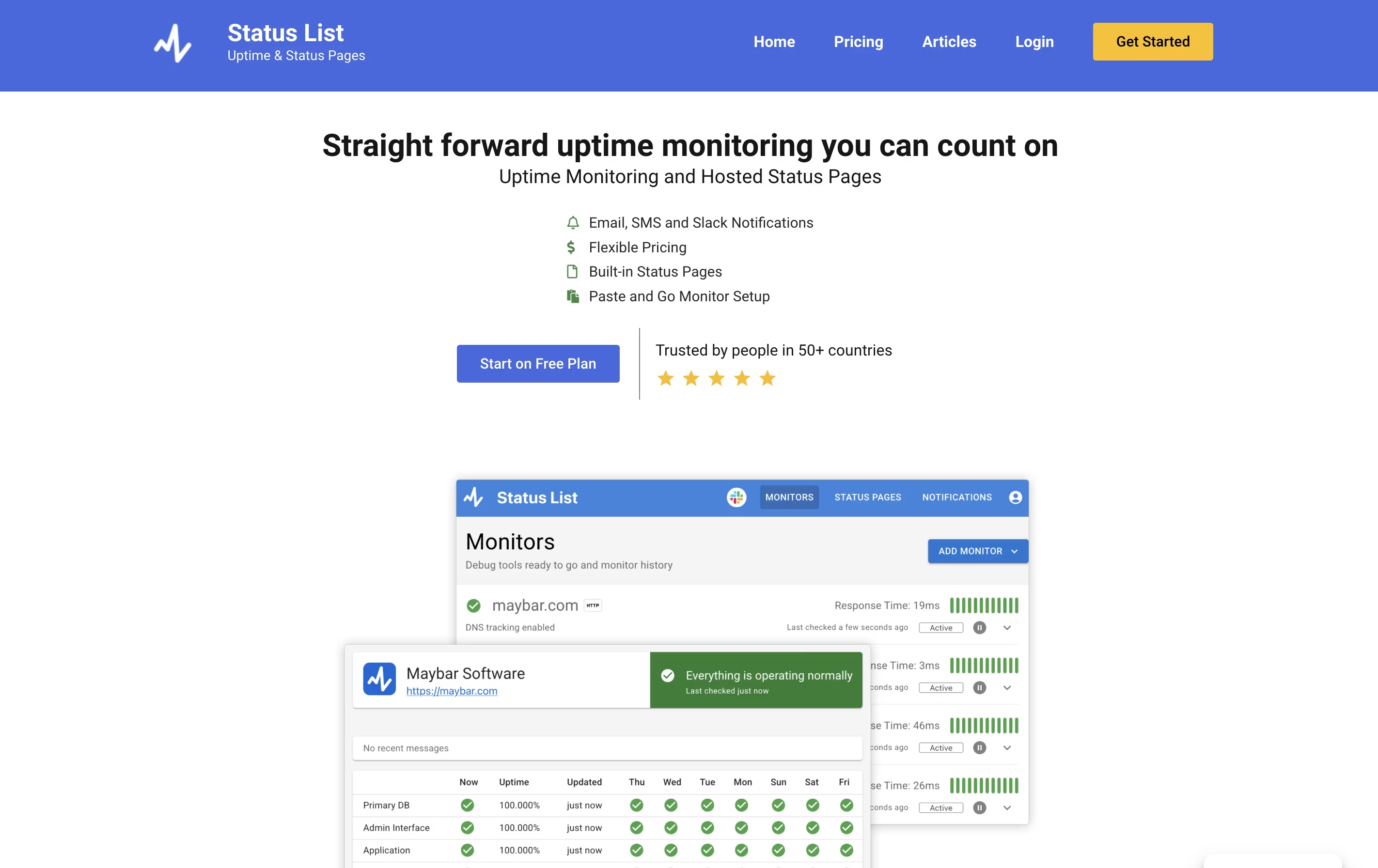
The service also provides hosted status pages where you can display uptime information to your team or customers. These pages show current status, past incidents, and planned maintenance. You can customize them with your logo and domain name to match your brand.
StatusList tracks multiple types of checks including HTTP endpoints, DNS health, and performance metrics. It stores 30 days of history and provides detailed information about each incident, including response times and error details.

Odown is a monitoring platform that watches your websites and web services around the clock. It sends test requests to your site every minute to make sure everything works correctly. If something breaks, you get notified right away through your preferred channel.
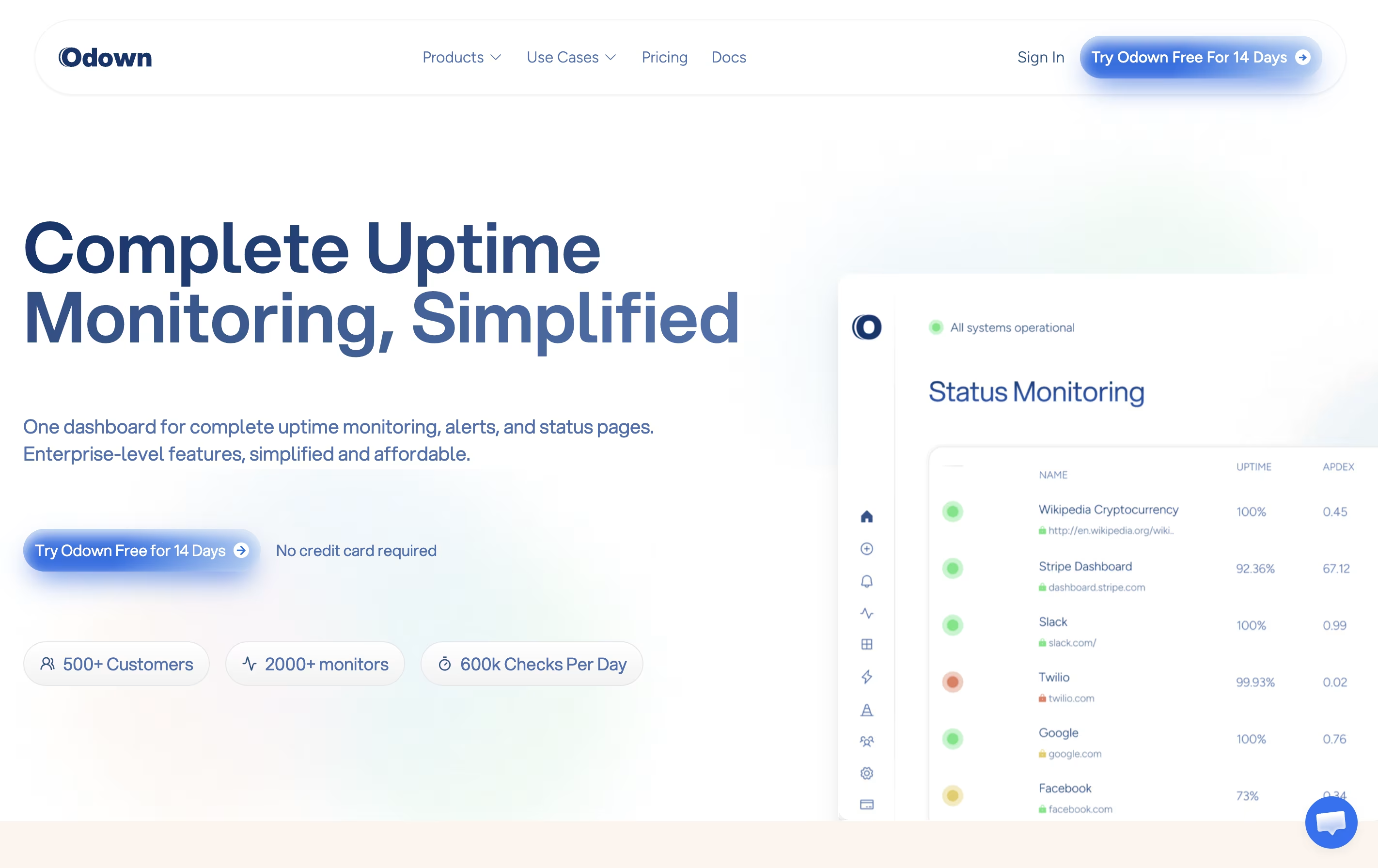
The service monitors several important things: website uptime, response speed, SSL certificate health, and API functionality. It can check simple websites or complex API requests with custom headers and data. The monitoring runs from data centers in different countries, so you know how your site performs for users worldwide.
Odown also provides status pages that you can customize with your brand. These pages show your current service status and let visitors subscribe to updates. Everything runs automatically once you set it up.

Incident.io is a platform that brings together all the tools needed to manage technical incidents in one place. When something breaks, it automatically creates dedicated channels in Slack or Teams, brings in the right people based on schedules, and helps coordinate the response effort.
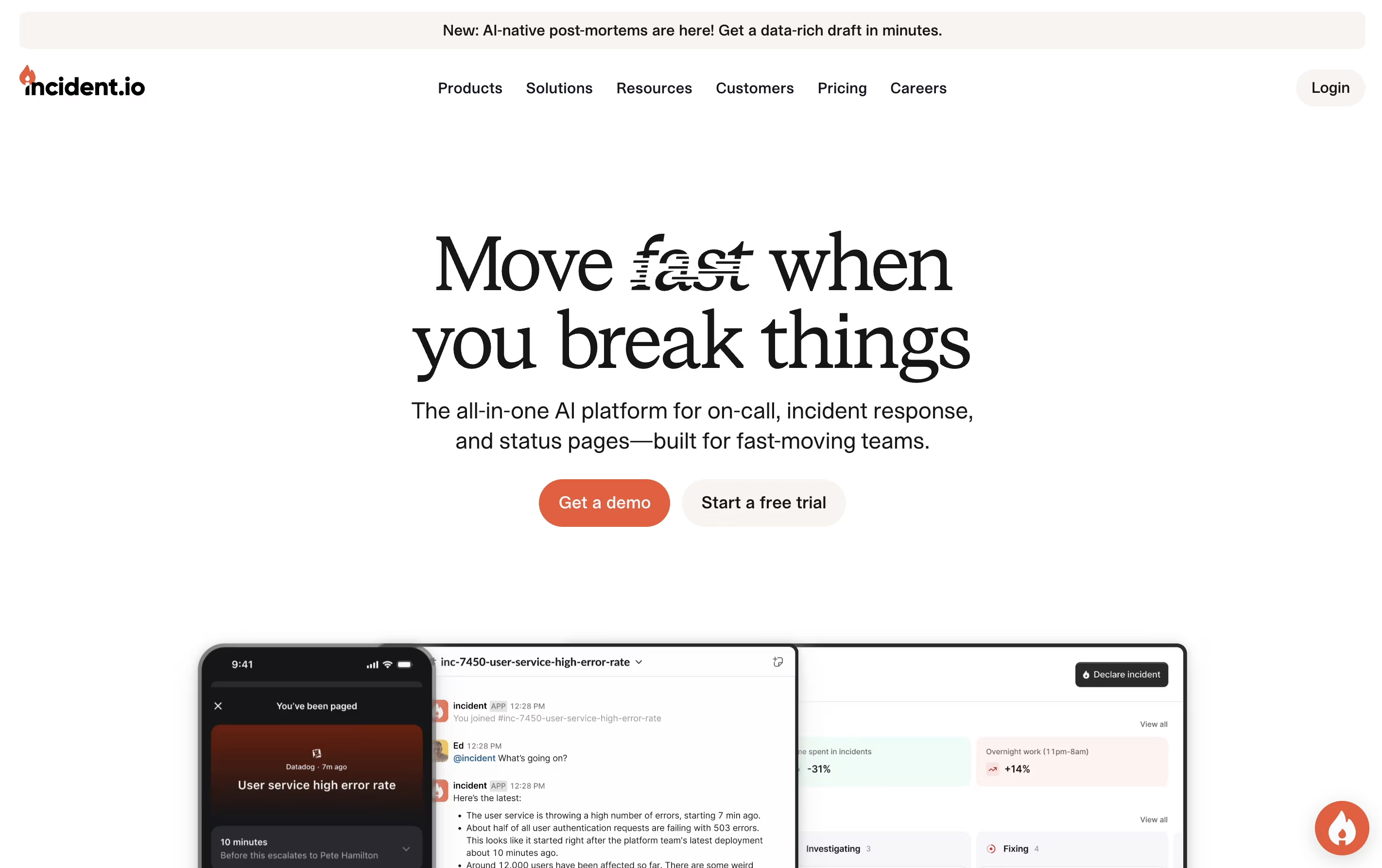
The platform uses AI to reduce alert noise, suggest fixes, and even investigate problems automatically. It tracks everything that happens during an incident to create detailed timelines without extra work. After incidents are resolved, teams can review what happened and learn from it.
There are multiple pricing levels, from a free Basic plan with core features to Enterprise plans for large organizations. The Pro version includes advanced analytics and private incident handling.

Statuspage is a web-based tool that creates status pages for your services and applications. When something goes wrong with your website, app, or service, you can quickly post an update that automatically notifies all your subscribers.
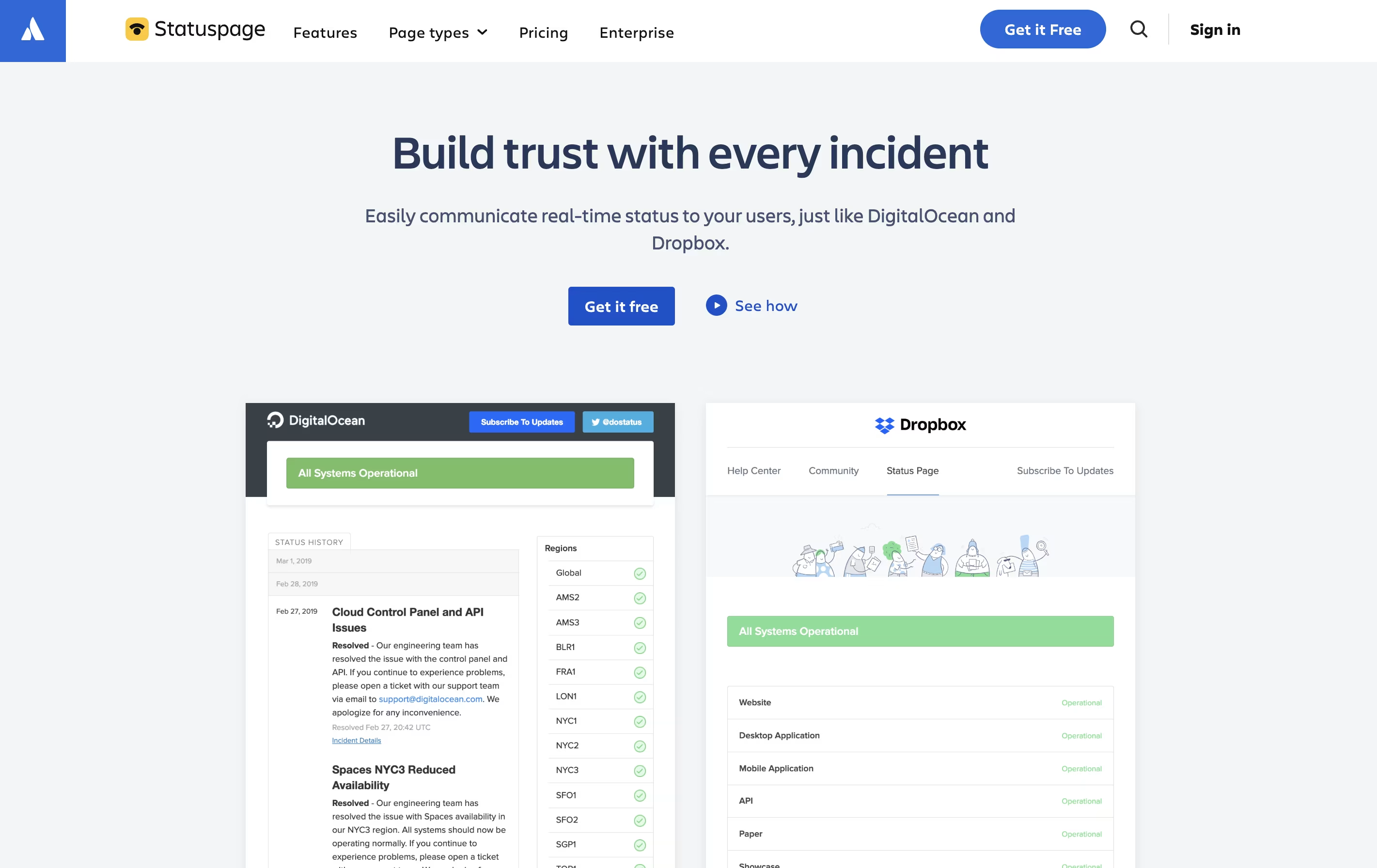
The platform does not monitor your systems directly. Instead, it connects with your existing monitoring tools like Datadog, New Relic, or PagerDuty. When these tools detect a problem, Statuspage can automatically update your status page and send notifications to users.
You can create public pages for external customers or private pages for internal teams. The tool includes features like incident templates, scheduled maintenance announcements, real-time metrics display, and historical uptime tracking. Everything works through a simple web interface that anyone on your team can use.

PagerDuty is a cloud platform designed to help teams manage and respond to incidents in real time. When something goes wrong with your systems or services, PagerDuty detects the problem and immediately alerts the right person or team to fix it.
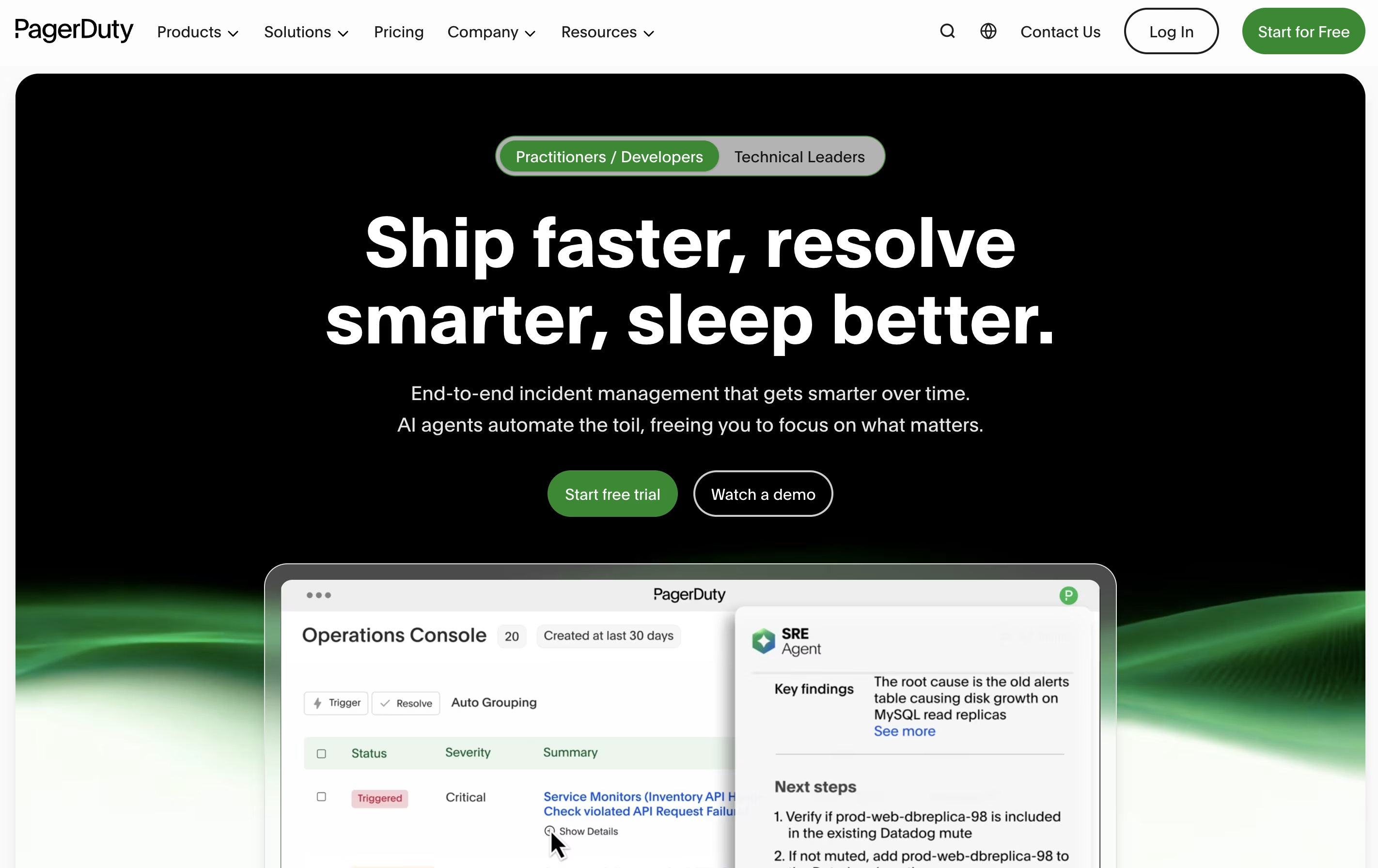
The platform works by connecting to your existing monitoring tools and applications. When these tools detect an issue, PagerDuty receives the alert and determines who should be notified based on schedules you create. It can send notifications through multiple channels to ensure someone responds quickly.
Beyond basic alerting, PagerDuty offers workflow automation, team collaboration features through chat tools, and detailed reports to help you learn from past incidents. It supports organizations of all sizes, from small startups to large enterprises managing complex systems.

StatusPal is a tool that creates customized status pages for your online services. When you experience downtime or need to perform maintenance, you can quickly post updates that all your users can see. The platform shows which services are working normally and which ones have problems.
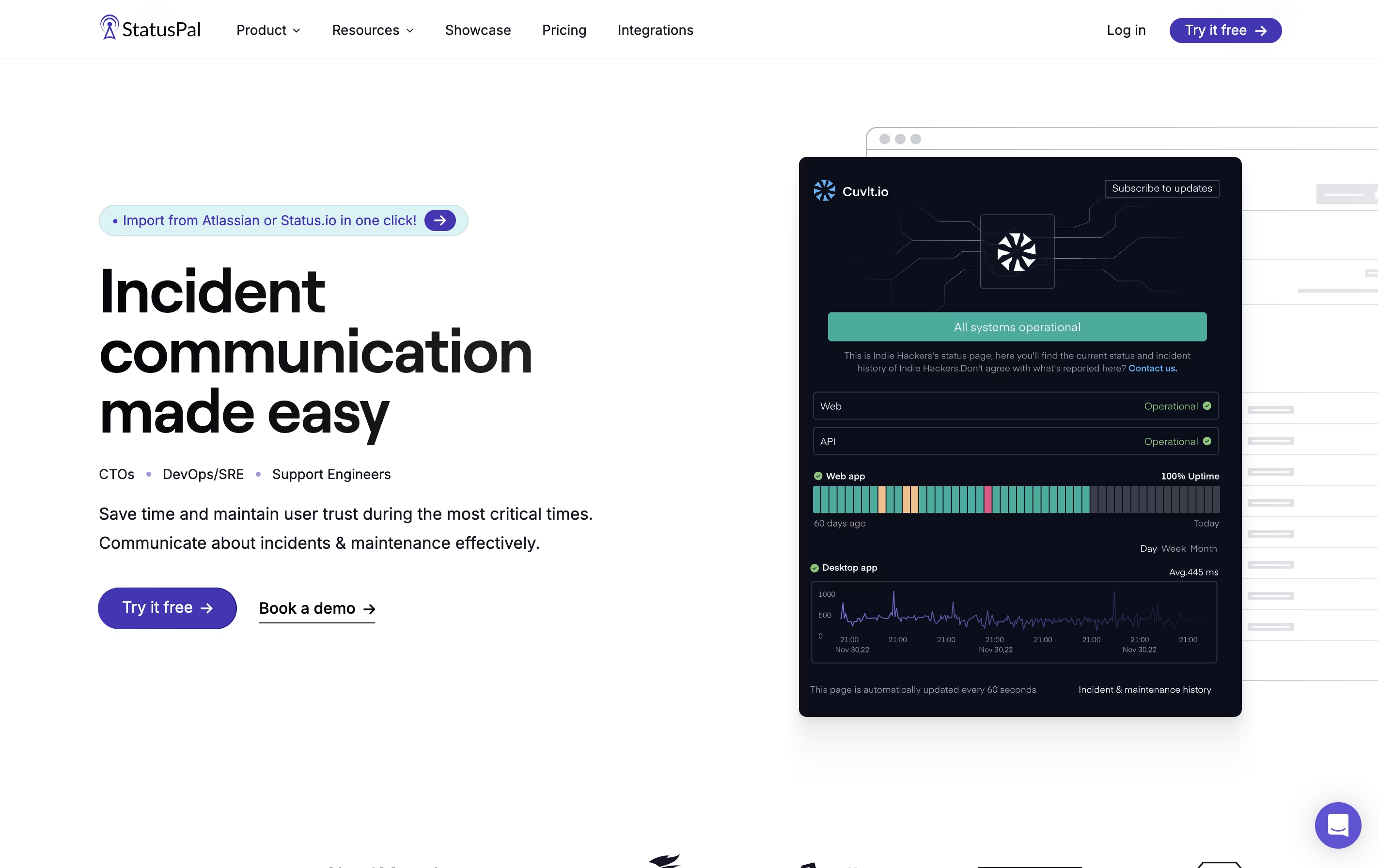
It connects with monitoring tools to detect issues automatically. When something goes wrong, StatusPal can create incident reports and send alerts without manual work. Users can subscribe to get notifications through email, SMS, or messaging apps like Slack.
There are different pricing plans available. All plans include unlimited status pages, which is helpful if you manage multiple products or services. The platform also supports multiple languages and offers private status pages for internal teams.

Status.io is a cloud-based tool that creates and manages status pages for your online services. When you have a website, app, or service that people depend on, you need a way to tell them when something is not working properly or when you plan to do maintenance work.
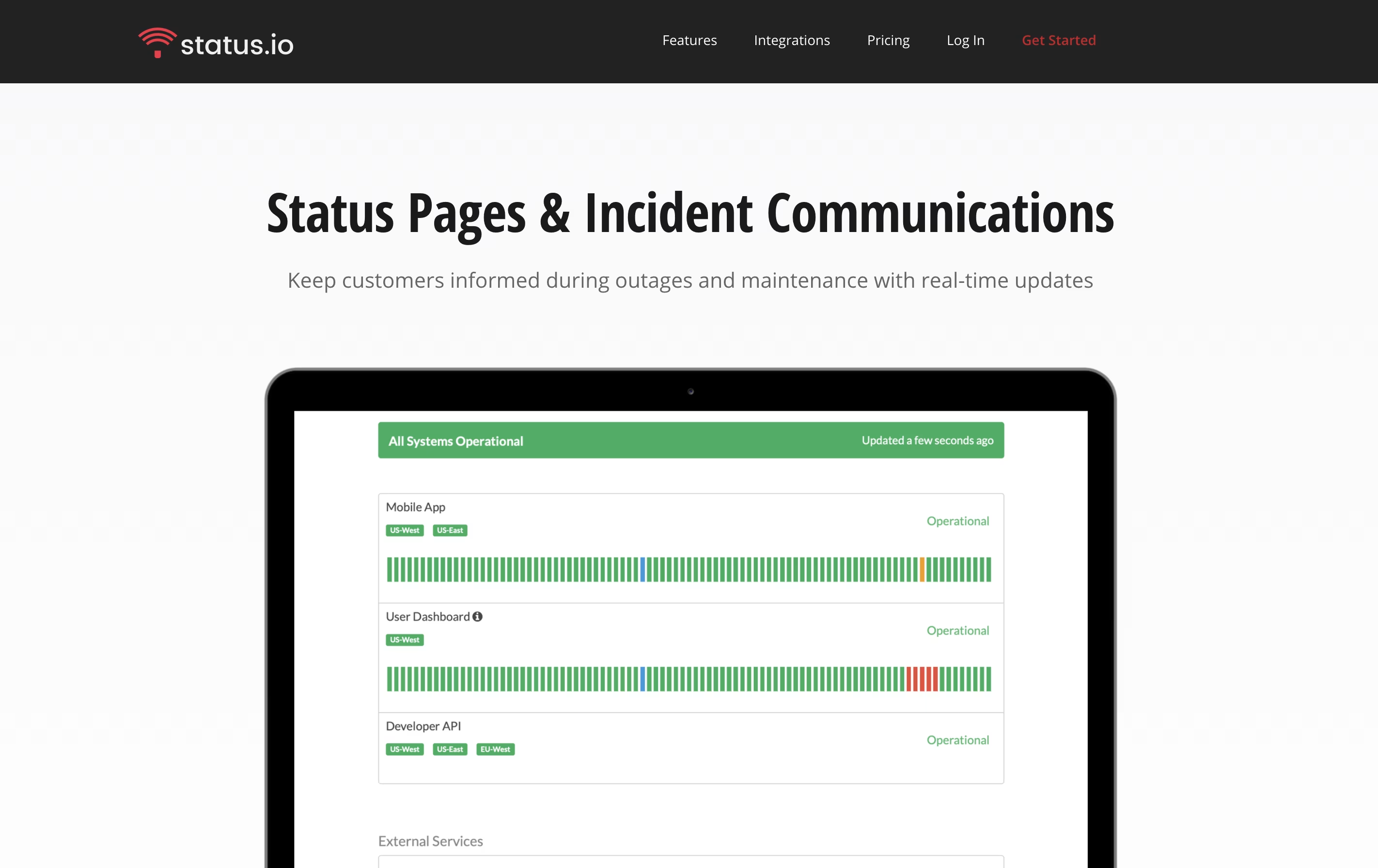
The platform lets you create a status page that shows which parts of your system are running normally and which ones have issues. You can track different components separately, such as your website, mobile app, payment system, or database. When problems occur, you can post updates and send notifications to people who subscribed to your status page through email, text messages, or other tools like Slack and Microsoft Teams.

Pulsetic is a comprehensive website uptime monitoring service designed to help businesses ensure their websites stay online and perform well. Think of it as a digital watchdog that never sleeps, constantly checking if your website is accessible to visitors around the world. The platform monitors your site from multiple global locations and sends immediate notifications when downtime is detected.
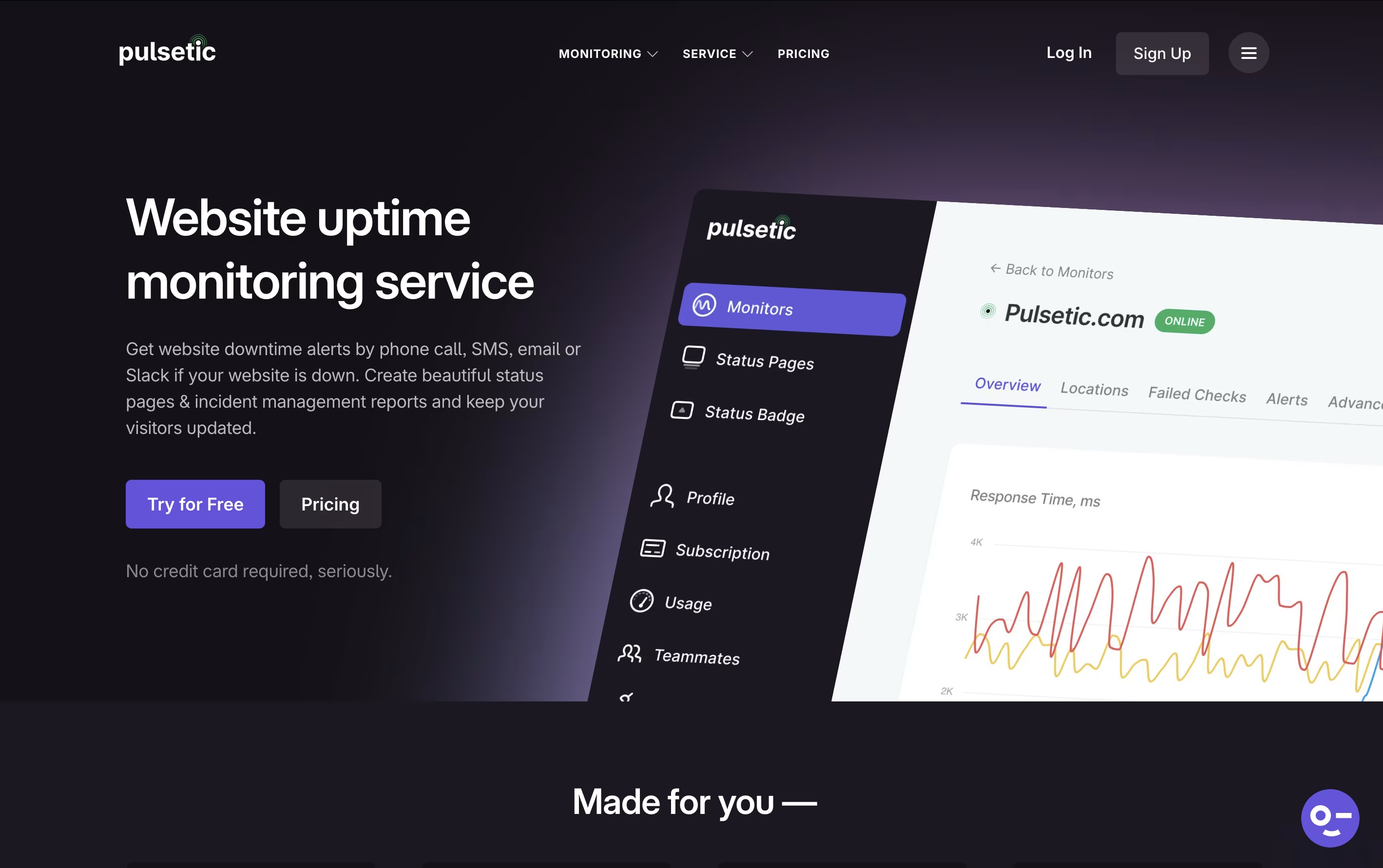
What makes Pulsetic special is its focus on both monitoring and communication. Beyond just alerting you about problems, it helps you communicate with customers through customizable status pages and incident reports. The service tracks various metrics including response times, SSL certificate health, and server connectivity. Built by the team at Designmodo, Pulsetic combines powerful monitoring capabilities with an easy-to-use interface that doesn't require technical expertise to set up and manage effectively.