
Best 14+ AI API Tools in 2026
Last Updated: August 15, 2026
Building, documenting, and testing APIs involves a lot of repetitive setup work across every endpoint. AI API tools help design, generate, and test APIs, often producing documentation automatically as the API takes shape.
These tools are used by backend developers and API teams building and maintaining services that other systems depend on. Automating the repetitive parts of API development leaves more time for the actual logic and architecture decisions.
 Contentful
 ContentfulHeadless CMS for Multi-Channel Content Management,
  Insomnia
 InsomniaOpen-Source API Client for REST, GraphQL & More, and
  Postman
 PostmanComplete API Development Platform for Testing & Collaboration are the best for AI API. So, let’s take a closer look at all 14+ tools.
Contentful is a headless content management system, which means it stores and organizes your content but does not control how it appears to users. Think of it like a smart storage room for all your digital content - text, images, videos, and more. When you need to show this content on your website, app, or any other platform, Contentful sends it instantly through connections called APIs.
The platform lets you build custom content structures that fit your exact needs. You can create different types of content, add various fields to them, and organize everything in ways that make sense for your business. Multiple team members can work together, editing and updating content at the same time without stepping on each other's toes.
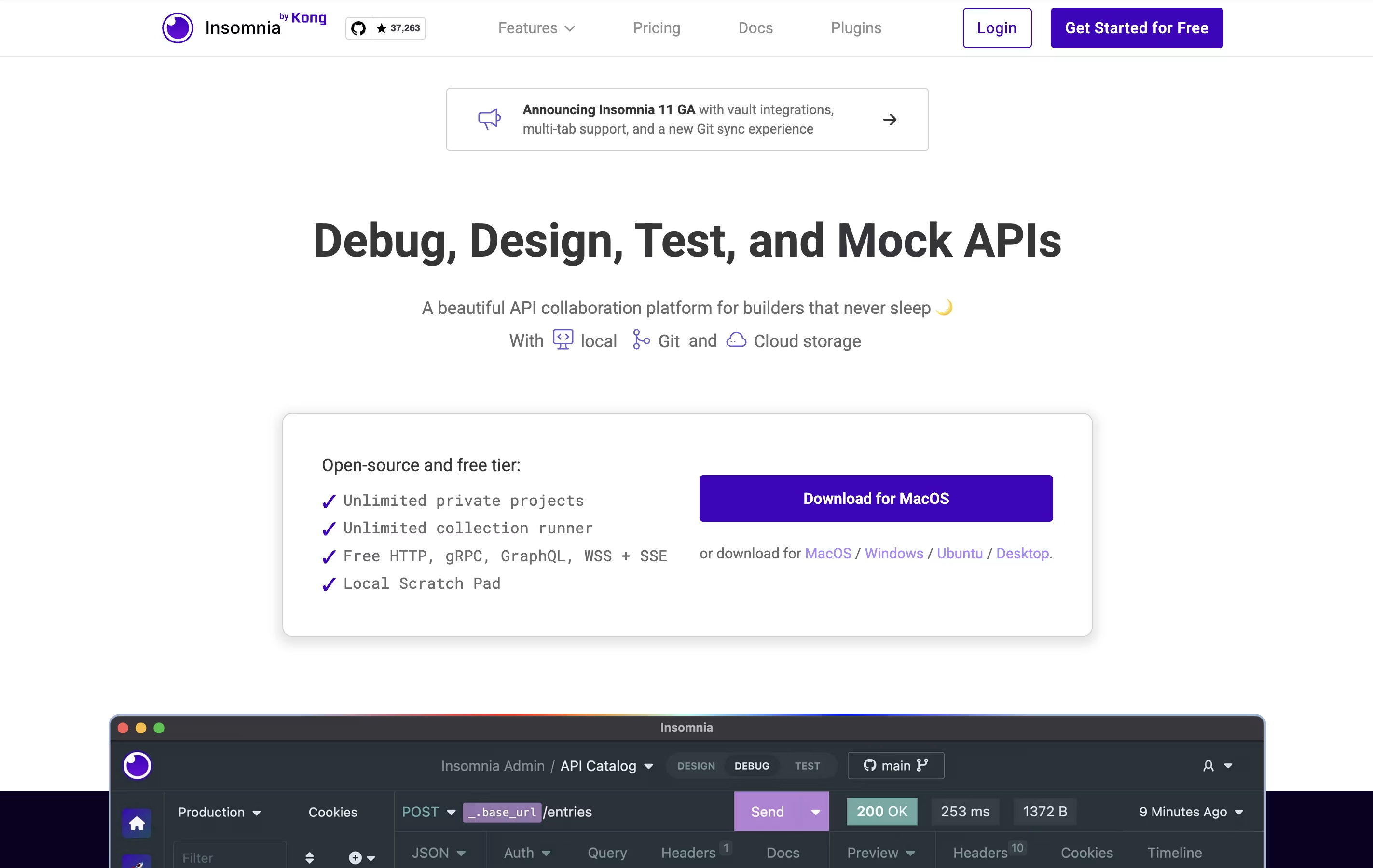
Insomnia is a desktop application that lets you test and work with APIs. Think of it as a specialized tool for developers who need to send requests to APIs and check the responses they get back. It supports all major API types, so you don't need different tools for different projects.
The tool includes helpful features like environment variables (which let you switch between different settings easily), code generation (which creates code snippets you can use), and authentication helpers (which handle login details). You can also create mock servers to test your APIs before they're fully built.
Insomnia offers both free and paid versions. The free version works great for most individual developers, while paid plans add team features and extra tools.
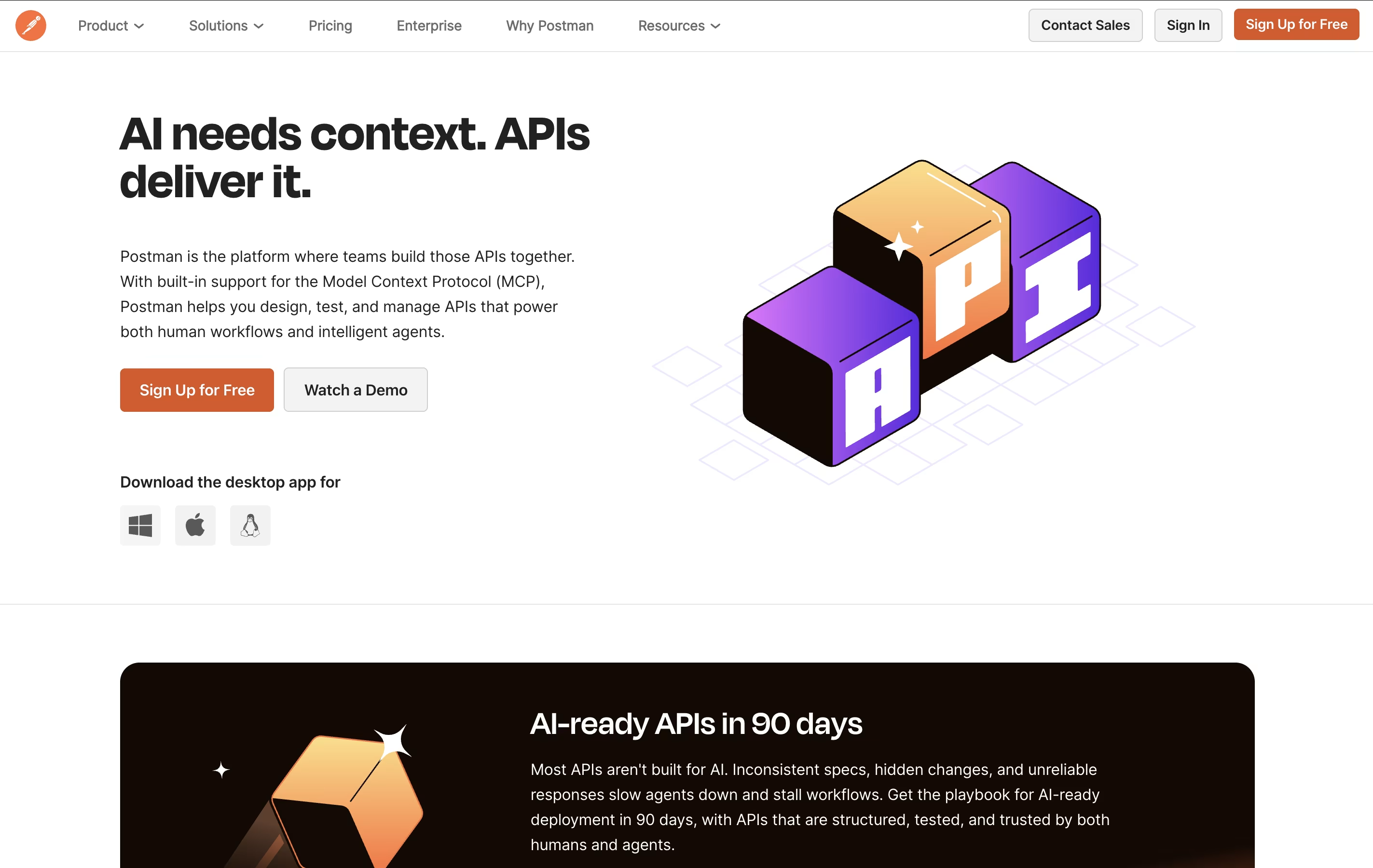
Postman is an all-in-one platform for working with APIs throughout their entire lifecycle. It provides tools to send API requests, view responses, write tests, create documentation, and monitor performance. Unlike basic HTTP clients, Postman offers a complete environment where teams can organize their work into collections, share them with teammates, and automate testing.
The platform includes an easy-to-use interface where you can build requests without writing code, though it also supports advanced scripting when needed. Postman works as a desktop app, web app, or through command-line tools for automation. It integrates with popular development tools and supports team collaboration through workspaces, making it ideal for both individual developers and large organizations building complex API systems.

VoxImplant is a comprehensive cloud communications platform that enables businesses and developers to integrate voice, video, and messaging capabilities into their applications and services. Founded in 2013 and based in Palo Alto, the company serves millions of users worldwide through its innovative Communication Platform as a Service (CPaaS) solution.
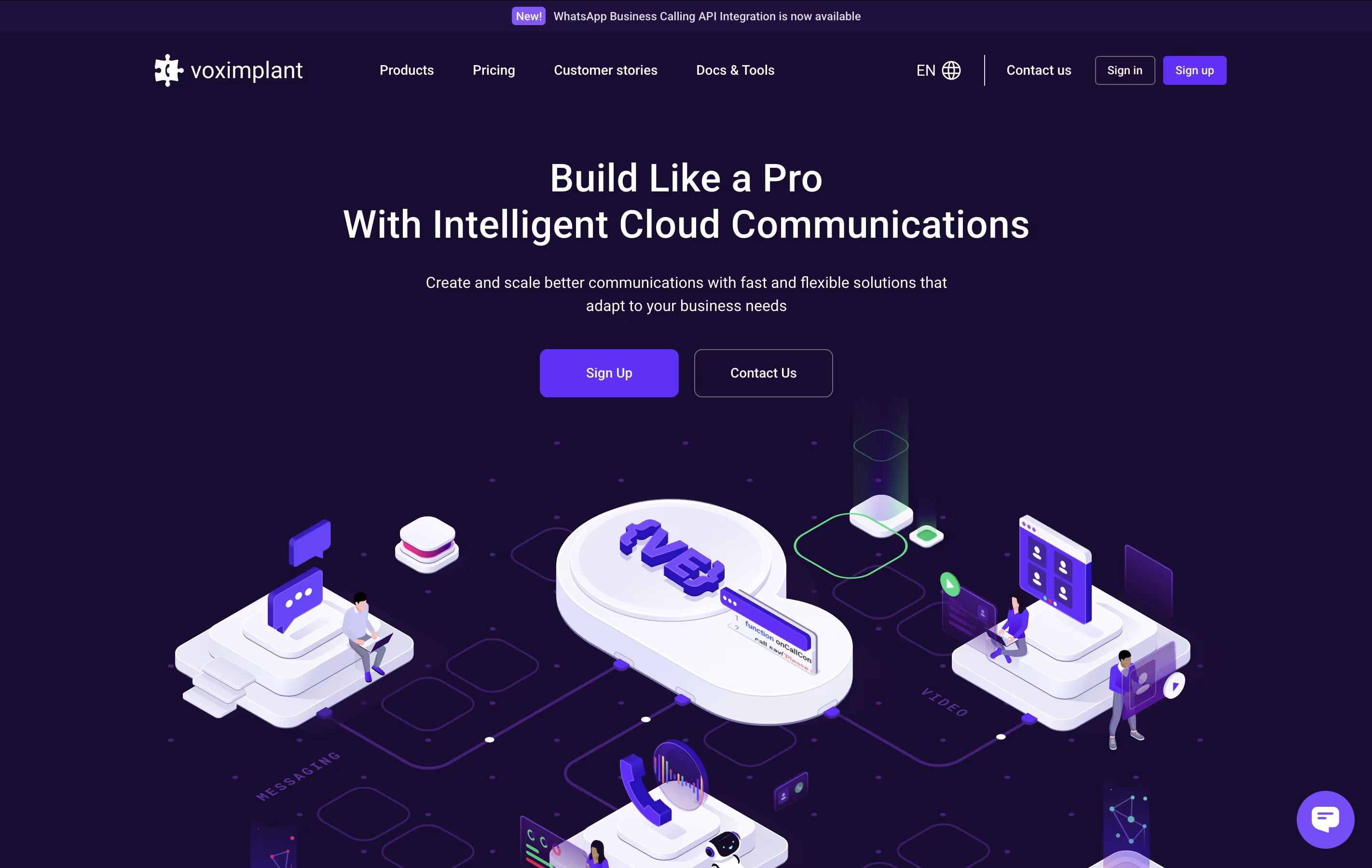
The platform consists of two main products: VoxImplant Platform, which provides APIs and SDKs for custom development, and VoxImplant Kit, an omnichannel contact center solution. VoxImplant Platform supports multiple programming languages and frameworks including iOS, Android, React Native, Flutter, Unity, and web applications. The service includes advanced features like AI-powered voice bots, natural language processing, call recording, transcription, and seamless integration with popular AI providers like OpenAI, Google Gemini, and Dialogflow, making it perfect for creating sophisticated communication experiences.

VideoSDK is a real-time communication platform that provides APIs and software tools for developers to build video and voice applications. Instead of creating video calling systems from scratch, developers can use VideoSDK's ready-made tools to add features like video meetings, live streaming, screen sharing, and AI-powered voice agents to their apps.
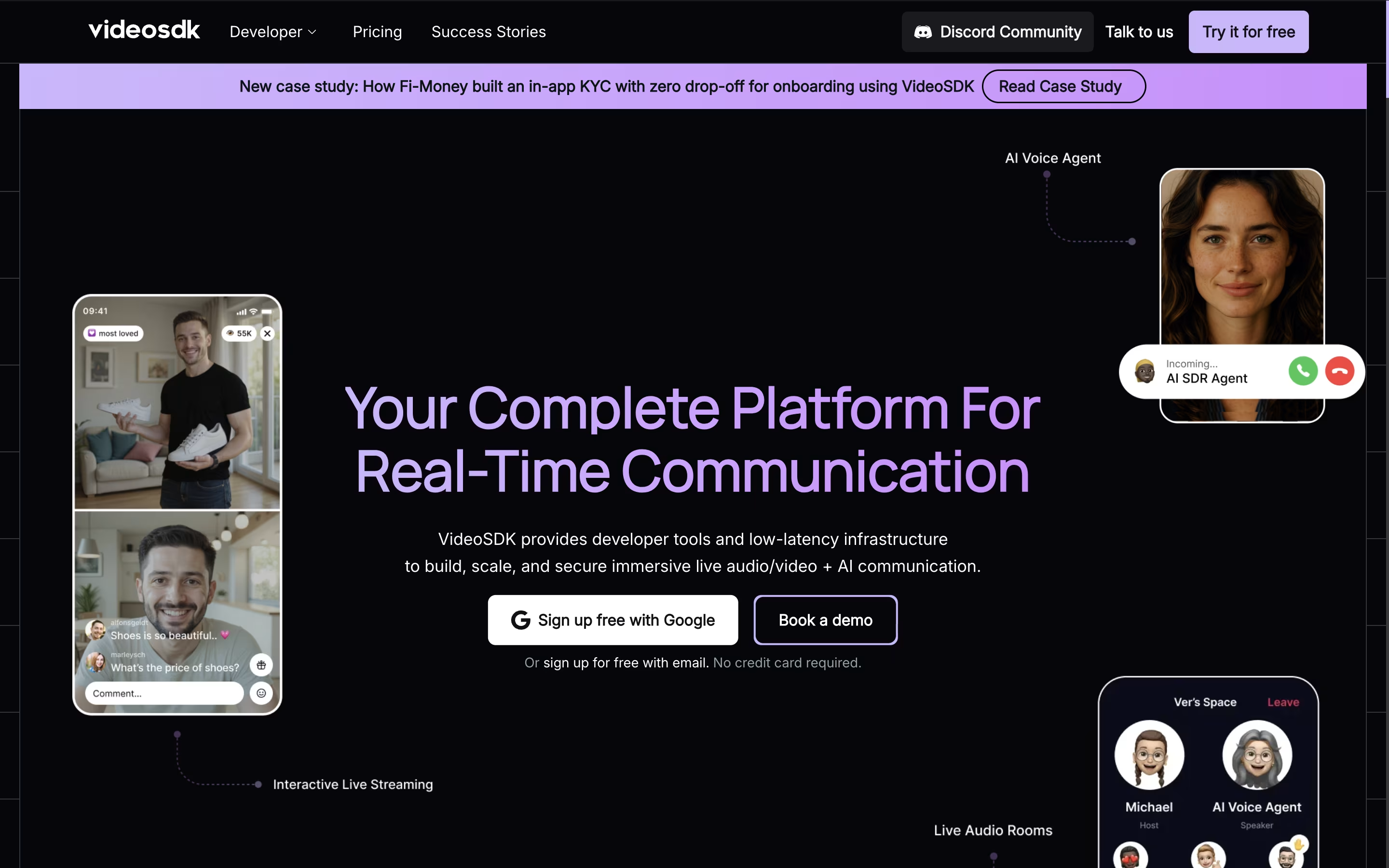
The platform works across all devices and operating systems, including web browsers, mobile apps, and desktop applications. It uses advanced technology to ensure smooth video quality even with poor internet connections and provides global infrastructure with 150ms worldwide latency.
VideoSDK offers both free and paid plans, starting with 10,000 free minutes every month. This makes it perfect for startups, small businesses, and large companies that need reliable video communication features without building everything from scratch.

Agora is a Platform-as-a-Service (PaaS) that provides real-time communication APIs for developers. Instead of building video calling or live streaming technology from scratch, developers can use Agora's ready-made tools to add these features to their apps quickly.
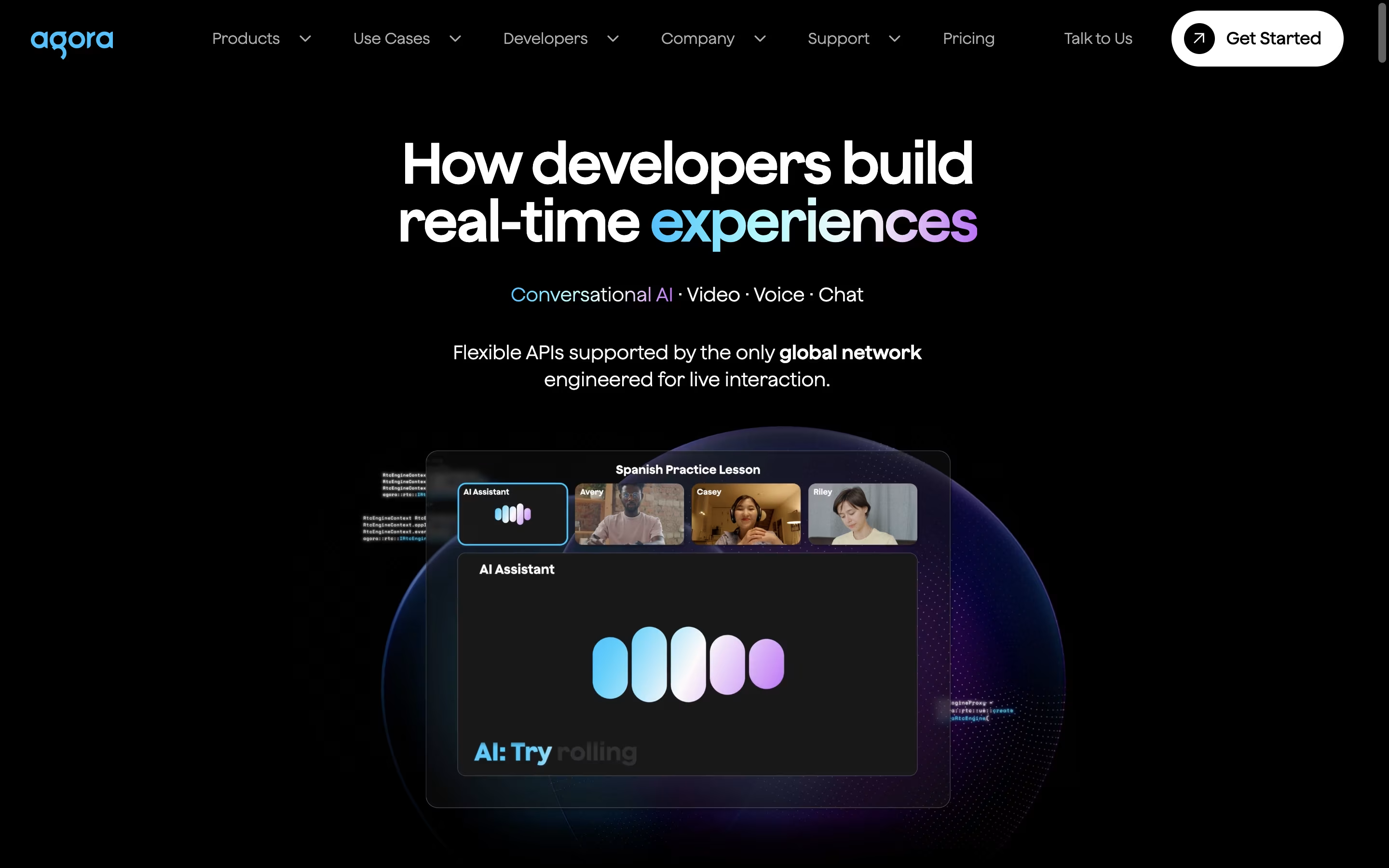
The platform offers SDKs (software development kits) for most programming languages and devices, including mobile apps, websites, and desktop applications. Agora's main strength is its global network called SD-RTN (Software-Defined Real-time Network), which automatically finds the best path for audio and video data to travel between users.
Key products include Video Calling APIs, Interactive Live Streaming, Voice Calling, Cloud Recording, and AI-powered features like noise reduction. The platform also provides analytics tools to monitor call quality and usage. Agora is publicly traded on NASDAQ under the symbol "API."

Cube.js is a universal semantic layer that sits between your data sources and applications. Think of it as a smart middleware that connects to data warehouses like Snowflake, BigQuery, or Postgres and transforms raw data into business-ready metrics and dimensions.
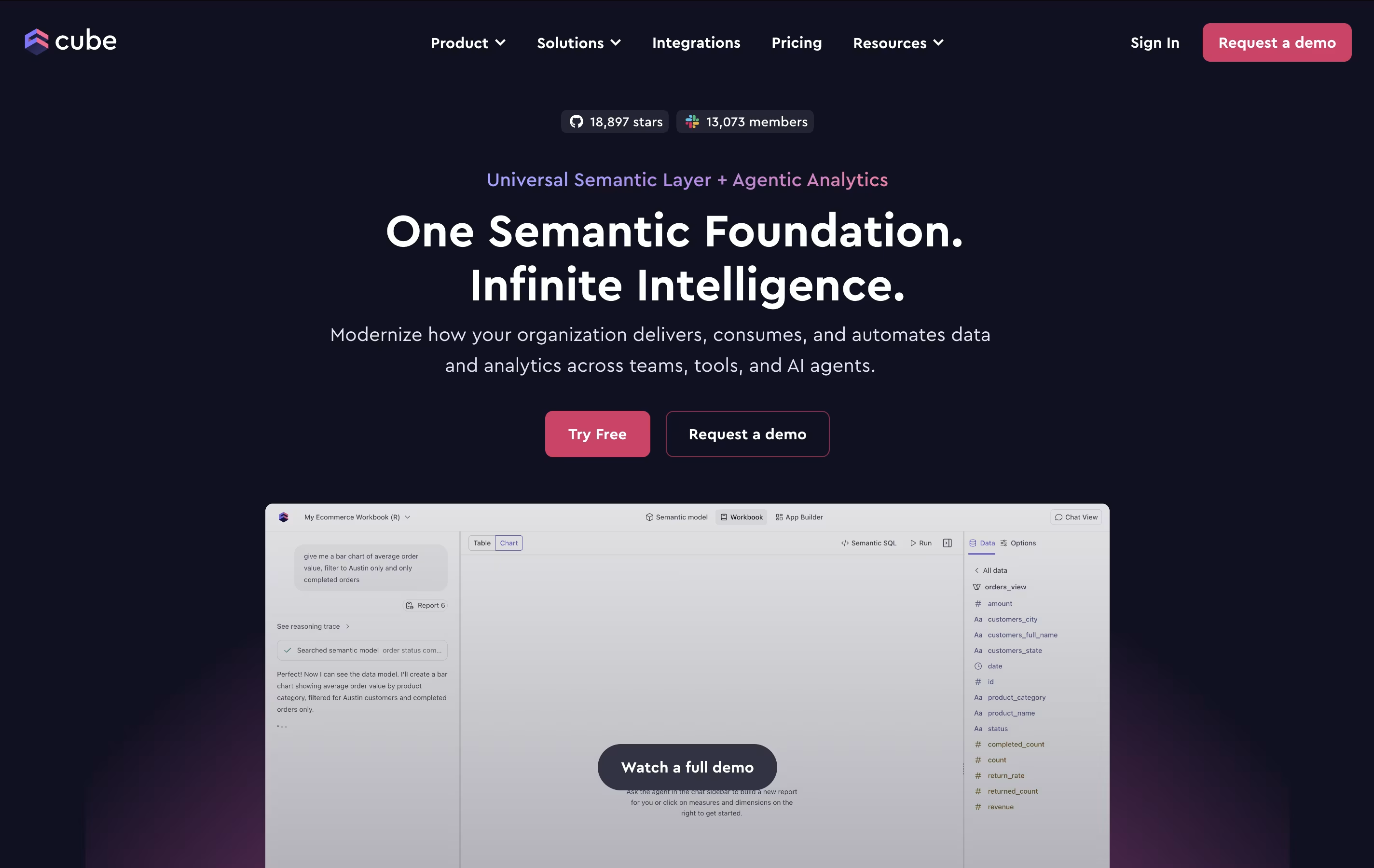
Unlike traditional BI tools that lock you into specific interfaces, Cube.js provides flexible APIs that work with any application or tool. You define your data model once using code, and Cube.js automatically generates optimized SQL queries, handles caching for faster performance, and provides consistent results across all your applications.
The platform consists of two main offerings: Cube Core (open-source) for self-hosting and Cube Cloud (managed service) with additional enterprise features. Both versions support the same core functionality but Cube Cloud includes hosting, security features, and integrations with popular BI tools like Tableau and Power BI.

Bruno is an "offline-first API client" that revolutionizes how developers test and manage APIs. Instead of forcing you to create accounts or store data in the cloud, Bruno saves everything directly on your device using a simple text format called "Bru."
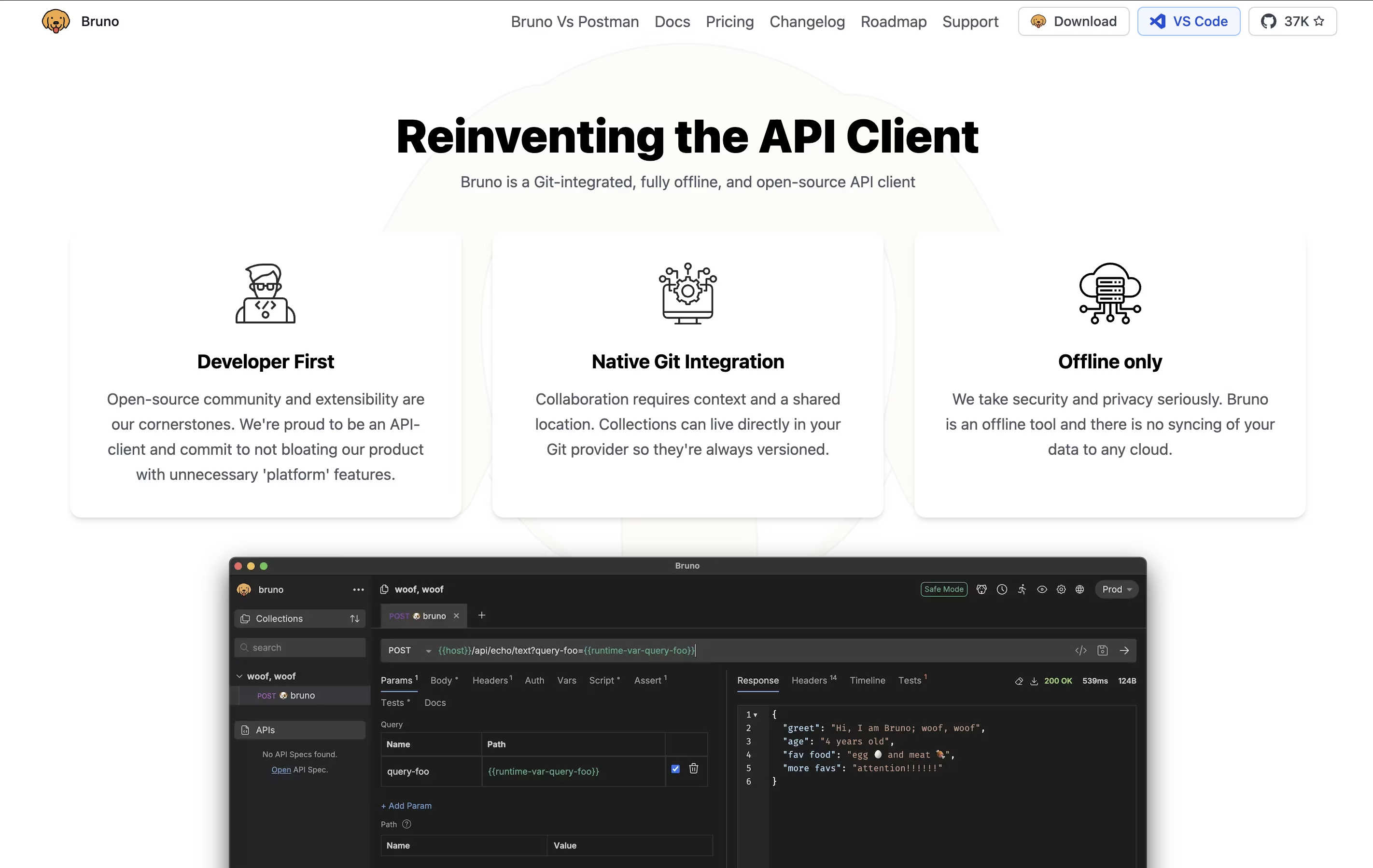
This approach means your API collections, tests, and sensitive data never leave your computer unless you choose to share them. Bruno supports all major API types including REST, GraphQL, and gRPC, making it versatile for any project.
The tool integrates seamlessly with Git and other version control systems, allowing teams to collaborate on API collections just like they do with code. Bruno also includes JavaScript-based testing, environment management, and command-line support for automation and continuous integration workflows.

Fal AI is a serverless generative media platform designed specifically for developers who want to build next-generation creative applications. Think of it as the fastest way to add AI-powered image, video, and audio generation to your apps without dealing with complex infrastructure.
The platform uses a custom-built inference engine that runs diffusion models up to 4x faster than competitors, making real-time AI applications possible. It offers access to popular models like FLUX, Stable Diffusion, and many others through simple REST APIs. What sets Fal AI apart is its focus on speed and reliability - with 99.99% uptime and no cold starts, your users get instant results every time.
Founded by AI infrastructure experts, Fal AI has quickly become the go-to platform for major companies like Perplexity and Photoroom, processing over 50 million AI requests daily across various creative applications.

Svix is a webhooks-as-a-service platform that takes the pain out of sending webhooks. Think of webhooks as notifications that your app sends to other apps when something important happens - like when a payment is processed or a user signs up.
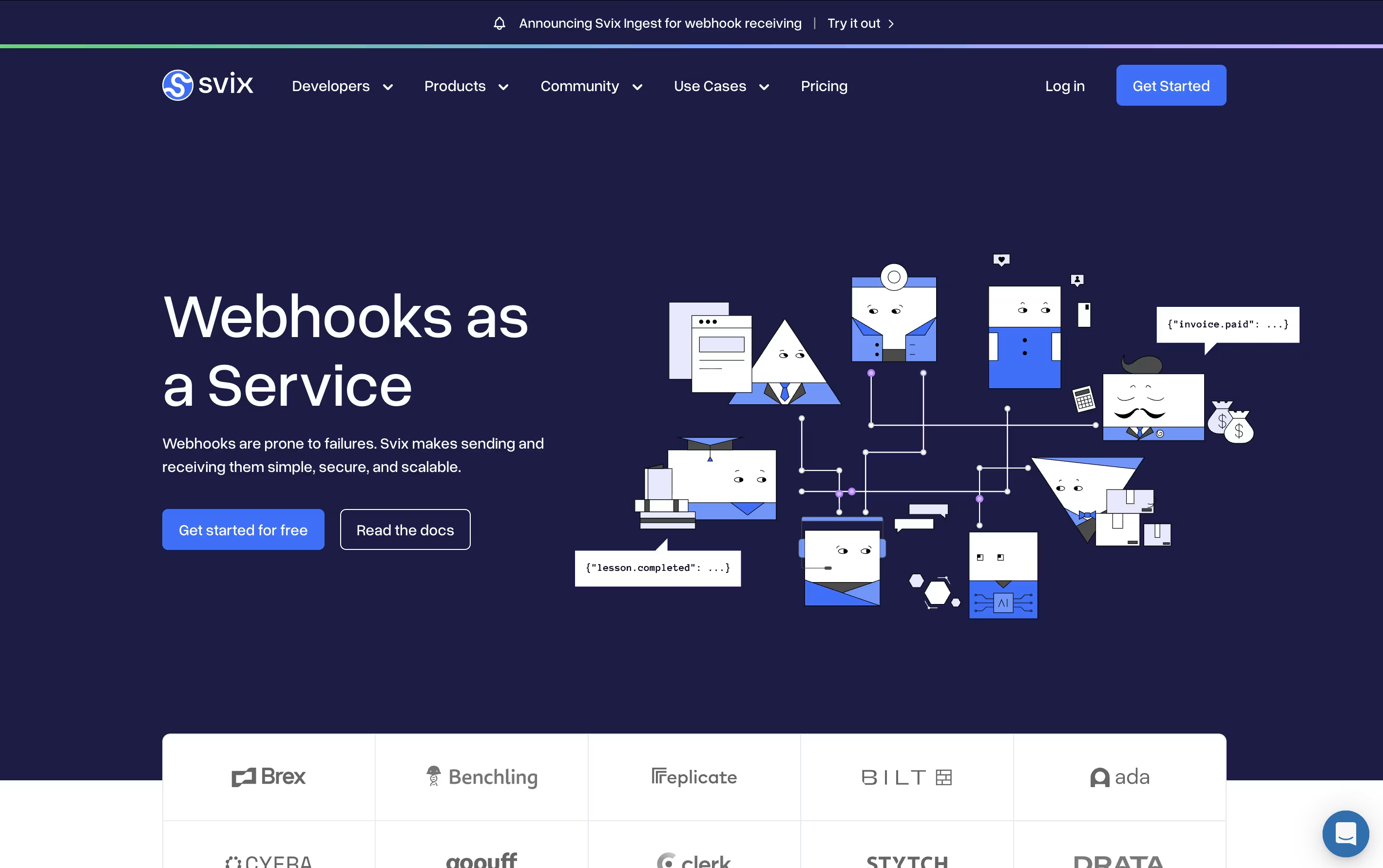
Instead of building your own webhook system from scratch, Svix provides a complete solution with just a simple API call. It handles all the technical challenges: automatic retries when endpoints fail, secure message signing, real-time monitoring, and scaling from zero to billions of messages.
Founded in 2021 and backed by Y Combinator and Andreessen Horowitz, Svix serves companies from startups to Fortune 500 enterprises. The platform is both available as a hosted service and open-source, giving you flexibility in how you deploy it.

Trigger.dev is an open source background jobs framework that allows developers to create reliable, long-running tasks directly in their codebase. Think of it as a better way to handle any job that takes more than a few seconds to complete, without worrying about timeouts or server management.
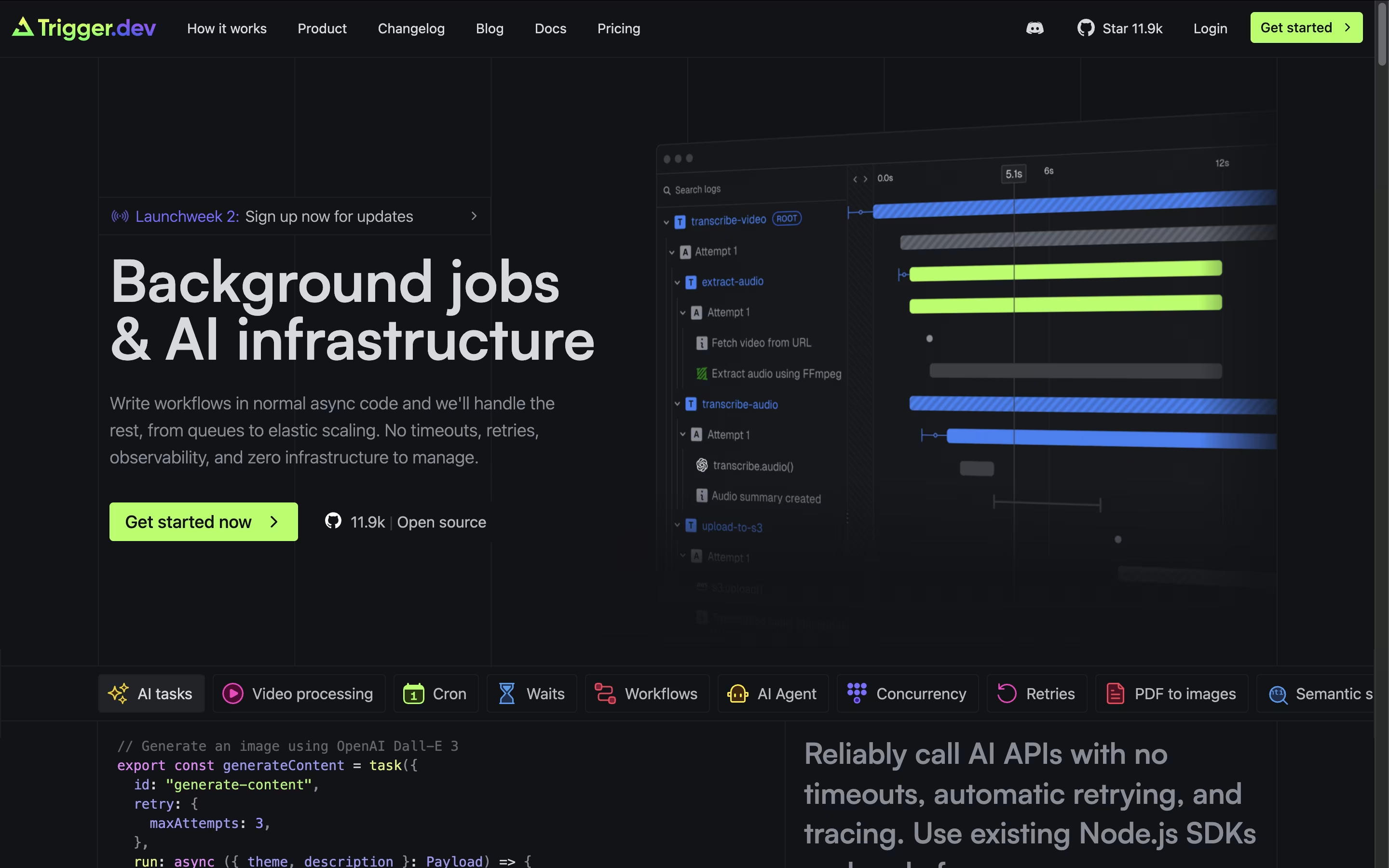
The platform excels at tasks like AI content generation, video processing, data analysis, email campaigns, and complex workflows that traditional serverless functions struggle with. What makes Trigger.dev special is its simplicity - you write regular JavaScript or TypeScript code, deploy it through their CLI, and it runs on their managed infrastructure with no timeout limits.
With automatic retries, real-time monitoring, and seamless integration with your existing codebase, Trigger.dev handles the complex parts of background job management while you focus on building great features. It supports multiple environments and can be self-hosted or used as a cloud service.

Pipedream is a serverless workflow automation platform designed specifically for developers who need to connect different applications and APIs. Think of it as a bridge that lets your apps talk to each other automatically.
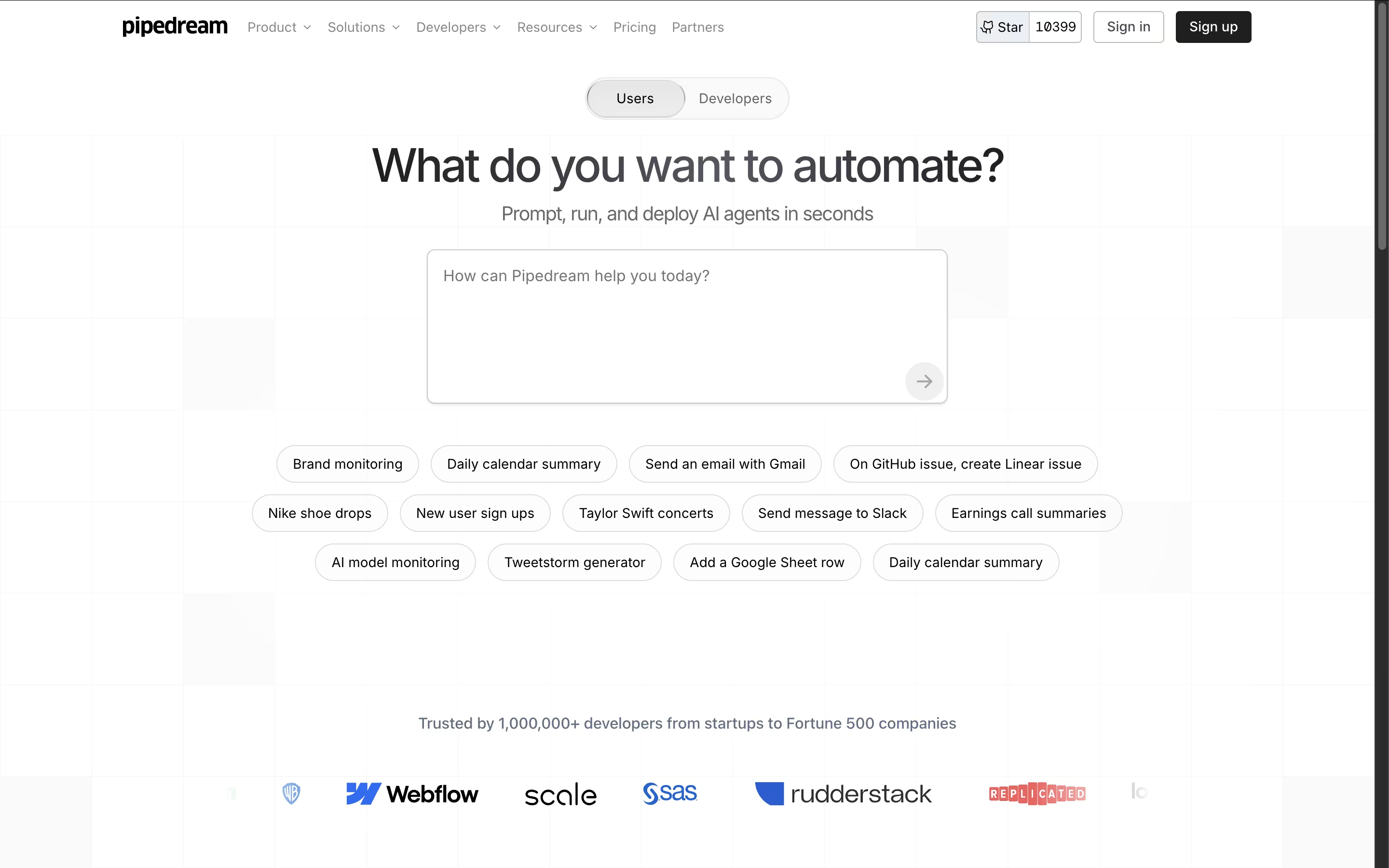
Unlike traditional automation tools, Pipedream gives you the power to write custom code when needed while providing thousands of pre-built components for common tasks. The platform handles all the infrastructure, authentication, and scaling automatically, so you can focus on building workflows instead of managing servers.
Each workflow is a series of steps that run when triggered by events like new emails, API calls, or scheduled times. With support for major programming languages and integration with popular services like Slack, Google Sheets, GitHub, and Stripe, Pipedream makes it easy to automate almost any business process or technical workflow.

Hoppscotch is an API development environment that runs in your web browser. You can test any API by sending requests and viewing the responses instantly. Unlike traditional tools, Hoppscotch is completely free and open-source, meaning anyone can use it or even contribute to improving it.
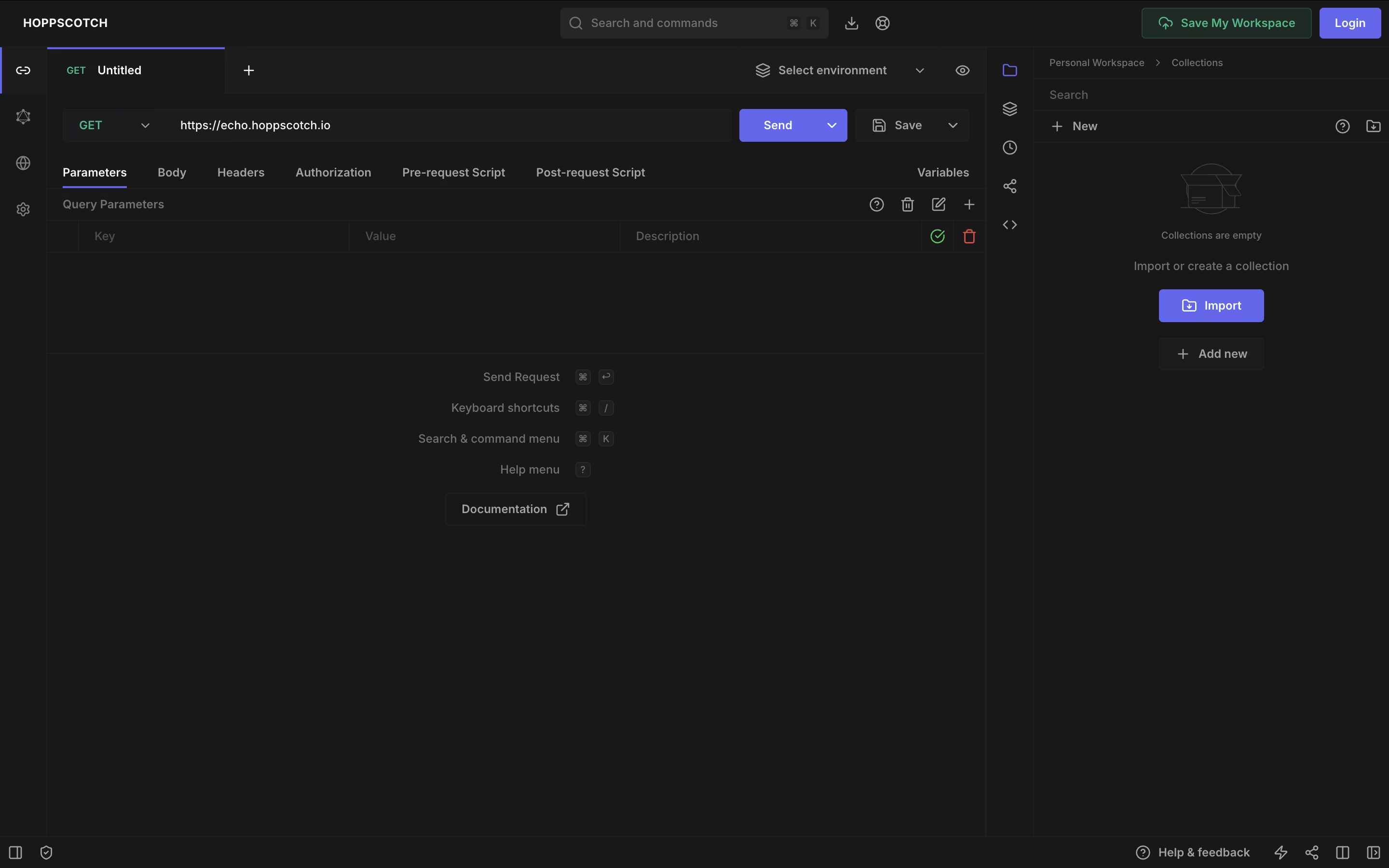
The platform supports various API types including REST, GraphQL, WebSocket, Socket.IO, MQTT, and Server-Sent Events. This makes it useful for testing modern real-time applications as well as standard web services. You can organize your API requests into collections, use environment variables for different setups, and write tests to check if APIs work correctly.
Hoppscotch offers both a free version with full features and an Organization plan for teams needing extra collaboration tools and support.

Testfully is a platform that helps developers test and monitor APIs during development and after deployment. You can use it to send requests to your APIs, create automated tests, and set up monitoring to catch problems before they affect users.
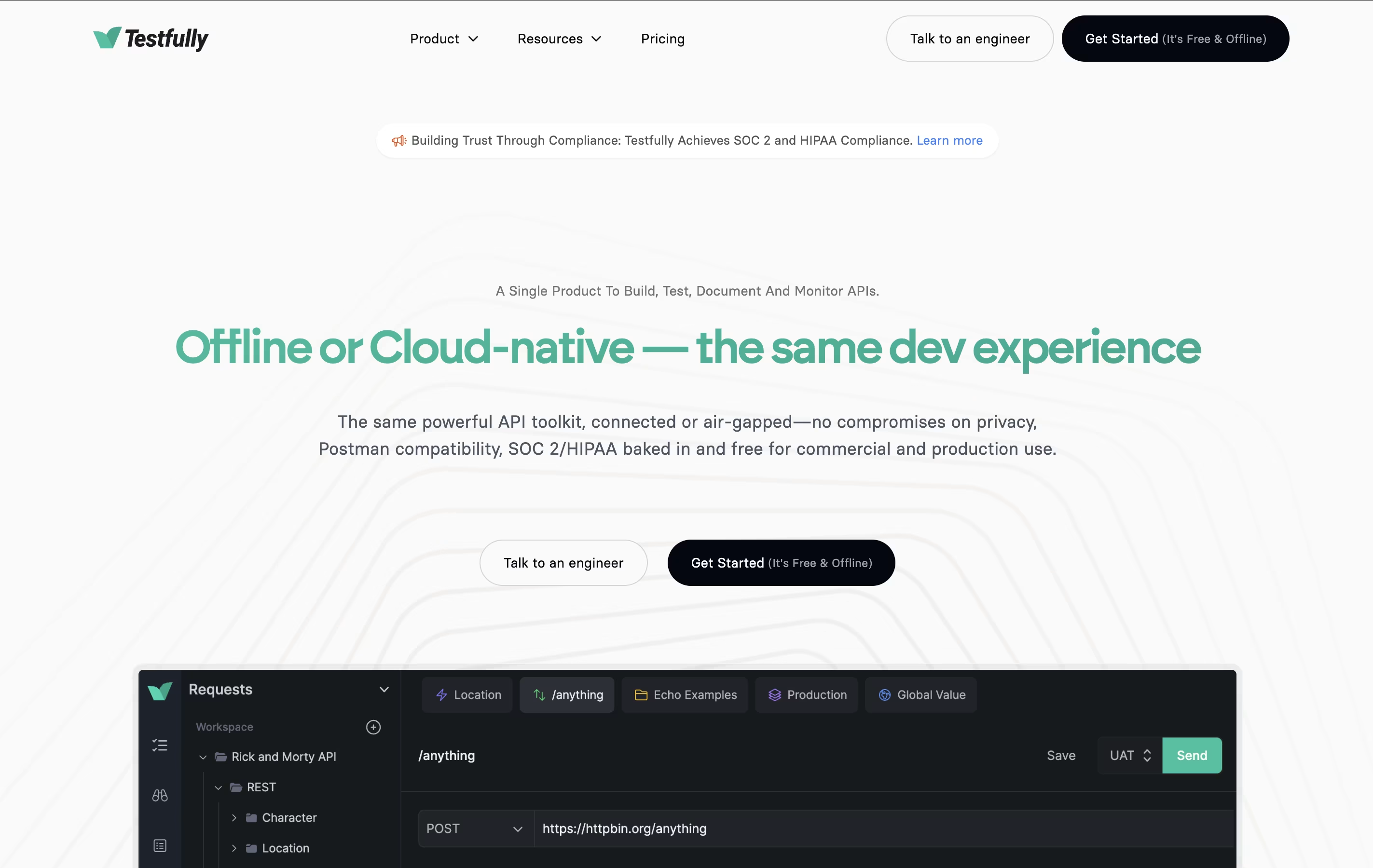
The tool comes in two versions: Cloud and Offline. The Cloud version stores your data online and makes collaboration easy. The Offline version keeps everything on your computer for enhanced privacy and security. Both versions have identical features, so you can choose based on your needs.
Testfully works with major API types including REST, GraphQL, and XML. It includes an API client for building requests, testing tools for validation, and monitoring features for tracking API health around the clock.

Katalon is a complete testing solution that automates the process of checking if software works correctly. Instead of testing applications manually every time, Katalon lets you create automated tests that run on their own.
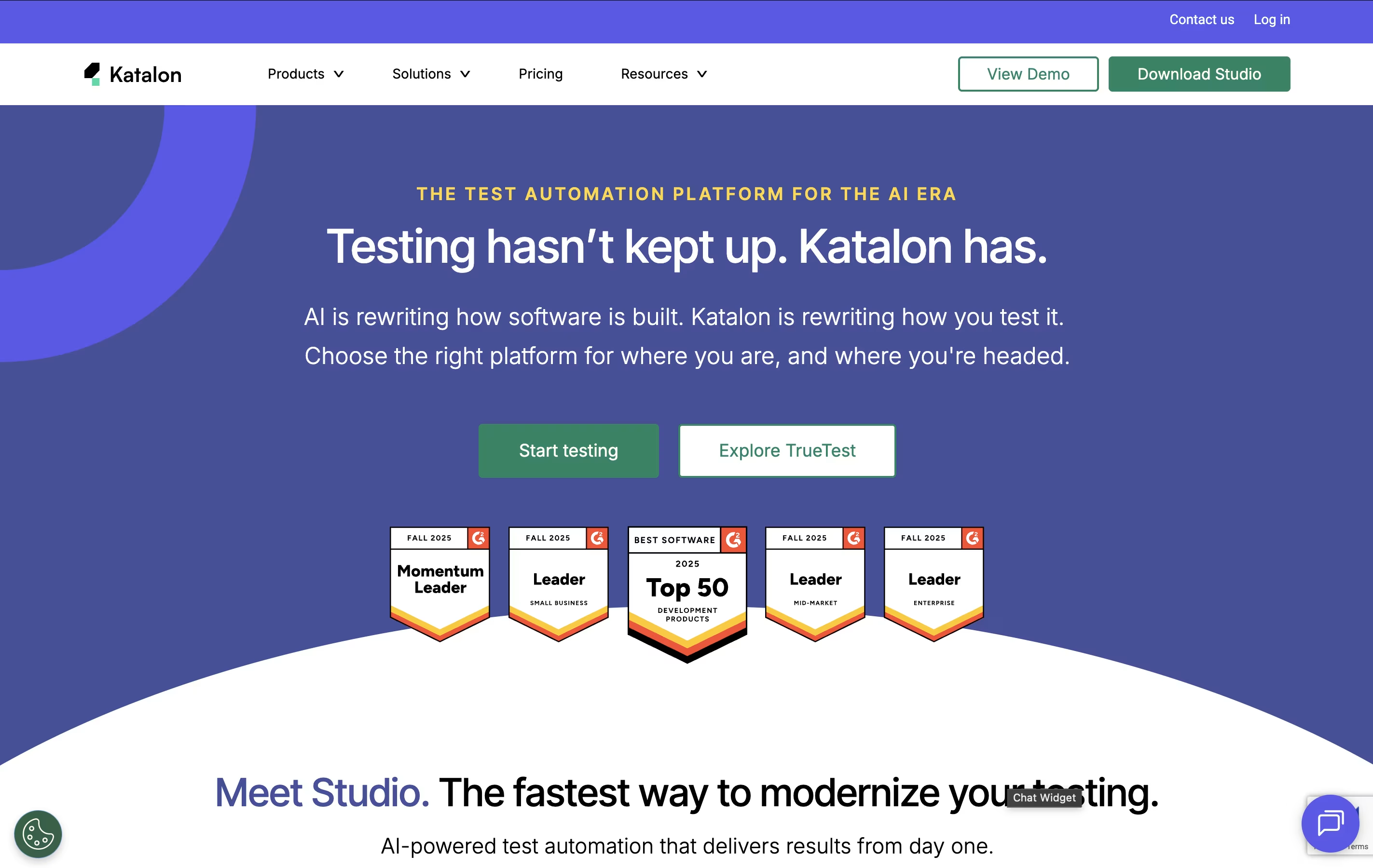
The platform supports four main types of testing in one place: web applications, mobile apps (Android and iOS), APIs, and desktop programs. You can create tests using simple point-and-click recording, basic drag-and-drop actions, or by writing code if you prefer more control.
Katalon uses artificial intelligence to make testing easier. The AI can write test code from simple instructions, explain existing code, fix tests when websites change, and spot problems automatically. Tests can run on your computer or in the cloud.

Thunder Client is a REST API testing tool that lives inside Visual Studio Code. You can send requests, check responses, and organize your API tests without opening another program. It works just like other API testing tools but runs directly in your code editor.
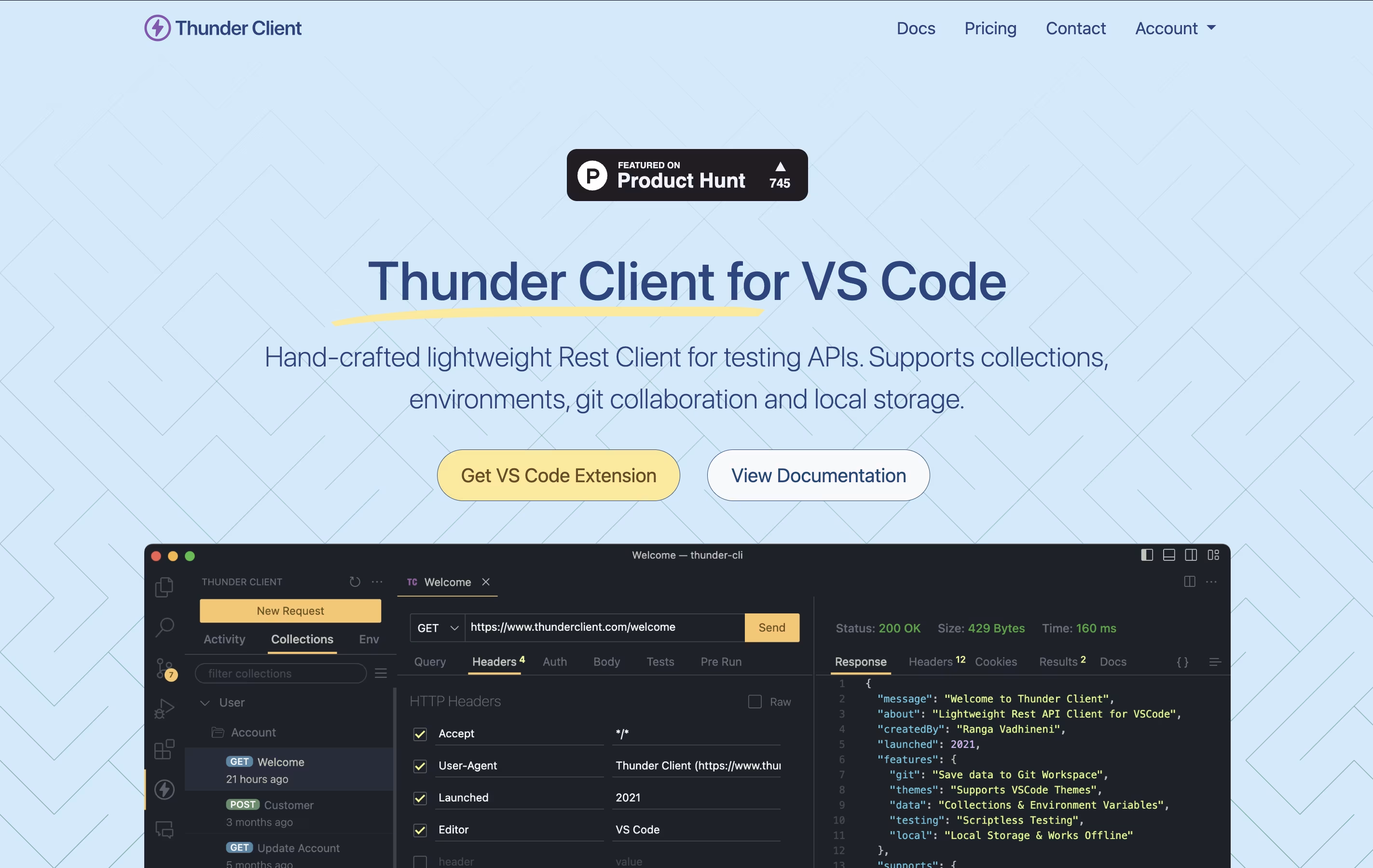
The extension saves all your requests and settings on your own computer. This makes it fast, private, and able to work without internet. You can also save your testing data to Git repositories, making it easy to share with your team.
Thunder Client offers both free and paid versions. The free version works great for basic testing, while paid plans add features like unlimited test runs, team management tools, and advanced testing options for businesses.

Firecamp is a multi-protocol API development tool that helps you test and build APIs with ease. Unlike traditional API clients that focus mainly on REST, Firecamp offers dedicated GUI playgrounds for REST, GraphQL, WebSocket, and Socket.IO protocols all in one application.
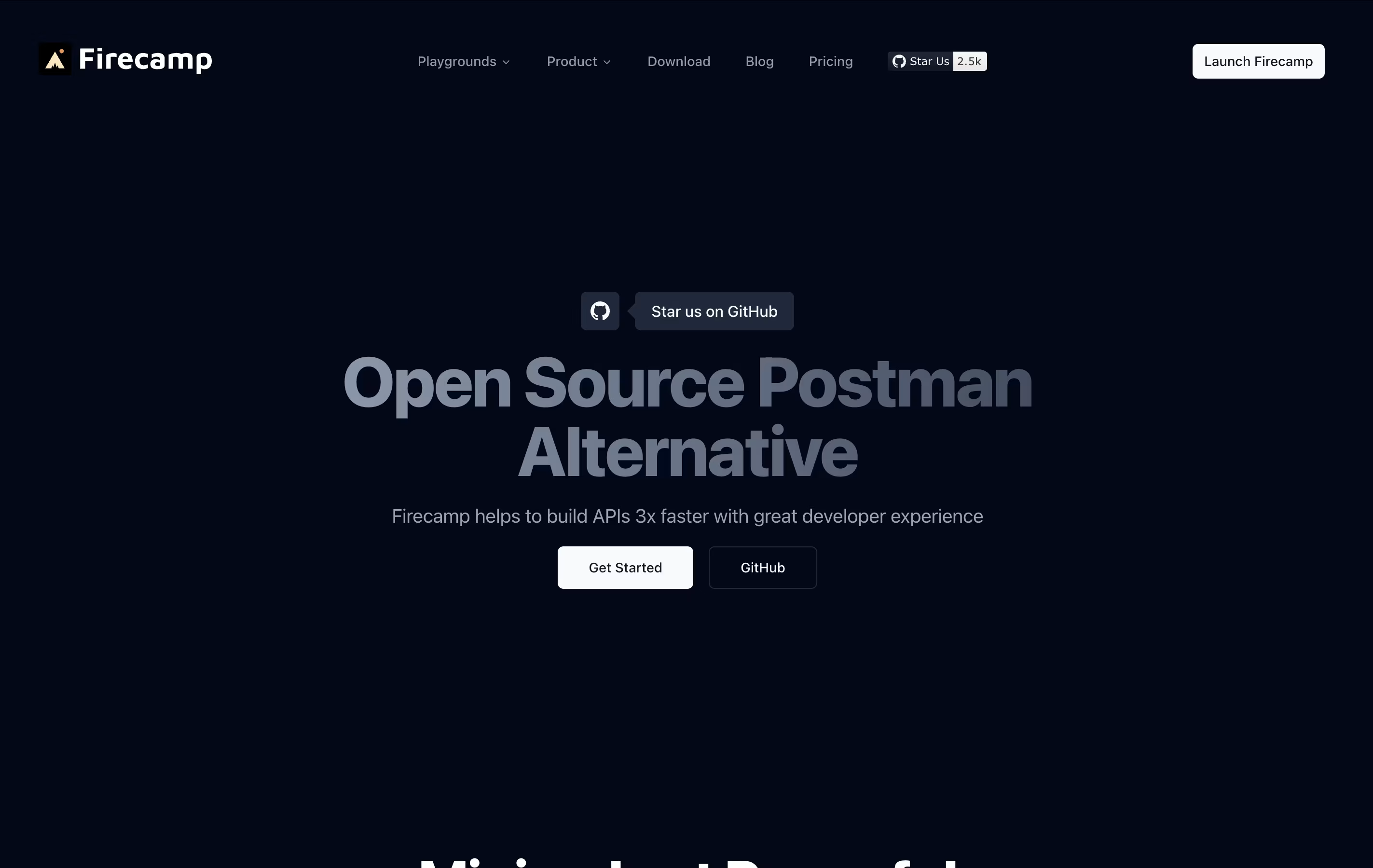
The platform is completely open-source and built with developers in mind. It provides a clean interface similar to VS Code, making it familiar and easy to navigate. You can create API collections, set up environments, write scripts, and collaborate with your team in real-time.
Whether you use the web version or desktop app, Firecamp keeps everything synchronized across your workspace. It supports authentication methods, allows you to import collections from Postman, and helps you document your APIs for your team or community.

HTTPie is a tool designed for testing APIs and HTTP servers with an easy-to-understand approach. You type commands that look similar to the actual HTTP requests you want to make, and HTTPie handles the technical details for you. The responses come back formatted with colors, making JSON and other data easy to read.
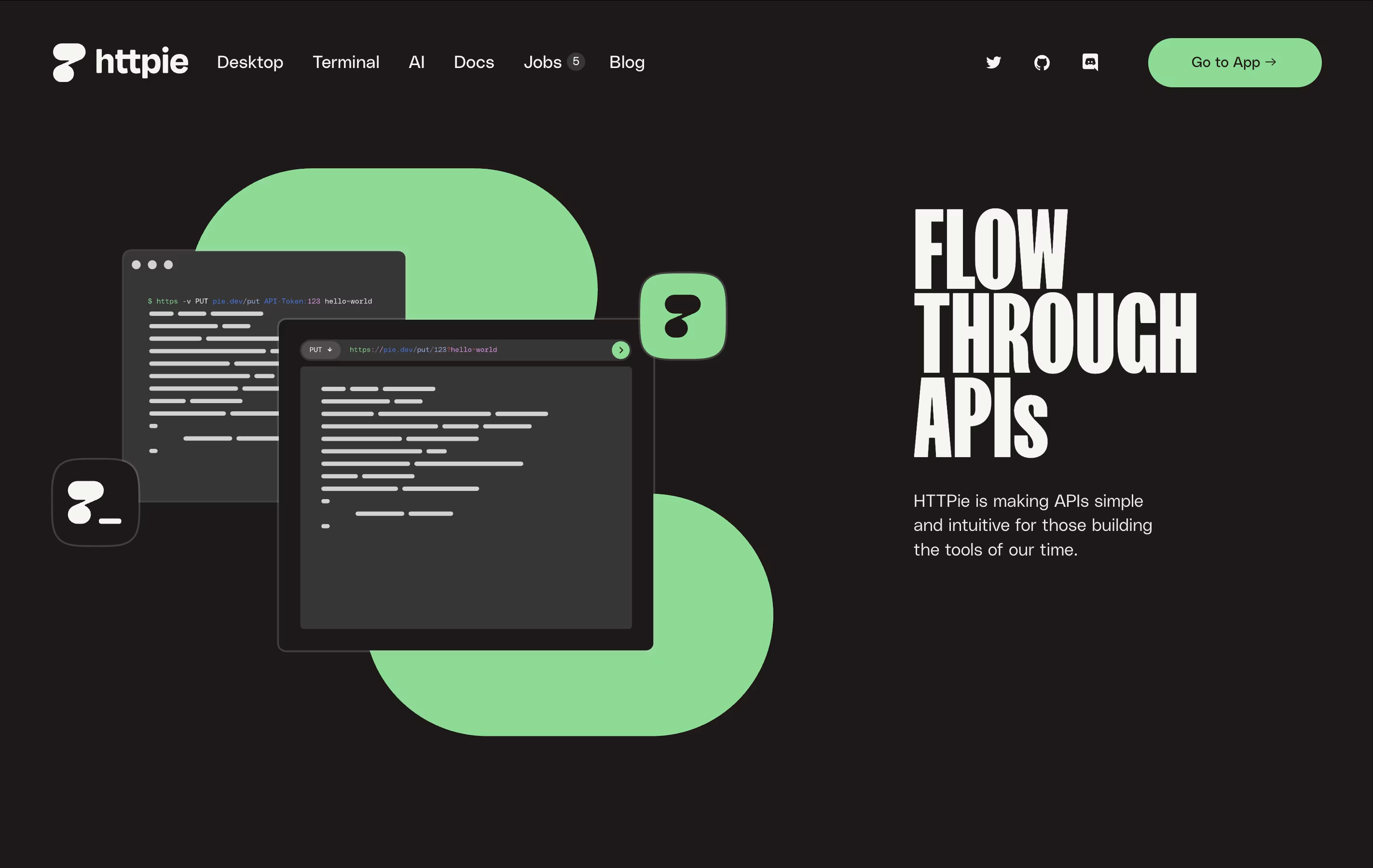
The command-line version is completely free and open-source, meaning anyone can use it and even modify it. The web and desktop versions offer a visual interface with the same friendly approach. HTTPie supports everything developers need: authentication, custom headers, file uploads, session management, and more. It works on all major operating systems and integrates well with development workflows.

Paw is a complete API testing and development tool designed for Mac computers. You can use it to create and send HTTP requests, then see detailed responses with headers, status codes, and body content. The app supports all common HTTP methods including GET, POST, PUT, DELETE, and PATCH.
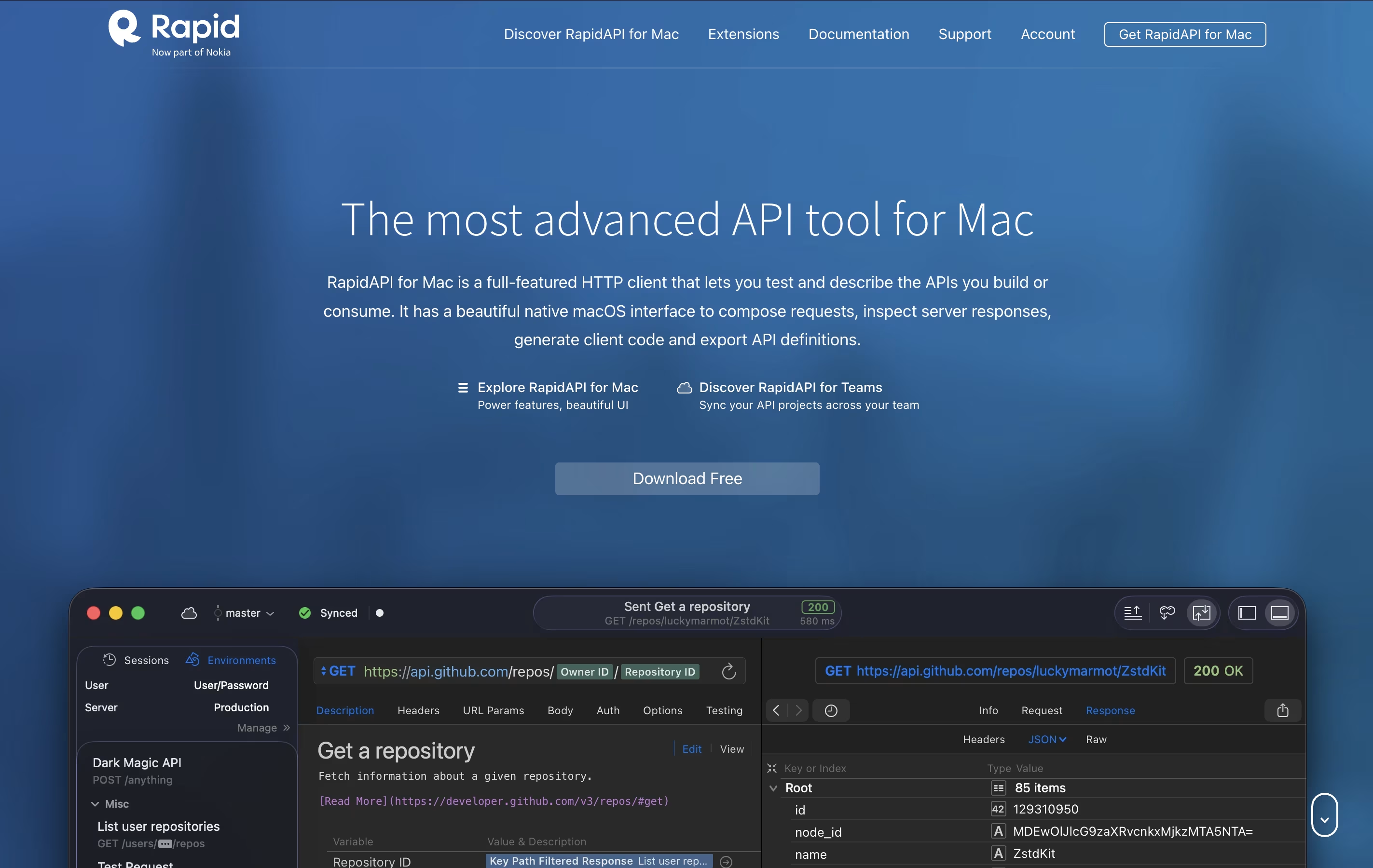
It includes features like dynamic values, environment management, and the ability to chain requests together. You can describe your APIs using JSON Schema and export documentation in standard formats. The tool also generates ready-to-use code snippets in languages like Swift, Python, JavaScript, and more.
There's a free version for personal use and team plans with cloud sync and collaboration features for organizations that need to work together.

SoapUI is a testing platform that checks how APIs and web services perform. You can use it to send requests to your API, check the responses, and make sure everything works as expected. It runs on Windows, Mac, and Linux computers because it is built using Java.
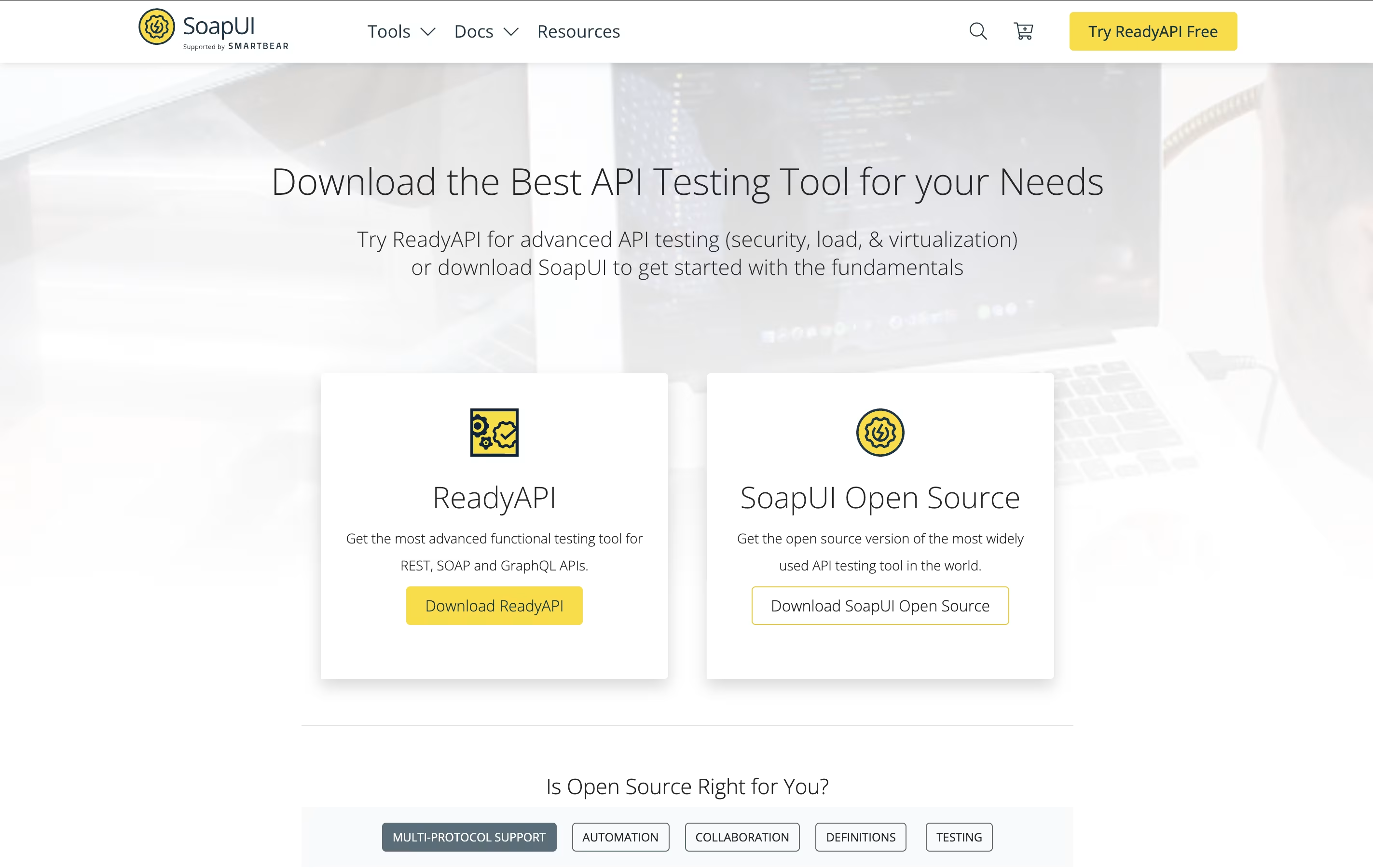
The tool lets you do functional testing to verify your API works correctly, load testing to see how it handles many users, and security testing to find weak points. You can also write custom test scripts using Groovy programming language for more complex scenarios.
SoapUI works well with popular tools like Jenkins for continuous testing in your development process. The open-source version is completely free, while ReadyAPI offers extra productivity features.

Paragon is an embedded integration infrastructure platform designed specifically for B2B SaaS companies that need to offer native integrations to their customers. Think of it as the backbone that powers all your app's connections to other software tools your customers use daily.
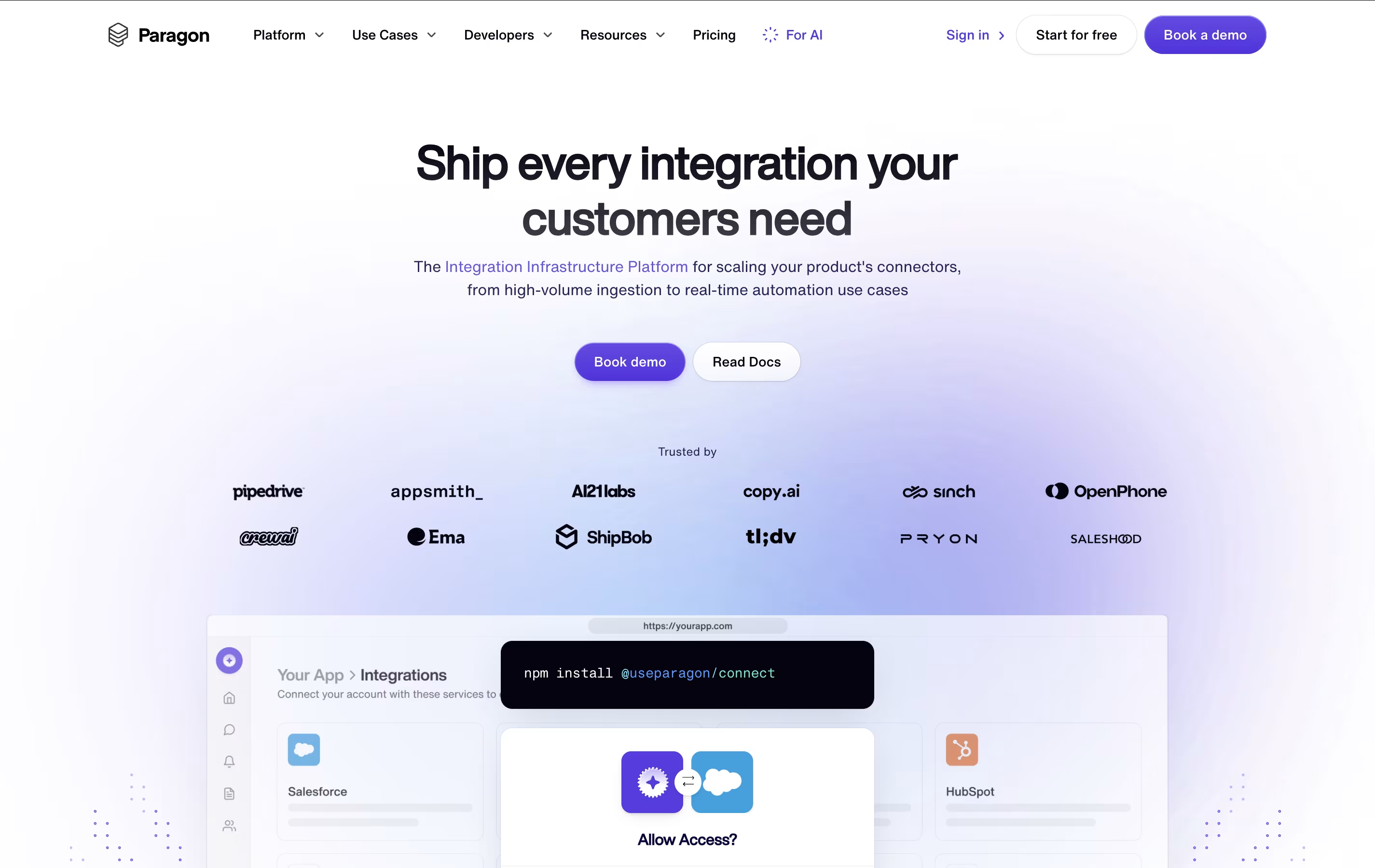
The platform provides over 130 pre-built connectors for popular business applications, along with the ability to create custom integrations for any third-party API. What makes Paragon special is that it handles all the technical complexity behind integrations - user authentication, data syncing, error monitoring, and maintenance - while providing your customers with a white-labeled, native experience that looks and feels like part of your product.
Founded in 2019 and backed by Y Combinator, Paragon processes over 100 million requests monthly for companies ranging from startups to enterprise organizations, making it a trusted solution for scaling integration needs.