

Best 10 Content Publishing Platforms Tools in 2026
Last Updated: March 7, 2026
Getting content from draft to live across multiple channels usually means juggling several disconnected tools. Content Publishing Platforms bring writing, scheduling, and distribution together in one place, letting you push content out to your website, blog, or partner sites from a single dashboard.
These platforms are built for publishers, media teams, and content heavy businesses that need a reliable system for getting content live consistently. With workflow controls and multi channel distribution built in, publishing platforms remove a lot of the manual handoff between writing and going live.
 Substack
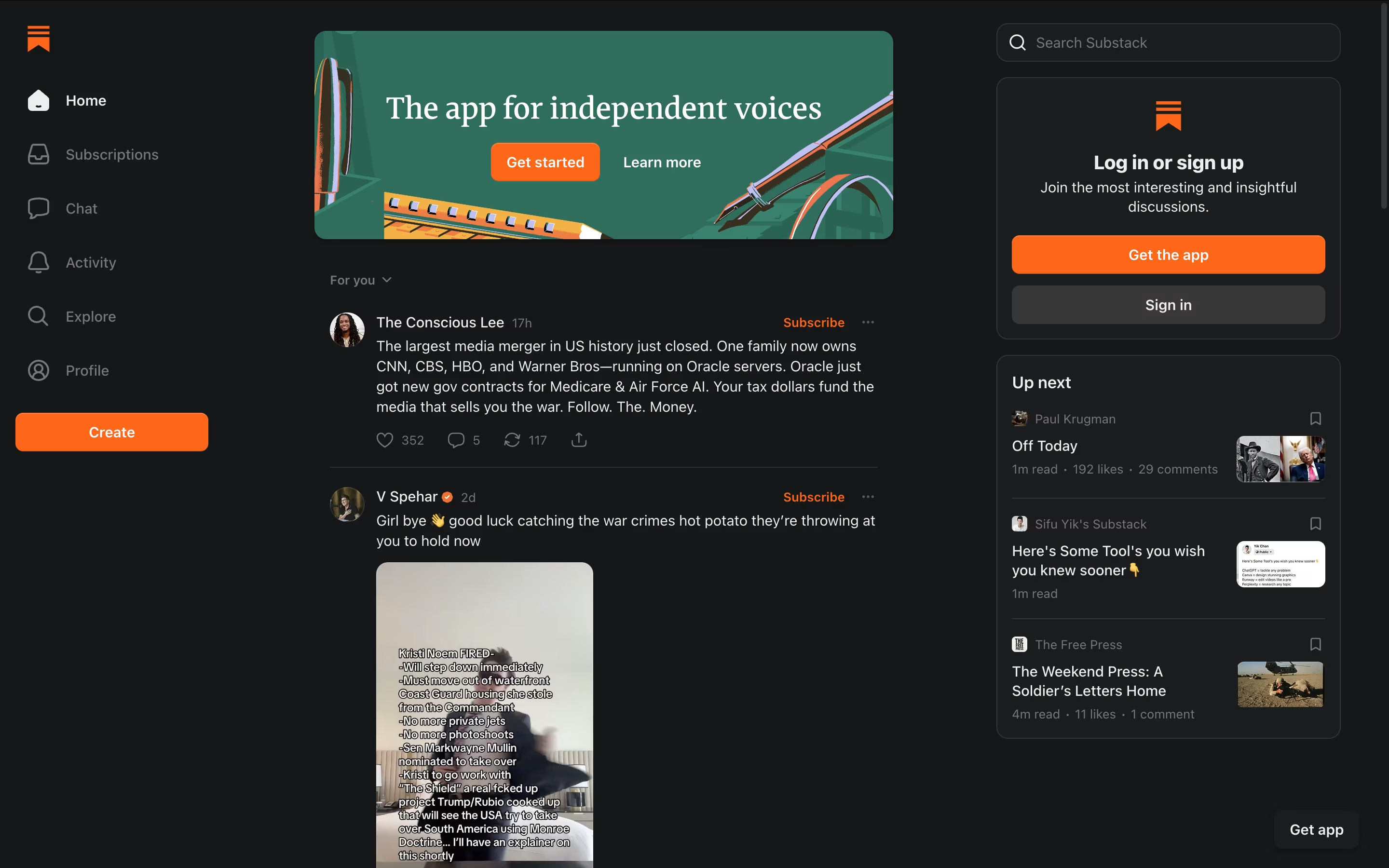 SubstackNewsletter Platform for Independent Writers,
  Beehiiv
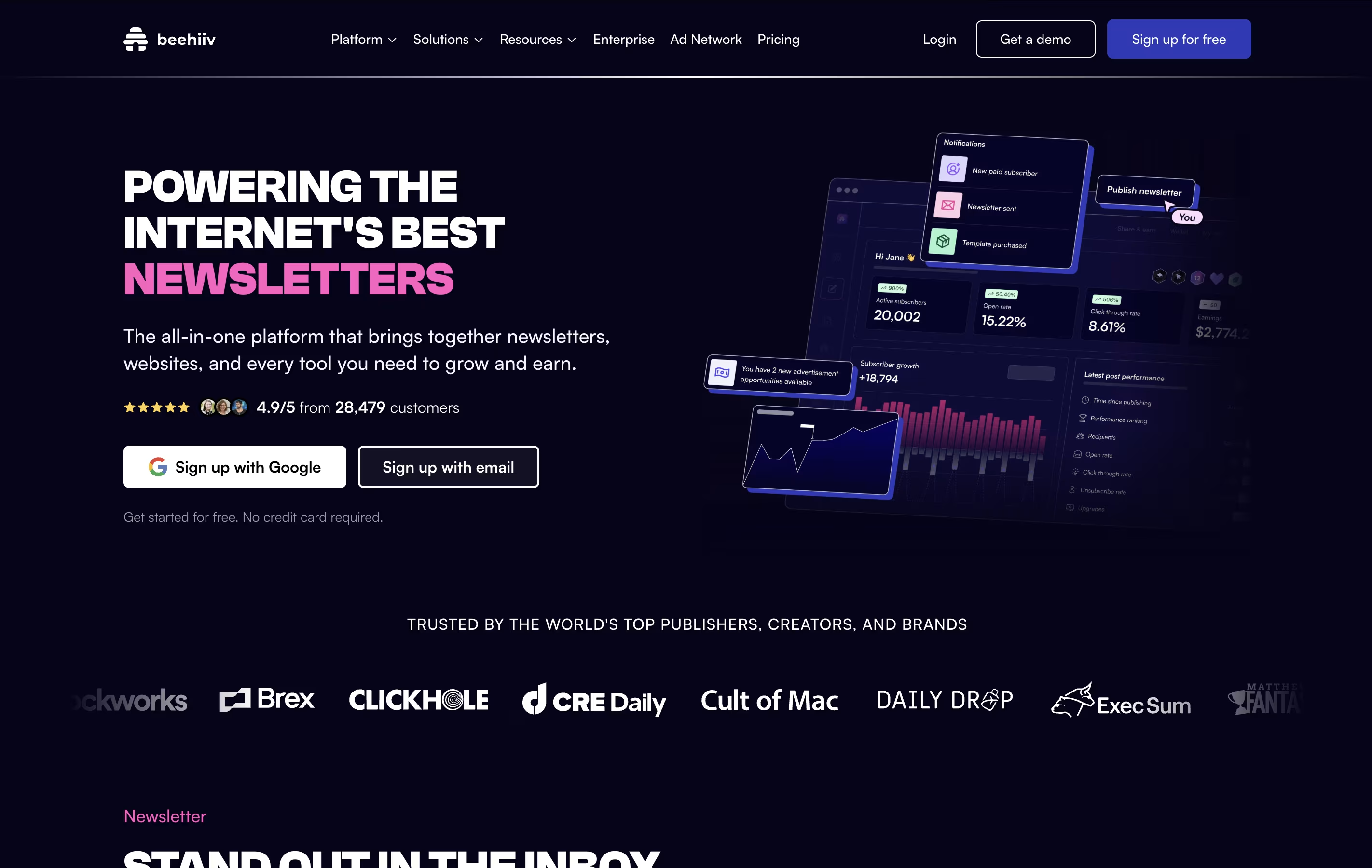 BeehiivNewsletter Platform for Creator Growth, and
  Ghost
Ghost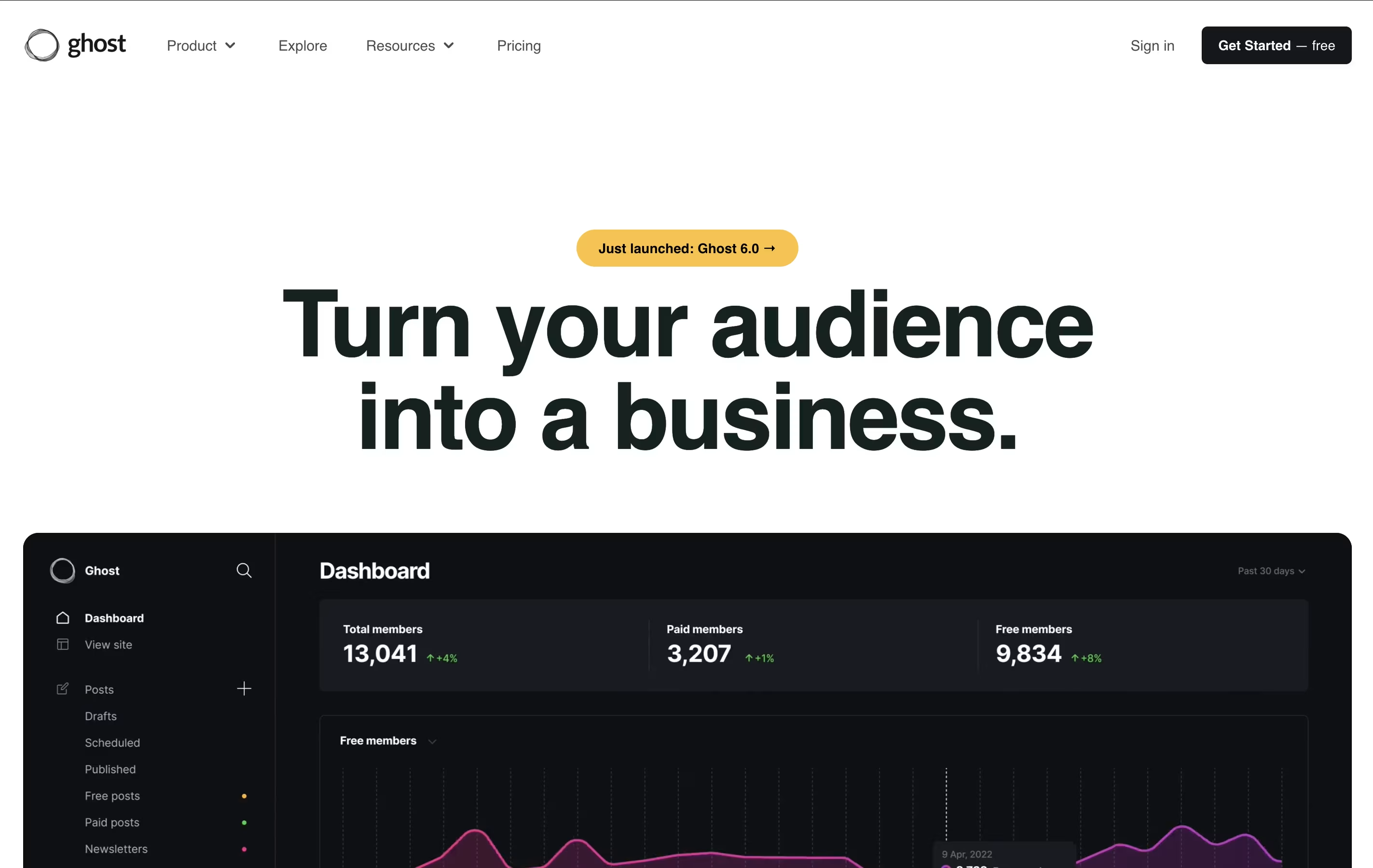 GhostOpen Source Publishing Platform for Blogs & Newsletters are the best for Content Publishing Platforms. So, let’s take a closer look at all 10 tools.
Substack is a publishing platform that helps writers create and send newsletters to their readers. Unlike traditional blogging sites, it puts email delivery at the center, ensuring your content reaches people directly in their inbox. You can write long articles, record podcasts, upload videos, or share short notes similar to social media posts.
The platform handles all the technical work like email sending, payment processing, and subscriber management. Writers own their email list and can export it anytime, which means you are not locked into the platform. Substack works on a simple business model: publishing is free, but if you charge for subscriptions, Substack takes a percentage of your earnings. This aligns their success with yours.
Beehiiv is a platform where you can write and send newsletters while also building a website for your content. It gives you one place to create, publish, and manage everything related to your newsletter business. The platform includes tools that help you understand your audience through clear data reports and analytics.
Unlike basic email tools, Beehiiv focuses specifically on newsletter creators. It has special features like referral programs that turn your readers into promoters, and an ad network that connects you with brands wanting to sponsor your content. You can also set up paid subscriptions where readers pay monthly to access special content. The free plan lets you start with up to 2,500 subscribers, making it easy to test the platform.
Ghost is a publishing platform that helps you create professional websites and send newsletters. Unlike other systems that try to do everything, Ghost focuses on publishing content and building audiences.
You can write and publish articles using a clean editor that stays out of your way. The platform automatically sends your posts to email subscribers when you publish. You can offer free or paid memberships, with Ghost handling the payment processing through Stripe.
The software is open source and free to download. You can host it yourself on your own server, or use Ghost Pro, which is managed hosting where Ghost handles all technical work. Ghost Pro starts at $18 per month with automatic updates, backups, and support included.

Contentful is a headless content management system, which means it stores and organizes your content but does not control how it appears to users. Think of it like a smart storage room for all your digital content - text, images, videos, and more. When you need to show this content on your website, app, or any other platform, Contentful sends it instantly through connections called APIs.
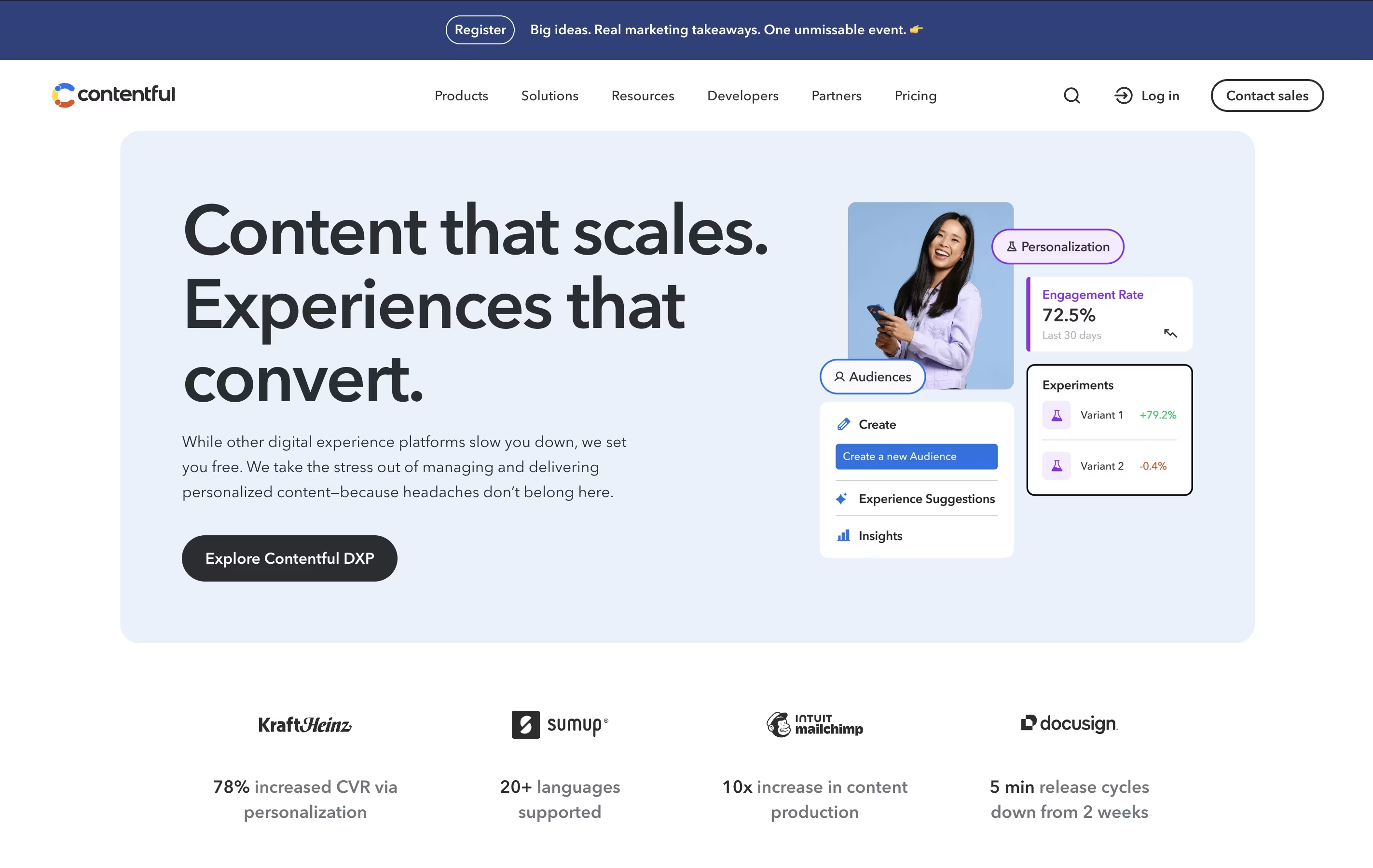
The platform lets you build custom content structures that fit your exact needs. You can create different types of content, add various fields to them, and organize everything in ways that make sense for your business. Multiple team members can work together, editing and updating content at the same time without stepping on each other's toes.

Webiny is a serverless content management system that you install and run inside your own AWS cloud account. It's completely open-source, which means you can see how it works and change it to fit your needs.
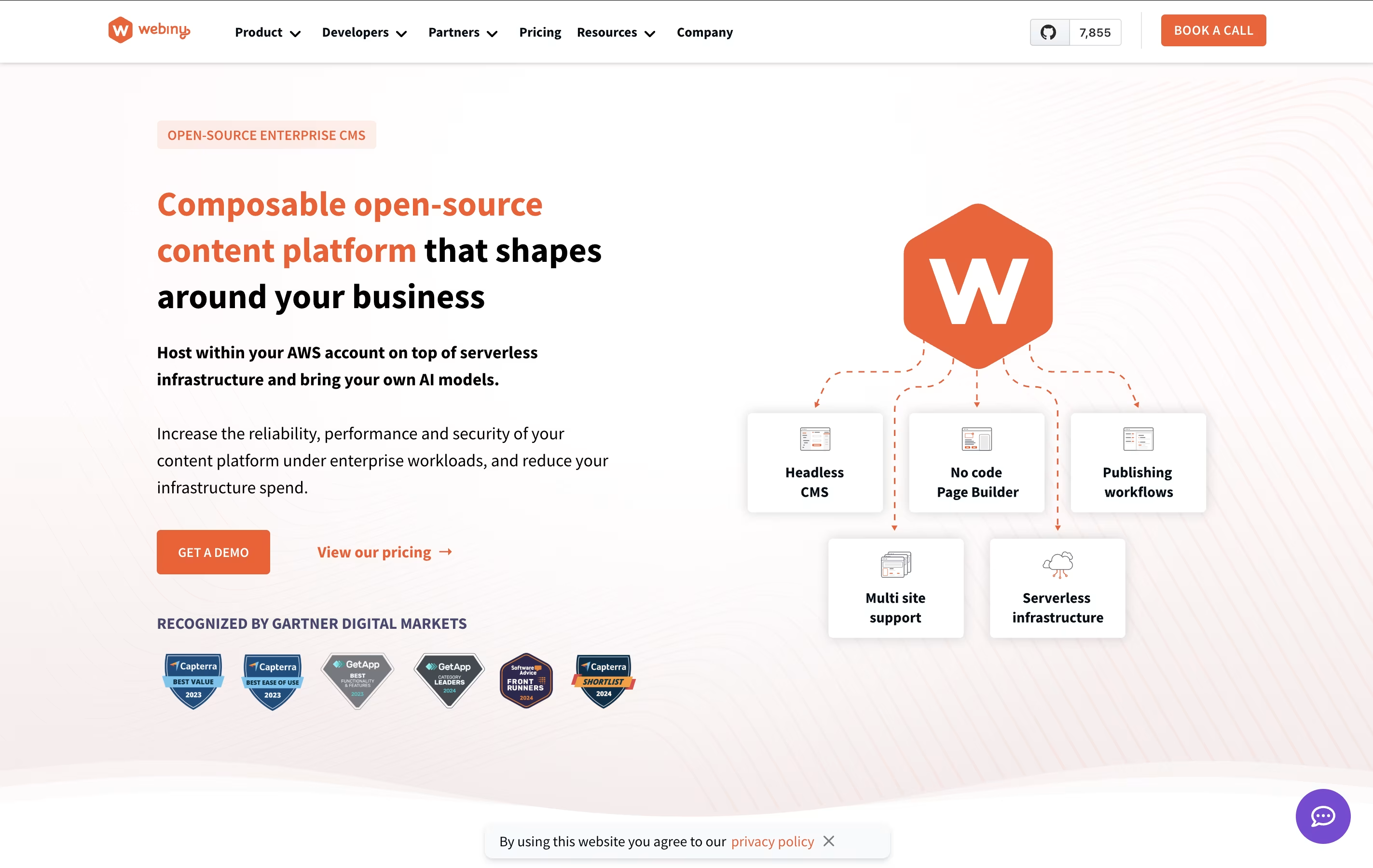
The platform includes four main tools. First, a headless CMS lets you create and store your content. Second, a page builder helps you design website pages by dragging and dropping elements without writing code. Third, a form builder makes it easy to create contact forms and surveys. Fourth, a file manager organizes all your images, videos, and documents.
Because it's serverless, you only pay for what you actually use. Your website can handle both small traffic and millions of visitors without any extra setup. The system automatically scales up or down based on your needs.

Fugo is a cloud-based digital signage platform that makes it easy to manage screens and content from anywhere. Unlike traditional digital signage that requires expensive hardware and complicated setup, Fugo works with almost any device - from TVs and tablets to specialized media players.
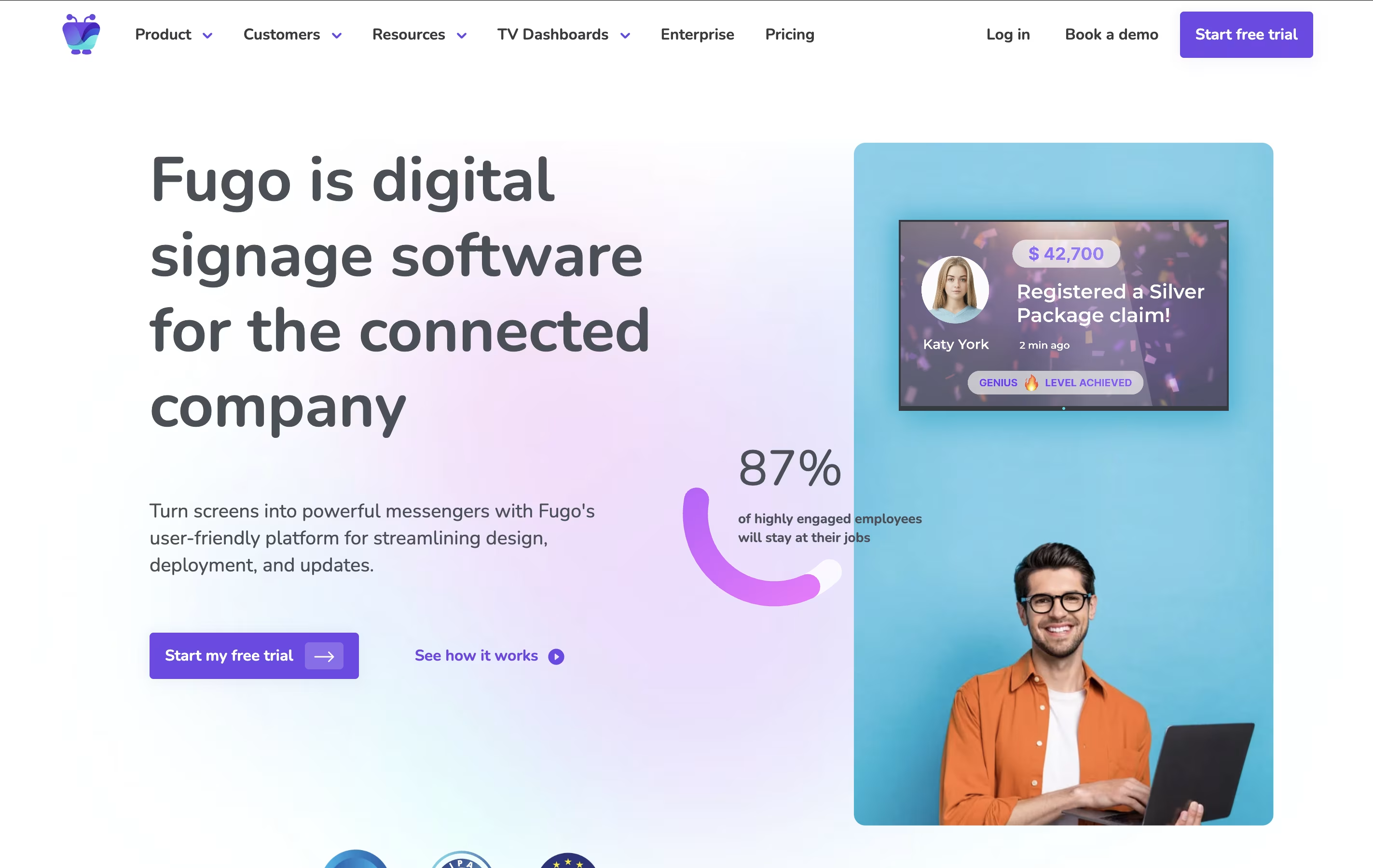
The platform includes a built-in design studio similar to Canva, but designed specifically for TV screens. You can create professional content, upload videos and images, connect live data feeds, and schedule everything to display automatically. Fugo also connects with your favorite business apps, so you can display real-time dashboards, social media feeds, and company updates without manual work.
What makes Fugo special is its simplicity. You don't need technical skills to get started. The software handles all the complex parts like screen resolution, content formatting, and device management, so you can focus on creating great content that engages your audience.

Beautiful.ai is an AI-powered presentation software designed to eliminate the frustration of manual slide formatting and design. Think of it as having a professional designer built directly into your presentation tool. The platform uses Smart Slides technology that automatically adjusts layouts, spacing, and visual elements as you add content.
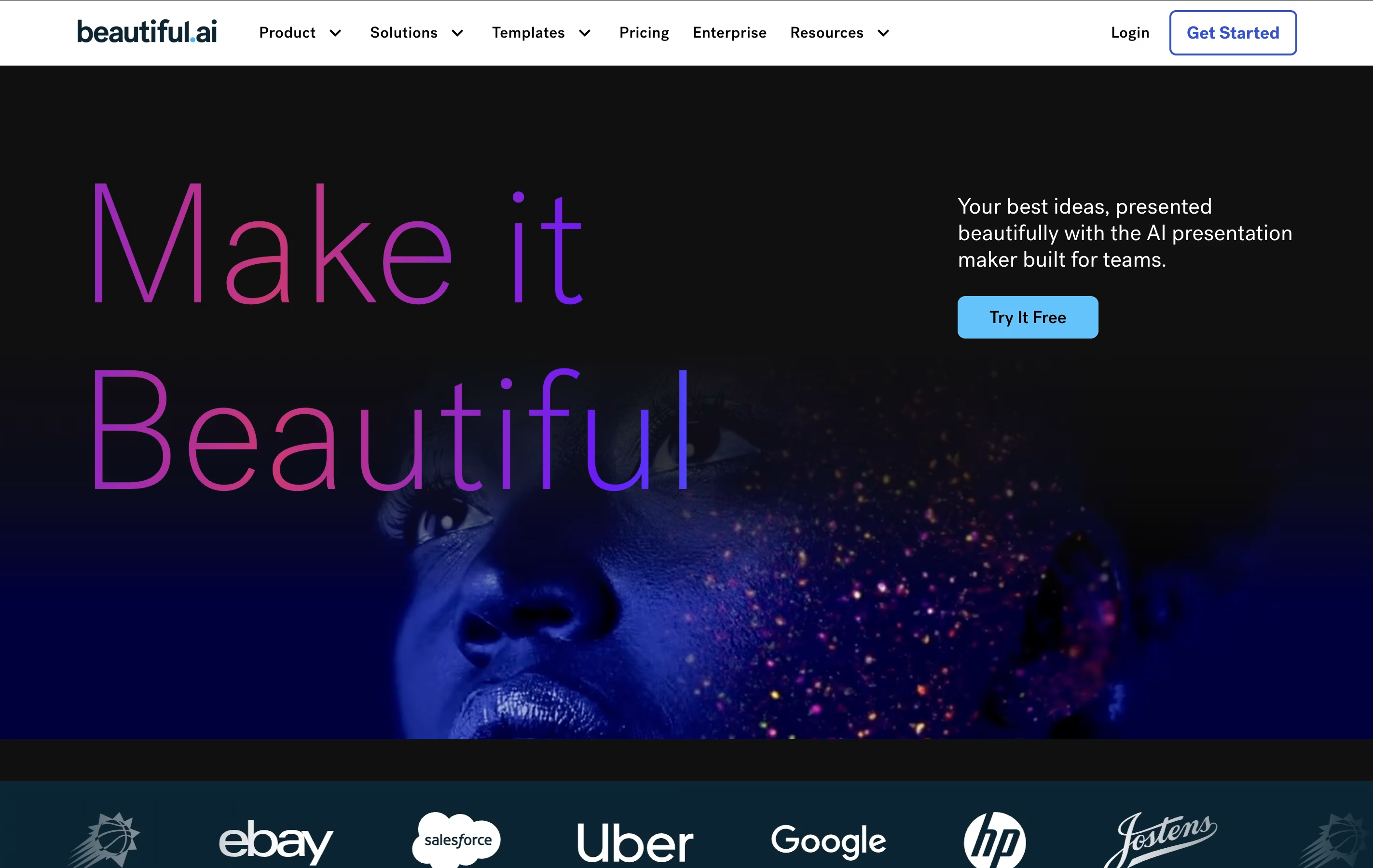
The main difference from regular presentation tools is simple: instead of manually arranging elements, the AI handles all design decisions for you. Each template follows proven design principles and adapts instantly when you change text, add images, or insert charts. Founded by presentation software veterans, Beautiful.ai solves the biggest problem with traditional tools - the time wasted on formatting instead of focusing on your message.
The platform includes AI content generation, professional templates, team collaboration features, and seamless PowerPoint integration, making it perfect for business professionals who need polished presentations quickly.

Hashnode is a free content creation platform where developers can start and manage blogs on their own domain. You get a powerful editor that supports both Markdown and visual editing modes, making it easy to write technical articles with code blocks, images, and embedded content. The platform handles all the technical details like hosting, SSL certificates, and CDN delivery automatically.
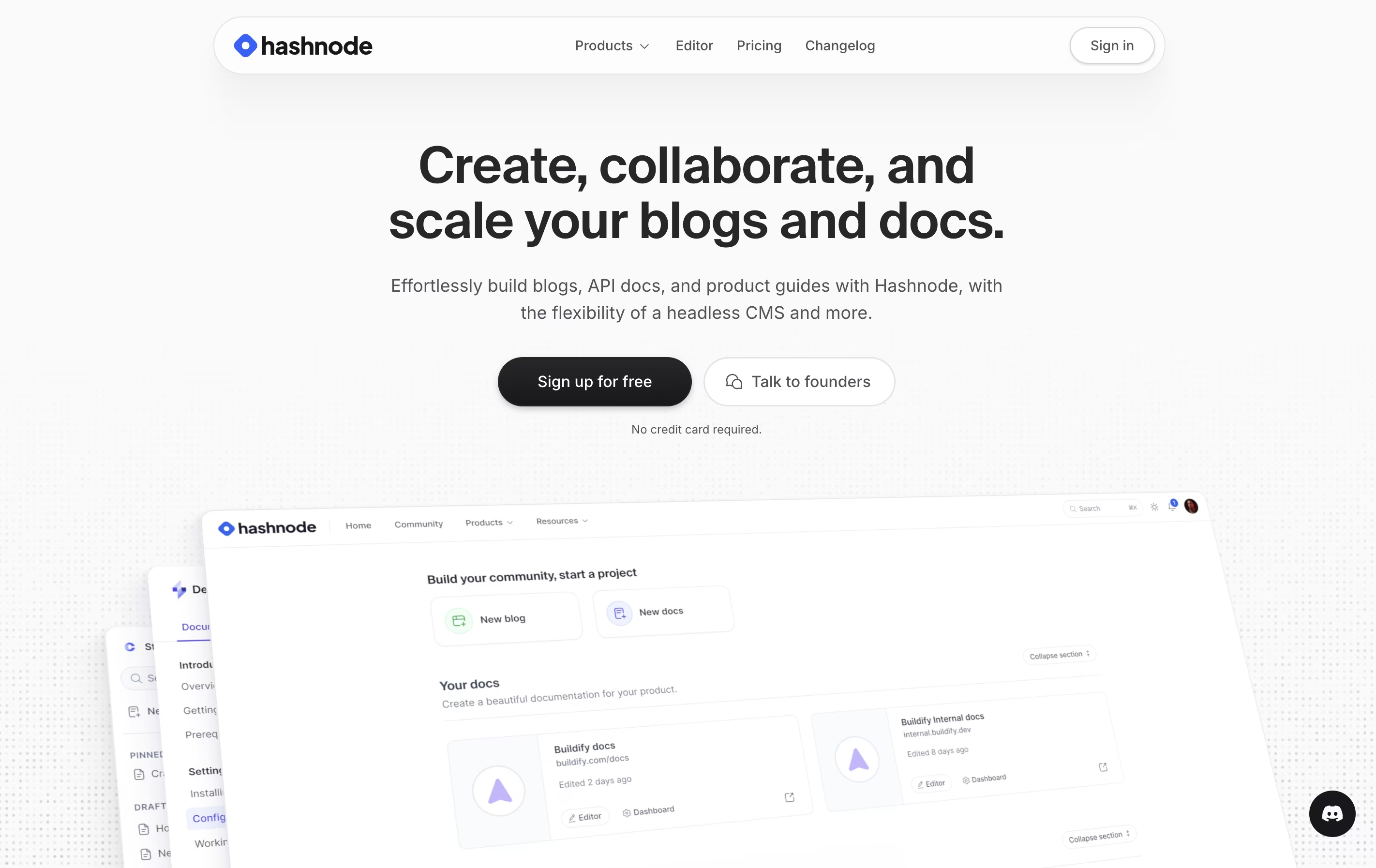
You can customize your blog appearance, connect it to your domain, or start with a free Hashnode subdomain. The platform includes AI-powered writing assistance to help with drafting, editing, and optimizing content. There are paid plans for teams that need collaboration features, advanced analytics, and priority support. Individual creators can use all essential features completely free.

FlowCV is an AI-powered online resume builder designed to help job seekers create professional, eye-catching resumes quickly and easily. Founded by a small team of independent developers, this web-based platform offers a refreshing alternative to complicated and expensive resume tools.
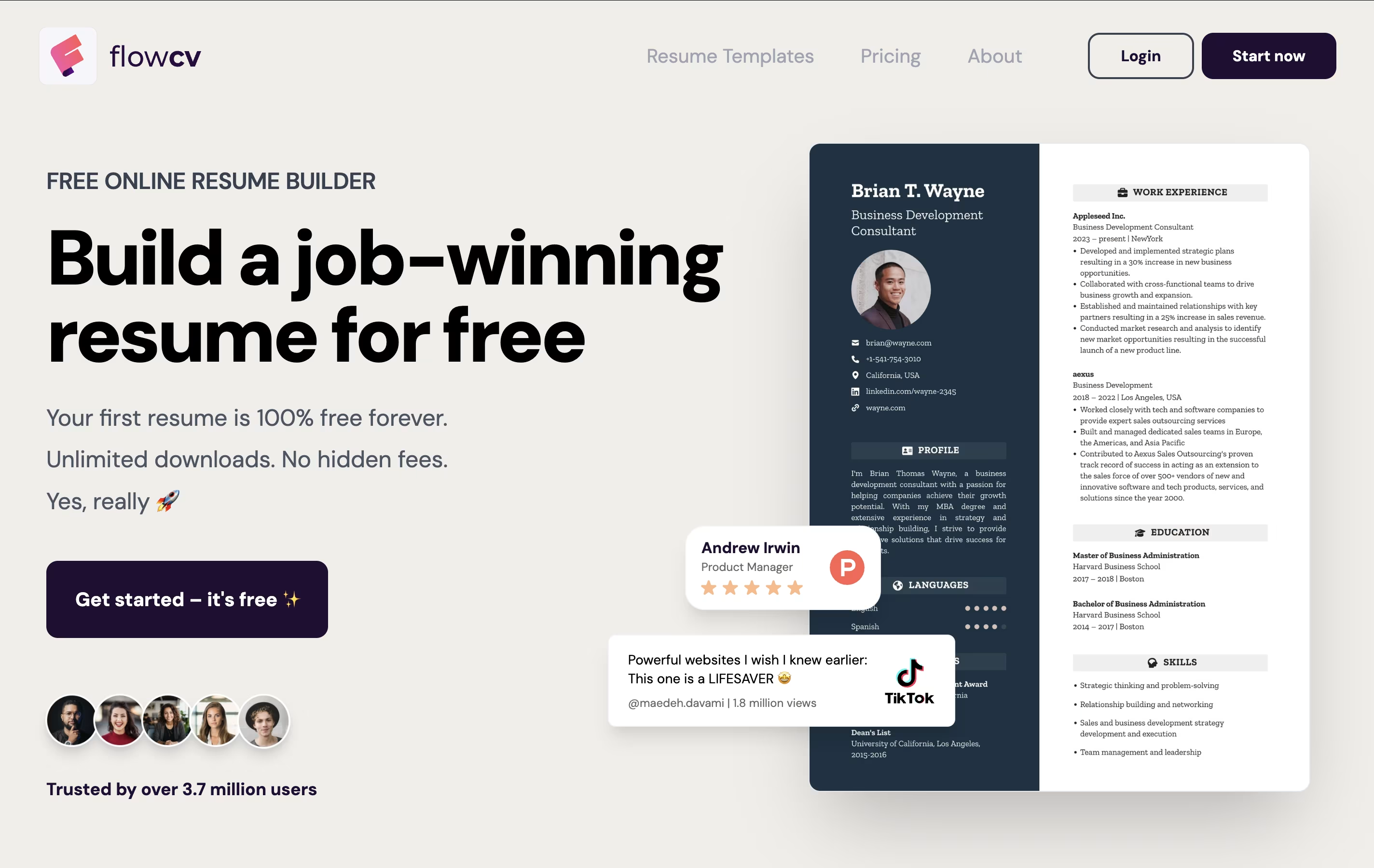
The platform combines smart technology with beautiful design to make resume creation effortless. It provides over 50 professionally designed templates that you can customize to match your style and industry. FlowCV stands out because it offers ATS-ready formatting, ensuring your resume passes through automated screening systems that many employers use.
Beyond basic resume creation, FlowCV offers additional career tools including cover letter builders, job tracking features, personal website creation, and email signature generators. The platform supports multiple languages, making it perfect for international job seekers. With GDPR-compliant data protection and a commitment to never selling user data, FlowCV prioritizes user privacy while delivering powerful features.

Medium is a writing platform where people publish articles, essays, and stories on any topic. It works like a social network for readers and writers. Instead of needing your own blog or website, you can start writing on Medium immediately after signing up. The platform has a simple, clean look that puts the focus on the writing itself.
You can follow topics you like, save articles to read later, and interact with writers through comments and claps (similar to likes). Medium offers both free and paid memberships. Free users can read a limited number of stories each month, while paying members get unlimited access to all content.
The platform also lets writers earn money through the Partner Program based on how much readers engage with their work.
Related to
Content Publishing Platforms