

Best 14+ Content Management Systems Tools in 2026
Last Updated: August 19, 2026
Every website needs a reliable way to create, organize, and publish content without touching code. Content Management Systems give teams a central place to manage pages, blog posts, media, and site structure, with permissions and workflows built in for collaborative editing.
CMS platforms serve everyone from solo bloggers to large publishing teams, offering templates, plugins, and integrations that make it easy to launch and maintain a site. Whether you need a simple blog or a complex multi author publication, a good CMS balances ease of use with the flexibility to grow.
 Webflow
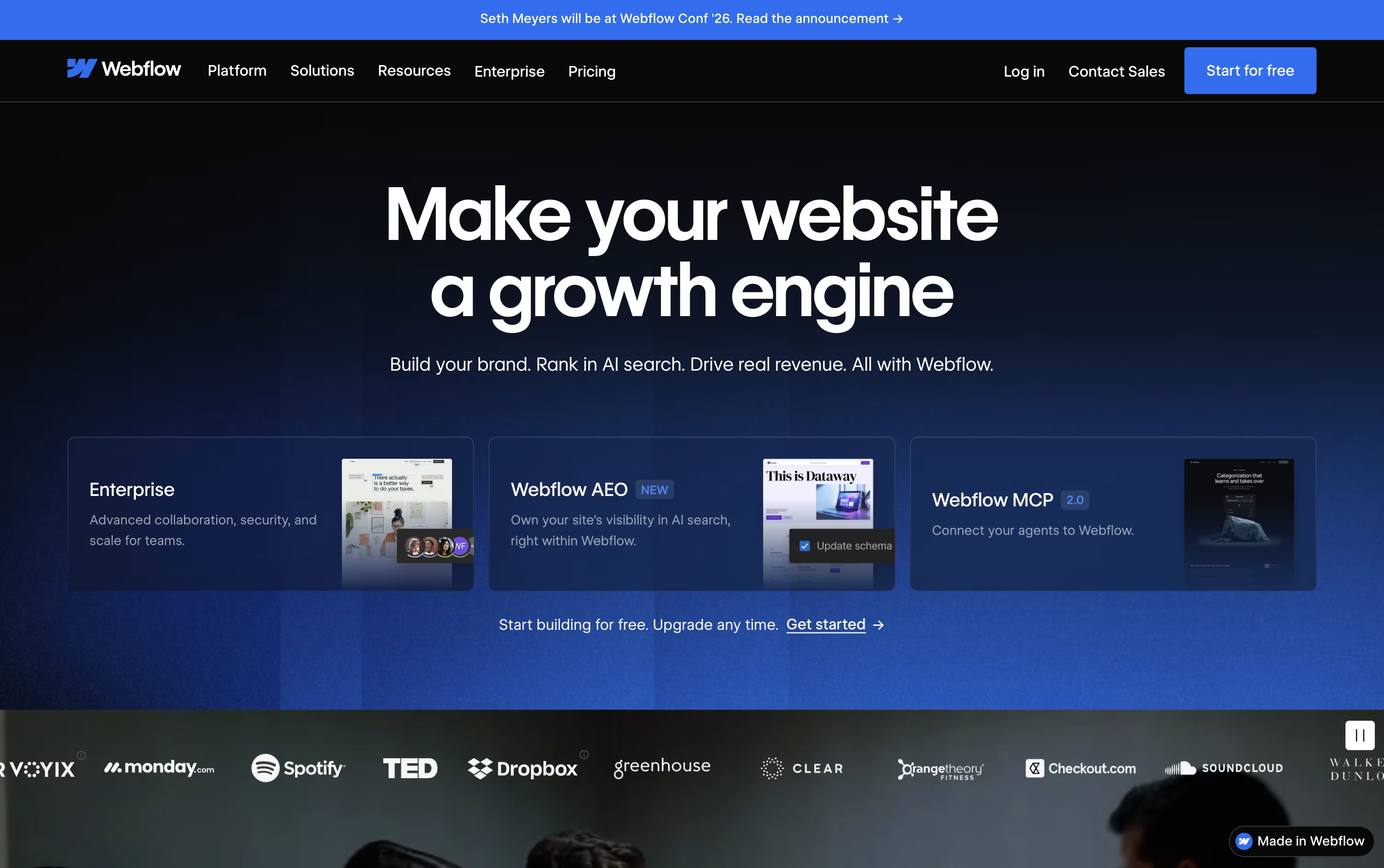 WebflowVisual Website Builder & CMS Platform,
  Strapi
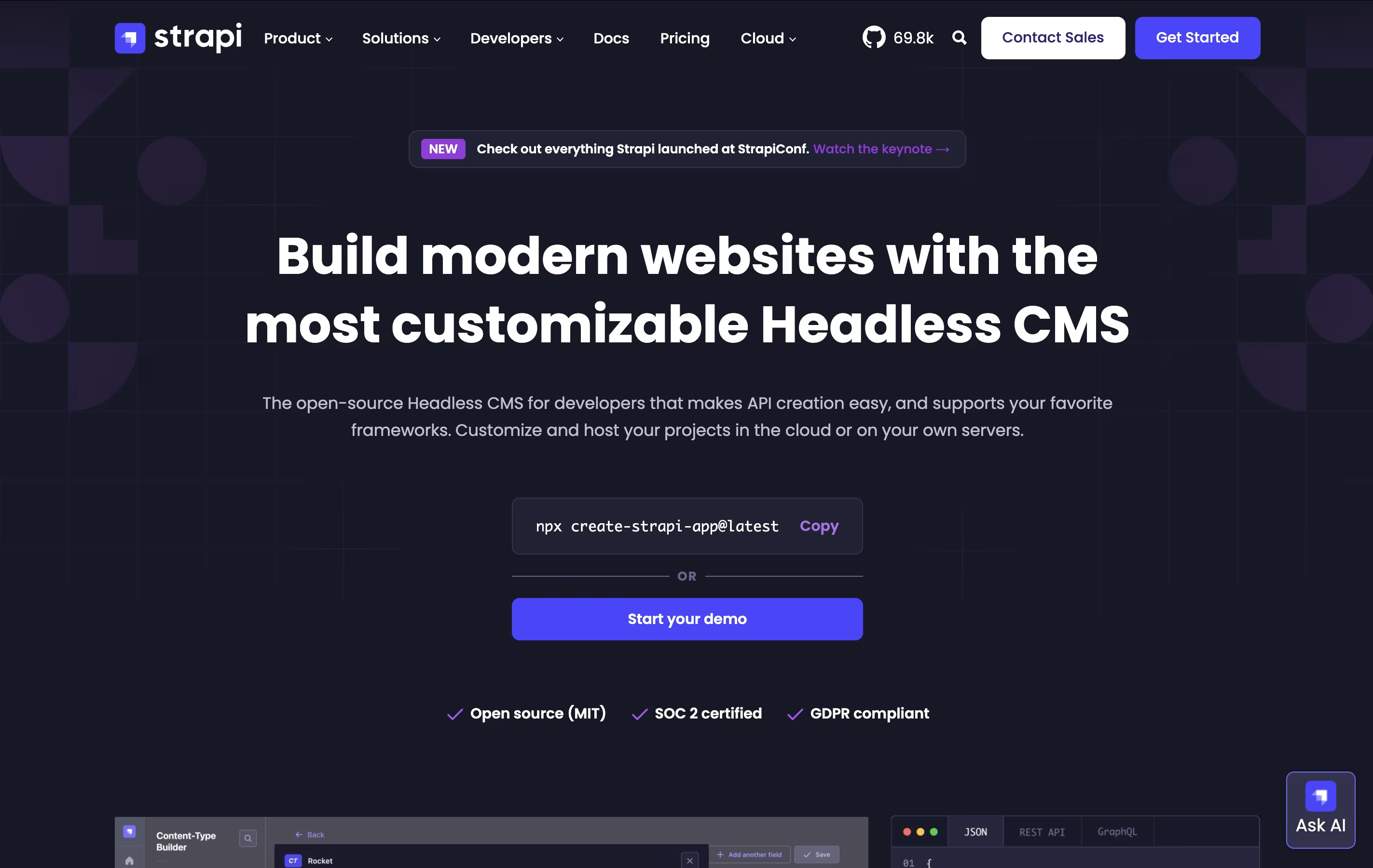 StrapiOpen-Source Headless CMS for Developers, and
  Ghost
Ghost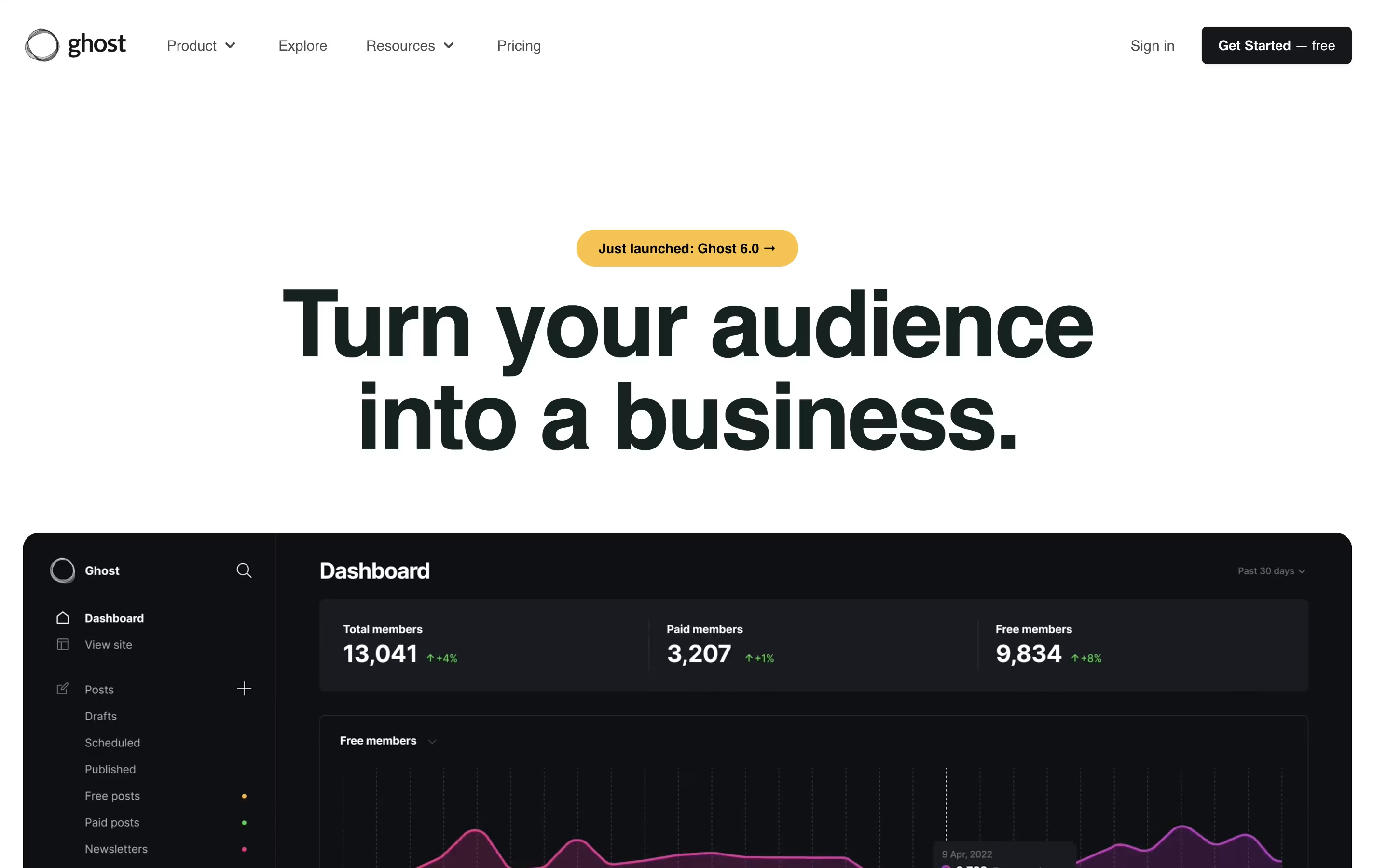 GhostOpen Source Publishing Platform for Blogs & Newsletters are the best for Content Management Systems. So, let’s take a closer look at all 14+ tools.
Instead of handing a design to a developer, Webflow lets you build the finished, working website yourself on a visual canvas that outputs clean HTML, CSS, and JavaScript.
A built-in CMS handles blogs and other repeating content, and ecommerce tools let you sell products without a separate platform, all hosted on Webflow's own fast, secure servers.
You can start for free on the Starter plan, then move to Basic at $25 a month or Premium at $39 a month once you need a custom domain, a CMS, or more bandwidth. Yearly billing lowers both prices.
Bigger organizations can choose the Team plan at $2,500 a month, billed annually, which adds governance, publishing controls, and localization tools, while Enterprise buyers get a custom quote and dedicated support.
Optional add-ons for testing, analytics, and translation, along with separate ecommerce and Workspace plans, mean you only pay for what your project needs.
Strapi is an open-source headless CMS built with Node.js that delivers content through APIs instead of traditional web pages. Think of it as a smart backend system that stores and manages your content, then sends it anywhere you need through REST or GraphQL APIs.
The main difference from traditional systems like WordPress is flexibility. Instead of forcing you to use specific templates, Strapi lets you build exactly what you need. You control everything: the database, the content structure, and how it all works together. Each project starts with built-in features like user management, permissions, and content organization.
Founded in 2015, Strapi has become popular with over 60,000 stars on GitHub and millions of downloads. You can host it yourself on your own servers or use Strapi Cloud for managed hosting, making it perfect for any project size.
Ghost is a publishing platform that helps you create professional websites and send newsletters. Unlike other systems that try to do everything, Ghost focuses on publishing content and building audiences.
You can write and publish articles using a clean editor that stays out of your way. The platform automatically sends your posts to email subscribers when you publish. You can offer free or paid memberships, with Ghost handling the payment processing through Stripe.
The software is open source and free to download. You can host it yourself on your own server, or use Ghost Pro, which is managed hosting where Ghost handles all technical work. Ghost Pro starts at $18 per month with automatic updates, backups, and support included.
Contentful is a headless content management system, which means it stores and organizes your content but does not control how it appears to users. Think of it like a smart storage room for all your digital content - text, images, videos, and more. When you need to show this content on your website, app, or any other platform, Contentful sends it instantly through connections called APIs.
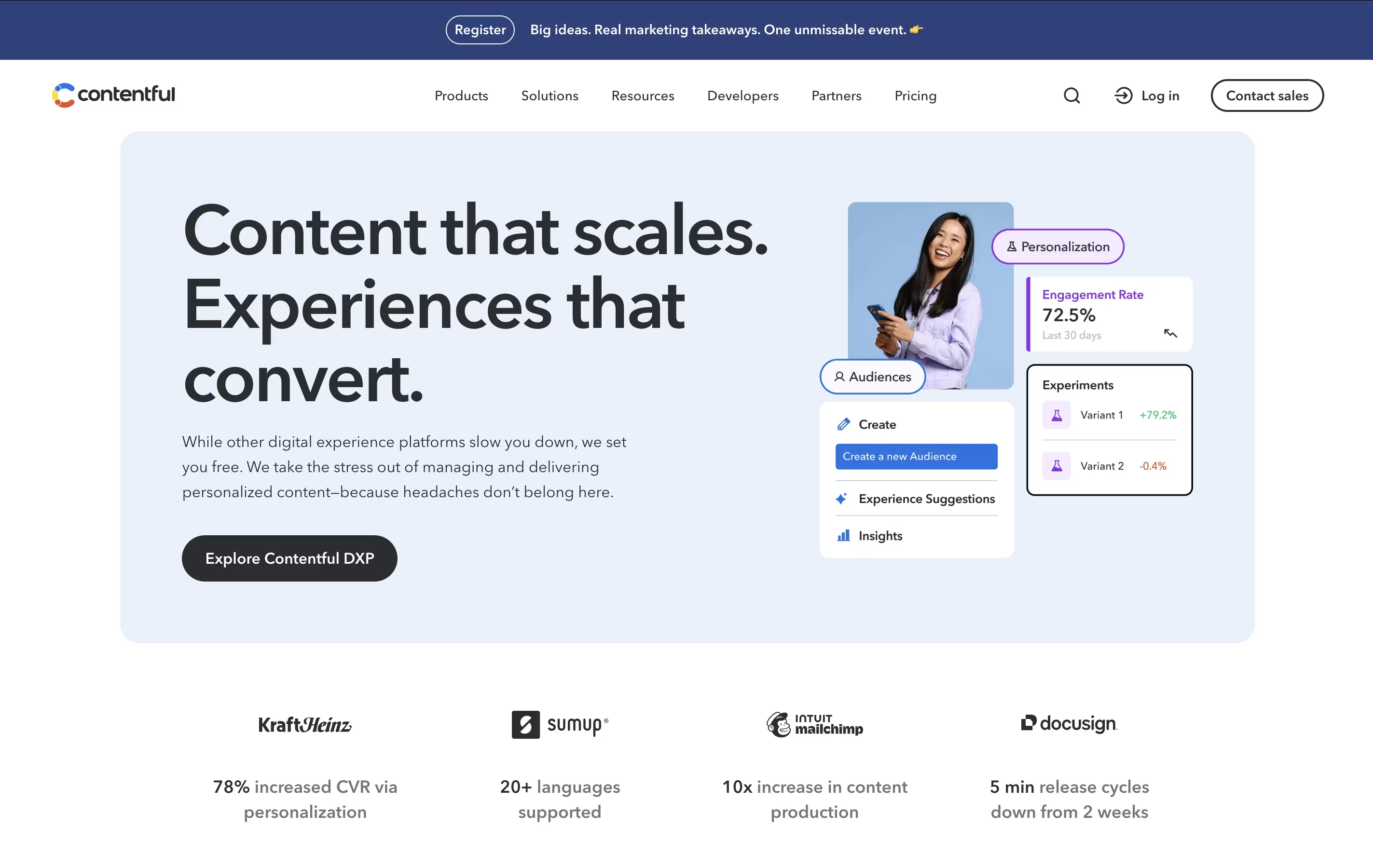
The platform lets you build custom content structures that fit your exact needs. You can create different types of content, add various fields to them, and organize everything in ways that make sense for your business. Multiple team members can work together, editing and updating content at the same time without stepping on each other's toes.

Sanity is a content platform that stores your content as structured data and makes it available through powerful tools. Unlike traditional systems where content and design are locked together, Sanity keeps them separate. This means you create content once and use it anywhere - websites, apps, smart devices, or anywhere else you need it.
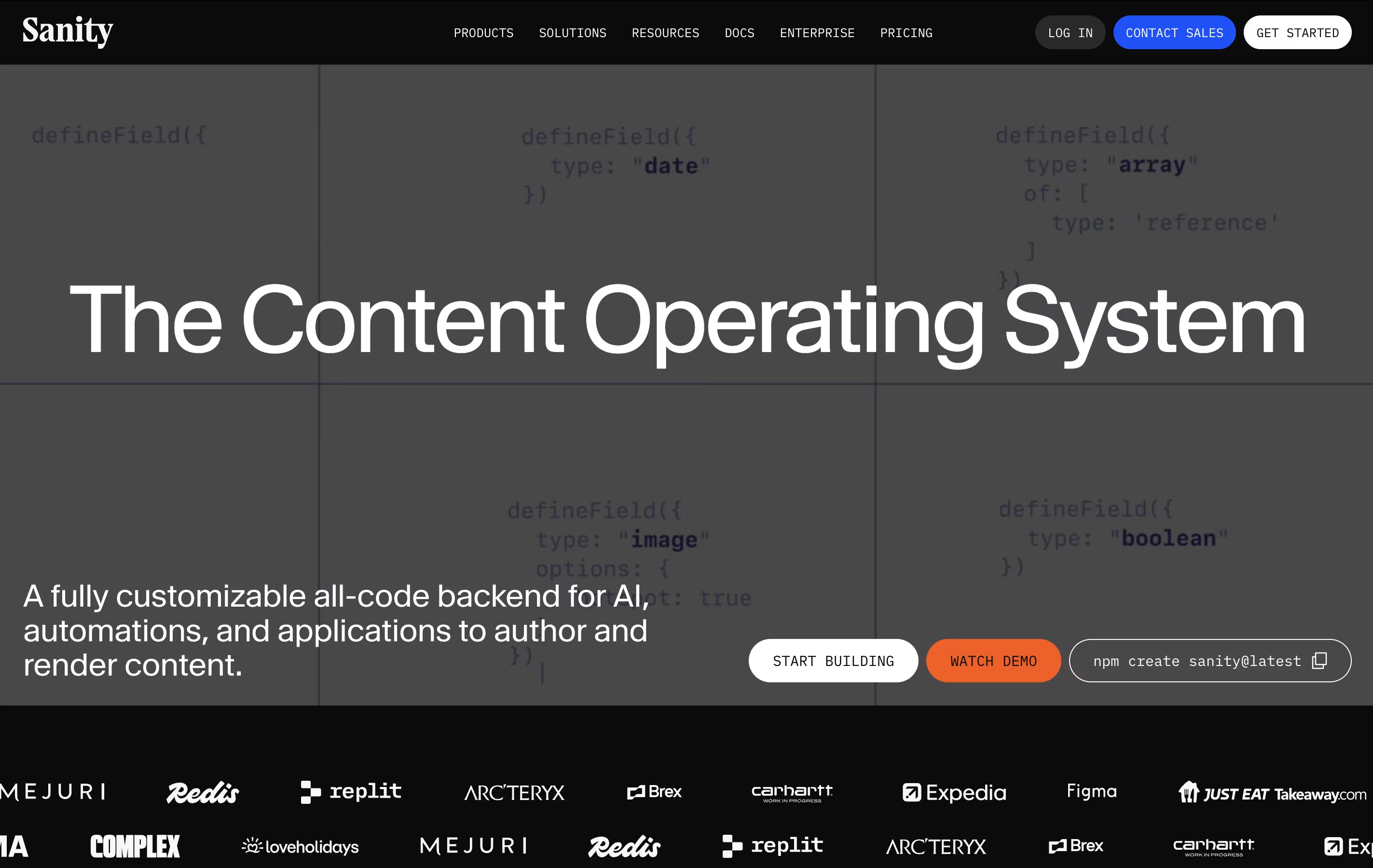
The platform has three main parts: Content Lake for storing your content as data, Sanity Studio for editing and managing content, and powerful tools for getting your content where it needs to go. It uses a special query language called GROQ that makes finding and organizing content simple and fast. Everything updates in real-time, so teams can work together without conflicts or delays.

Webiny is a serverless content management system that you install and run inside your own AWS cloud account. It's completely open-source, which means you can see how it works and change it to fit your needs.
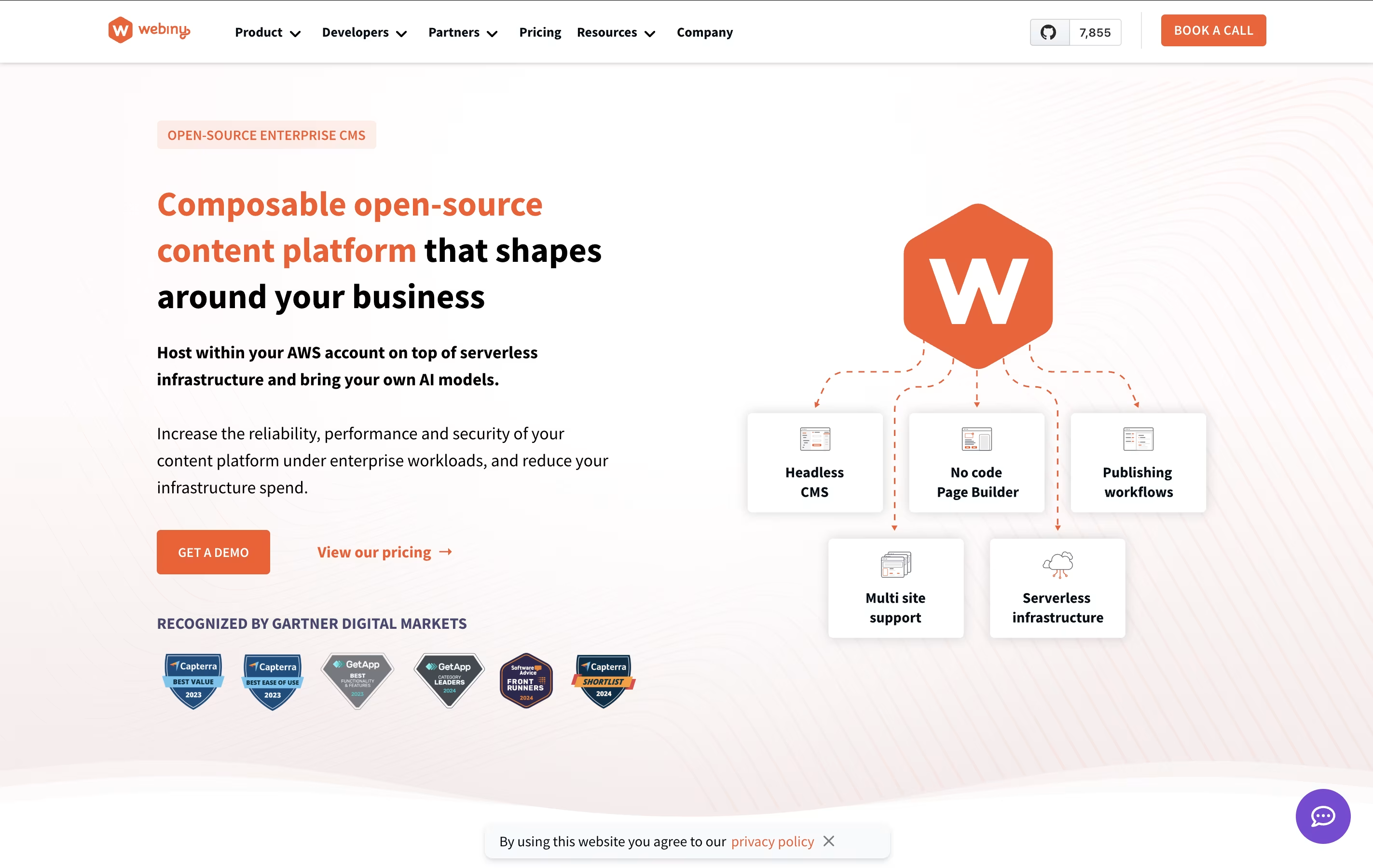
The platform includes four main tools. First, a headless CMS lets you create and store your content. Second, a page builder helps you design website pages by dragging and dropping elements without writing code. Third, a form builder makes it easy to create contact forms and surveys. Fourth, a file manager organizes all your images, videos, and documents.
Because it's serverless, you only pay for what you actually use. Your website can handle both small traffic and millions of visitors without any extra setup. The system automatically scales up or down based on your needs.
Slides is a cloud-based presentation tool that creates HTML presentations using the reveal.js framework. Instead of creating static slides, it generates interactive web presentations that can include animations, code highlighting, and multimedia content. Each presentation is stored as an HTML document, making it viewable on any device with a web browser.
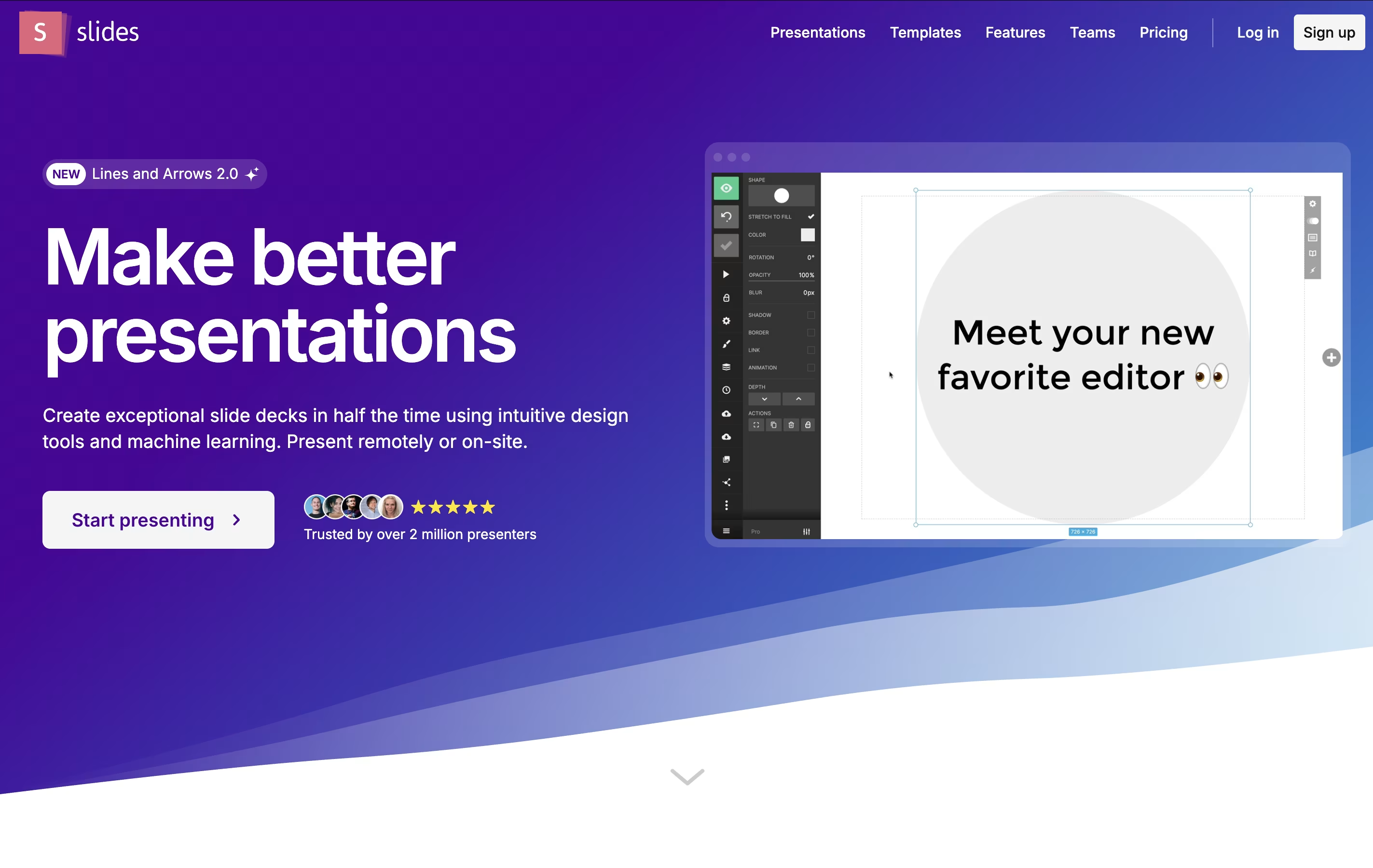
The platform offers both visual editing and code editing modes. Users can create presentations using a drag-and-drop interface or write custom HTML and CSS. Slides supports features like nested slides, speaker notes, live presenting, and real-time collaboration. Presentations can be shared via simple links, embedded on websites, or exported for offline use. The platform is particularly popular with developers because it supports syntax highlighting and allows for code demonstrations within presentations.

Papermark is a secure document sharing tool that helps you track how people engage with your files. Unlike traditional file sharing services, Papermark shows you exactly who viewed your documents, how long they spent on each page, and which sections got the most attention.
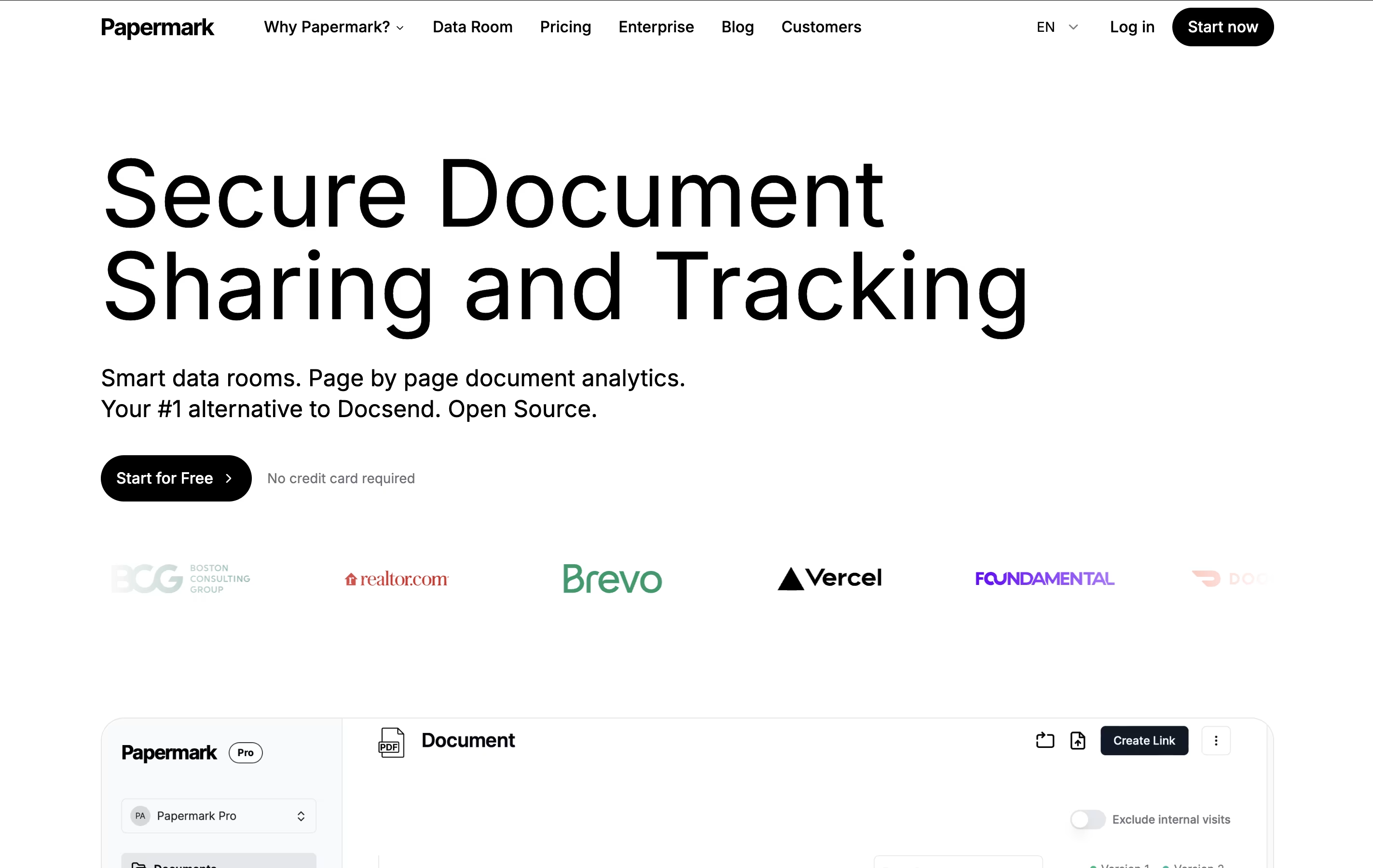
The platform supports various file types including PDFs, presentations, Word documents, spreadsheets, and videos. You can create shareable links with custom settings like password protection, email requirements, and viewing time limits. For teams handling sensitive deals or important presentations, Papermark offers data room features that organize multiple documents in secure virtual spaces.
Being open-source means you can host Papermark on your own servers for complete data control, or use the cloud version for convenience.

Mentimeter is an interactive presentation platform that allows you to create engaging experiences through real-time audience participation. Unlike traditional slides where you just present information, Mentimeter lets you add interactive elements like multiple-choice polls, word clouds, scales, rankings, and open-ended questions directly into your presentations.
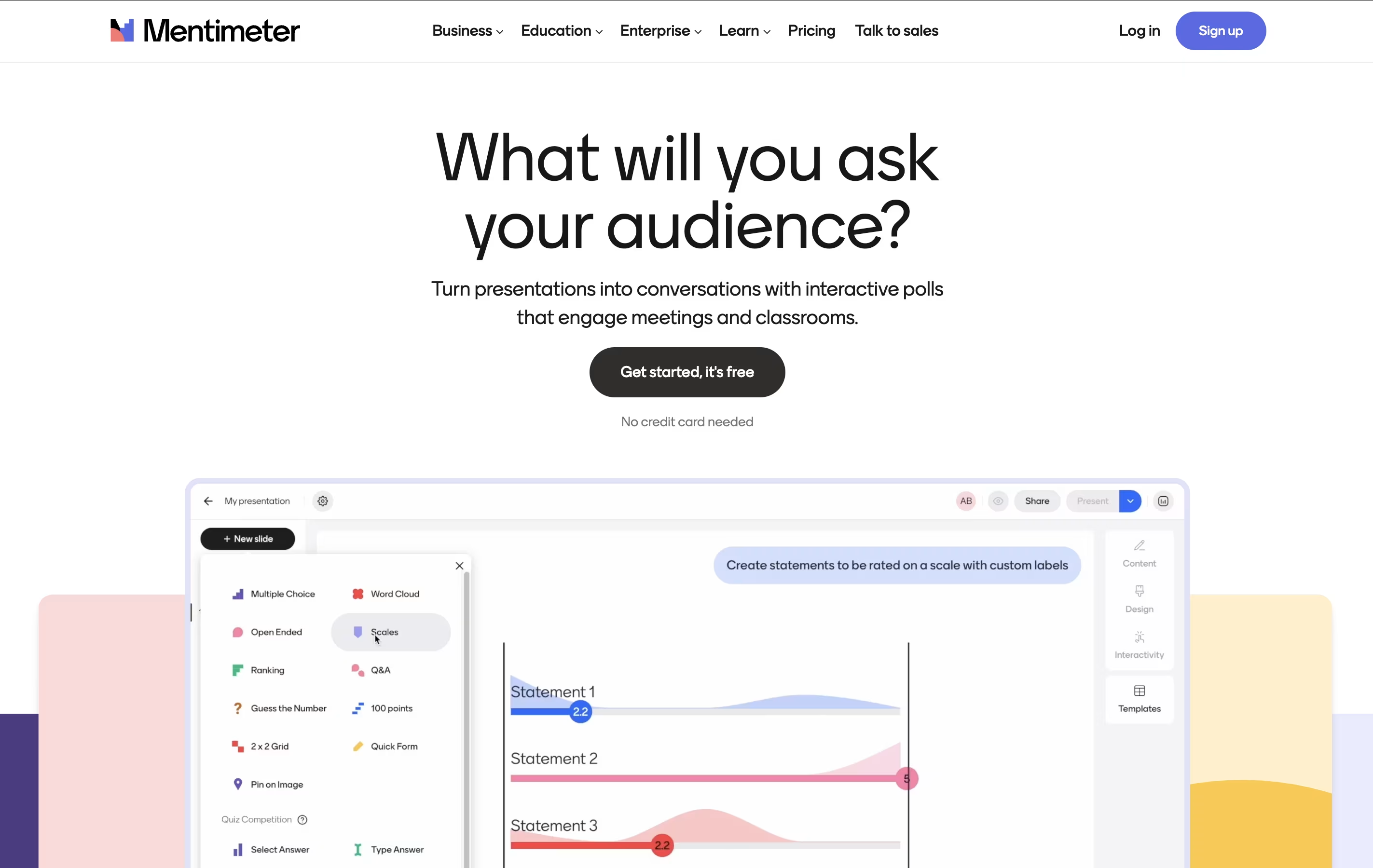
The platform works by displaying a unique code that audience members enter on their devices to join your session. As they respond to questions, results appear live on your presentation screen with beautiful visualizations. You can see responses flowing in real-time, making presentations more dynamic and data-driven.
Mentimeter integrates seamlessly with PowerPoint and other presentation tools, or you can create complete presentations within their platform. It's used by educators for formative assessments, by businesses for team engagement, and by event organizers for audience interaction.

Storydoc is an AI-powered presentation platform that turns regular slide decks into interactive web experiences. Unlike PowerPoint or Google Slides that create static files, Storydoc builds web-based presentations that feel like modern websites.
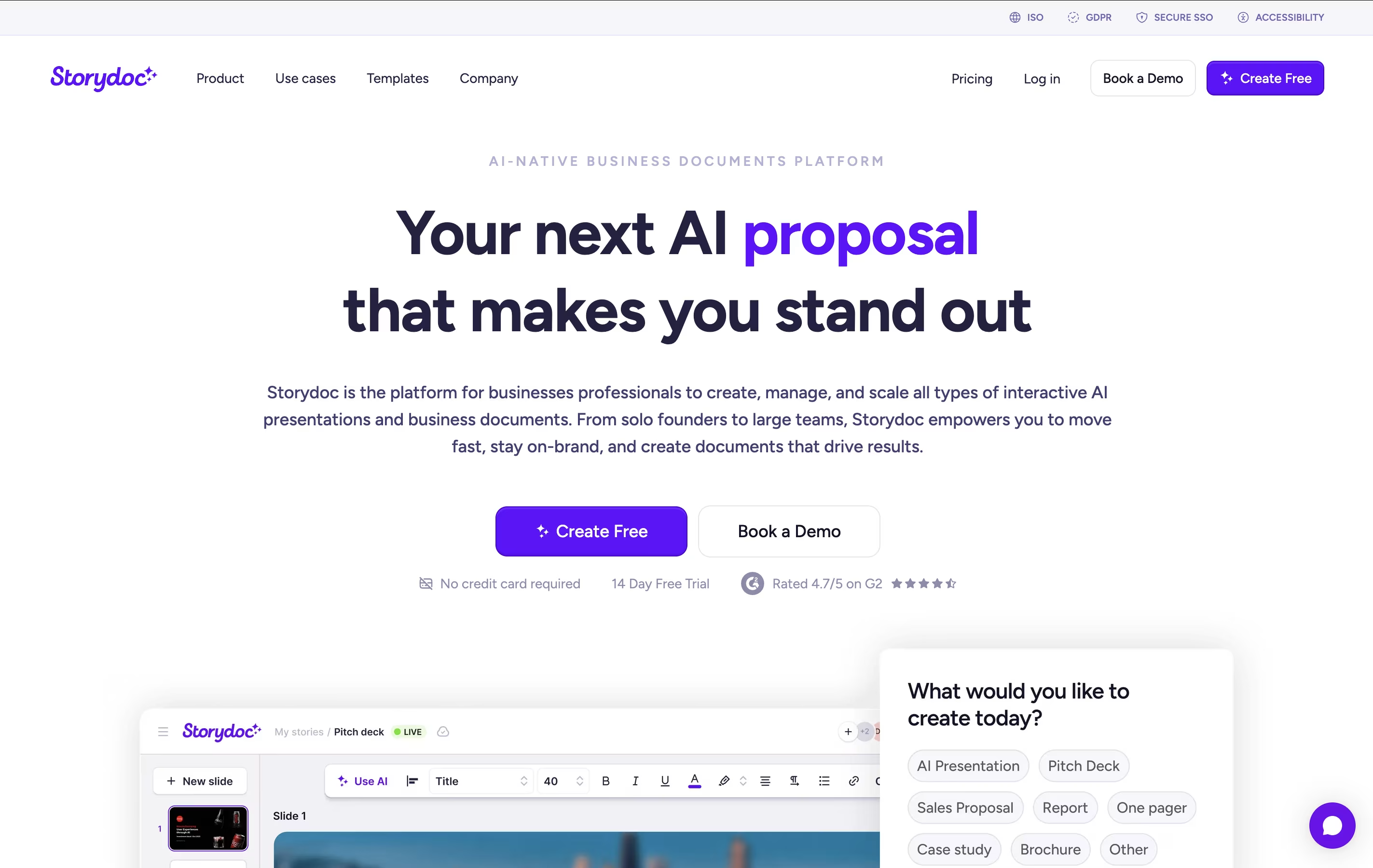
The platform combines artificial intelligence with smart design tools to help you create presentations that actually get results. It includes features like real-time analytics, CRM integration, and mobile optimization. You can embed videos, calendars, forms, and other interactive elements directly into your presentations.
Storydoc is designed for business professionals who need presentations that convert viewers into customers. Whether you're creating sales decks, pitch presentations, proposals, or reports, the tool helps you build content that stands out and drives action. It offers templates for different business needs and lets you personalize content for each viewer automatically.

Genially is an online tool for creating interactive digital content. You can make presentations, infographics, escape rooms, quizzes, and marketing materials that people can click, explore, and interact with. Unlike traditional tools like PowerPoint, everything you create becomes interactive and animated.

The platform works entirely in your web browser with no downloads required. You start by choosing from over 1,000 professionally designed templates or creating from scratch. Then you add your content using simple drag-and-drop tools. The magic happens when you add interactions - clicking on elements can reveal pop-ups, play videos, show animations, or navigate to different pages.
Genially offers both free and paid plans. The free version lets you create unlimited content with basic features, while paid plans unlock advanced tools, premium templates, and team collaboration features.

AirOps is a content workflow automation platform that combines artificial intelligence with human oversight to help teams scale their content operations. Instead of just being another AI writer, it acts as a complete content management system that can handle everything from research to publishing.
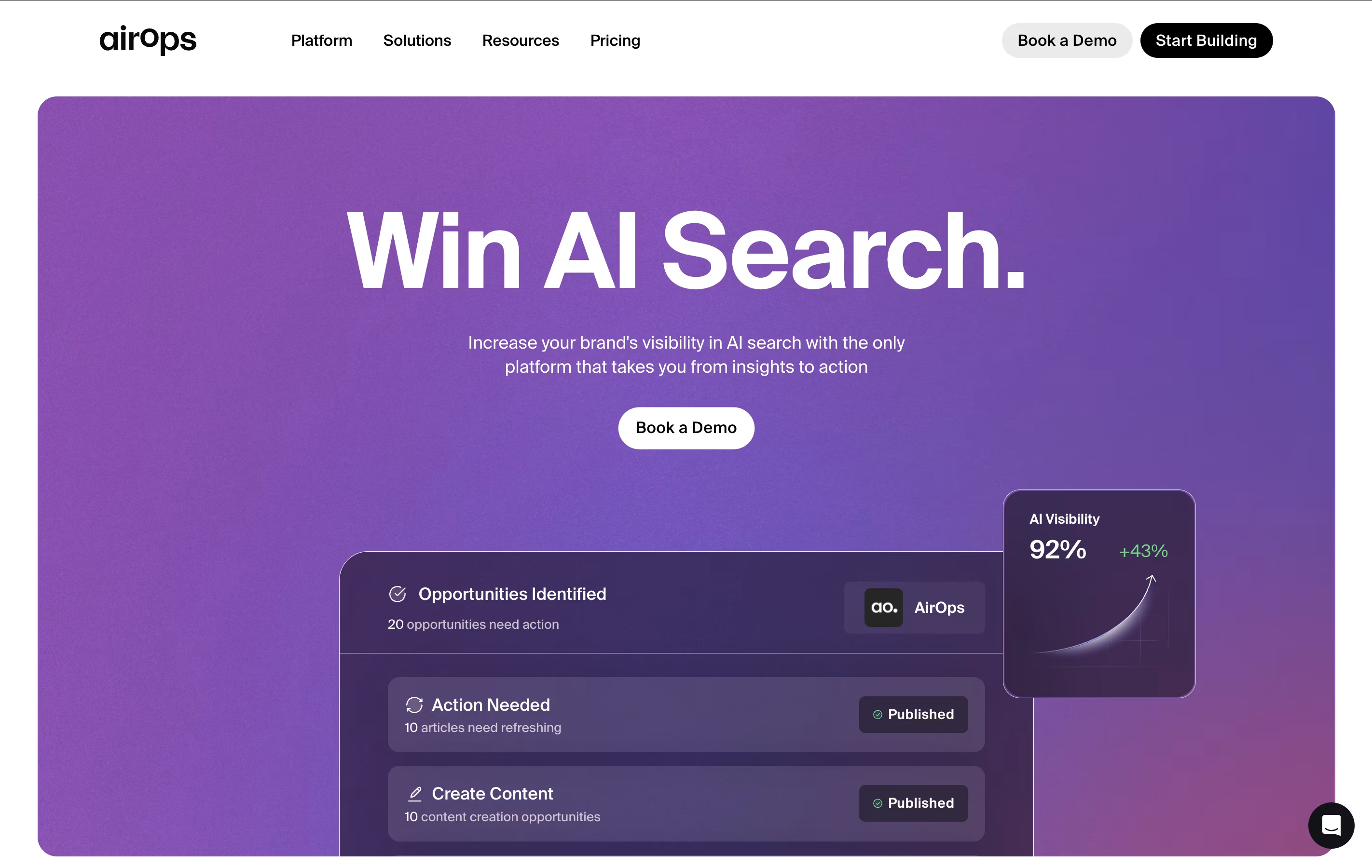
The platform uses a visual drag-and-drop interface where you build custom workflows for different content tasks. You can connect multiple AI models (like GPT-4, Claude, and Gemini), add human review checkpoints, and integrate with your existing tools like Semrush for SEO data and your CMS for direct publishing.
What makes AirOps special is its focus on brand consistency and quality control. You can create Brand Kits that ensure all AI-generated content matches your company's voice and style. The platform also includes features specifically designed for AI search optimization, helping your content appear in AI-powered search results.

Pitch is a complete presentation platform that goes beyond basic slide creation. It provides teams with AI-powered tools, professional templates, and real-time collaboration features to build presentations that actually get results.

The platform offers several key advantages over traditional tools like PowerPoint or Google Slides. You can start with AI-generated presentations, customize them with beautiful templates designed by experts, and collaborate with your team in real-time. Pitch also includes advanced sharing features like analytics to see who viewed your presentation and how they engaged with it.
The software works on any device - web, desktop, or mobile - and includes features like custom branding, interactive embeds, video uploads, and integrations with popular tools like Slack, HubSpot, and Notion.

Venngage is a cloud-based visual content creation platform designed to make professional design accessible to everyone. Think of it as your personal design assistant that combines artificial intelligence with thousands of pre-made templates to help you create stunning visuals in minutes.
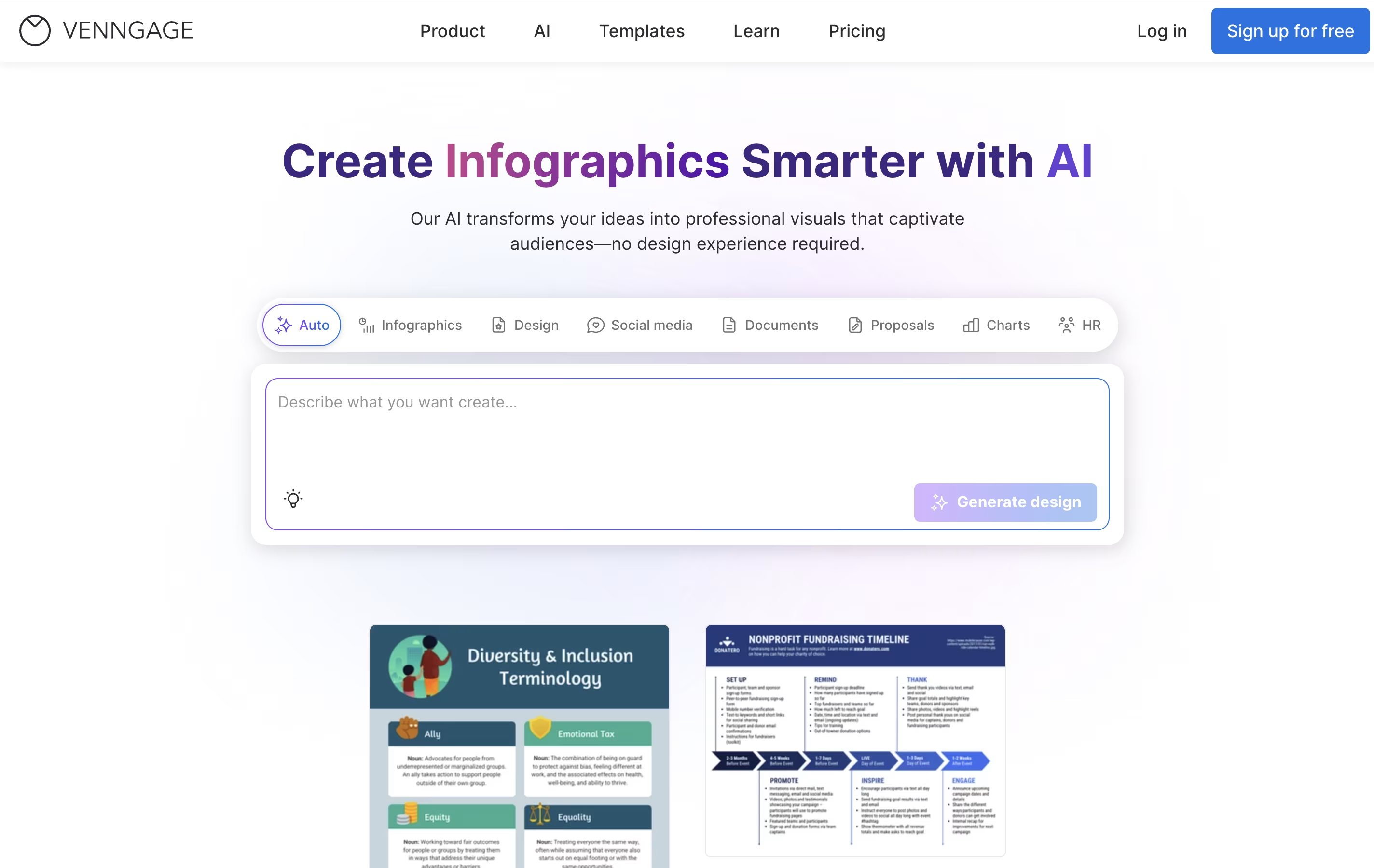
The platform specializes in infographics, presentations, reports, social media graphics, and data visualizations. What sets Venngage apart is its AI-powered approach - you can simply describe what you want, and the AI generates a complete design with proper layouts, colors, and elements. The drag-and-drop editor then lets you customize every detail to match your brand and message.
Founded as a solution for non-designers who need professional-looking graphics, Venngage has grown to serve over 5 million users worldwide. It's particularly popular among marketers, educators, students, and small business owners who need to communicate complex information through clear, engaging visuals without hiring a professional designer.

Basedash is an AI-powered platform that turns your database into a collaborative workspace for visualizing, editing, and exploring data without any coding knowledge. Think of it as having a conversation with your data – you ask questions in plain English, and Basedash creates charts, dashboards, and admin panels automatically.
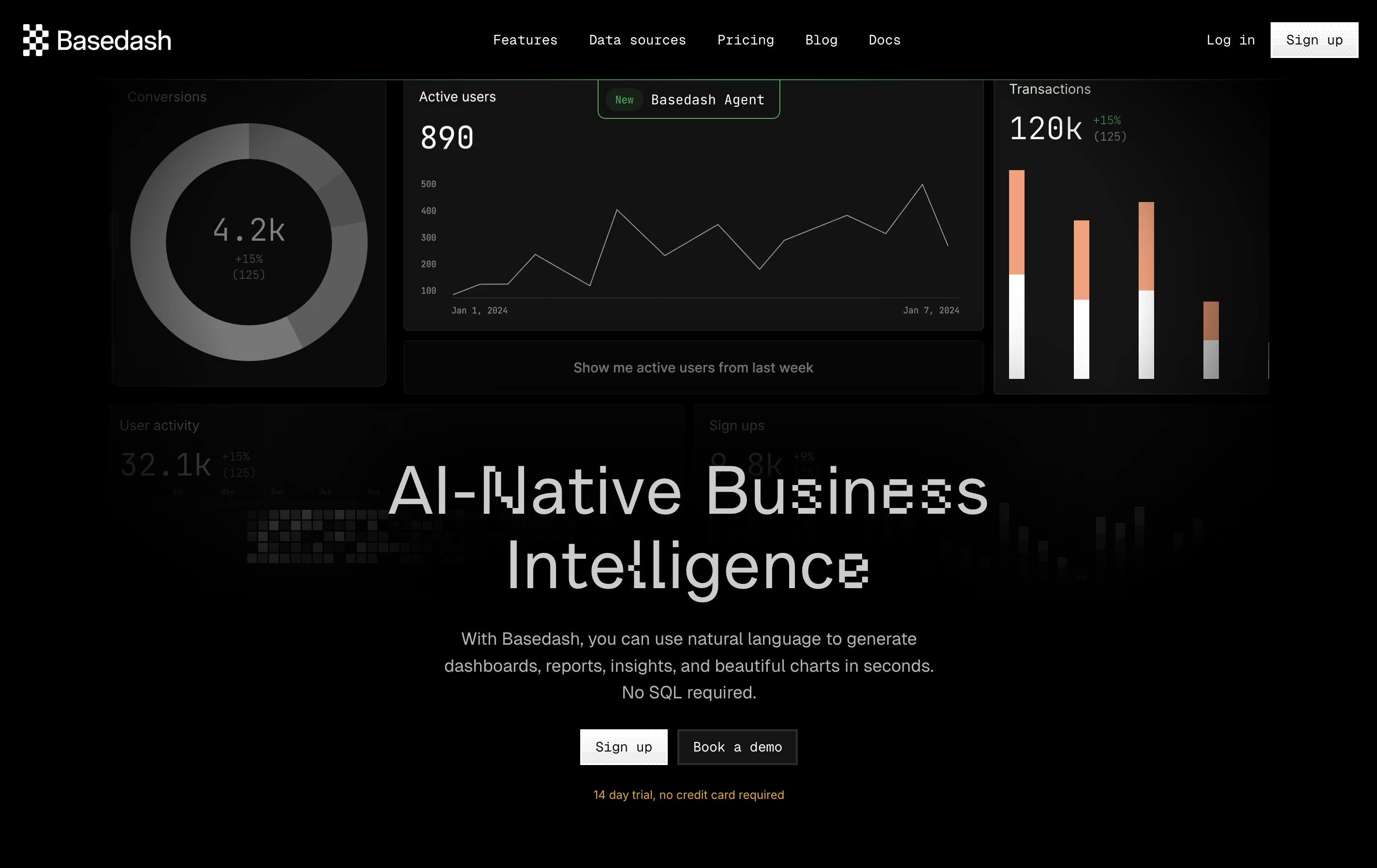
The platform works by connecting directly to your database or data warehouse, then using artificial intelligence to understand your data structure and relationships. You can create custom CRM systems, build business intelligence dashboards, generate reports, and manage your data through an intuitive interface that feels like using a spreadsheet.
What sets Basedash apart is its natural language processing capabilities. Instead of writing SQL queries or learning complex tools, you simply tell it what you want to see, and it creates the visualization for you instantly.
Airtable is a no-code platform that works like a supercharged spreadsheet with database capabilities. You can store, organize, and connect different types of information while creating custom views like grids, calendars, forms, and boards to see your data in different ways.
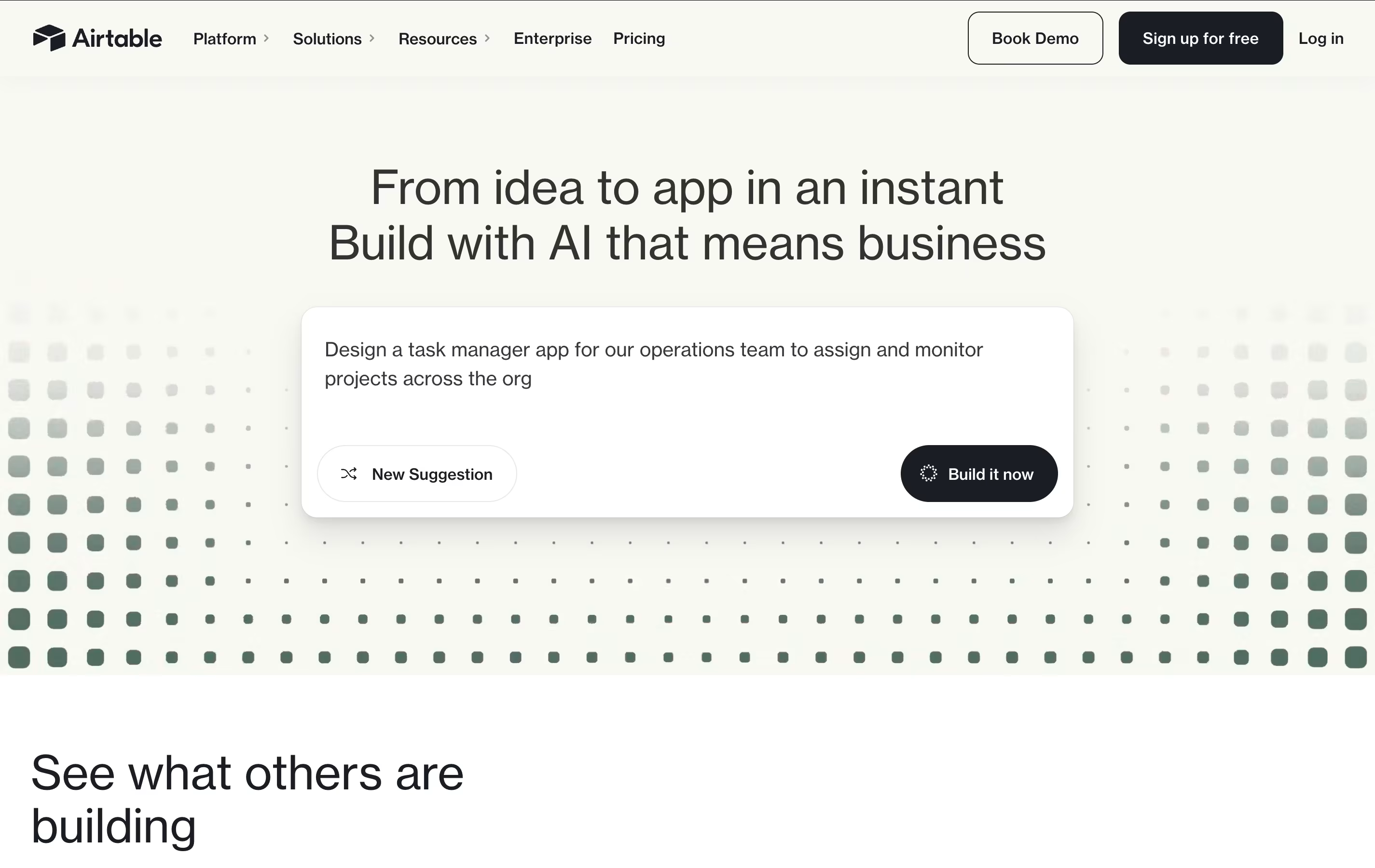
What makes Airtable special is its ability to link related information across different tables. For example, you can connect customer records to their orders, or link project tasks to team members. This creates a web of connected data that gives you a complete picture of your business operations.
The platform includes built-in automation, AI features, and hundreds of integrations with other business tools. Teams use Airtable for project management, customer tracking, content planning, inventory management, and many other business processes. It requires no technical skills to get started, making it accessible to everyone on your team.

Membership.io is a dedicated membership platform that helps creators build and manage content-rich communities. Originally known as Searchie, this platform revolutionizes how members interact with content through its powerful search engine that works inside videos and audio files.
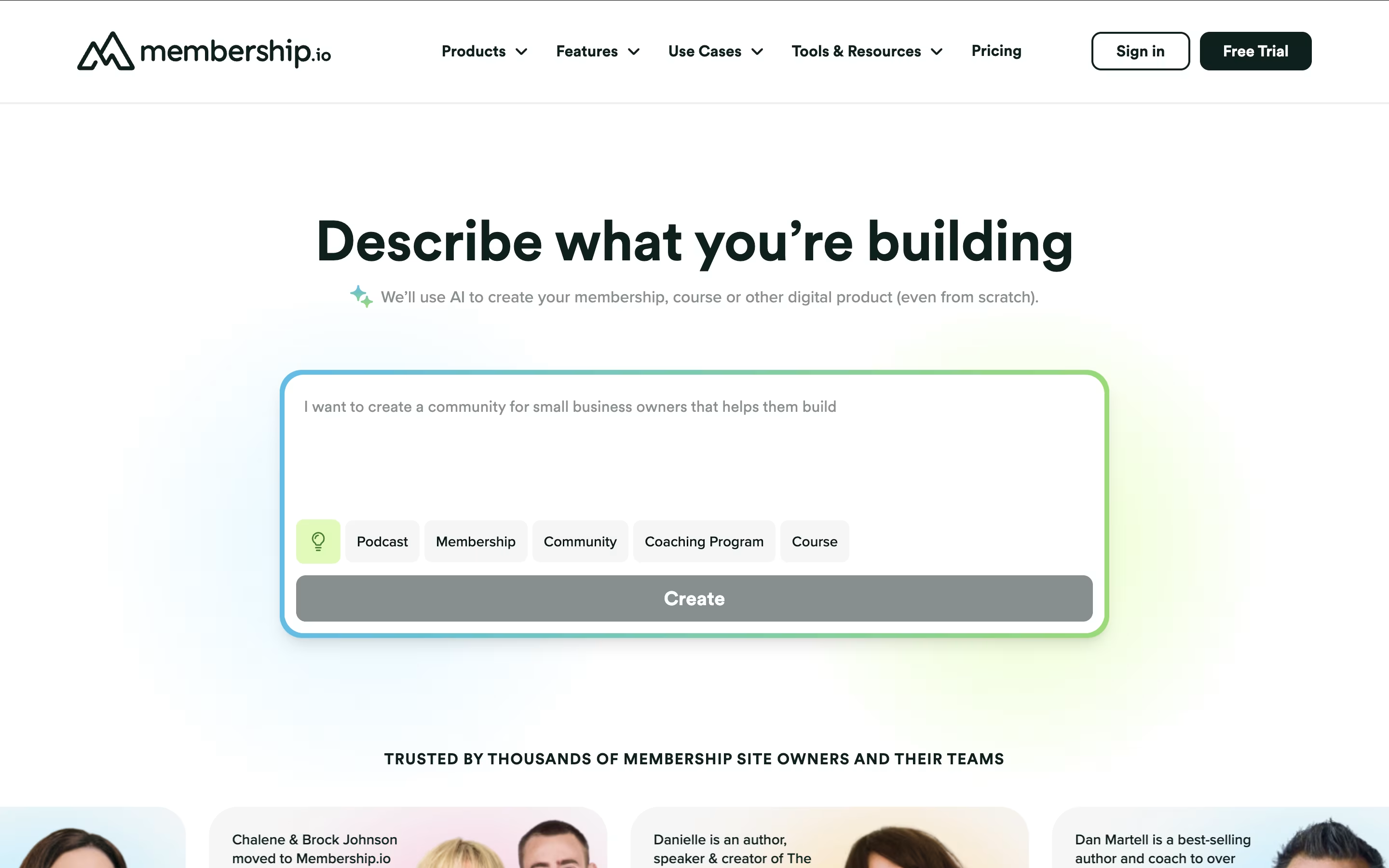
The platform serves as an all-in-one solution for membership sites, online courses, coaching programs, and content communities. Unlike generic course platforms, Membership.io was built specifically for membership businesses from the ground up.
Key features include AI-powered content management, automatic transcriptions, community tools, custom branding, and seamless payment processing. The platform's signature feature allows members to search for specific topics within video content, instantly jumping to relevant moments without watching entire videos.
This makes content more accessible and valuable, leading to higher member satisfaction and retention rates. Perfect for coaches, consultants, educators, and content creators who want to monetize their expertise.

Automattic runs WordPress.com as a managed version of the open source WordPress software, taking care of hosting, security, and updates so you can focus on your content instead of server maintenance.
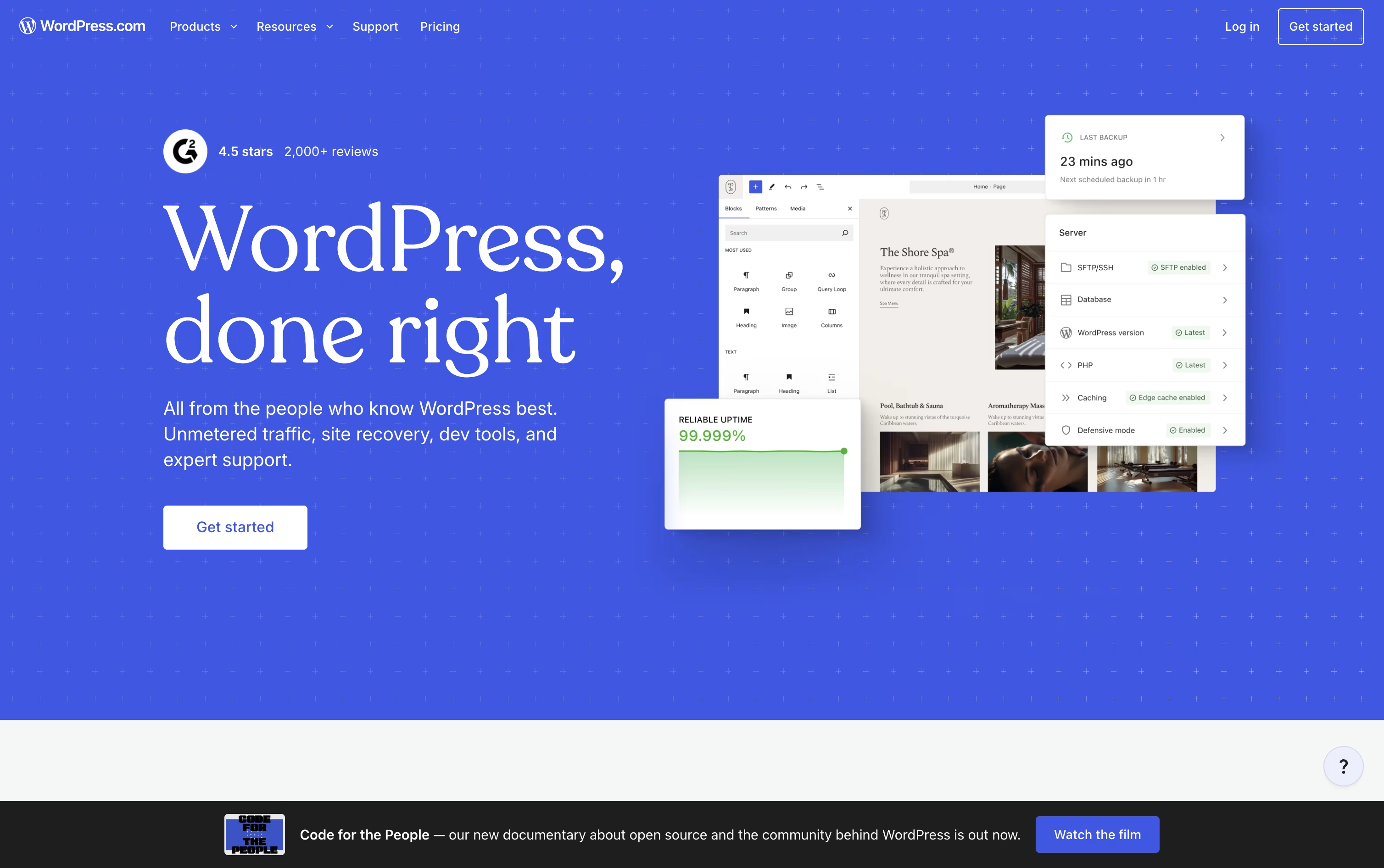
Getting started is simple: sign up for free, choose a theme, or let the AI Website Builder put together a site for you based on a short description. From there the Block Editor gives you a visual way to add pages, media, and forms.
Pricing starts at $0 for the Free plan with 1 GB of storage, then climbs through Personal at $9 a month, Premium at $18, Business at $40, and Commerce at $70, with yearly billing offering a lower rate.
As you move up the plans you gain premium themes, custom fonts and CSS, real-time backups, staging environments, and developer tools like WP-CLI and SFTP access.
The Commerce plan is built for online stores, adding full WooCommerce features and dropping the standard transaction fee to zero, while Enterprise offers custom pricing for large organizations.

Squarespace combines website building, hosting, and business tools into one platform, aimed at creatives, freelancers, and small businesses who want a professional site without hiring a developer.
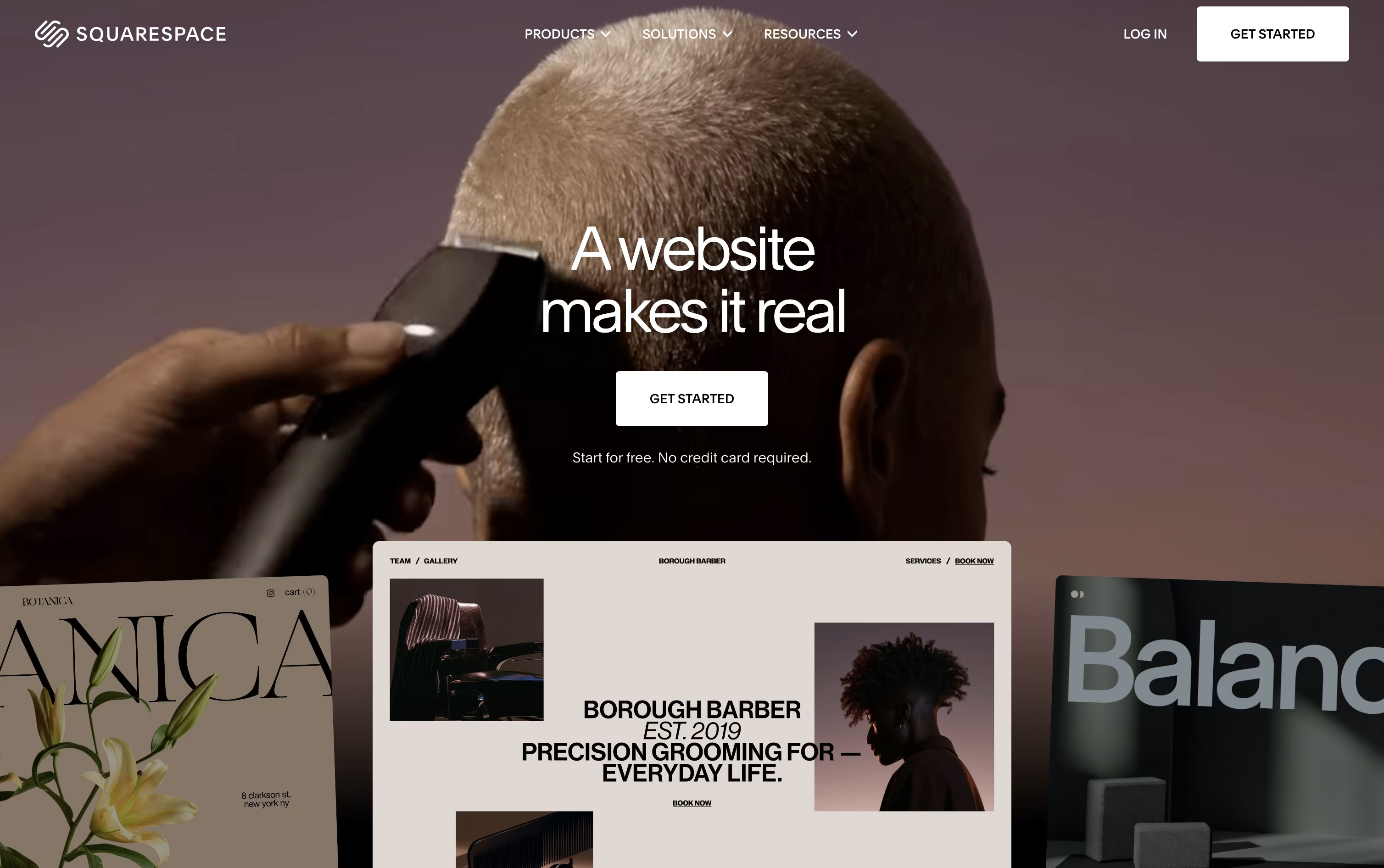
You can start from a designer template or use Blueprint AI to generate a complete site, then adjust it with the Fluid Engine editor, which allows free drag and drop placement of text, images, and products on both desktop and mobile layouts.
Beyond design, the platform includes online selling, appointment booking through Acuity, email campaigns, blogging, memberships, and built in analytics, cutting down the need for separate software.
The Basic plan starts at $12 a month billed yearly and covers a solid website with basic selling. Core, at $17 a month, is the recommended step up because it drops the online store transaction fee to zero and unlocks custom code and deeper marketing tools.
Advanced, at $25 a month, offers the lowest fees overall, unlimited video hosting, and the highest AI usage limits.
Businesses with bigger needs can request a custom Premium plan that adds a dedicated account manager and stronger security, and every plan can be tried free for 14 days.

Wix lets anyone build a professional website and run a business from one dashboard, without needing to write code.
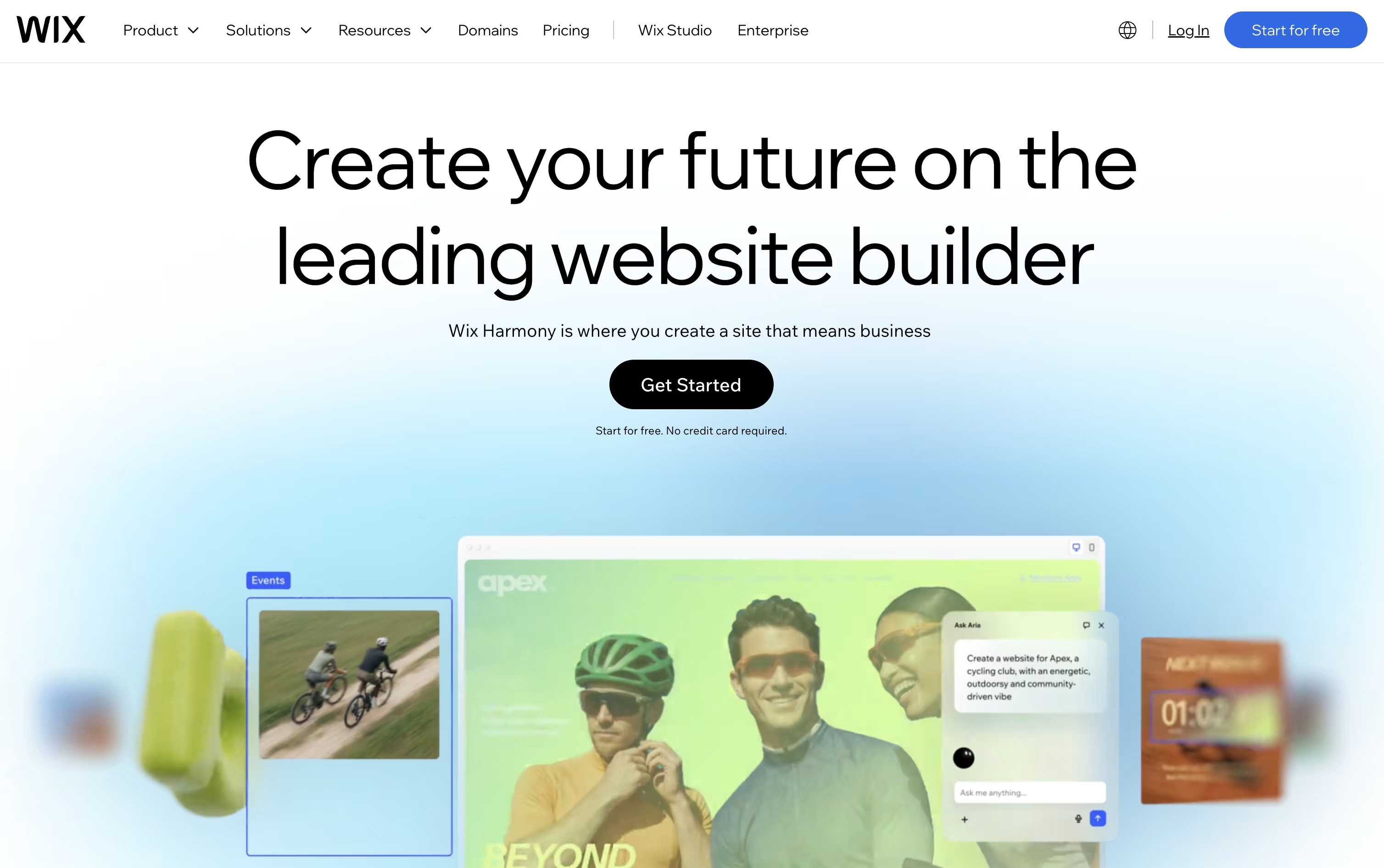
The fastest way to start is Wix Harmony, where you describe your goals in plain language and the Aria AI agent builds a complete site with layout, copy, and visuals that you can then refine by hand.
Once your site is live, built in tools cover online selling, appointment booking, event ticketing, and marketing campaigns, so you rarely need outside apps.
The Free plan costs nothing to start, while paid plans run from Light at $17 a month up to Business Elite at $159 a month, each unlocking more storage, collaborators, and advanced business features.
Agencies and developers can move up to Wix Studio for responsive design control, or use Velo and Wix Headless to build custom functionality on top of the platform.
This mix of easy AI creation and deeper technical tools is what makes Wix useful for beginners and professionals alike.

WonsultingAI is an AI-powered job search platform that combines multiple tools to help you get hired faster. Instead of using separate apps for different tasks, everything you need is in one place.
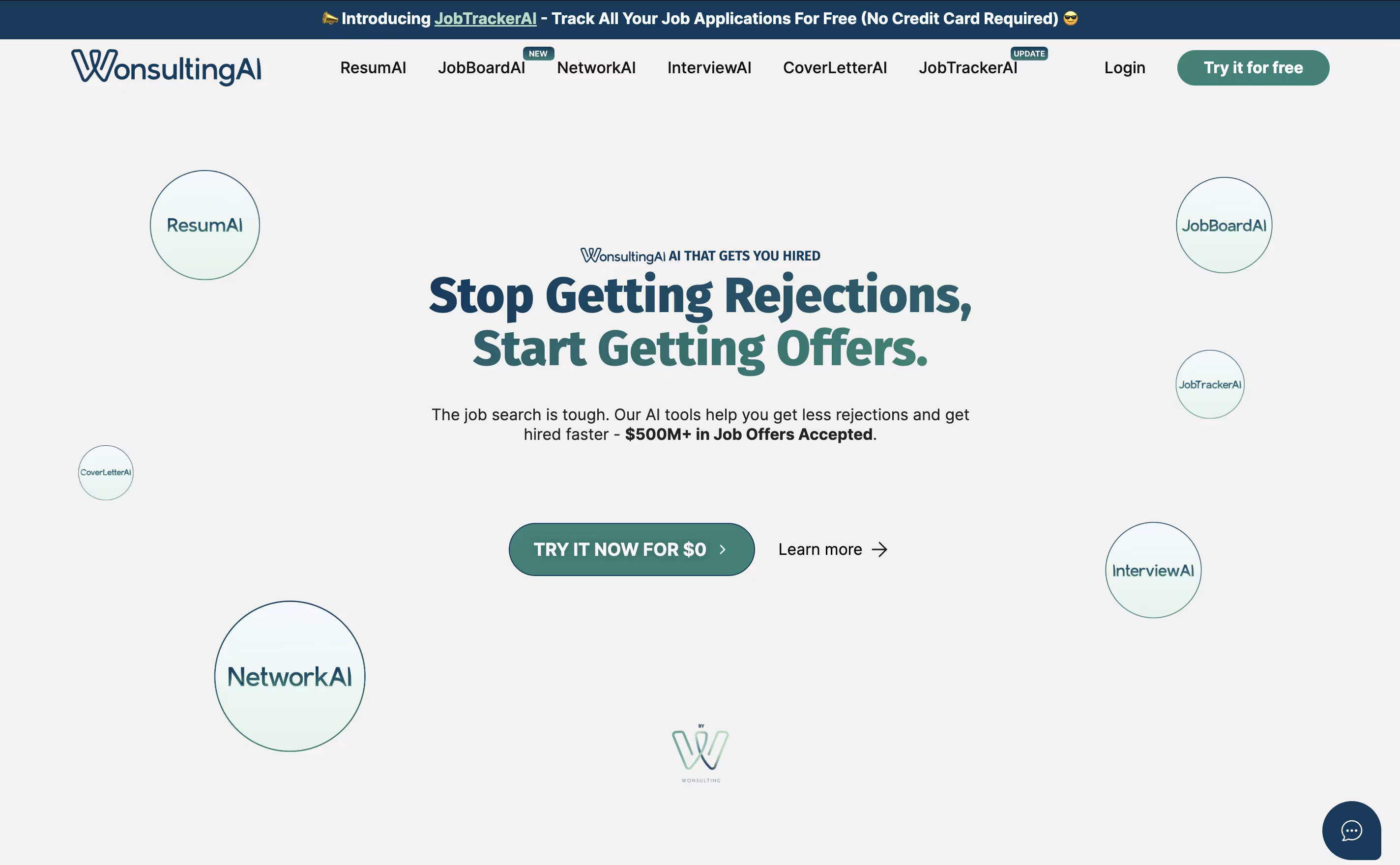
The platform includes six main tools: ResumAI builds professional resumes, CoverLetterAI creates personalized cover letters, NetworkAI helps with LinkedIn networking, InterviewAI provides mock interview practice, JobTrackerAI organizes your applications, and JobBoardAI finds and applies to relevant jobs automatically.
What makes it special is how these tools work together and learn from successful job applications. The AI technology uses data from thousands of successful job seekers to create content that actually gets results. WonsultingAI users book 182% more interviews compared to traditional job search methods, and 62% of premium users land an interview within 30 days.

FlowCV is an AI-powered online resume builder designed to help job seekers create professional, eye-catching resumes quickly and easily. Founded by a small team of independent developers, this web-based platform offers a refreshing alternative to complicated and expensive resume tools.
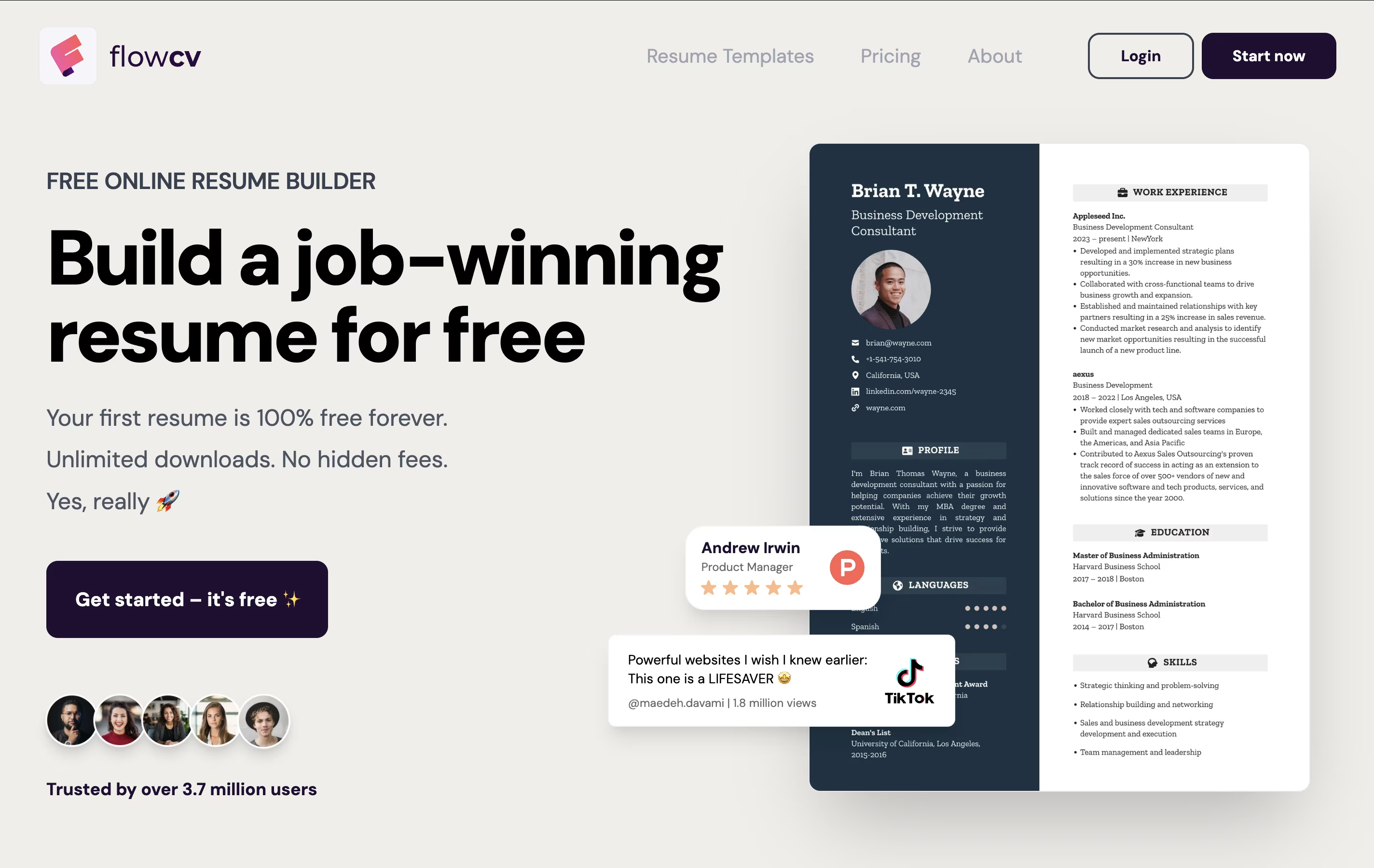
The platform combines smart technology with beautiful design to make resume creation effortless. It provides over 50 professionally designed templates that you can customize to match your style and industry. FlowCV stands out because it offers ATS-ready formatting, ensuring your resume passes through automated screening systems that many employers use.
Beyond basic resume creation, FlowCV offers additional career tools including cover letter builders, job tracking features, personal website creation, and email signature generators. The platform supports multiple languages, making it perfect for international job seekers. With GDPR-compliant data protection and a commitment to never selling user data, FlowCV prioritizes user privacy while delivering powerful features.

Rather than targeting a single personal website, Duda is aimed at agencies, freelancers, and platforms that need to launch and manage many client sites without extra headcount.
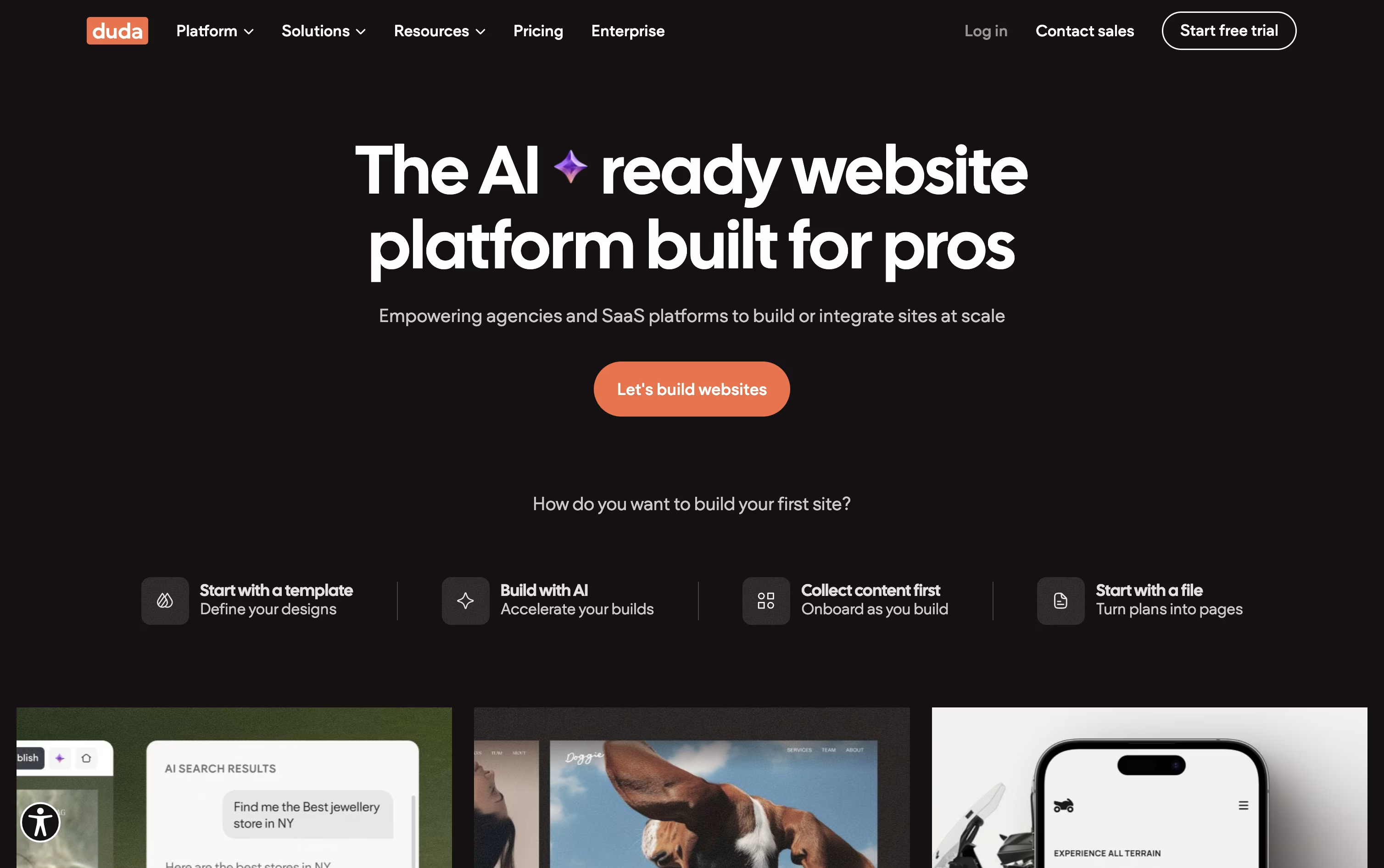
Its AI Stack, led by a conversational Copilot assistant, can draft entire sites, write content, build page sections, and handle SEO work from plain instructions.
Sites are hosted on AWS with strong performance, and built-in AEO tools such as automatic schema markup and AI visibility tracking help pages show up in tools like ChatGPT and Perplexity, not just classic search.
The Basic plan starts at $25 a month with one project, while Team at $39 a month opens up seats, unlimited clients, and role based permissions.
Agency, the most popular option at $69 a month, includes four projects and standard MCP access, and White Label at $199 a month unlocks full white label branding and a custom domain.
Larger organizations can request a Custom plan with advanced security, a dedicated account team, and tailored API access, and every plan opens with a 14 day free trial.

Craft is a tool for creating documents that look great and work well. You can write notes, manage tasks, build collections of information, and share everything with others. Unlike basic note apps, Craft lets you organize content using cards, pages, and folders that connect together.
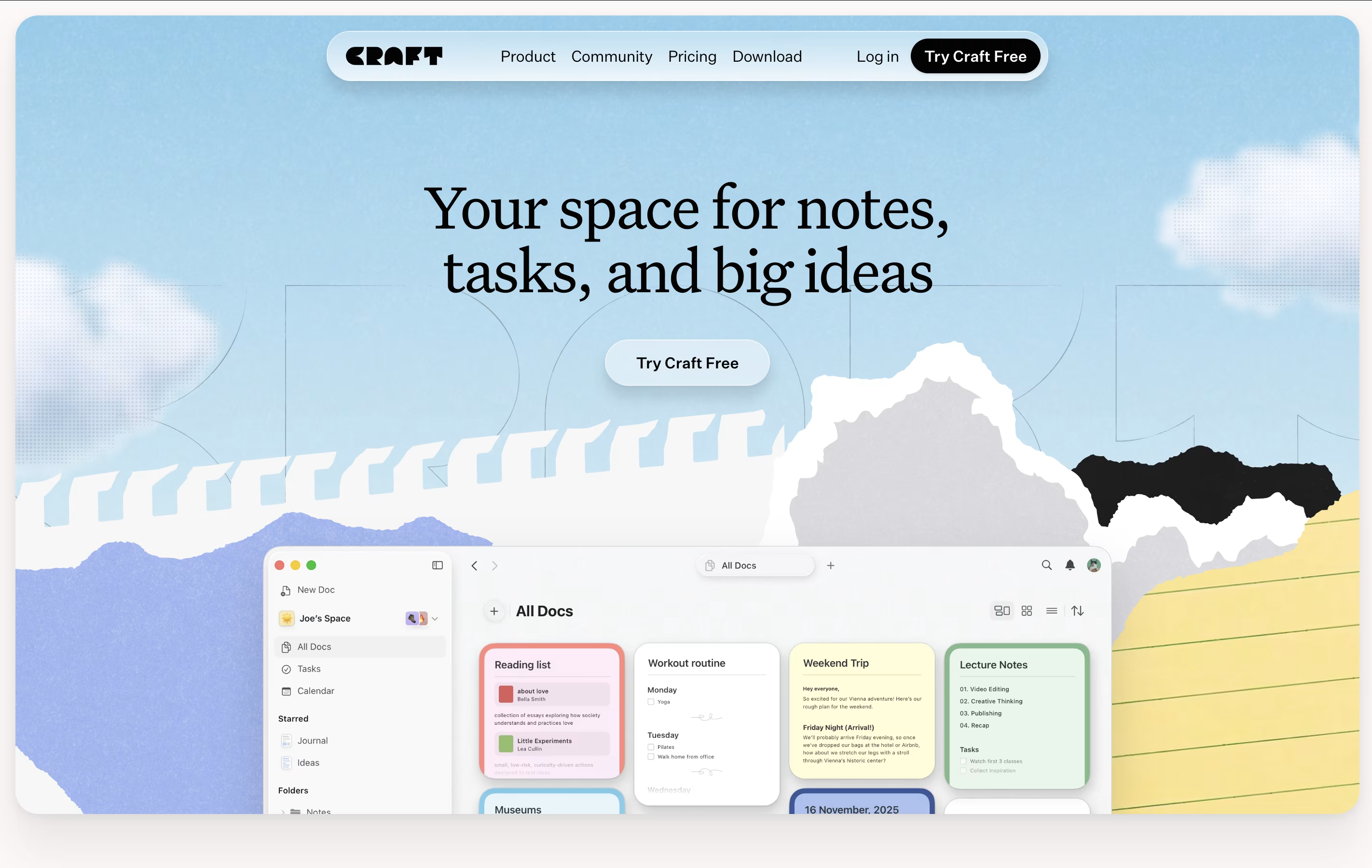
The app includes an AI assistant that helps with writing, editing, and organizing your work. You can format text beautifully, add images and videos, create linked pages, and build databases of information. Everything syncs across your iPhone, iPad, Mac, and web browser.
There is a free starter plan with basic features. The Plus plan removes all limits and adds advanced tools. Family and Team plans help groups work together with shared spaces and better collaboration features.

Vrite is a content management platform designed specifically for technical writing. It offers a modern editor that works like familiar tools such as Notion, but adds features developers need. You can write in a visual editor while also having access to code blocks with syntax highlighting and formatting.
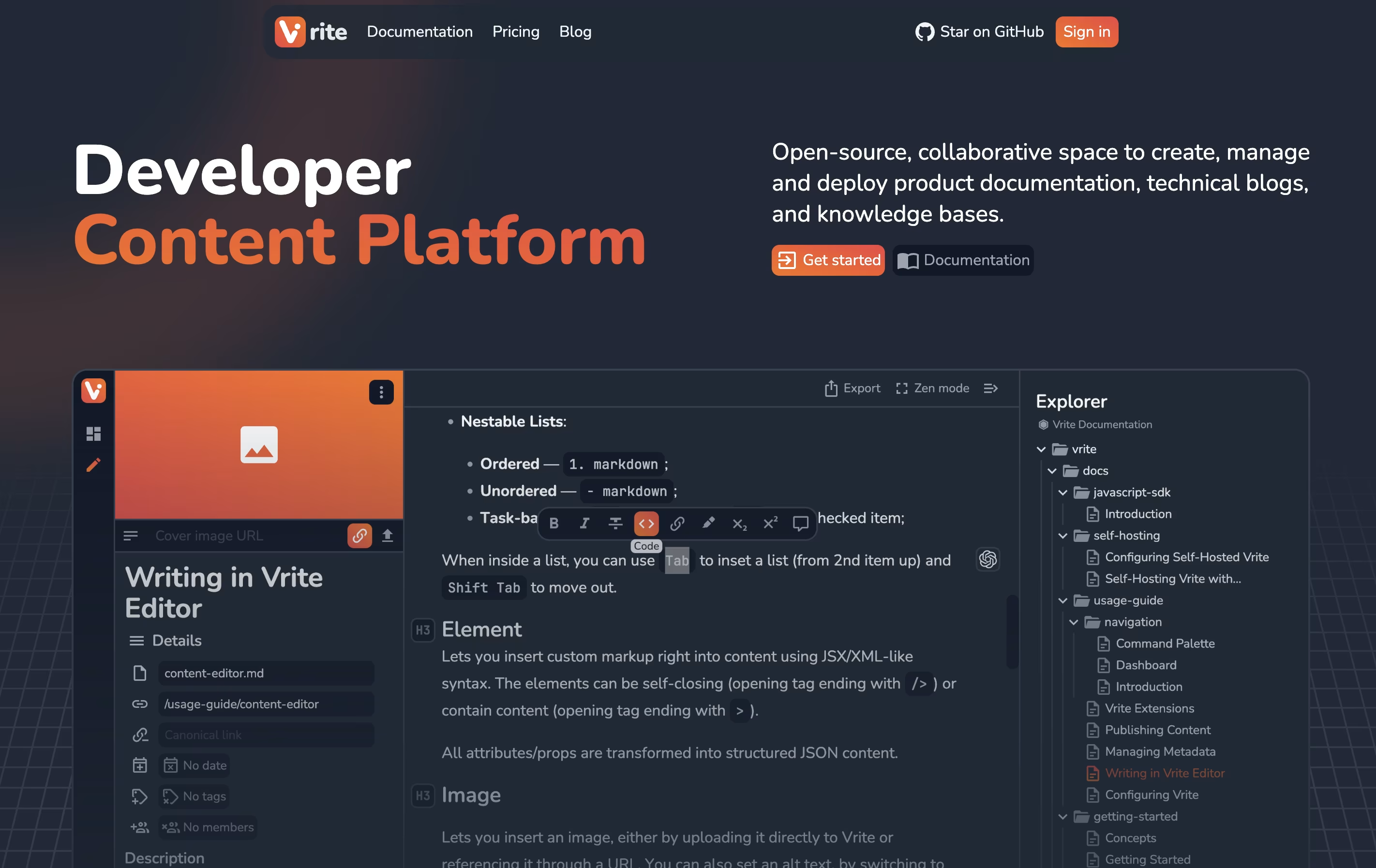
The platform includes a dashboard where you organize content using Kanban boards or table views. This helps teams track what's being written, what needs review, and what's ready to publish. Vrite connects with GitHub for version control and supports extensions that add more functionality.
The platform includes AI-powered search that helps find information in your content quickly. You can either use their cloud version or install it on your own servers for complete data control.

Skywork AI is an AI-powered workspace platform that transforms simple ideas into complete, professional content across multiple formats. Unlike basic AI writing tools, Skywork offers specialized agents for specific tasks: Documents Agent for reports and papers, Slides Agent for presentations, Sheets Agent for data analysis, Podcast Agent for audio content, and Web Agent for creating websites.
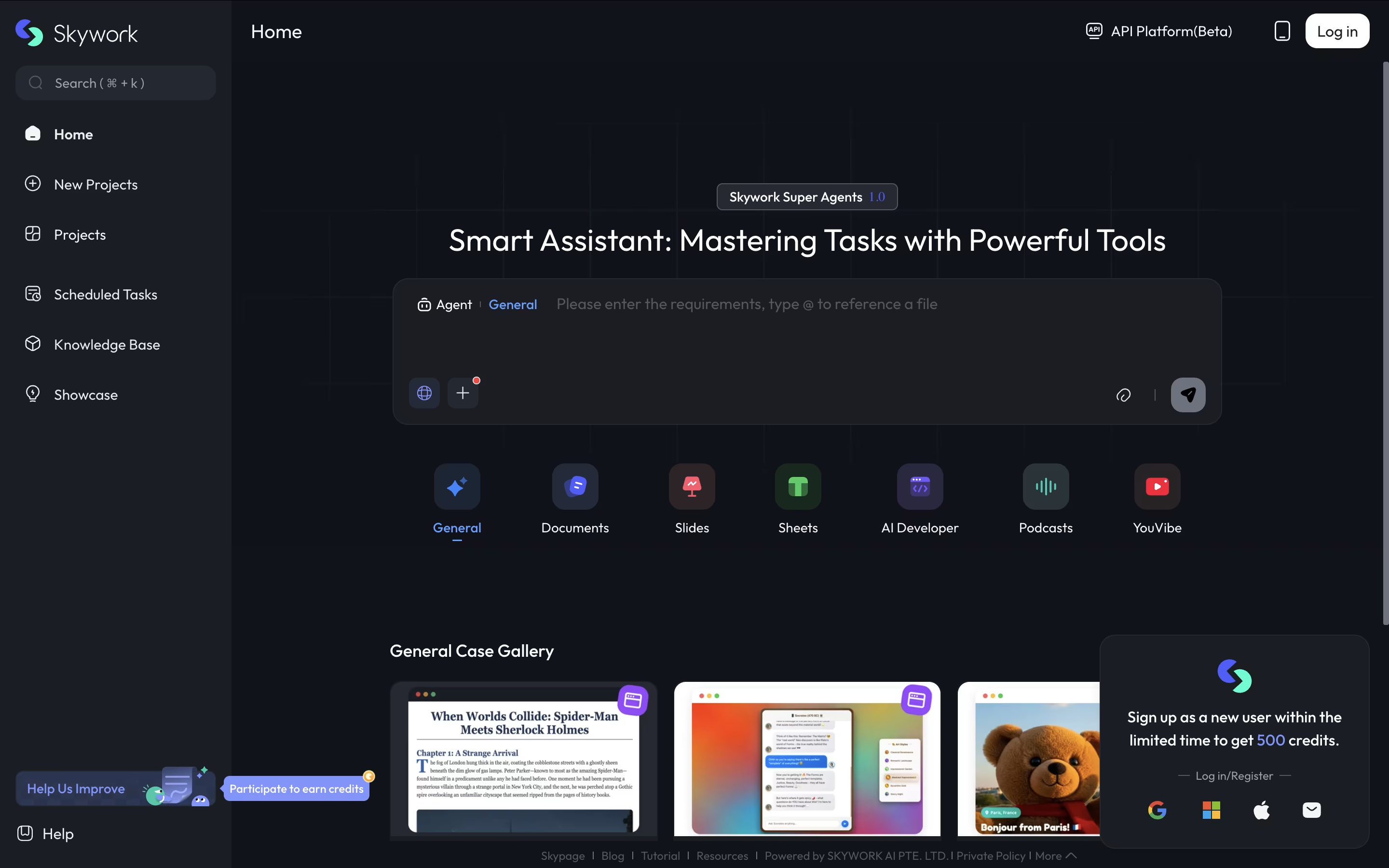
The platform's key strength is its DeepResearch technology, which searches up to 30+ sources compared to typical AI tools that use only 5-6 sources. This means your content is more accurate, credible, and properly cited. Skywork can process uploaded files, create knowledge bases from your documents, and generate content that's ready to use professionally.
It uses a credit-based system where you pay only for what you use, making it cost-effective for both occasional users and power users who need regular content creation.

Docmost is a collaborative documentation platform that lets teams write and organize information together. You can create different spaces for different projects or departments, and each space can have its own set of permissions. This means you control exactly who can see or edit what.
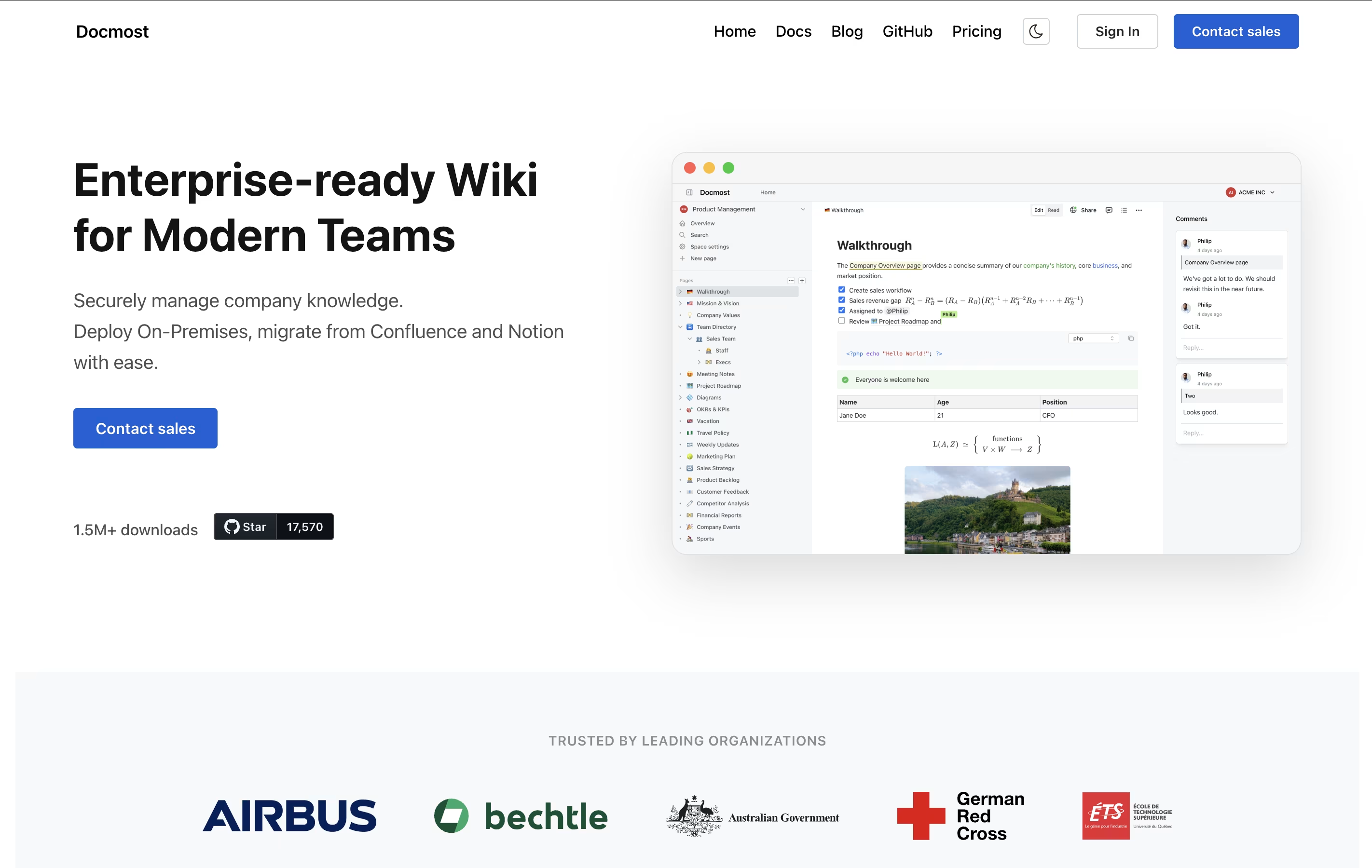
The platform uses a rich text editor that supports everything from basic formatting to advanced features like diagrams, tables, and math formulas. Unlike traditional wikis, Docmost lets multiple team members work on the same document at the same time, and everyone sees the changes instantly.
You can choose to self-host Docmost on your own servers for complete control, or use their managed cloud version. Both options come with the same powerful features for organizing and sharing your team's knowledge.
Related to
Content Management Systems