Best 13 Data Visualization Tools in 2026
Last Updated: September 24, 2025
Numbers alone rarely tell a clear story, but the right chart or graph can make a trend immediately obvious. Data Visualization tools turn raw data into interactive charts, graphs, and dashboards that are easy to interpret at a glance.
These platforms are essential for analysts, business teams, and researchers who need to communicate findings clearly to a broader audience. Well designed visualizations make complex data accessible to people without a technical background.
 Heap
Heap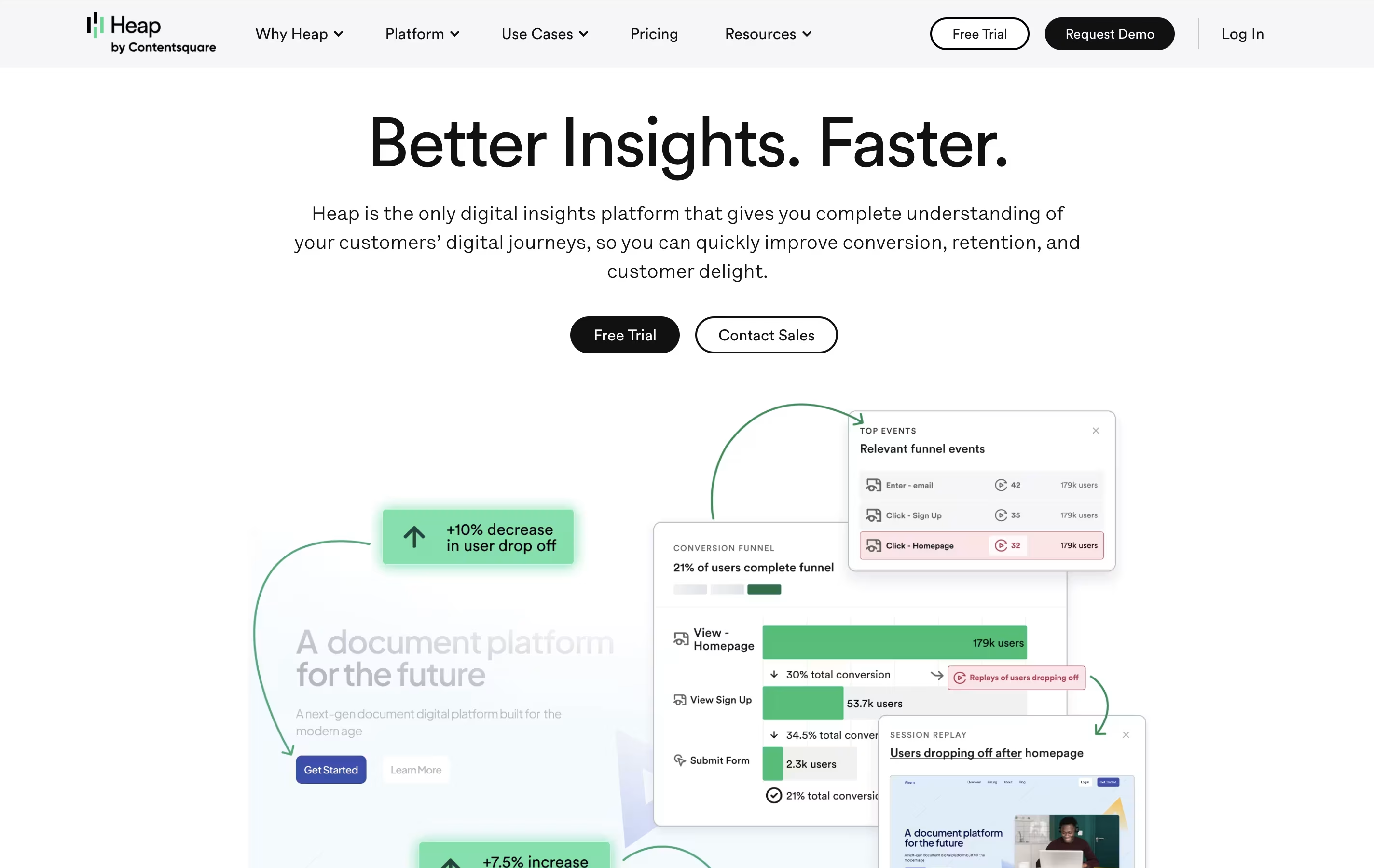 HeapAutomatic User Analytics Platform for Better Digital Experiences,
  Usermaven
 UsermavenSimple Privacy-Friendly Analytics Platform, and
  Luzmo
Luzmo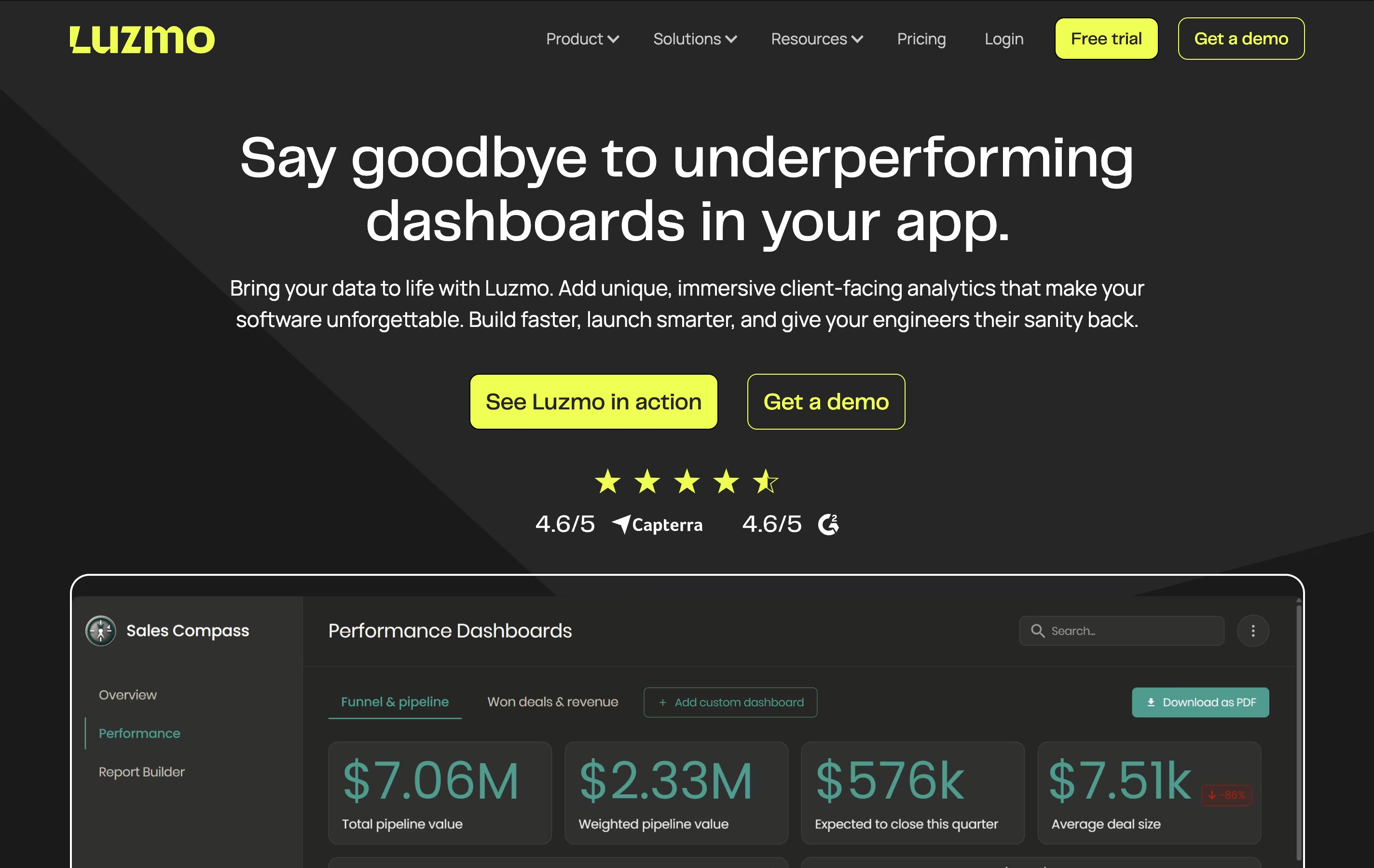 LuzmoEmbedded Analytics Platform for SaaS Companies are the best for Data Visualization. So, let’s take a closer look at all 13 tools.
Heap is a product analytics tool that automatically tracks and analyzes user behavior on websites and mobile applications. Unlike traditional analytics platforms that require manual setup for each event you want to track, Heap captures everything automatically from the moment you install its code snippet.
The platform provides features like funnel analysis, session replay, user journey mapping, and conversion tracking. You can see exactly how users navigate through your product, where they encounter friction, and what leads to successful conversions. Heap also offers retroactive analysis, meaning you can analyze historical data for events you didn't initially plan to track.
This makes it particularly valuable for product managers, marketers, and UX designers who need comprehensive insights into user behavior to optimize their digital experiences.
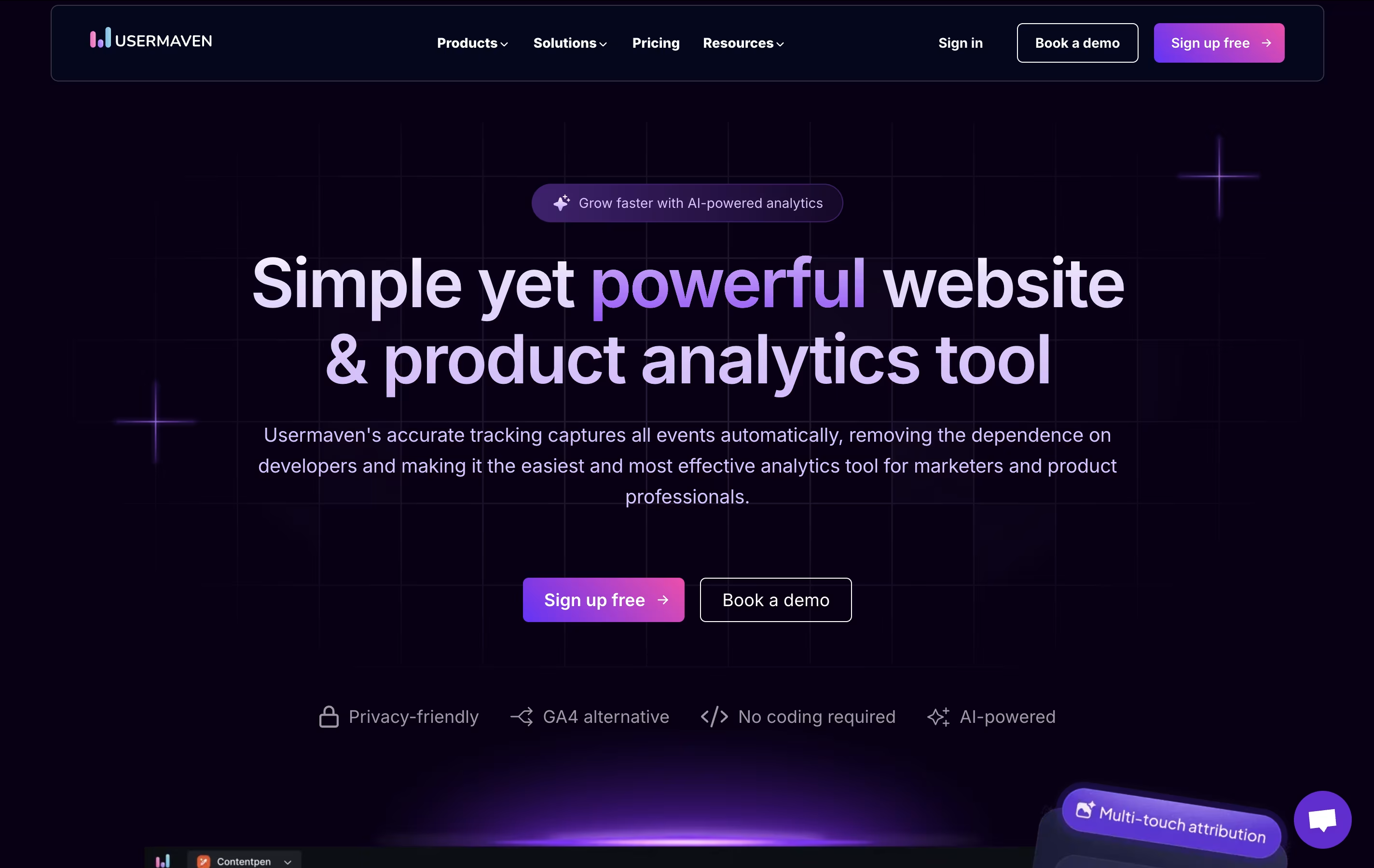
Usermaven is a privacy-focused analytics platform that provides both website analytics and product analytics in one simple tool. Founded in 2021, this cloud-based solution serves as a smart alternative to Google Analytics, focusing on ease of use and privacy compliance.
The platform automatically captures user interactions like clicks, form submissions, and page visits without requiring any coding knowledge. What makes Usermaven special is its commitment to privacy – it offers cookieless tracking, hosts data in EU servers, and fully complies with GDPR and CCPA regulations.
Usermaven combines the power of advanced analytics with AI-driven insights to help businesses understand user behavior, track marketing campaigns, and improve product adoption. The tool serves everyone from small business owners to large enterprises, providing clear, actionable data that helps make better business decisions without compromising user privacy.
Luzmo is an embedded analytics platform built for SaaS companies that want to add data visualization capabilities to their products. Think of it as a toolkit that lets you embed interactive dashboards, charts, and reports directly into your application without building everything from scratch.
The platform provides everything needed for embedded analytics: drag-and-drop dashboard builders, AI-powered insights, real-time data connections, and complete white-label customization. Your users can interact with data, create their own visualizations, and get insights without ever leaving your application.
What makes Luzmo special is its focus on embedding. Unlike traditional business intelligence tools meant for internal use, Luzmo is designed to become part of your product experience. It supports multi-tenancy, allowing you to serve analytics to many customers while keeping their data completely separate and secure.

Lumenore is a complete business intelligence platform that helps companies analyze their data using artificial intelligence. Unlike traditional analytics tools that require technical expertise, Lumenore works with simple, everyday language. You can ask questions like "What are my top-selling products?" and get instant visual answers.
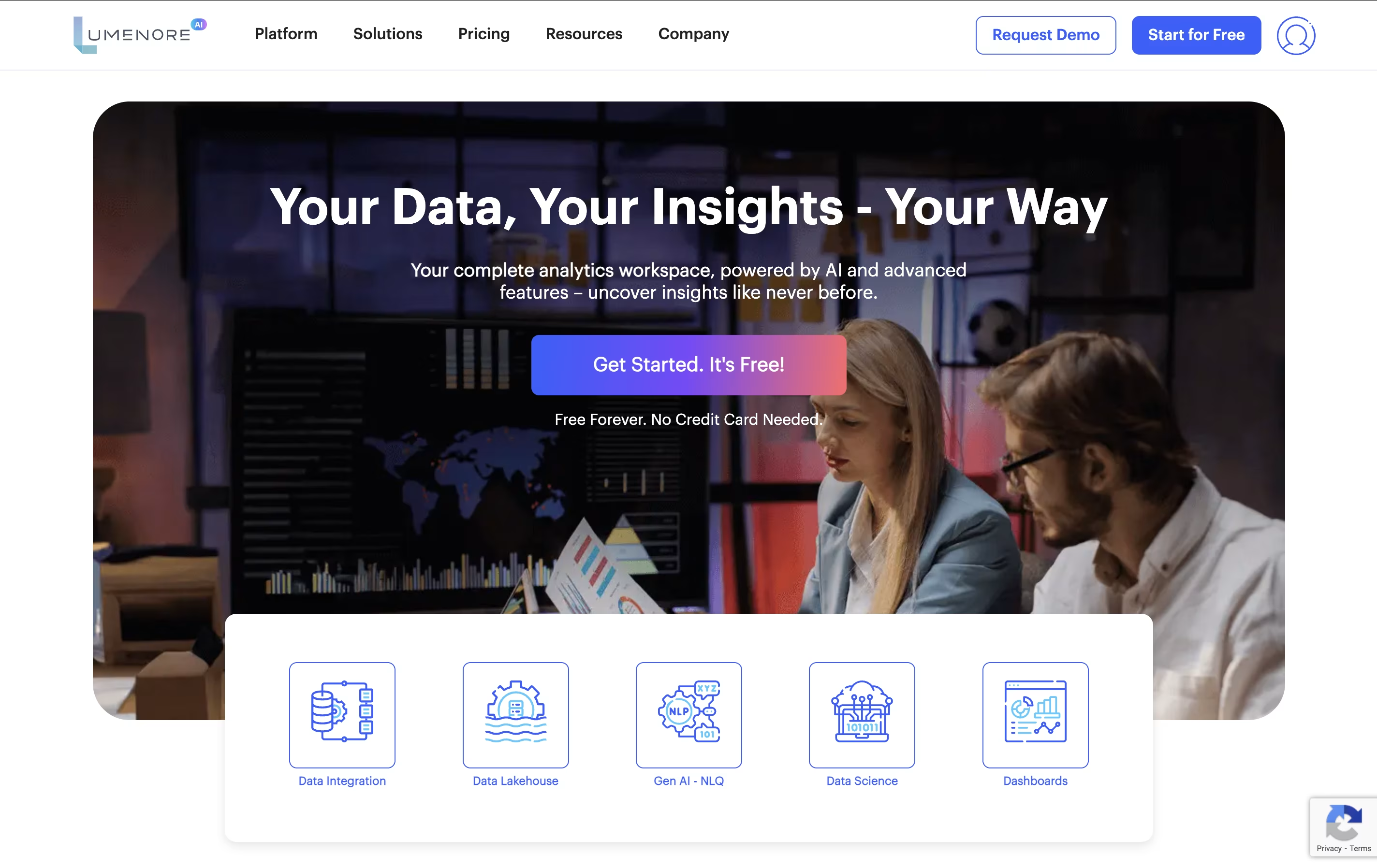
The platform connects to over 50 different data sources, including databases, spreadsheets, and popular business tools. It creates a single place where all your company data comes together. The AI engine, called "Do You Know," automatically finds patterns, trends, and unusual changes in your data. It also predicts future outcomes to help with planning. With customizable dashboards and easy-to-understand charts, anyone in your organization can access insights and make data-driven decisions quickly.

Basedash is an AI-powered platform that turns your database into a collaborative workspace for visualizing, editing, and exploring data without any coding knowledge. Think of it as having a conversation with your data – you ask questions in plain English, and Basedash creates charts, dashboards, and admin panels automatically.
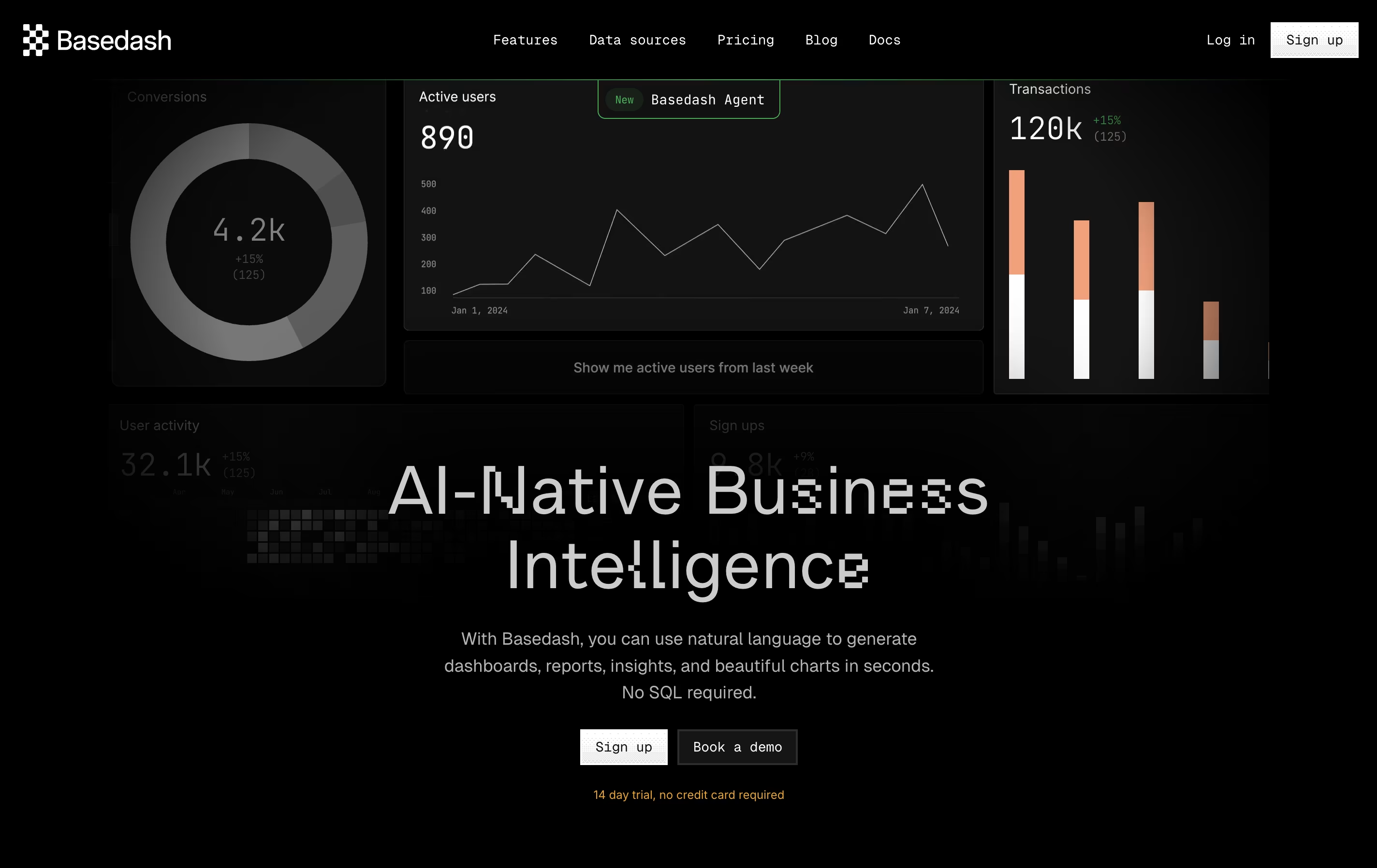
The platform works by connecting directly to your database or data warehouse, then using artificial intelligence to understand your data structure and relationships. You can create custom CRM systems, build business intelligence dashboards, generate reports, and manage your data through an intuitive interface that feels like using a spreadsheet.
What sets Basedash apart is its natural language processing capabilities. Instead of writing SQL queries or learning complex tools, you simply tell it what you want to see, and it creates the visualization for you instantly.

Mitzu is a warehouse-native product analytics platform designed specifically for businesses that want to analyze their data without the complexity and costs of traditional analytics tools. Think of it as a smart layer that sits on top of your existing data warehouse, automatically generating SQL queries based on your questions and needs.
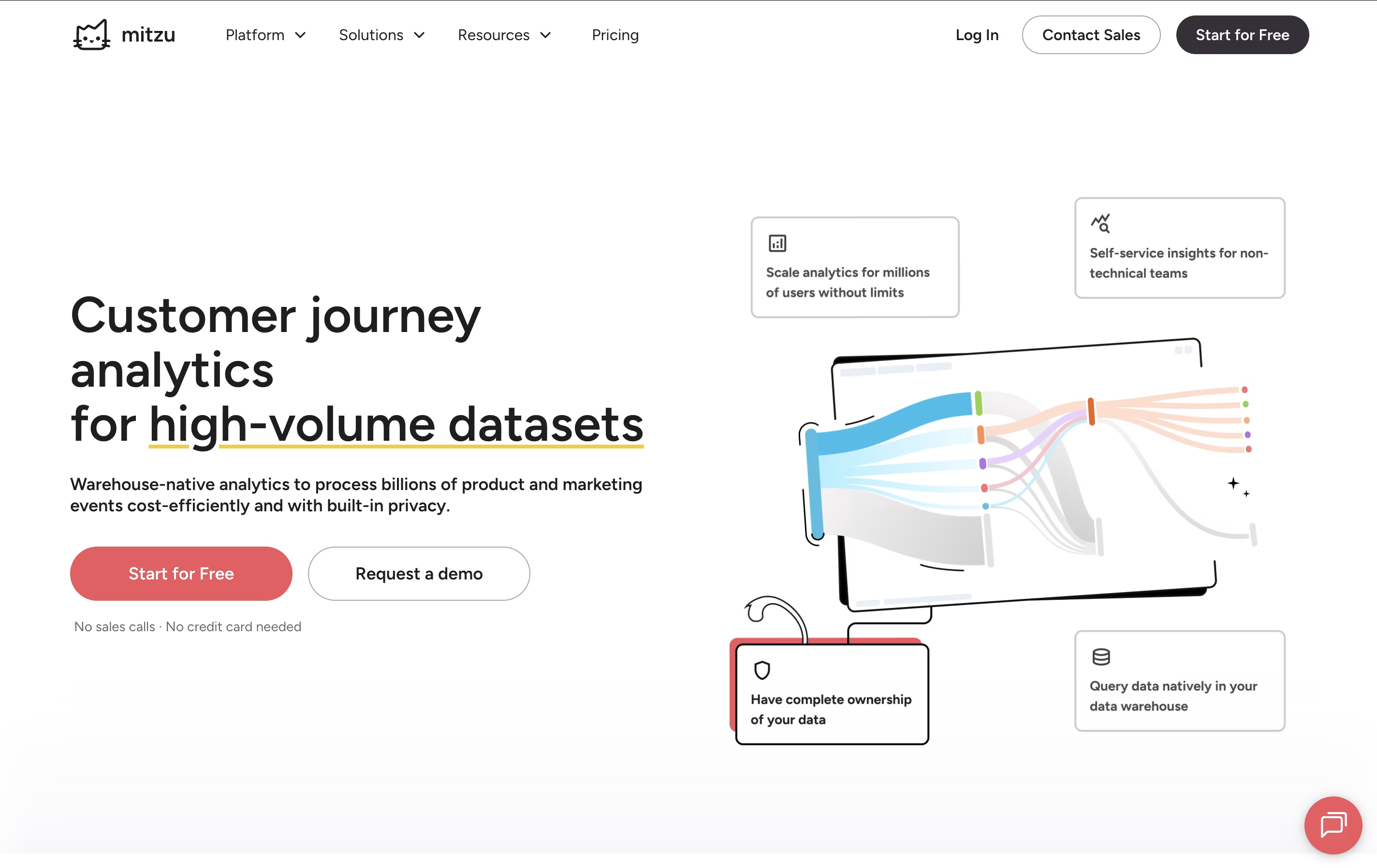
The platform specializes in product, marketing, and revenue analytics, helping teams understand user behavior, track customer journeys, measure retention rates, and analyze conversion funnels. What makes Mitzu unique is its commitment to data privacy - your information never leaves your warehouse.
Instead of copying data to external servers like other analytics tools, Mitzu generates native SQL queries that run directly in your data warehouse. This approach ensures better security, unlimited historical data access, and significant cost savings, especially for businesses with large datasets and many non-paying users.

Metabase is an open-source business intelligence platform designed to make data accessible to everyone in your organization. Instead of requiring SQL knowledge or technical training, it provides a visual query builder that lets users click and drag to create charts, graphs, and dashboards.
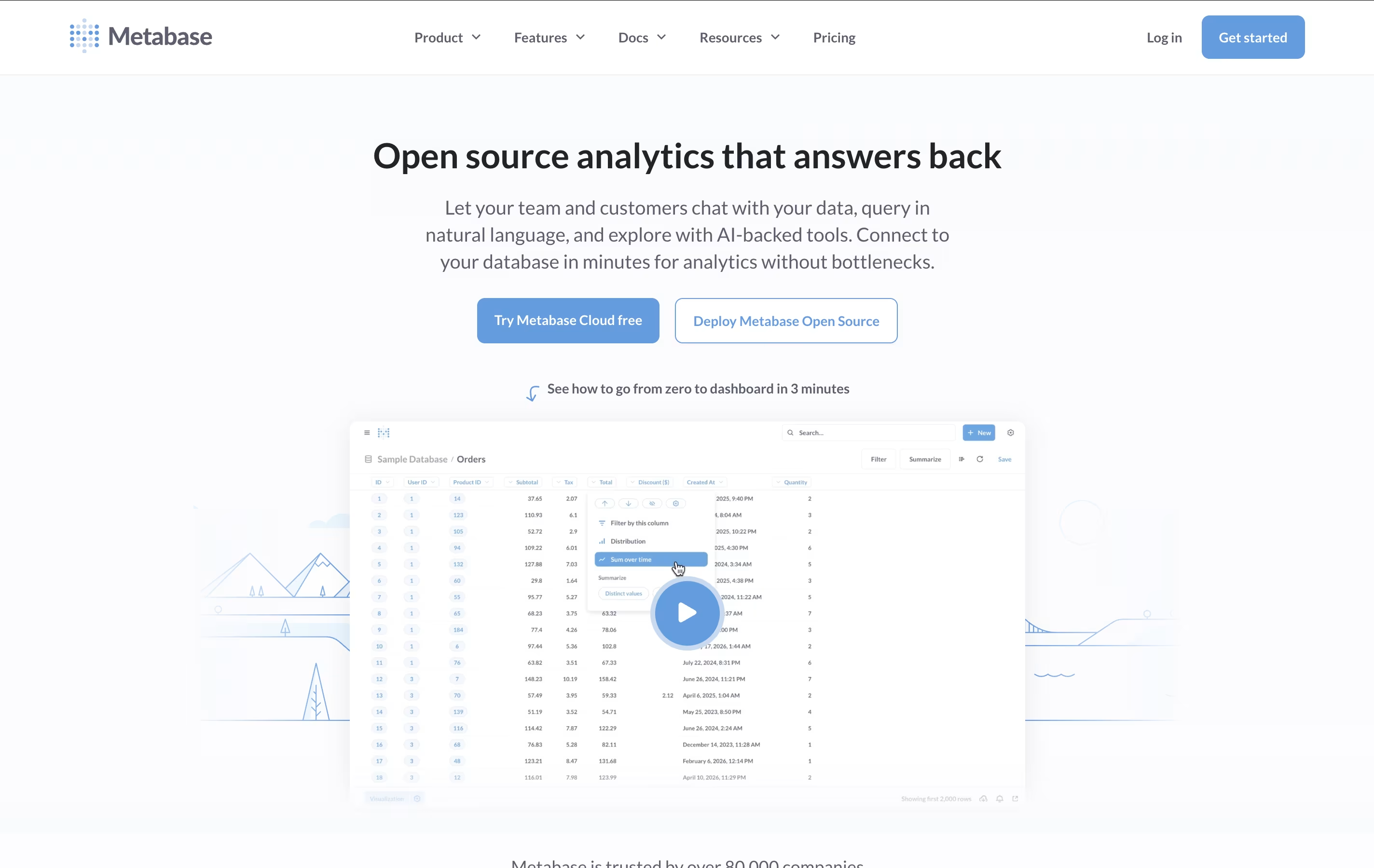
The platform connects to over 20 different databases and data sources, from PostgreSQL and MySQL to cloud services like BigQuery and Snowflake. It queries your data directly without copying or storing it elsewhere, which keeps everything secure and up-to-date.
Metabase offers both self-hosted and cloud deployment options. The open-source version includes all core features for free, while paid plans add advanced permissions, embedding capabilities, and professional support. Whether you're a startup analyzing customer data or an enterprise building internal dashboards, Metabase scales from simple charts to complex multi-user analytics platforms.

MotherDuck is a serverless cloud analytics platform that extends DuckDB's capabilities to the cloud. Think of it as "DuckDB as a Service" – you get all the speed and simplicity of DuckDB but with cloud-scale storage, sharing, and collaboration features.
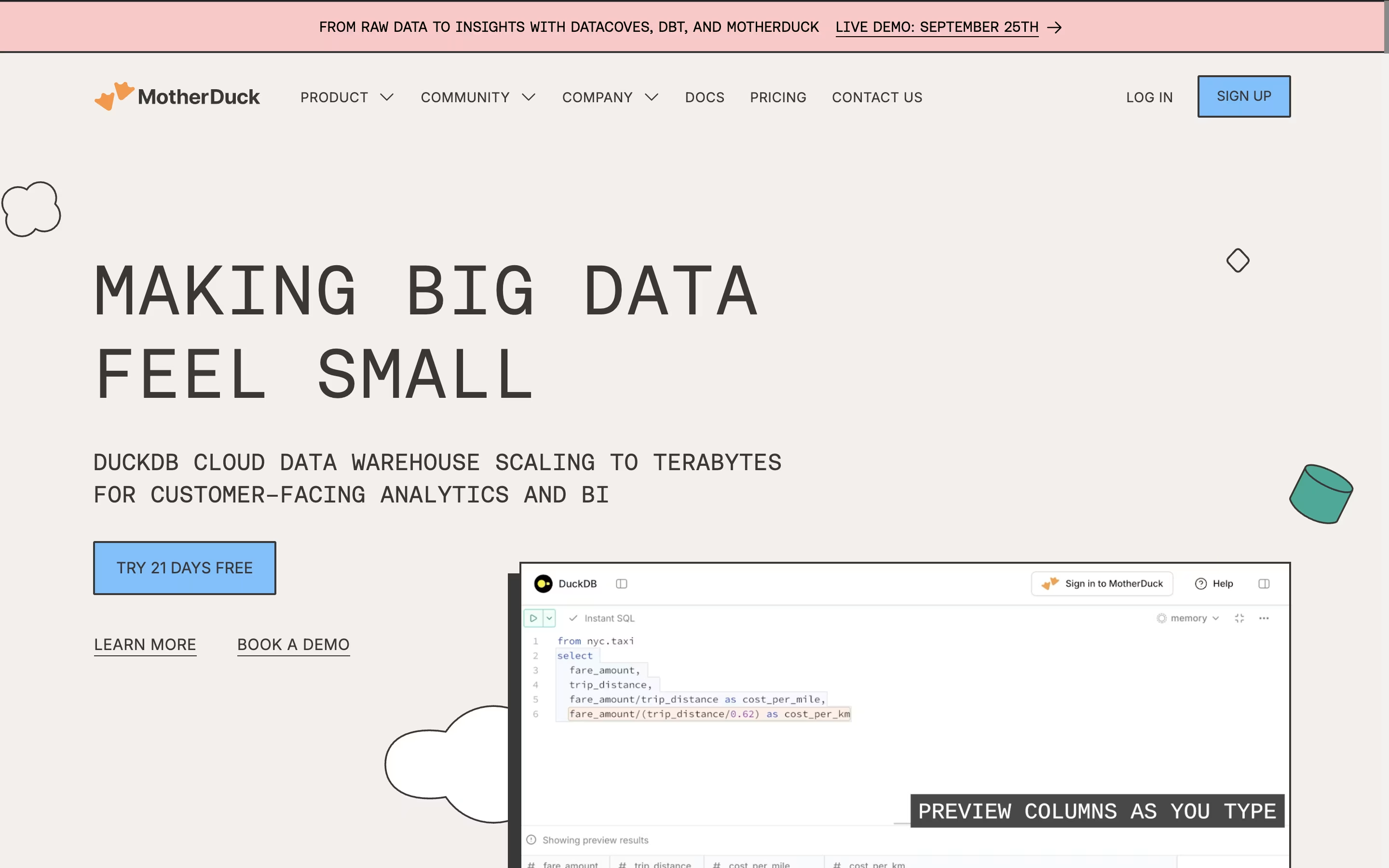
The platform uses a unique hybrid processing model where queries can run on your local machine, in the cloud, or both simultaneously. This means you keep the fast performance of local analytics while gaining the benefits of cloud computing when you need them. Each user gets their own isolated compute instance, eliminating resource conflicts and ensuring consistent performance.
Founded by database veterans from companies like Google BigQuery and Snowflake, MotherDuck is designed for teams who want powerful analytics without the complexity of traditional data warehouses. It supports standard SQL, integrates with popular data tools, and makes sharing data as simple as sending a link.

Amplitude is a product analytics platform that tracks user behavior through events and interactions. Unlike traditional web analytics that focus on page views, Amplitude captures specific actions like button clicks, feature usage, and user flows to create detailed user journey maps.
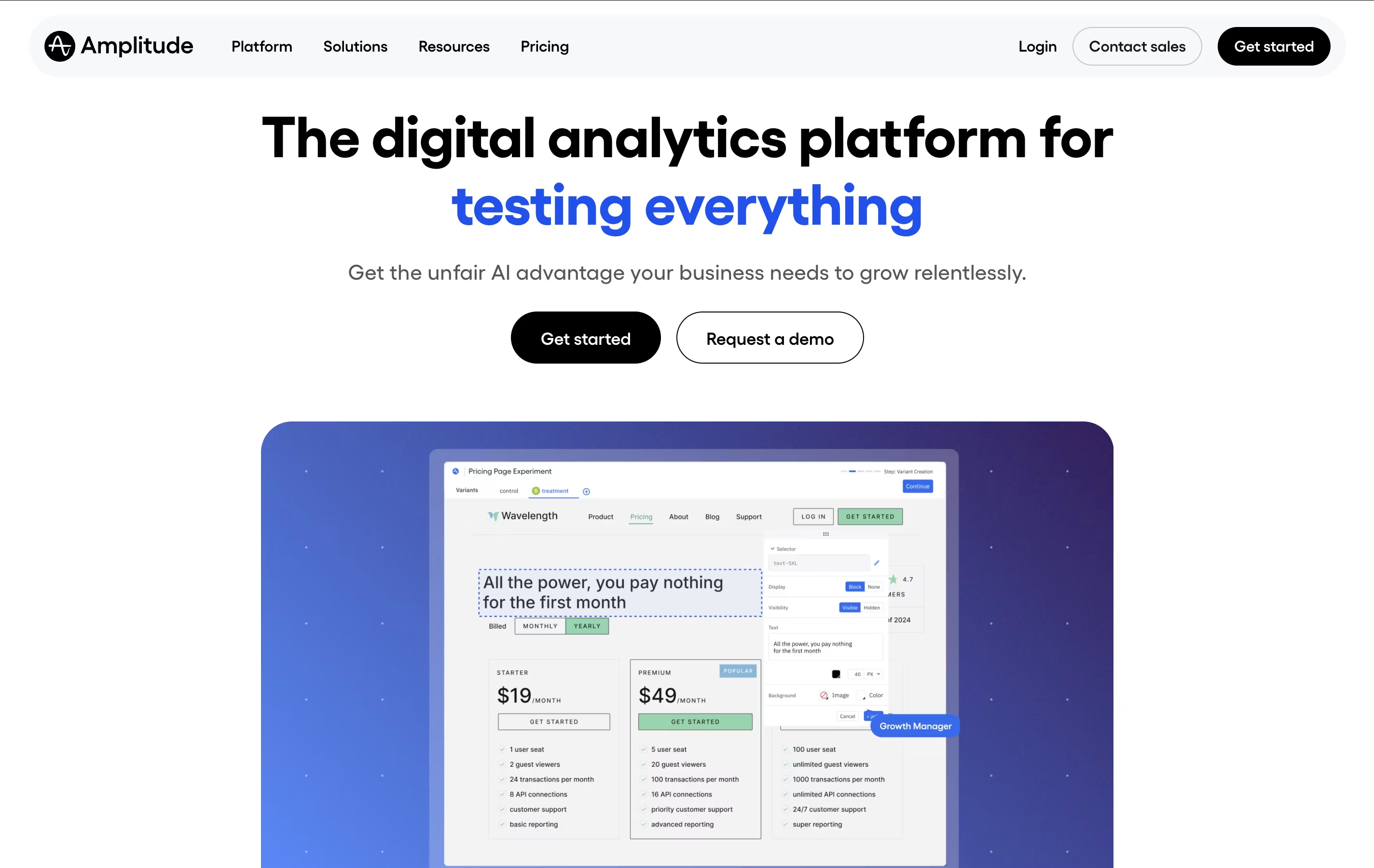
The platform helps businesses answer critical questions like "Which features drive retention?" and "Where do users drop off in our funnel?" It provides real-time insights through advanced segmentation, cohort analysis, and behavioral tracking that help teams optimize their products and improve user experience.
Amplitude offers multiple pricing tiers from a free Starter plan to Enterprise solutions. The platform integrates with popular tools and provides features like A/B testing, user segmentation, and predictive analytics. It's trusted by product managers, growth teams, and data analysts who need to make informed decisions based on actual user behavior rather than guesswork.

Cube.js is a universal semantic layer that sits between your data sources and applications. Think of it as a smart middleware that connects to data warehouses like Snowflake, BigQuery, or Postgres and transforms raw data into business-ready metrics and dimensions.
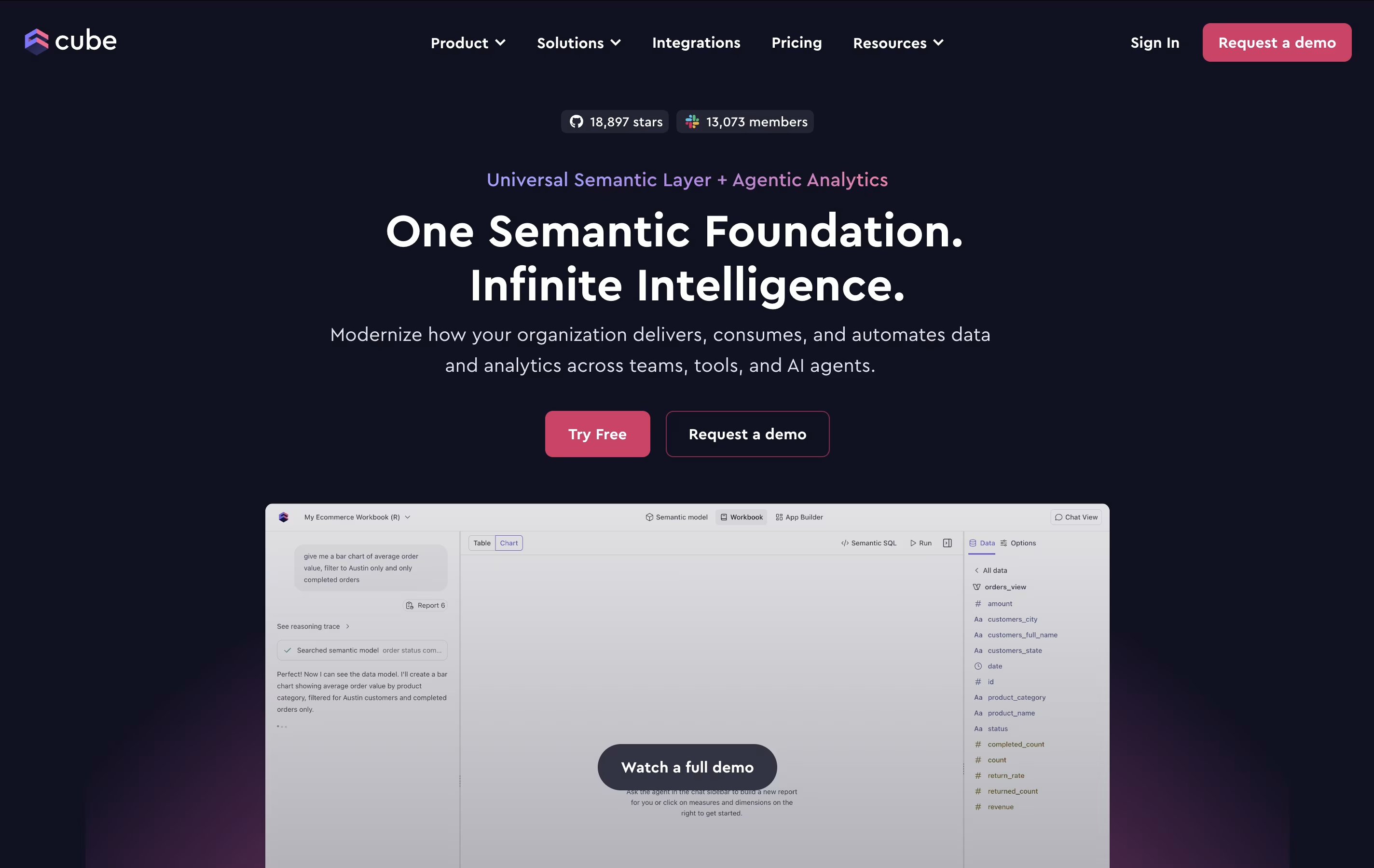
Unlike traditional BI tools that lock you into specific interfaces, Cube.js provides flexible APIs that work with any application or tool. You define your data model once using code, and Cube.js automatically generates optimized SQL queries, handles caching for faster performance, and provides consistent results across all your applications.
The platform consists of two main offerings: Cube Core (open-source) for self-hosting and Cube Cloud (managed service) with additional enterprise features. Both versions support the same core functionality but Cube Cloud includes hosting, security features, and integrations with popular BI tools like Tableau and Power BI.

Adflex is an ad spy and intelligence platform powered by advanced data collection technology. You can search for ads using keywords, domains, or specific targeting criteria, and it shows you detailed insights about competitor campaigns in real time.
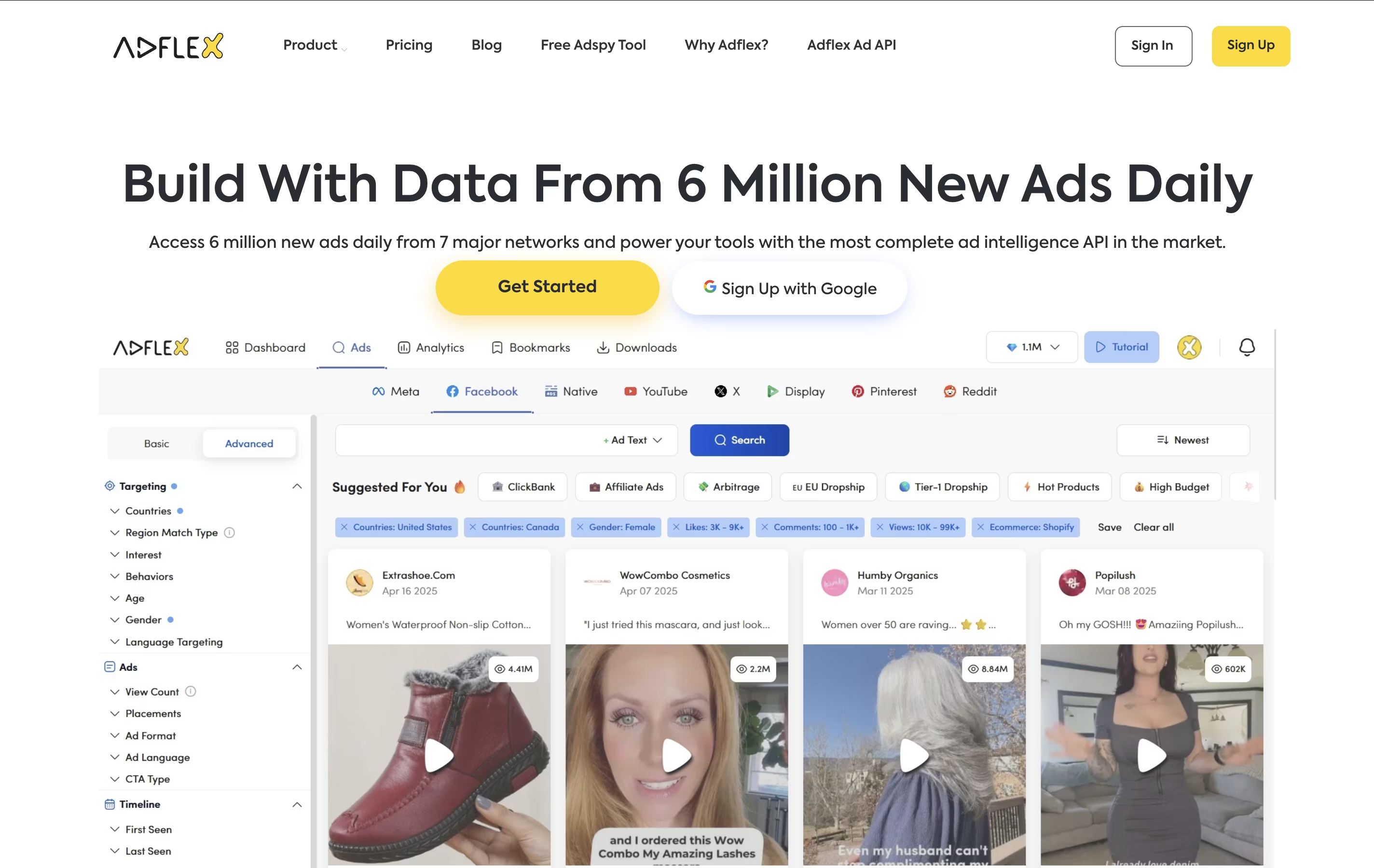
Unlike basic ad monitoring tools, Adflex provides comprehensive data including audience targeting, engagement metrics, ad spend estimates, landing pages, and campaign history. This helps you understand not just what ads are running, but how they perform and who they target.
The platform supports multiple ad networks including Facebook, Instagram, TikTok, Google Display, YouTube, Pinterest, Twitter, and native advertising platforms. Whether you're looking for winning product ads, analyzing competitor strategies, or finding new creative inspiration, Adflex gives you the intelligence needed to make data-driven advertising decisions and improve your campaign performance.

Keboola is a comprehensive data platform that handles your entire data stack as a service. Instead of managing separate tools for extraction, transformation, storage, and orchestration, everything works together in one integrated environment. The platform connects to virtually any data source through its extensive library of 700+ native connectors and API integrations.
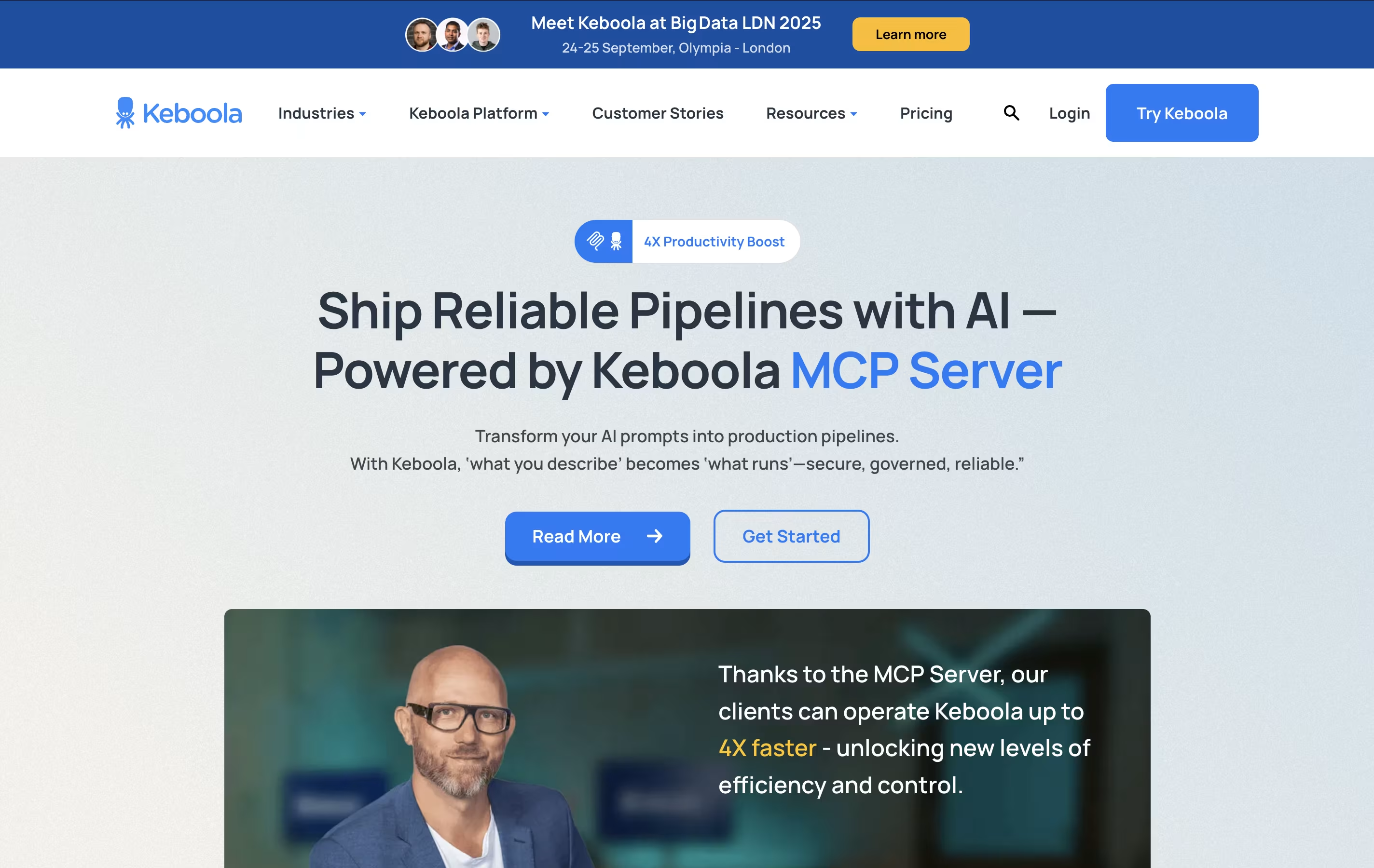
Users can transform data using familiar programming languages without worrying about infrastructure, scaling, or maintenance. Keboola automatically handles data storage using powerful cloud warehouses like Snowflake, BigQuery, and Redshift. The platform includes built-in automation, monitoring, data lineage tracking, and governance features. It supports various deployment models from fully managed multi-tenant setups to private cloud installations, making it suitable for organizations with different security and compliance requirements.

Apify is a comprehensive web scraping and browser automation platform designed to help businesses extract data from websites at scale. Think of it as a marketplace combined with a powerful infrastructure that handles all the complex technical parts of web scraping for you.
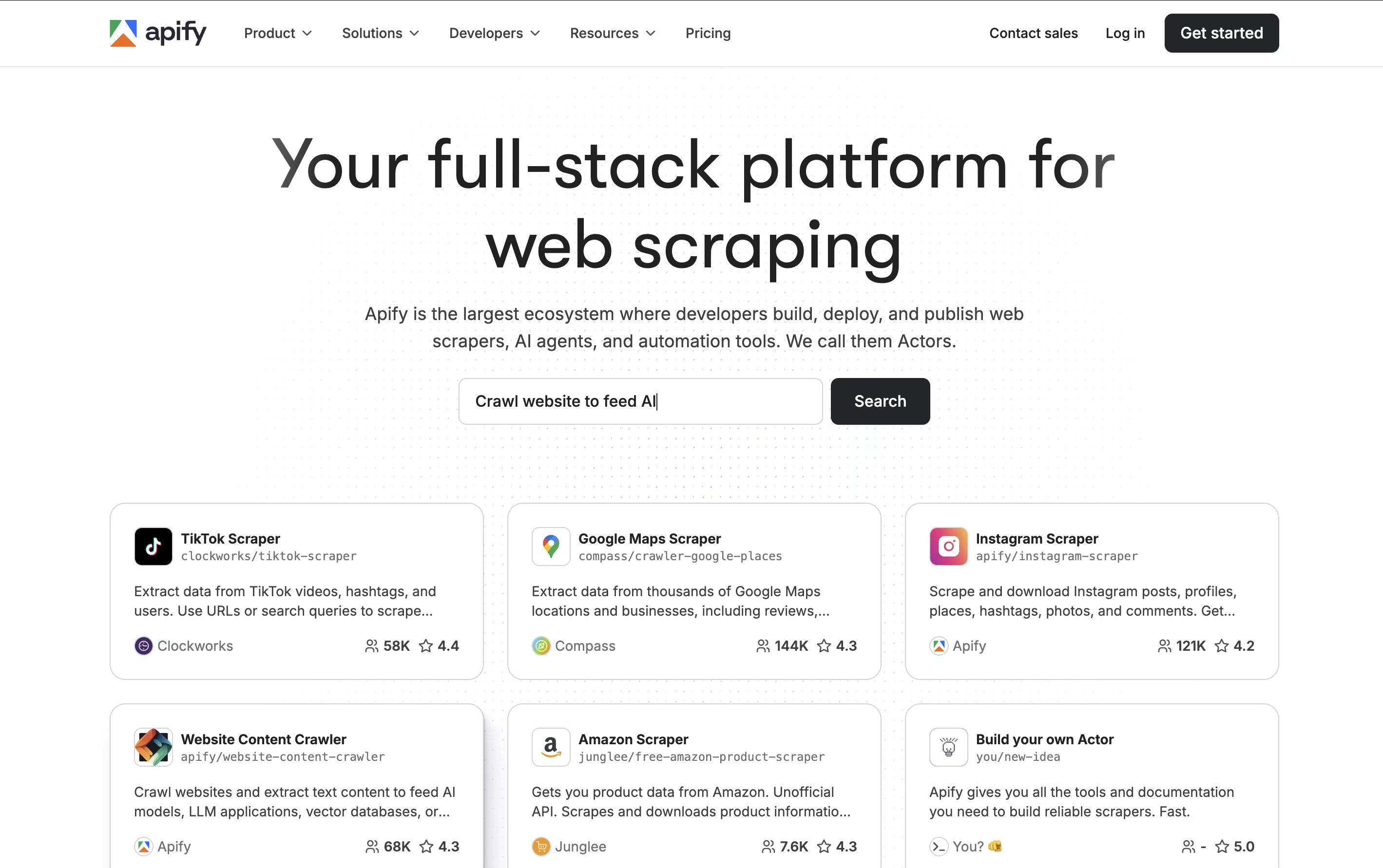
The platform hosts over 6,000 pre-built scrapers and automation tools called "Actors" that can extract data from popular websites like Google Maps, Instagram, Amazon, LinkedIn, and many others. Each Actor is like a specialized robot that knows exactly how to navigate and collect data from specific websites. The main difference from building your own scrapers is simplicity: instead of dealing with proxies, browser management, and anti-bot measures, you just choose an Actor, configure it, and let it run. Founded in 2015, Apify has become the largest ecosystem for web scraping tools, serving over 10,000 customers worldwide.