

Best 14+ AI Data Analytics Tools in 2026
Last Updated: October 5, 2025
Turning raw data into clear, actionable insight typically requires both technical skill and time. AI Data Analytics tools analyze large data sets automatically, surfacing trends, anomalies, and recommendations without manual querying.
These tools are widely used by analysts, business teams, and data driven organizations that need fast, reliable insights. Automated analysis makes it possible to act on data trends much sooner than traditional reporting cycles allow.
 Strapi
 StrapiOpen-Source Headless CMS for Developers,
  Insomnia
 InsomniaOpen-Source API Client for REST, GraphQL & More, and
  Postman
 PostmanComplete API Development Platform for Testing & Collaboration are the best for AI Data Analytics. So, let’s take a closer look at all 14+ tools.
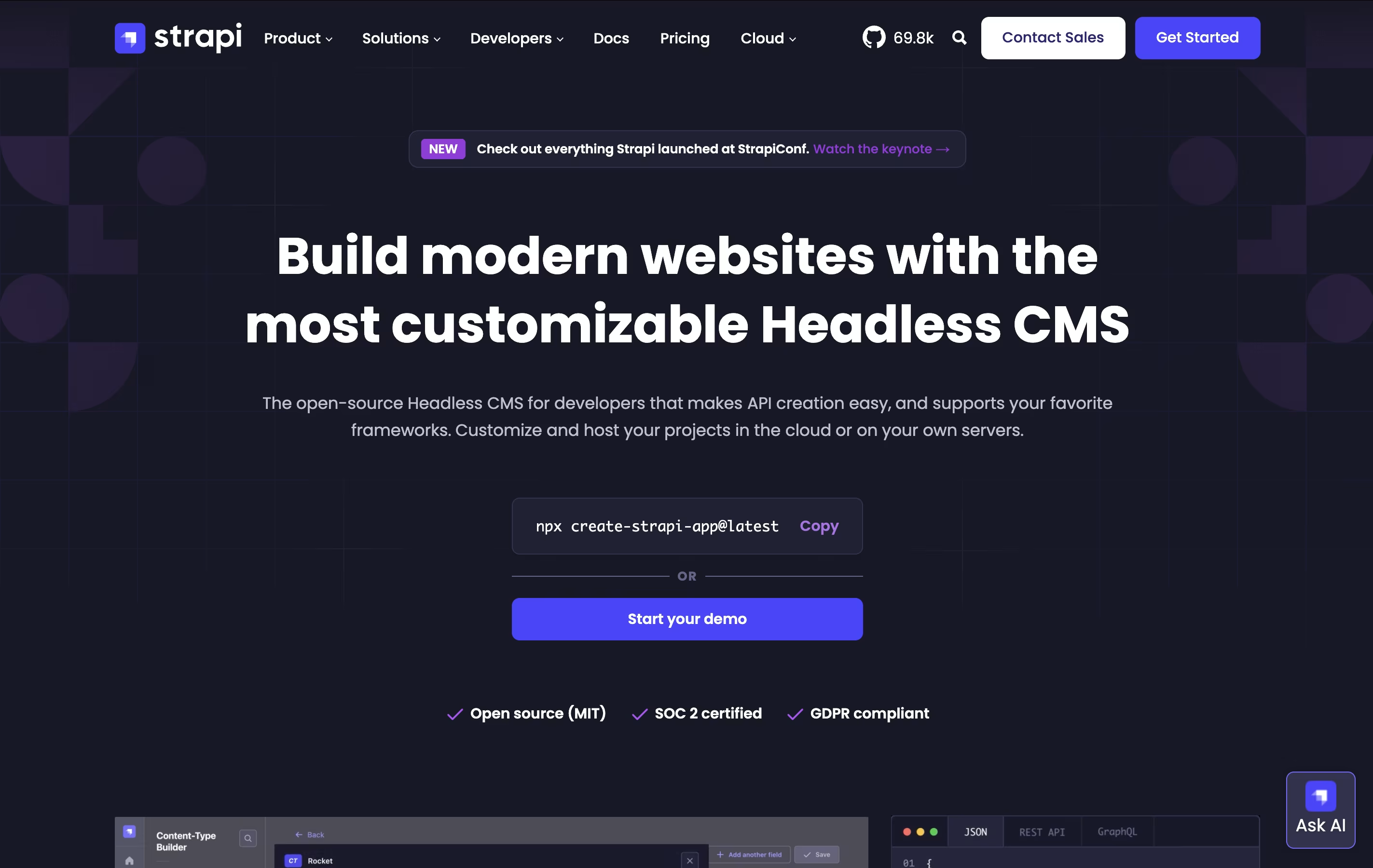
Strapi is an open-source headless CMS built with Node.js that delivers content through APIs instead of traditional web pages. Think of it as a smart backend system that stores and manages your content, then sends it anywhere you need through REST or GraphQL APIs.
The main difference from traditional systems like WordPress is flexibility. Instead of forcing you to use specific templates, Strapi lets you build exactly what you need. You control everything: the database, the content structure, and how it all works together. Each project starts with built-in features like user management, permissions, and content organization.
Founded in 2015, Strapi has become popular with over 60,000 stars on GitHub and millions of downloads. You can host it yourself on your own servers or use Strapi Cloud for managed hosting, making it perfect for any project size.
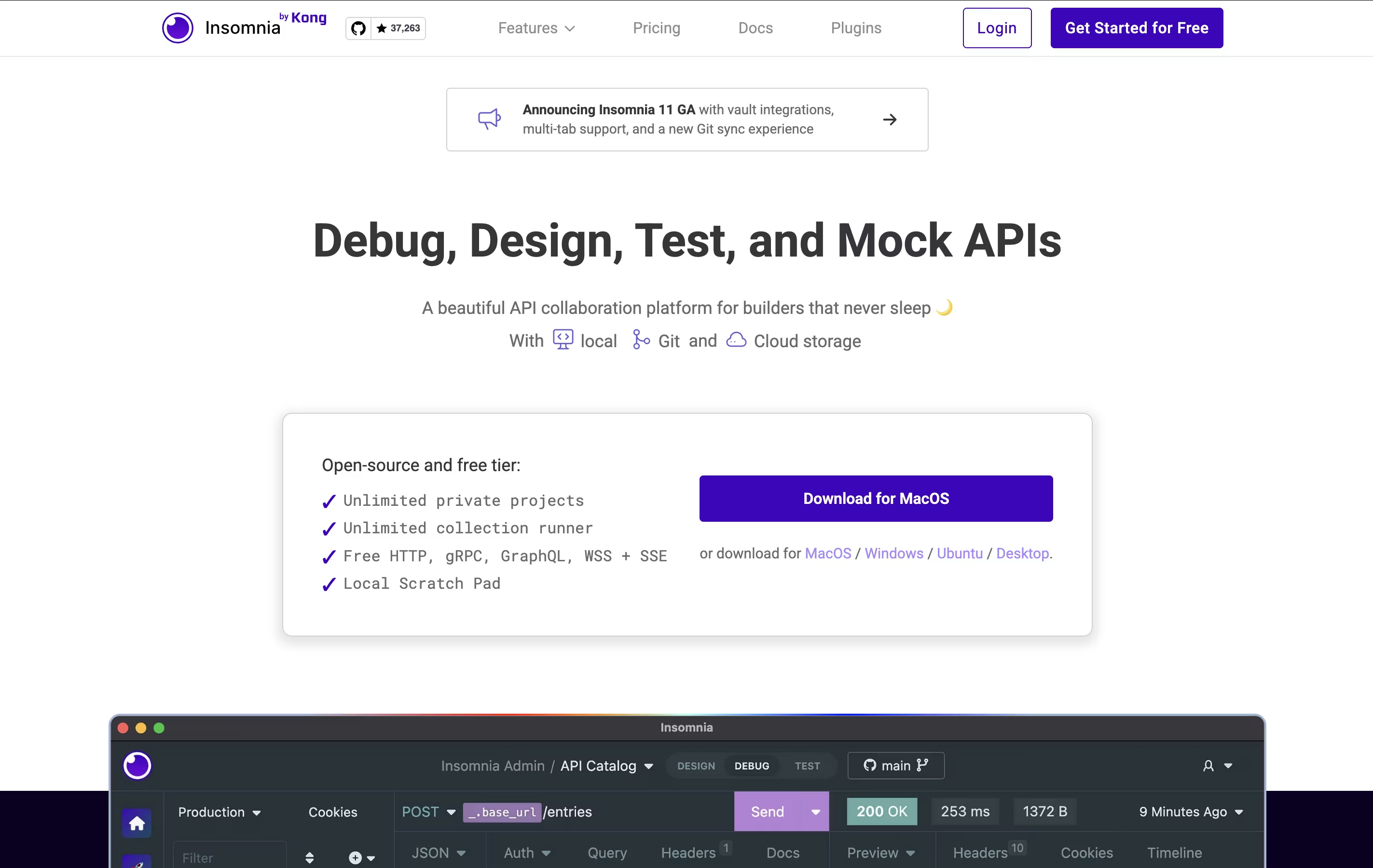
Insomnia is a desktop application that lets you test and work with APIs. Think of it as a specialized tool for developers who need to send requests to APIs and check the responses they get back. It supports all major API types, so you don't need different tools for different projects.
The tool includes helpful features like environment variables (which let you switch between different settings easily), code generation (which creates code snippets you can use), and authentication helpers (which handle login details). You can also create mock servers to test your APIs before they're fully built.
Insomnia offers both free and paid versions. The free version works great for most individual developers, while paid plans add team features and extra tools.
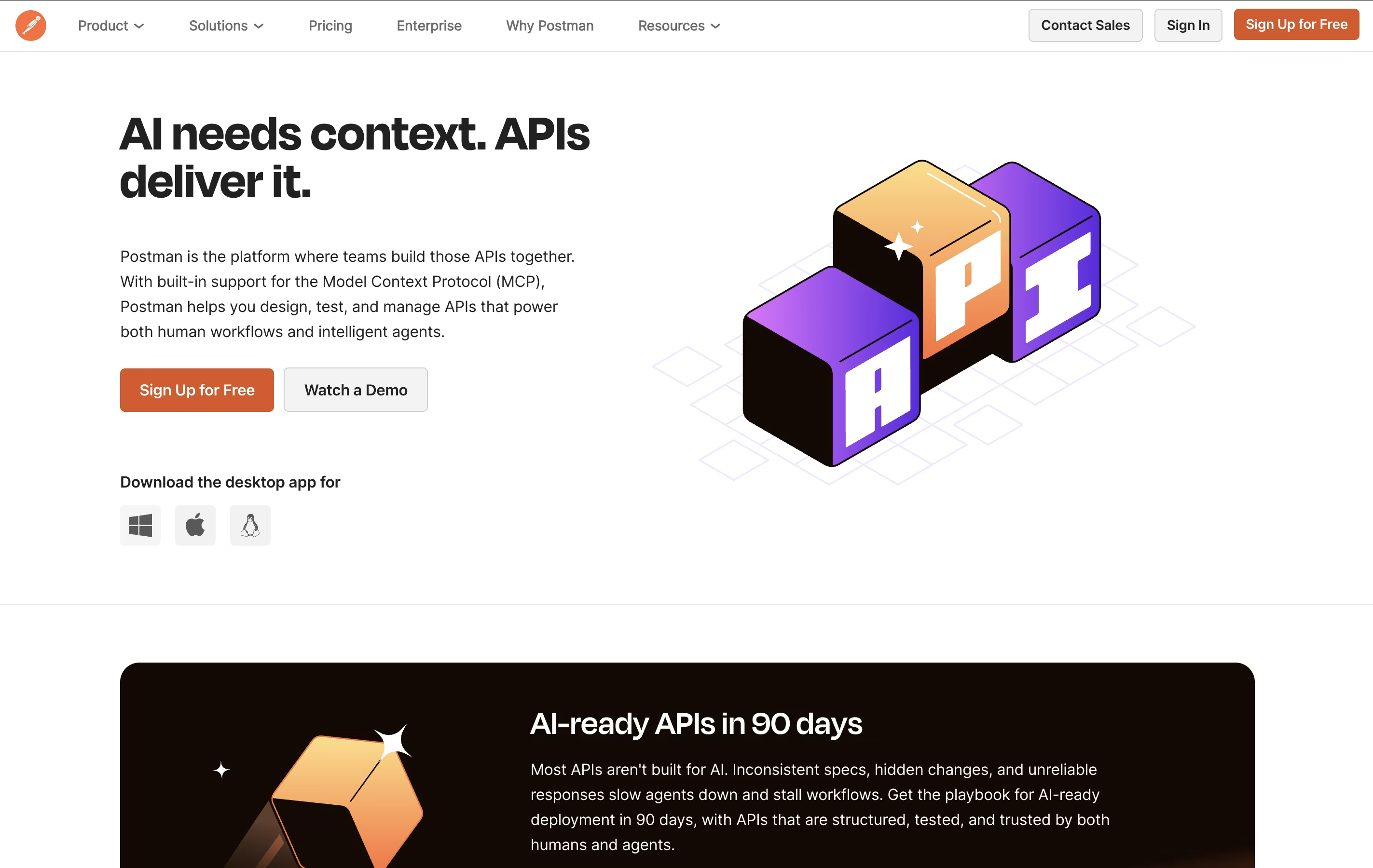
Postman is an all-in-one platform for working with APIs throughout their entire lifecycle. It provides tools to send API requests, view responses, write tests, create documentation, and monitor performance. Unlike basic HTTP clients, Postman offers a complete environment where teams can organize their work into collections, share them with teammates, and automate testing.
The platform includes an easy-to-use interface where you can build requests without writing code, though it also supports advanced scripting when needed. Postman works as a desktop app, web app, or through command-line tools for automation. It integrates with popular development tools and supports team collaboration through workspaces, making it ideal for both individual developers and large organizations building complex API systems.

Tencent RTC is a comprehensive real-time communication platform that gives developers powerful tools to build interactive audio and video experiences. It offers SDKs and APIs that work across all platforms, making it easy to add features like video calling, voice chat, live streaming, and instant messaging to any application.
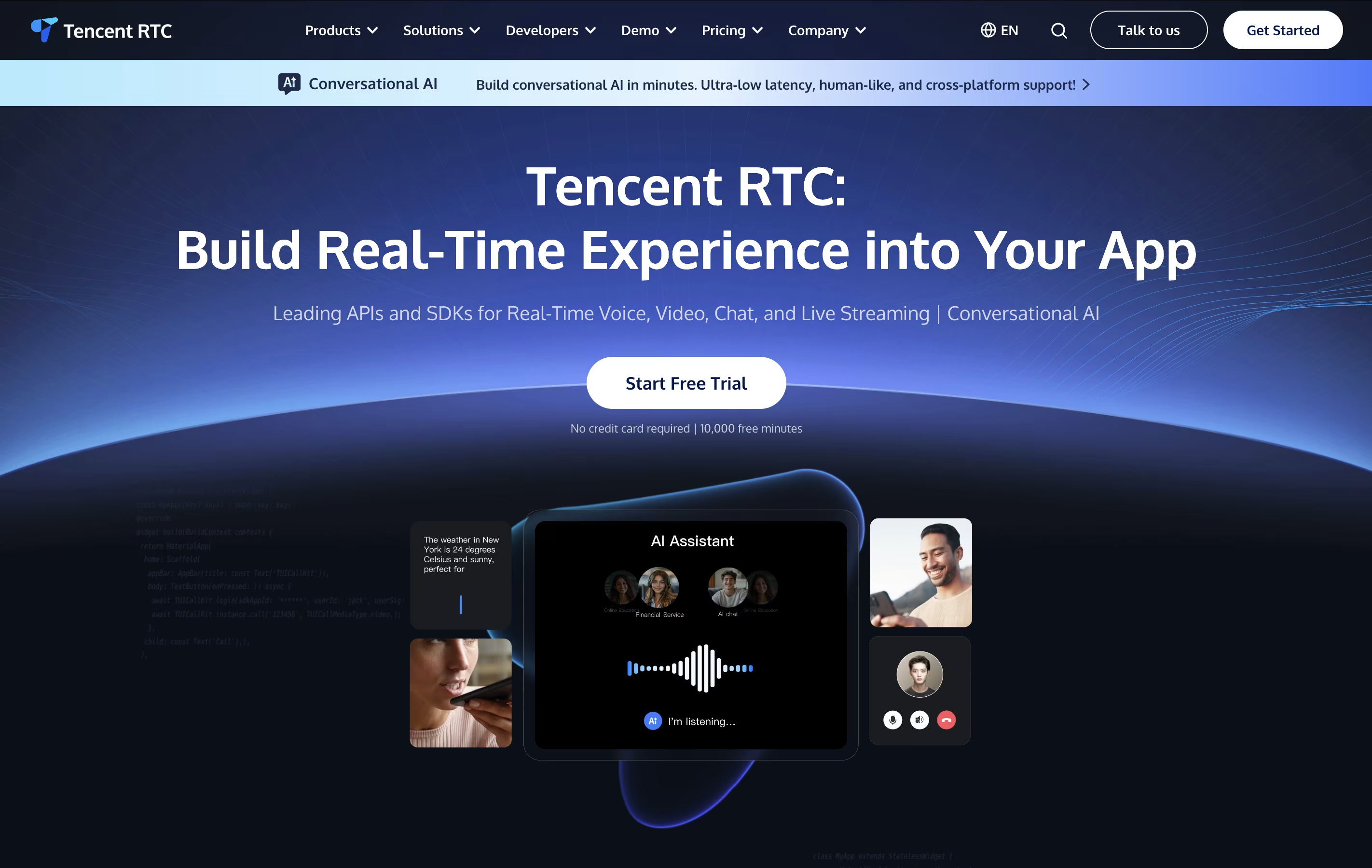
The platform handles complex technical challenges like network optimization, audio processing, and video encoding automatically. This means developers can focus on building great user experiences instead of worrying about technical details. It supports everything from simple one-on-one video calls to massive live streaming events with thousands of viewers.
With built-in features like beauty filters, screen sharing, recording, and AI-powered noise reduction, Tencent RTC provides enterprise-grade communication tools that scale from small startups to large businesses serving millions of users.

Heap is a product analytics tool that automatically tracks and analyzes user behavior on websites and mobile applications. Unlike traditional analytics platforms that require manual setup for each event you want to track, Heap captures everything automatically from the moment you install its code snippet.
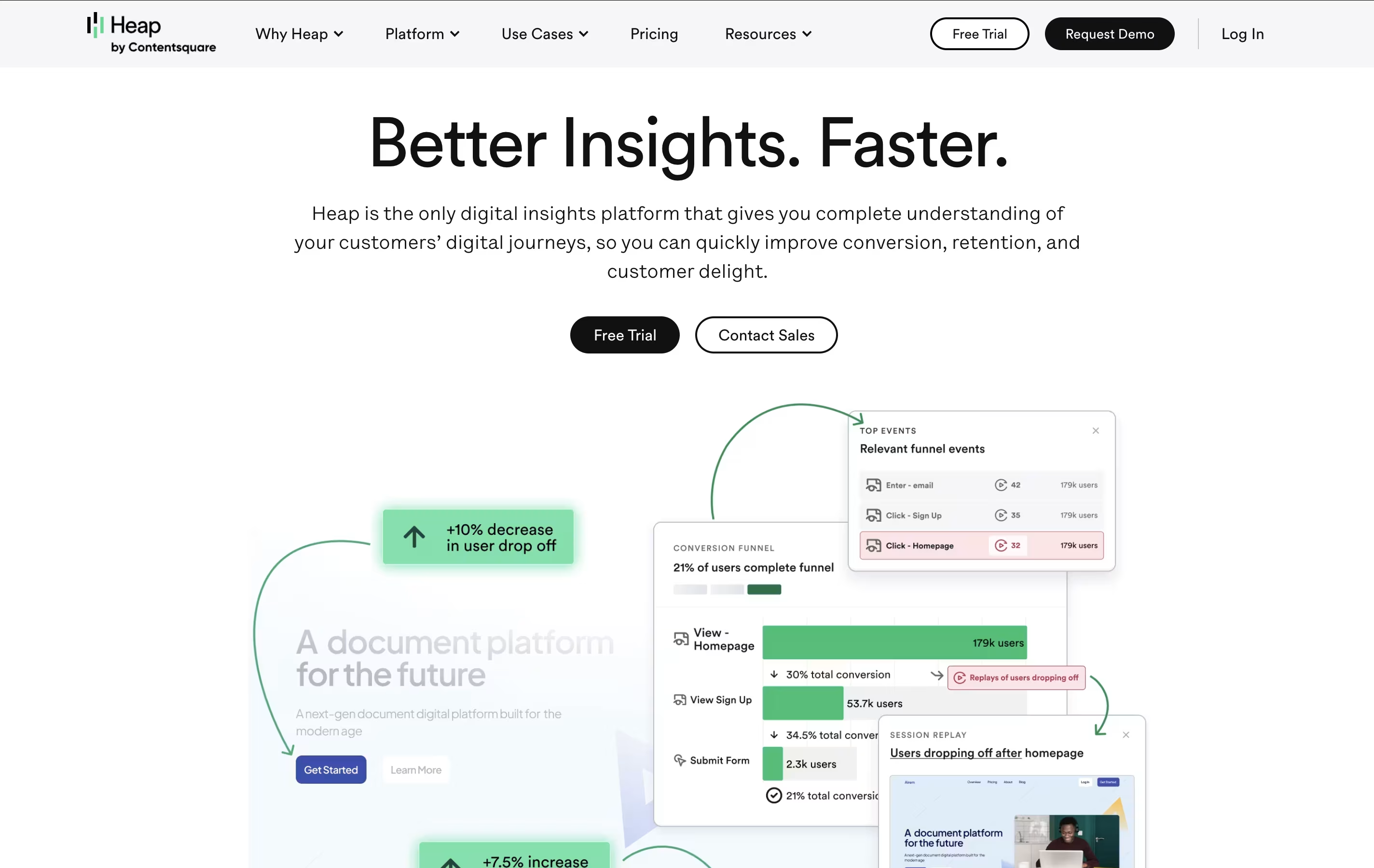
The platform provides features like funnel analysis, session replay, user journey mapping, and conversion tracking. You can see exactly how users navigate through your product, where they encounter friction, and what leads to successful conversions. Heap also offers retroactive analysis, meaning you can analyze historical data for events you didn't initially plan to track.
This makes it particularly valuable for product managers, marketers, and UX designers who need comprehensive insights into user behavior to optimize their digital experiences.

Usermaven is a privacy-focused analytics platform that provides both website analytics and product analytics in one simple tool. Founded in 2021, this cloud-based solution serves as a smart alternative to Google Analytics, focusing on ease of use and privacy compliance.
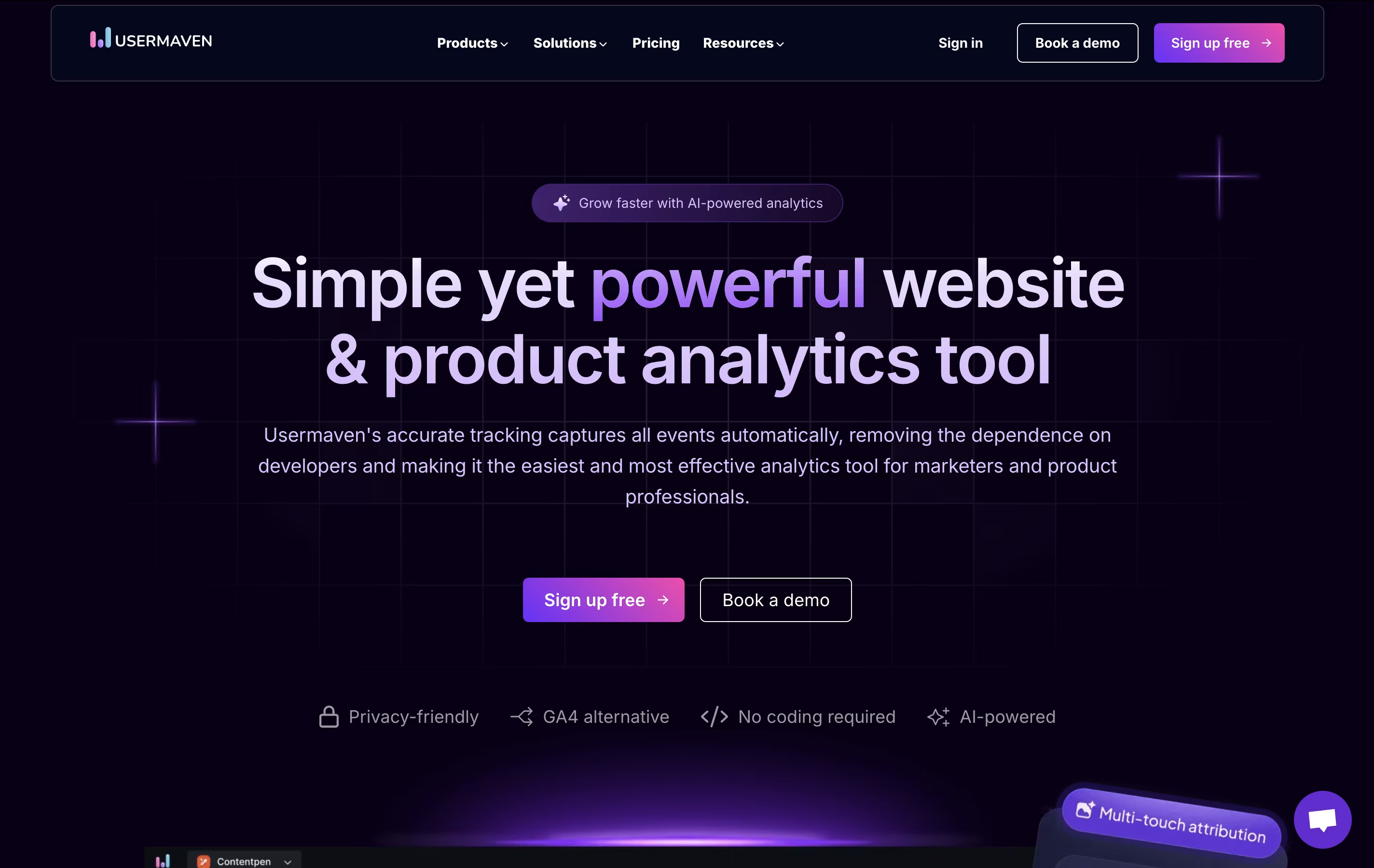
The platform automatically captures user interactions like clicks, form submissions, and page visits without requiring any coding knowledge. What makes Usermaven special is its commitment to privacy – it offers cookieless tracking, hosts data in EU servers, and fully complies with GDPR and CCPA regulations.
Usermaven combines the power of advanced analytics with AI-driven insights to help businesses understand user behavior, track marketing campaigns, and improve product adoption. The tool serves everyone from small business owners to large enterprises, providing clear, actionable data that helps make better business decisions without compromising user privacy.

Luzmo is an embedded analytics platform built for SaaS companies that want to add data visualization capabilities to their products. Think of it as a toolkit that lets you embed interactive dashboards, charts, and reports directly into your application without building everything from scratch.
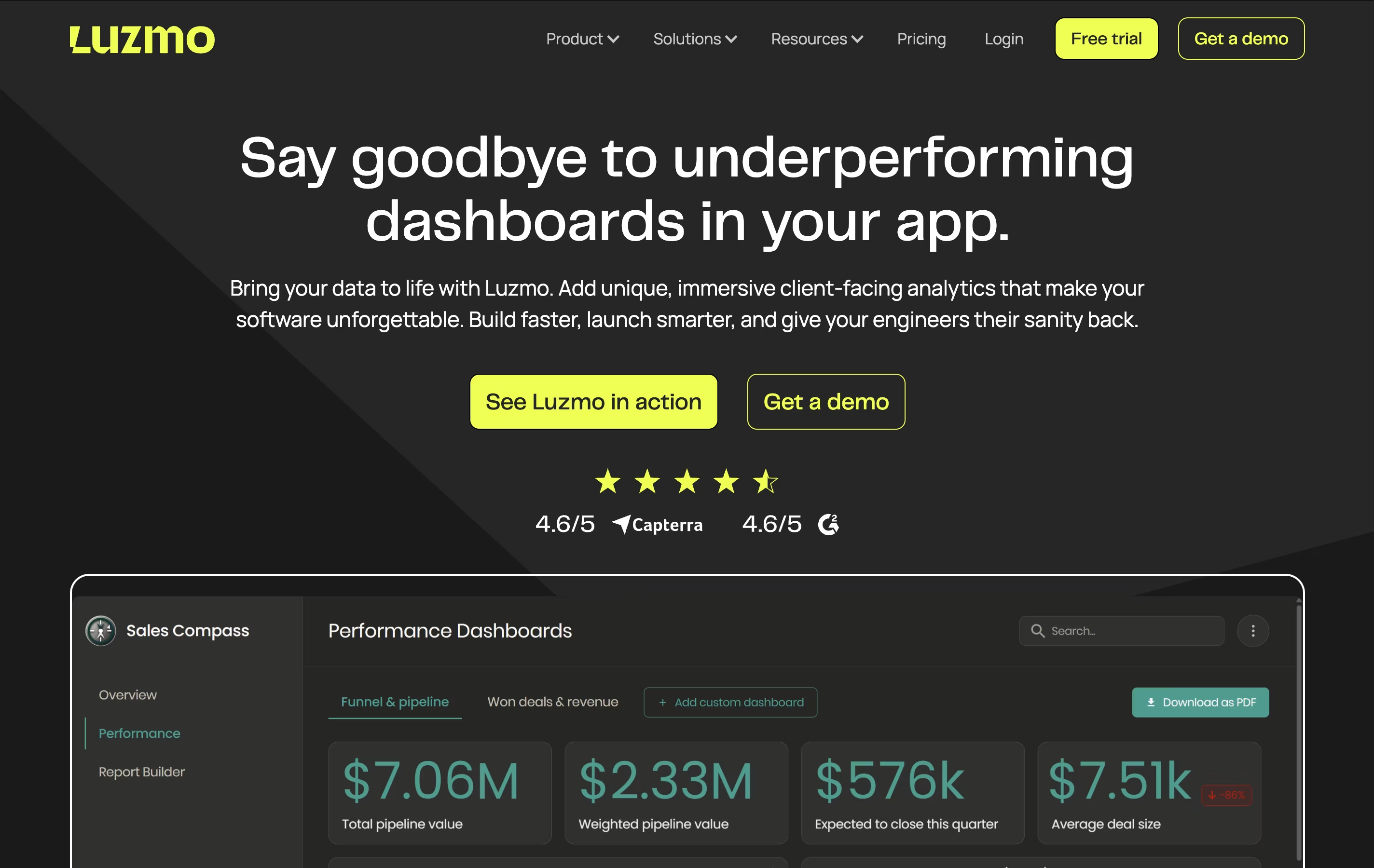
The platform provides everything needed for embedded analytics: drag-and-drop dashboard builders, AI-powered insights, real-time data connections, and complete white-label customization. Your users can interact with data, create their own visualizations, and get insights without ever leaving your application.
What makes Luzmo special is its focus on embedding. Unlike traditional business intelligence tools meant for internal use, Luzmo is designed to become part of your product experience. It supports multi-tenancy, allowing you to serve analytics to many customers while keeping their data completely separate and secure.

Lumenore is a complete business intelligence platform that helps companies analyze their data using artificial intelligence. Unlike traditional analytics tools that require technical expertise, Lumenore works with simple, everyday language. You can ask questions like "What are my top-selling products?" and get instant visual answers.
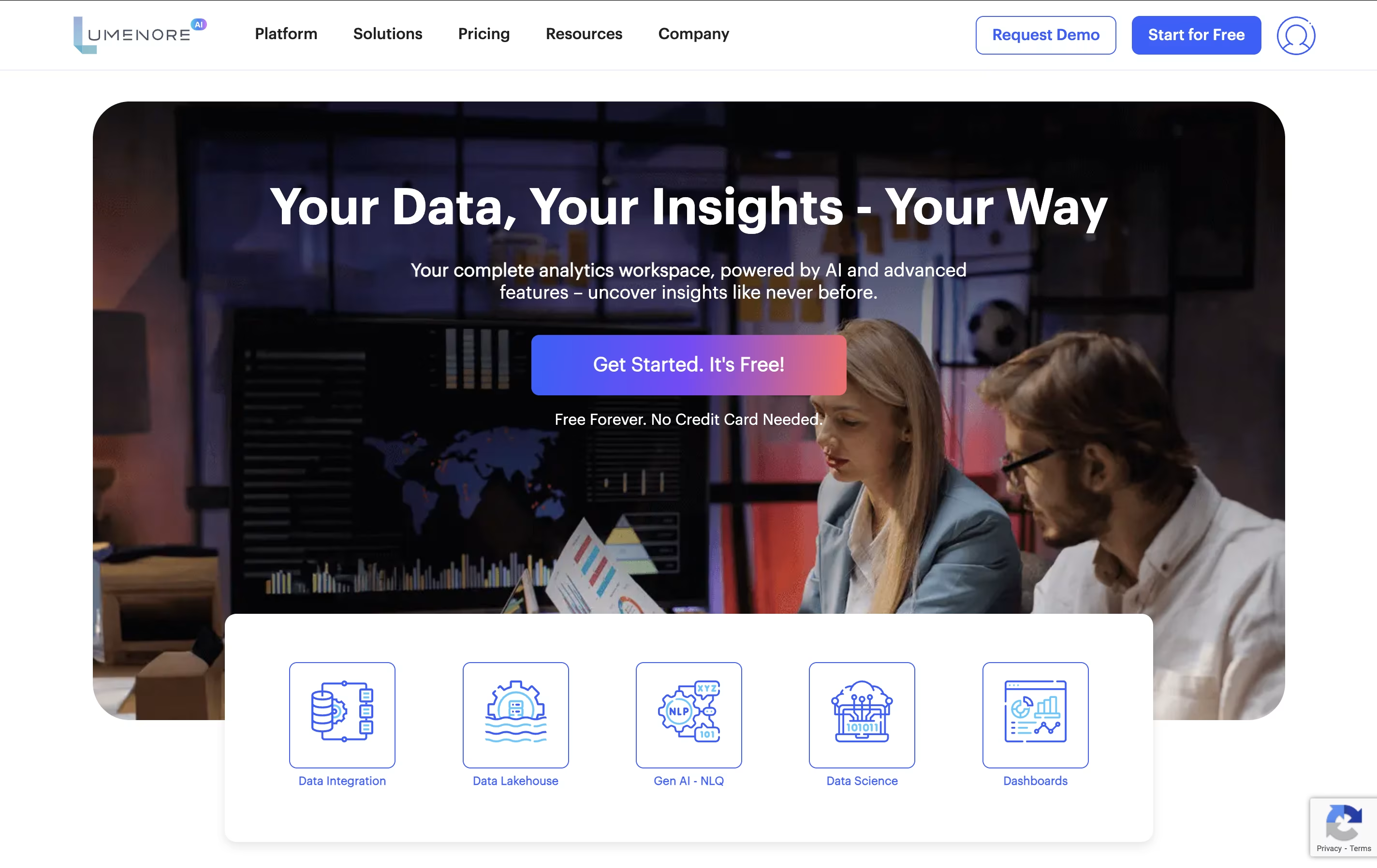
The platform connects to over 50 different data sources, including databases, spreadsheets, and popular business tools. It creates a single place where all your company data comes together. The AI engine, called "Do You Know," automatically finds patterns, trends, and unusual changes in your data. It also predicts future outcomes to help with planning. With customizable dashboards and easy-to-understand charts, anyone in your organization can access insights and make data-driven decisions quickly.

Basedash is an AI-powered platform that turns your database into a collaborative workspace for visualizing, editing, and exploring data without any coding knowledge. Think of it as having a conversation with your data – you ask questions in plain English, and Basedash creates charts, dashboards, and admin panels automatically.
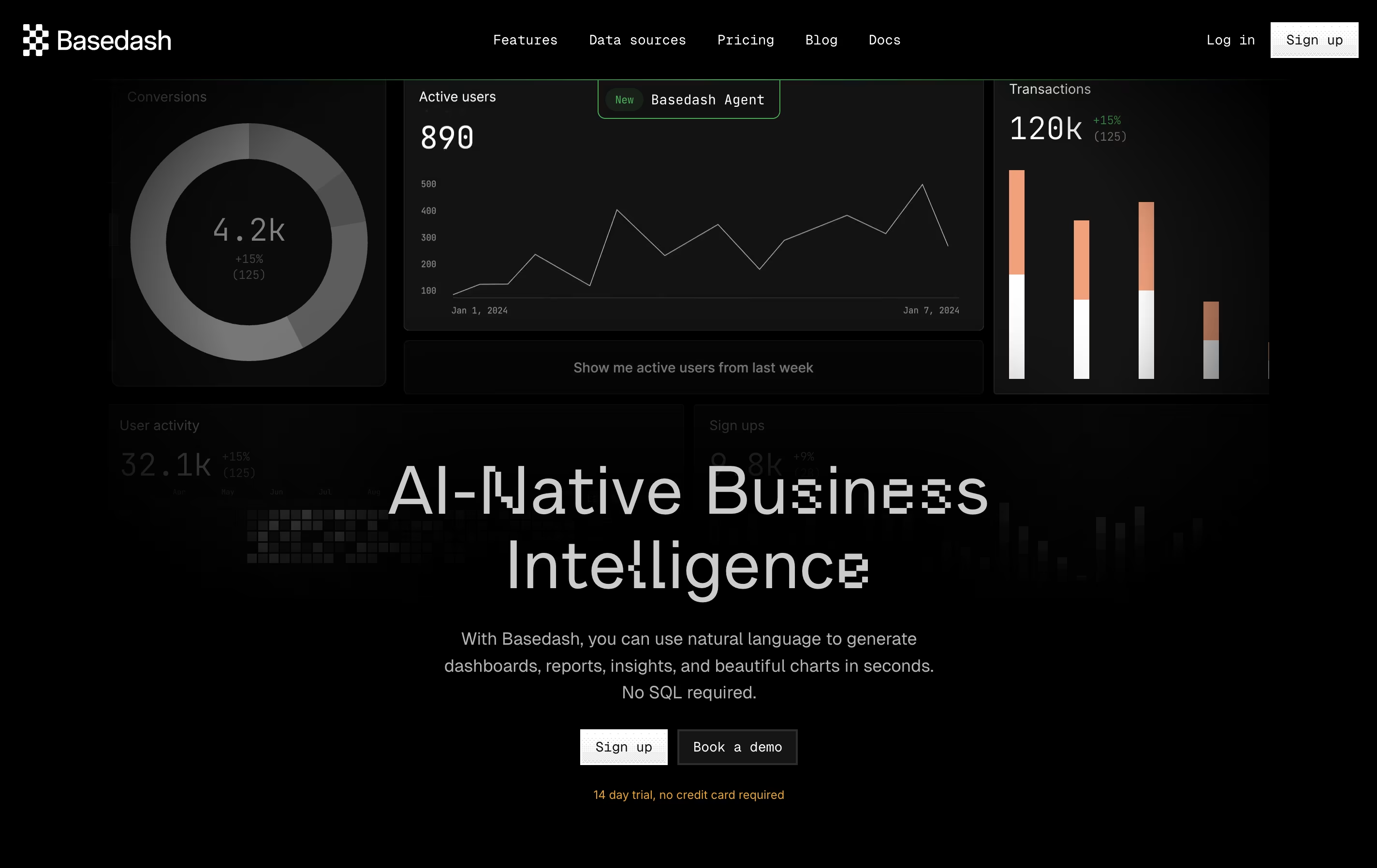
The platform works by connecting directly to your database or data warehouse, then using artificial intelligence to understand your data structure and relationships. You can create custom CRM systems, build business intelligence dashboards, generate reports, and manage your data through an intuitive interface that feels like using a spreadsheet.
What sets Basedash apart is its natural language processing capabilities. Instead of writing SQL queries or learning complex tools, you simply tell it what you want to see, and it creates the visualization for you instantly.

Baremetrics is a subscription analytics platform that transforms raw payment data into clear business insights. When you connect your payment processor, it automatically calculates over 20+ important metrics including Monthly Recurring Revenue, Annual Run Rate, customer churn, and average revenue per user.
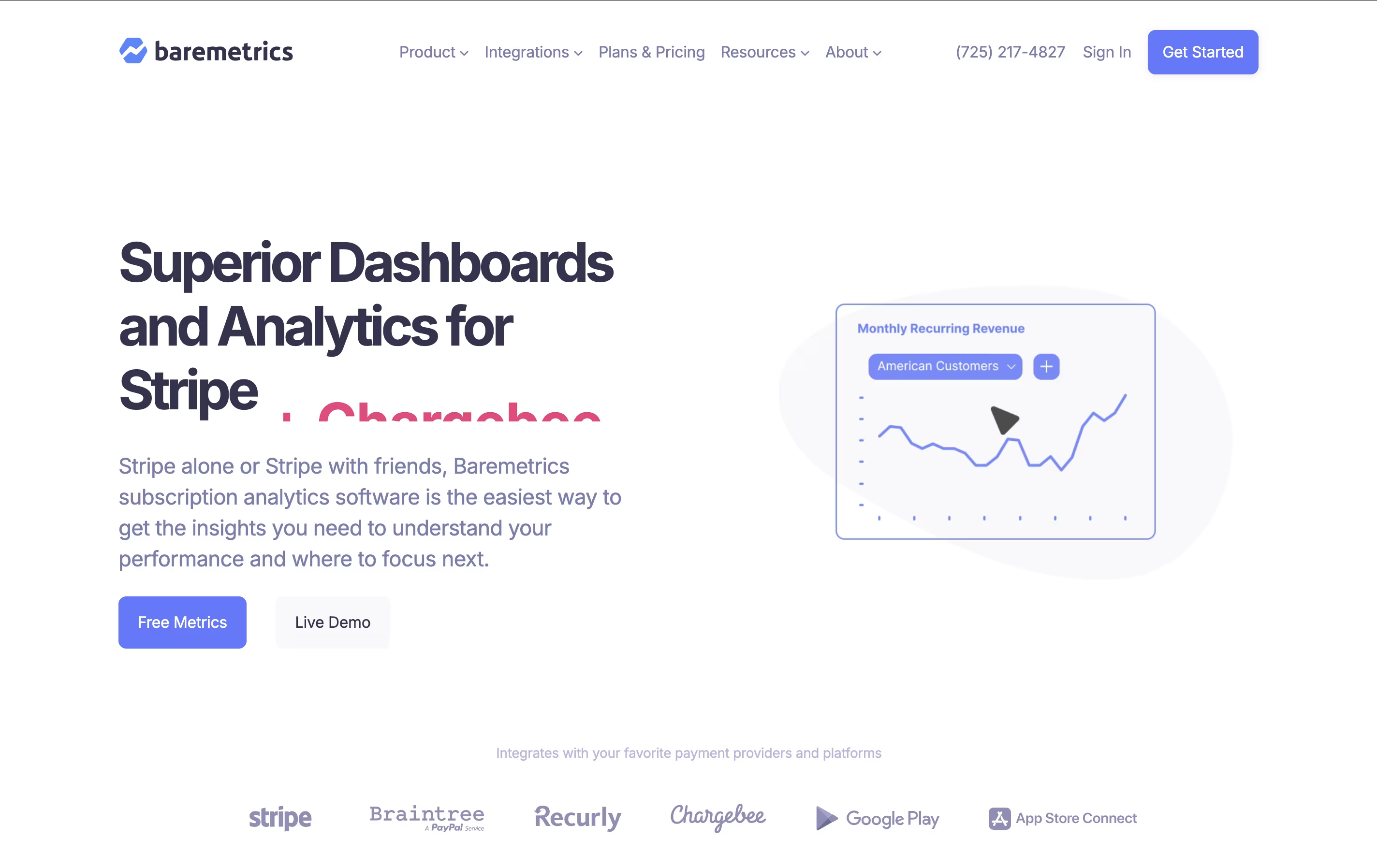
Unlike general analytics tools, Baremetrics is designed specifically for subscription businesses, so every feature addresses the unique challenges of recurring revenue models. The platform provides real-time dashboards that show what is happening with your business today, forecasting tools to plan for tomorrow, and historical data to understand trends.
Baremetrics works with popular payment processors like Stripe, Braintree, Recurly, and Chargebee. It offers modular pricing where you only pay for the features you need, including core metrics, failed payment recovery, and cancellation insights to reduce customer churn.

Mitzu is a warehouse-native product analytics platform designed specifically for businesses that want to analyze their data without the complexity and costs of traditional analytics tools. Think of it as a smart layer that sits on top of your existing data warehouse, automatically generating SQL queries based on your questions and needs.
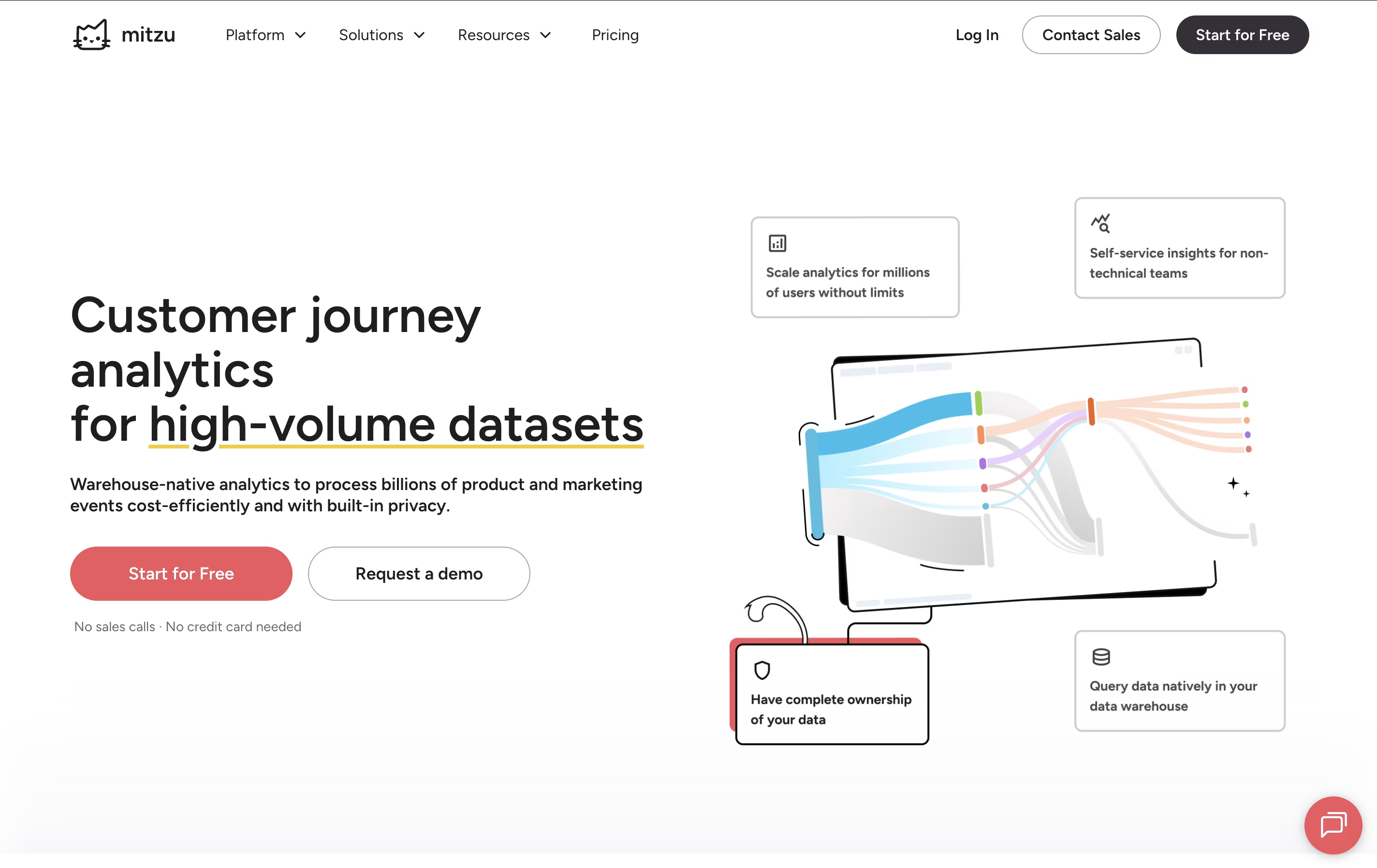
The platform specializes in product, marketing, and revenue analytics, helping teams understand user behavior, track customer journeys, measure retention rates, and analyze conversion funnels. What makes Mitzu unique is its commitment to data privacy - your information never leaves your warehouse.
Instead of copying data to external servers like other analytics tools, Mitzu generates native SQL queries that run directly in your data warehouse. This approach ensures better security, unlimited historical data access, and significant cost savings, especially for businesses with large datasets and many non-paying users.

Appfigures is an all-in-one mobile app analytics and intelligence platform that provides developers and marketers with complete visibility into their app's performance and the competitive landscape. It automatically collects data from major app stores, ad networks, and analytics providers to give you a unified view of your mobile business.
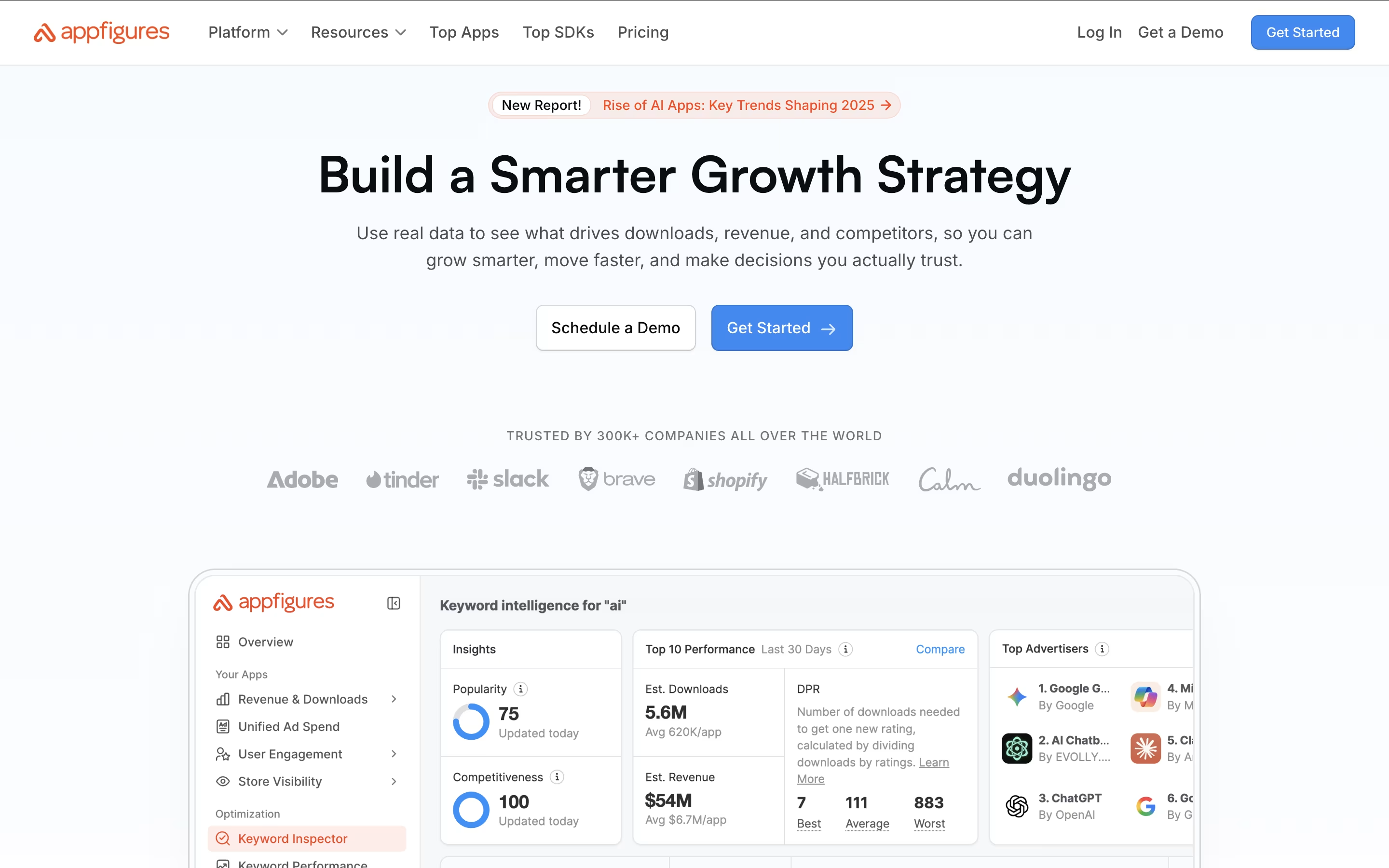
The platform offers three main areas of functionality. First, comprehensive analytics that track downloads, revenue, subscriptions, ratings, and rankings across all app stores. Second, powerful ASO tools that help you discover high-performing keywords, track ranking changes, and optimize your app store listings. Third, competitive intelligence that lets you monitor competitor performance, analyze market trends, and identify growth opportunities.
Whether you're an indie developer with one app or a large publisher managing dozens of apps, Appfigures provides the insights you need to understand your performance, outsmart competitors, and grow downloads organically.

Metabase is an open-source business intelligence platform designed to make data accessible to everyone in your organization. Instead of requiring SQL knowledge or technical training, it provides a visual query builder that lets users click and drag to create charts, graphs, and dashboards.
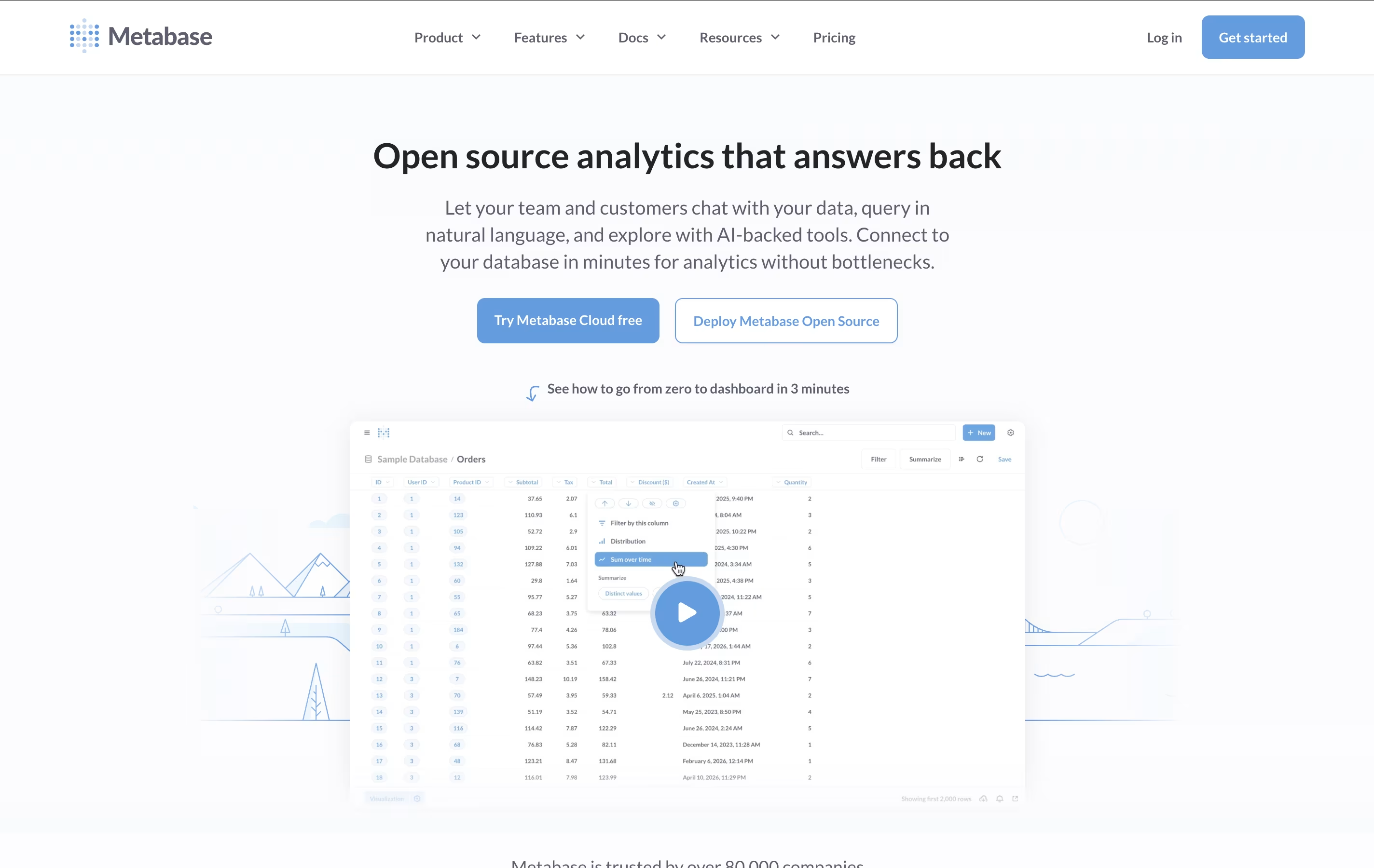
The platform connects to over 20 different databases and data sources, from PostgreSQL and MySQL to cloud services like BigQuery and Snowflake. It queries your data directly without copying or storing it elsewhere, which keeps everything secure and up-to-date.
Metabase offers both self-hosted and cloud deployment options. The open-source version includes all core features for free, while paid plans add advanced permissions, embedding capabilities, and professional support. Whether you're a startup analyzing customer data or an enterprise building internal dashboards, Metabase scales from simple charts to complex multi-user analytics platforms.

ChartMogul is a subscription analytics platform that automatically imports data from your billing systems and converts it into meaningful business metrics. Instead of spending hours calculating revenue numbers in spreadsheets, you get instant access to key performance indicators that matter for subscription businesses.
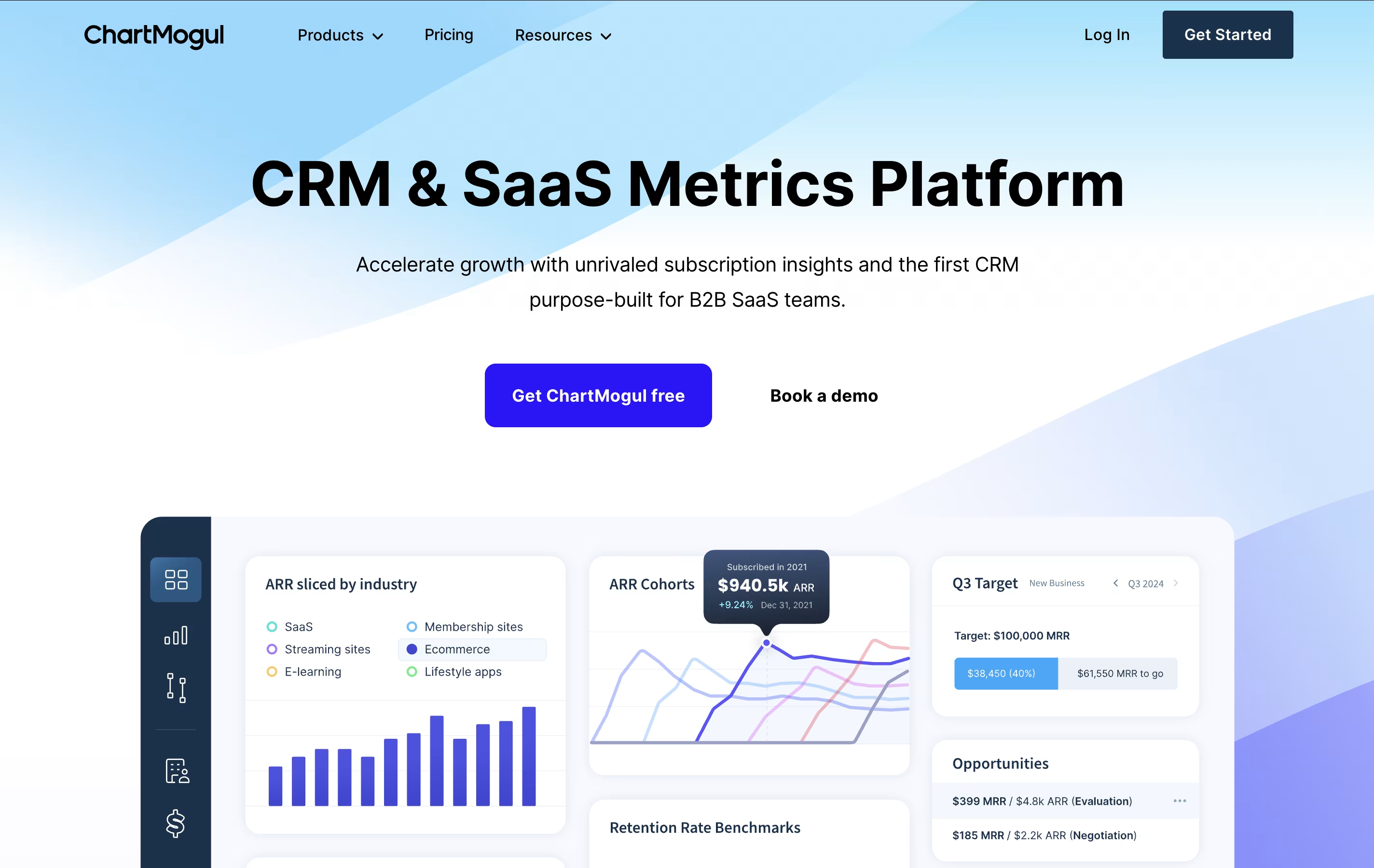
The platform tracks essential metrics like Monthly Recurring Revenue, Annual Recurring Revenue, customer churn rates, and customer lifetime value. It also provides cohort analysis, segmentation tools, and benchmarking features to compare your performance against industry standards.
ChartMogul offers both analytics and CRM functionality, making it a complete solution for managing subscription data and customer relationships. It serves businesses from early-stage startups to enterprise companies, with pricing based on your revenue size.

MotherDuck is a serverless cloud analytics platform that extends DuckDB's capabilities to the cloud. Think of it as "DuckDB as a Service" – you get all the speed and simplicity of DuckDB but with cloud-scale storage, sharing, and collaboration features.
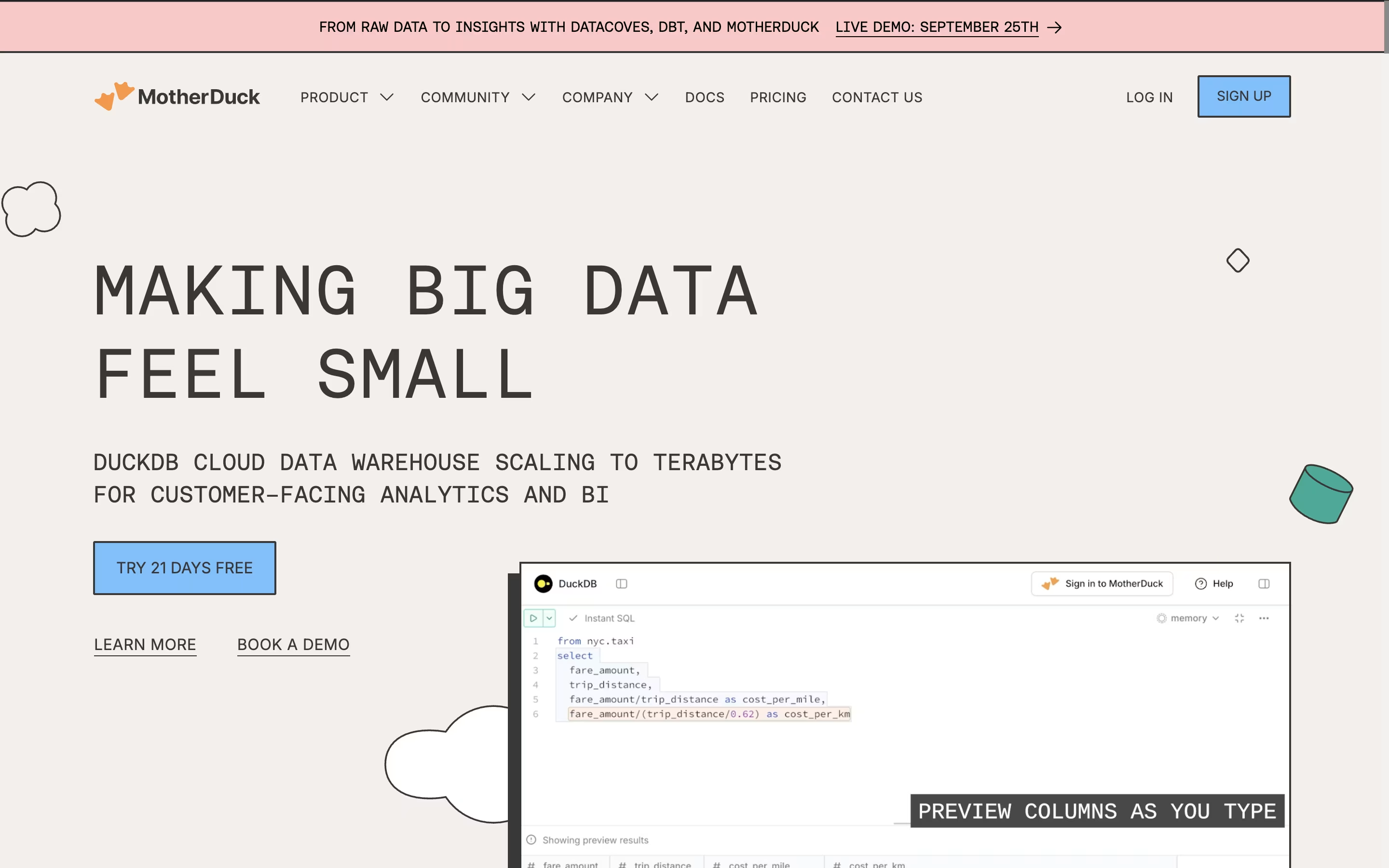
The platform uses a unique hybrid processing model where queries can run on your local machine, in the cloud, or both simultaneously. This means you keep the fast performance of local analytics while gaining the benefits of cloud computing when you need them. Each user gets their own isolated compute instance, eliminating resource conflicts and ensuring consistent performance.
Founded by database veterans from companies like Google BigQuery and Snowflake, MotherDuck is designed for teams who want powerful analytics without the complexity of traditional data warehouses. It supports standard SQL, integrates with popular data tools, and makes sharing data as simple as sending a link.

Amplitude is a product analytics platform that tracks user behavior through events and interactions. Unlike traditional web analytics that focus on page views, Amplitude captures specific actions like button clicks, feature usage, and user flows to create detailed user journey maps.
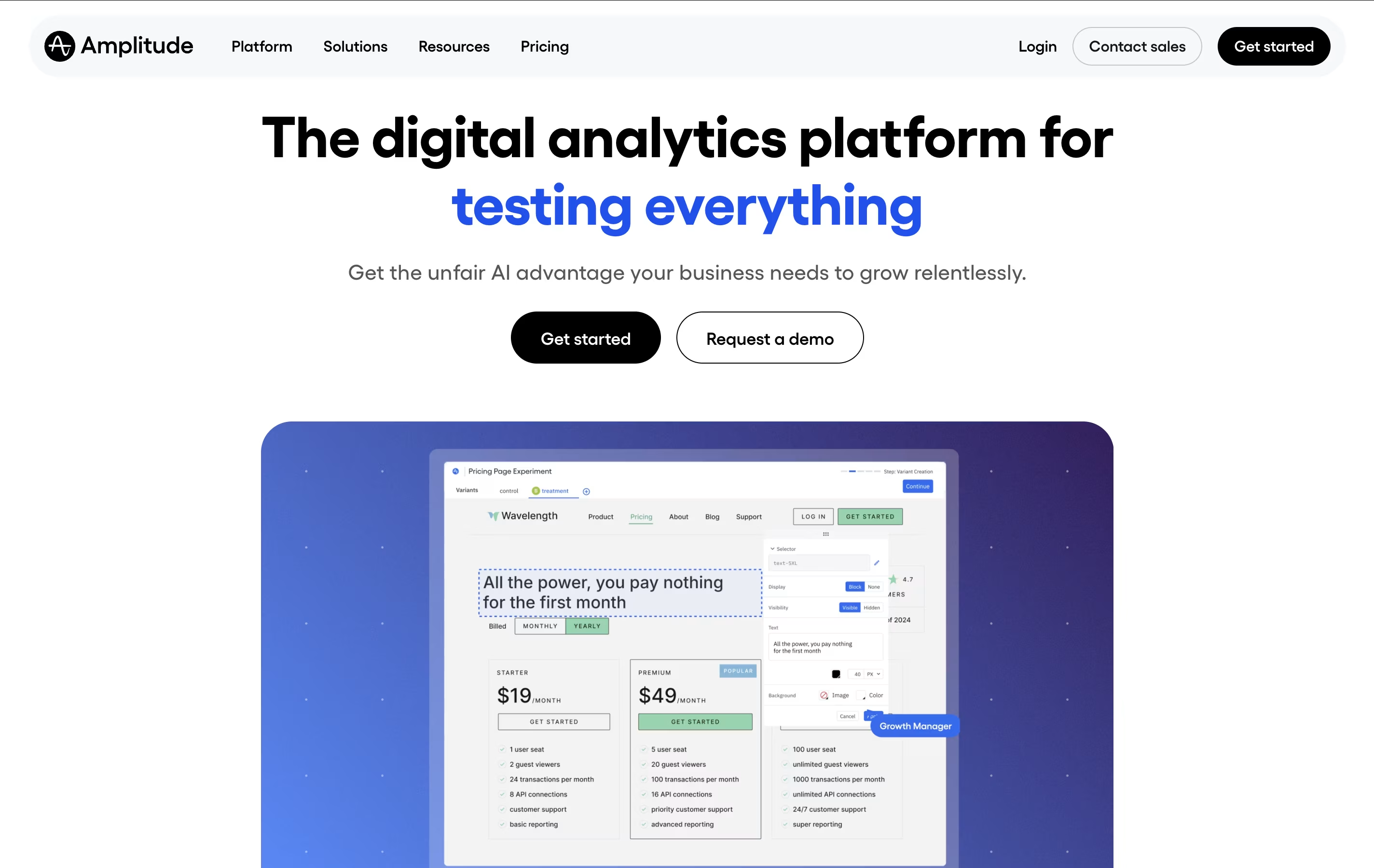
The platform helps businesses answer critical questions like "Which features drive retention?" and "Where do users drop off in our funnel?" It provides real-time insights through advanced segmentation, cohort analysis, and behavioral tracking that help teams optimize their products and improve user experience.
Amplitude offers multiple pricing tiers from a free Starter plan to Enterprise solutions. The platform integrates with popular tools and provides features like A/B testing, user segmentation, and predictive analytics. It's trusted by product managers, growth teams, and data analysts who need to make informed decisions based on actual user behavior rather than guesswork.

FullStory is a digital experience intelligence platform that automatically captures and analyzes user behavior on websites and mobile applications. Think of it as having a security camera for your digital products, but instead of just recording, it understands what's happening.
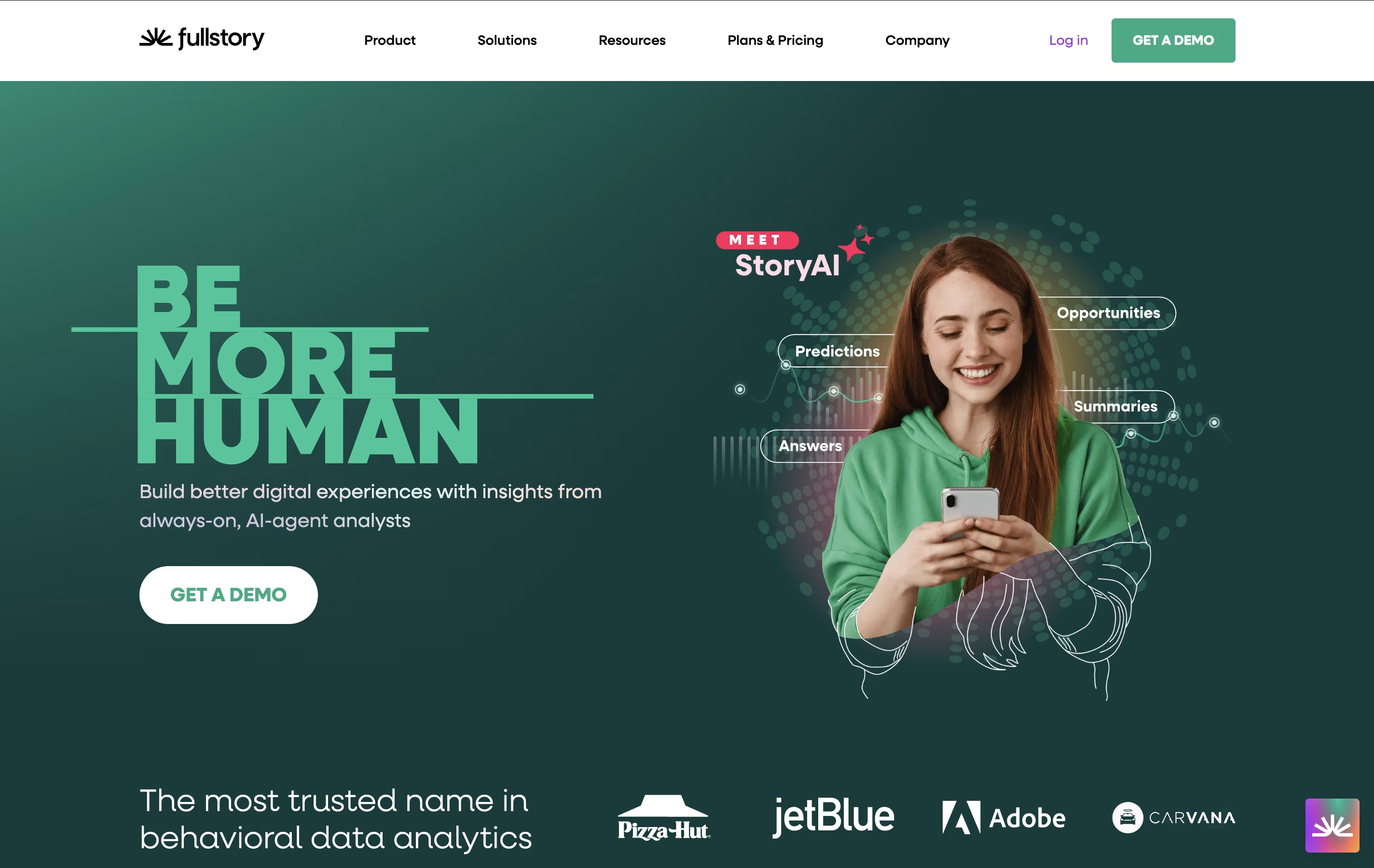
The platform uses advanced technology to record every user session, showing you exactly how visitors navigate your site, where they click, how they scroll, and what causes them to leave. Unlike basic analytics that only show numbers, FullStory provides the context behind those numbers through session replays and behavioral insights.
FullStory serves businesses of all sizes, from startups to large enterprises, helping product teams, marketers, UX designers, and customer support staff understand their users better. With features like automatic error detection, conversion funnels, and AI-powered analysis, it turns user behavior data into actionable insights for improving digital experiences.

Cube.js is a universal semantic layer that sits between your data sources and applications. Think of it as a smart middleware that connects to data warehouses like Snowflake, BigQuery, or Postgres and transforms raw data into business-ready metrics and dimensions.
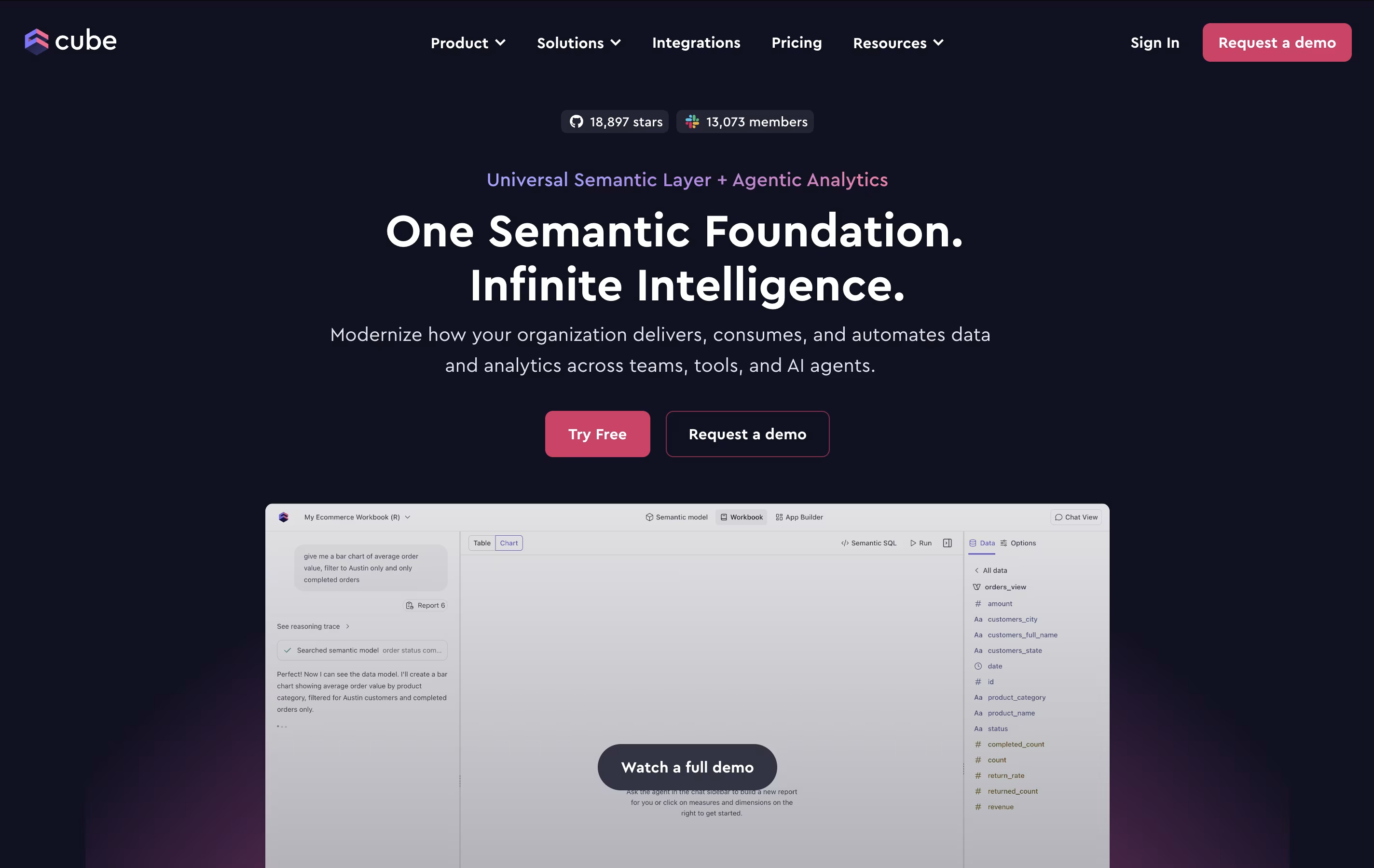
Unlike traditional BI tools that lock you into specific interfaces, Cube.js provides flexible APIs that work with any application or tool. You define your data model once using code, and Cube.js automatically generates optimized SQL queries, handles caching for faster performance, and provides consistent results across all your applications.
The platform consists of two main offerings: Cube Core (open-source) for self-hosting and Cube Cloud (managed service) with additional enterprise features. Both versions support the same core functionality but Cube Cloud includes hosting, security features, and integrations with popular BI tools like Tableau and Power BI.

Pendo is an all-in-one Software Experience Management platform designed to help businesses understand and improve how users interact with their digital products. Think of it as the central command center for your product team, combining analytics, guidance, and feedback tools in one place.
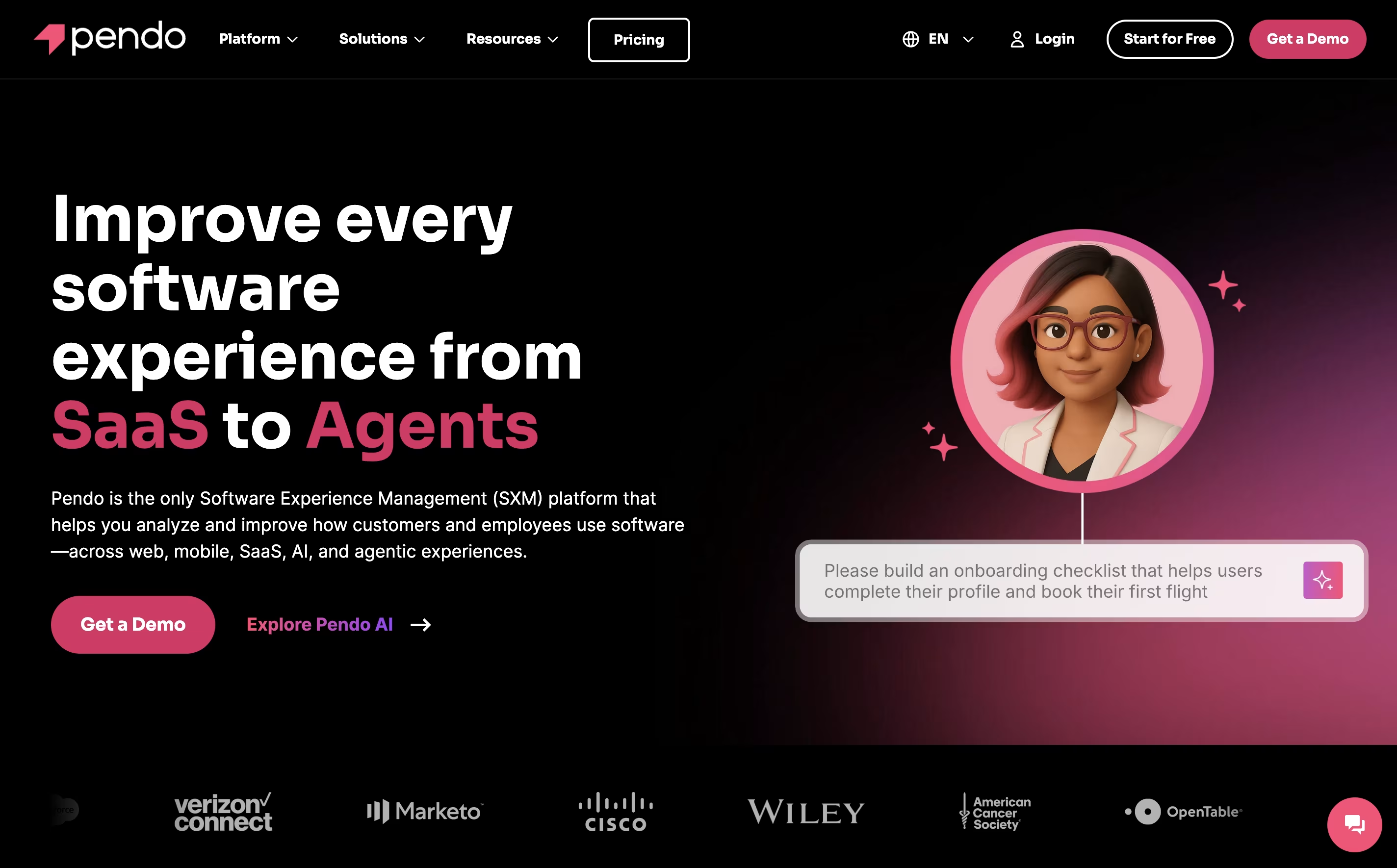
The platform automatically captures user interactions like clicks, page views, and navigation patterns without requiring manual coding or event tracking. This means you can see exactly how people use your software from day one. Pendo goes beyond just showing numbers by providing in-app messaging capabilities, allowing you to guide users with tooltips, walkthroughs, and announcements directly within your application.
What sets Pendo apart is its no-code approach. Product teams can create user guides, launch surveys, and analyze behavior without needing developers. The platform serves companies of all sizes, from startups to enterprise organizations, helping them increase user adoption, reduce churn, and make informed product decisions.

Wondershare is a software company that develops easy-to-use applications for creative professionals, businesses, and everyday users. Their main products solve common digital problems like editing videos, managing PDF documents, recovering lost data, and creating visual content.
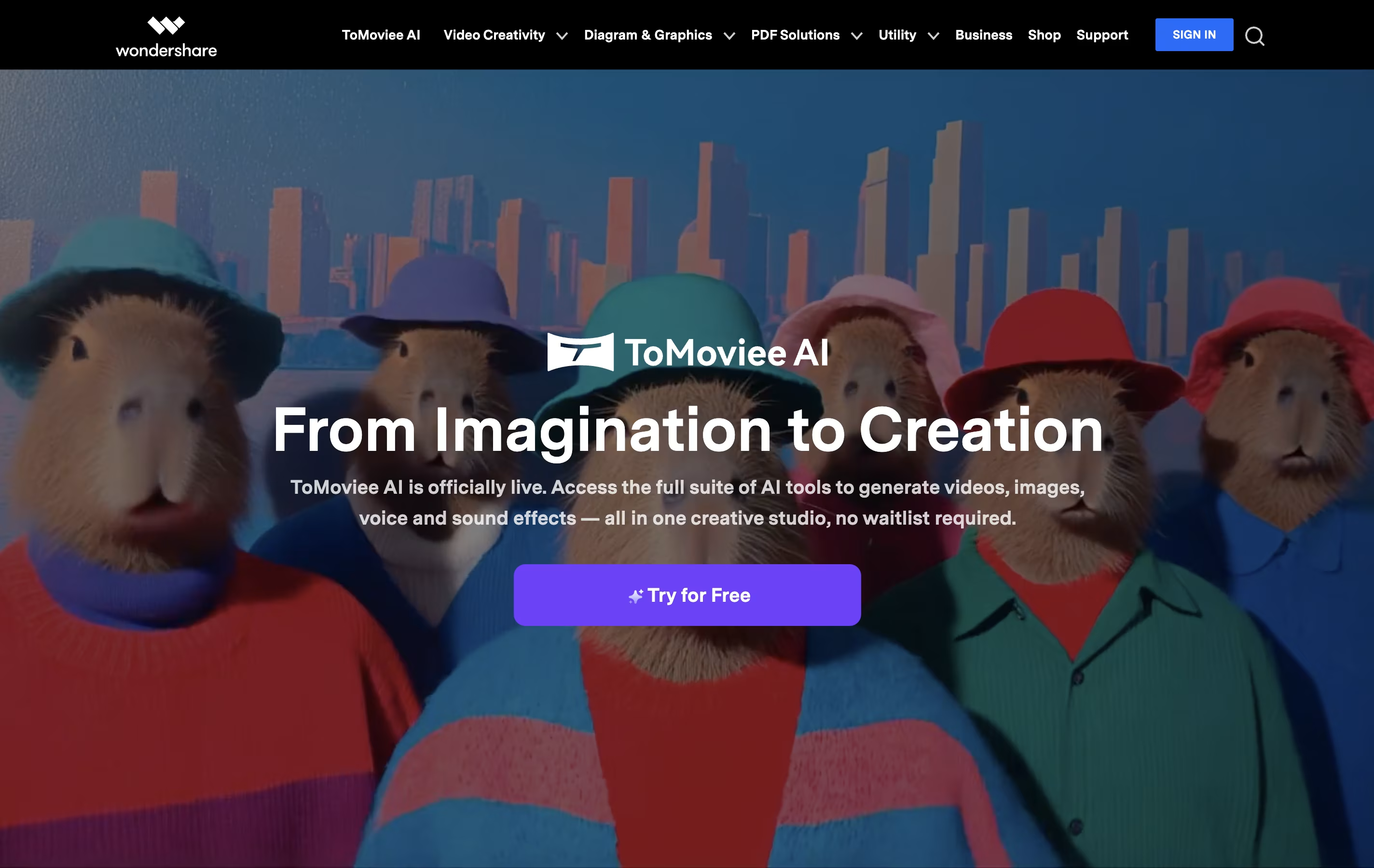
The company operates as a Software-as-a-Service provider, offering both desktop applications and web-based tools. Their most popular products include Filmora for video editing, PDFelement for PDF tasks, Recoverit for data recovery, and Dr.Fone for mobile device management. Many tools now include AI features to make complex tasks simpler.
Wondershare focuses on user-friendly design, making professional-grade software accessible to people without technical backgrounds. They offer various pricing options including free versions, monthly subscriptions, annual plans, and lifetime licenses to fit different needs and budgets.

Coupler.io is a "no-code data integration and automation platform" that connects different business applications to create unified reports and dashboards. It acts as a bridge between your marketing tools, sales software, accounting systems, and reporting platforms.
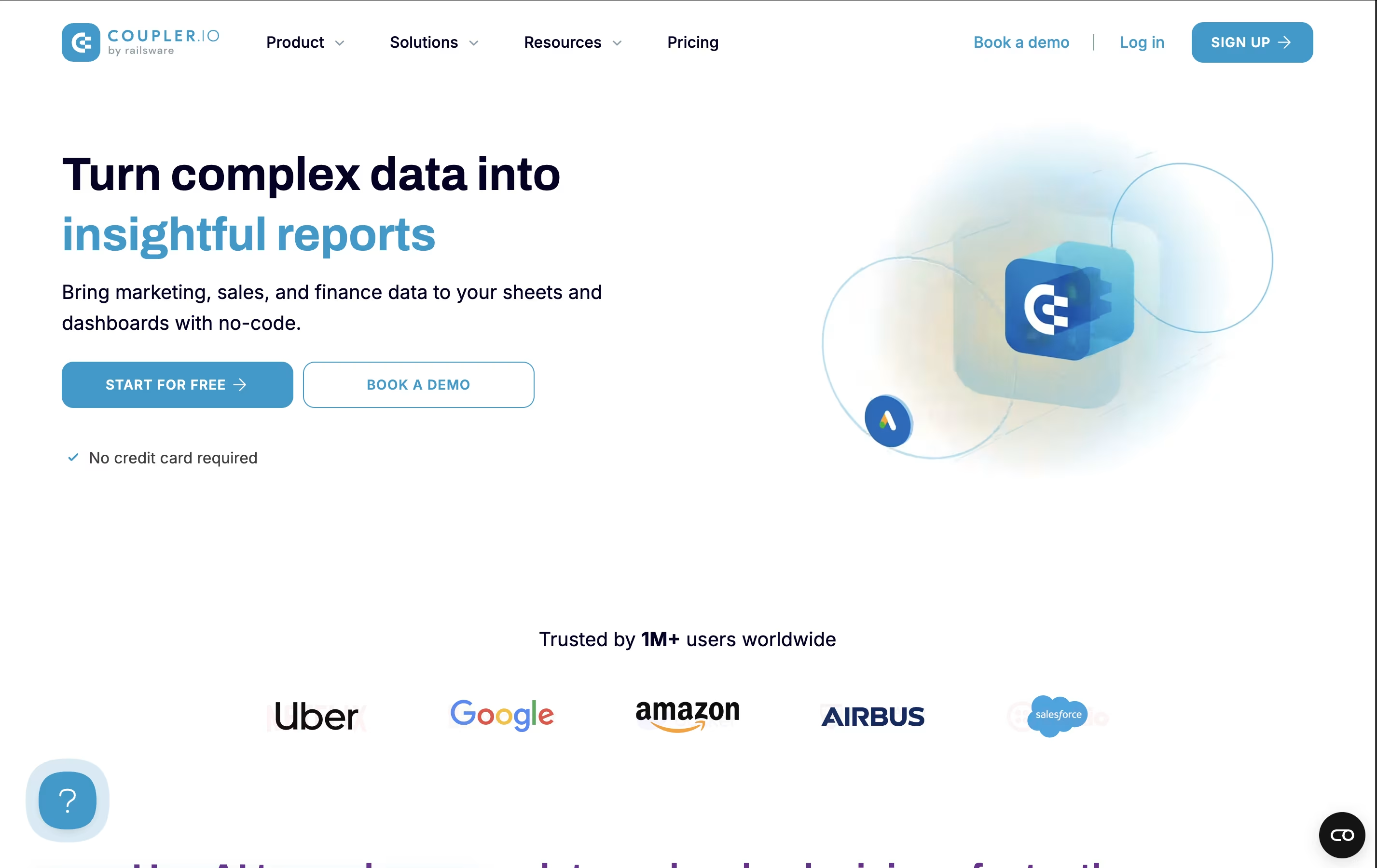
The tool automatically pulls data from sources like Google Analytics, HubSpot, Xero, and social media platforms, then sends it to destinations like Google Sheets, Excel, Power BI, or Looker Studio. This happens on a schedule you set, so your reports stay fresh without manual work.
What makes it special is its ability to transform and combine data from multiple sources, creating custom reports that update themselves. This helps businesses track performance, spot trends, and make data-driven decisions faster than traditional manual reporting methods.

Keboola is a comprehensive data platform that handles your entire data stack as a service. Instead of managing separate tools for extraction, transformation, storage, and orchestration, everything works together in one integrated environment. The platform connects to virtually any data source through its extensive library of 700+ native connectors and API integrations.
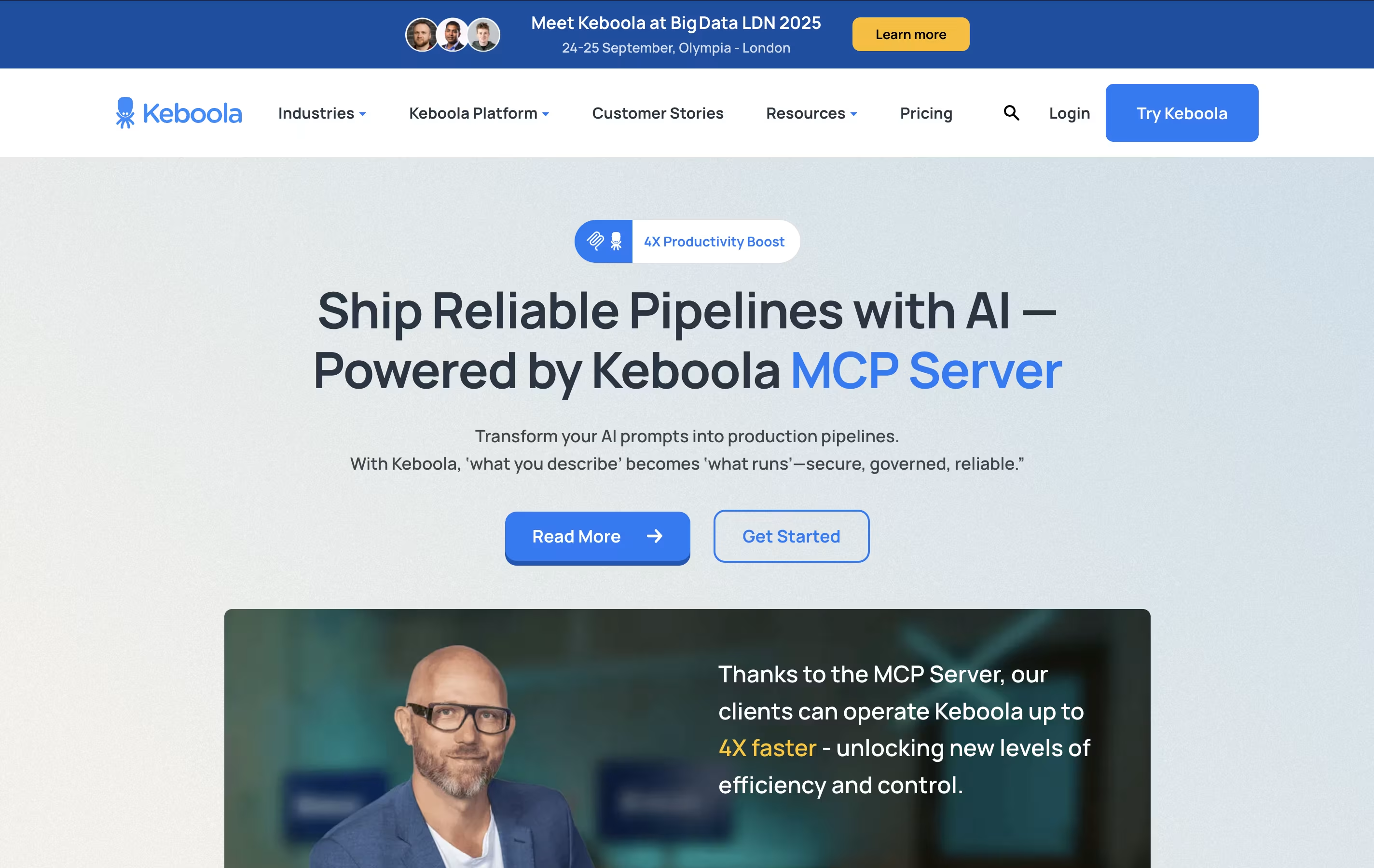
Users can transform data using familiar programming languages without worrying about infrastructure, scaling, or maintenance. Keboola automatically handles data storage using powerful cloud warehouses like Snowflake, BigQuery, and Redshift. The platform includes built-in automation, monitoring, data lineage tracking, and governance features. It supports various deployment models from fully managed multi-tenant setups to private cloud installations, making it suitable for organizations with different security and compliance requirements.

Hexomatic is a no-code automation platform designed to help businesses extract data from websites and automate time-consuming tasks. Think of it as your digital assistant that can visit websites, collect information, and perform actions automatically without any technical knowledge required.
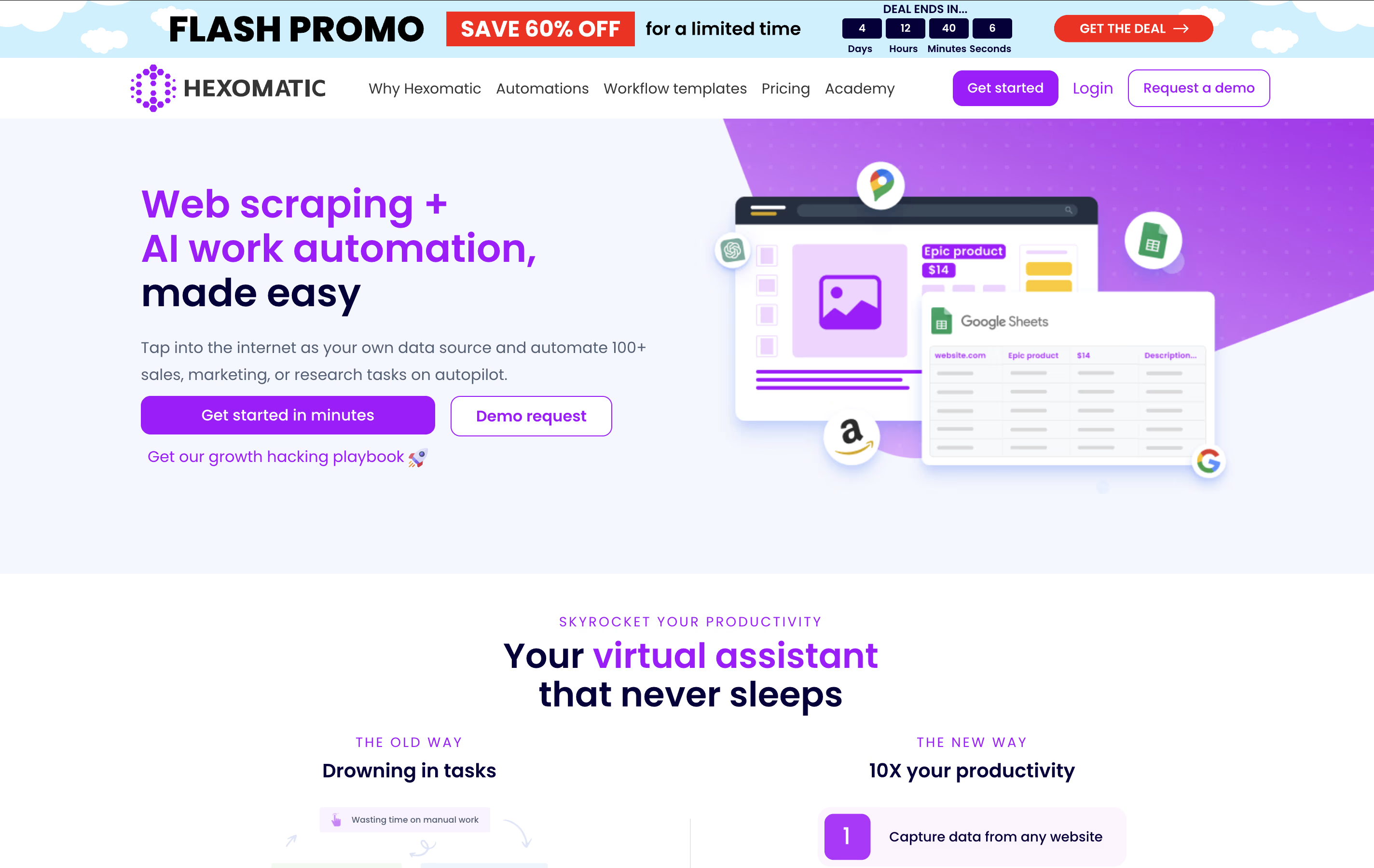
The platform works by combining web scraping capabilities with workflow automation. You can create "recipes" to extract specific data from websites like product prices, contact information, or social media profiles. Then, use over 100 built-in automations to process this data - validate emails, translate content, generate reports, or send notifications.
What makes Hexomatic special is its visual, drag-and-drop interface that lets anyone build complex automation workflows. It runs continuously in the cloud, so your automations work even when you're offline. The platform also includes AI-powered features through integrations with ChatGPT and Google Gemini for advanced content creation and data analysis tasks.

Early is an "all-in-one time tracking solution" that captures how you spend your time automatically. The software monitors your apps, websites, and calendar events to suggest time entries, removing guesswork from time tracking.
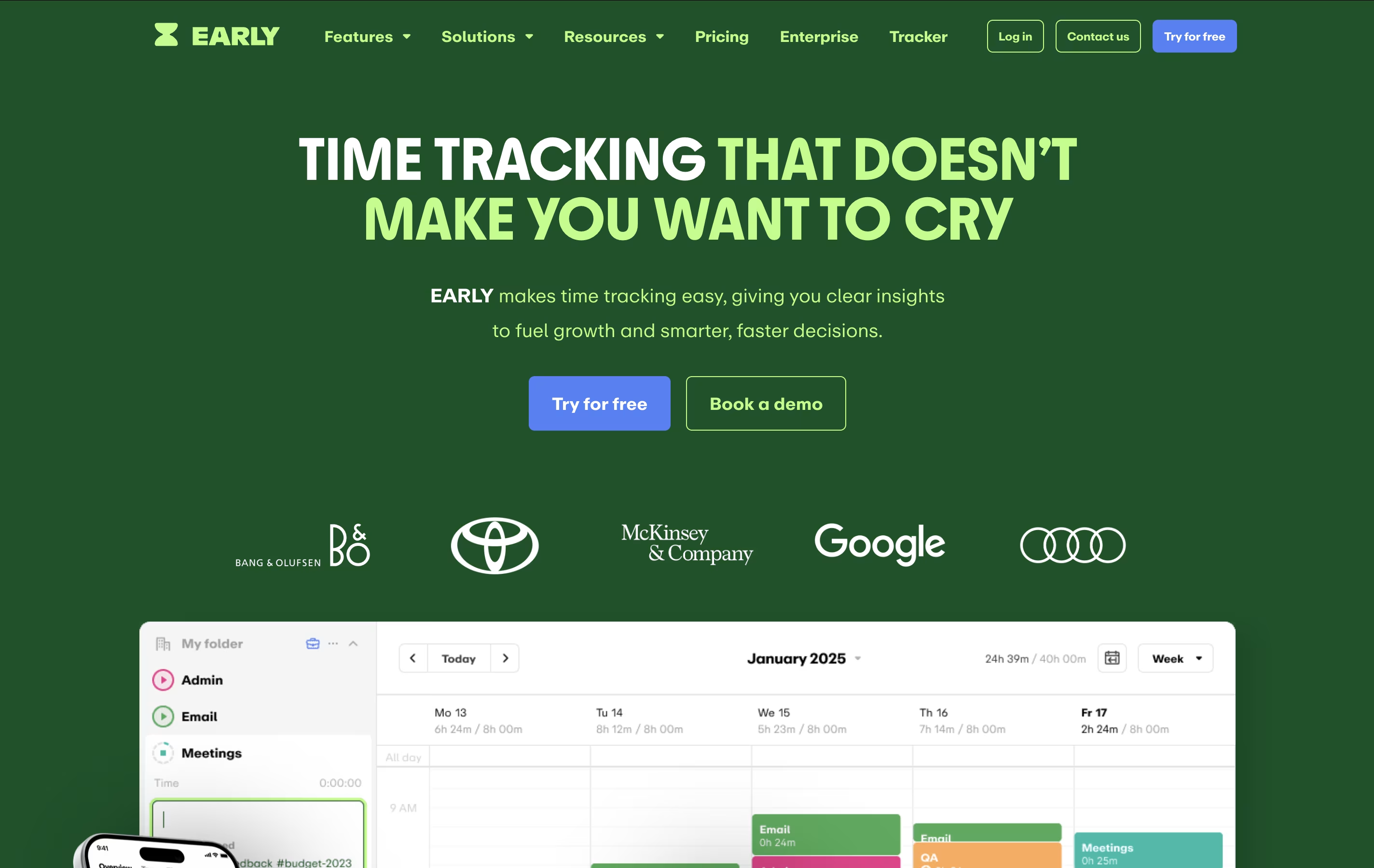
What makes Early unique is its optional physical tracker - an 8-sided device that sits on your desk. Each side represents a different task or project. Simply flip it to start tracking a new activity. The device connects via Bluetooth and syncs with the Early app instantly.
The platform works across all devices with web, desktop, and mobile apps. It provides detailed reports, project budgets, team collaboration features, and integrations with popular tools like calendars and project management software.

Bruno is an "offline-first API client" that revolutionizes how developers test and manage APIs. Instead of forcing you to create accounts or store data in the cloud, Bruno saves everything directly on your device using a simple text format called "Bru."
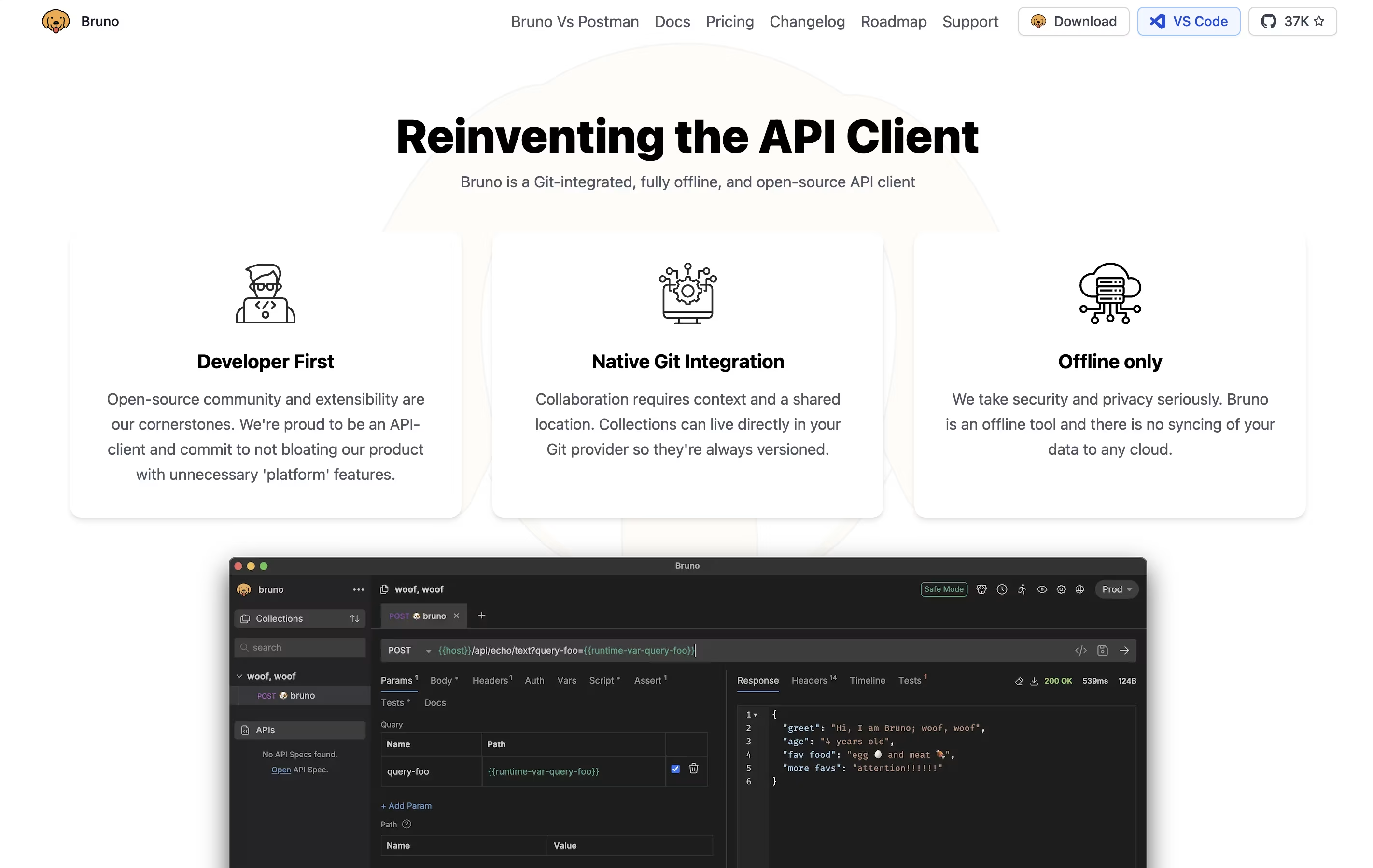
This approach means your API collections, tests, and sensitive data never leave your computer unless you choose to share them. Bruno supports all major API types including REST, GraphQL, and gRPC, making it versatile for any project.
The tool integrates seamlessly with Git and other version control systems, allowing teams to collaborate on API collections just like they do with code. Bruno also includes JavaScript-based testing, environment management, and command-line support for automation and continuous integration workflows.

Airtable is a no-code platform that works like a supercharged spreadsheet with database capabilities. You can store, organize, and connect different types of information while creating custom views like grids, calendars, forms, and boards to see your data in different ways.
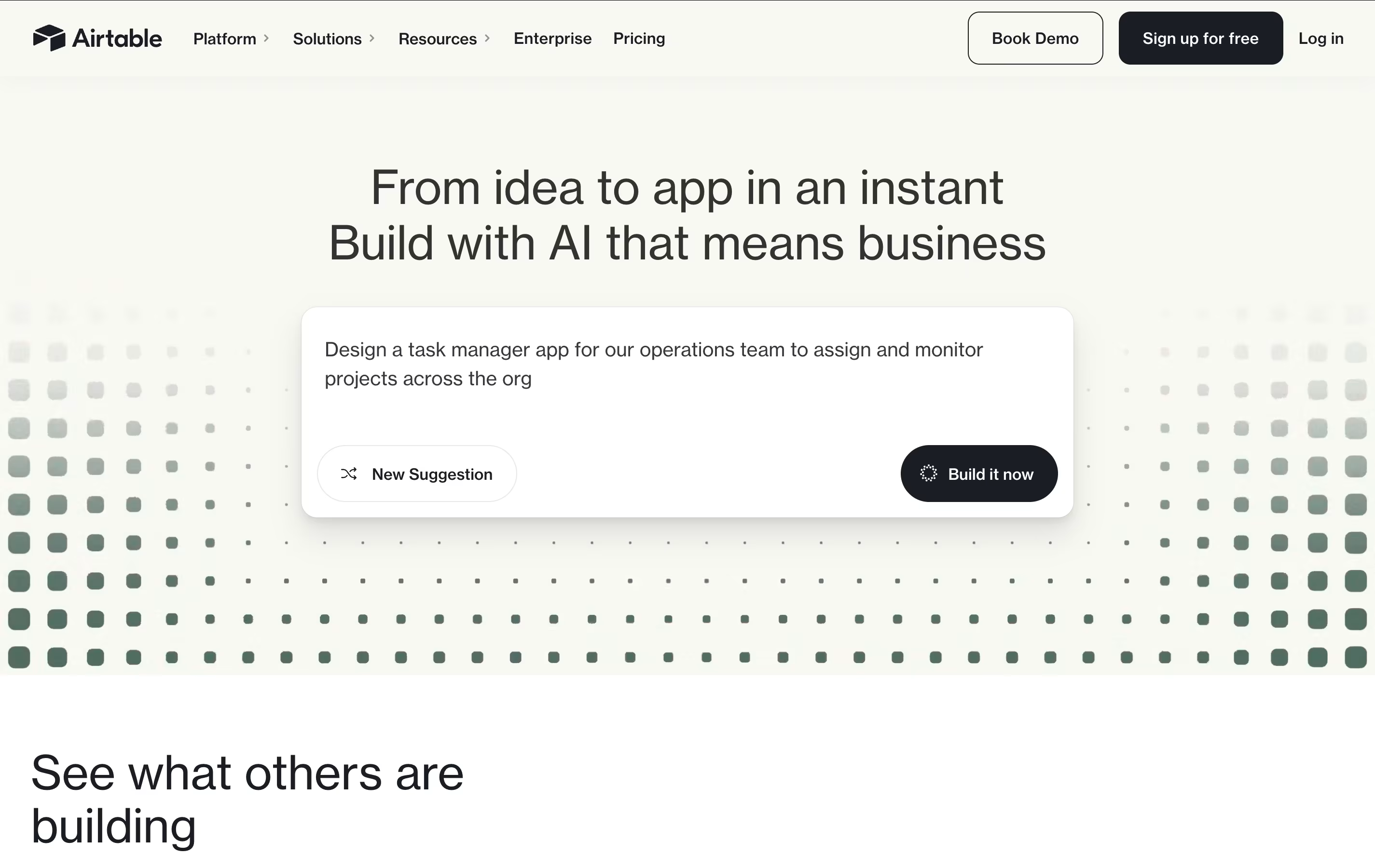
What makes Airtable special is its ability to link related information across different tables. For example, you can connect customer records to their orders, or link project tasks to team members. This creates a web of connected data that gives you a complete picture of your business operations.
The platform includes built-in automation, AI features, and hundreds of integrations with other business tools. Teams use Airtable for project management, customer tracking, content planning, inventory management, and many other business processes. It requires no technical skills to get started, making it accessible to everyone on your team.

Roboflow is a complete computer vision development platform that makes building AI models simple and fast. Think of it as the missing piece that connects your images to working AI applications. The platform handles every step of the computer vision pipeline, from organizing your data to deploying models that can recognize objects, detect defects, or analyze scenes in real-time.
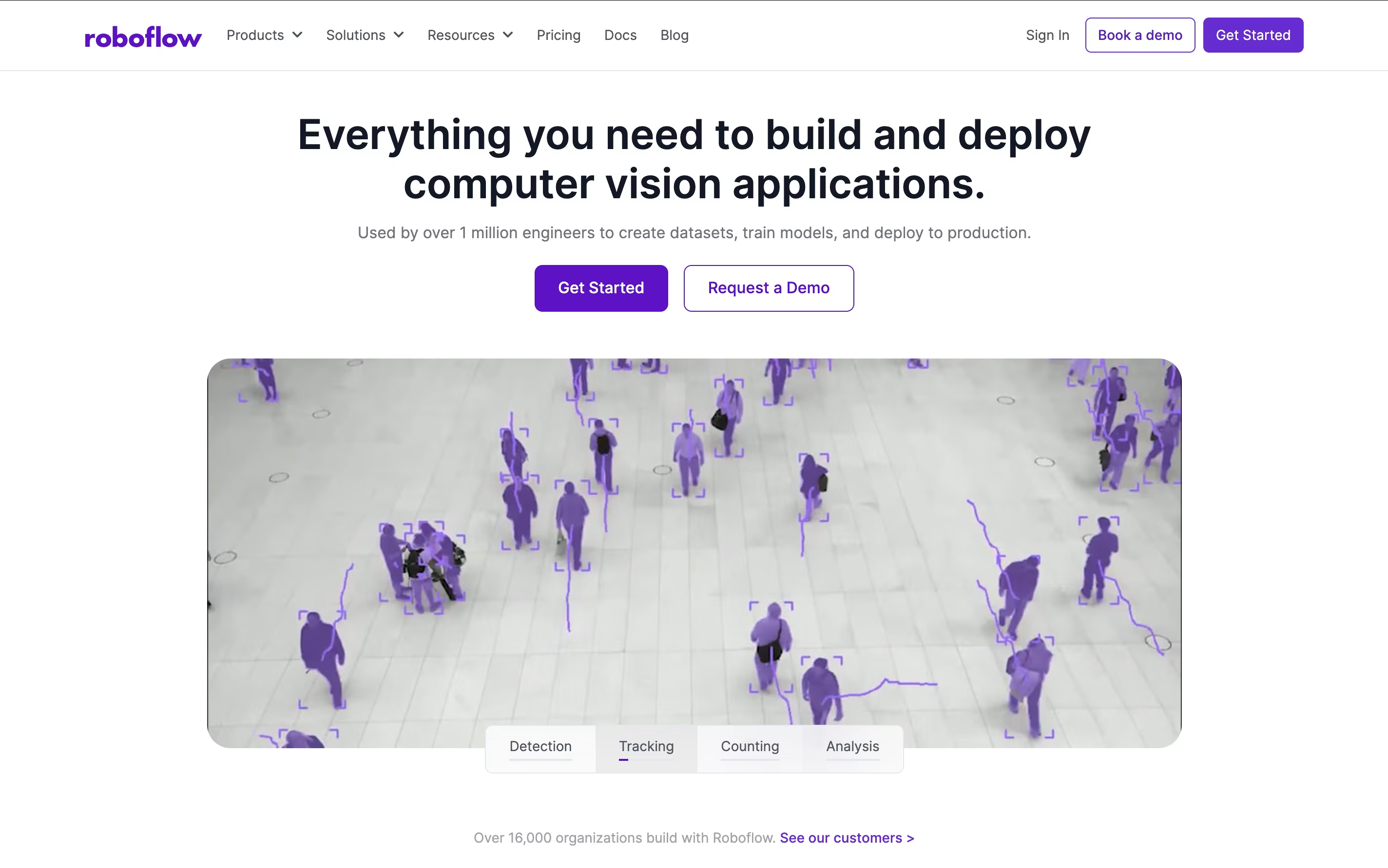
Unlike traditional approaches that require deep technical expertise, Roboflow provides user-friendly tools that work together seamlessly. You can upload images, label them with smart AI assistance, train state-of-the-art models with one click, and deploy them anywhere from cloud APIs to edge devices. The platform includes access to thousands of pre-trained models and datasets through Roboflow Universe, making it possible to start with existing solutions and customize them for your specific needs.

Apify is a comprehensive web scraping and browser automation platform designed to help businesses extract data from websites at scale. Think of it as a marketplace combined with a powerful infrastructure that handles all the complex technical parts of web scraping for you.
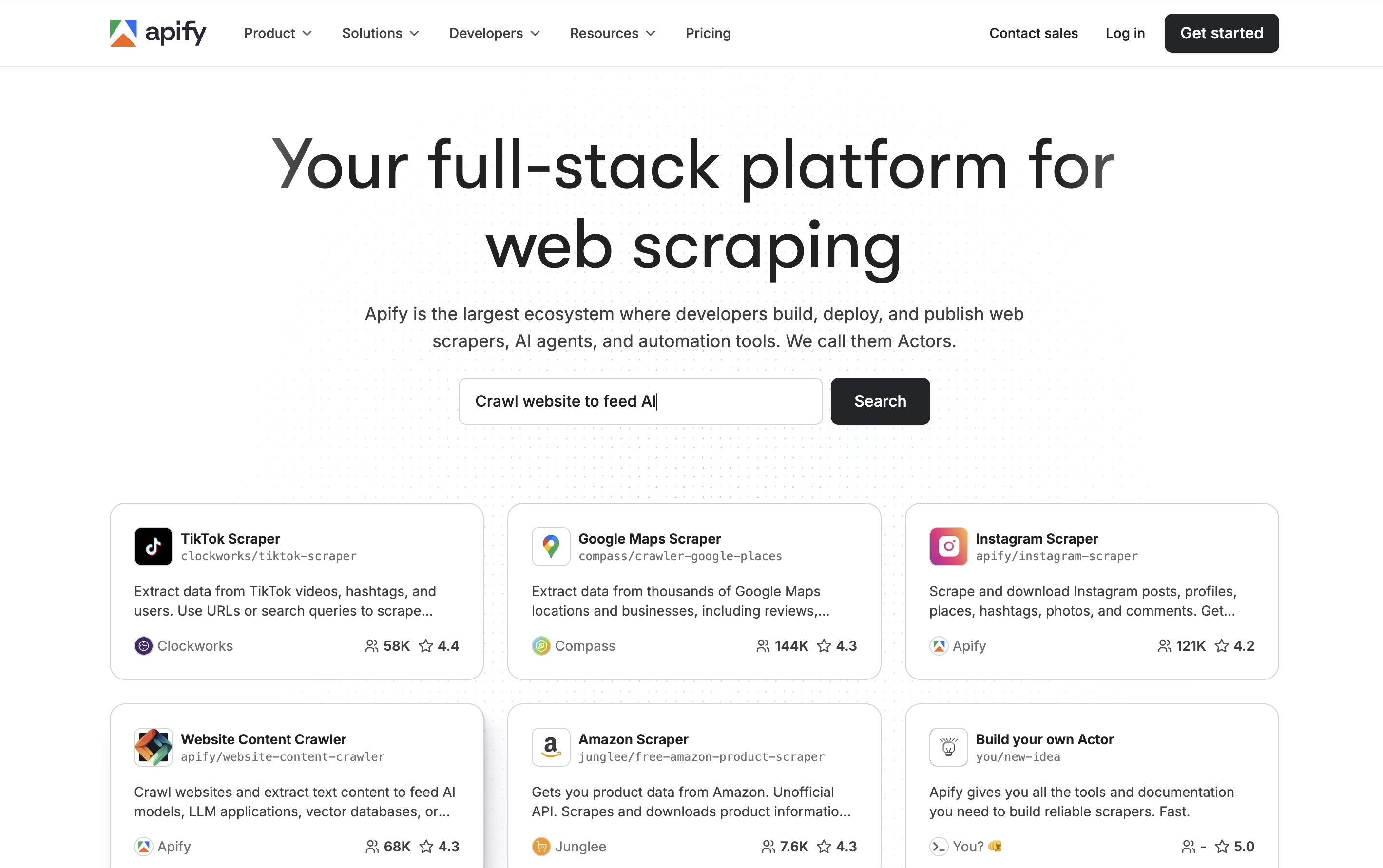
The platform hosts over 6,000 pre-built scrapers and automation tools called "Actors" that can extract data from popular websites like Google Maps, Instagram, Amazon, LinkedIn, and many others. Each Actor is like a specialized robot that knows exactly how to navigate and collect data from specific websites. The main difference from building your own scrapers is simplicity: instead of dealing with proxies, browser management, and anti-bot measures, you just choose an Actor, configure it, and let it run. Founded in 2015, Apify has become the largest ecosystem for web scraping tools, serving over 10,000 customers worldwide.

Drata is an AI-powered security and compliance automation platform built to deliver continuous monitoring and automated evidence collection for audit readiness. Think of it as a mix between traditional compliance tools and modern automation, but better.
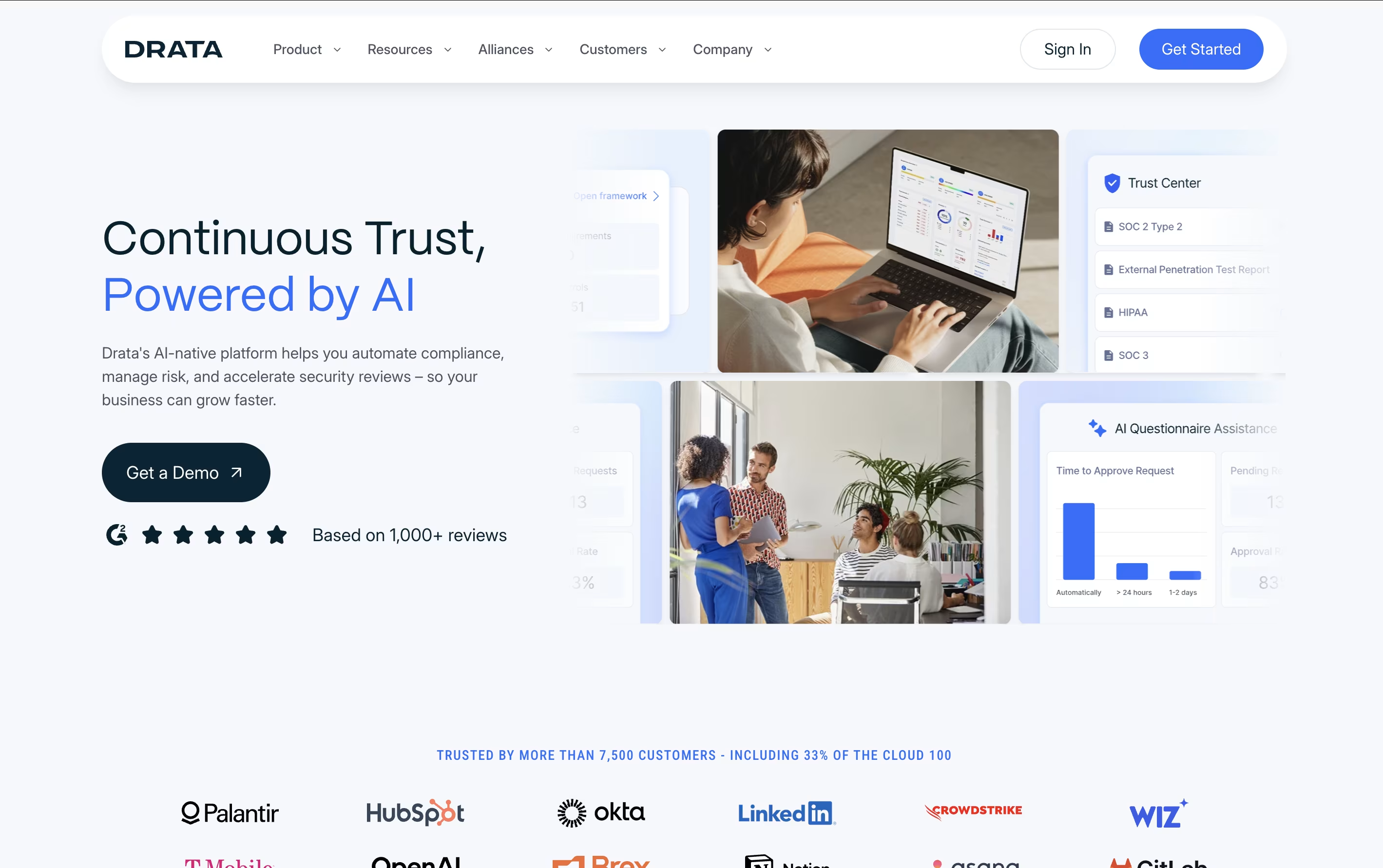
It uses artificial intelligence and integrates with over 200 applications to provide real-time monitoring based on current security controls. The main difference from manual compliance processes is simple: instead of collecting evidence manually, Drata automatically gathers proof from your connected systems and tells you exactly what needs attention.
Each monitoring result includes detailed evidence linking to original sources, allowing you to easily verify information or explore further. Founded in 2020, this tool has become popular because it saves time and makes compliance management easier. You can manage multiple frameworks simultaneously, just like talking to a compliance expert, and get smart, helpful guidance backed by real automated monitoring.

GrowthBook is an open-source feature flagging and A/B testing platform designed to help companies release features safely and measure their impact with confidence. Think of it as your complete experimentation toolkit that works with your existing data setup.
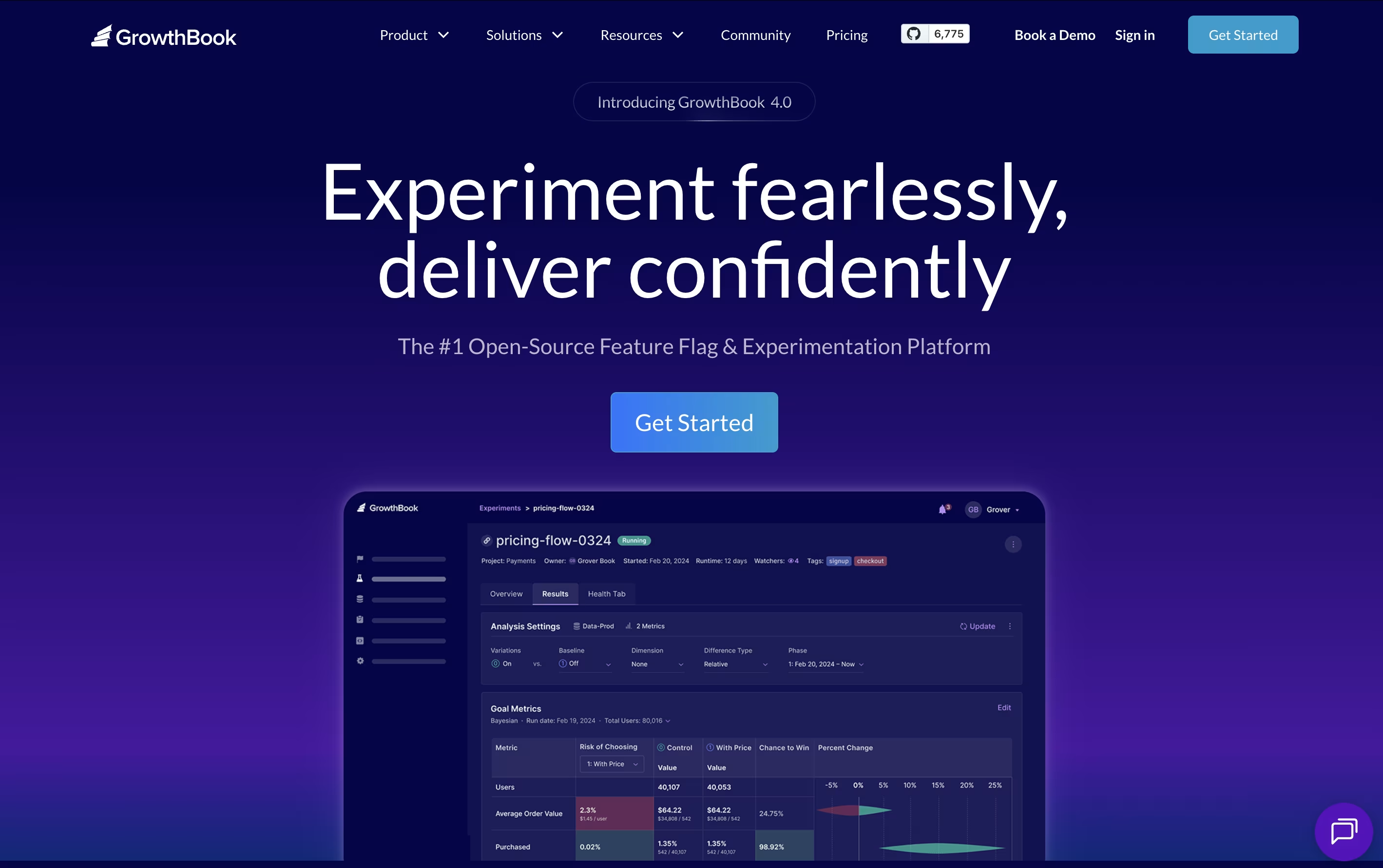
The platform combines two essential capabilities: feature flags that let you control who sees new features and when, and A/B testing tools that help you understand which changes actually improve your product. What makes GrowthBook special is its warehouse-native approach - it connects directly to your data sources like BigQuery, Snowflake, or Google Analytics instead of requiring you to send data elsewhere.
Founded in 2021, GrowthBook has grown rapidly and now powers experiments at thousands of companies. You can use it as a hosted cloud service or install it on your own servers for complete control and privacy.

Hoppscotch is an API development environment that runs in your web browser. You can test any API by sending requests and viewing the responses instantly. Unlike traditional tools, Hoppscotch is completely free and open-source, meaning anyone can use it or even contribute to improving it.
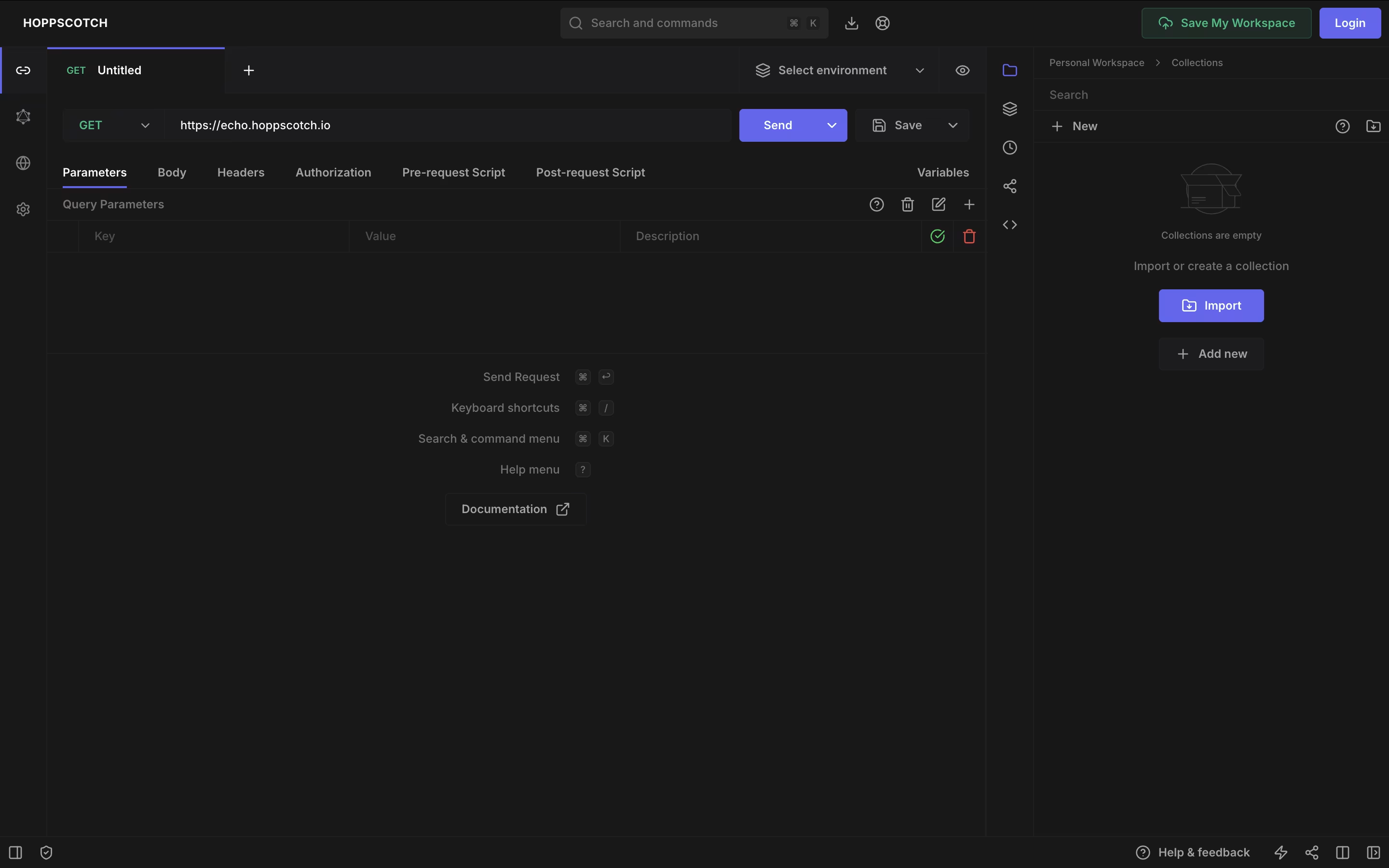
The platform supports various API types including REST, GraphQL, WebSocket, Socket.IO, MQTT, and Server-Sent Events. This makes it useful for testing modern real-time applications as well as standard web services. You can organize your API requests into collections, use environment variables for different setups, and write tests to check if APIs work correctly.
Hoppscotch offers both a free version with full features and an Organization plan for teams needing extra collaboration tools and support.

Mage AI is a comprehensive data pipeline orchestration platform designed to simplify how teams build, deploy, and manage data workflows. Think of it as a smart workspace that combines notebook-style development with powerful automation features.
The platform offers both open-source and enterprise versions, allowing teams to start free and scale as needed. Mage connects to virtually any data source, from databases and APIs to cloud storage services, making data integration seamless. What sets it apart is its AI-powered assistance that helps write code, optimize performance, and debug issues automatically.
The tool supports multiple programming languages including Python, SQL, and R, giving developers flexibility to work with familiar tools. Built-in features include real-time monitoring, automated testing, version control, and collaboration tools. This makes Mage perfect for data engineers, analysts, and scientists who want to focus on insights rather than infrastructure management.

SoapUI is a testing platform that checks how APIs and web services perform. You can use it to send requests to your API, check the responses, and make sure everything works as expected. It runs on Windows, Mac, and Linux computers because it is built using Java.
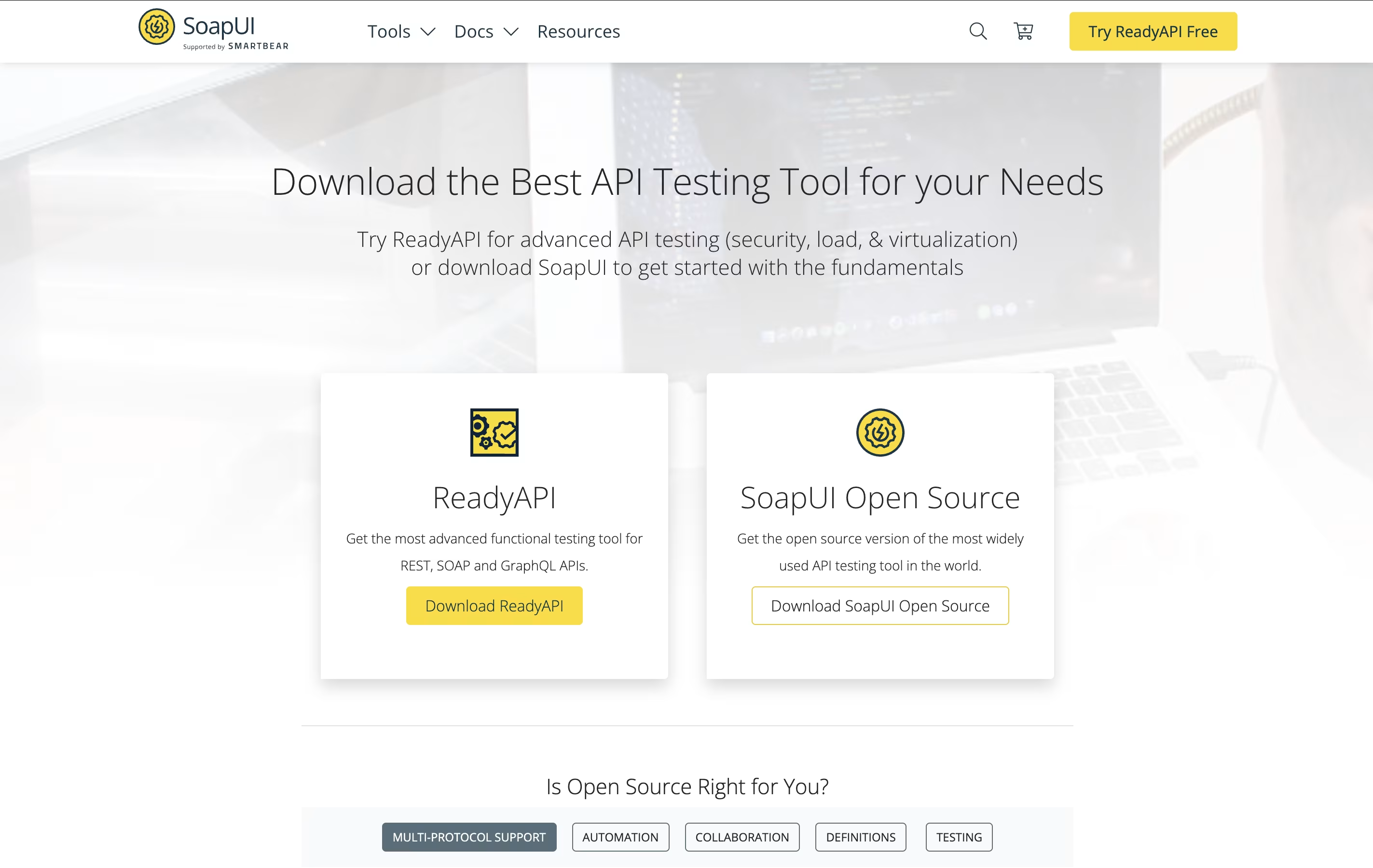
The tool lets you do functional testing to verify your API works correctly, load testing to see how it handles many users, and security testing to find weak points. You can also write custom test scripts using Groovy programming language for more complex scenarios.
SoapUI works well with popular tools like Jenkins for continuous testing in your development process. The open-source version is completely free, while ReadyAPI offers extra productivity features.