Best 12+ Tools for Database Building in 2026
Last Updated: October 21, 2025
Structuring data properly from the start makes everything built on top of it easier to maintain later. Database Building tools help design schemas, tables, and relationships for storing structured data.
Developers and data teams use database building tools to set up a solid foundation for storing and querying information.
 Airtable
 AirtableNo-Code Database & App Building Platform,
  MotherDuck
 MotherDuckServerless Analytics Data Warehouse Built on DuckDB, and
  Capacities
 CapacitiesObject-Based Note-Taking App for Your Second Brain are the best for Database Building. So, let’s take a closer look at all 12+ tools.
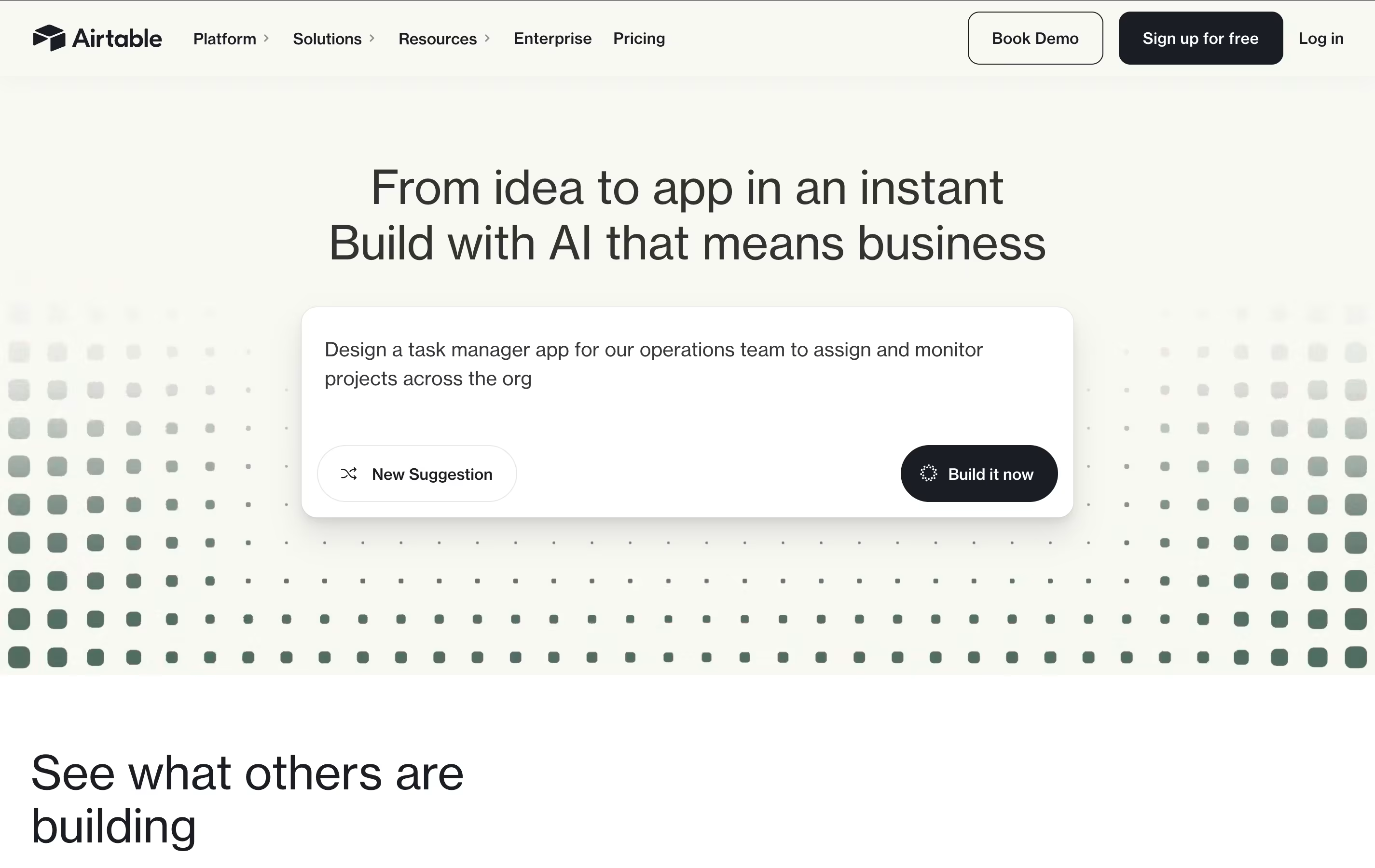
Airtable is a no-code platform that works like a supercharged spreadsheet with database capabilities. You can store, organize, and connect different types of information while creating custom views like grids, calendars, forms, and boards to see your data in different ways.
What makes Airtable special is its ability to link related information across different tables. For example, you can connect customer records to their orders, or link project tasks to team members. This creates a web of connected data that gives you a complete picture of your business operations.
The platform includes built-in automation, AI features, and hundreds of integrations with other business tools. Teams use Airtable for project management, customer tracking, content planning, inventory management, and many other business processes. It requires no technical skills to get started, making it accessible to everyone on your team.
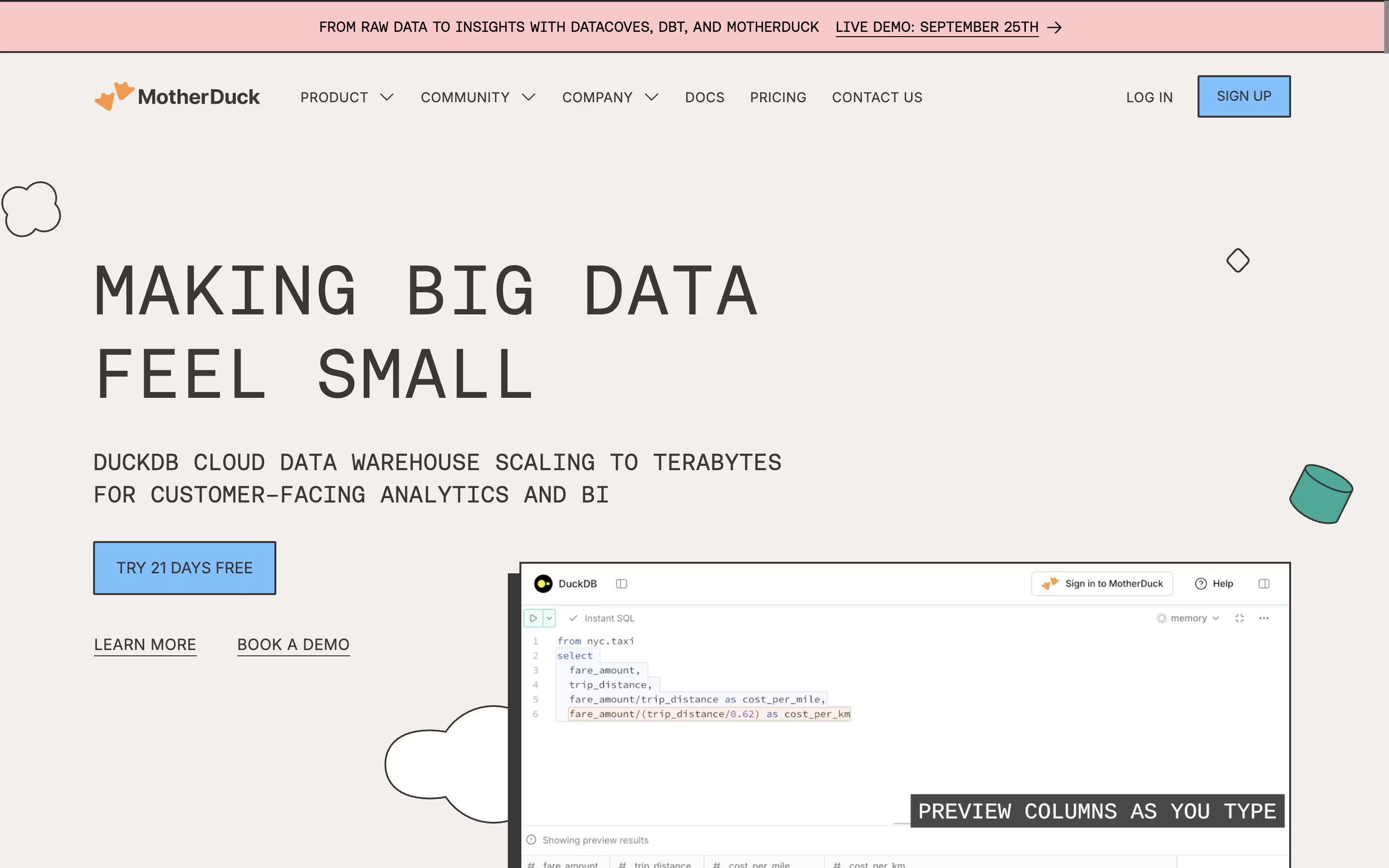
MotherDuck is a serverless cloud analytics platform that extends DuckDB's capabilities to the cloud. Think of it as "DuckDB as a Service" – you get all the speed and simplicity of DuckDB but with cloud-scale storage, sharing, and collaboration features.
The platform uses a unique hybrid processing model where queries can run on your local machine, in the cloud, or both simultaneously. This means you keep the fast performance of local analytics while gaining the benefits of cloud computing when you need them. Each user gets their own isolated compute instance, eliminating resource conflicts and ensuring consistent performance.
Founded by database veterans from companies like Google BigQuery and Snowflake, MotherDuck is designed for teams who want powerful analytics without the complexity of traditional data warehouses. It supports standard SQL, integrates with popular data tools, and makes sharing data as simple as sending a link.
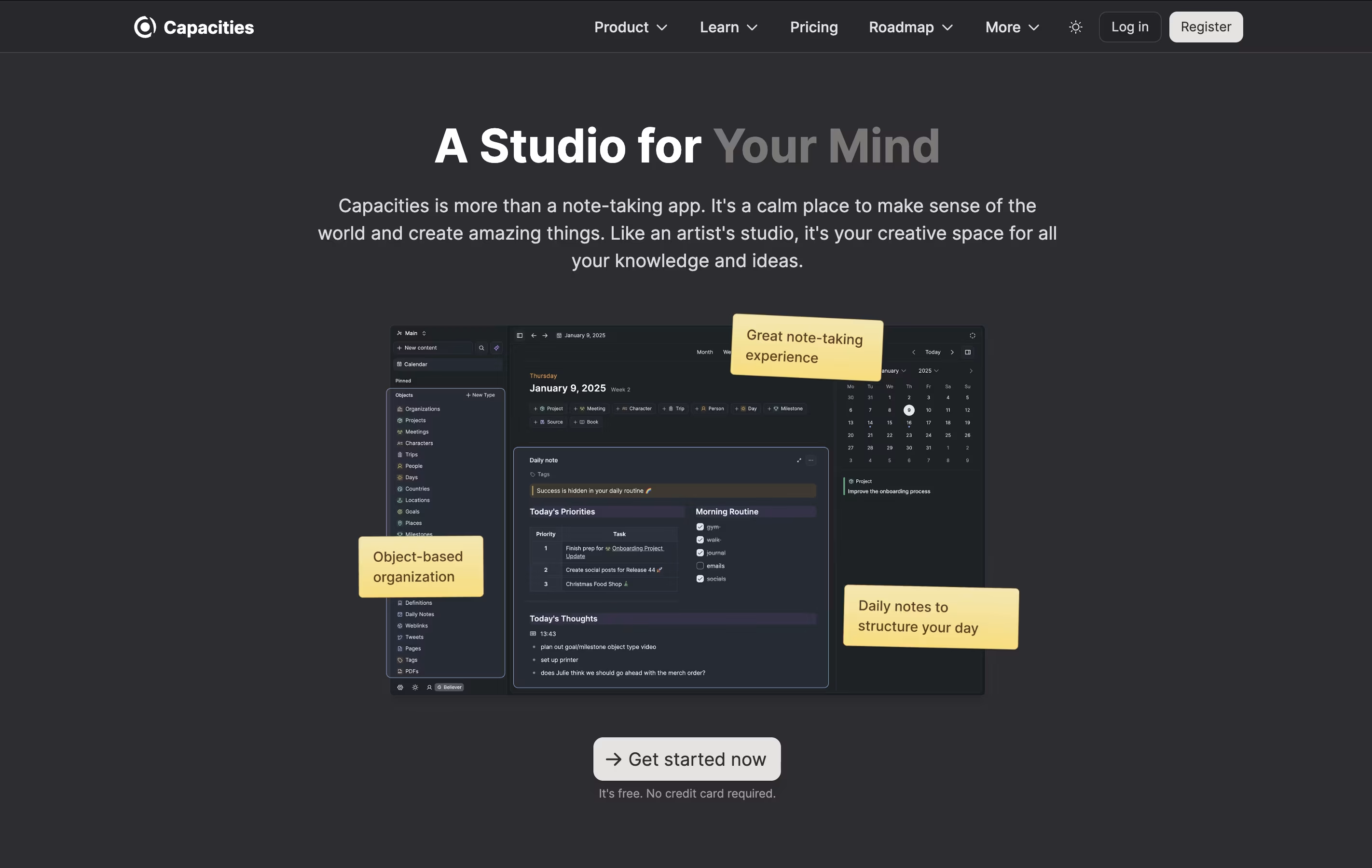
Capacities is a note-taking and knowledge management app built around objects instead of traditional folders. When you create a note about a person, book, or project, it becomes an object you can easily link to other notes. This makes finding connections between your ideas much simpler.
The app includes daily notes for journaling and quick captures, full-text search across all content, and the ability to work offline. You can connect your calendar to automatically create notes for meetings and events. The Pro version adds an AI assistant that can help you think through ideas and answer questions based on your notes.
Capacities works on computers, phones, and tablets, keeping everything synced across your devices so you can access your notes anywhere.

Basedash is an AI-powered platform that turns your database into a collaborative workspace for visualizing, editing, and exploring data without any coding knowledge. Think of it as having a conversation with your data – you ask questions in plain English, and Basedash creates charts, dashboards, and admin panels automatically.
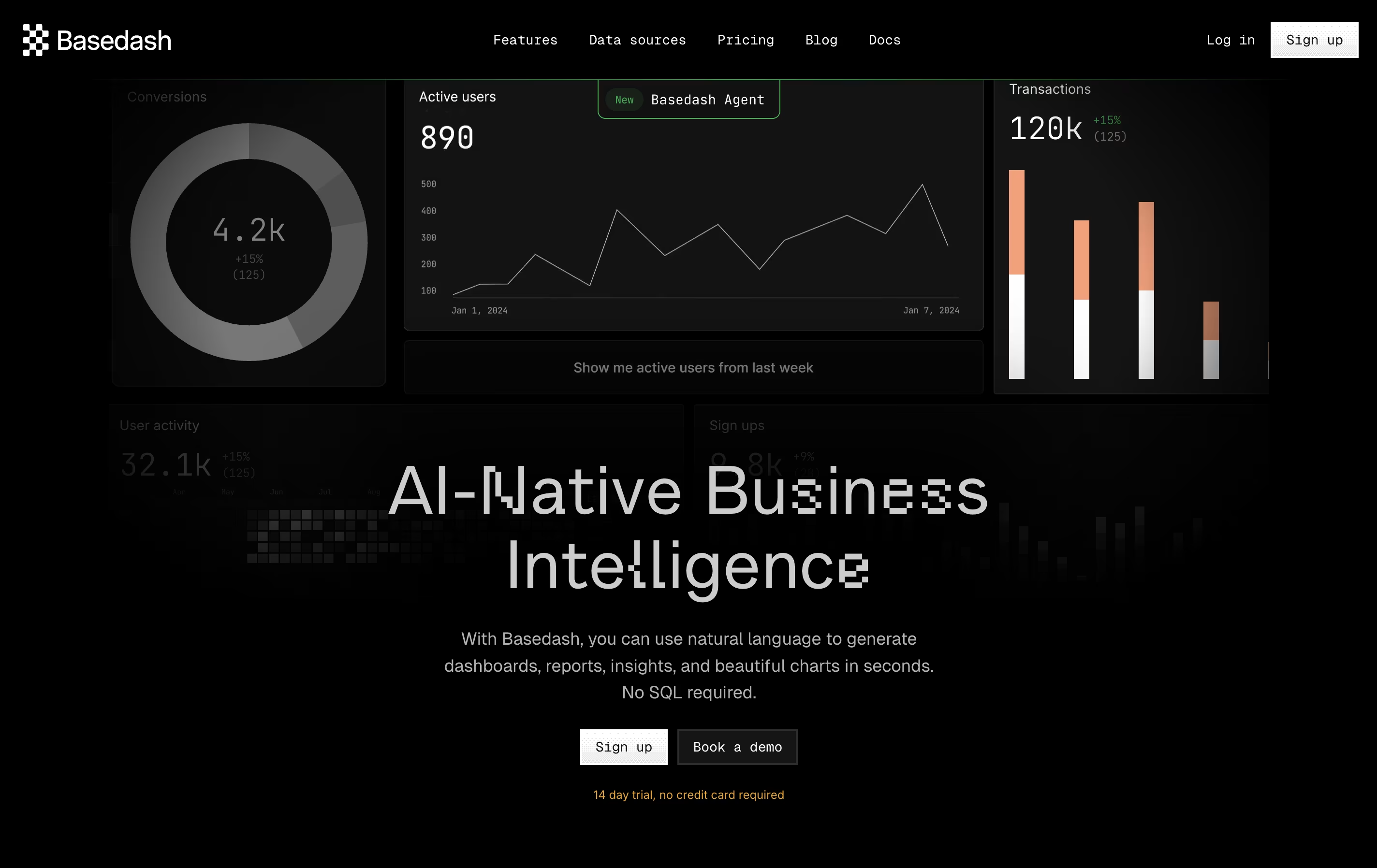
The platform works by connecting directly to your database or data warehouse, then using artificial intelligence to understand your data structure and relationships. You can create custom CRM systems, build business intelligence dashboards, generate reports, and manage your data through an intuitive interface that feels like using a spreadsheet.
What sets Basedash apart is its natural language processing capabilities. Instead of writing SQL queries or learning complex tools, you simply tell it what you want to see, and it creates the visualization for you instantly.

Anytype is a tool for organizing your notes, tasks, files, and projects while keeping everything private on your device. You create content using objects, which are like structured notes with properties you can customize. For example, a book object can have an author, rating, and notes all connected together.
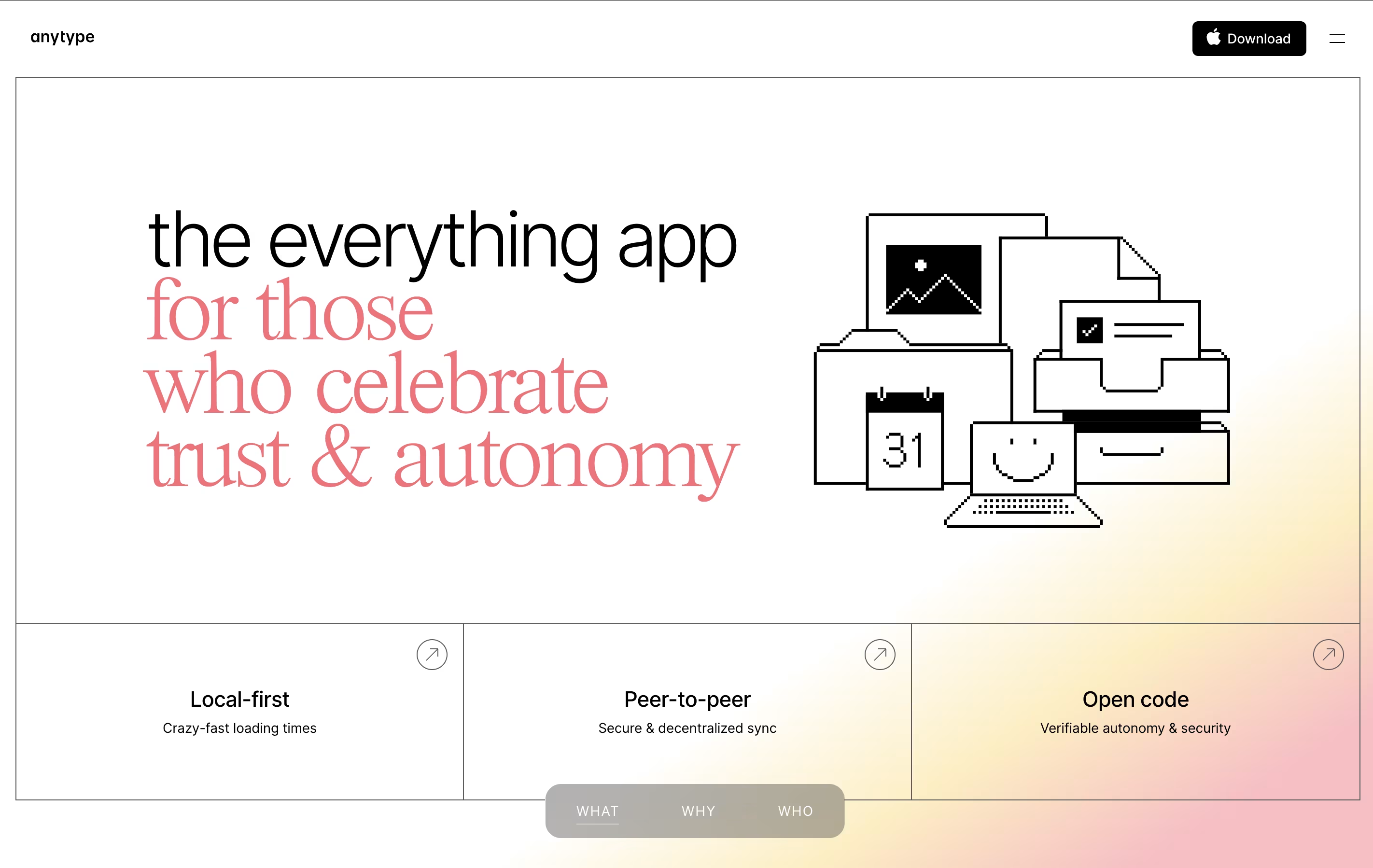
The app works offline and stores data locally with encryption, meaning your information stays on your device unless you choose to sync it. When you do sync, it uses secure connections between your devices. You can create databases, link related information, and build visual connections between different pieces of content.
There is a free plan with limited cloud storage, plus paid plans for those who need more backup space and advanced features like shorter custom names.

AppFlowy is a workspace application that brings together your notes, tasks, wikis, and projects. Unlike cloud-only tools, you can run AppFlowy entirely on your own computer or host it yourself for complete data control.
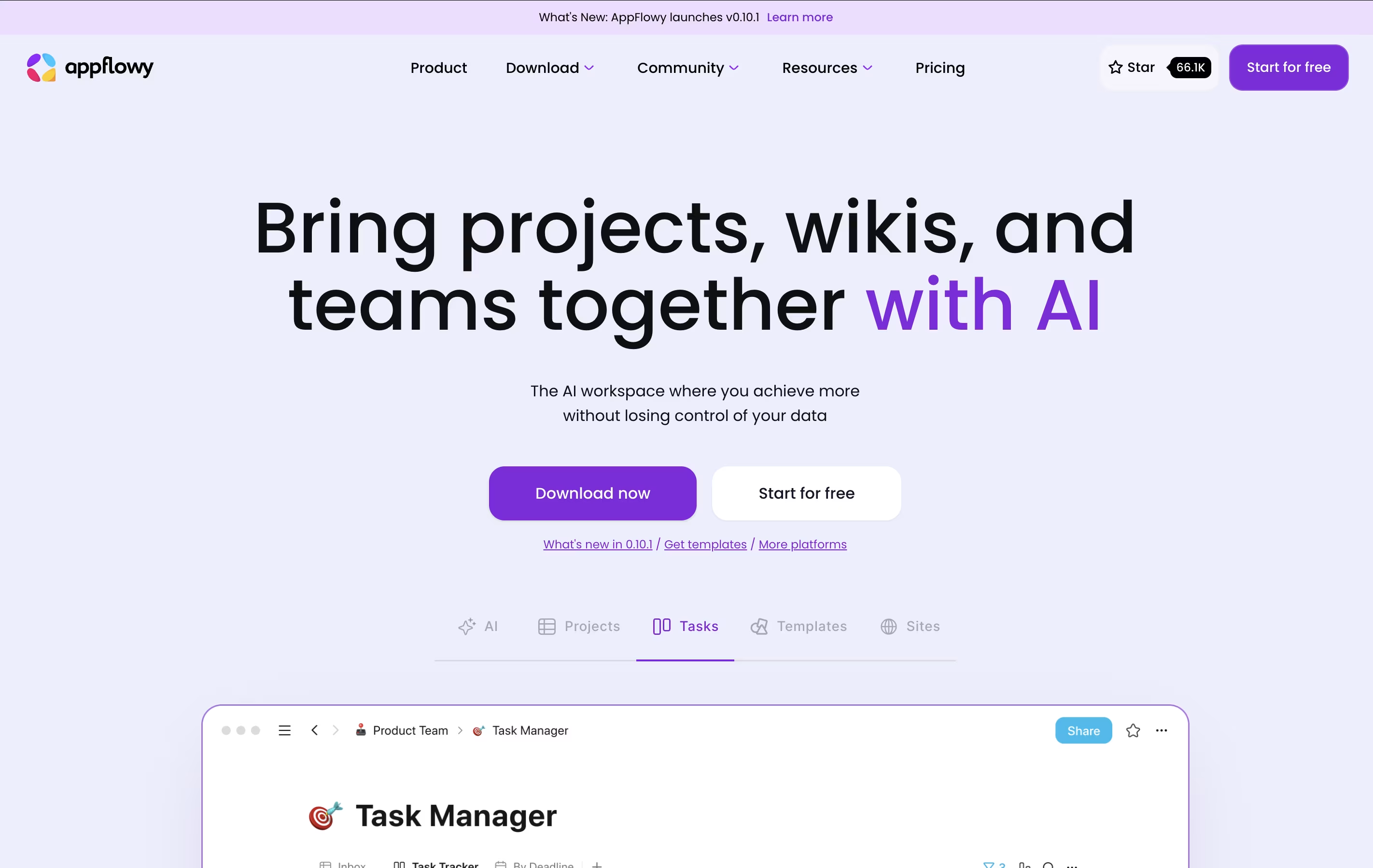
The tool uses AI to help you write, organize information, and find what you need quickly. You can create databases, calendars, task boards, and rich documents all in one place. Everything syncs across your devices when you want it to.
AppFlowy is open-source, which means anyone can see how it works and customize it. You get features like tables, boards, calendars, and a rich text editor. It works on Windows, Mac, Linux, and mobile devices, giving you flexibility in how and where you work.

Strapi is an open-source headless CMS built with Node.js that delivers content through APIs instead of traditional web pages. Think of it as a smart backend system that stores and manages your content, then sends it anywhere you need through REST or GraphQL APIs.
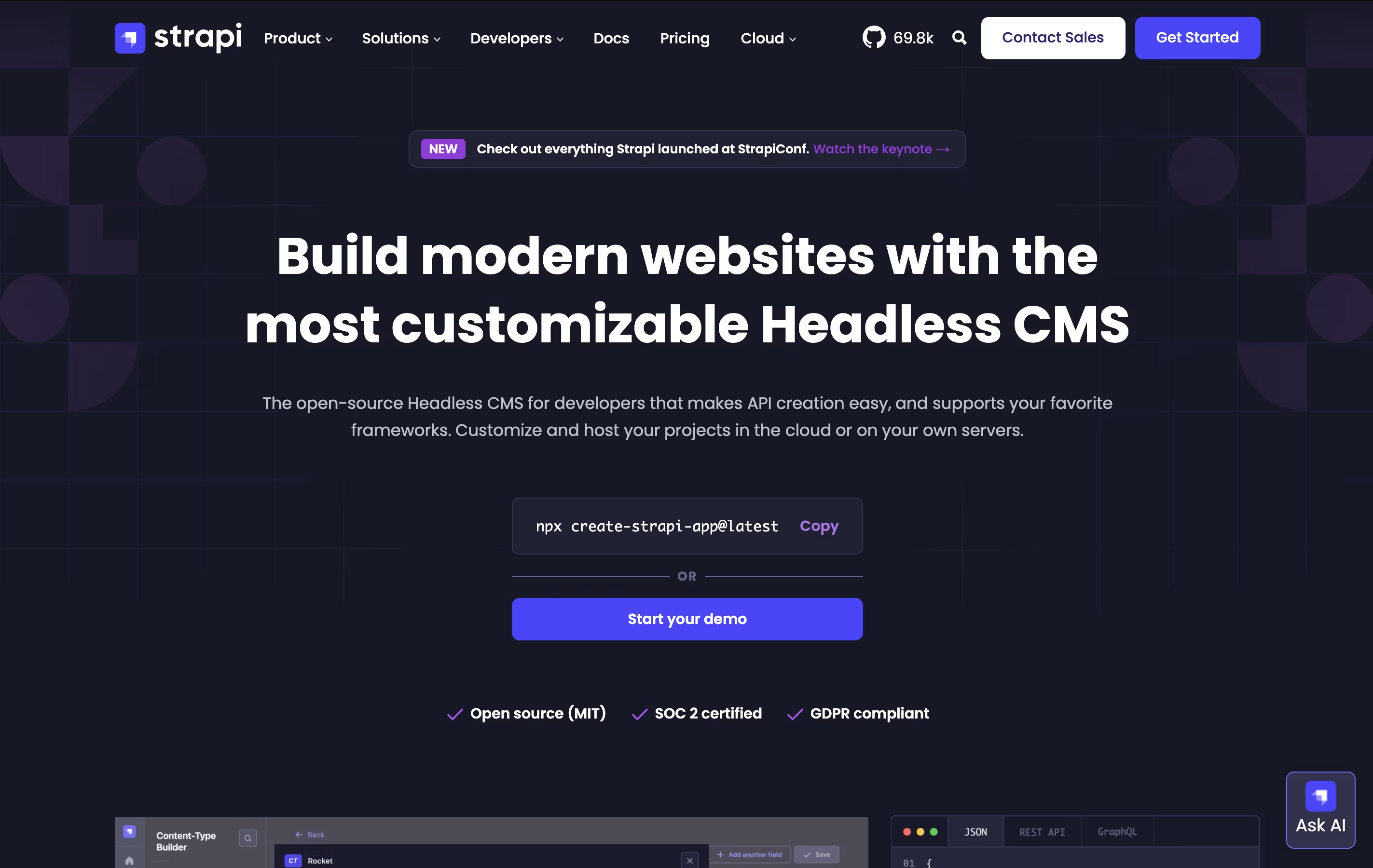
The main difference from traditional systems like WordPress is flexibility. Instead of forcing you to use specific templates, Strapi lets you build exactly what you need. You control everything: the database, the content structure, and how it all works together. Each project starts with built-in features like user management, permissions, and content organization.
Founded in 2015, Strapi has become popular with over 60,000 stars on GitHub and millions of downloads. You can host it yourself on your own servers or use Strapi Cloud for managed hosting, making it perfect for any project size.

Keboola is a comprehensive data platform that handles your entire data stack as a service. Instead of managing separate tools for extraction, transformation, storage, and orchestration, everything works together in one integrated environment. The platform connects to virtually any data source through its extensive library of 700+ native connectors and API integrations.
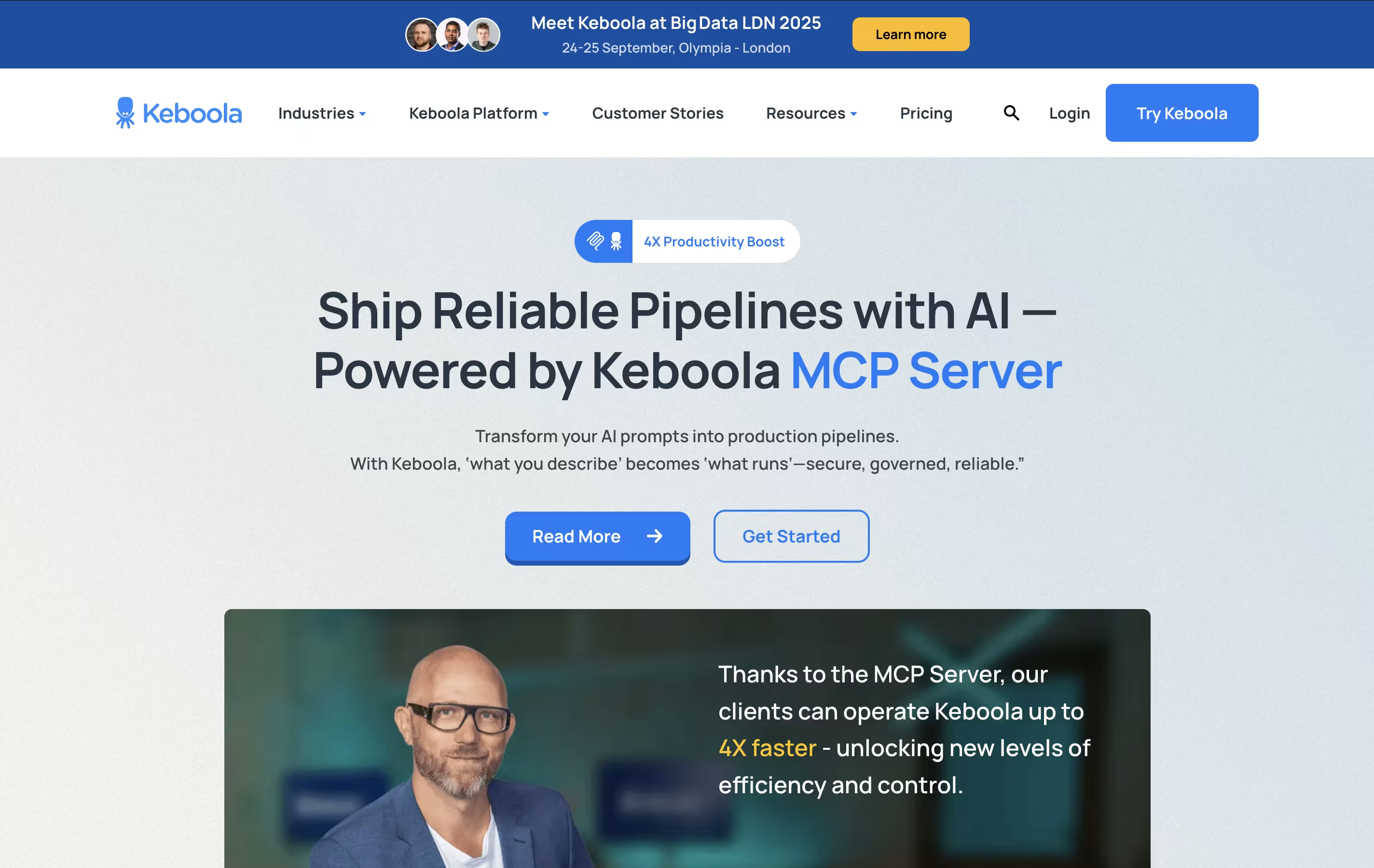
Users can transform data using familiar programming languages without worrying about infrastructure, scaling, or maintenance. Keboola automatically handles data storage using powerful cloud warehouses like Snowflake, BigQuery, and Redshift. The platform includes built-in automation, monitoring, data lineage tracking, and governance features. It supports various deployment models from fully managed multi-tenant setups to private cloud installations, making it suitable for organizations with different security and compliance requirements.

Notion is a versatile all-in-one workspace that functions like a set of digital building blocks. Think of it as a combination of Google Docs, Trello, Airtable, and Evernote all rolled into one seamless platform. Every page in Notion is built using 'blocks' - individual pieces of content like text, images, databases, or embedded files that you can arrange however you want.
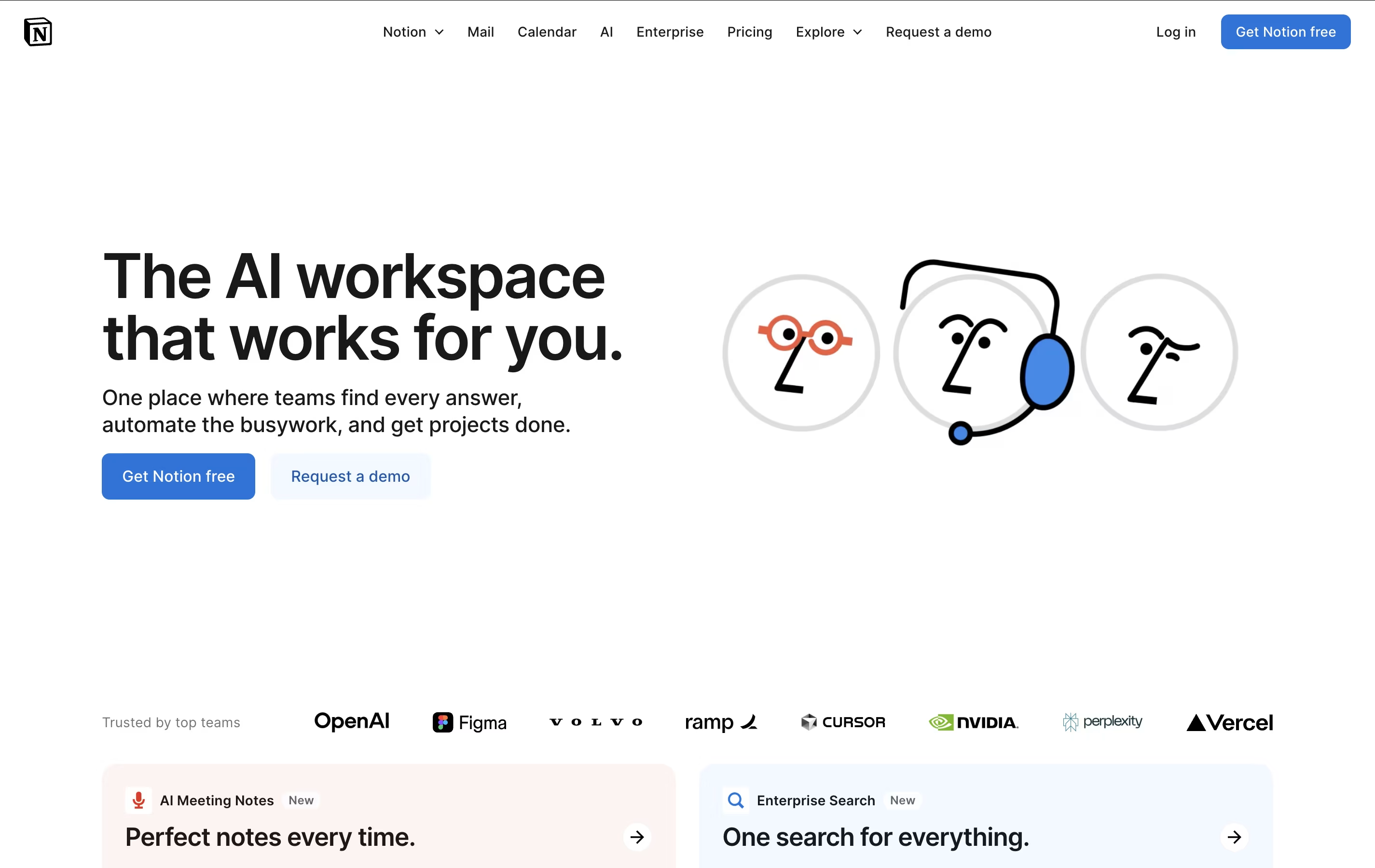
What sets Notion apart is its flexibility. You can create simple notes, complex project management systems, company wikis, or personal journals using the same tool. The platform supports real-time collaboration, allowing teams to work together on documents, databases, and projects simultaneously. With templates for common use cases and the ability to create custom workflows, Notion scales from personal use to enterprise-level operations while maintaining simplicity and elegance.
Gadget is an AI-powered, full-stack development platform designed to accelerate web application development by eliminating repetitive boilerplate code and setup tasks. Think of it as a complete development environment that includes everything you need: a Node.js backend, React frontend, PostgreSQL database, and serverless hosting, all integrated and ready to use.
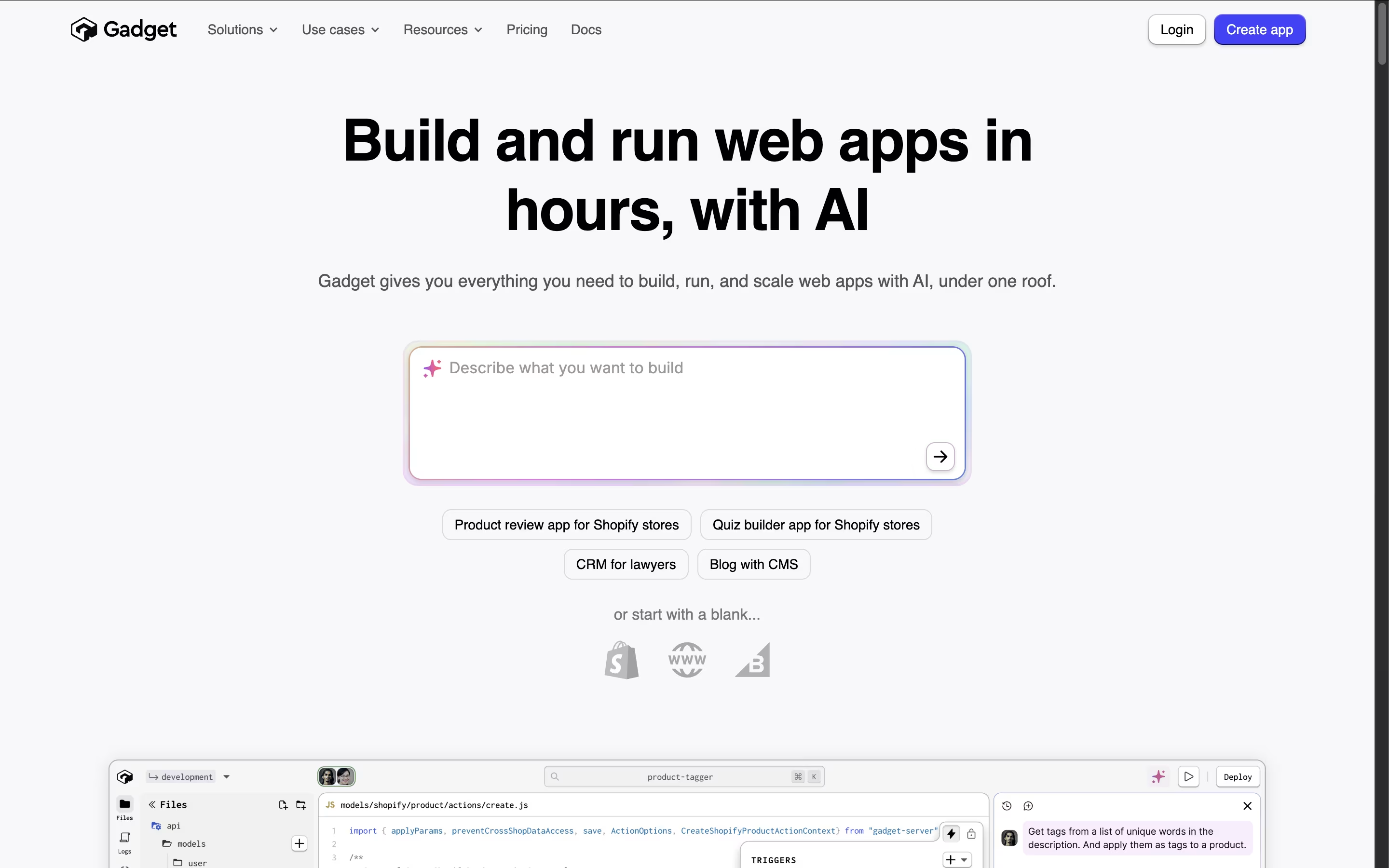
The platform automatically generates APIs, handles authentication, manages databases, and provides built-in connections to popular services like Shopify and BigCommerce. What makes Gadget special is its AI assistant that understands your specific app and helps write code, create database tables, and handle deployment tasks.
Unlike no-code tools that limit customization, Gadget gives you full control over your code while removing the tedious setup work. Founded by ex-Shopify executives, it combines best practices with smart automation to help developers build applications up to 10 times faster than traditional methods.

UI Bakery is a low-code development platform that lets you build web applications using a visual drag-and-drop interface combined with custom code when needed. Unlike pure no-code tools, UI Bakery gives developers full control through JavaScript and SQL customization while speeding up the building process significantly.
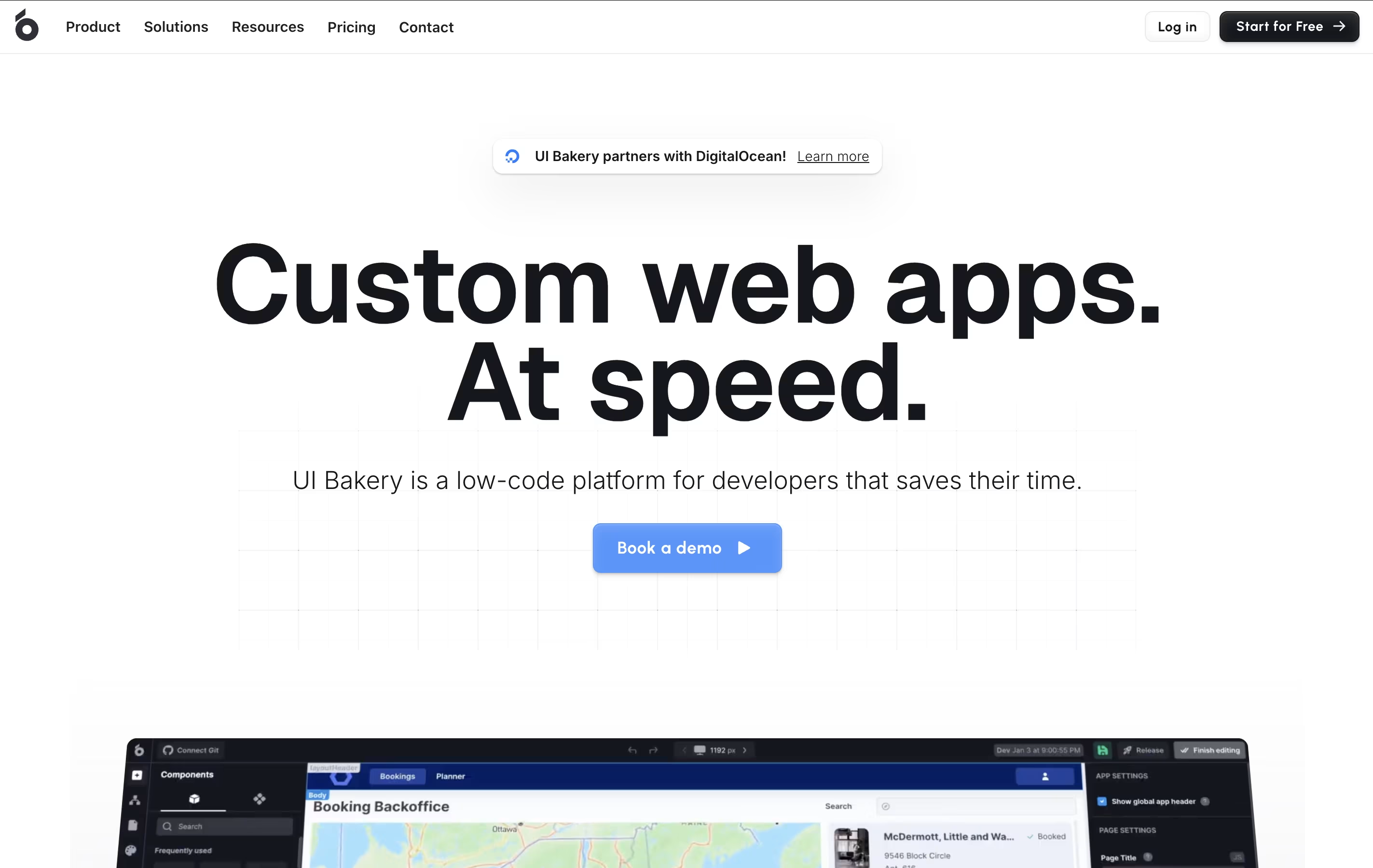
The platform includes 75+ ready-made components, templates, and connectors to popular databases and services. You can create internal tools, customer portals, admin dashboards, and vendor apps without worrying about frontend frameworks or CSS styling. UI Bakery handles deployment, version control, and user access management automatically.
Available as both cloud-hosted and self-hosted options, UI Bakery works great for teams that need compliance with data security requirements while maintaining development speed and flexibility.

Budibase is an "open-source low-code platform" designed specifically for building internal business applications. This means you can create tools like admin panels, approval workflows, data dashboards, and form-based apps without writing extensive code.
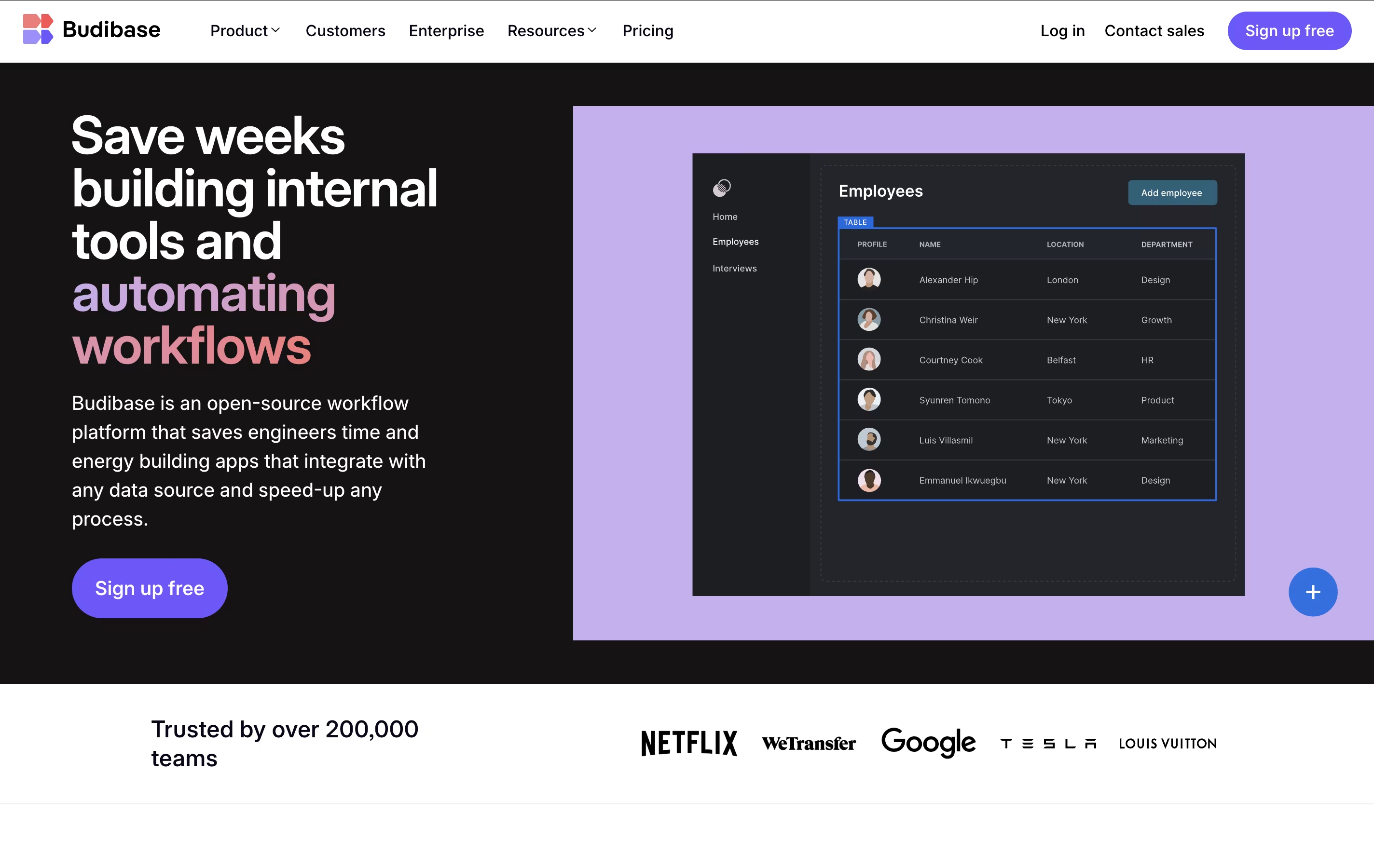
The platform works by connecting to your existing data sources - whether that's a SQL database, spreadsheet, or external API - and letting you build responsive user interfaces on top of that data. What makes Budibase unique is its complete approach: it includes a visual app builder, built-in database, automation engine, and hosting options all in one package.
The open-source nature means you can self-host it for free, customize the platform, and maintain full control over your data and applications.
Webiny is a serverless content management system that you install and run inside your own AWS cloud account. It's completely open-source, which means you can see how it works and change it to fit your needs.
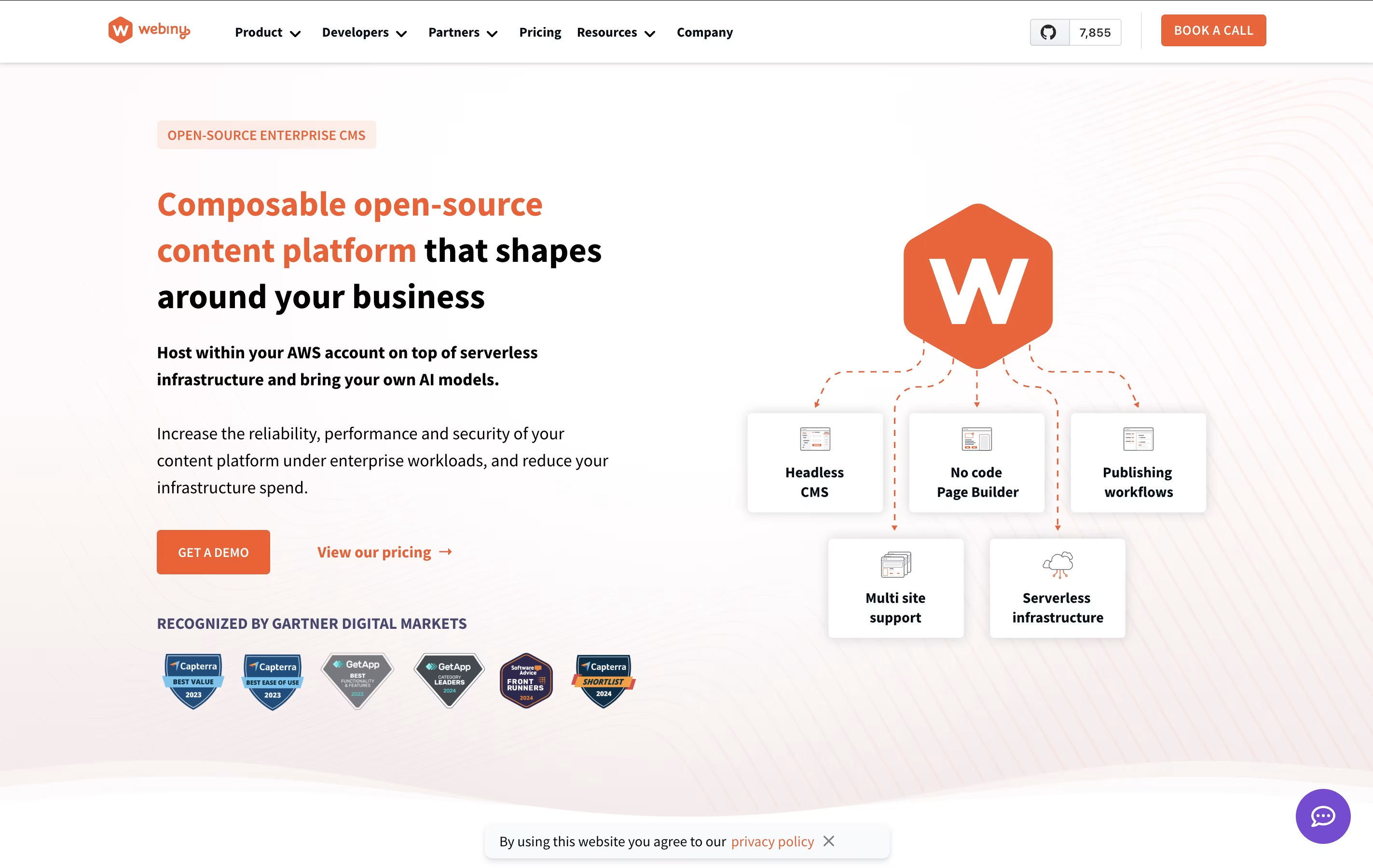
The platform includes four main tools. First, a headless CMS lets you create and store your content. Second, a page builder helps you design website pages by dragging and dropping elements without writing code. Third, a form builder makes it easy to create contact forms and surveys. Fourth, a file manager organizes all your images, videos, and documents.
Because it's serverless, you only pay for what you actually use. Your website can handle both small traffic and millions of visitors without any extra setup. The system automatically scales up or down based on your needs.

Cube.js is a universal semantic layer that sits between your data sources and applications. Think of it as a smart middleware that connects to data warehouses like Snowflake, BigQuery, or Postgres and transforms raw data into business-ready metrics and dimensions.
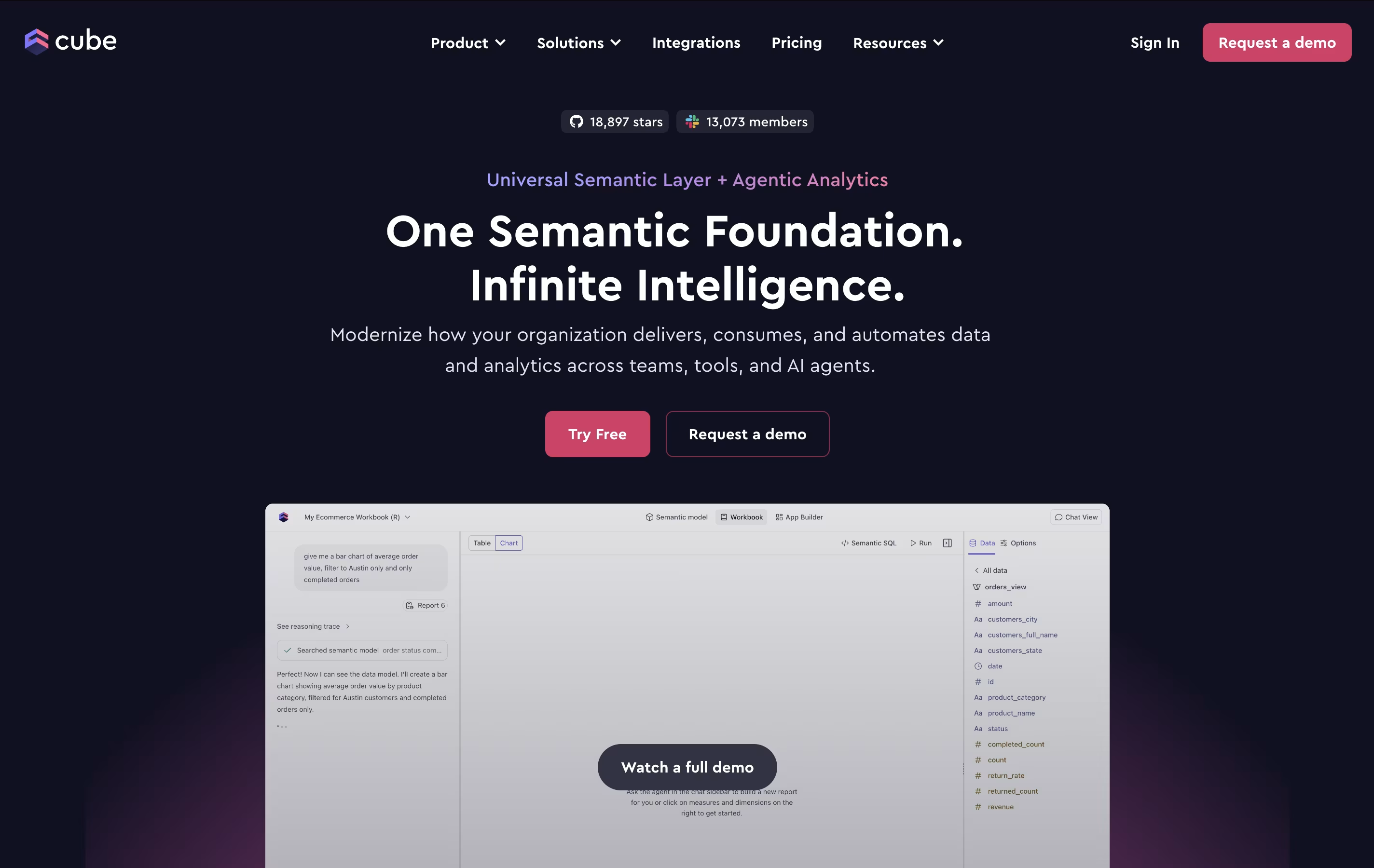
Unlike traditional BI tools that lock you into specific interfaces, Cube.js provides flexible APIs that work with any application or tool. You define your data model once using code, and Cube.js automatically generates optimized SQL queries, handles caching for faster performance, and provides consistent results across all your applications.
The platform consists of two main offerings: Cube Core (open-source) for self-hosting and Cube Cloud (managed service) with additional enterprise features. Both versions support the same core functionality but Cube Cloud includes hosting, security features, and integrations with popular BI tools like Tableau and Power BI.

Metabase is an open-source business intelligence platform designed to make data accessible to everyone in your organization. Instead of requiring SQL knowledge or technical training, it provides a visual query builder that lets users click and drag to create charts, graphs, and dashboards.
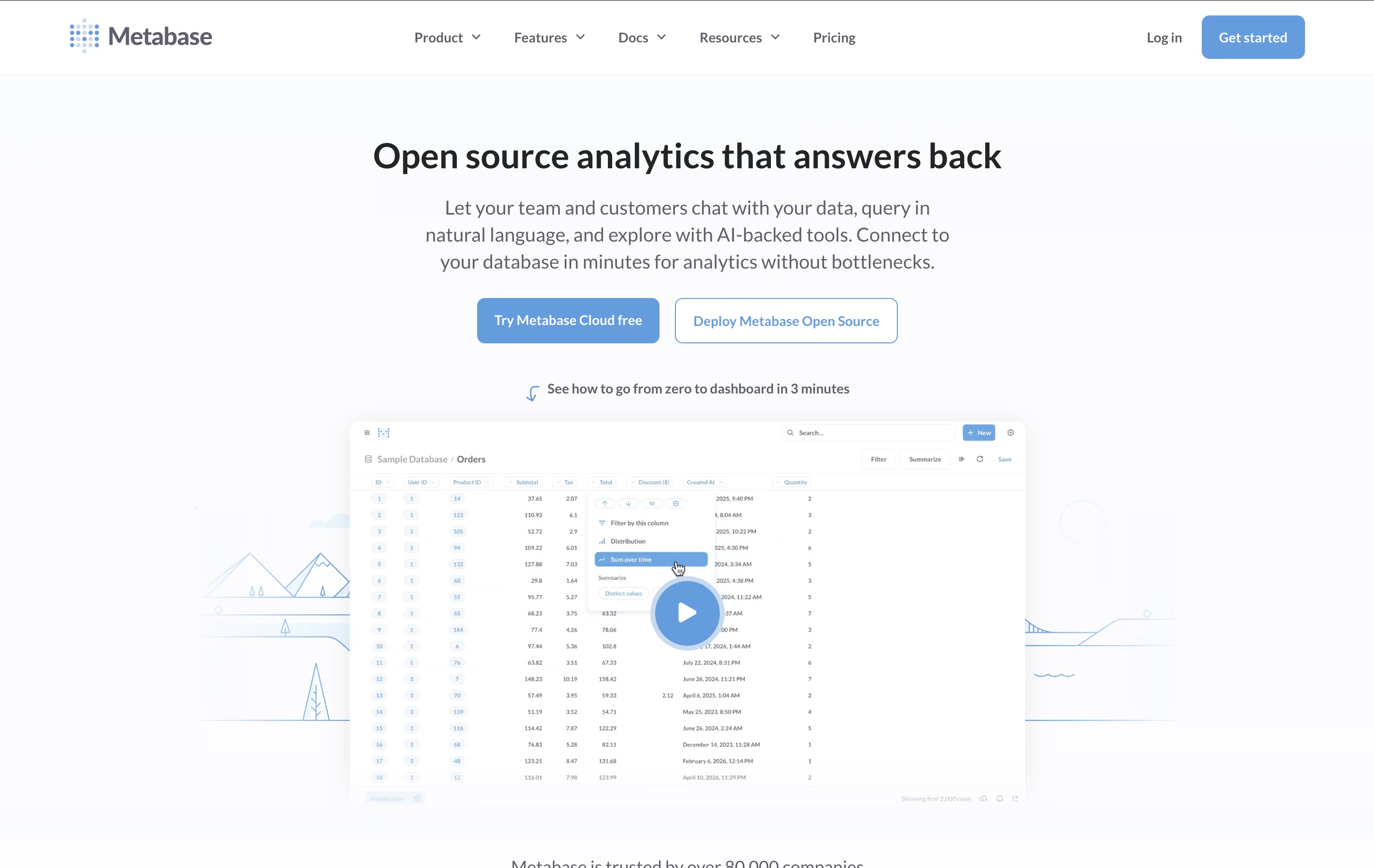
The platform connects to over 20 different databases and data sources, from PostgreSQL and MySQL to cloud services like BigQuery and Snowflake. It queries your data directly without copying or storing it elsewhere, which keeps everything secure and up-to-date.
Metabase offers both self-hosted and cloud deployment options. The open-source version includes all core features for free, while paid plans add advanced permissions, embedding capabilities, and professional support. Whether you're a startup analyzing customer data or an enterprise building internal dashboards, Metabase scales from simple charts to complex multi-user analytics platforms.
Apify is a comprehensive web scraping and browser automation platform designed to help businesses extract data from websites at scale. Think of it as a marketplace combined with a powerful infrastructure that handles all the complex technical parts of web scraping for you.
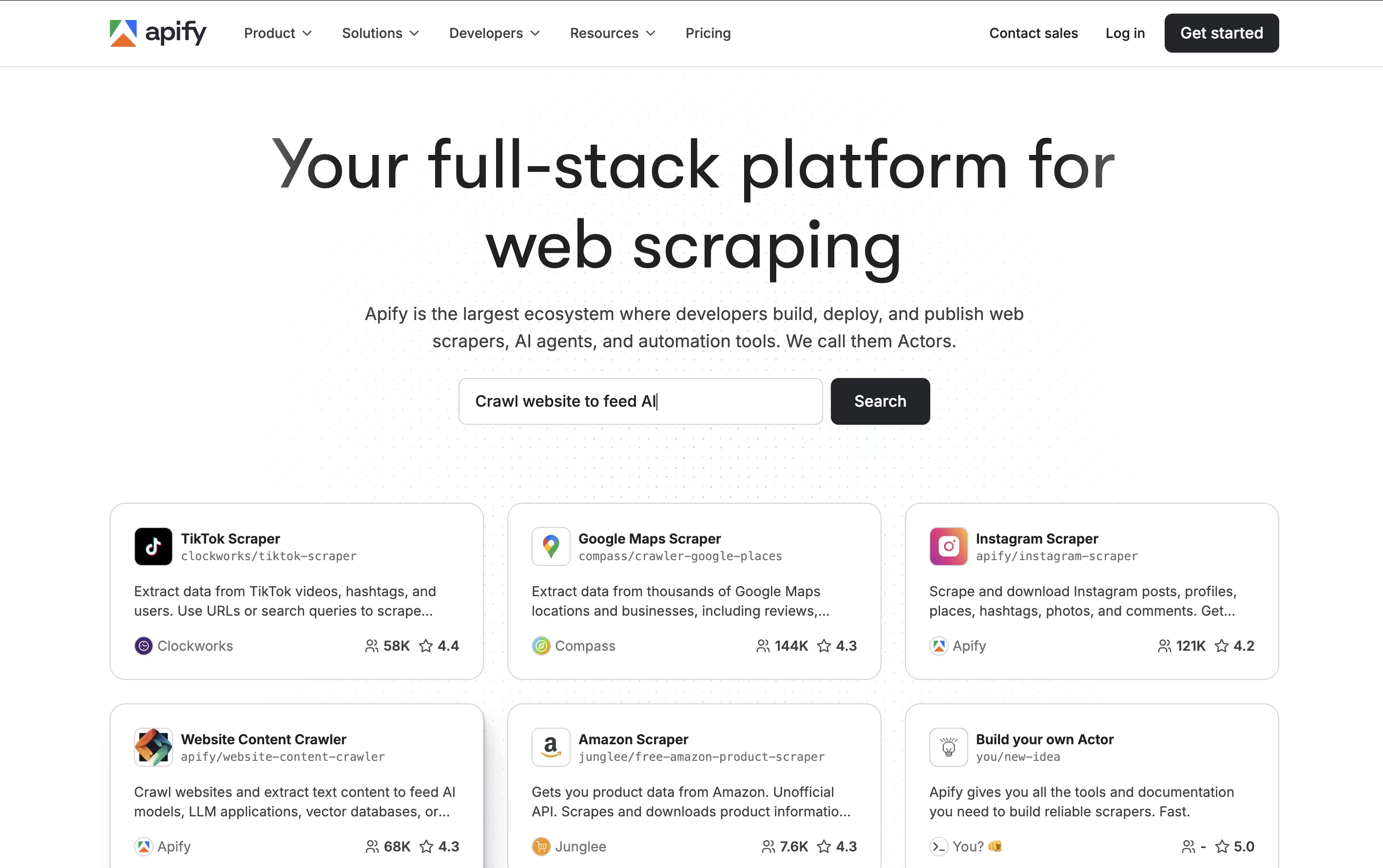
The platform hosts over 6,000 pre-built scrapers and automation tools called "Actors" that can extract data from popular websites like Google Maps, Instagram, Amazon, LinkedIn, and many others. Each Actor is like a specialized robot that knows exactly how to navigate and collect data from specific websites. The main difference from building your own scrapers is simplicity: instead of dealing with proxies, browser management, and anti-bot measures, you just choose an Actor, configure it, and let it run. Founded in 2015, Apify has become the largest ecosystem for web scraping tools, serving over 10,000 customers worldwide.

Mitzu is a warehouse-native product analytics platform designed specifically for businesses that want to analyze their data without the complexity and costs of traditional analytics tools. Think of it as a smart layer that sits on top of your existing data warehouse, automatically generating SQL queries based on your questions and needs.
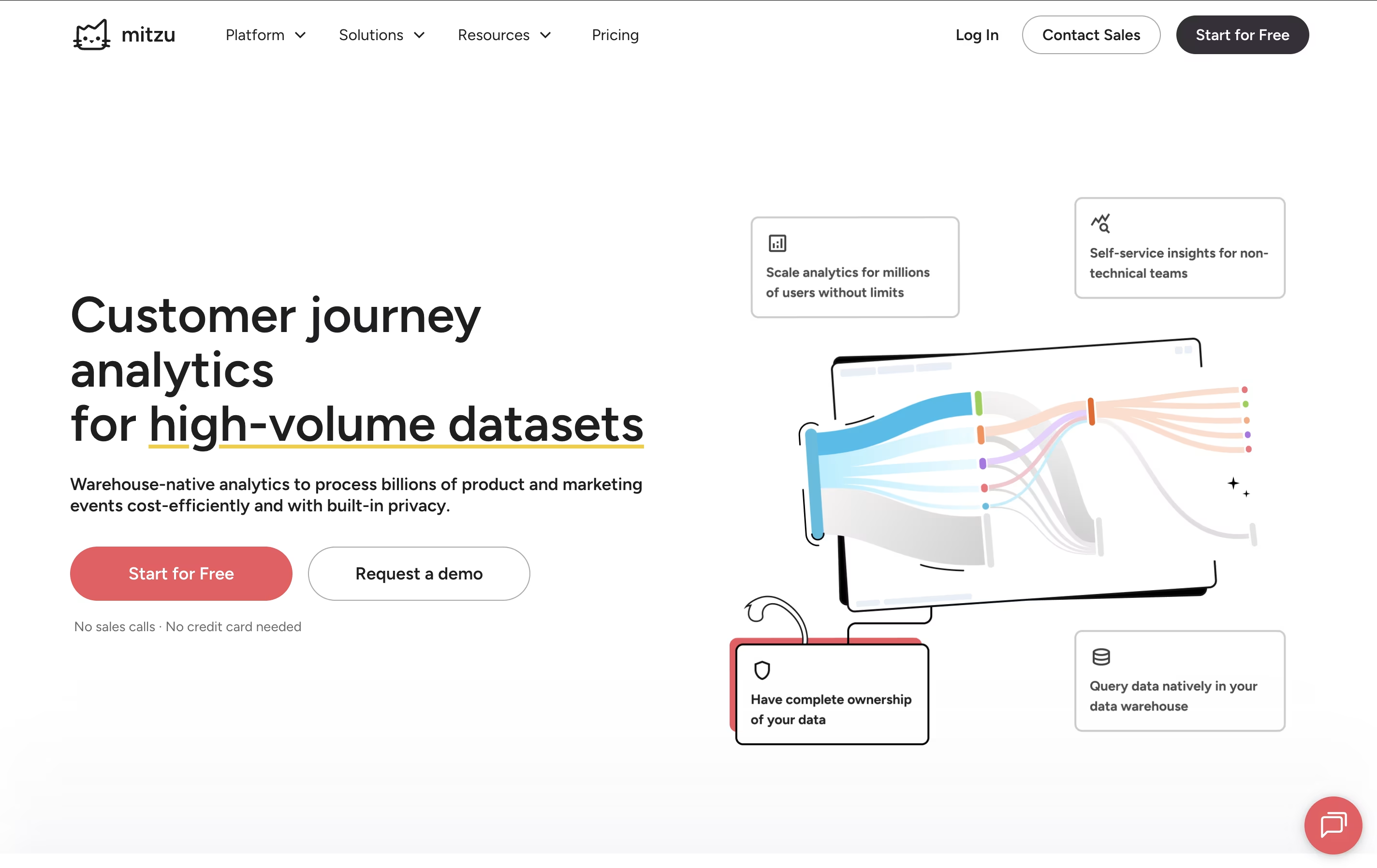
The platform specializes in product, marketing, and revenue analytics, helping teams understand user behavior, track customer journeys, measure retention rates, and analyze conversion funnels. What makes Mitzu unique is its commitment to data privacy - your information never leaves your warehouse.
Instead of copying data to external servers like other analytics tools, Mitzu generates native SQL queries that run directly in your data warehouse. This approach ensures better security, unlimited historical data access, and significant cost savings, especially for businesses with large datasets and many non-paying users.