

Best 8 Tools for Personal Information Management in 2026
Last Updated: October 21, 2025
Keeping personal notes, contacts, and tasks organized in one place reduces the mental overhead of tracking it all separately. Personal Information Management tools bring together notes, contacts, and tasks into one system.
Individuals use personal information management to stay organized across different areas of life and work.
 Standard Notes
 Standard NotesSecure Encrypted Note-Taking App,
  Blinko
 BlinkoOpen-Source AI Note-Taking Tool for Privacy-Focused Quick Capture, and
  Notesnook
 NotesnookPrivate Note-Taking with Complete Encryption are the best for Personal Information Management. So, let’s take a closer look at all 8 tools.
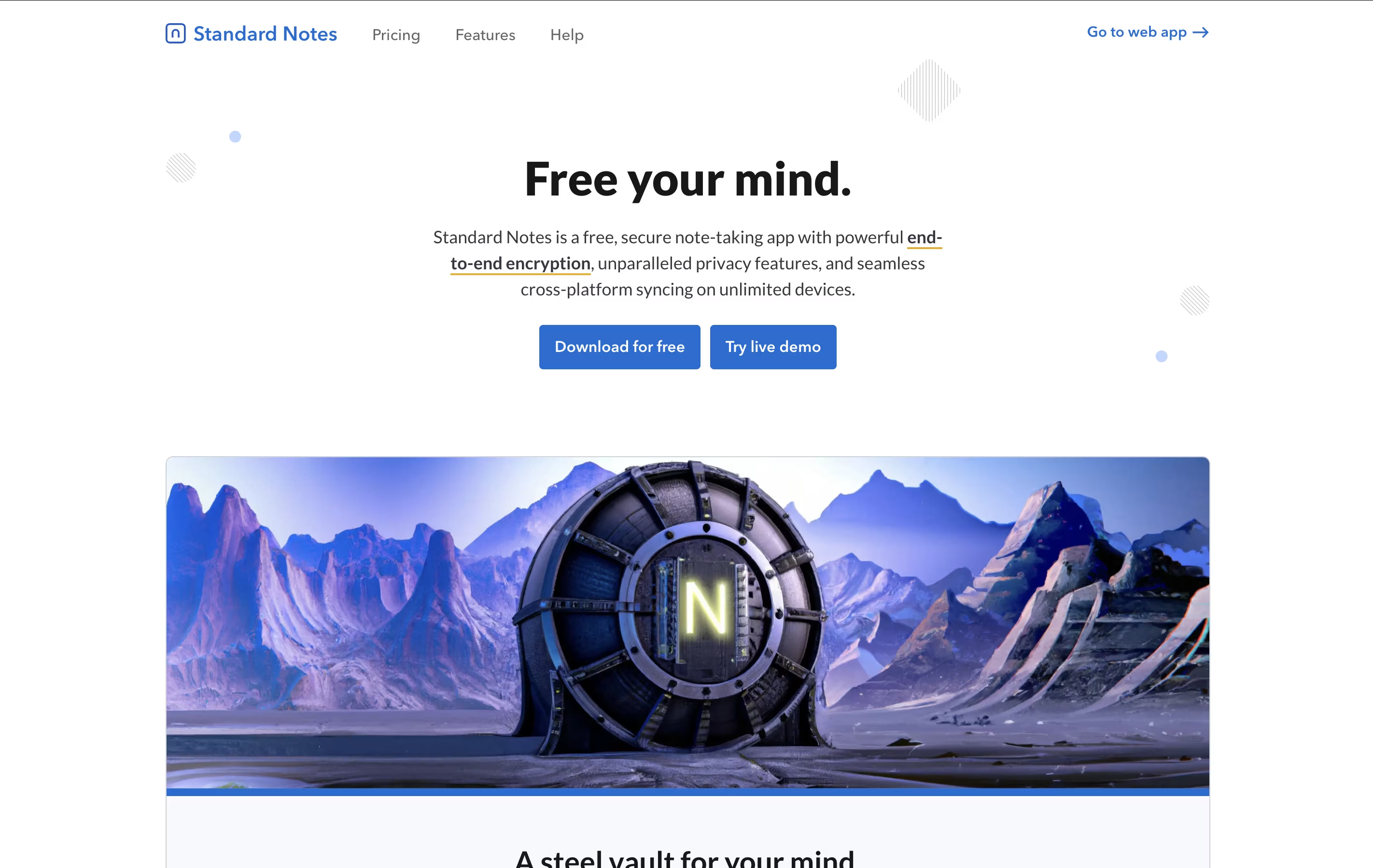
Standard Notes is a note-taking tool that protects your data with strong encryption. When you write a note, it gets locked with a secret code that only you have. This means even the company that runs Standard Notes cannot read what you write. Your notes sync across all your devices automatically, so you can start writing on your phone and continue on your computer.
The app offers both free and paid plans. The free version includes basic note-taking with full encryption, while paid plans add features like rich text formatting, file storage, and advanced editors for different types of content. It works on web browsers, desktop computers, and mobile devices, giving you access everywhere.
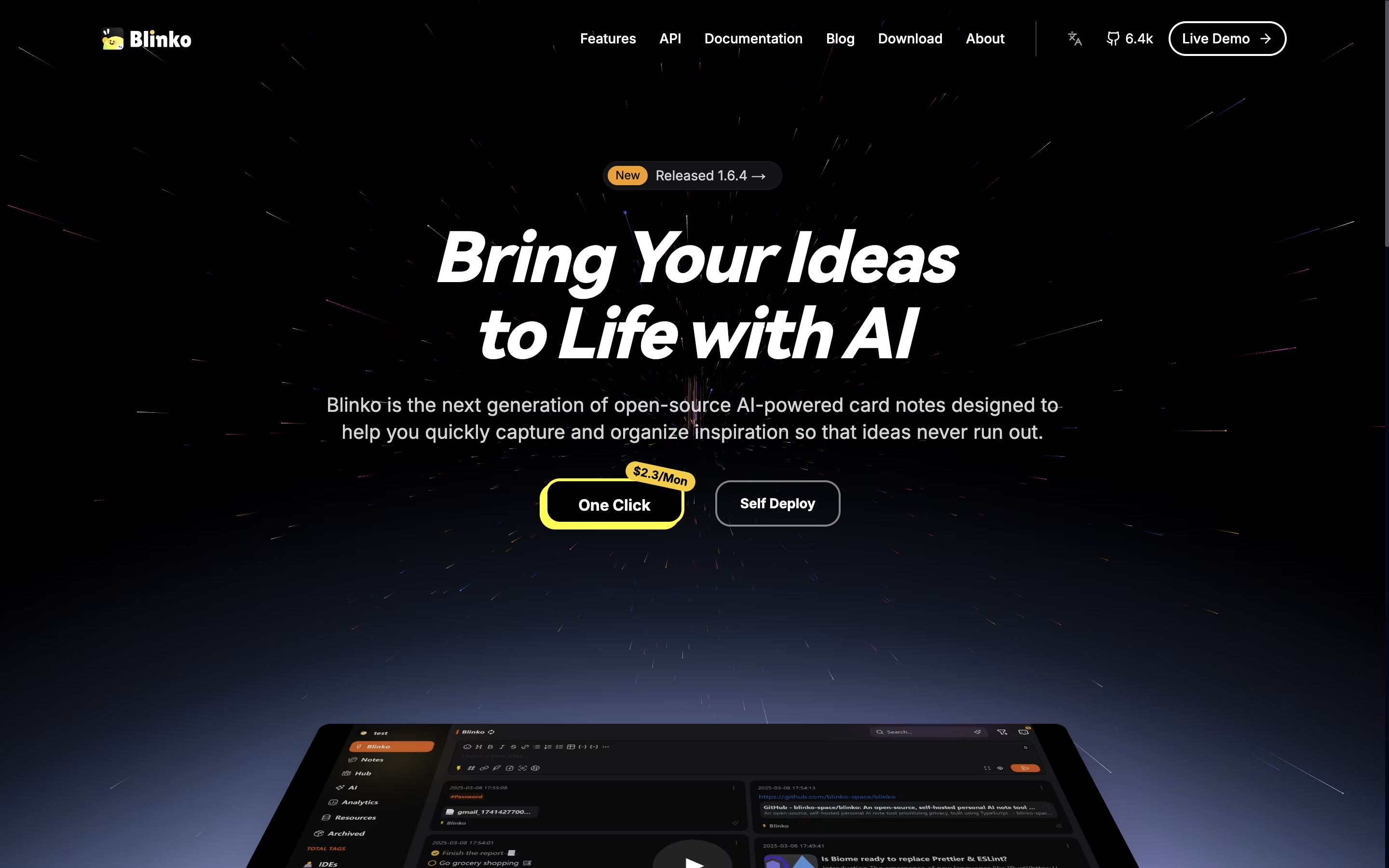
Blinko is a self-hosted note-taking application that combines simplicity with powerful features. Unlike cloud-based tools where companies store your data, Blinko runs entirely on your own computer or server, giving you complete privacy. The app organizes content into two categories: quick notes called "Blinkos" for instant capture, and full "Notes" for detailed information you want to keep long-term.
It includes support for tags, tasks with reminders, and formatted text using standard writing tools. The application can connect to AI models that help search your notes using normal language instead of exact keywords. You can add music playback, connect through browser extensions or mobile shortcuts, and even read news feeds directly inside the app. Everything is designed to help you think and create without worrying about where your data goes.
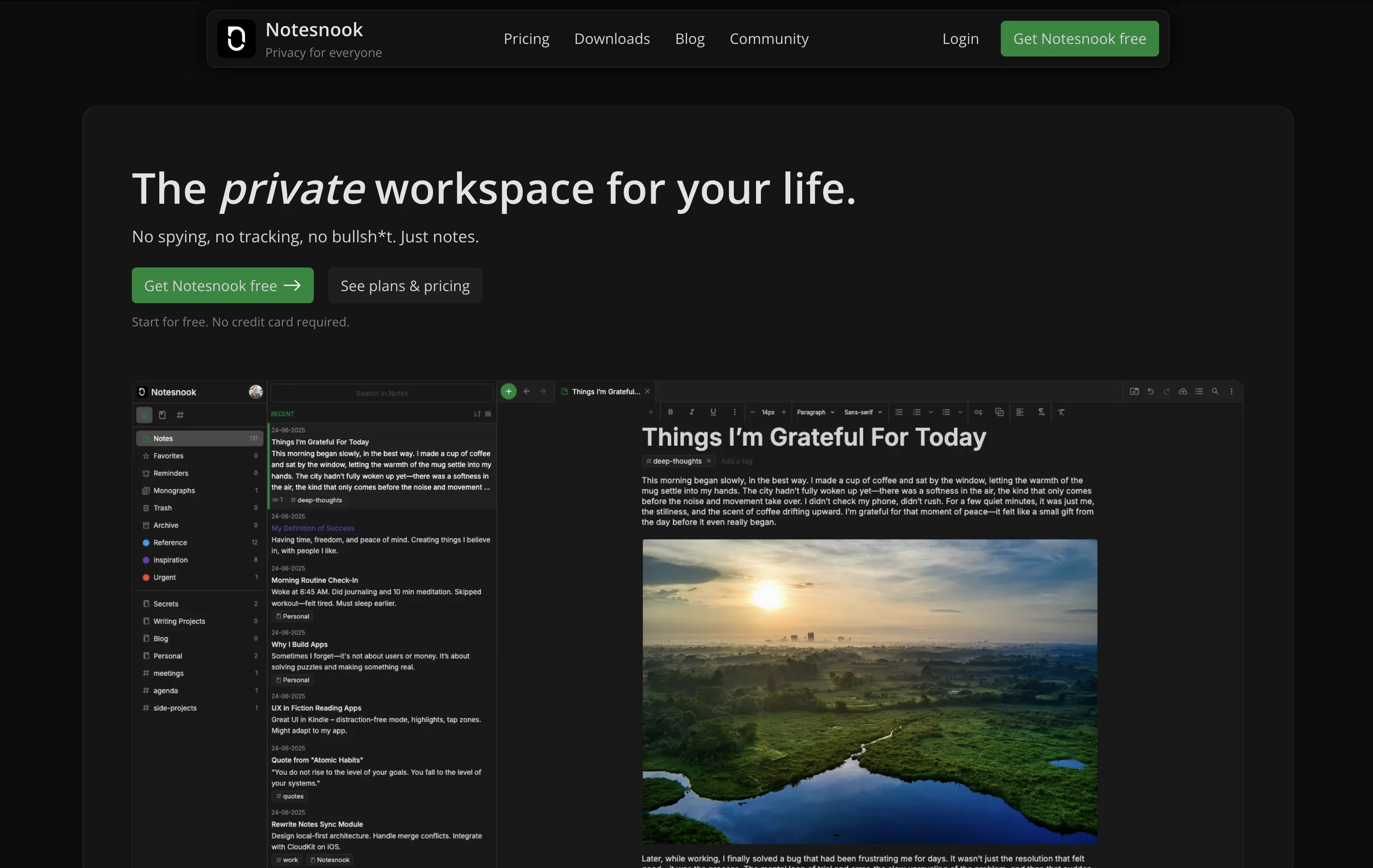
Notesnook is a note-taking tool that keeps your information completely private through strong encryption. Every note you write gets locked with special codes before leaving your device. This means even if someone breaks into the company's servers, your notes stay unreadable.
The app works across all your devices. You can start a note on your phone during lunch and finish it on your computer at home. Everything syncs automatically while staying protected.
It includes features like password-protected vaults for extra-sensitive notes, web clipping to save articles, and rich text editing with tables, task lists, and code blocks. The entire app is open source, so security experts can check the code to confirm it's truly safe.

UpNote is a note-taking tool that helps you write, organize, and find your notes quickly. You can create notes with text, images, files, and even tables. The app works on iPhone, Android, Mac, Windows, and Linux, so you can access your notes from any device.
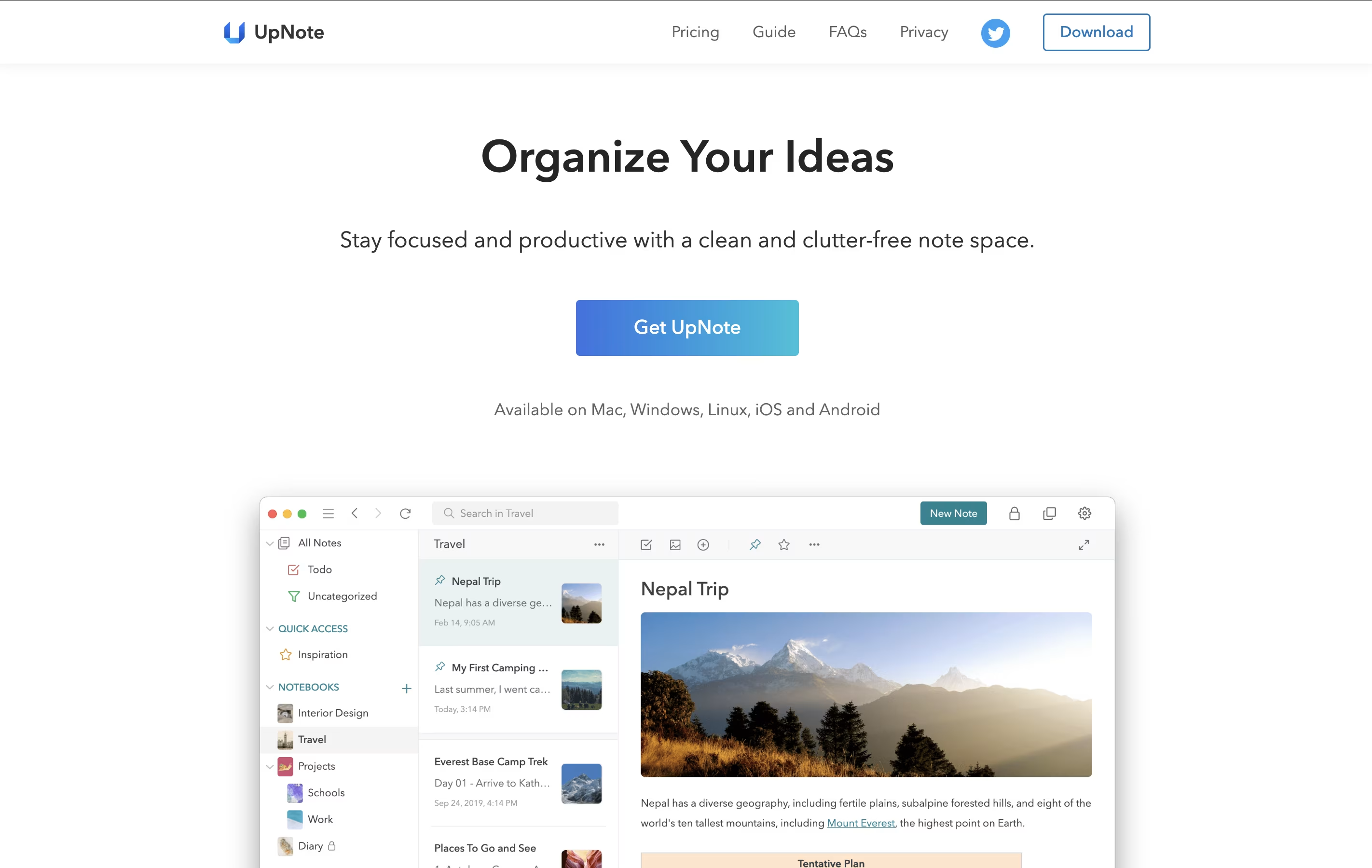
The app uses a simple system of notebooks and tags to keep everything neat. You can also protect your private notes with a password lock. UpNote works offline too, so you can write notes even without internet, and they sync automatically when you connect again.
There is a free version that lets you store up to 50 notes, and a premium version with unlimited notes and extra features.

Bear is a writing and note-taking tool that runs on Apple devices. You type notes in plain text and add formatting using simple Markdown commands. This means you can make text bold, create headers, add links, or insert images without reaching for your mouse.
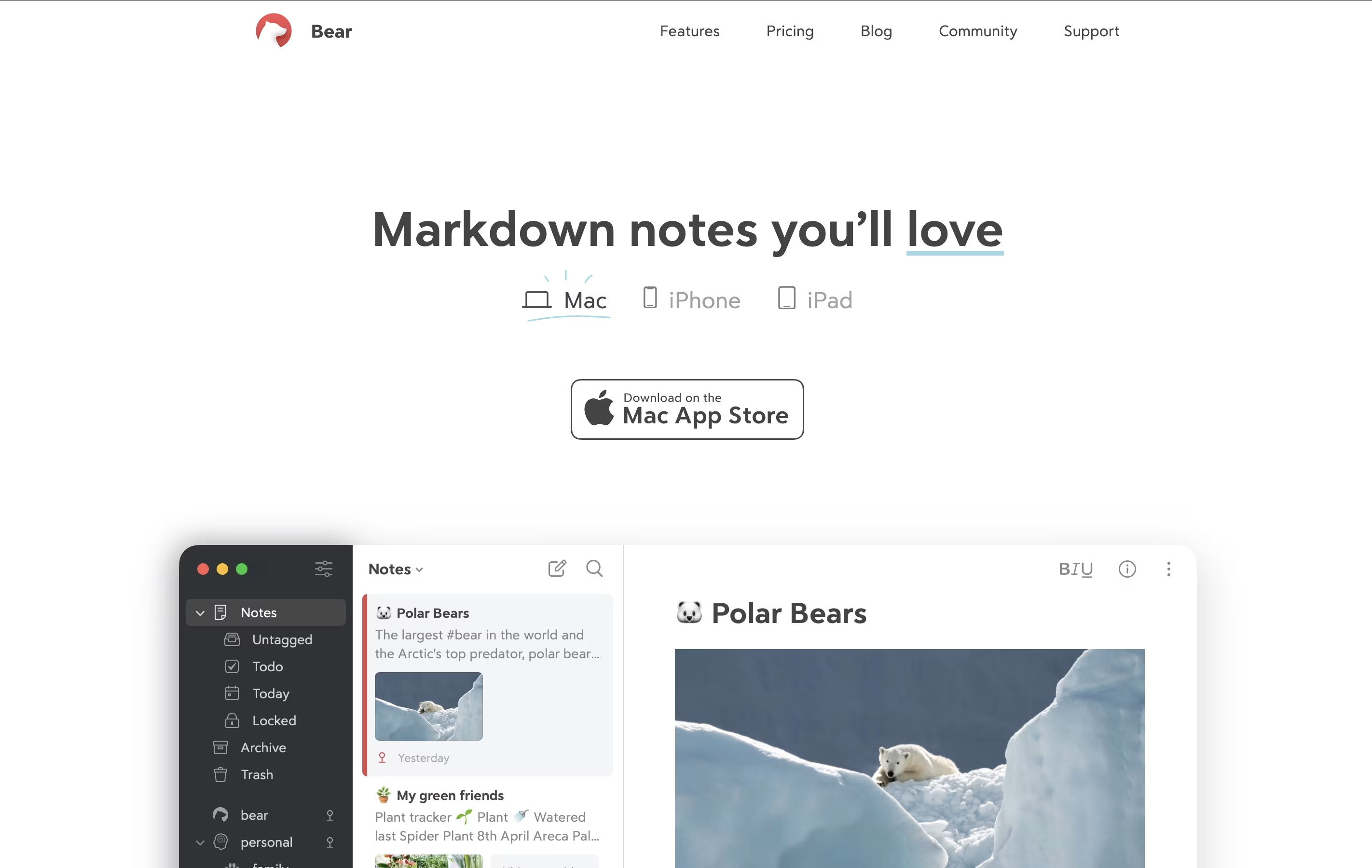
The app organizes notes using tags. Instead of putting notes in folders, you add hashtags anywhere in your text. These tags appear in the sidebar, and you can nest them for deeper organization. For example, you might use tags like work, personal, or ideas.
Bear keeps everything private and stored locally on your device. The free version offers solid features, while Bear Pro adds extras like cloud sync between devices, more export options, and the ability to search text inside images and PDF files.
Capacities is a note-taking and knowledge management app built around objects instead of traditional folders. When you create a note about a person, book, or project, it becomes an object you can easily link to other notes. This makes finding connections between your ideas much simpler.
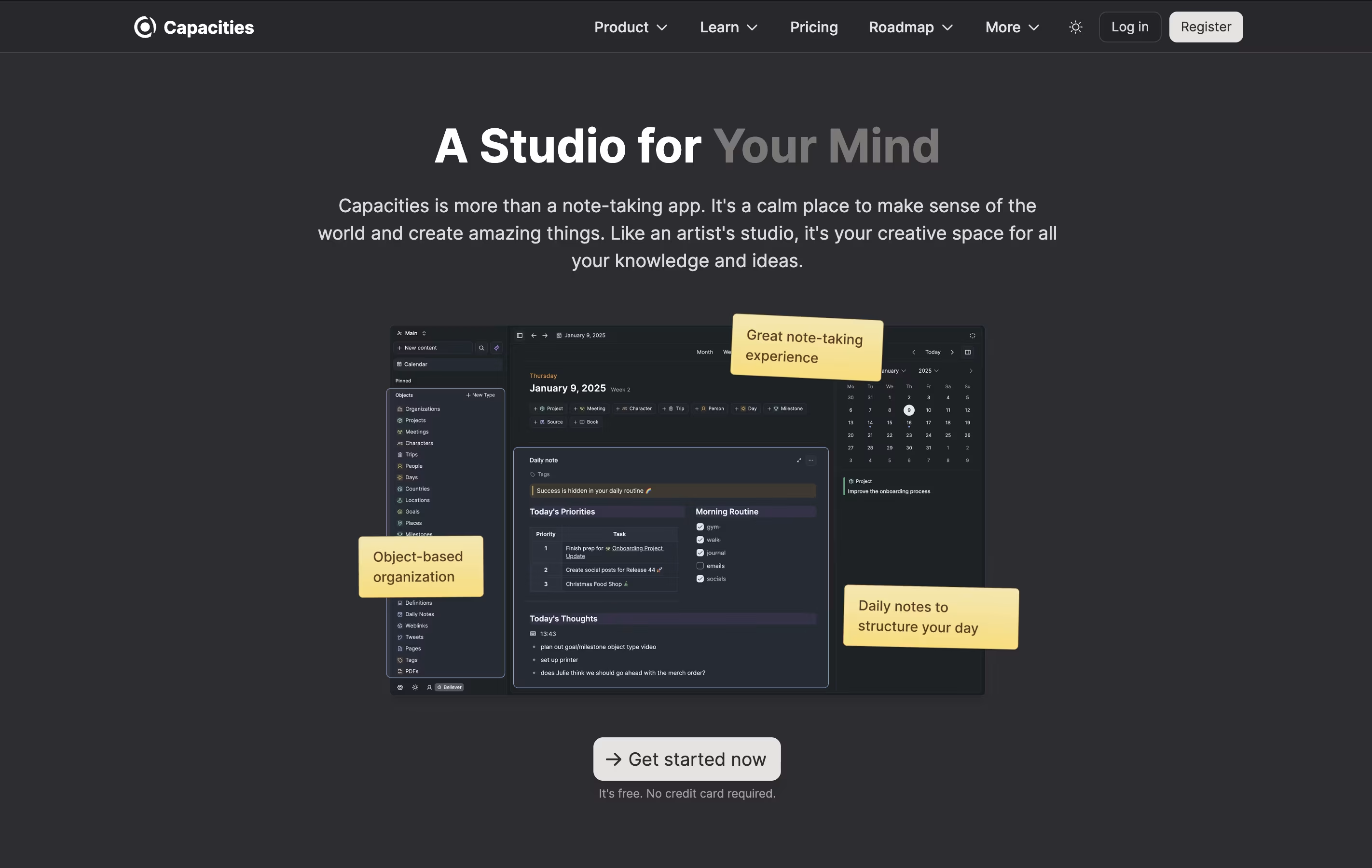
The app includes daily notes for journaling and quick captures, full-text search across all content, and the ability to work offline. You can connect your calendar to automatically create notes for meetings and events. The Pro version adds an AI assistant that can help you think through ideas and answer questions based on your notes.
Capacities works on computers, phones, and tablets, keeping everything synced across your devices so you can access your notes anywhere.

Joplin is a powerful tool for capturing and organizing your thoughts, to-do lists, and information. It supports rich text and Markdown formatting, allowing you to create notes with images, attachments, tables, and even code snippets. You can clip web pages directly from your browser and save them as notes for later reference.
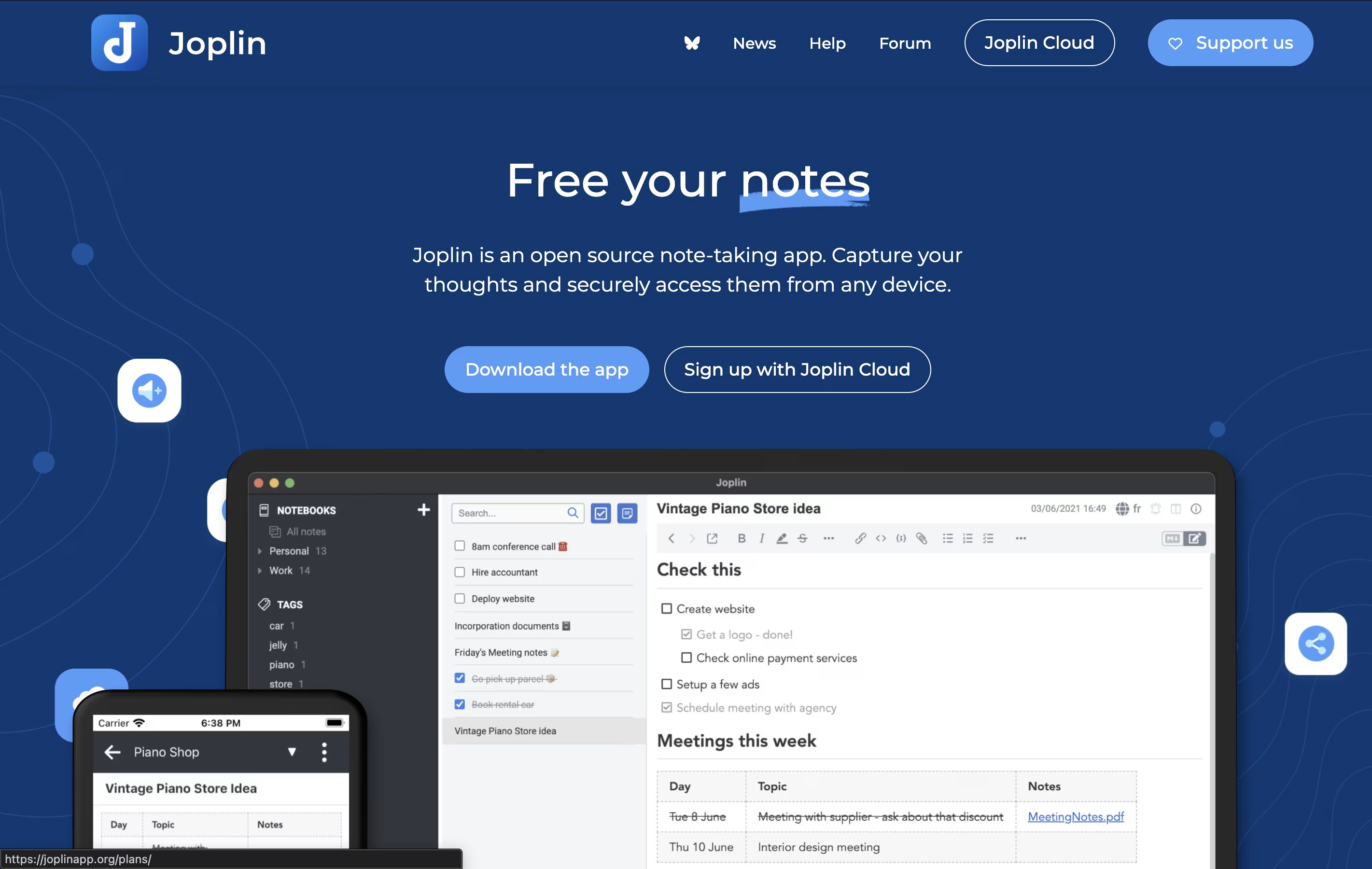
What makes Joplin special is its focus on privacy and data ownership. Your notes are stored locally on your devices, not on someone else's server. When you sync across devices, everything is protected with end-to-end encryption, meaning only you can read your content.
The app offers multiple sync options including Dropbox, OneDrive, Nextcloud, or Joplin's own cloud service. You can also customize Joplin with plugins and themes to match your workflow perfectly.
Anytype is a tool for organizing your notes, tasks, files, and projects while keeping everything private on your device. You create content using objects, which are like structured notes with properties you can customize. For example, a book object can have an author, rating, and notes all connected together.
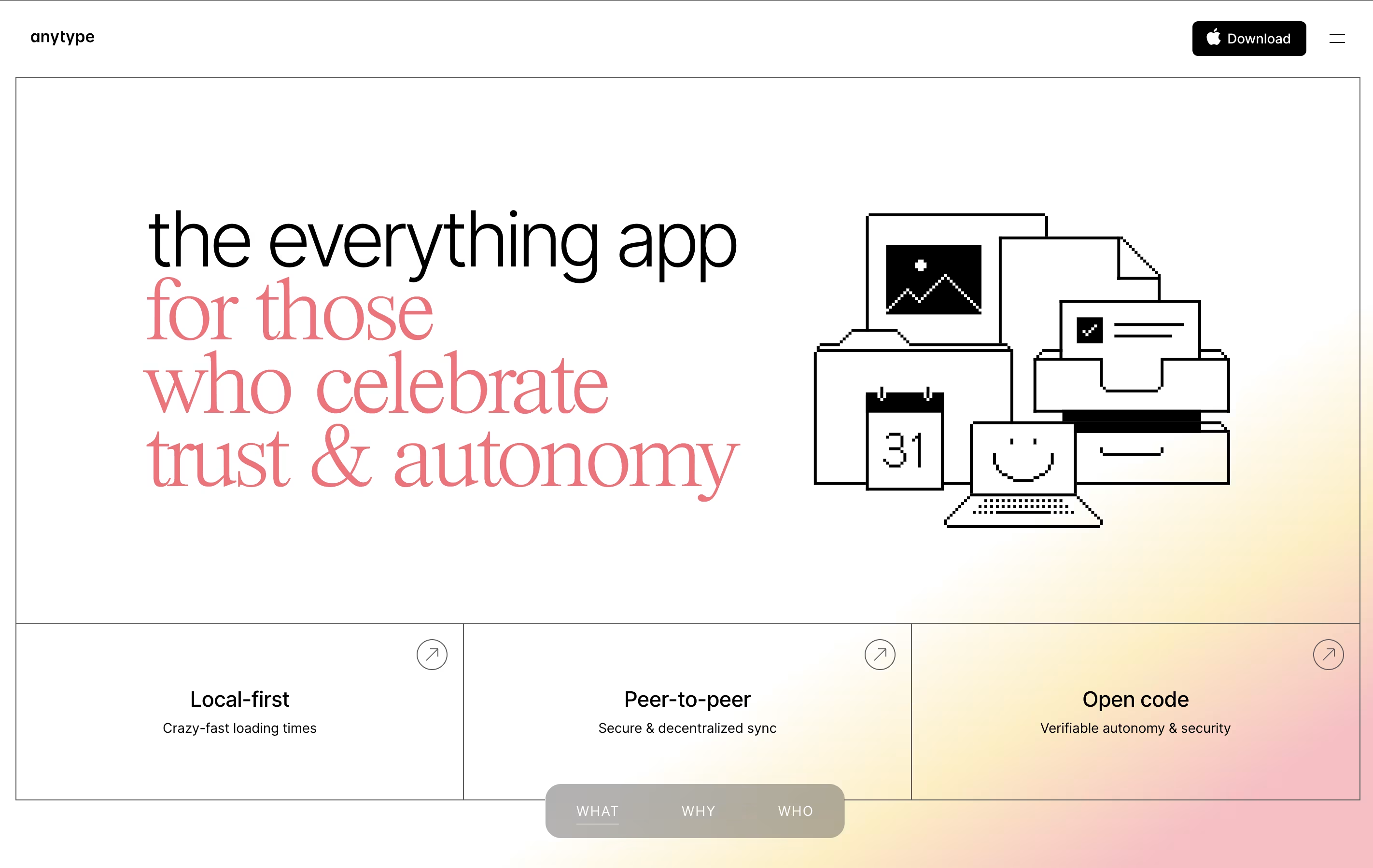
The app works offline and stores data locally with encryption, meaning your information stays on your device unless you choose to sync it. When you do sync, it uses secure connections between your devices. You can create databases, link related information, and build visual connections between different pieces of content.
There is a free plan with limited cloud storage, plus paid plans for those who need more backup space and advanced features like shorter custom names.