

Best 8 Tools for API Access Security in 2026
Last Updated: October 26, 2025
An API that is not properly secured can expose data or functionality to unauthorized use. API Access Security tools help control and protect who can call an API and how.
Developers and security teams use API access security to prevent unauthorized use of exposed endpoints.
 Authorizer
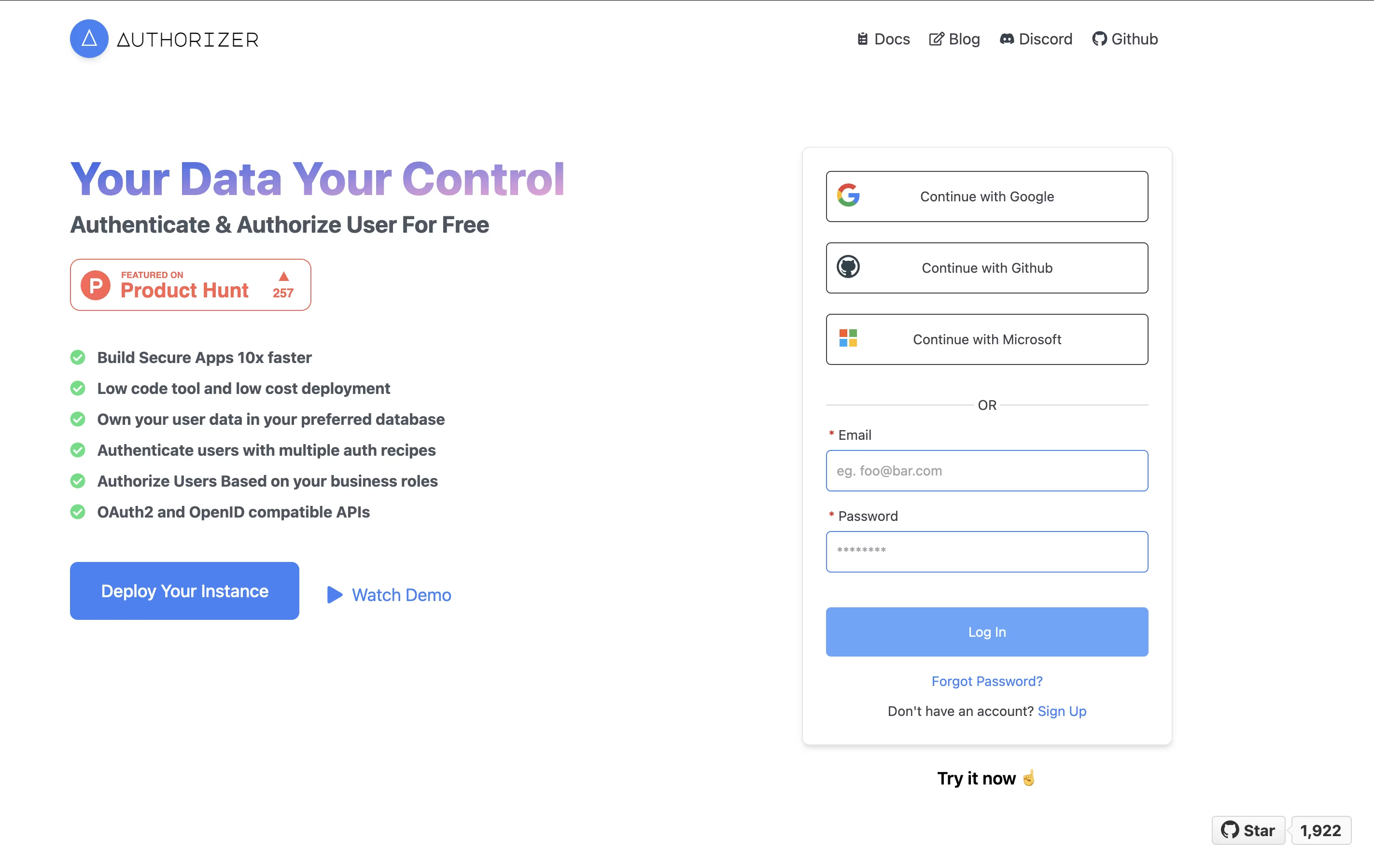 AuthorizerFree Open-Source Authentication Tool,
  Auth.js
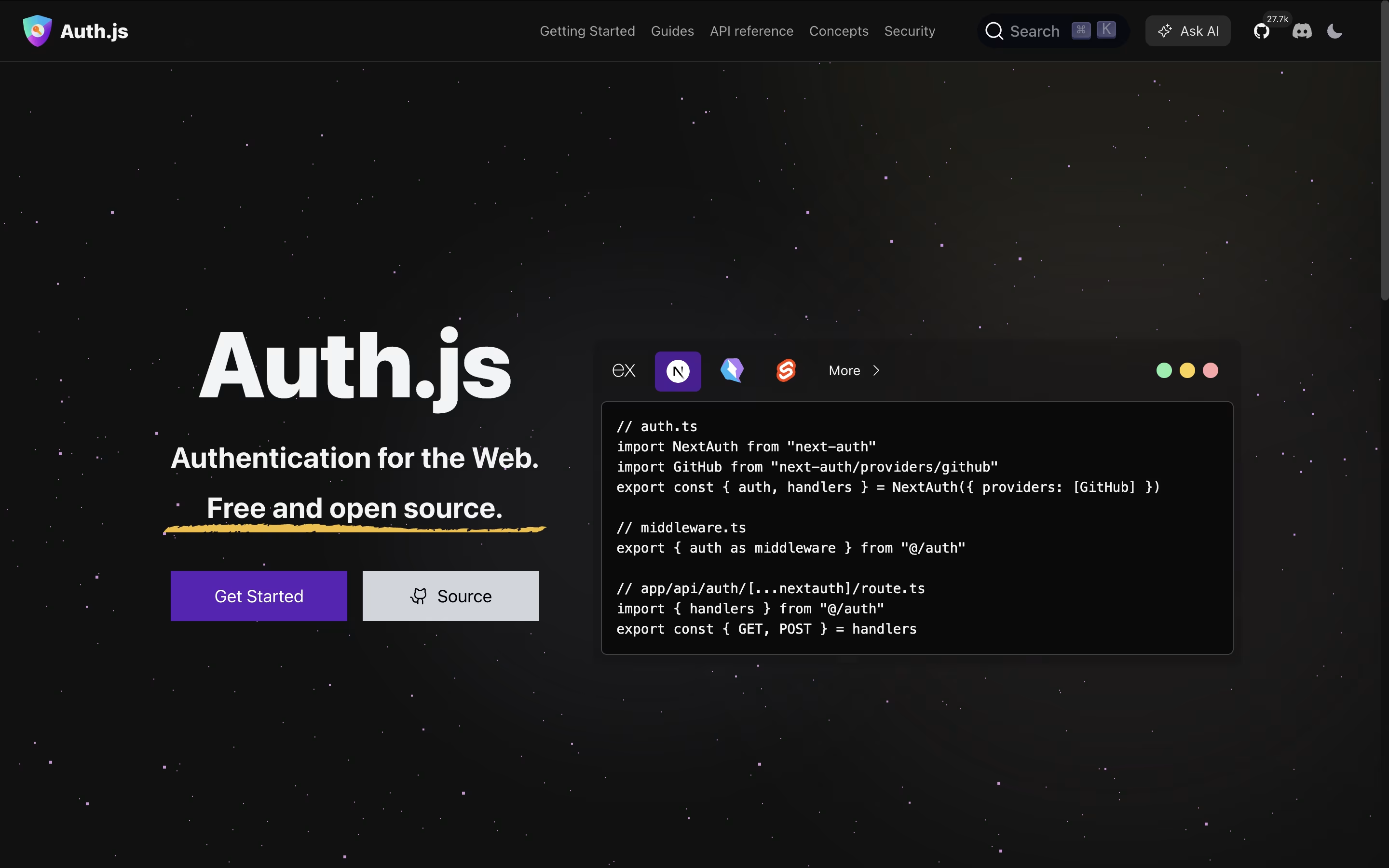 Auth.jsFree Open-Source Authentication Library, and
  FusionAuth
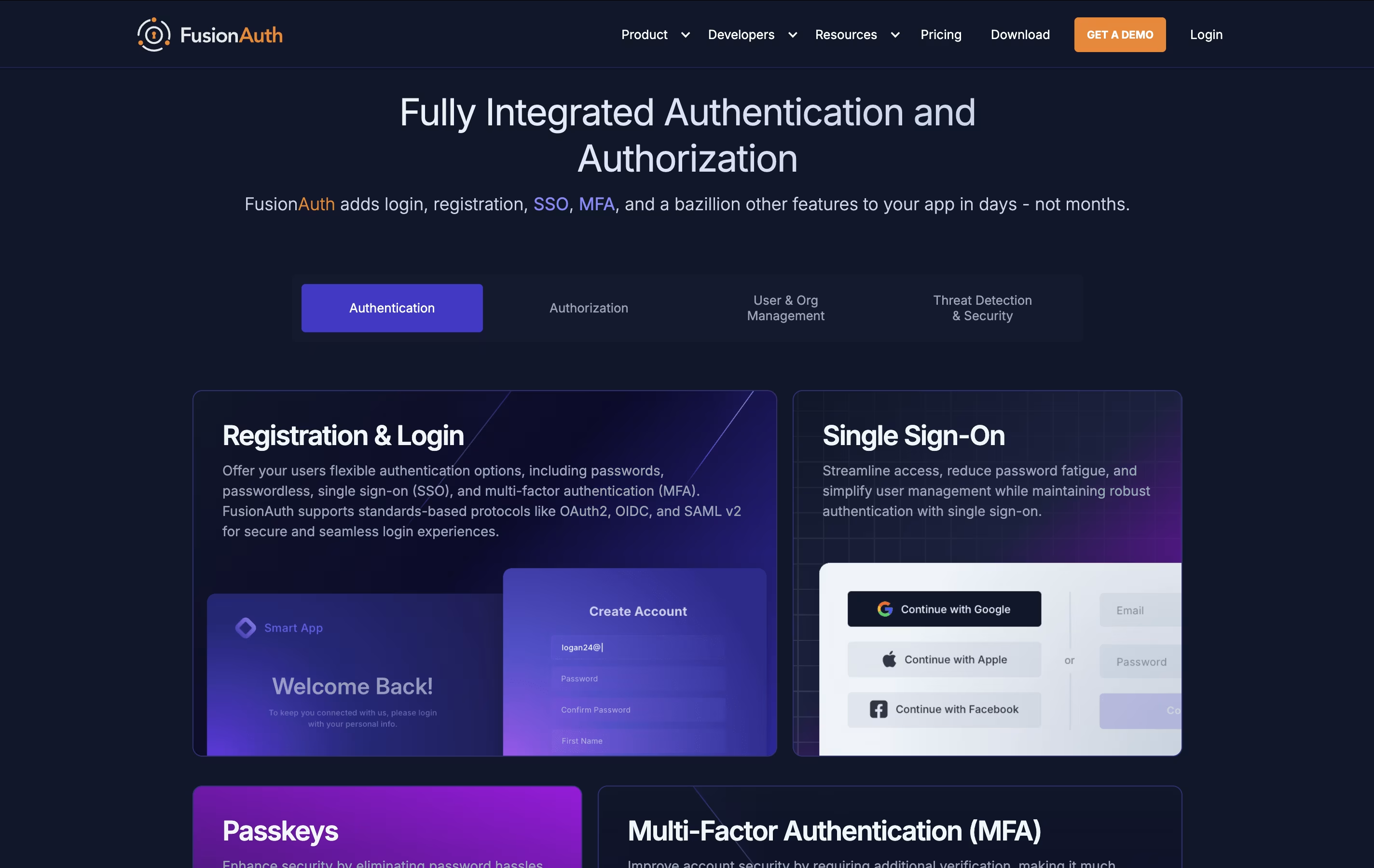 FusionAuthDeveloper Authentication Platform are the best for API Access Security. So, let’s take a closer look at all 8 tools.
Authorizer is a tool that adds login and user management to your website or app. You connect it to your existing database, and it creates a complete system for users to sign up, log in, and manage their accounts. Unlike paid services, you own all the code and data.
It supports over 11 different databases including popular options like PostgreSQL, MySQL, MongoDB, and SQLite. You can let users log in with email and password, social media accounts like Google and Facebook, or magic links sent to their email. The tool also includes features like password reset, email verification, and role-based access control.
Because it's self-hosted, you deploy it on your own servers using Docker, Kubernetes, or cloud platforms. This gives you complete control and no per-user pricing.
Auth.js is a complete authentication solution that works across different JavaScript frameworks. It provides everything needed to add secure login systems to websites and applications. You can let users sign in through their existing accounts on services like Google or GitHub, or you can use email-based magic links, or even traditional username and password combinations.
The library is runtime agnostic, meaning it adapts to work with Next.js, SvelteKit, Express, Qwik, and other frameworks. It handles session management, protects routes, and connects to databases when needed. Auth.js follows web standards and security best practices, making it both safe and reliable. Since it is open source, the code is publicly available for review and contributions from developers worldwide.
FusionAuth is a complete authentication system that manages who can access your application and what they can do. You can install it on your own computer, your company servers, or use their cloud service. This flexibility makes it different from most authentication tools that force you to use only their cloud.
The platform supports all modern login methods - traditional passwords, passwordless access, social media logins, and biometric authentication like fingerprints. It follows industry standards like OAuth2, OpenID Connect, and SAML, meaning it works smoothly with other software.
There is a free version with all core features, and paid plans add extra security, support, and cloud hosting. The free version has no user limits, making it suitable for projects of any size.

SuperTokens is an authentication framework that handles user login, registration, and session management for your applications. It provides ready-made solutions for email password login, social login through providers like Google and Facebook, passwordless authentication using magic links or one-time codes, and more.
The tool uses a unique design where your backend sits between your frontend and SuperTokens. This gives you more control to customize the authentication process while keeping it secure. SuperTokens manages the complex security tasks automatically, including protecting against common attacks and handling session tokens.
You can choose to run SuperTokens on your own servers completely free, or use their managed cloud service that handles all the technical work for you.

Ory is a complete identity management system that handles user authentication and access control for web and mobile applications. It combines several specialized tools that work together to protect your application and manage who can access what.
The platform includes components for user login and registration, OAuth and social sign-in connections, permission management, and API security. Unlike closed systems where you cannot see how things work, Ory is open source, meaning the code is public and can be reviewed by anyone. This makes it more trustworthy and secure.
You can choose to use Ory Network, which is the hosted cloud version that Ory manages for you, or download the open-source version and run it on your own infrastructure. Both options give you strong security and the ability to customize everything to match your needs.

Pomerium is a zero trust access proxy that sits between users and internal applications. It verifies identity and permission before allowing access to any resource. The tool works by connecting to your existing identity provider like Google, Okta, Azure, or others.
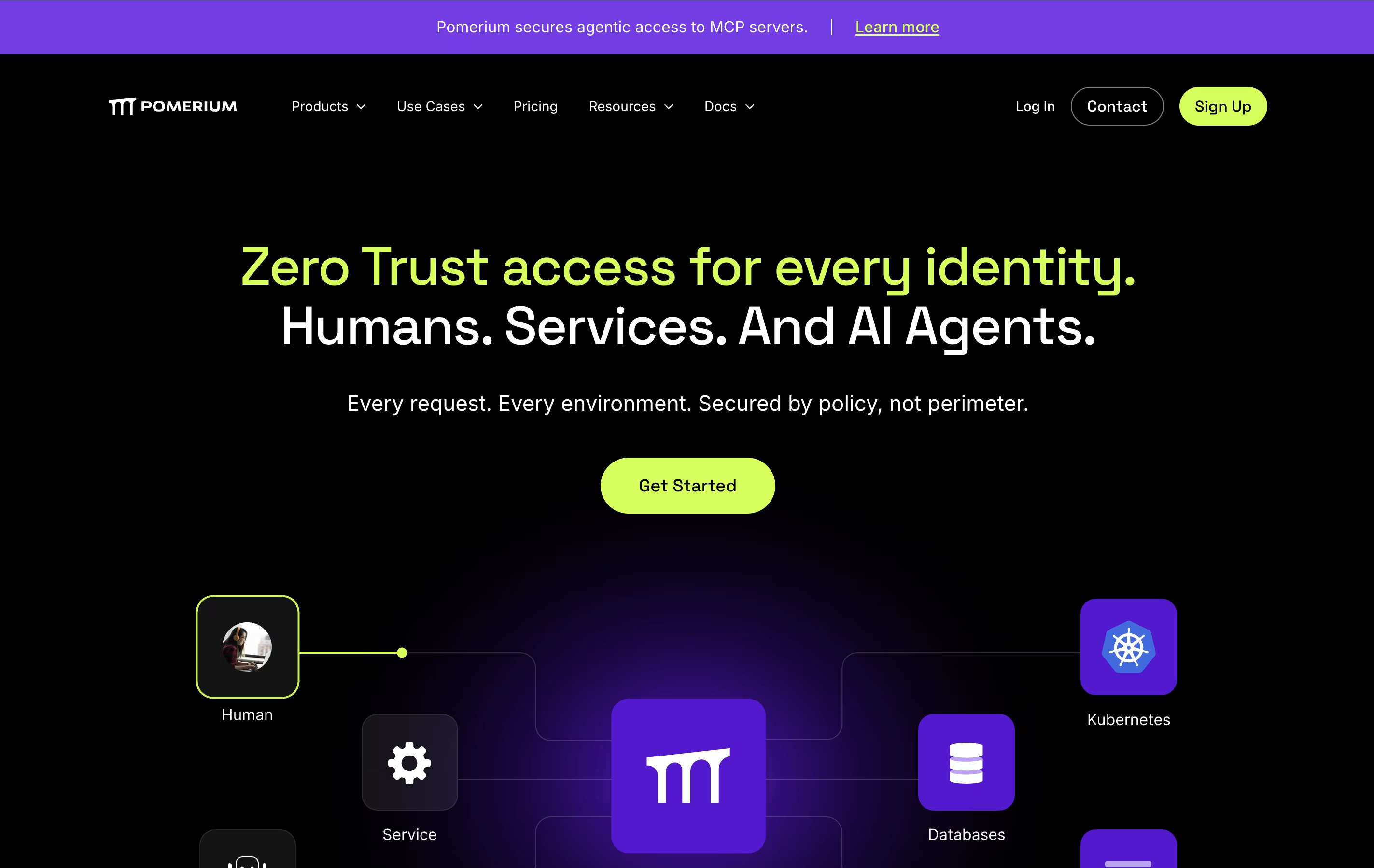
When someone tries to access an application, Pomerium checks their identity, device status, and other factors against your security rules. Only if everything matches will it grant access. This happens in real time for every request, not just once during login.
Pomerium is open source and can be self-hosted, meaning your data stays under your control. It offers both free and paid versions, with the paid options adding team features and support for larger organizations.

Web3Auth is a tool that helps websites and apps add blockchain wallet features through familiar login methods. When you sign in with your Google account or email, Web3Auth creates a secure wallet for you in the background. You do not need to understand blockchain technology or manage complicated passwords.
The system uses something called Multi-Party Computation to split your private key into pieces. These pieces are stored in different safe places, so no single location has your complete key. This protects you from hackers and lost devices.
Web3Auth works with many blockchains including Ethereum, Solana, and Polygon. Developers can add it to mobile apps, websites, and even games. There are free and paid versions depending on how many users you have.

Amazon Cognito is a cloud service that manages user authentication and authorization for applications. It has two main parts: user pools and identity pools. User pools store user profiles and handle login, while identity pools give users access to AWS resources.
You can let users sign in with usernames and passwords, or through social accounts like Google and Facebook. The service also supports business login systems through SAML and OpenID Connect. It includes security features like password requirements, account verification through email or SMS, and protection against suspicious login attempts.
Cognito offers three pricing levels: Lite for basic needs, Essentials with standard security, and Plus with advanced threat protection. The free tier includes 10,000 active users monthly, making it easy to start.