

Best 12+ Tools for Email Performance Tracking in 2026
Last Updated: March 7, 2026
Knowing whether an email campaign actually worked requires tracking opens, clicks, and conversions. Email Performance Tracking tools measure how recipients engage with sent emails.
Marketers use performance tracking to understand what is working and adjust future campaigns.
 Maileroo
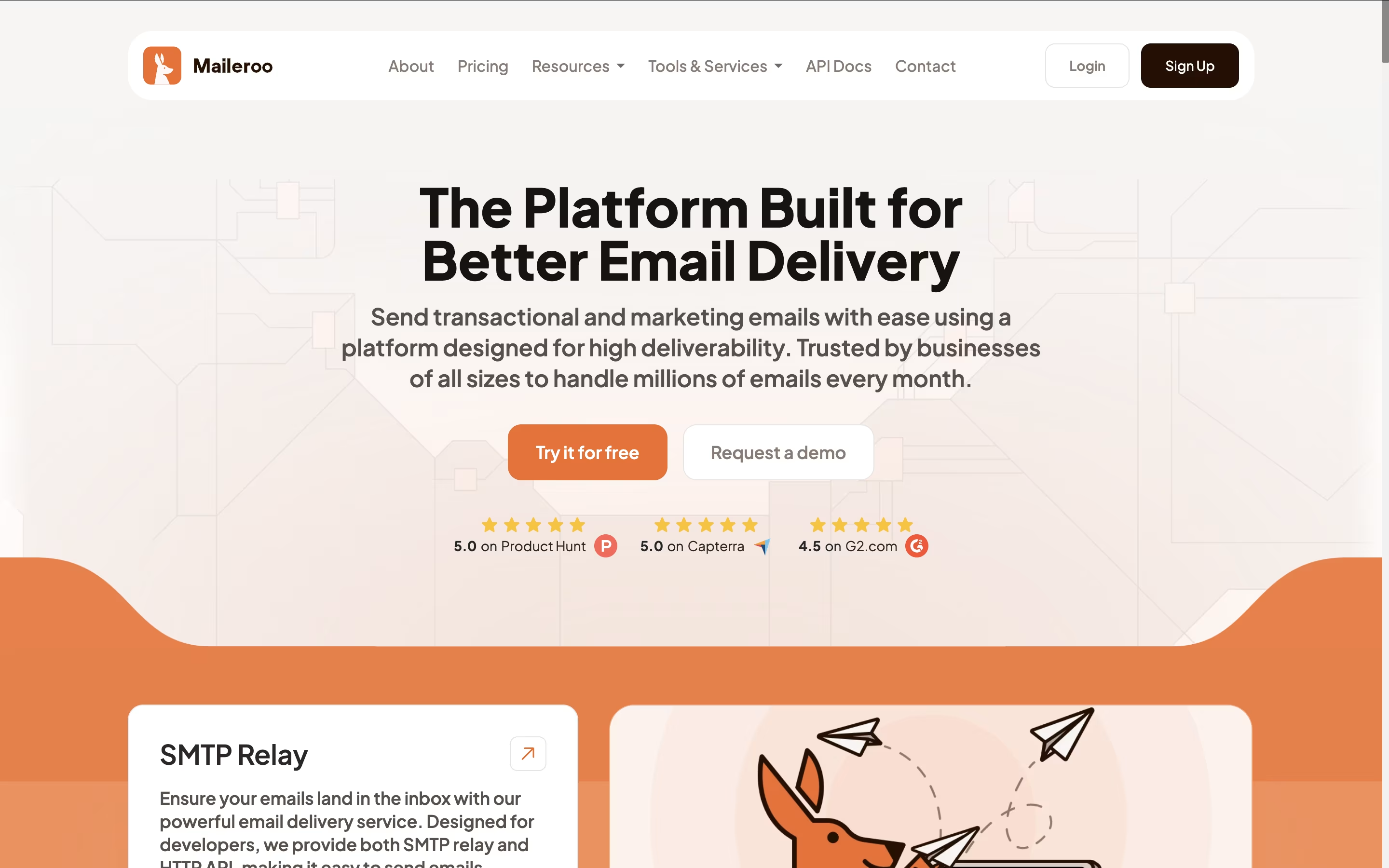 MailerooEmail Delivery & Marketing Platform,
  Mailgun
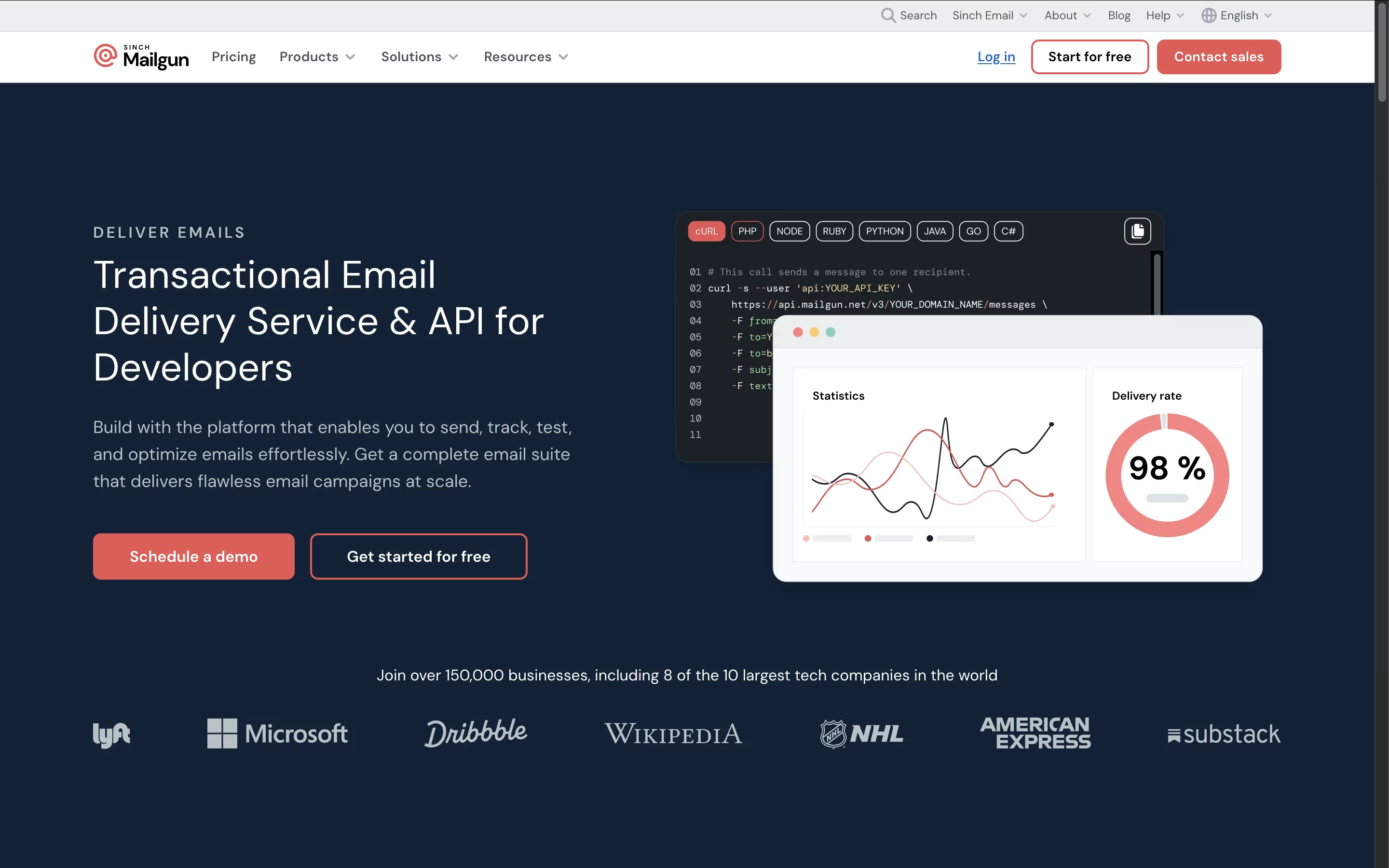 MailgunPowerful Email API for Developers, and
  Kit
Kit KitEmail Marketing Platform for Content Creators are the best for Email Performance Tracking. So, let’s take a closer look at all 12+ tools.

Maileroo is a cloud-based email service that helps you send and track emails from your website, app, or business. It works as both an SMTP service for sending regular emails like password resets and order confirmations, and as an email marketing platform for sending newsletters and campaigns.
The platform focuses on making sure your emails reach the inbox instead of spam folders. It does this through proper email setup, dedicated IP addresses for high-volume senders, and constant monitoring of delivery rates. You get real-time information about which emails were opened, clicked, or bounced.
Maileroo works well for developers because it has a simple API. It also works for non-technical users who want to send marketing emails using ready-made templates.
Mailgun is a cloud-based email delivery service designed specifically for developers and businesses who need to send emails programmatically through their applications. Think of it as the engine that powers email functionality in websites and apps - from simple contact forms to complex automated email workflows.
The platform offers both RESTful APIs and SMTP relay services, giving developers flexibility in how they integrate email capabilities. Unlike traditional email marketing platforms with drag-and-drop editors, Mailgun focuses on programmatic email sending with features like real-time tracking, webhook notifications, and detailed delivery analytics.
What sets Mailgun apart is its focus on deliverability and developer experience. The service handles technical complexities like IP reputation management, email authentication, and spam compliance, while providing simple APIs that work with virtually any programming language including Python, PHP, Java, Ruby, and Node.js.
Kit is a platform that helps you build and manage an email list. You can create signup forms and landing pages to collect email addresses, then send messages to your subscribers. It works differently from other email tools because it focuses on what creators need.
The platform uses a system called tags and segments. This lets you organize your subscribers based on what they're interested in. So if someone clicks on a cooking article, you can tag them and send them more cooking content later.
You can also sell digital products directly through Kit. This includes ebooks, online courses, or paid newsletter subscriptions. Everything is in one place, which saves time and money.

Mailjet is a complete email platform that handles both marketing campaigns and automated transactional emails. You can design emails using templates or build your own from scratch without coding. The platform includes tools for managing contacts, creating email lists, and tracking how your emails perform.
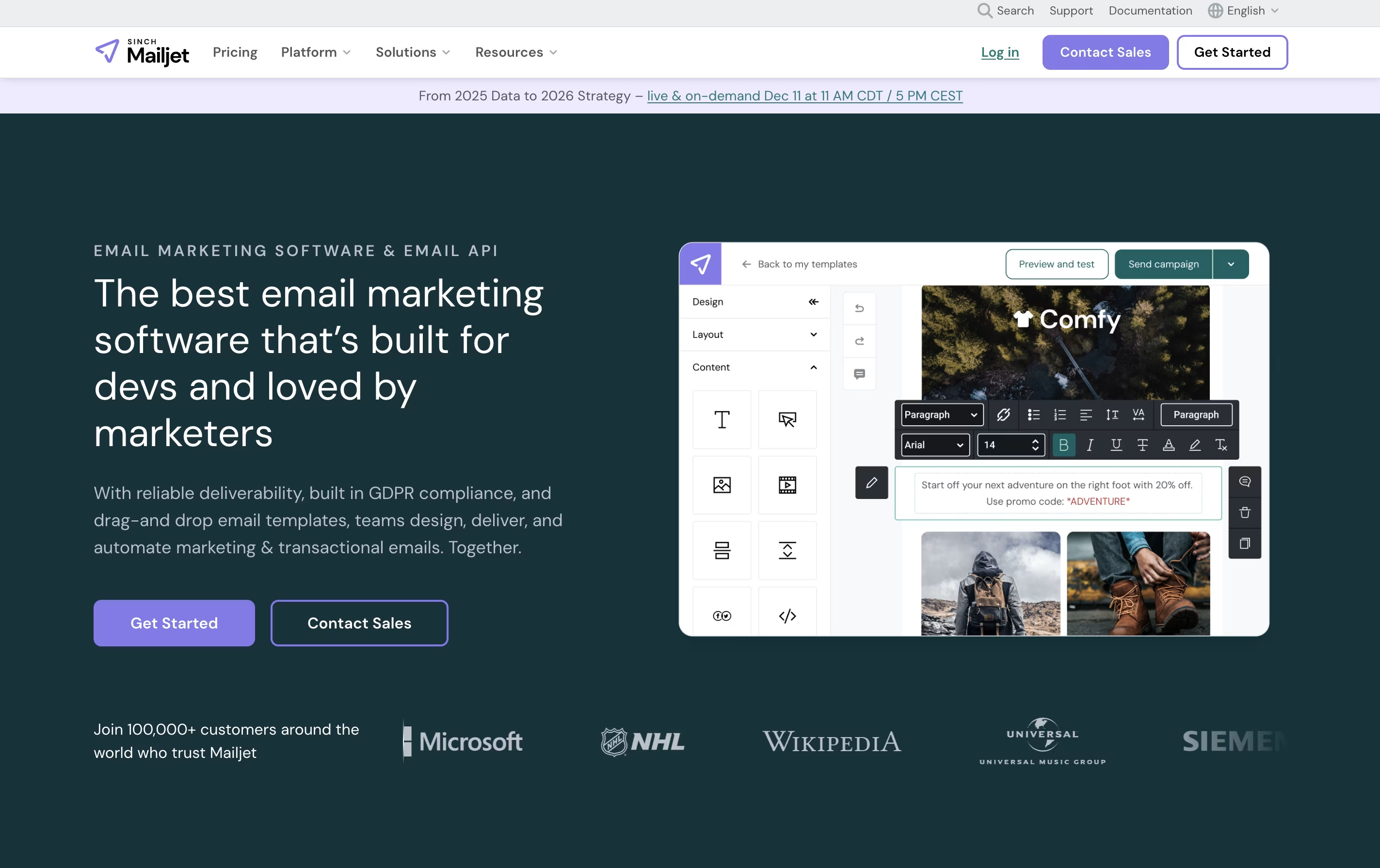
It works through a web interface and also offers SMTP relay and API access for developers. This means you can send emails directly from your website or app. The service includes features like email validation to keep your contact list clean, A/B testing to improve results, and detailed statistics to understand how people interact with your emails.
Mailjet supports multiple languages and offers customer support in English, French, German, and Spanish.

MailerSend is a cloud-based email service that focuses on sending emails automatically from your apps or websites. Unlike regular email services for marketing campaigns, MailerSend specializes in sending individual messages triggered by user actions.
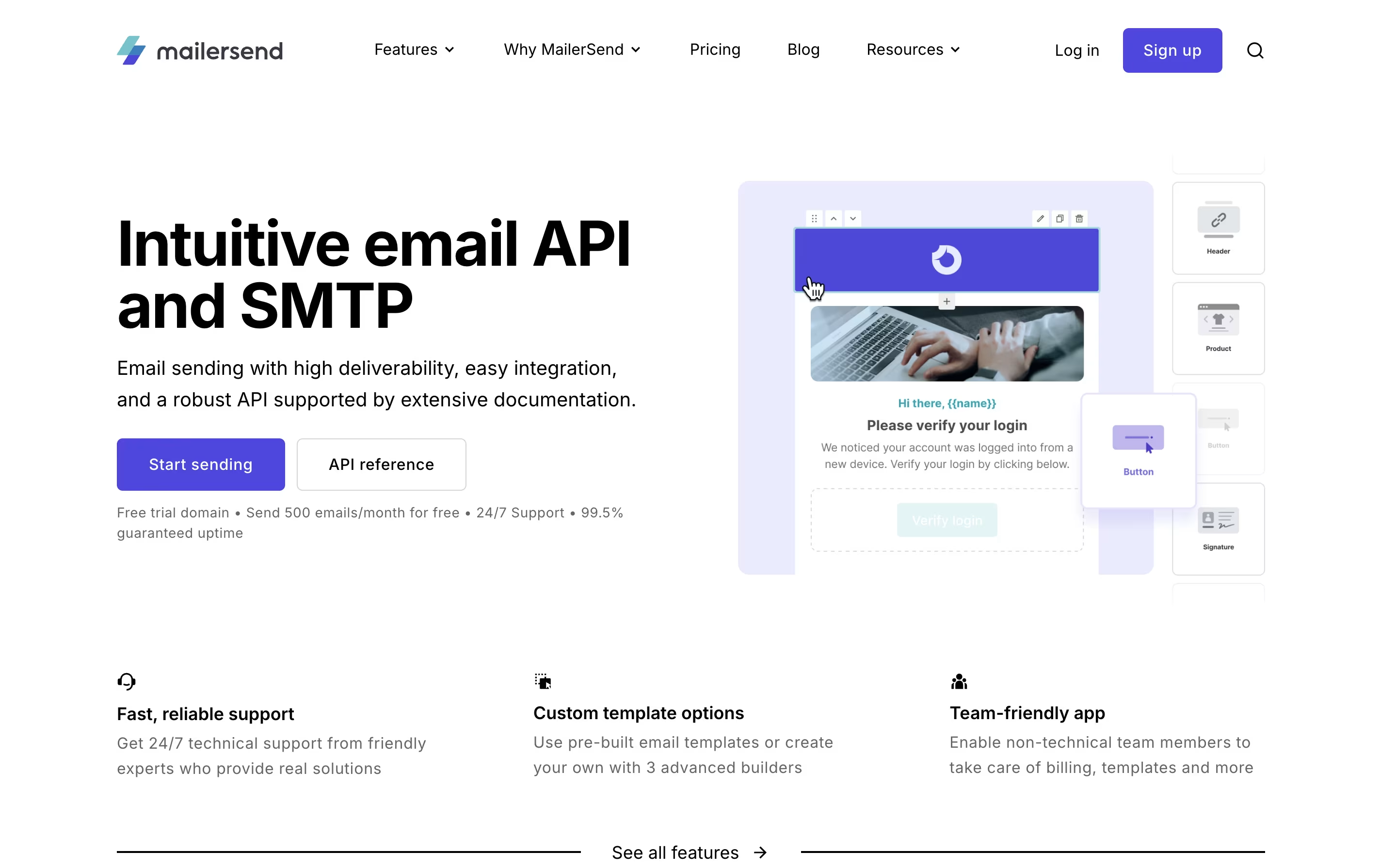
The platform provides both an API for developers and a simple interface for non-technical team members. You can send emails through code or by using their built-in SMTP service. The system tracks every email you send, showing you when it was delivered, opened, or if there were any problems.
MailerSend helps keep your emails out of spam folders with built-in tools for checking email addresses before you send and monitoring your sending quality. You can also receive incoming emails and process them in your application automatically.

Resend is an email API service that helps developers send emails from their applications. Think of it as the delivery system for your app's emails - whether that's password resets, welcome messages, or marketing campaigns.

The platform offers two main services: sending individual emails through their API, and sending marketing emails to groups of contacts. You can use any programming language, as Resend provides ready-made code libraries for Node.js, Python, Ruby, Go, PHP, Java, and more.
One standout feature is the React Email integration. This lets you build email templates using React components, which is much easier than writing traditional HTML email code. Resend also includes tools to track delivery, monitor email opens and clicks, and ensure your emails reach inboxes instead of spam folders.

Drip is a tool that helps online stores communicate with customers through email and text messages. When someone visits your store, Drip tracks what they look at and helps you send them relevant messages later. For example, if someone adds items to their cart but leaves without buying, Drip can automatically send them a reminder.

The platform includes ready-made templates for common situations like welcome emails, abandoned cart reminders, and follow-ups after a purchase. You can also create custom workflows that send different messages based on what customers do on your website.
Drip works best for businesses that sell physical products, digital goods, or subscriptions online. It connects with over 200 shopping and business tools.

Postmark is an email delivery service that sends your automated emails using modern technology. You can connect it to your website or app through their API or SMTP settings, and it handles the rest. Unlike regular email services, Postmark specializes in transactional emails - the important messages your customers expect right away.
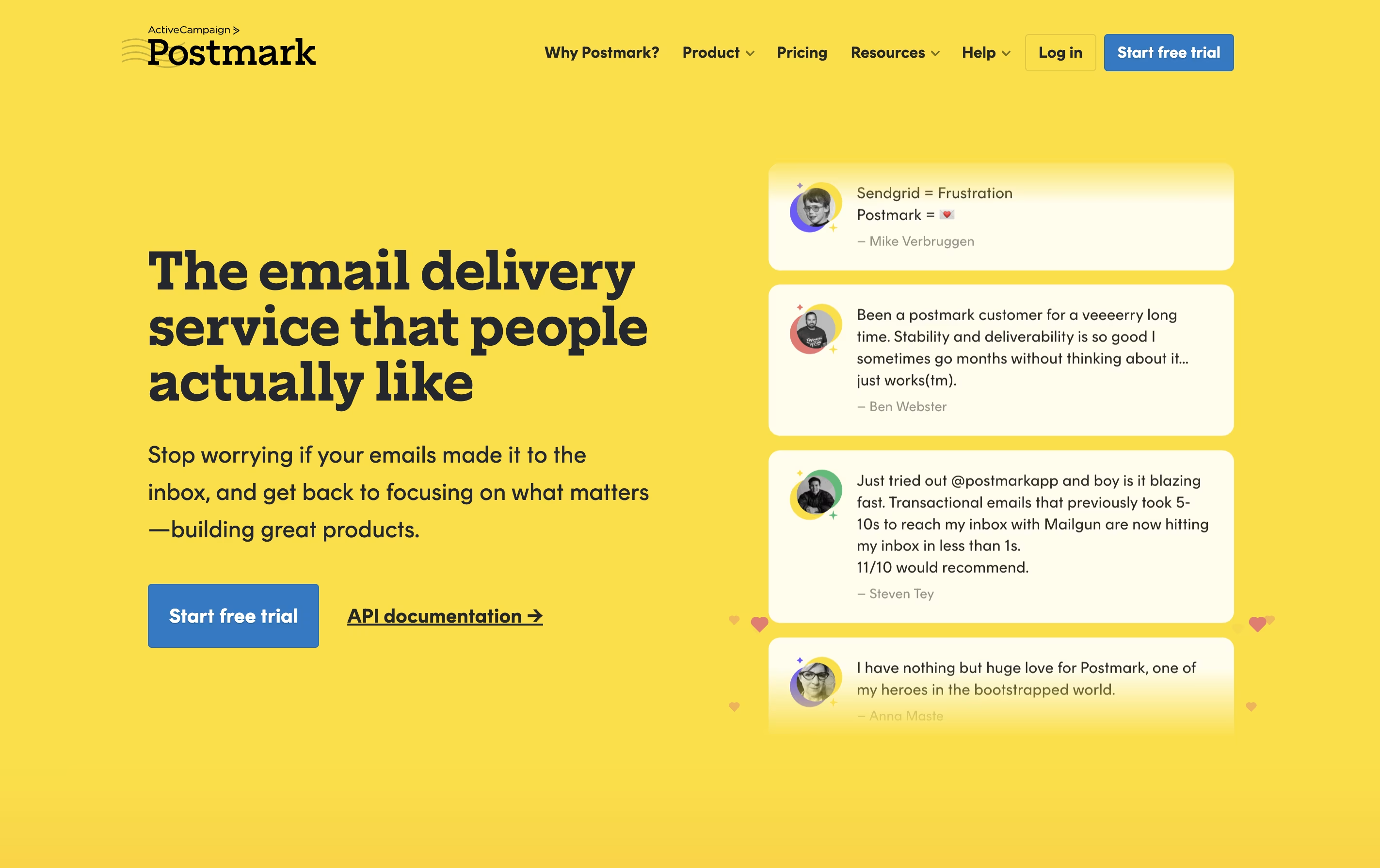
The platform includes tools for tracking email delivery, viewing open rates, and managing bounce notifications. It also offers ready-made email templates that look good on all devices. Postmark separates your automated emails from marketing emails to keep delivery rates high.
The service runs on reliable servers around the world and includes helpful support from email experts. You start with a free account that includes 100 emails monthly, and you can upgrade when you need more.

SendGrid is a complete email delivery system that works in the cloud. You can use it in two ways: through an API for automatic emails from your website or app, or through a user interface for creating marketing campaigns.

The Email API helps developers send transactional emails programmatically using popular programming languages like Python, Node.js, PHP, and Ruby. It connects to your application through simple code or SMTP relay.
The Marketing Campaigns tool lets marketers create beautiful emails using drag-and-drop editors, manage contact lists, segment audiences, and track email performance through detailed analytics. Both services include features like email validation to check addresses before sending, dynamic templates for personalization, and real-time delivery monitoring to ensure high inbox placement rates.

Mailercloud is a web-based email marketing tool that lets you create, send, and track email campaigns. You can design professional-looking emails using a simple drag-and-drop editor, or use ready-made templates to get started quickly. The platform includes features like contact list management, email automation, A/B testing, and detailed analytics.
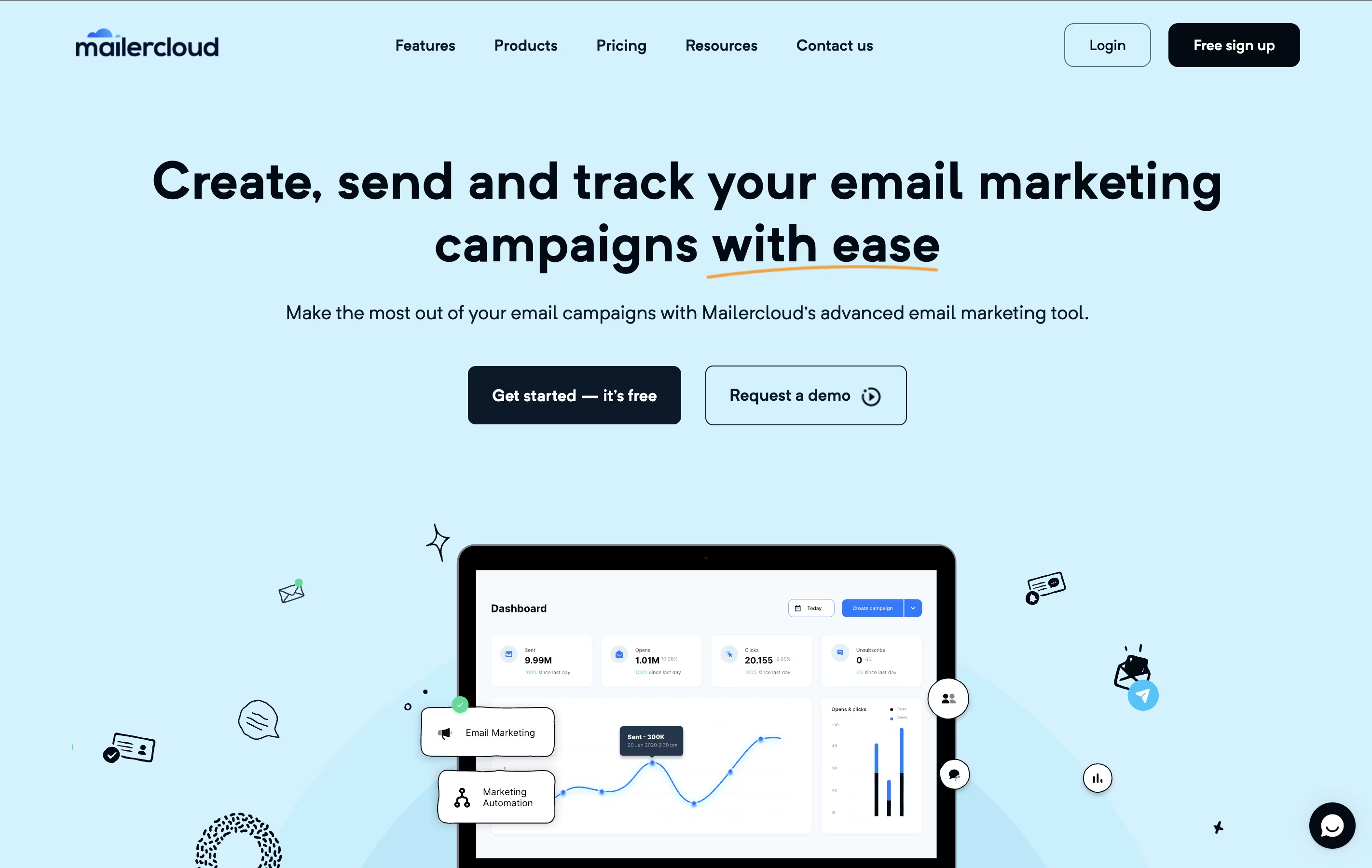
One standout feature is the AI-powered subject line generator, which helps you write email subjects that get more opens. You can also create web forms to collect email addresses from your website, segment your contacts based on their behavior, and send timed campaigns to reach people when they are most likely to engage. Mailercloud also offers SMTP and API services for developers who need to send emails through their own applications.

Substack is a publishing platform that helps writers create and send newsletters to their readers. Unlike traditional blogging sites, it puts email delivery at the center, ensuring your content reaches people directly in their inbox. You can write long articles, record podcasts, upload videos, or share short notes similar to social media posts.
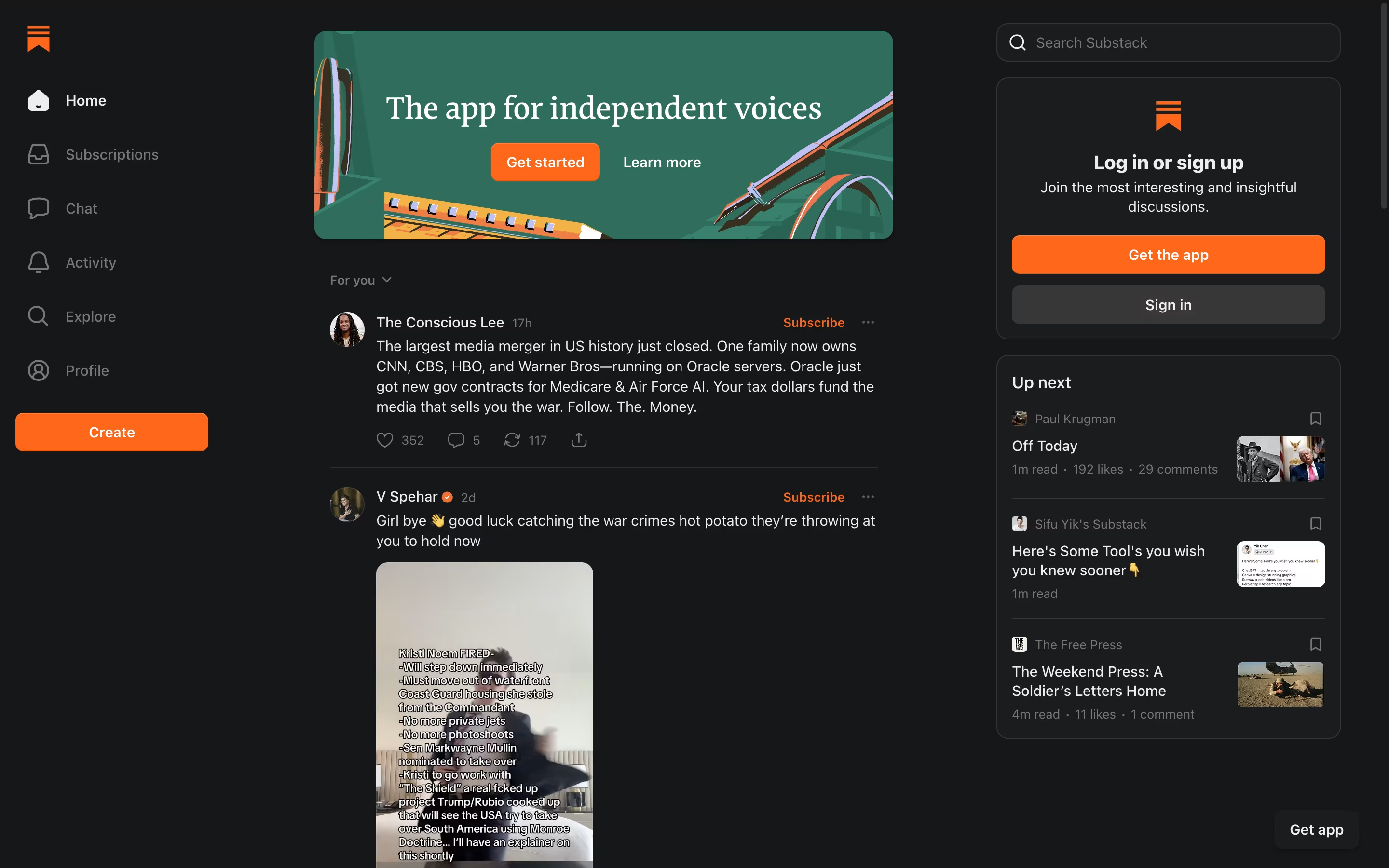
The platform handles all the technical work like email sending, payment processing, and subscriber management. Writers own their email list and can export it anytime, which means you are not locked into the platform. Substack works on a simple business model: publishing is free, but if you charge for subscriptions, Substack takes a percentage of your earnings. This aligns their success with yours.

Beehiiv is a platform where you can write and send newsletters while also building a website for your content. It gives you one place to create, publish, and manage everything related to your newsletter business. The platform includes tools that help you understand your audience through clear data reports and analytics.

Unlike basic email tools, Beehiiv focuses specifically on newsletter creators. It has special features like referral programs that turn your readers into promoters, and an ad network that connects you with brands wanting to sponsor your content. You can also set up paid subscriptions where readers pay monthly to access special content. The free plan lets you start with up to 2,500 subscribers, making it easy to test the platform.

Medium is a writing platform where people publish articles, essays, and stories on any topic. It works like a social network for readers and writers. Instead of needing your own blog or website, you can start writing on Medium immediately after signing up. The platform has a simple, clean look that puts the focus on the writing itself.

You can follow topics you like, save articles to read later, and interact with writers through comments and claps (similar to likes). Medium offers both free and paid memberships. Free users can read a limited number of stories each month, while paying members get unlimited access to all content.
The platform also lets writers earn money through the Partner Program based on how much readers engage with their work.