

Best 7 Tools for Documentation Creation in 2026
Last Updated: November 7, 2025
Explaining how a product or process works in writing takes a very specific kind of clarity. Documentation Creation tools help build structured guides, manuals, and knowledge base articles that are easy for readers to follow and easy for teams to keep updated.
Technical writers and product teams use documentation tools to keep instructions accurate and organized as a product evolves over time.
 Scribe
 ScribeAutomatic Step-by-Step Guide Creator for Teams,
  Tango
Tango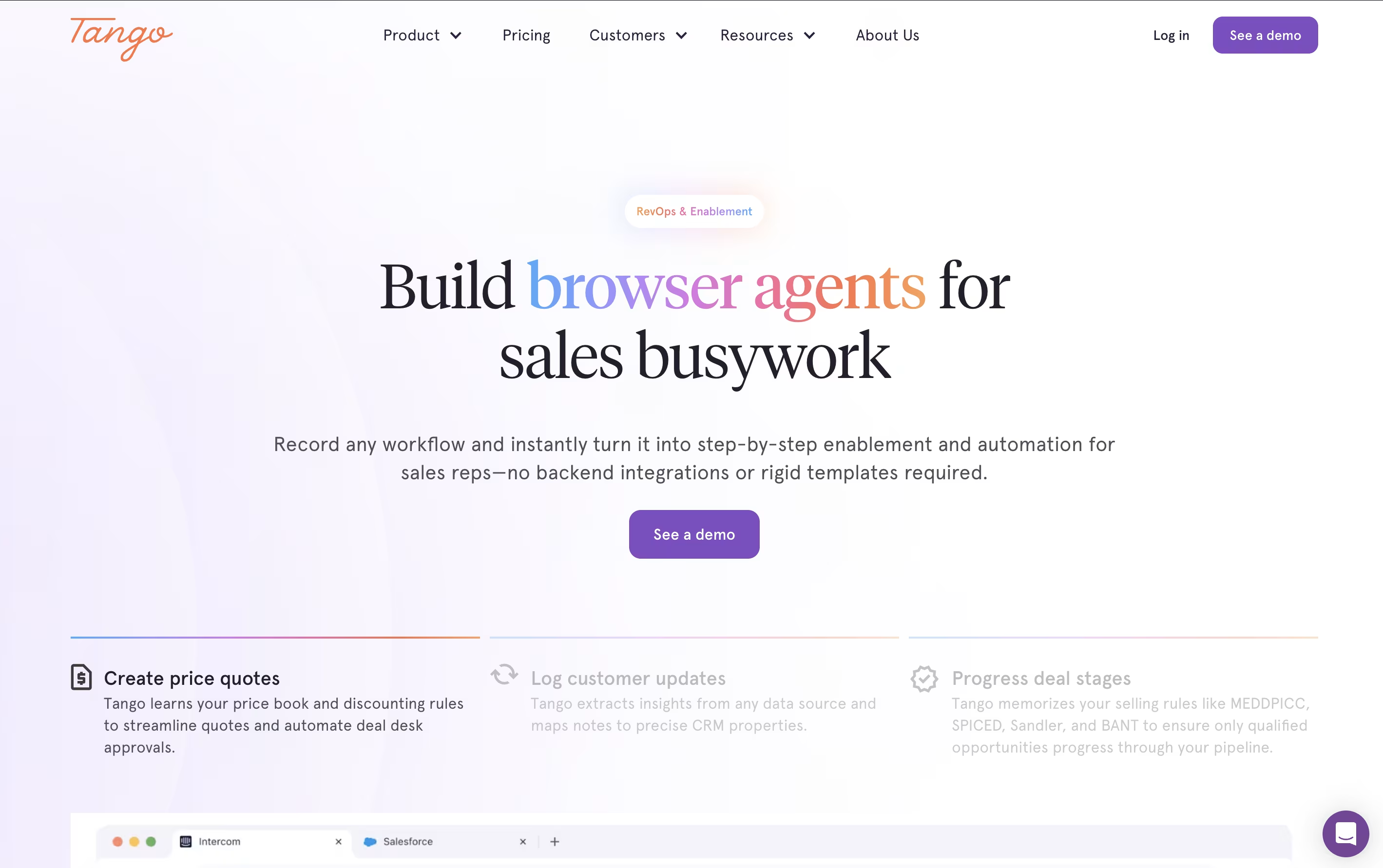 TangoAI Browser Agents for Sales Automation, and
  Notion
 NotionAll-in-One Workspace for Teams & Projects are the best for Documentation Creation. So, let’s take a closer look at all 7 tools.
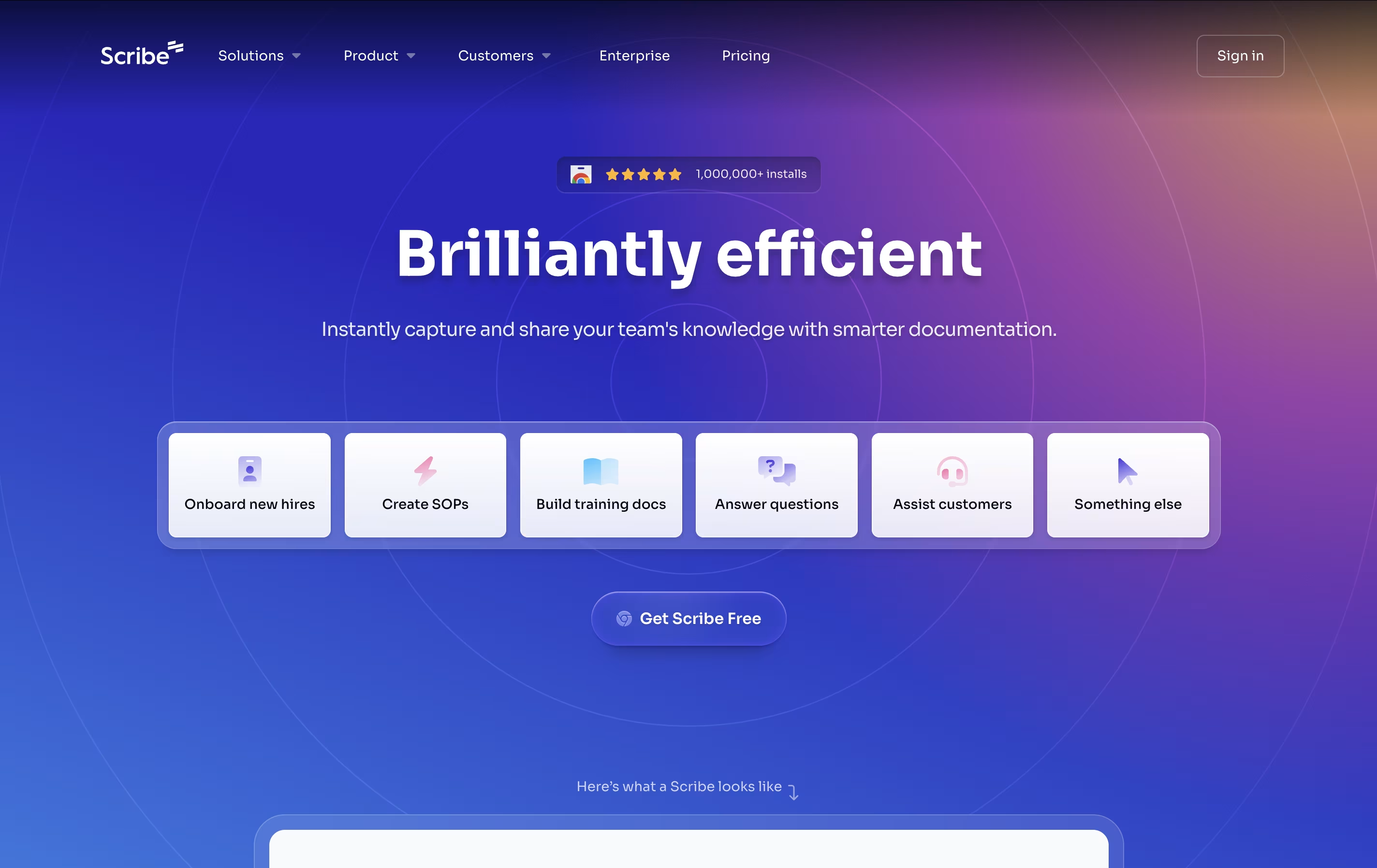
Scribe is an AI-powered documentation tool that automatically creates step-by-step guides by recording your screen actions and converting them into professional tutorials. Think of it as a smart assistant that watches everything you do on your computer and turns those actions into clear, easy-to-follow instructions.
The platform works through a browser extension for web-based tasks and a desktop application for software processes. As you click, type, and navigate through any workflow, Scribe captures each step and automatically generates screenshots with helpful annotations, written instructions, and clickable elements.
What makes Scribe special is its ability to understand context and create meaningful documentation without any manual effort. The tool serves businesses of all sizes, from solo consultants documenting client processes to large companies creating training materials for hundreds of employees. It transforms the tedious task of creating documentation into an automatic, seamless experience.
Tango is an AI-powered sales automation platform that creates browser agents to handle repetitive sales tasks and guide reps through complex CRM workflows. Unlike traditional automation tools that require extensive integrations or API connections, Tango works directly in the browser where your sales team already operates.
The platform combines three key elements: workflow capture, intelligent automation, and real-time guidance. Sales managers simply record their processes by clicking through them once, and Tango automatically creates browser agents that can replicate these actions. These agents handle data entry, enforce pipeline rules, validate information, and provide step-by-step guidance to sales reps.
What makes Tango unique is its human-in-the-loop approach. The system automates routine tasks while keeping sales reps in control of important decisions. This hybrid model ensures accuracy while dramatically reducing the time spent on administrative work, helping sales teams increase productivity and maintain clean, consistent CRM data.
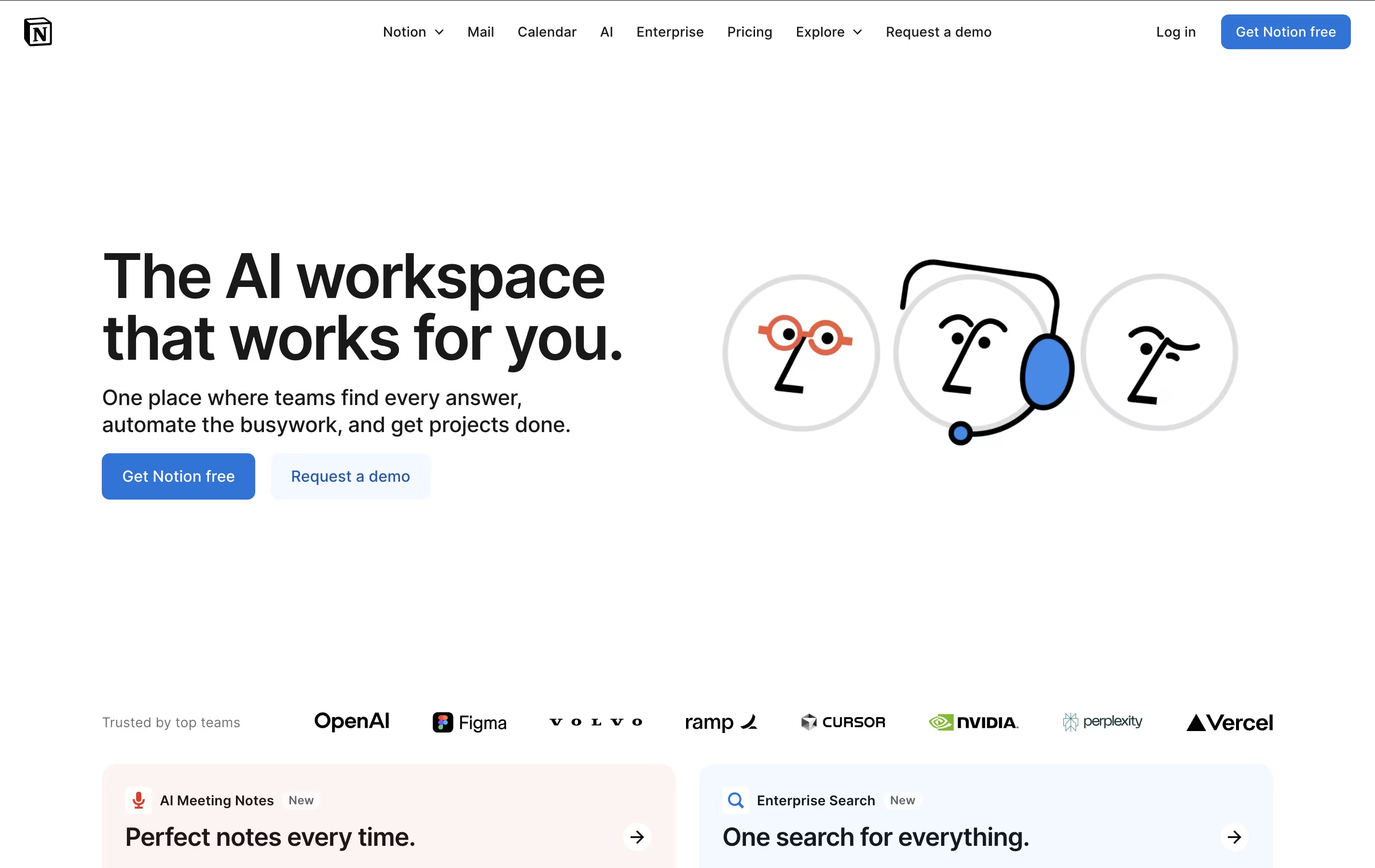
Notion is a versatile all-in-one workspace that functions like a set of digital building blocks. Think of it as a combination of Google Docs, Trello, Airtable, and Evernote all rolled into one seamless platform. Every page in Notion is built using 'blocks' - individual pieces of content like text, images, databases, or embedded files that you can arrange however you want.
What sets Notion apart is its flexibility. You can create simple notes, complex project management systems, company wikis, or personal journals using the same tool. The platform supports real-time collaboration, allowing teams to work together on documents, databases, and projects simultaneously. With templates for common use cases and the ability to create custom workflows, Notion scales from personal use to enterprise-level operations while maintaining simplicity and elegance.
Atlassian is a leading software company that creates collaboration and work management tools designed to help teams of all sizes work more effectively together. Founded by Mike Cannon-Brookes and Scott Farquhar in Sydney, Australia, the company has grown from a bootstrapped startup to a global technology leader.
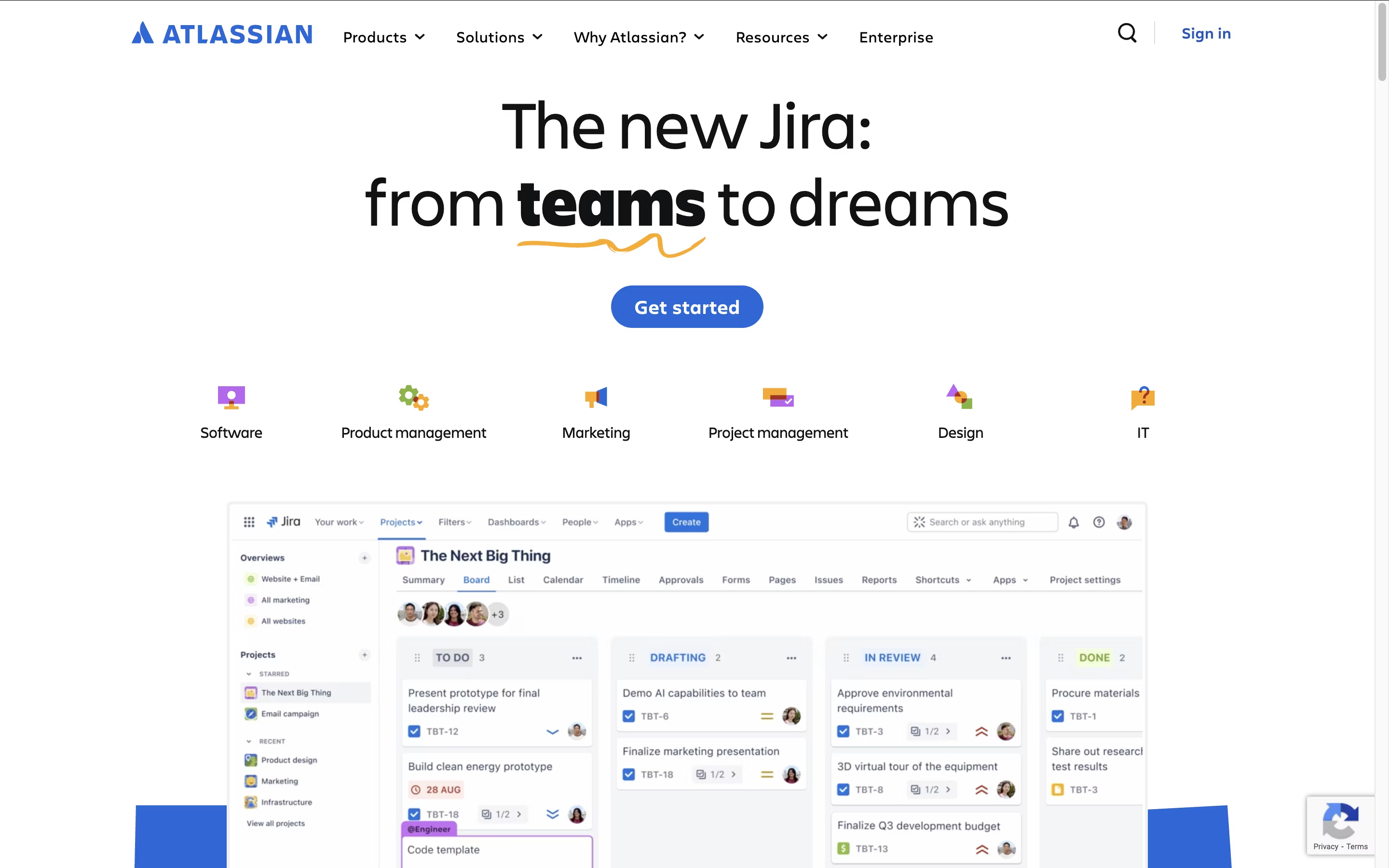
The Atlassian ecosystem centers around four main products that integrate seamlessly. Jira serves as the backbone for project management and issue tracking, particularly popular with software development teams. Confluence acts as a team workspace for creating and sharing knowledge. Trello provides visual project management using boards and cards. Bitbucket handles code collaboration and version control.
What sets Atlassian apart is how these tools work together as a unified system. Teams can link Jira issues to Confluence pages, embed Trello boards in documentation, and track code changes from Bitbucket. This integration eliminates the need to switch between multiple platforms and keeps everyone aligned.

Confluence is an online workspace where teams create and share documents, project plans, and company knowledge. You can think of it as a shared notebook that your entire organization can access and update together.
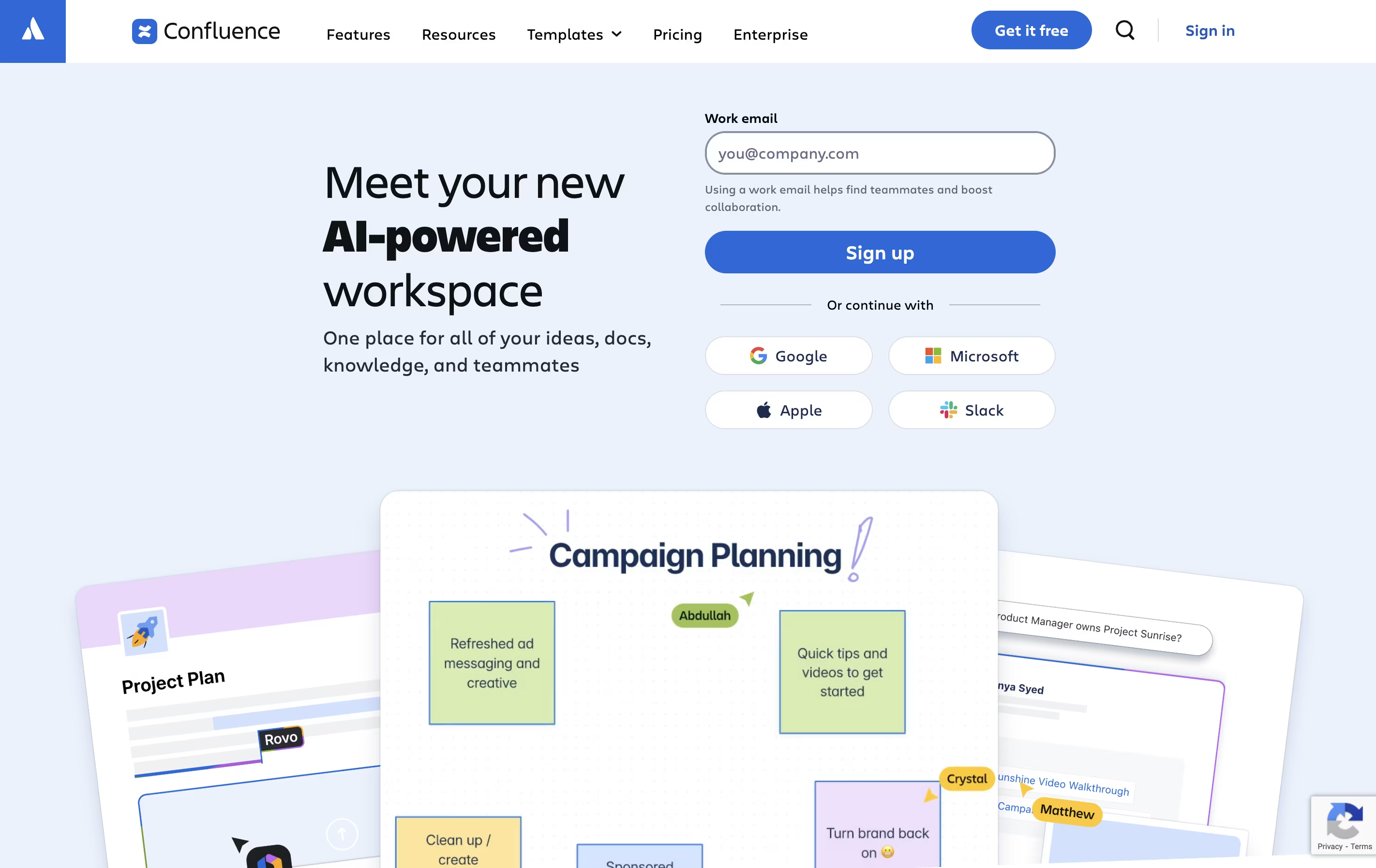
It works in your web browser or through mobile apps. You build pages using a simple editor that looks similar to Microsoft Word or Google Docs. These pages can include text, images, videos, and links to other tools. You organize pages into spaces for different teams or projects.
The platform includes whiteboards for brainstorming, databases for organizing information, and templates for common documents. With AI features built in, Confluence can summarize long pages, help you write content, and quickly find information across all your team's documents.

Docmost is a collaborative documentation platform that lets teams write and organize information together. You can create different spaces for different projects or departments, and each space can have its own set of permissions. This means you control exactly who can see or edit what.
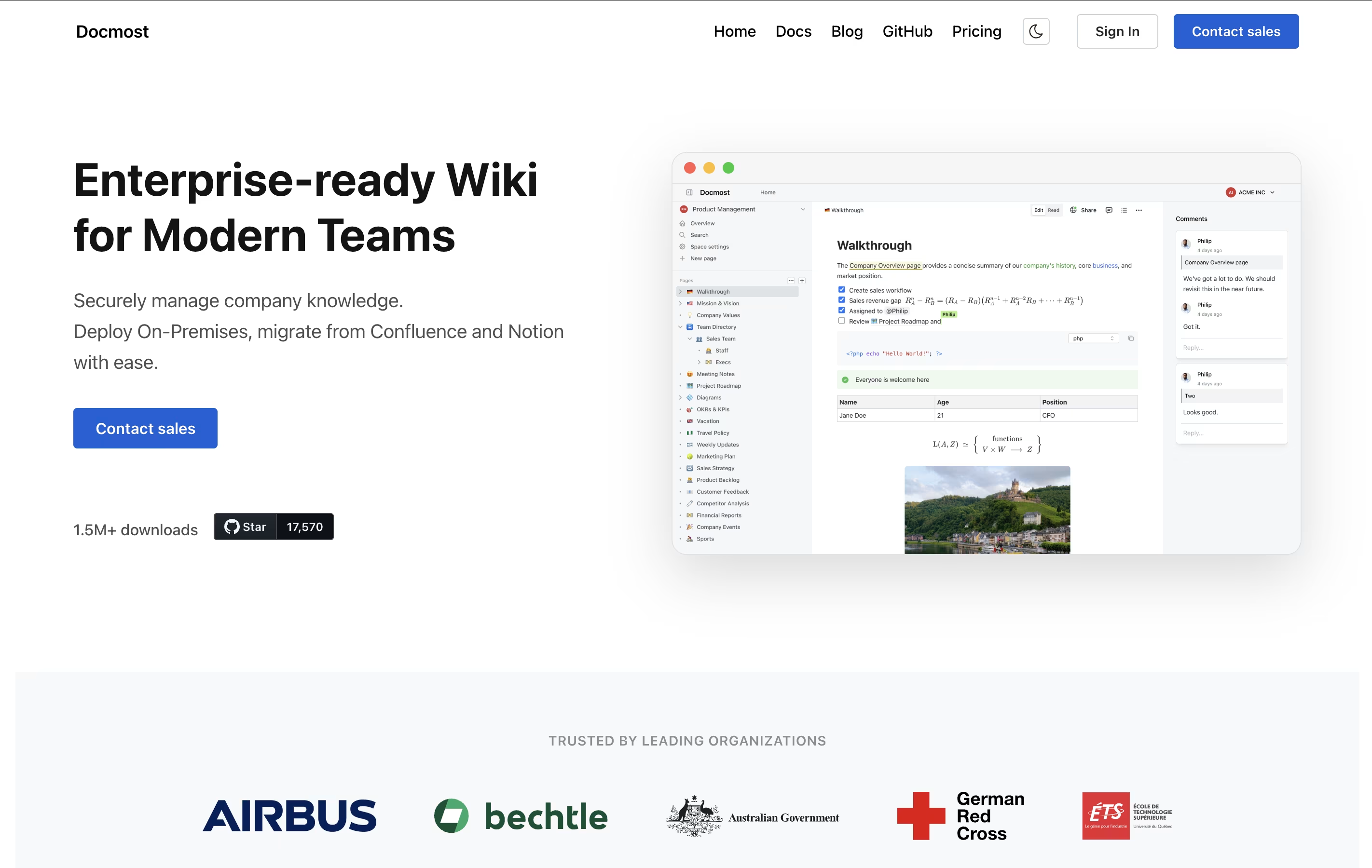
The platform uses a rich text editor that supports everything from basic formatting to advanced features like diagrams, tables, and math formulas. Unlike traditional wikis, Docmost lets multiple team members work on the same document at the same time, and everyone sees the changes instantly.
You can choose to self-host Docmost on your own servers for complete control, or use their managed cloud version. Both options come with the same powerful features for organizing and sharing your team's knowledge.

FuseBase is an AI-powered collaboration platform designed specifically for service businesses that need to work closely with clients and teams. Think of it as your complete business workspace that combines project management, client portals, and AI automation in one easy-to-use platform.
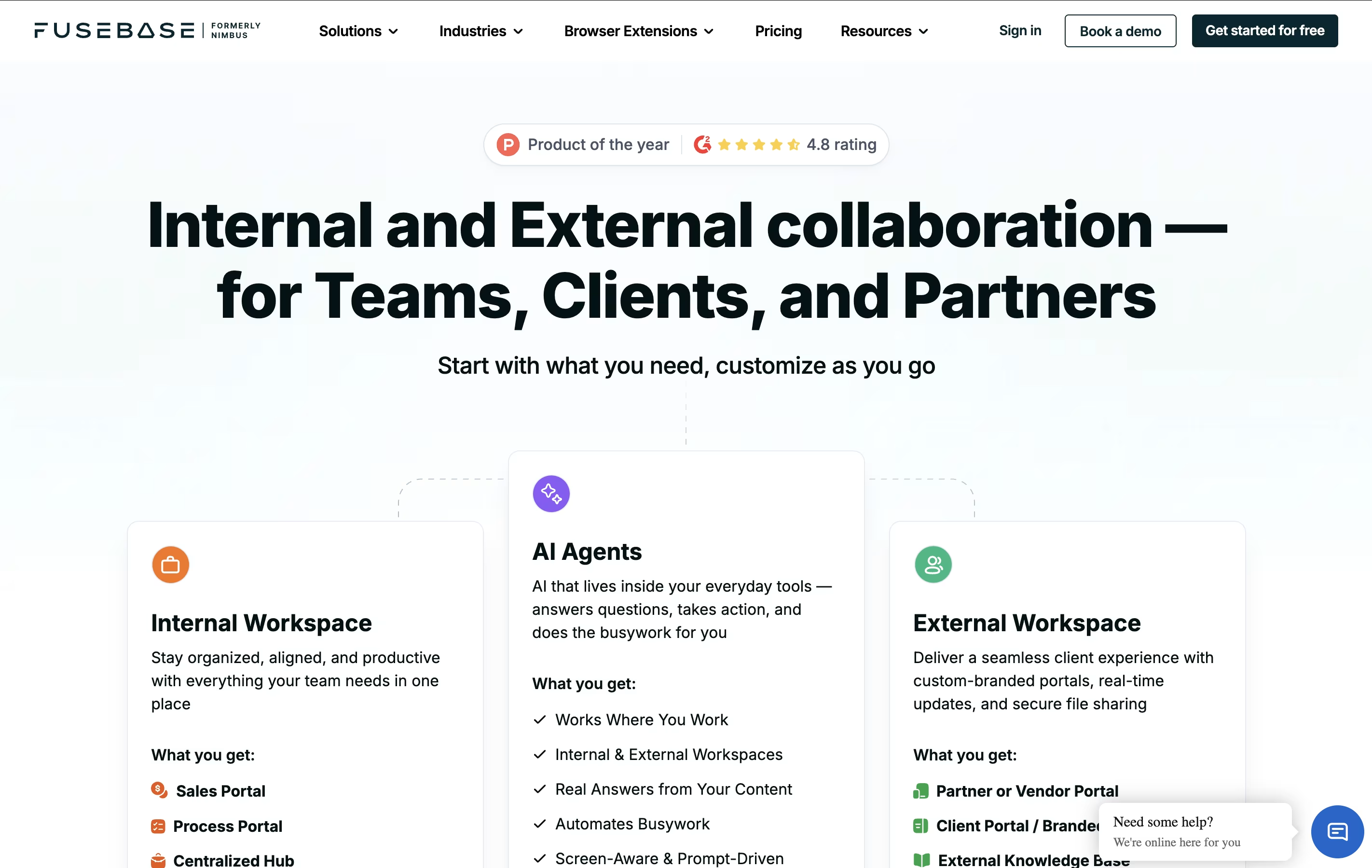
The tool allows you to create branded, secure workspaces where your team can collaborate internally while also providing professional client portals where customers can access project updates, documents, and communicate with your team.
What makes FuseBase special is its AI agents that can automate repetitive tasks, transcribe meetings, generate content, and handle routine workflows. Founded by Pavel Sher and based in Ohio, FuseBase integrates with over 2000 apps and offers white-label solutions so everything looks like your brand. It's particularly popular among digital agencies, marketing firms, and consulting businesses.