Obsidian vs Notion: Features, Pricing and User Reviews 2026

Notion
All-in-One Workspace for Teams & Projects
Notion
All-in-One Workspace for Teams & Projects
What are Obsidian and Notion?

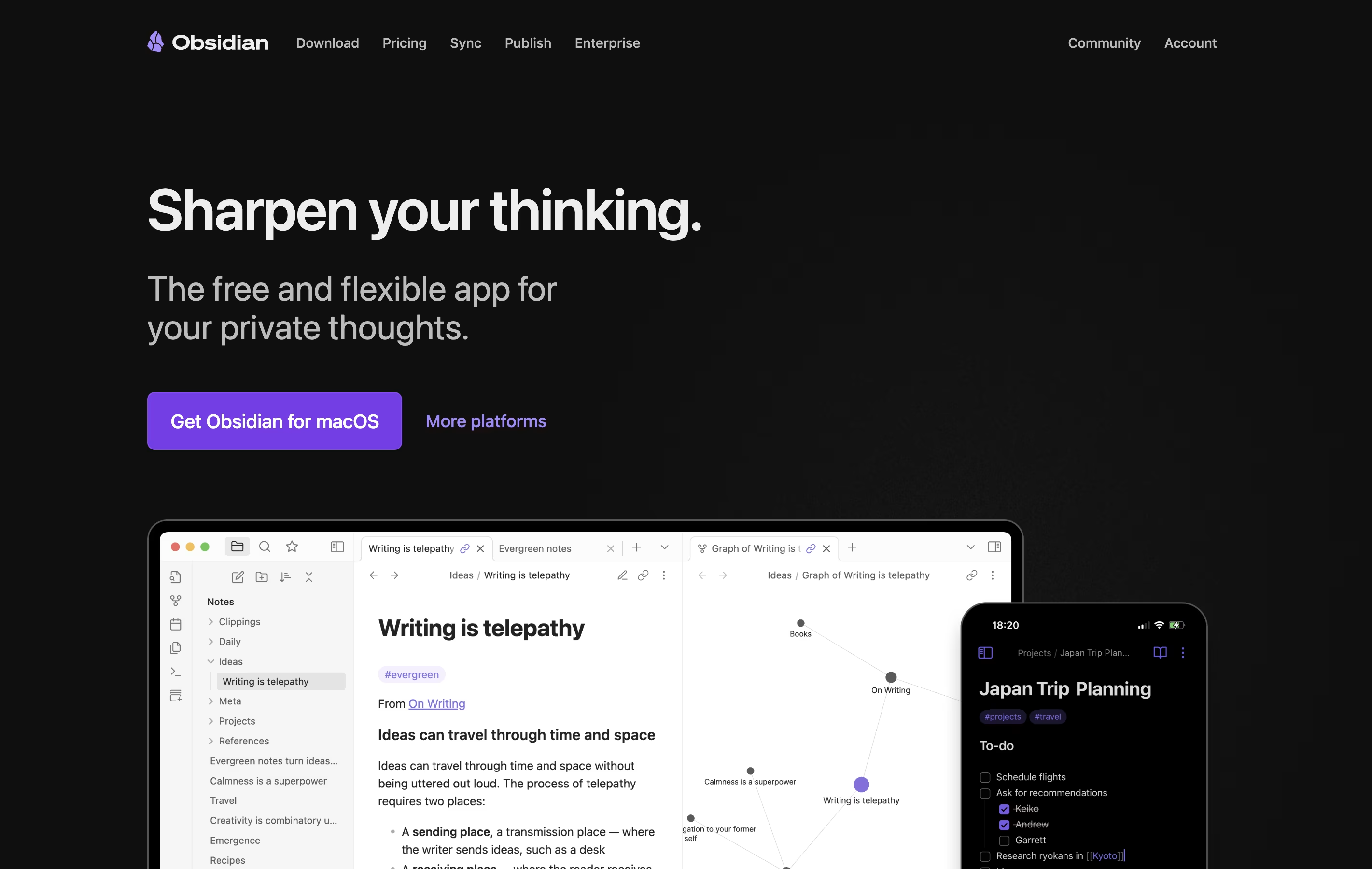
Obsidian is a note-taking app that works with plain text files stored directly on your device. You can write notes, link them together, and see how your ideas connect through a visual graph. Unlike cloud-based tools, everything stays private on your computer.
The app uses simple text files with basic formatting, which means your notes remain readable even without Obsidian. You can link any note to another, creating connections that help you discover patterns in your thinking. This makes it great for building knowledge over time.
There is a free version with all core features and optional paid services for cloud syncing and web publishing. The app works on computers, phones, and tablets.
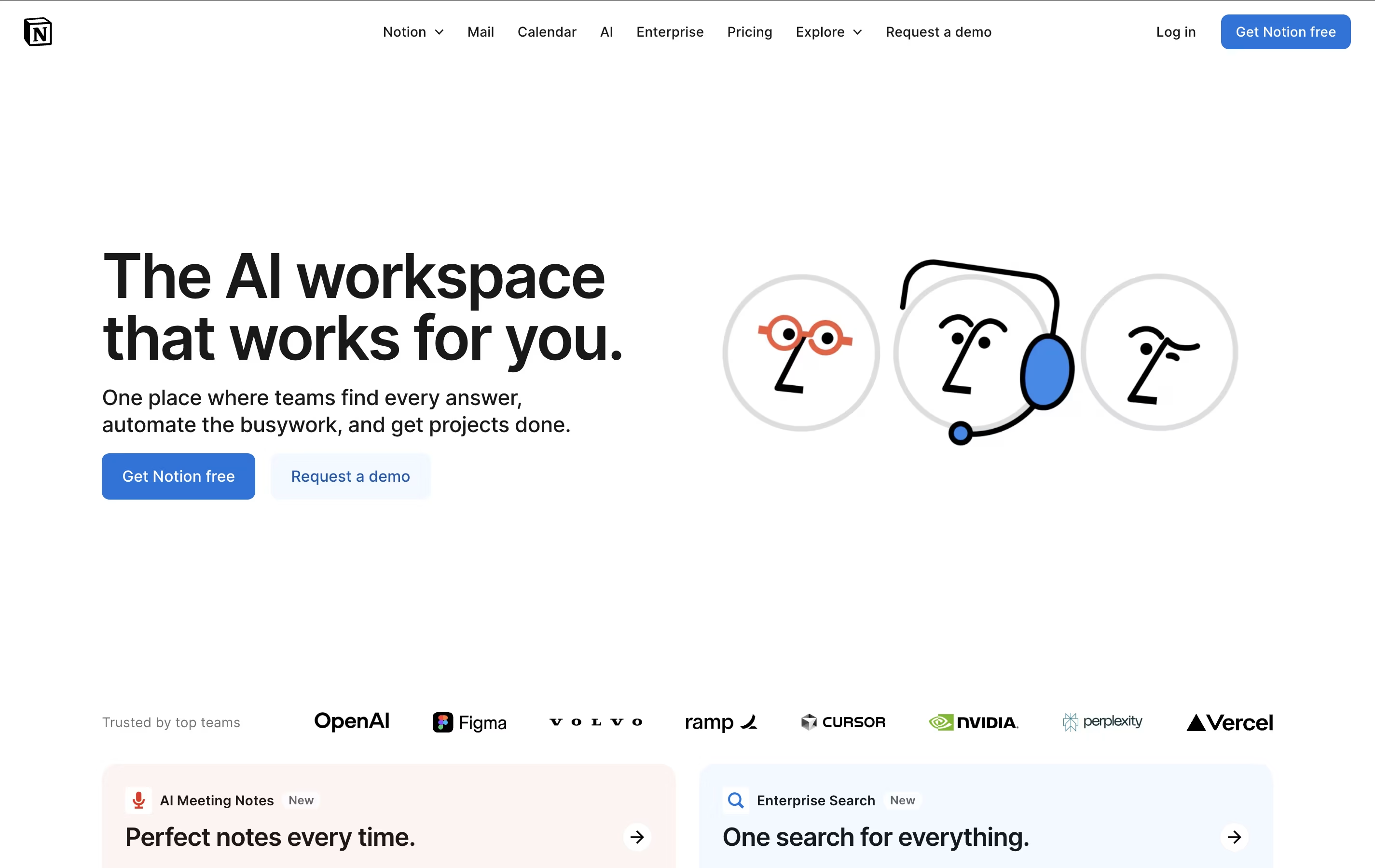
Notion is a versatile all-in-one workspace that functions like a set of digital building blocks. Think of it as a combination of Google Docs, Trello, Airtable, and Evernote all rolled into one seamless platform. Every page in Notion is built using 'blocks' - individual pieces of content like text, images, databases, or embedded files that you can arrange however you want.
What sets Notion apart is its flexibility. You can create simple notes, complex project management systems, company wikis, or personal journals using the same tool. The platform supports real-time collaboration, allowing teams to work together on documents, databases, and projects simultaneously. With templates for common use cases and the ability to create custom workflows, Notion scales from personal use to enterprise-level operations while maintaining simplicity and elegance.
Features of Obsidian and Notion
Stores notes locally on your device with full privacy
Links notes together to build knowledge networks
Visual graph shows connections between ideas
Canvas for unlimited brainstorming space
Thousands of free community plugins available
Works offline without internet connection
Plain text files you own forever
Mobile apps for phones and tablets
Supports basic text formatting
Free to use with optional paid services
All-in-one workspace combining notes, docs, wikis, and databases
Block-based editor with drag-and-drop functionality
Real-time collaboration and team sharing
Multiple database views and advanced filtering
Template gallery for quick setup
Notion AI for content generation (Business+)
Cross-platform sync (web, desktop, mobile)
Integration with popular work tools
Unlimited pages and customizable workflows
Use Cases of Obsidian and Notion
Pricing of Obsidian and Notion
Obsidian is completely free for personal use with all core features included. You get unlimited notes, full plugin access, and complete control over your data at no cost.
For users who want to sync notes across devices, Obsidian Sync offers two plans. The Standard plan costs $4 per month when paid yearly (or $5 monthly) and includes one synced vault with 1GB storage. The Plus plan costs $8 per month yearly (or $10 monthly) with 10GB storage and unlimited vaults.
Obsidian Publish lets you share notes on the web for $8 per month yearly (or $10 monthly) per site, with custom themes and no technical knowledge needed.
The optional Commercial License costs $50 per user yearly for business use, though it became optional in 2025. For one-time supporters, the Catalyst license at $25 gives early access to beta versions and community perks.
Notion offers flexible pricing to suit individual users and growing teams. The Free plan is perfect for personal use, providing unlimited pages and blocks for individuals, plus collaboration with up to 10 guests. However, it limits file uploads to 5MB and includes basic features only.
The Plus plan at $10 per user monthly (annual billing) targets small teams, offering unlimited file uploads, 30-day page history, and collaboration with up to 100 guests.
The Business plan at $20 per user monthly includes everything in Plus plus Notion AI features, advanced page analytics, and priority support - making it ideal for growing companies.
Enterprise plans feature custom pricing and deliver advanced security with SAML SSO, user provisioning, audit logs, and dedicated customer success management. Students and educators receive Plus plan benefits free with school email verification.
FAQs: Obsidian vs Notion
Reviews: Obsidian vs Notion
Based on 0 reviews
Based on 0 reviews
Compare Obsidian With Other Tools

Logseq
Free Open-Source Note-Taking & Knowledge Base

Joplin
Free Open-Source Note-Taking App with Encryption

SiYuan
Privacy-First Open Source Note-Taking and Knowledge Management

RemNote
Smart Note-Taking with Flashcards and Spaced Repetition

Bear
Beautiful Markdown Note-Taking App for Mac, iPhone & iPad

Anytype
Secure Private Workspace for Notes and Projects

Capacities
Object-Based Note-Taking App for Your Second Brain

Trilium Notes
Free Open-Source Knowledge Base and Note-Taking App

Craft
Beautiful Document Editor with AI for Notes, Tasks & Collaboration
Compare Notion With Other Tools
Logseq
Free Open-Source Note-Taking & Knowledge Base
Craft
Beautiful Document Editor with AI for Notes, Tasks & Collaboration
Bear
Beautiful Markdown Note-Taking App for Mac, iPhone & iPad
Joplin
Free Open-Source Note-Taking App with Encryption

AFFiNE
Open-Source Workspace for Docs, Whiteboards & Databases
Capacities
Object-Based Note-Taking App for Your Second Brain

AppFlowy
Open-Source Workspace for Notes, Tasks & Projects
RemNote
Smart Note-Taking with Flashcards and Spaced Repetition
Anytype
Secure Private Workspace for Notes and Projects