Best 14+ Project Management Tools in 2026
Last Updated: August 15, 2026
Coordinating tasks, deadlines, and team members across a project takes a system that everyone actually uses. Project Management tools organize work into boards, timelines, or lists, giving teams a shared view of progress and priorities.
These platforms are core to how teams, agencies, and businesses of every size plan and execute projects without things falling through the cracks. From simple task lists to complex resource planning, project management tools scale to fit the complexity of the work.
 Motion
 MotionAI-Powered Productivity & Task Management,
  Todoist
 TodoistSimple Task Manager & To-Do List App, and
  UI Bakery
 UI BakeryLow-Code Platform to Build Internal Tools and Web Apps Fast are the best for Project Management. So, let’s take a closer look at all 14+ tools.

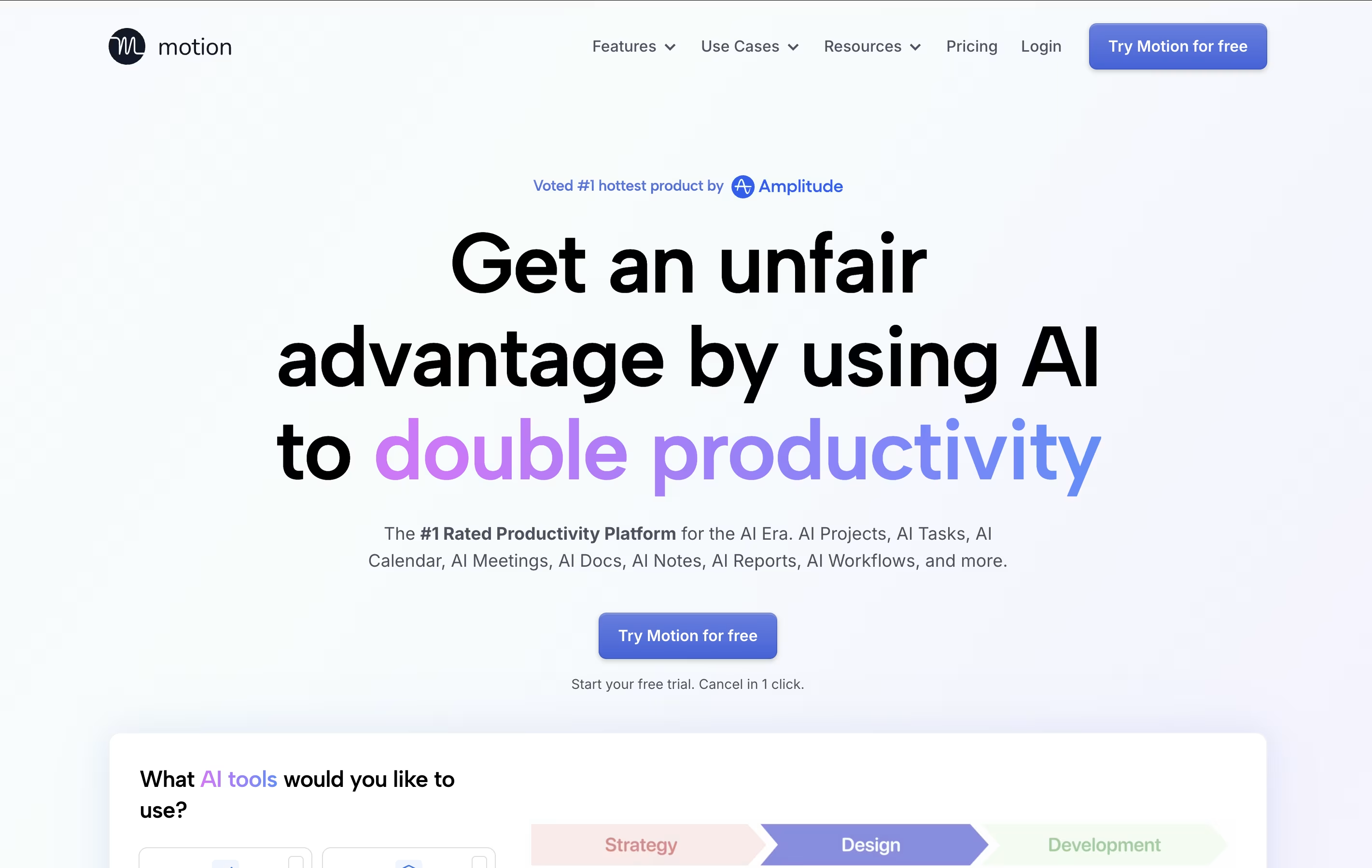
Motion is an all-in-one productivity tool that uses artificial intelligence to manage your time and tasks. Instead of spending hours organizing your workday, Motion automatically schedules everything based on deadlines, priorities, and your available time.
The platform combines several tools into one: a smart calendar that syncs with Google Calendar and Outlook, a task manager that auto-schedules work, a project management system with Kanban and Gantt views, and meeting scheduling features similar to Calendly. Motion also includes AI Employees—smart assistants that can draft emails, create content, analyze data, and handle repetitive tasks.
Motion continuously monitors your schedule and adjusts tasks when meetings pop up or deadlines change, ensuring everything gets done on time.
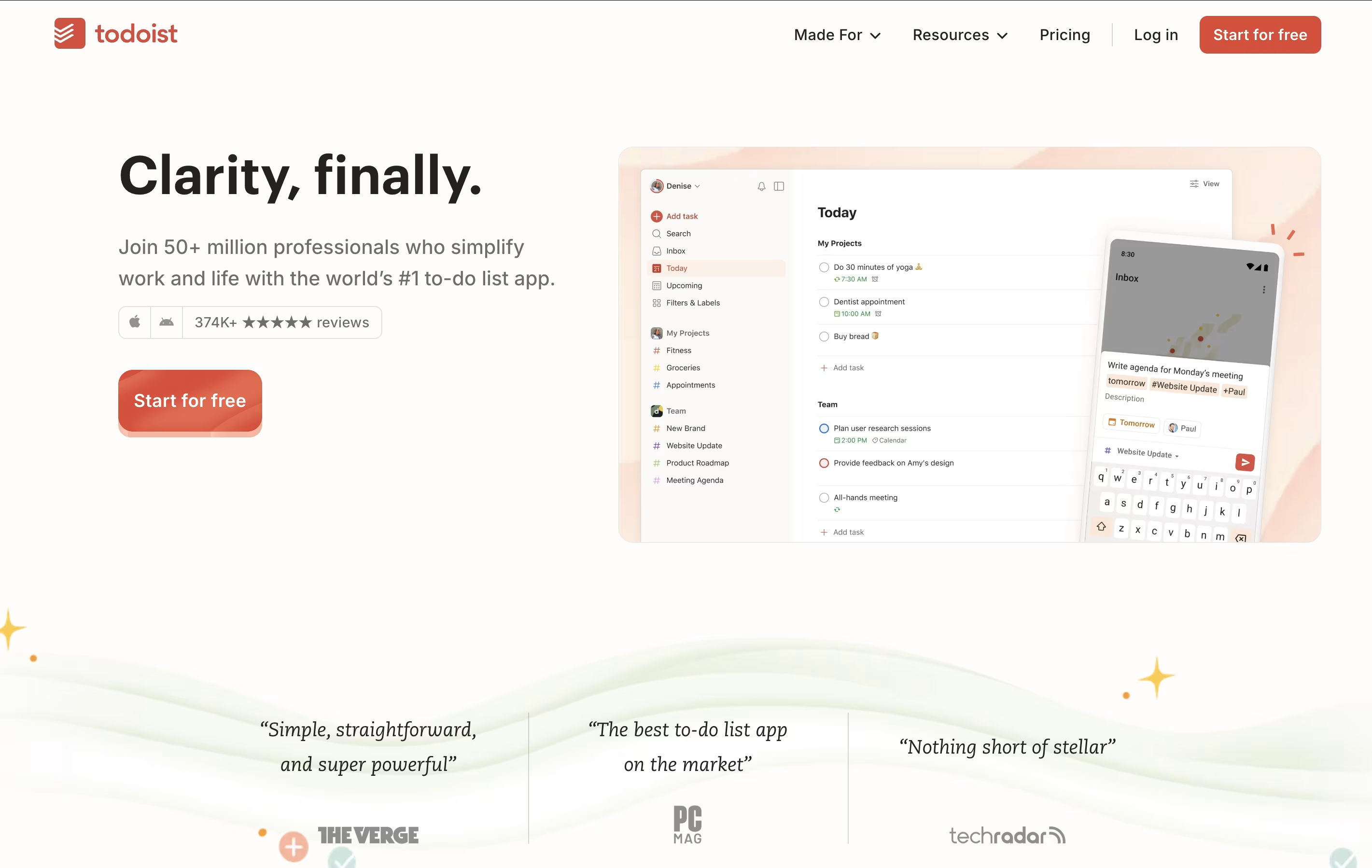
Todoist is a task management app that helps you organize tasks and projects in one place. You can add tasks using simple language, set priorities, and group related items into projects. The app shows your tasks in different views like lists, boards, or calendars so you can see what needs attention.
It works across all your devices and updates everything automatically. You can set reminders for important tasks, add notes and files, and work together with others on shared projects. The app also includes smart features like filters to find specific tasks quickly and templates to start common projects faster.
There is a free version with basic features and paid plans that add more power, including an AI assistant to help manage your workload better.
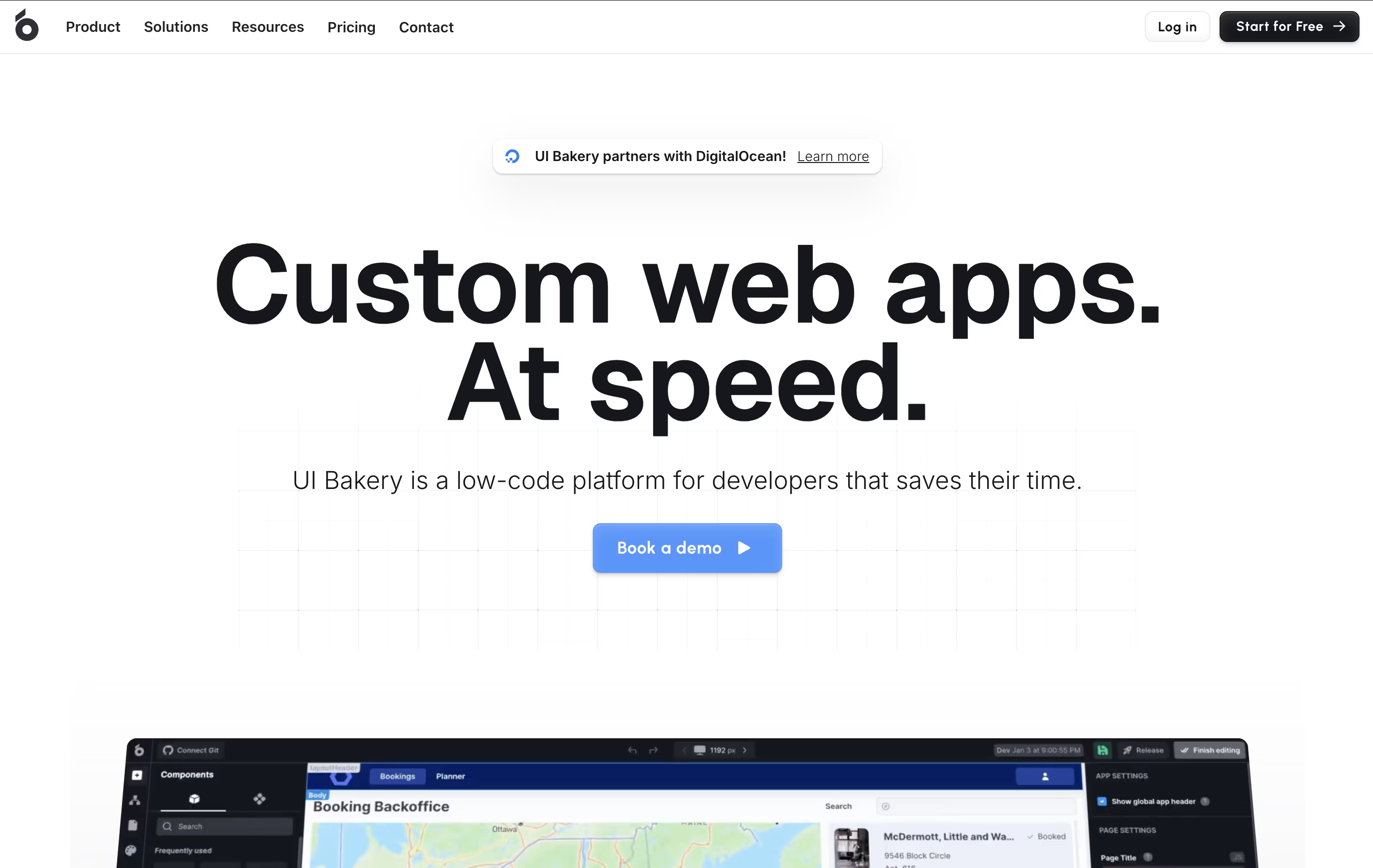
UI Bakery is a low-code development platform that lets you build web applications using a visual drag-and-drop interface combined with custom code when needed. Unlike pure no-code tools, UI Bakery gives developers full control through JavaScript and SQL customization while speeding up the building process significantly.
The platform includes 75+ ready-made components, templates, and connectors to popular databases and services. You can create internal tools, customer portals, admin dashboards, and vendor apps without worrying about frontend frameworks or CSS styling. UI Bakery handles deployment, version control, and user access management automatically.
Available as both cloud-hosted and self-hosted options, UI Bakery works great for teams that need compliance with data security requirements while maintaining development speed and flexibility.

Strapi is an open-source headless CMS built with Node.js that delivers content through APIs instead of traditional web pages. Think of it as a smart backend system that stores and manages your content, then sends it anywhere you need through REST or GraphQL APIs.
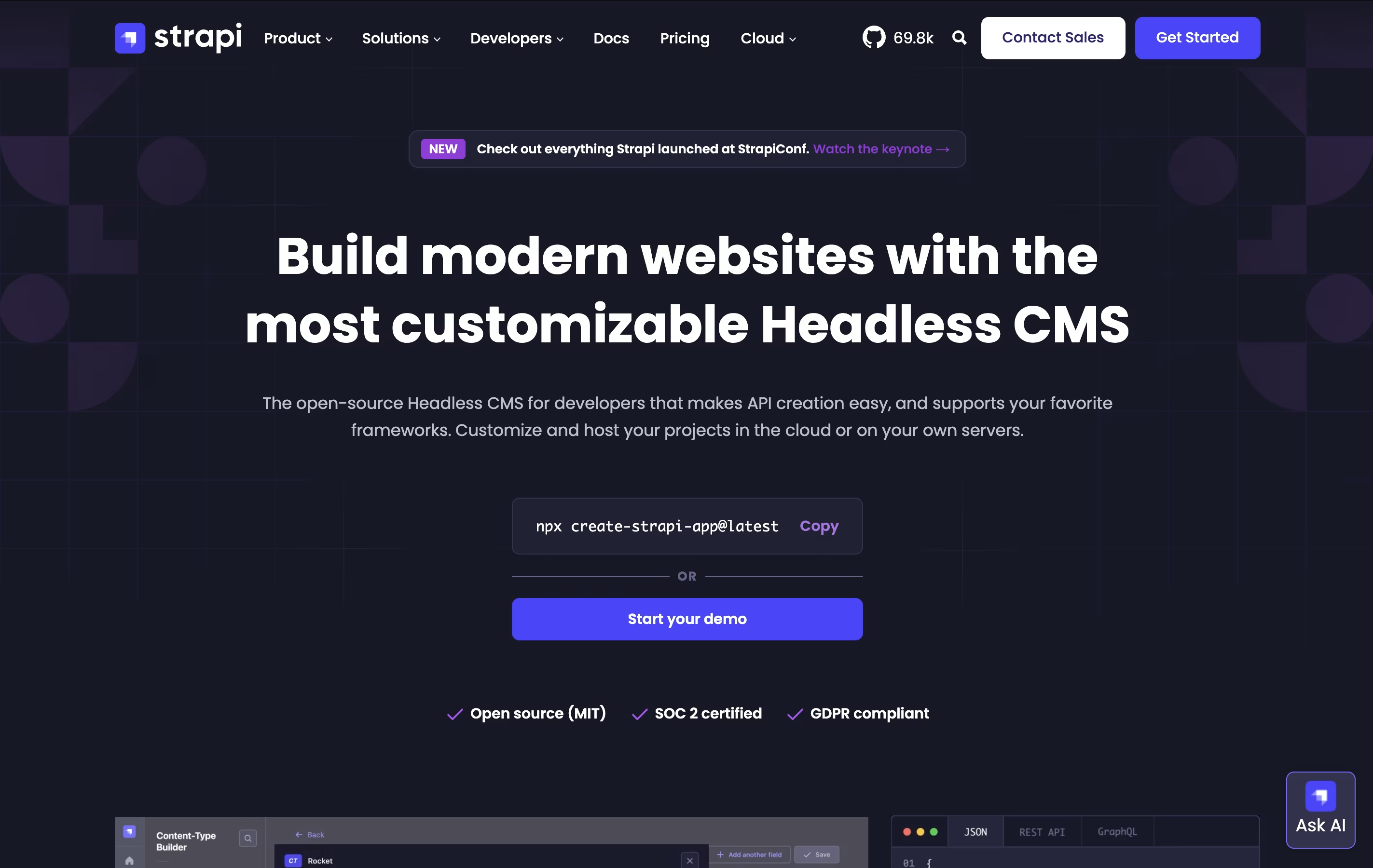
The main difference from traditional systems like WordPress is flexibility. Instead of forcing you to use specific templates, Strapi lets you build exactly what you need. You control everything: the database, the content structure, and how it all works together. Each project starts with built-in features like user management, permissions, and content organization.
Founded in 2015, Strapi has become popular with over 60,000 stars on GitHub and millions of downloads. You can host it yourself on your own servers or use Strapi Cloud for managed hosting, making it perfect for any project size.

ClickUp is the world's only all-in-one productivity platform that flexes to the way people want to work. Founded in 2017 and based in San Diego, it replaces all individual workplace productivity tools with a single, unified workspace.
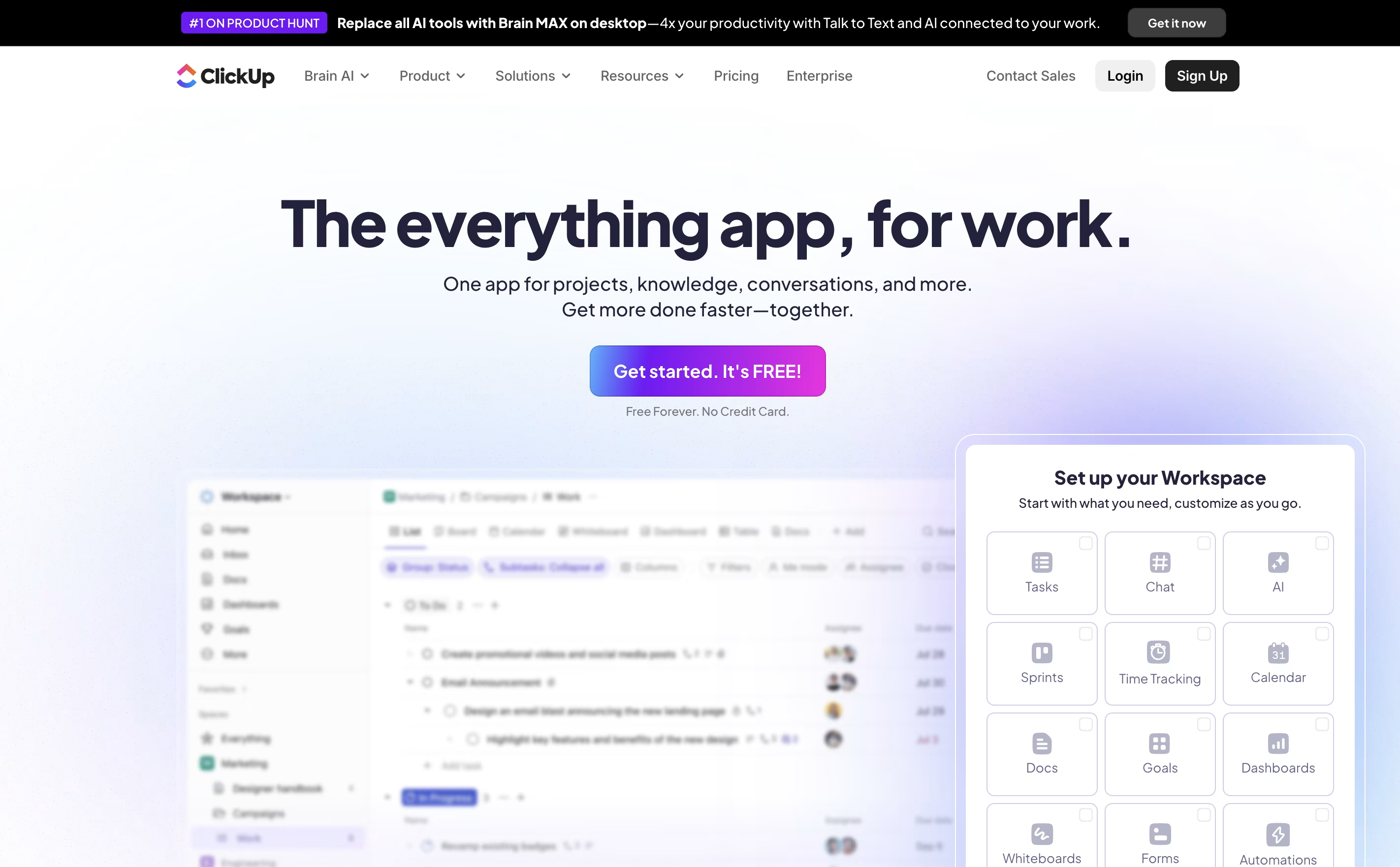
The platform combines project management, task tracking, document collaboration, whiteboards, spreadsheets, time tracking, and goal setting in one place. Unlike traditional project management tools that focus on just one area, ClickUp aims to be the "everything app for work" that eliminates app switching and increases team efficiency.
Used by over 10 million users and 2 million teams worldwide, ClickUp serves businesses of all sizes across different industries. The platform is designed to handle any type of work, from simple task lists to complex enterprise workflows, making it suitable for marketing teams, developers, agencies, and large corporations alike.

FuseBase is an AI-powered collaboration platform designed specifically for service businesses that need to work closely with clients and teams. Think of it as your complete business workspace that combines project management, client portals, and AI automation in one easy-to-use platform.
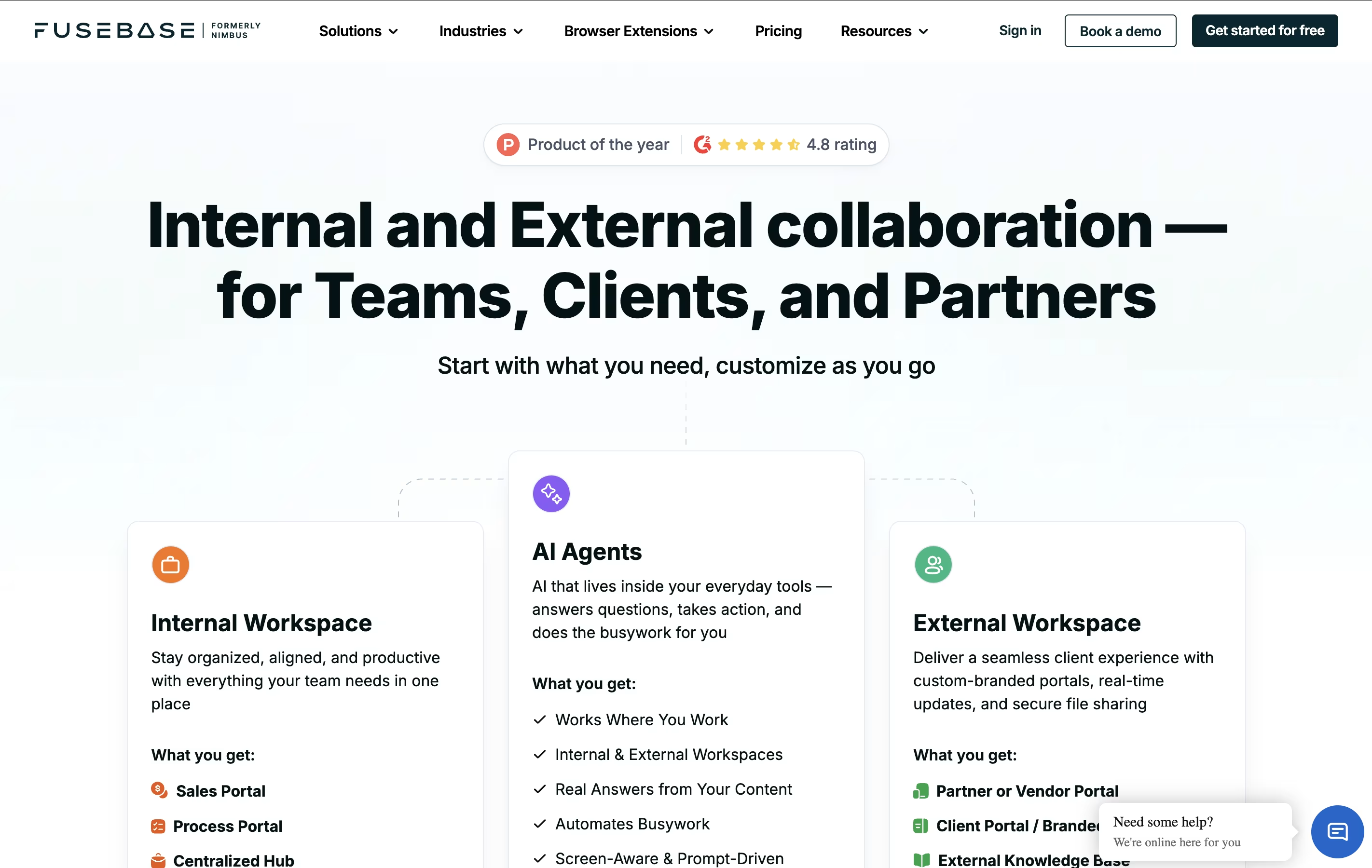
The tool allows you to create branded, secure workspaces where your team can collaborate internally while also providing professional client portals where customers can access project updates, documents, and communicate with your team.
What makes FuseBase special is its AI agents that can automate repetitive tasks, transcribe meetings, generate content, and handle routine workflows. Founded by Pavel Sher and based in Ohio, FuseBase integrates with over 2000 apps and offers white-label solutions so everything looks like your brand. It's particularly popular among digital agencies, marketing firms, and consulting businesses.

GitMind is an AI-powered mind mapping and collaboration platform that transforms how you organize and share ideas. Unlike traditional mind mapping tools, GitMind uses artificial intelligence to automatically generate mind maps from your text, documents, or even voice recordings.
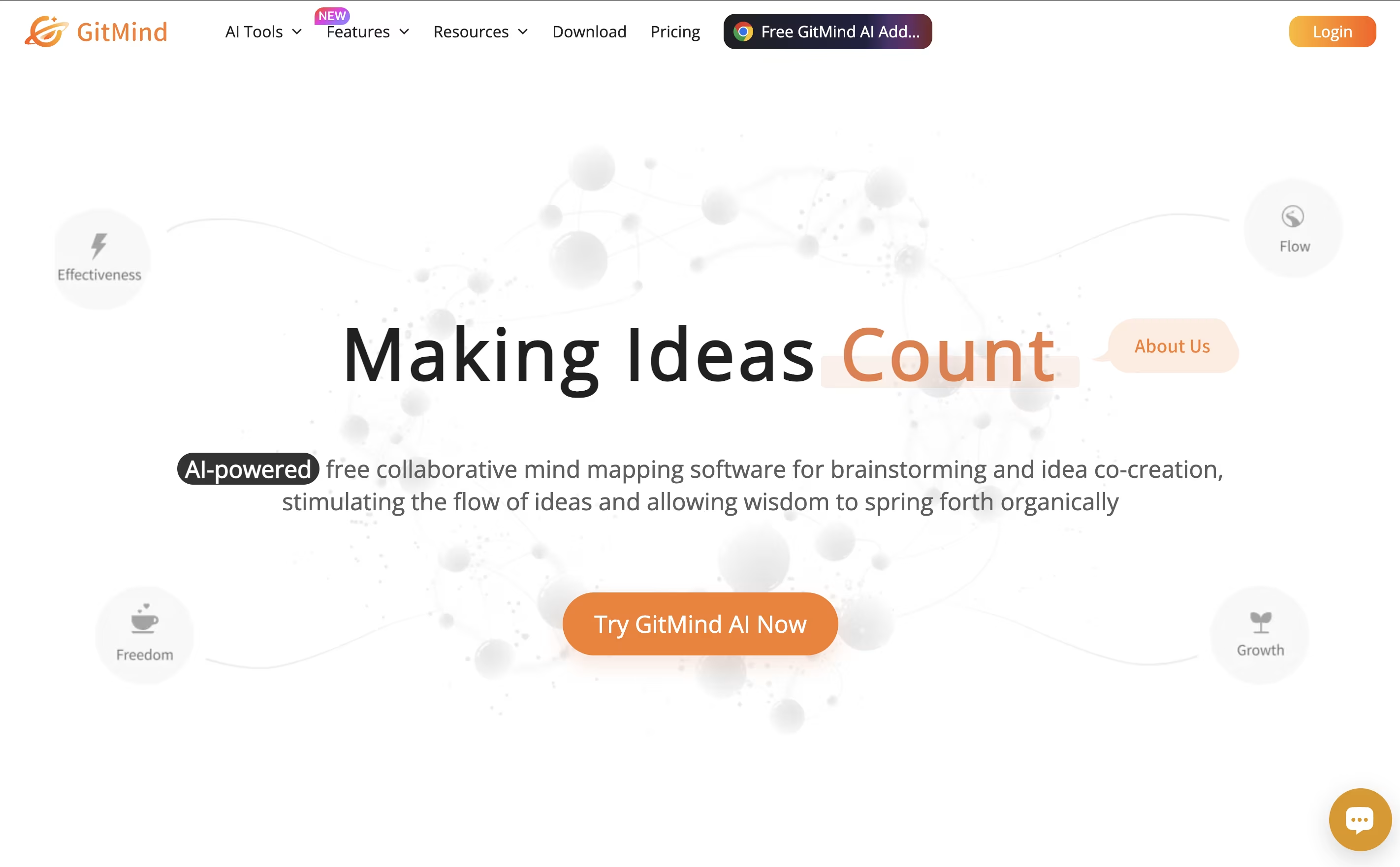
The platform supports multiple types of visual diagrams including mind maps, flowcharts, organizational charts, UML diagrams, and whiteboards. You can upload files like PDFs, Word documents, or PowerPoint presentations, and GitMind's AI will analyze the content and create a structured mind map for you.
What makes GitMind special is its real-time collaboration features. Multiple team members can work on the same mind map simultaneously, making it ideal for group brainstorming and project planning. The tool works seamlessly across all devices - web browsers, desktop apps, and mobile apps - keeping your work synchronized everywhere.

Flowla is an AI-powered digital sales room platform that creates collaborative workspaces for sales and customer success teams. Think of it as a smart command center that replaces messy email chains with organized, branded spaces where all your sales activities happen in one place.
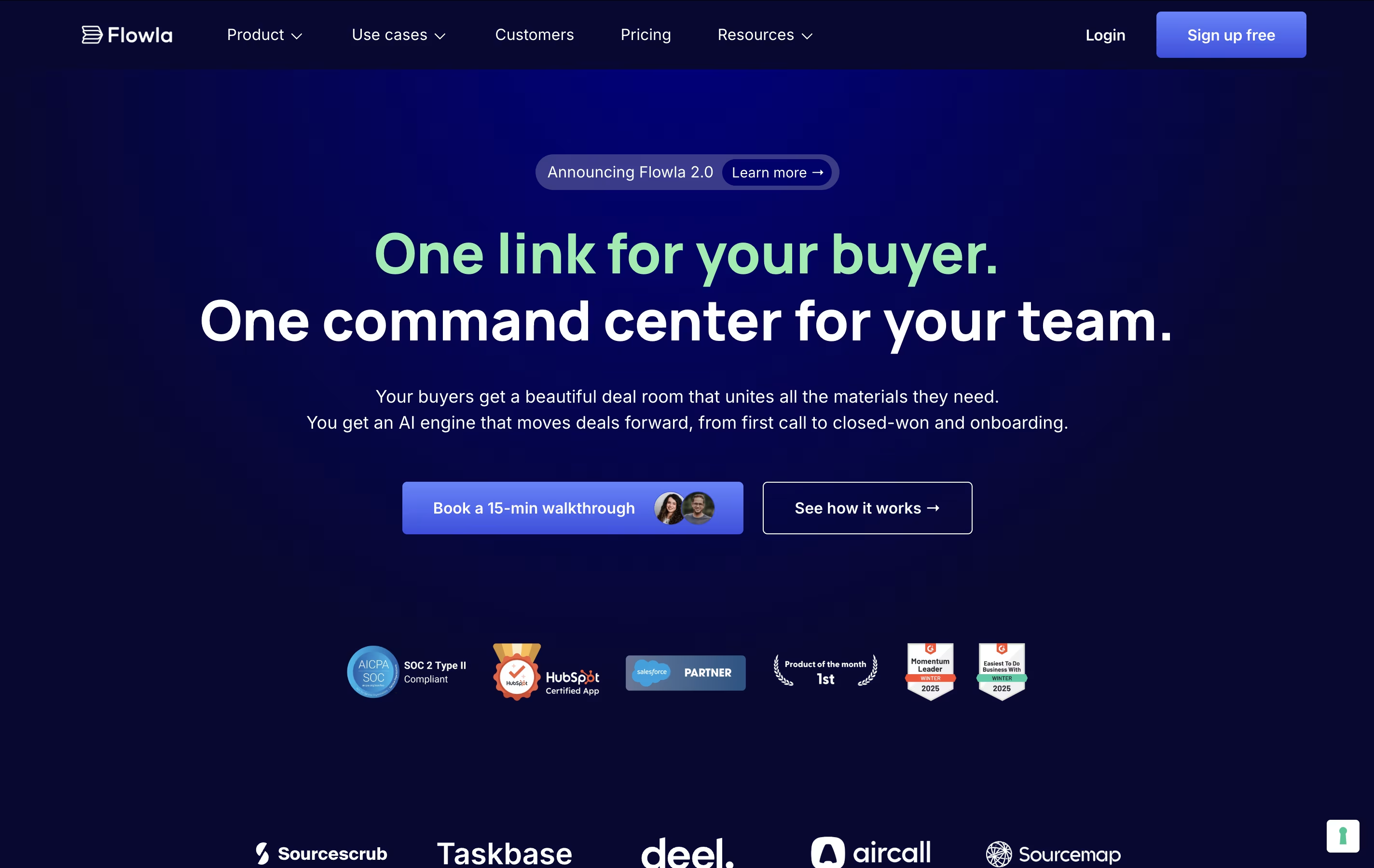
The platform combines traditional digital sales rooms with intelligent automation. While you get the benefits of centralized content and mutual action plans, Flowla's AI agents work behind the scenes to draft follow-ups, identify new stakeholders, sync data to your CRM, and prepare onboarding materials. Everything the AI suggests goes through a review queue, so you stay in complete control.
Flowla integrates seamlessly with popular tools like HubSpot, Salesforce, Slack, and DocuSign, making it easy to incorporate into existing workflows without disrupting your current setup.

Wondershare is a software company that develops easy-to-use applications for creative professionals, businesses, and everyday users. Their main products solve common digital problems like editing videos, managing PDF documents, recovering lost data, and creating visual content.
The company operates as a Software-as-a-Service provider, offering both desktop applications and web-based tools. Their most popular products include Filmora for video editing, PDFelement for PDF tasks, Recoverit for data recovery, and Dr.Fone for mobile device management. Many tools now include AI features to make complex tasks simpler.
Wondershare focuses on user-friendly design, making professional-grade software accessible to people without technical backgrounds. They offer various pricing options including free versions, monthly subscriptions, annual plans, and lifetime licenses to fit different needs and budgets.

Early is an "all-in-one time tracking solution" that captures how you spend your time automatically. The software monitors your apps, websites, and calendar events to suggest time entries, removing guesswork from time tracking.
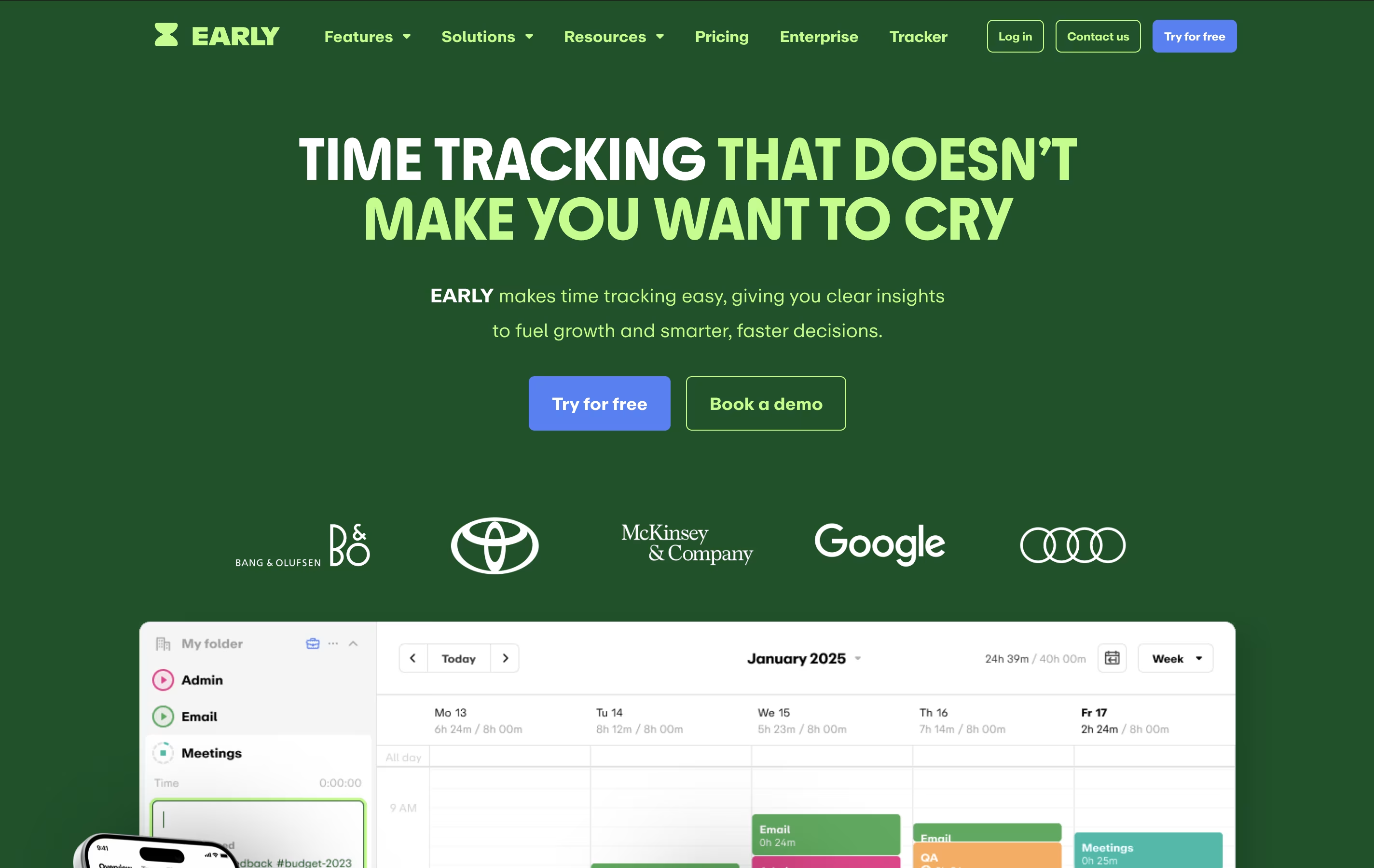
What makes Early unique is its optional physical tracker - an 8-sided device that sits on your desk. Each side represents a different task or project. Simply flip it to start tracking a new activity. The device connects via Bluetooth and syncs with the Early app instantly.
The platform works across all devices with web, desktop, and mobile apps. It provides detailed reports, project budgets, team collaboration features, and integrations with popular tools like calendars and project management software.
Kula AI is an intelligent recruiting platform that streamlines the entire hiring process from sourcing candidates to making offers. Unlike traditional recruiting tools that require multiple add-ons, Kula provides everything in one system including candidate sourcing, CRM functionality, interview scheduling, and hiring analytics.
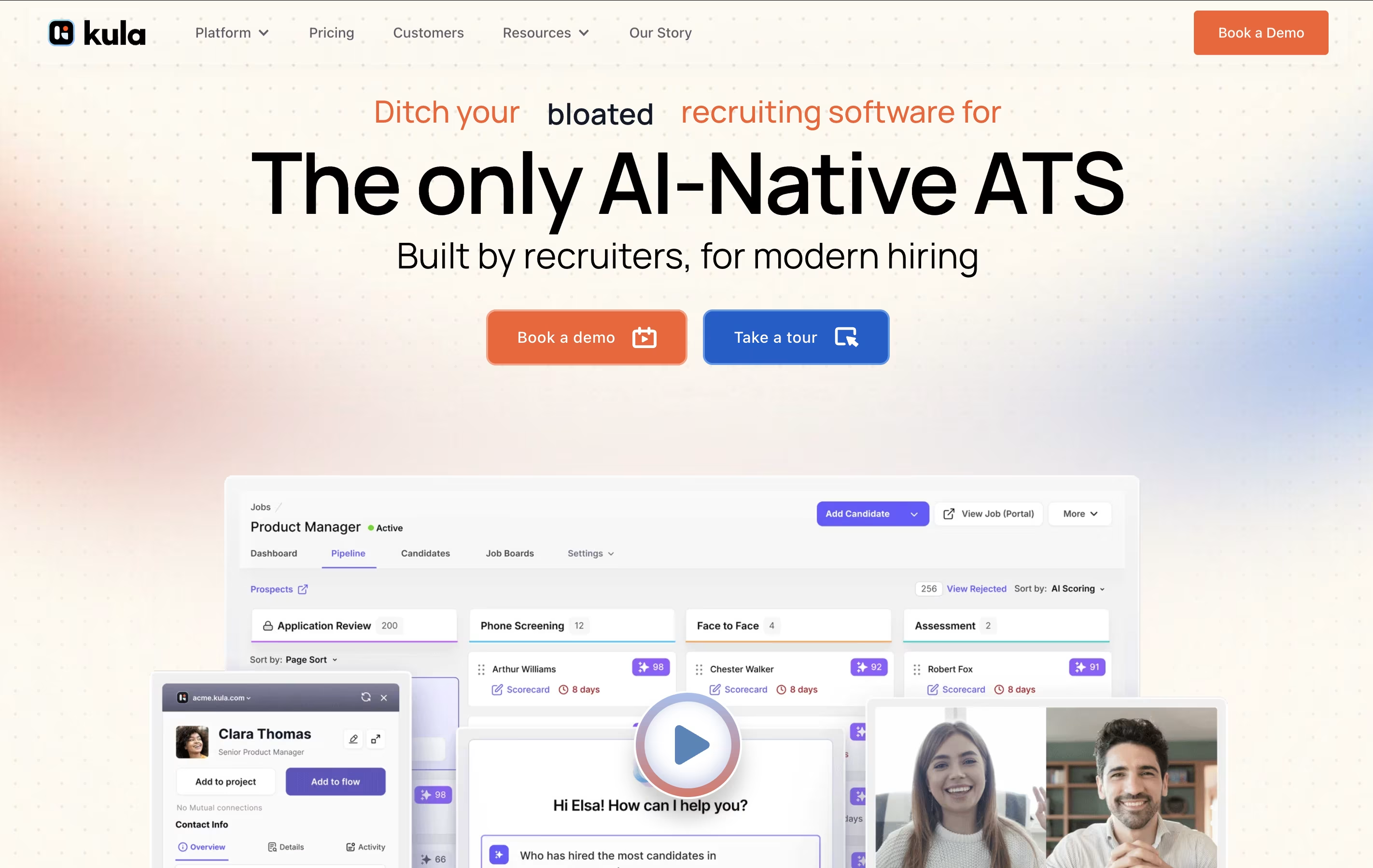
The platform uses AI to automatically find and rank candidates based on your requirements, saving hours spent manually reviewing resumes. It can send personalized outreach messages across email, LinkedIn, and other channels without human intervention. Kula also includes interview recording and analysis features that help teams make better hiring decisions.
The system works for startups to enterprise companies, replacing the need for separate tools like sourcing platforms, email automation software, and basic ATS systems with one comprehensive solution.

Spacebring is cloud-based coworking space management software that brings all your operations into one platform. You get tools for member management, room bookings, automated billing, community building, and visitor management.
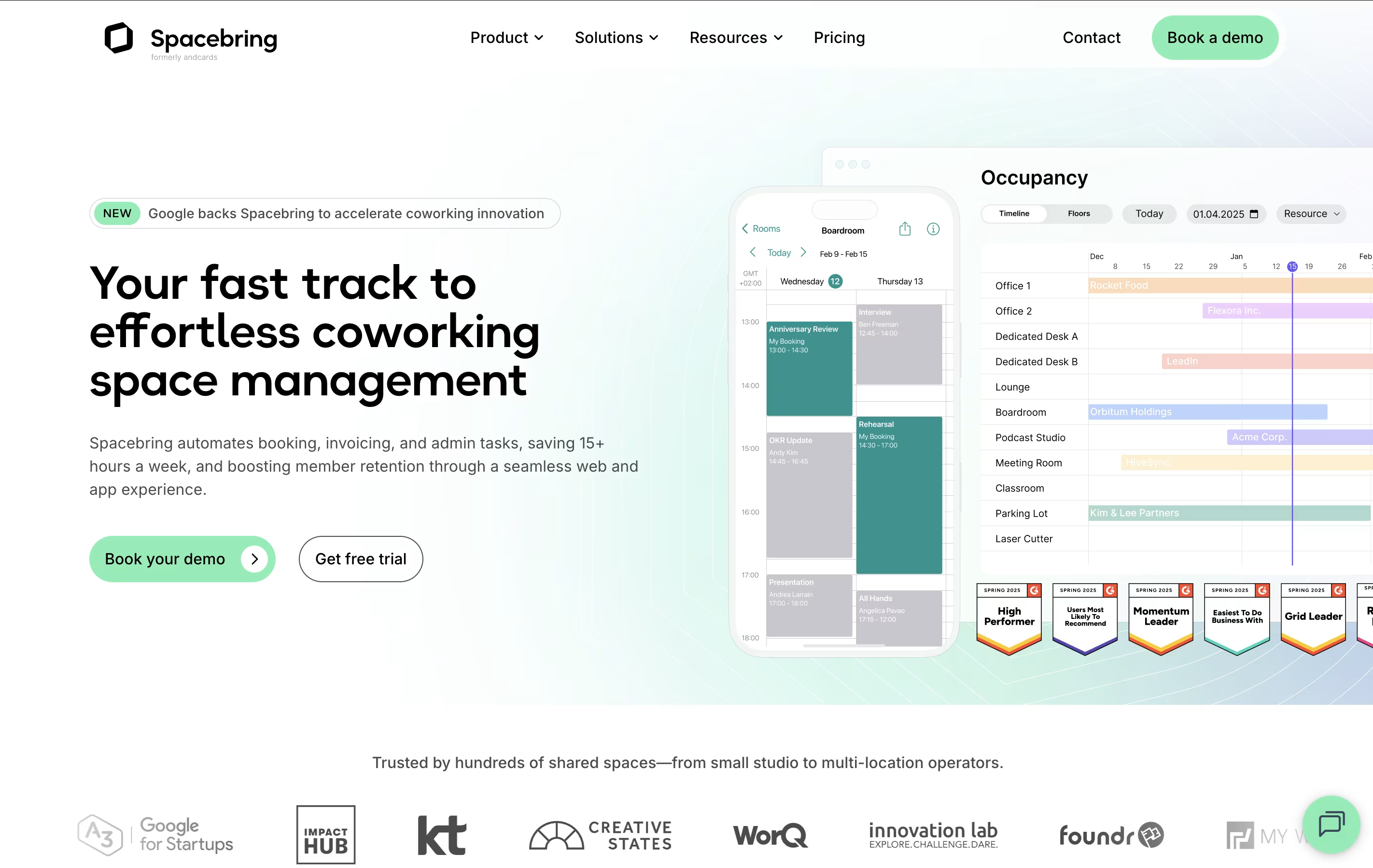
The platform offers both admin tools for space operators and member-facing apps where customers can book resources, make payments, and join events. Members get a branded mobile app and web portal that works smoothly across all devices.
Key capabilities include automatic invoicing that collects payments in seconds, self-service booking systems, access control integration, and real-time analytics. The software connects with popular tools like Stripe, Google Calendar, Slack, and door access systems.
Spacebring works for various types of spaces including traditional coworking, flex offices, medical coworking, beauty suites, and hybrid workspaces. The platform scales from single locations to multi-site operations.
Airtable is a no-code platform that works like a supercharged spreadsheet with database capabilities. You can store, organize, and connect different types of information while creating custom views like grids, calendars, forms, and boards to see your data in different ways.
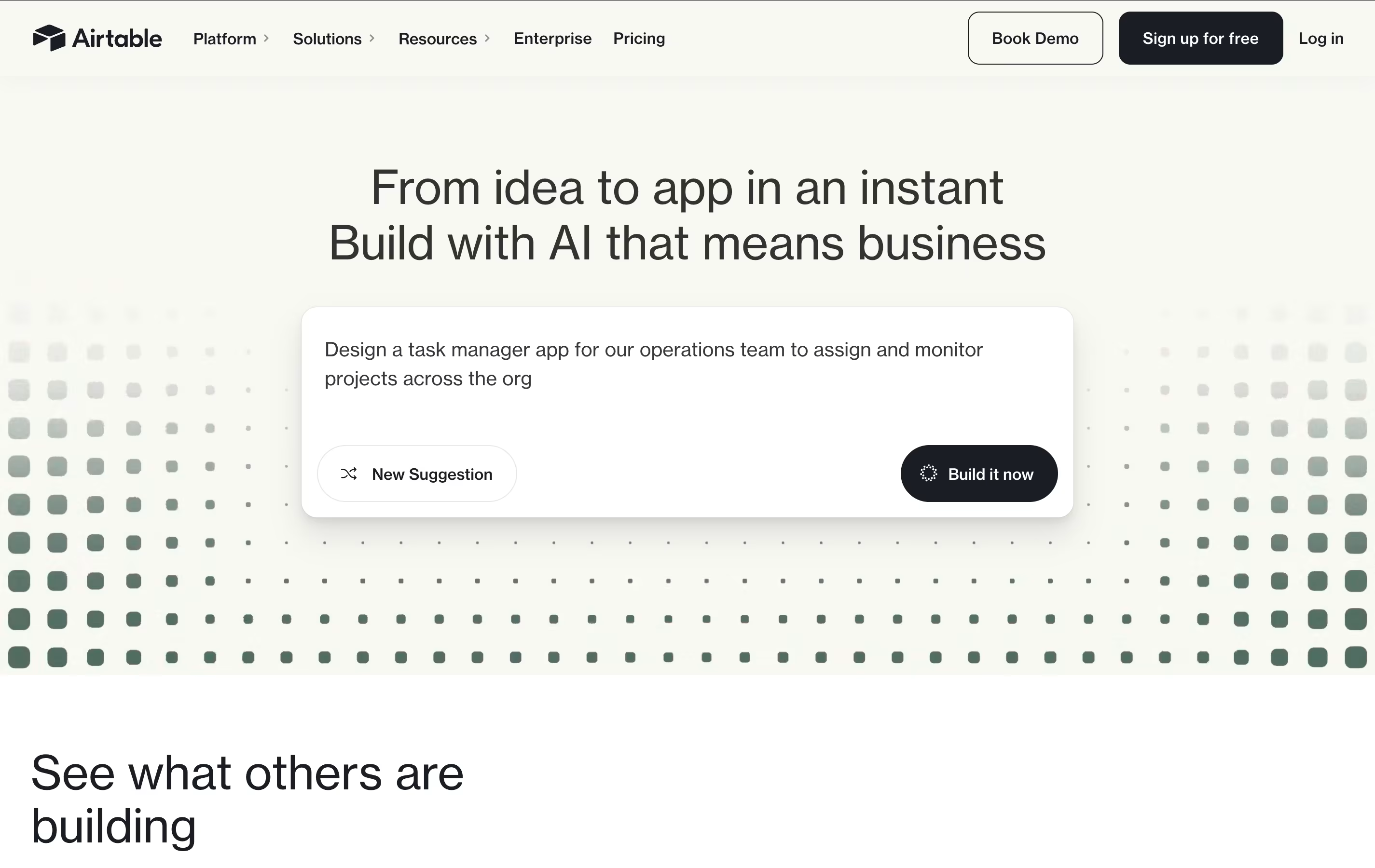
What makes Airtable special is its ability to link related information across different tables. For example, you can connect customer records to their orders, or link project tasks to team members. This creates a web of connected data that gives you a complete picture of your business operations.
The platform includes built-in automation, AI features, and hundreds of integrations with other business tools. Teams use Airtable for project management, customer tracking, content planning, inventory management, and many other business processes. It requires no technical skills to get started, making it accessible to everyone on your team.

Notion is a versatile all-in-one workspace that functions like a set of digital building blocks. Think of it as a combination of Google Docs, Trello, Airtable, and Evernote all rolled into one seamless platform. Every page in Notion is built using 'blocks' - individual pieces of content like text, images, databases, or embedded files that you can arrange however you want.
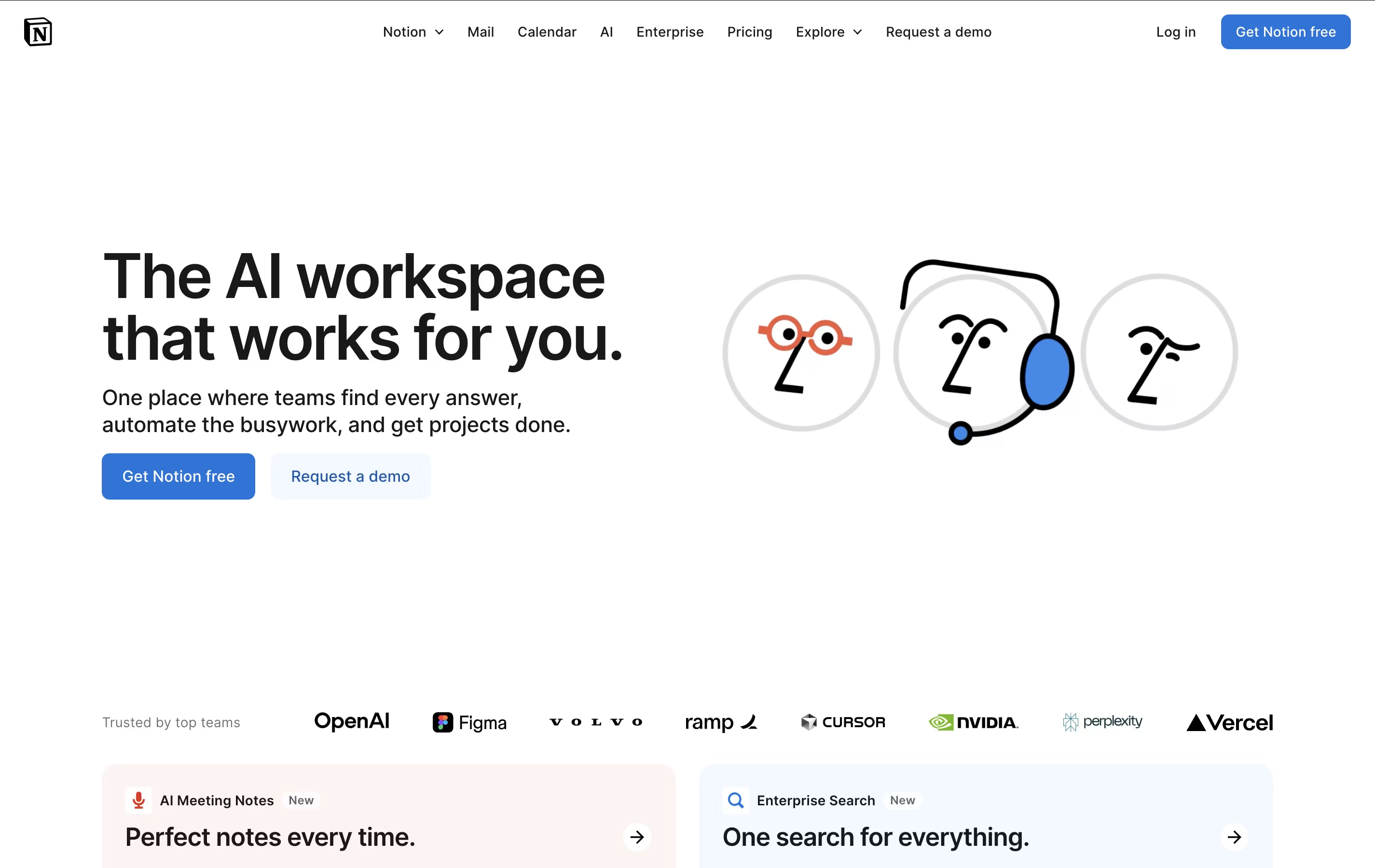
What sets Notion apart is its flexibility. You can create simple notes, complex project management systems, company wikis, or personal journals using the same tool. The platform supports real-time collaboration, allowing teams to work together on documents, databases, and projects simultaneously. With templates for common use cases and the ability to create custom workflows, Notion scales from personal use to enterprise-level operations while maintaining simplicity and elegance.

Rize is an intelligent time tracking and productivity coaching application designed for macOS and Windows users who want to maximize their work efficiency. Think of it as a fitness tracker for your productivity - it automatically monitors how you spend time on your computer, identifies patterns, and provides personalized recommendations to improve focus and reduce distractions.
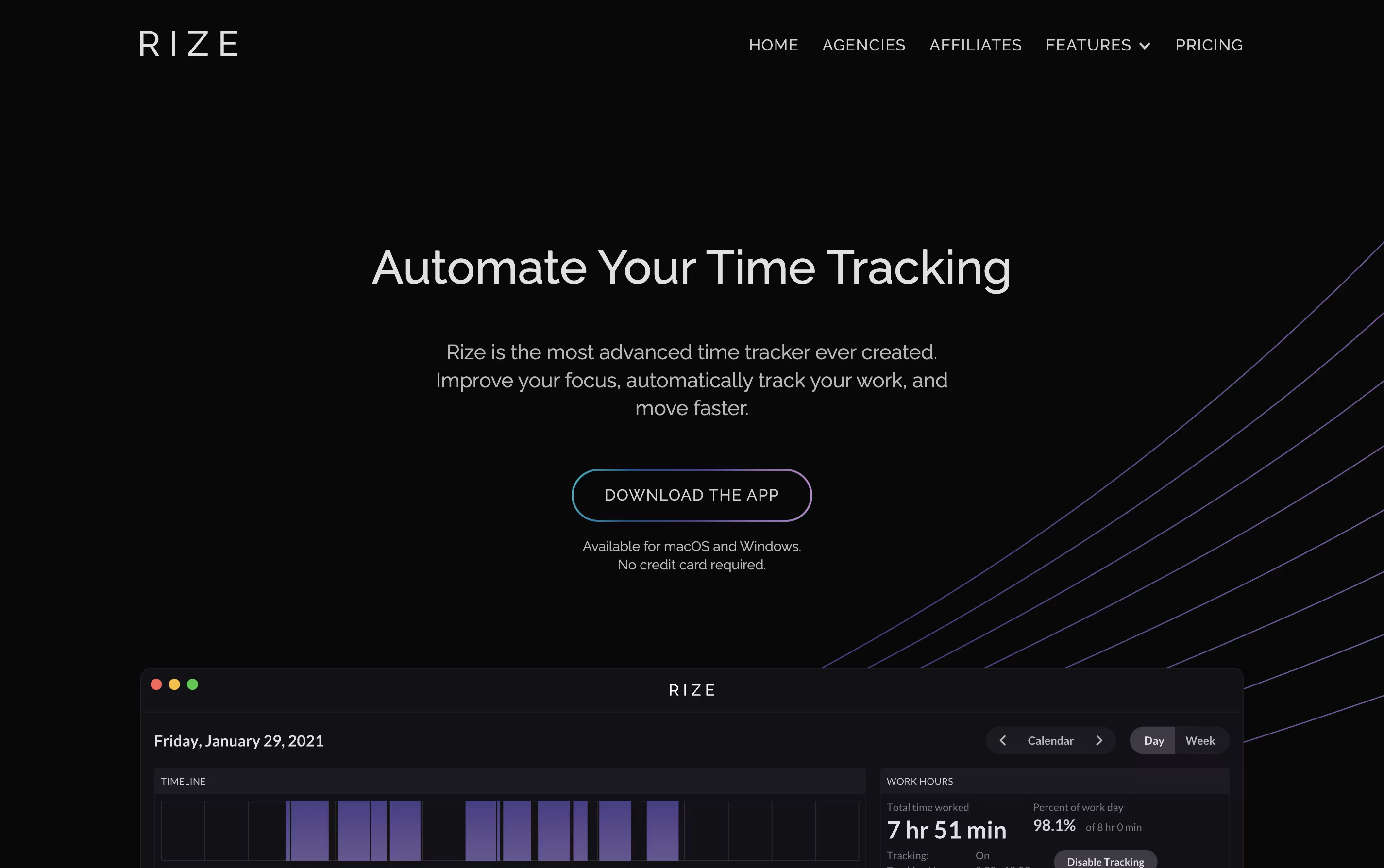
The software tracks your active windows, categorizes activities, and generates detailed reports without requiring you to start or stop timers manually. What sets Rize apart from basic time trackers is its AI-powered insights that help you understand not just where your time goes, but how to optimize it.
The platform includes focus-enhancement tools like website blocking, ambient focus music, break notifications, and detailed analytics that show you exactly which apps or websites interrupt your productive flow most frequently.
DevRev is an AI-powered platform that combines customer support and software development into one unified system. Think of it as the bridge that connects what customers need with what developers build. The platform uses advanced AI technology called AgentOS, which includes a knowledge graph that understands relationships between customers, products, and development work.
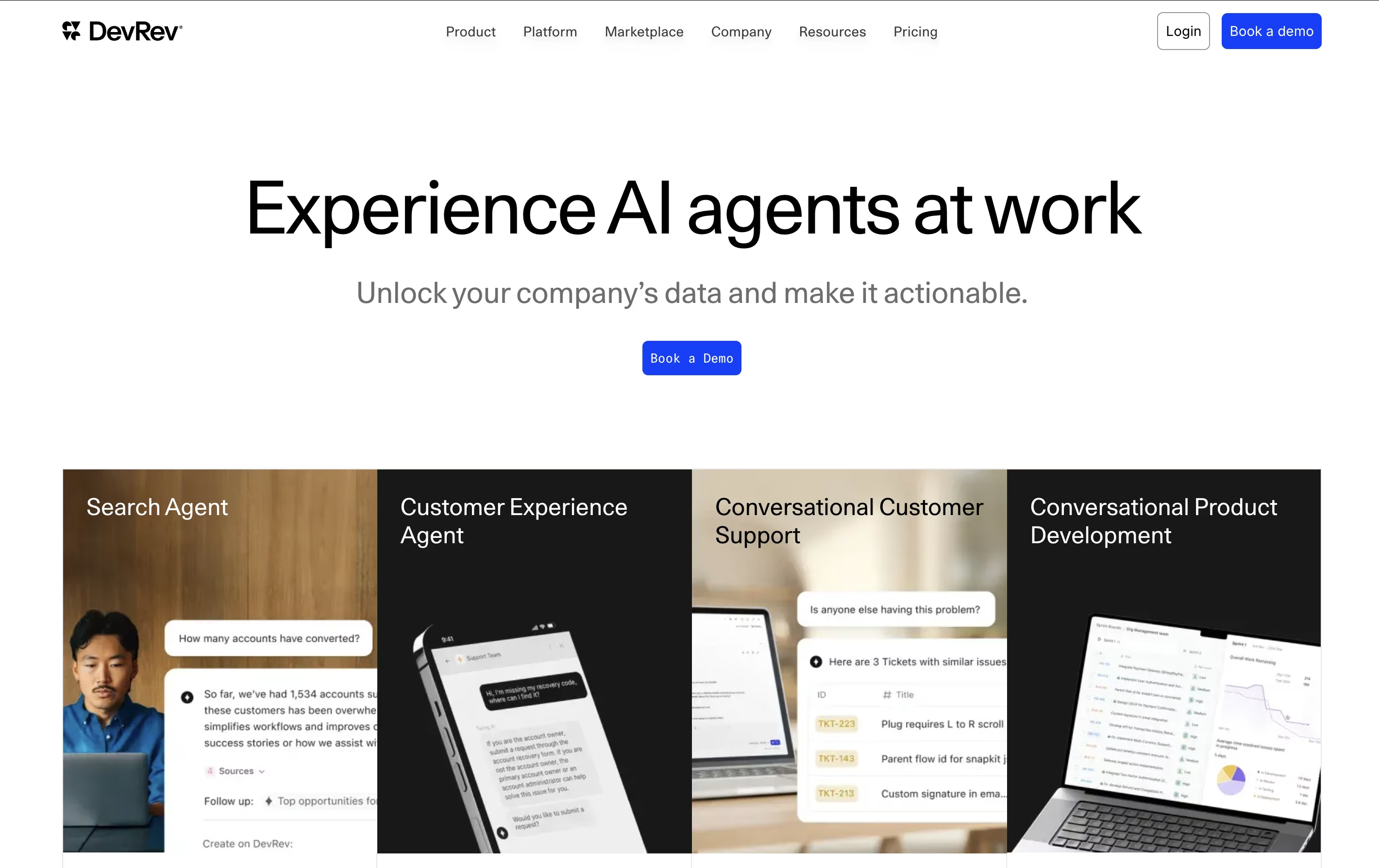
Unlike traditional tools that keep support and development teams separated, DevRev brings everyone together. Support agents can see exactly what developers are working on, while developers understand which customer issues need priority. The platform includes modern CRM features, AI-powered customer support tools, project management capabilities, and real-time analytics.
Founded by experienced technology leaders, DevRev has revolutionized how SaaS and technology companies operate. The platform helps teams work faster, make better decisions, and create products that truly solve customer problems by keeping the voice of the customer at the center of everything.
Scribe is an AI-powered documentation tool that automatically creates step-by-step guides by recording your screen actions and converting them into professional tutorials. Think of it as a smart assistant that watches everything you do on your computer and turns those actions into clear, easy-to-follow instructions.
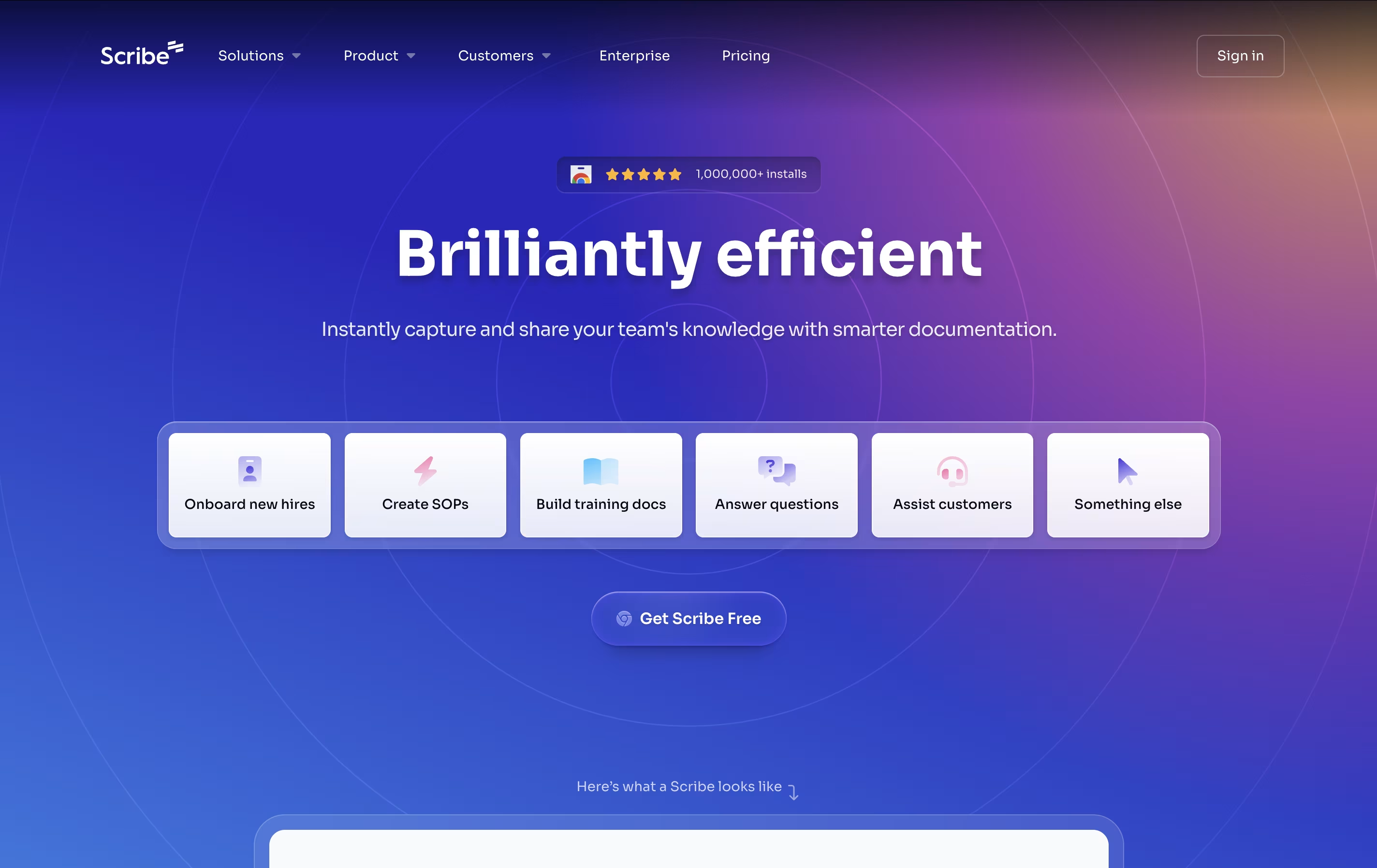
The platform works through a browser extension for web-based tasks and a desktop application for software processes. As you click, type, and navigate through any workflow, Scribe captures each step and automatically generates screenshots with helpful annotations, written instructions, and clickable elements.
What makes Scribe special is its ability to understand context and create meaningful documentation without any manual effort. The tool serves businesses of all sizes, from solo consultants documenting client processes to large companies creating training materials for hundreds of employees. It transforms the tedious task of creating documentation into an automatic, seamless experience.
Userback is a comprehensive visual feedback and bug reporting platform designed to help software teams collect, understand, and act on user feedback faster than ever before. Think of it as a bridge between your users and your development team that captures not just what people say, but shows exactly what they mean.
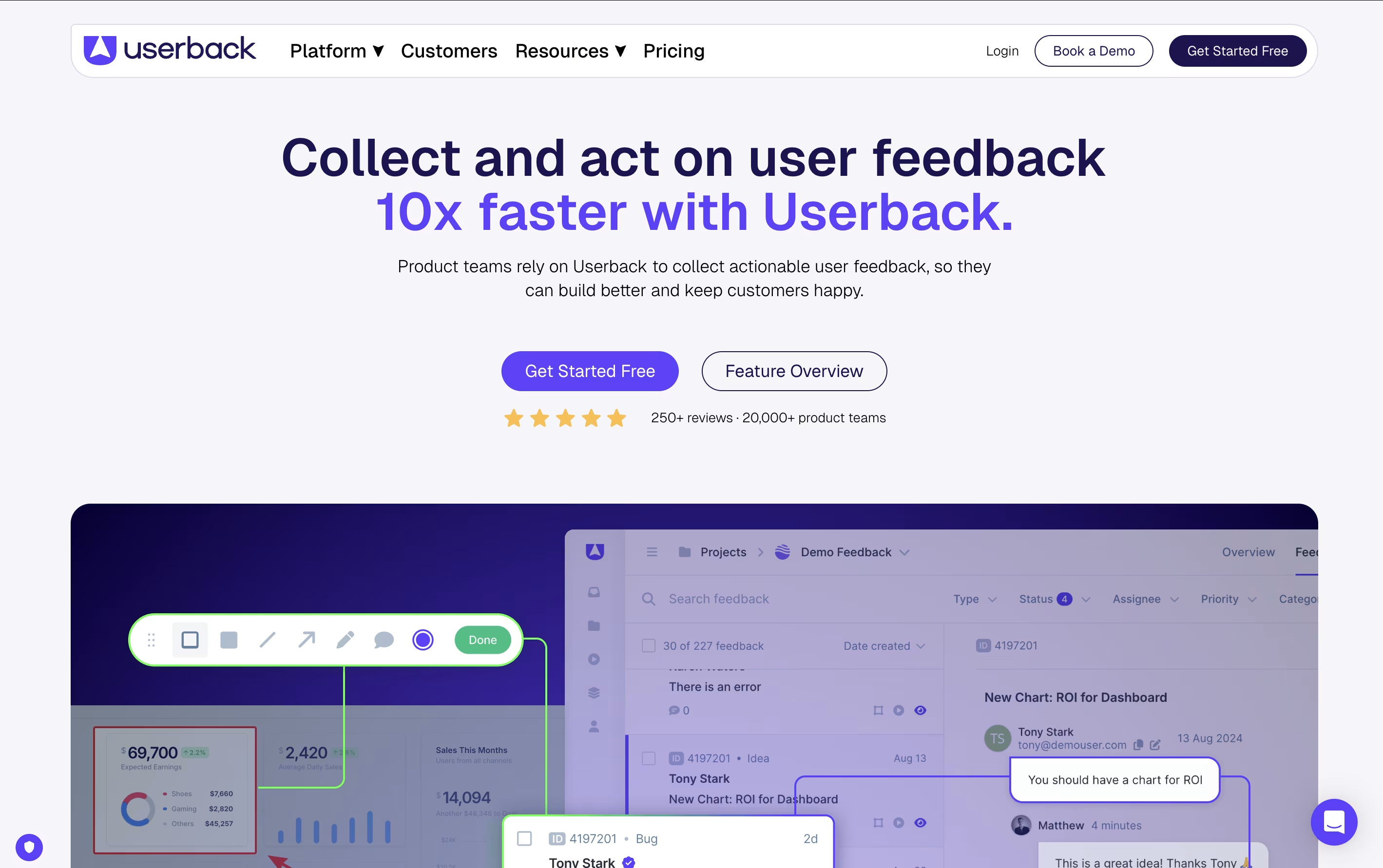
The platform works by adding a simple feedback widget to your website or app, allowing users to highlight specific areas, draw annotations, record videos, and submit detailed reports without leaving your site. Each piece of feedback comes with valuable context like browser information, console logs, and session replays, giving your team everything needed to understand and fix issues quickly.
Founded to solve the problem of unclear feedback communication, Userback has become the go-to solution for over 20,000 software teams worldwide who want to build better products by truly understanding their users' needs.

Appliku is a deployment automation platform designed to simplify server management and application deployment for developers and teams. Think of it as a bridge between complex server administration and easy-to-use hosting platforms.
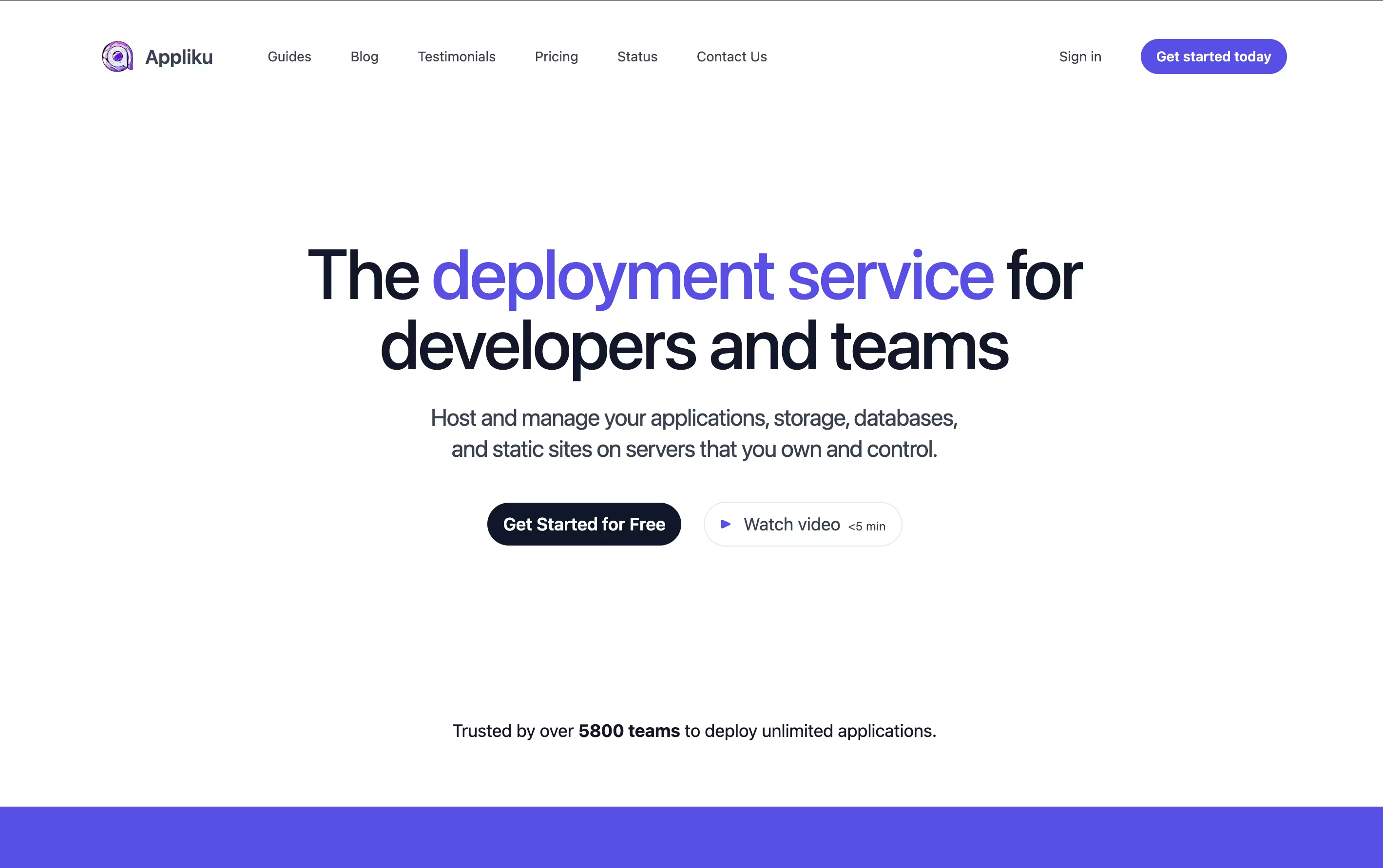
The service works by connecting to your existing cloud servers (like AWS, DigitalOcean, or any Ubuntu server) and automatically setting up everything needed to run your applications. It uses Docker and Nginx behind the scenes to create a reliable hosting environment without requiring you to learn server management.
What makes Appliku special is its BYOS (Bring-Your-Own-Server) approach. You keep full control over your hosting costs and server specifications while getting the same easy deployment experience as premium hosting platforms. Founded to help developers focus on building rather than server management, Appliku supports Python, Django, and other web applications with automatic Git-based deployments.
Atlassian is a leading software company that creates collaboration and work management tools designed to help teams of all sizes work more effectively together. Founded by Mike Cannon-Brookes and Scott Farquhar in Sydney, Australia, the company has grown from a bootstrapped startup to a global technology leader.
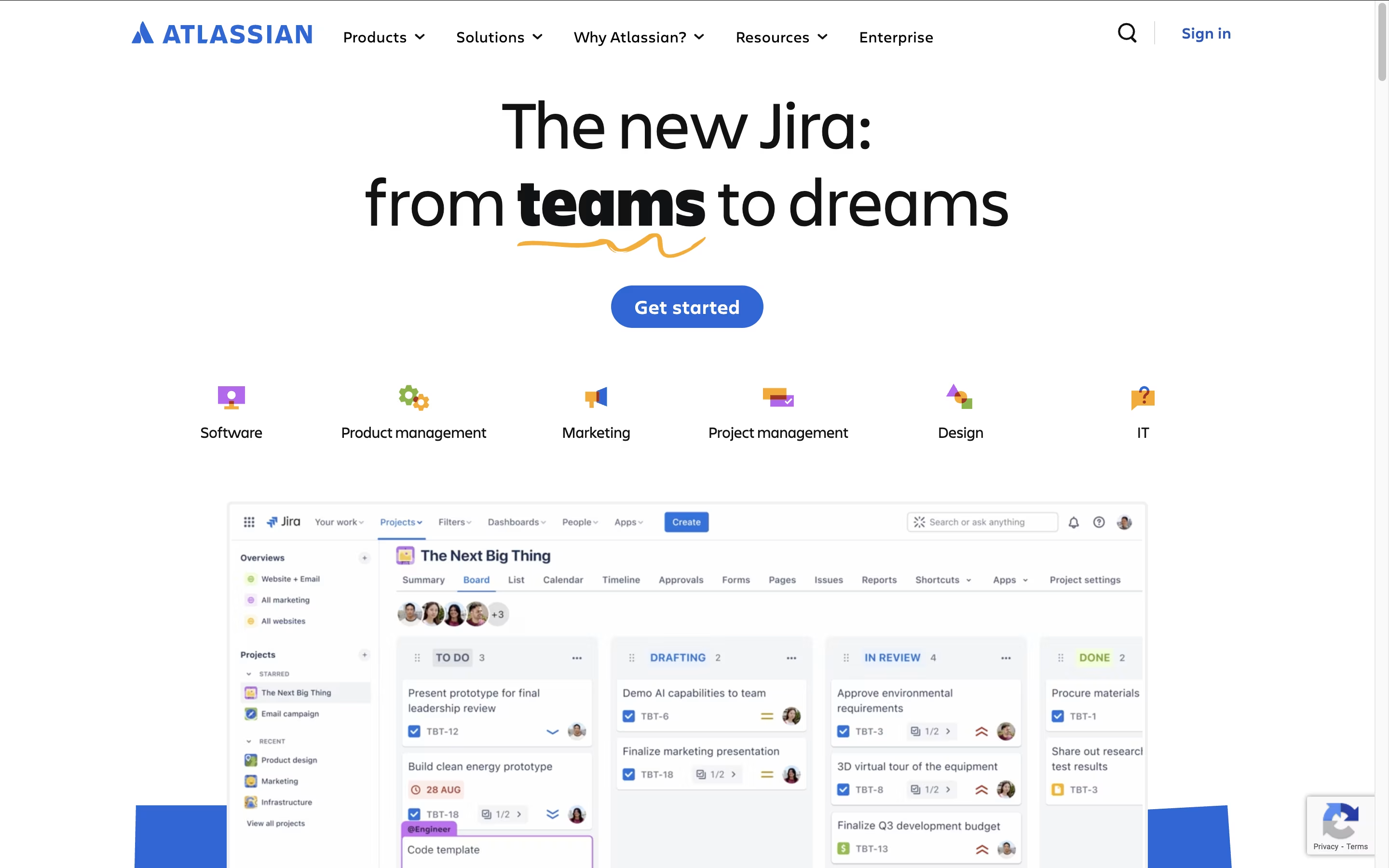
The Atlassian ecosystem centers around four main products that integrate seamlessly. Jira serves as the backbone for project management and issue tracking, particularly popular with software development teams. Confluence acts as a team workspace for creating and sharing knowledge. Trello provides visual project management using boards and cards. Bitbucket handles code collaboration and version control.
What sets Atlassian apart is how these tools work together as a unified system. Teams can link Jira issues to Confluence pages, embed Trello boards in documentation, and track code changes from Bitbucket. This integration eliminates the need to switch between multiple platforms and keeps everyone aligned.
Focalboard is a project management platform that lets you organize work in different ways. You can view tasks as cards on a Kanban board, rows in a table, items in a gallery, or events on a calendar. This flexibility helps you work in the style that suits you best.
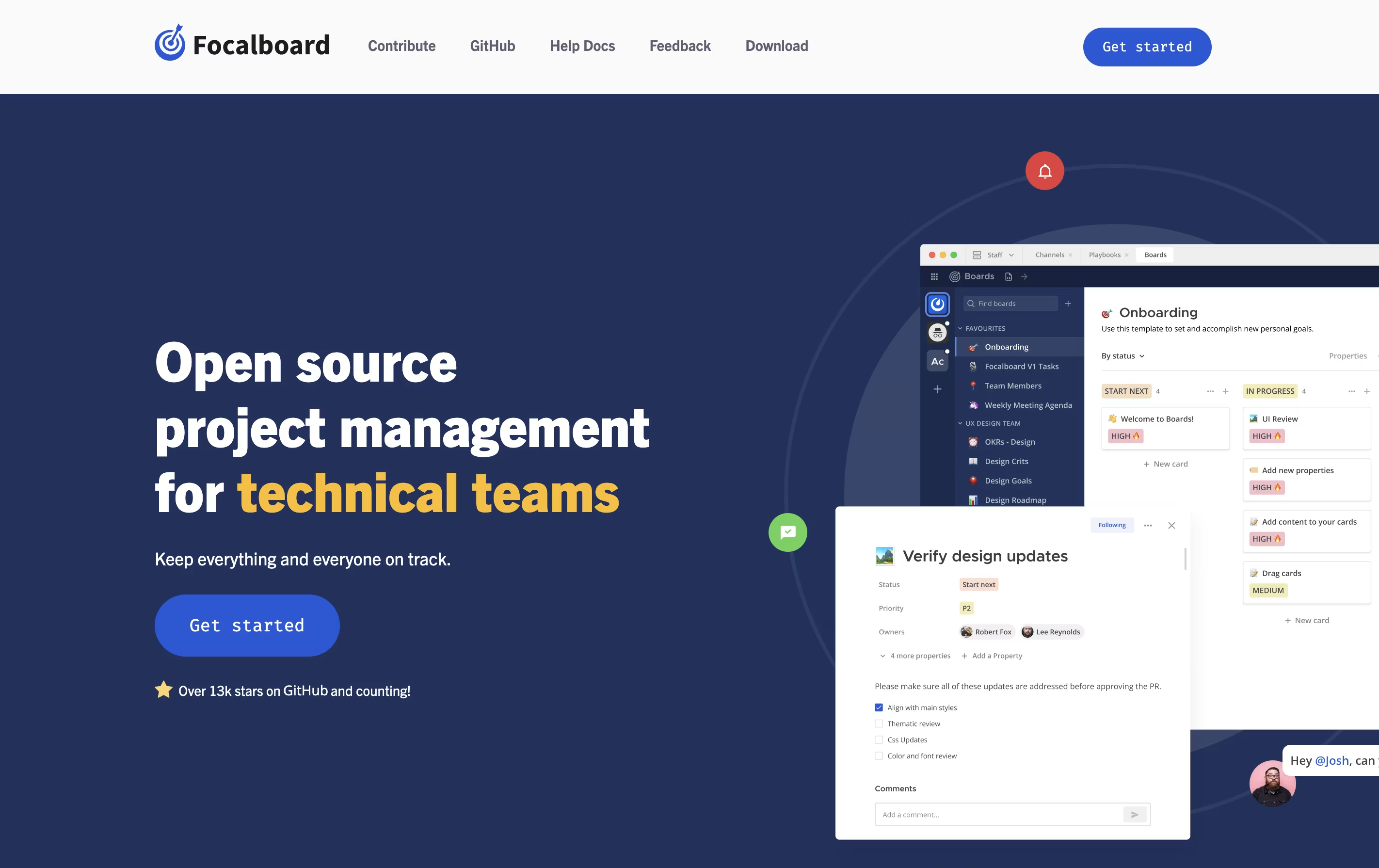
It comes in two main versions. The Personal Desktop version is a single-user app for managing your own tasks and projects. The Personal Server version supports multiple users and works well for teams. When used with Mattermost, it integrates messaging and project management in one place.
The tool is completely free to use and modify because it is open source. You can find the source code on GitHub and contribute to its development.

Vikunja is a complete task management system that you can use in different ways depending on your needs. It lets you create tasks, organize them into projects, set due dates, add reminders, and share work with others. The tool is built with speed in mind and every action happens quickly without loading delays.
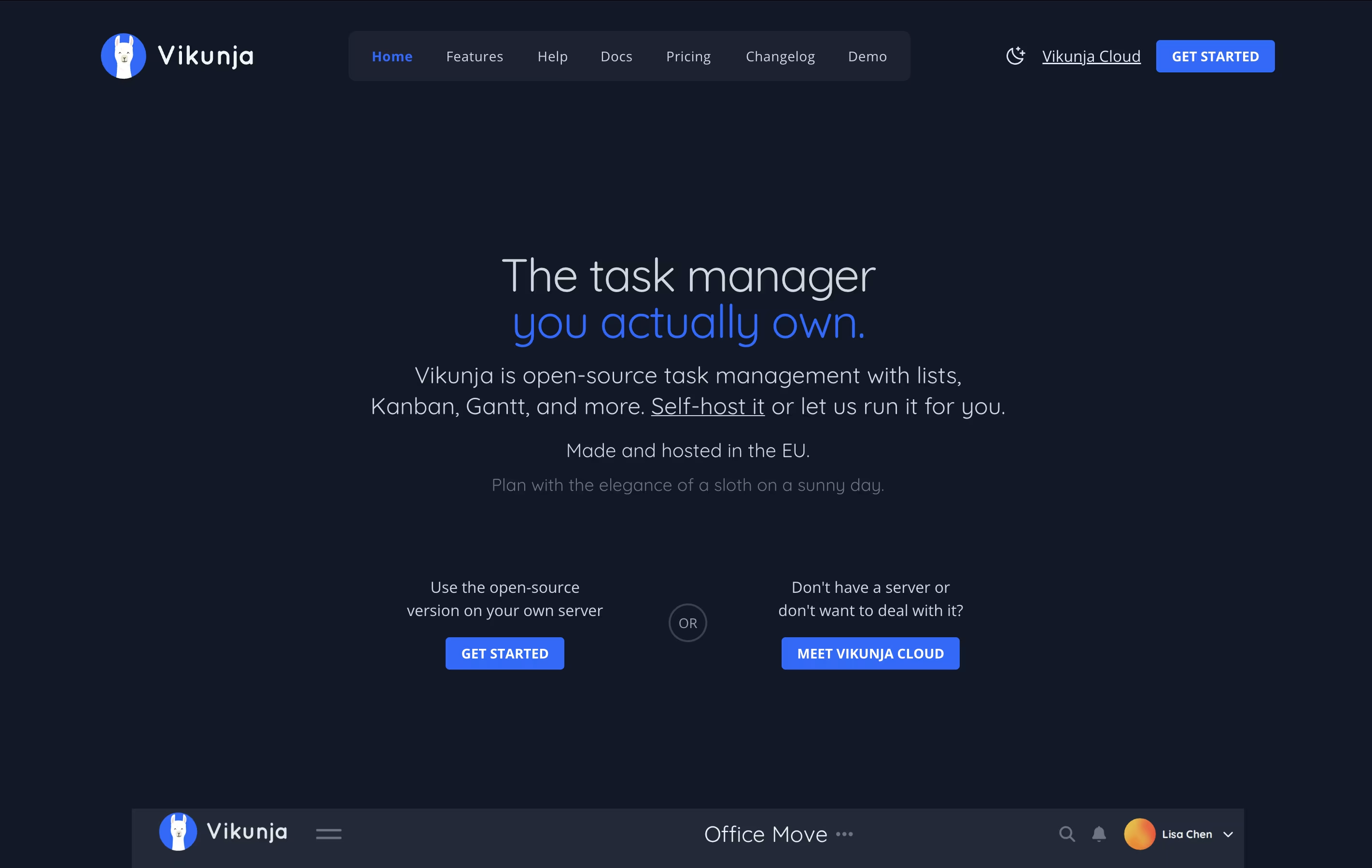
What makes Vikunja special is that it is completely open-source under the AGPL license. This means you can check the code, run it yourself, or use the cloud version. You get features like task relationships, filters, labels, subtasks, and file attachments. The interface is clean and modern, making it easy to focus on your work instead of learning complex software.
OmniFocus is a task manager that turns chaos into organized action. You can capture any task the moment you think of it, then organize it later with tags, projects, and dates. The tool helps you see what needs attention today while keeping future tasks out of sight until you need them.
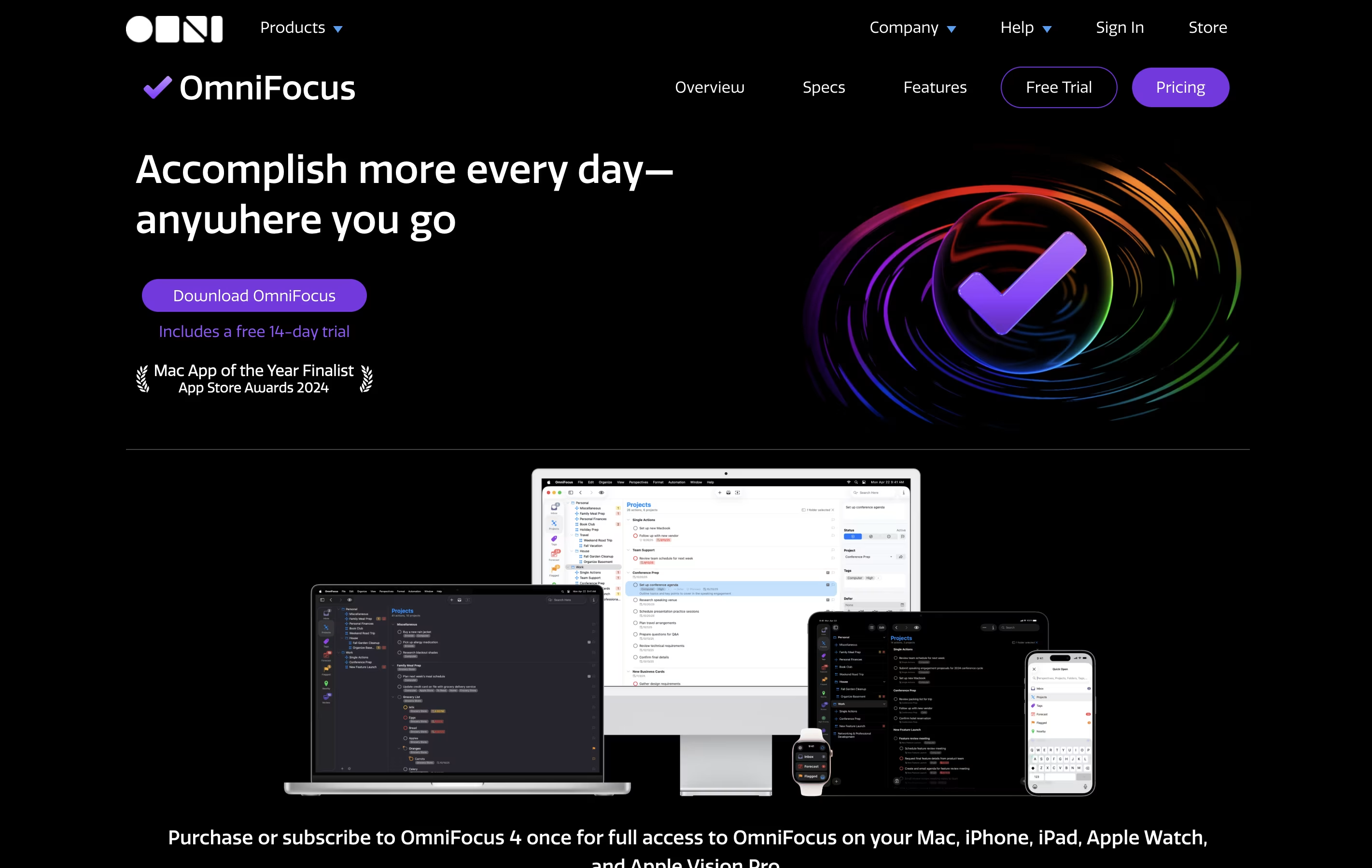
Unlike basic to-do apps, OmniFocus offers custom views called Perspectives that show your work exactly how you want to see it. The Forecast feature displays upcoming tasks alongside your calendar events. The Review function reminds you to check your projects regularly, making sure nothing gets forgotten.
There are different versions available: Standard and Pro licenses for one-time purchase, plus a subscription option that includes web access from any browser.
Any.do is a tool that helps you manage your tasks and organize your time effectively. You can create lists of things to do, set reminders so you don't forget important items, and see your schedule in a calendar view. Unlike complicated project tools, Any.do keeps things simple and easy to understand.
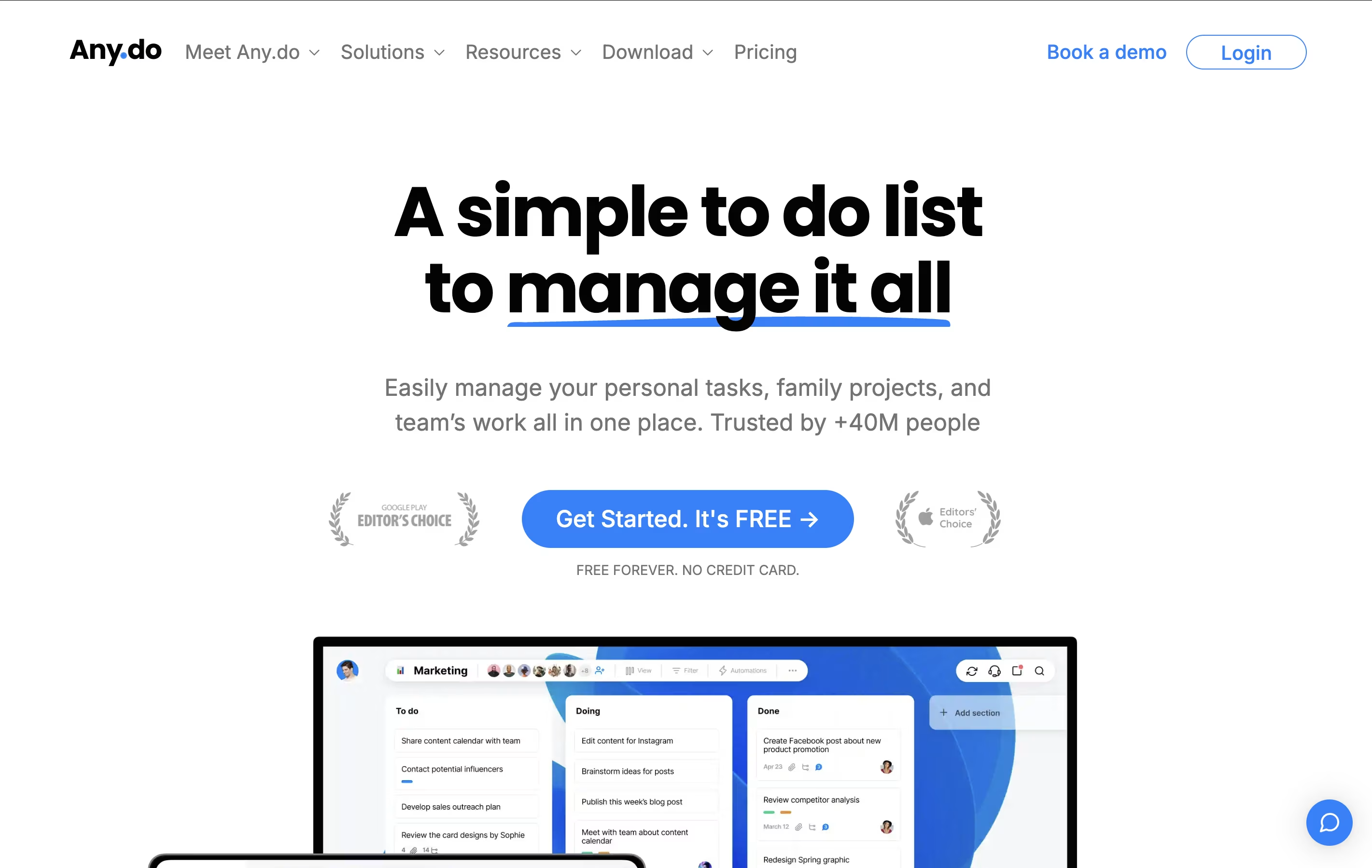
The app works on your phone, computer, and tablet, and everything stays in sync. This means you can add a task on your phone and see it on your computer later. It also lets you share lists with family members or team members, making it great for group projects or household planning.
Both free and paid versions are available, with the paid plans offering extra features like recurring tasks, color tags, and team collaboration tools.

Inngest is an event-driven durable execution platform built to run reliable, multi-step workflows on any platform without managing infrastructure. Think of it as a mix between traditional queues and modern serverless functions, but much better.
It uses step functions and incorporates real-time event processing, enabling developers to build complex workflows that can run for days or months with automatic error recovery. The main difference from regular workflow tools is simple: instead of setting up queues and managing state, you write normal code and Inngest handles all the infrastructure complexity.
Each step in your workflow automatically retries on failure and maintains state between executions, allowing you to easily build reliable systems. Founded in 2021, this tool has become popular because it eliminates infrastructure headaches and makes complex workflows easy. You can write functions in TypeScript, Python, or Go and deploy anywhere.
Plane is a project management tool built to track work, manage sprints, and organize team projects without unnecessary complexity. It gives teams a clear view of their work through multiple layouts like lists, boards, calendars, and charts. You can create tasks called work items, group them into projects, and track progress over time.
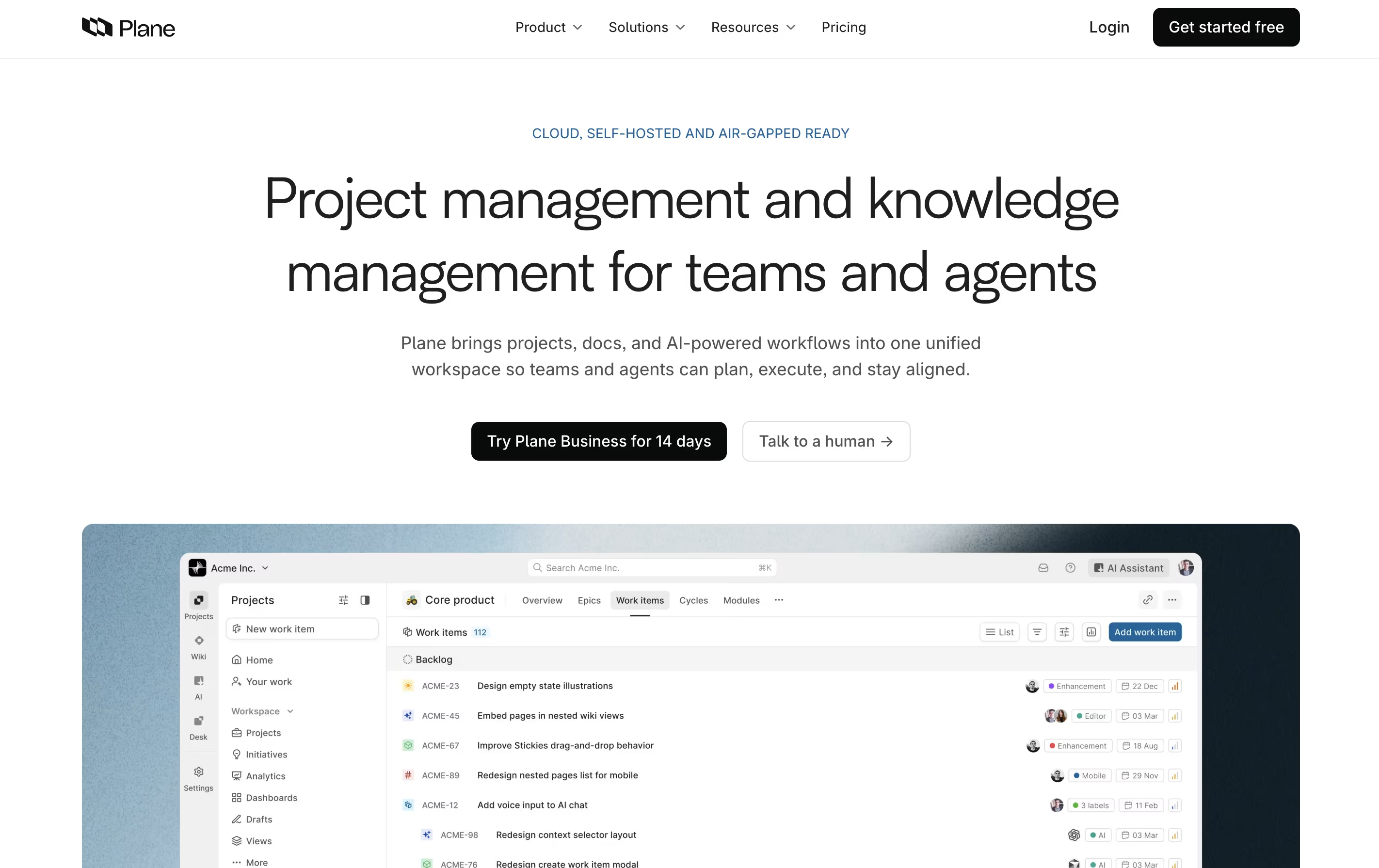
The platform includes AI-powered pages for documenting ideas and plans, built-in time tracking, and detailed analytics to understand team performance. Plane supports both cloud hosting and self-hosting, so you can choose where your data lives. It connects with tools like GitHub and Slack, making it easy to fit into your existing workflow. Whether you use agile methods, scrum, or your own process, Plane adjusts to match how your team actually works.

Firecamp is a multi-protocol API development tool that helps you test and build APIs with ease. Unlike traditional API clients that focus mainly on REST, Firecamp offers dedicated GUI playgrounds for REST, GraphQL, WebSocket, and Socket.IO protocols all in one application.
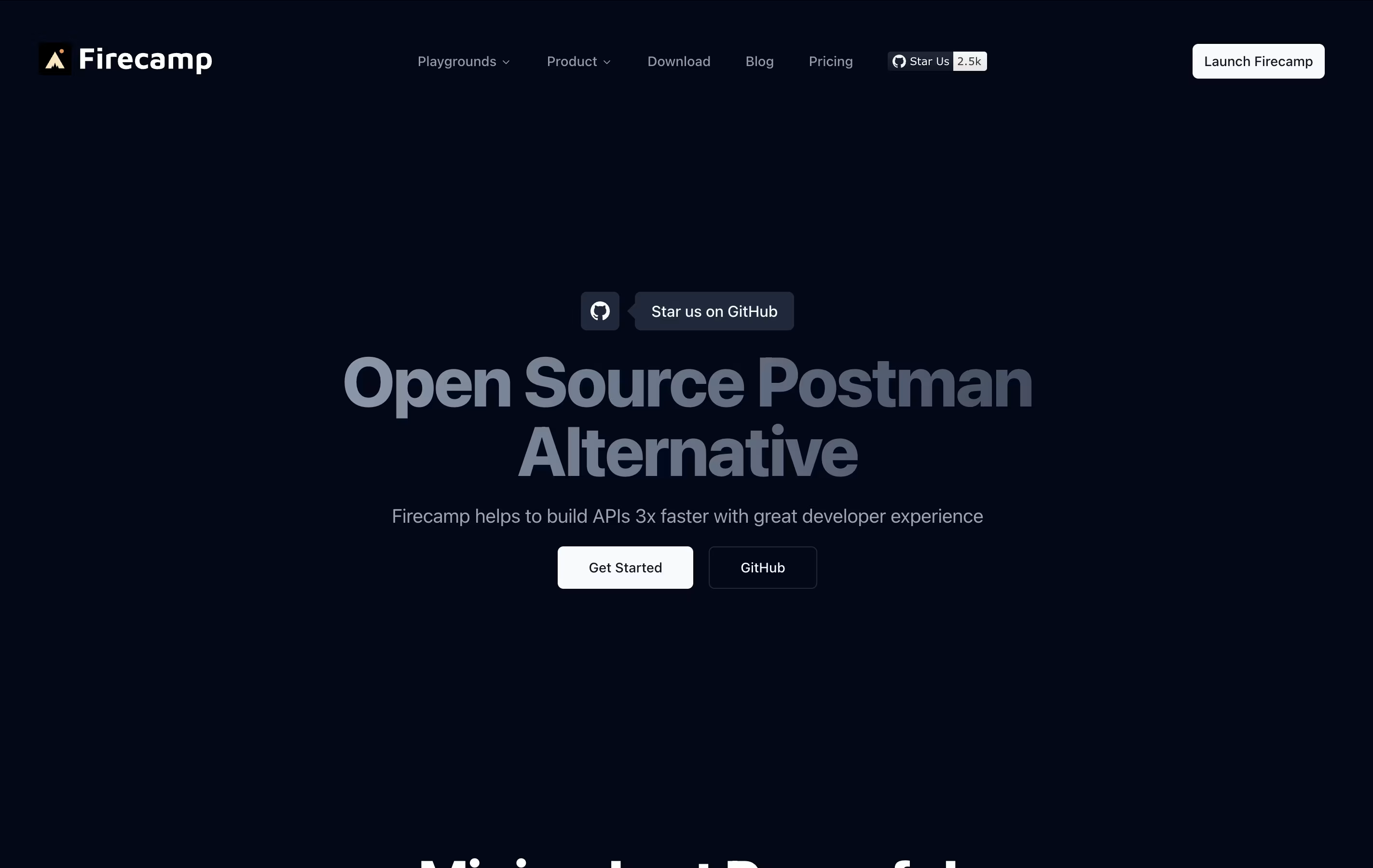
The platform is completely open-source and built with developers in mind. It provides a clean interface similar to VS Code, making it familiar and easy to navigate. You can create API collections, set up environments, write scripts, and collaborate with your team in real-time.
Whether you use the web version or desktop app, Firecamp keeps everything synchronized across your workspace. It supports authentication methods, allows you to import collections from Postman, and helps you document your APIs for your team or community.

Huly is an all-in-one workspace that combines project tracking, real-time chat, video meetings, and document editing. Unlike traditional tools that focus on one thing, Huly handles multiple team needs together. You can create tasks, chat with teammates, hold video calls, write documents, and plan your schedule without leaving the platform.
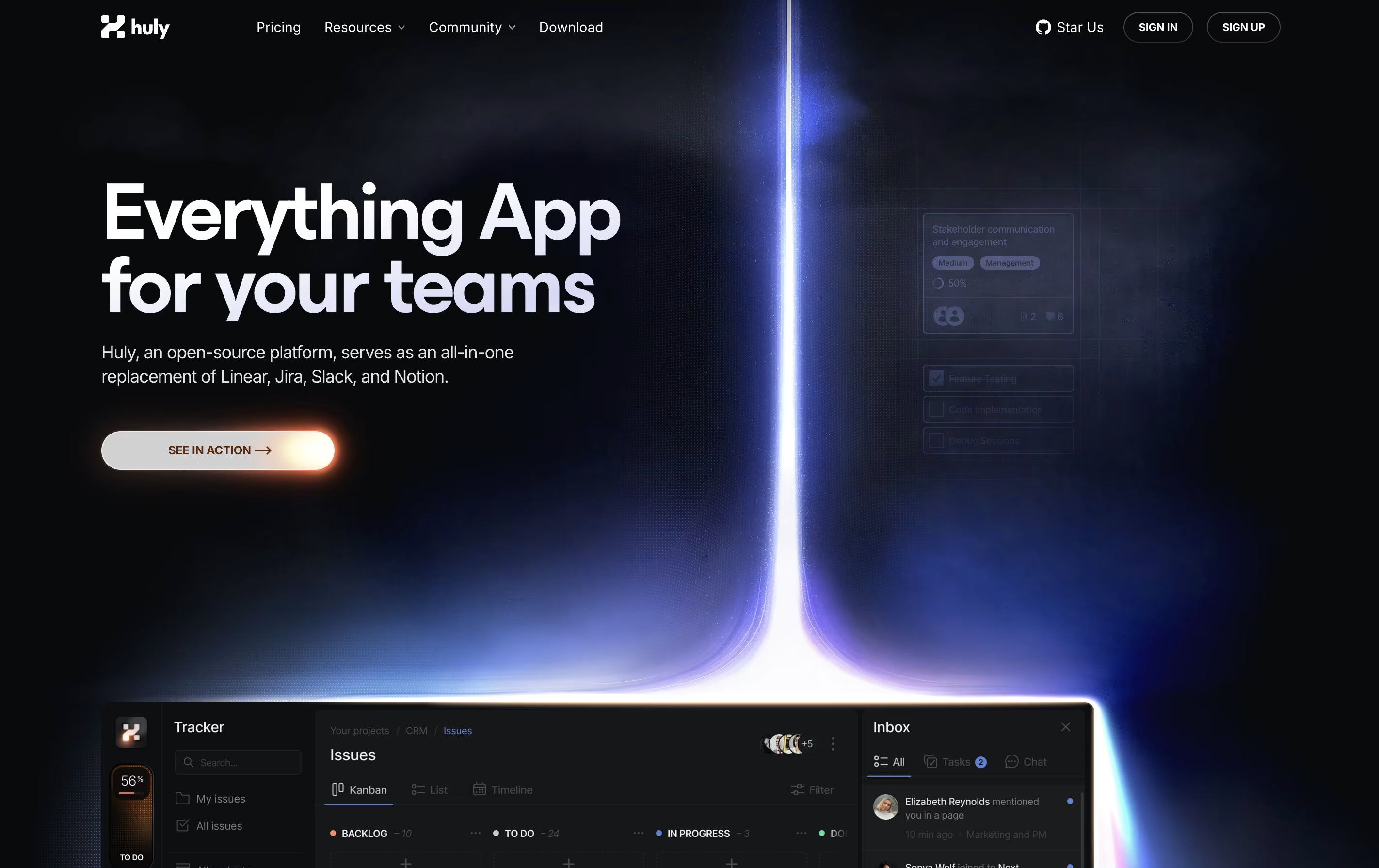
The platform works especially well with GitHub, syncing issues and pull requests automatically. This makes it popular with software development teams. Huly is open-source, meaning the code is publicly available and can be customized. You can use it as a cloud service or host it on your own servers.
There are four pricing levels, starting with a free plan that includes unlimited users and basic features for small teams getting started.
OpenProject is software that helps teams plan, track, and complete projects together. You can create tasks, assign them to team members, set deadlines, and watch progress in real time. It works for any project style: traditional waterfall planning, agile sprints, or a combination of both.
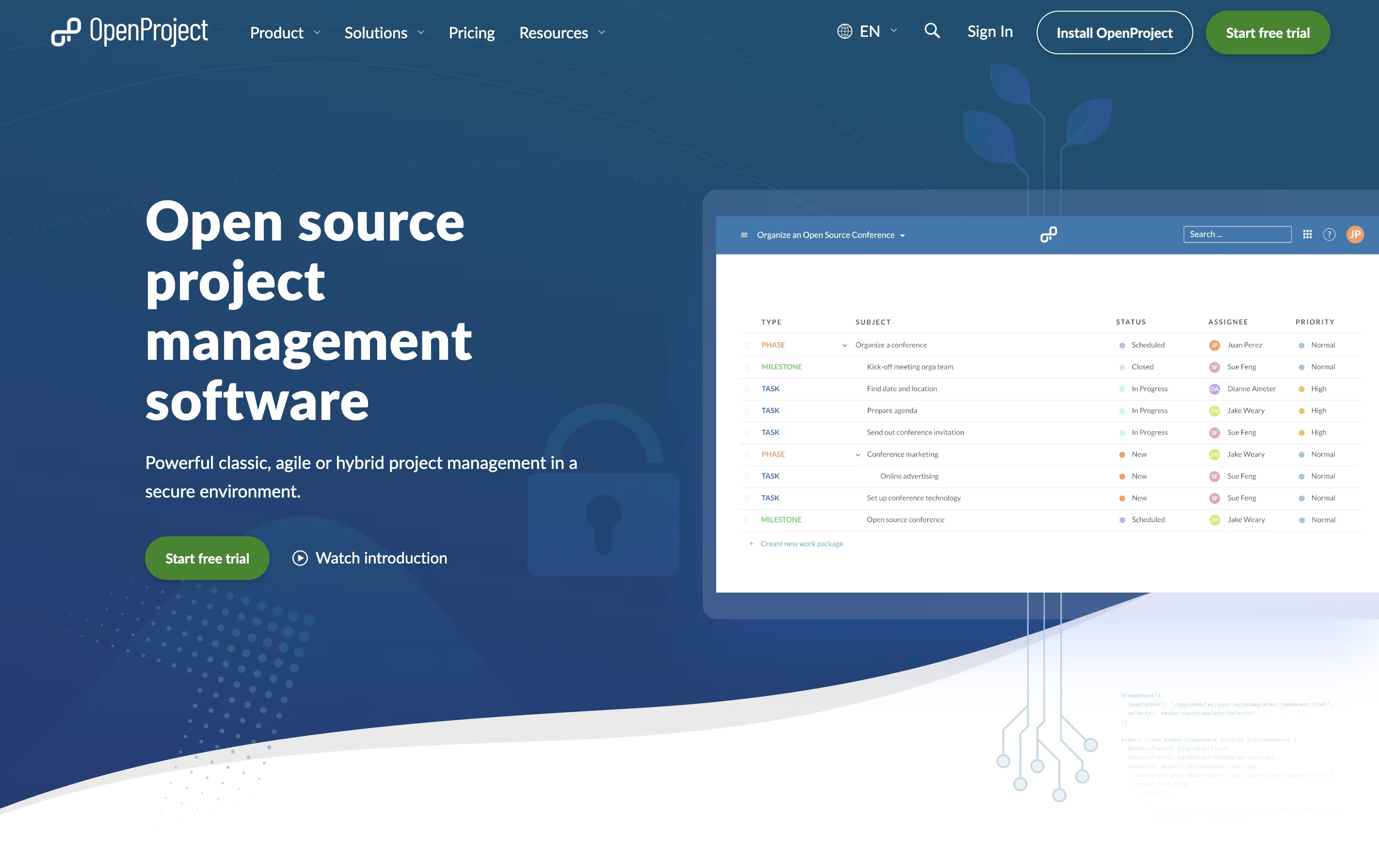
The platform includes visual tools like Gantt charts for timeline planning, Kanban boards for workflow tracking, and calendars for scheduling. Everything stays in one place: your task lists, documents, team discussions, and time tracking.
There is a free community version you can install yourself, plus paid enterprise plans with extra features and support. The cloud version requires no setup, while self-hosted versions give you complete control over your data and privacy.
Taiga is a project management tool that helps teams organize their work using agile methods. You can create projects, add tasks, track progress, and work with your team all in one place. The tool shows your work in different views like boards, lists, and charts to match how your team likes to work.
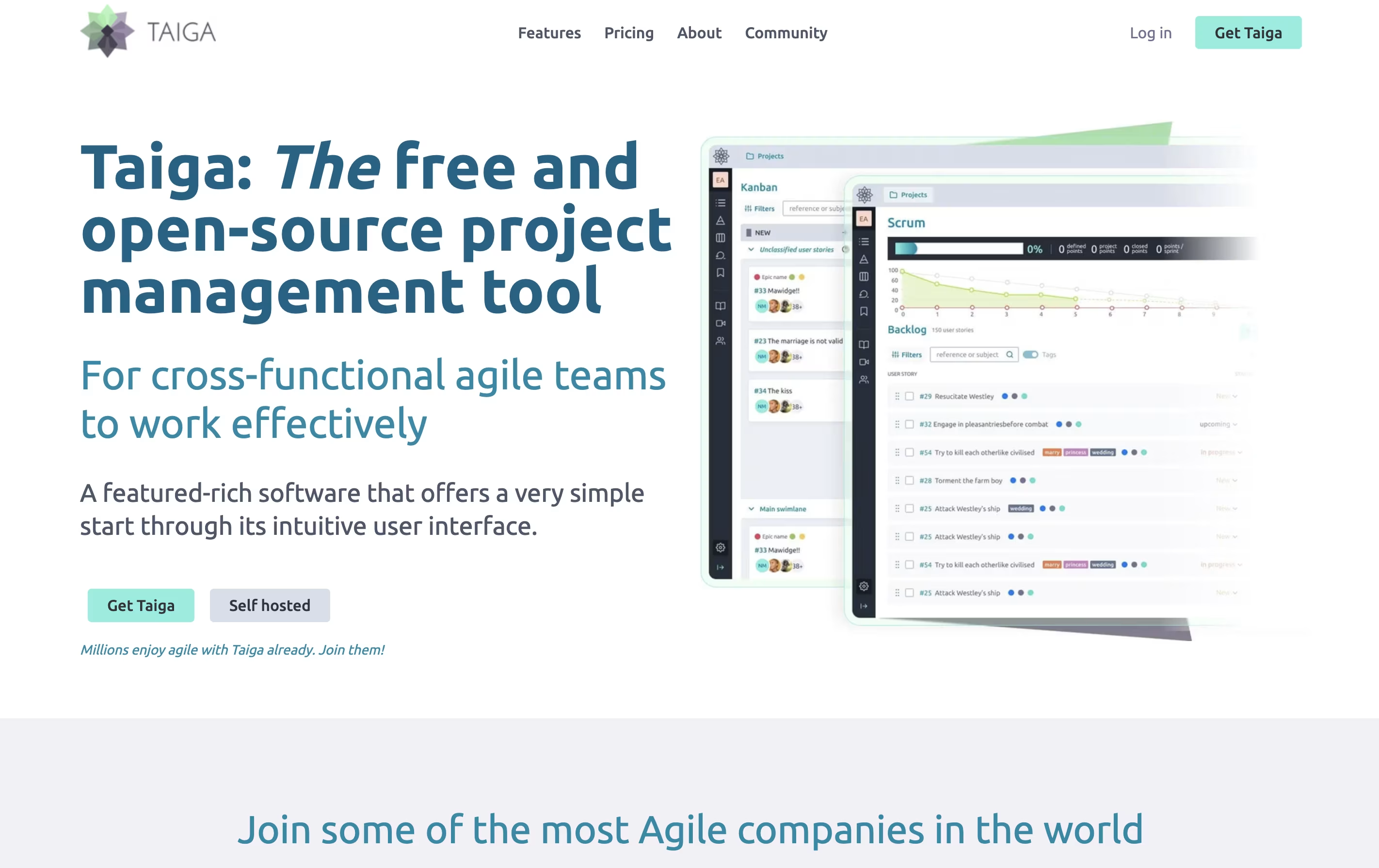
Unlike many project tools, Taiga is completely open source. This means you can see how it works, change it to fit your needs, or install it on your own computers. The platform includes everything teams need: task boards, sprint planning, progress tracking, file sharing, and team chat. It connects with tools you already use like GitHub, Slack, and GitLab to keep everything linked together.
Budibase is an "open-source low-code platform" designed specifically for building internal business applications. This means you can create tools like admin panels, approval workflows, data dashboards, and form-based apps without writing extensive code.
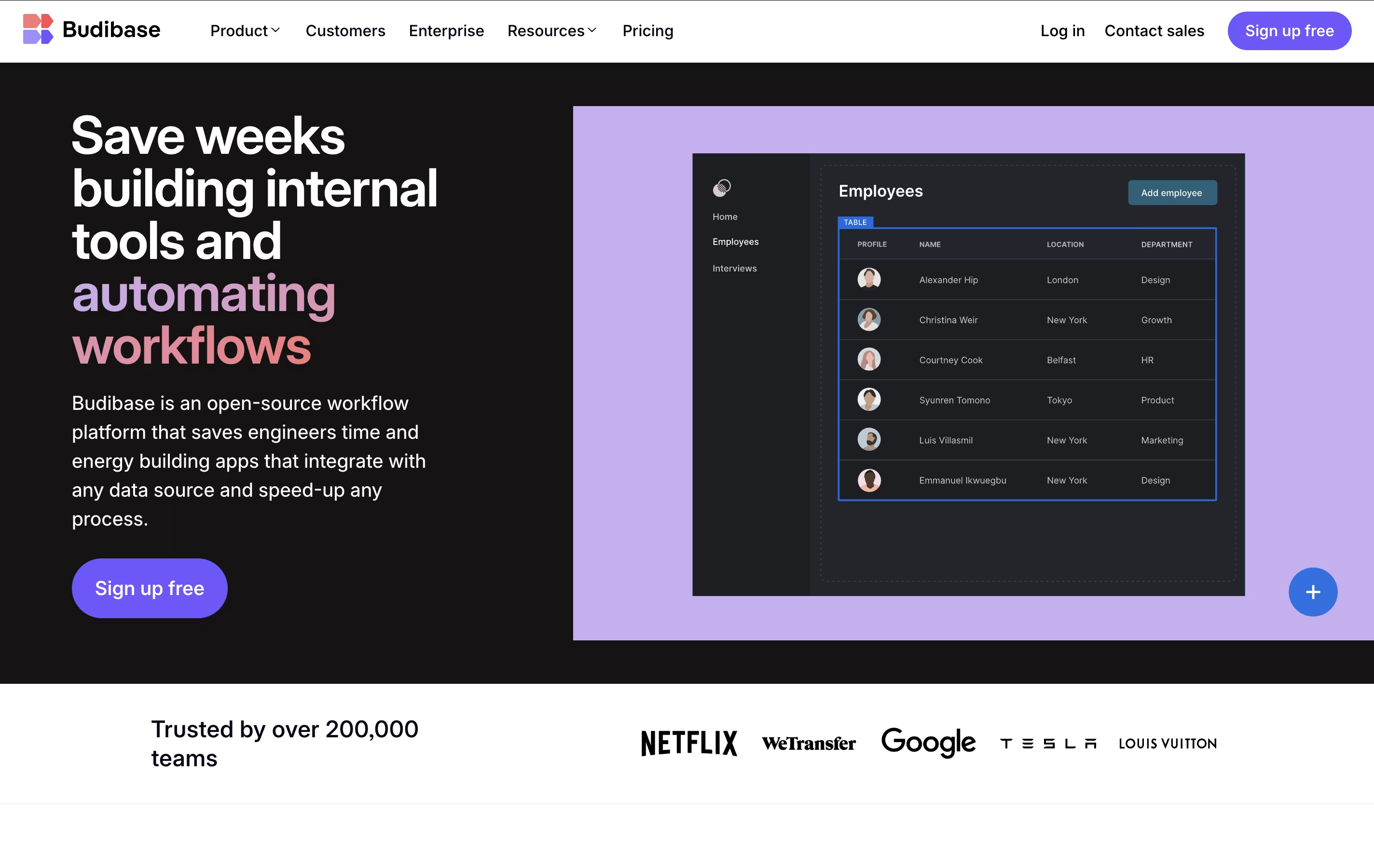
The platform works by connecting to your existing data sources - whether that's a SQL database, spreadsheet, or external API - and letting you build responsive user interfaces on top of that data. What makes Budibase unique is its complete approach: it includes a visual app builder, built-in database, automation engine, and hosting options all in one package.
The open-source nature means you can self-host it for free, customize the platform, and maintain full control over your data and applications.

Questflow is a decentralized AI automation platform that orchestrates multiple AI agents to complete tasks automatically across different platforms. Think of it as having a team of smart digital workers who never get tired and can handle repetitive tasks 24/7.
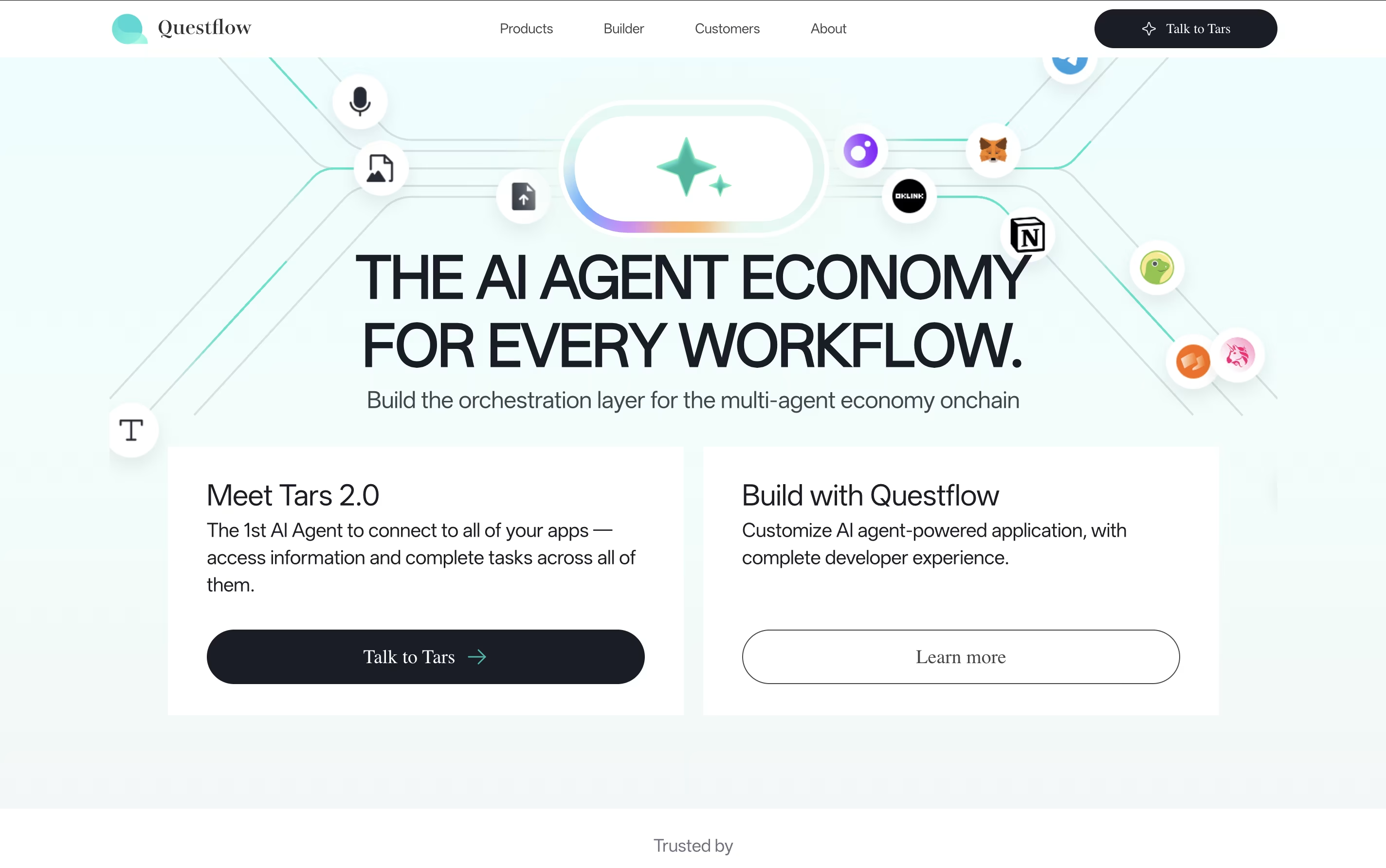
The platform uses a no-code approach, meaning you don't need programming skills to create powerful automation workflows. You simply describe what you want to accomplish, and Questflow's AI agents figure out how to do it. What makes it special is the multi-agent approach - instead of one AI doing everything, different specialized agents work together like a real team.
The platform also uses blockchain technology with QF Coin for secure transactions and rewards. Founded by experts in AI and automation, Questflow aims to make AI accessible to everyone, from small businesses to large enterprises.
Operately is an all-in-one platform that helps teams manage their work without needing a full-time operations manager. It brings together three main areas: goal tracking similar to OKRs, project management with tasks and milestones, and team collaboration through message boards and documents.
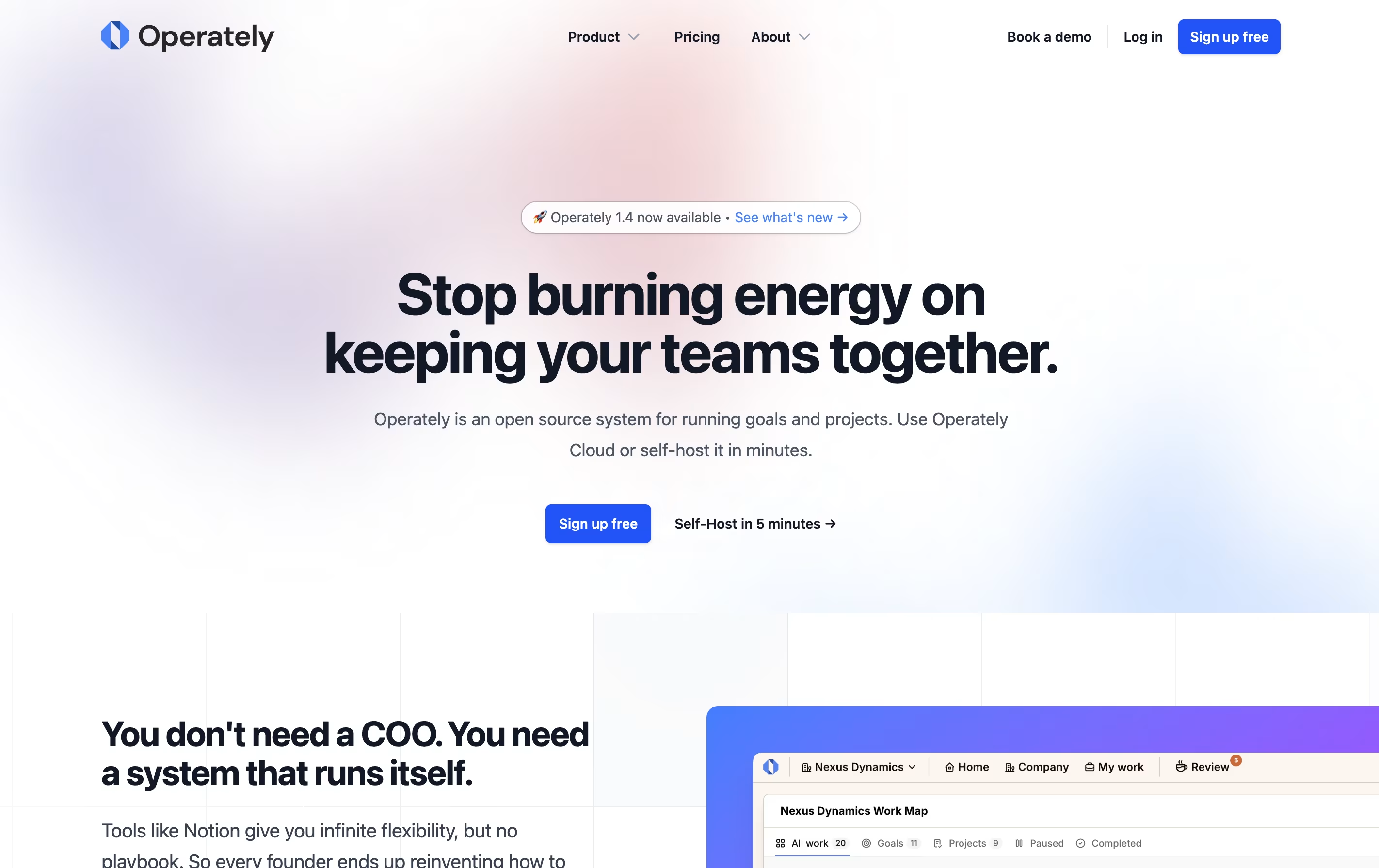
The tool is open source, which means the code is publicly available and you can even host it on your own servers if you want full control over your data. This makes it appealing to companies that care about privacy and security.
Operately also includes an AI assistant called Alfred that reviews your goals and projects, giving helpful feedback and suggestions to keep your team on track and improve how you work.

Process Street is the world's first AI-powered process management platform that helps teams document, share, and automate their core business processes. Think of it as turning your company handbook into smart, interactive workflows that guide your team through every step of important tasks.
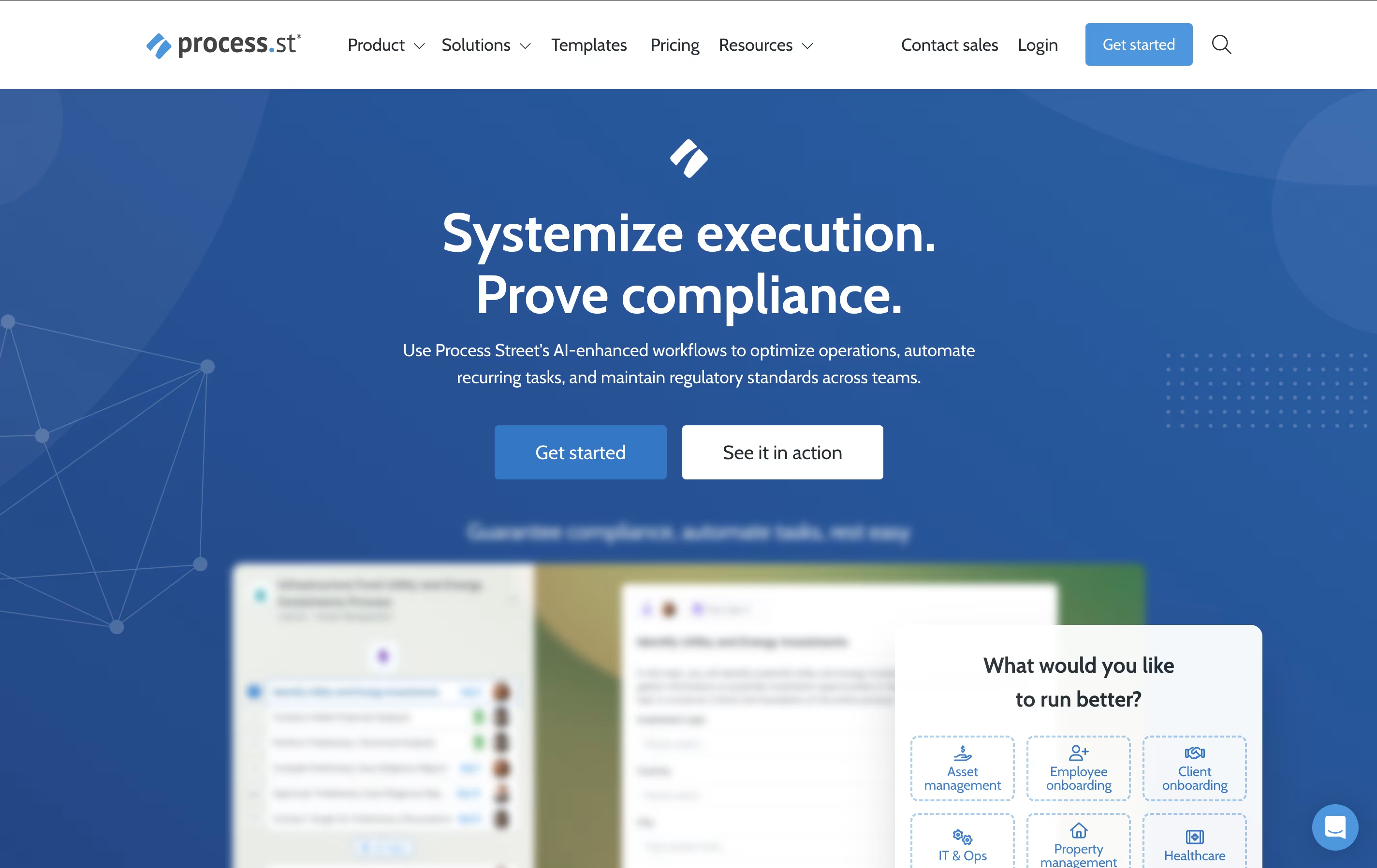
The platform allows you to create dynamic checklists with conditional logic, automated actions, and real-time tracking capabilities. Unlike static documents or basic task managers, Process Street creates living workflows that adapt based on different scenarios and automatically trigger actions across your tech stack.
From employee onboarding and customer implementations to compliance audits and quality control processes, the platform ensures nothing falls through the cracks. With features like AI-generated workflows, approval routing, and comprehensive analytics, Process Street transforms how organizations manage their operations. The result is improved consistency, reduced errors, faster completion times, and better team collaboration across all your business processes.
Tonkean is an enterprise-grade process orchestration platform that uses artificial intelligence to automate and coordinate business workflows across teams and systems. Think of it as the missing link between all your business applications, creating seamless experiences for employees who need to get things done.
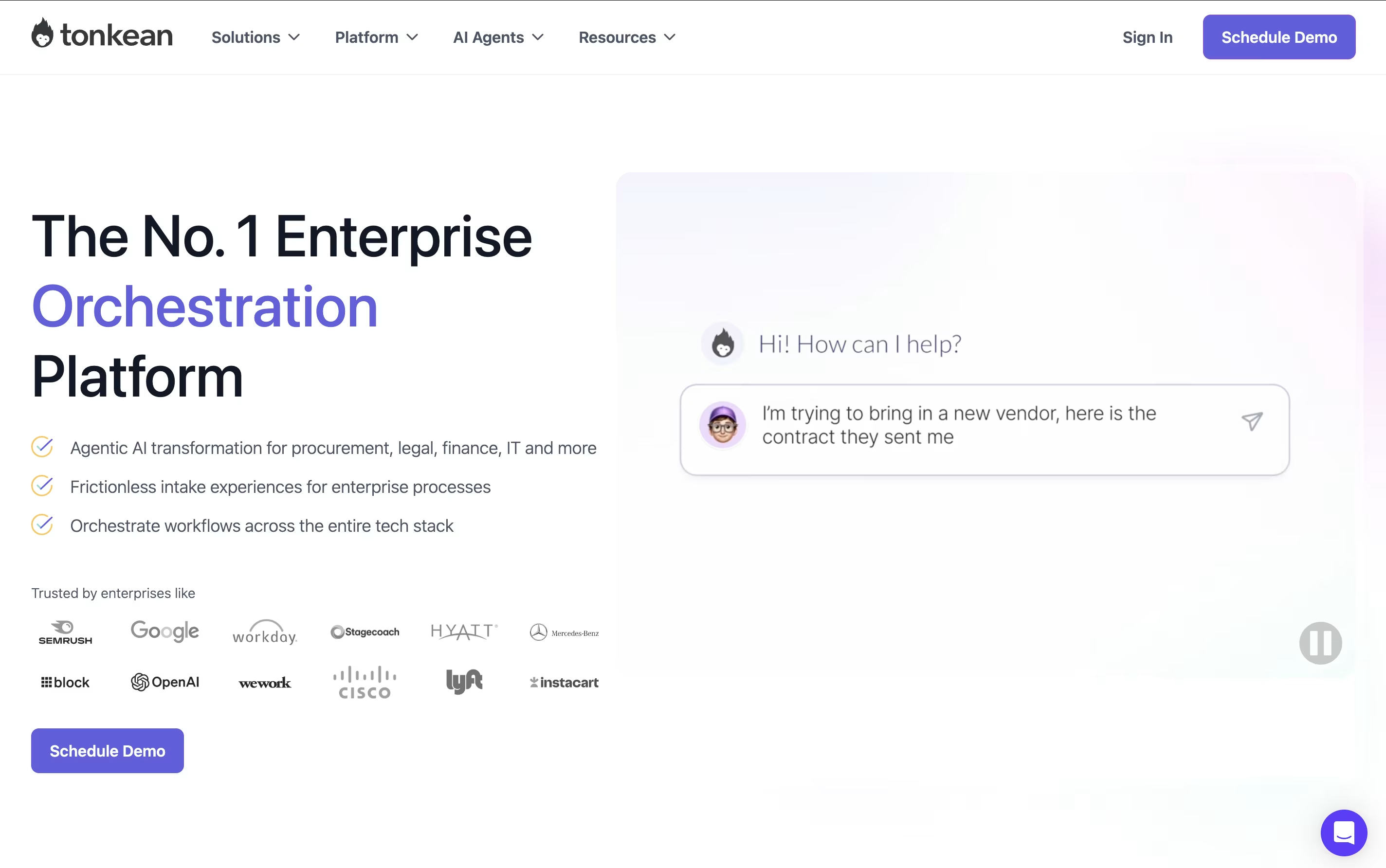
The platform specializes in "process orchestration," which means it doesn't just automate individual tasks—it manages entire workflows that involve multiple people, departments, and software systems. For example, when someone submits a purchase request, Tonkean can automatically check company policies, route it to the right approver, create purchase orders in your procurement system, and send updates to everyone involved.
Founded in 2015 and trusted by companies like Google, Netflix, and Instacart, Tonkean stands out because it requires no coding skills and works with your existing tools. You can build complex automated processes using simple drag-and-drop tools, making it accessible to business users rather than just IT professionals.

Temporal is a durable execution platform that guarantees your application code will run to completion, no matter what goes wrong. Think of it as a safety net for your software that automatically handles all the messy parts of distributed systems.
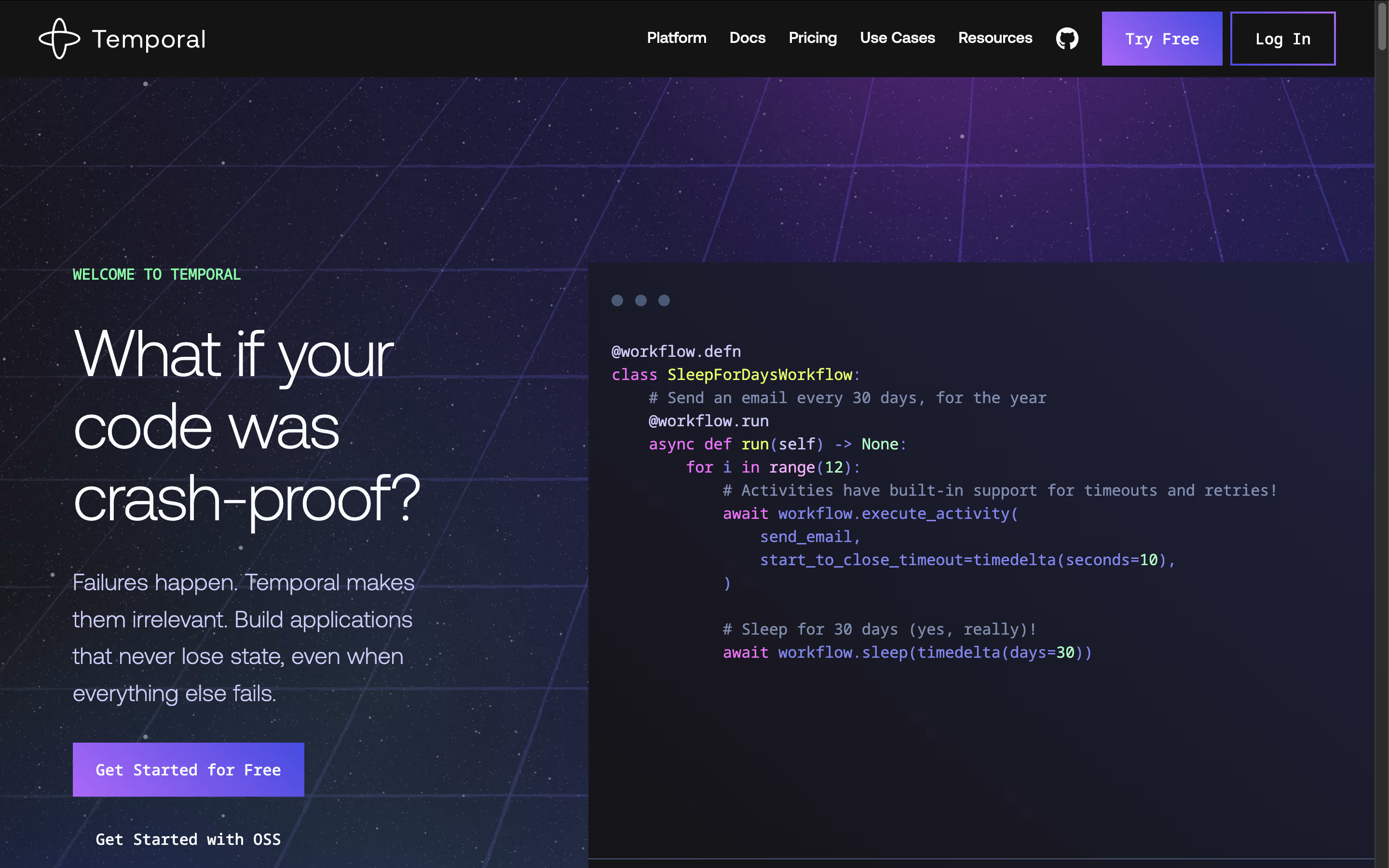
The platform consists of two main parts: an open-source server that manages workflow execution and SDKs for popular programming languages like Go, Java, Python, TypeScript, .NET, and PHP. Unlike traditional approaches where you write complex error-handling code, Temporal lets you write your business logic as simple workflows and activities.
Workflows define the overall process, while activities handle individual tasks like sending emails or processing payments. The system automatically persists your application's state at every step, so if something fails, execution picks up exactly where it left off. This approach eliminates the need for custom retry logic, state machines, and complex failure handling code.