

Best 7 Developer Authentication Frameworks Tools in 2026
Last Updated: October 26, 2025
Implementing secure authentication from scratch is a common source of security vulnerabilities in custom built applications. Developer Authentication Frameworks provide pre built, tested authentication logic that developers can integrate directly into their applications.
These frameworks are relied on by developers who want secure authentication without building and maintaining it themselves. Using a well tested framework significantly reduces the risk of introducing authentication vulnerabilities.
 Better Auth
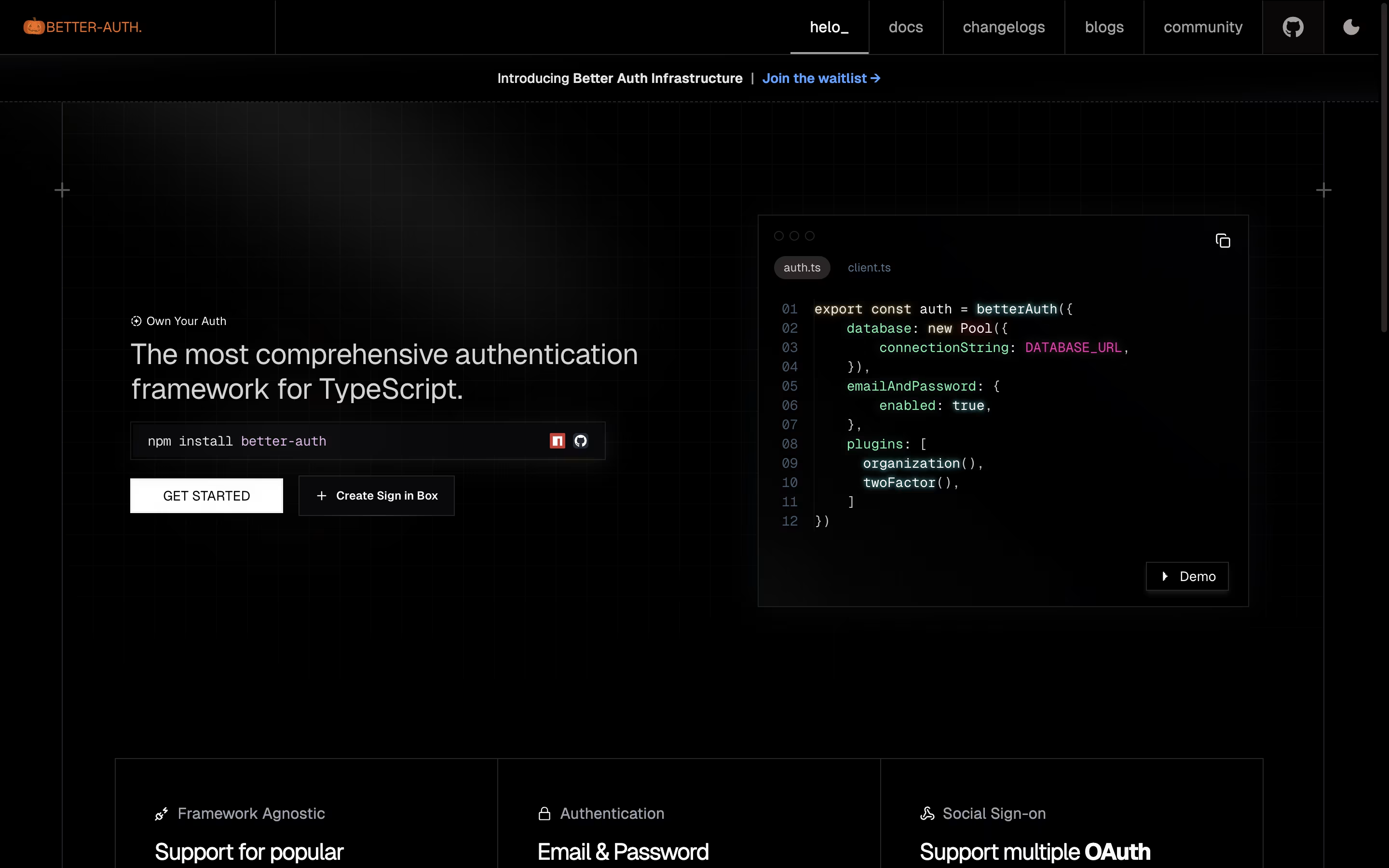 Better AuthFree TypeScript Authentication,
  Auth.js
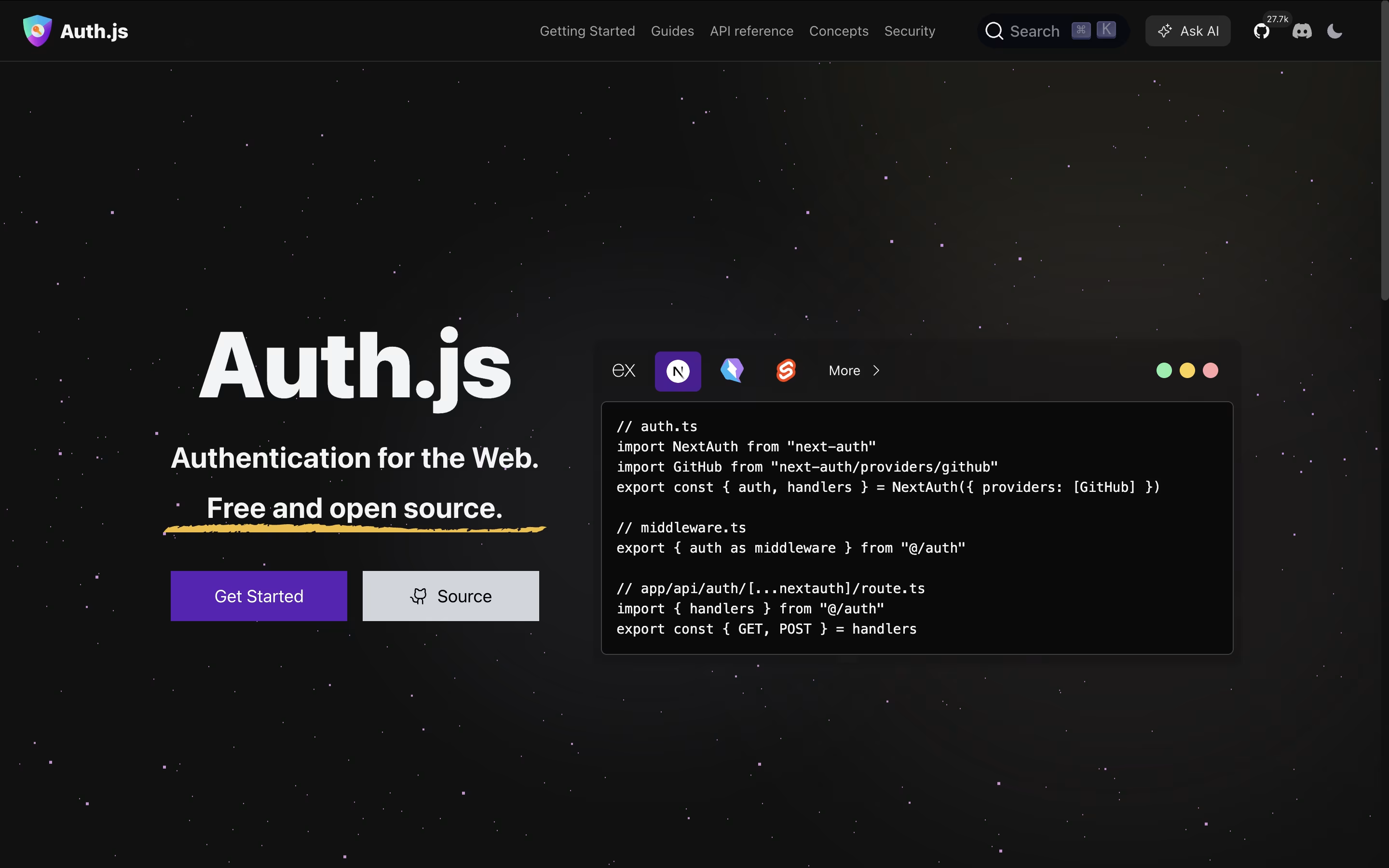 Auth.jsFree Open-Source Authentication Library, and
  Stack Auth
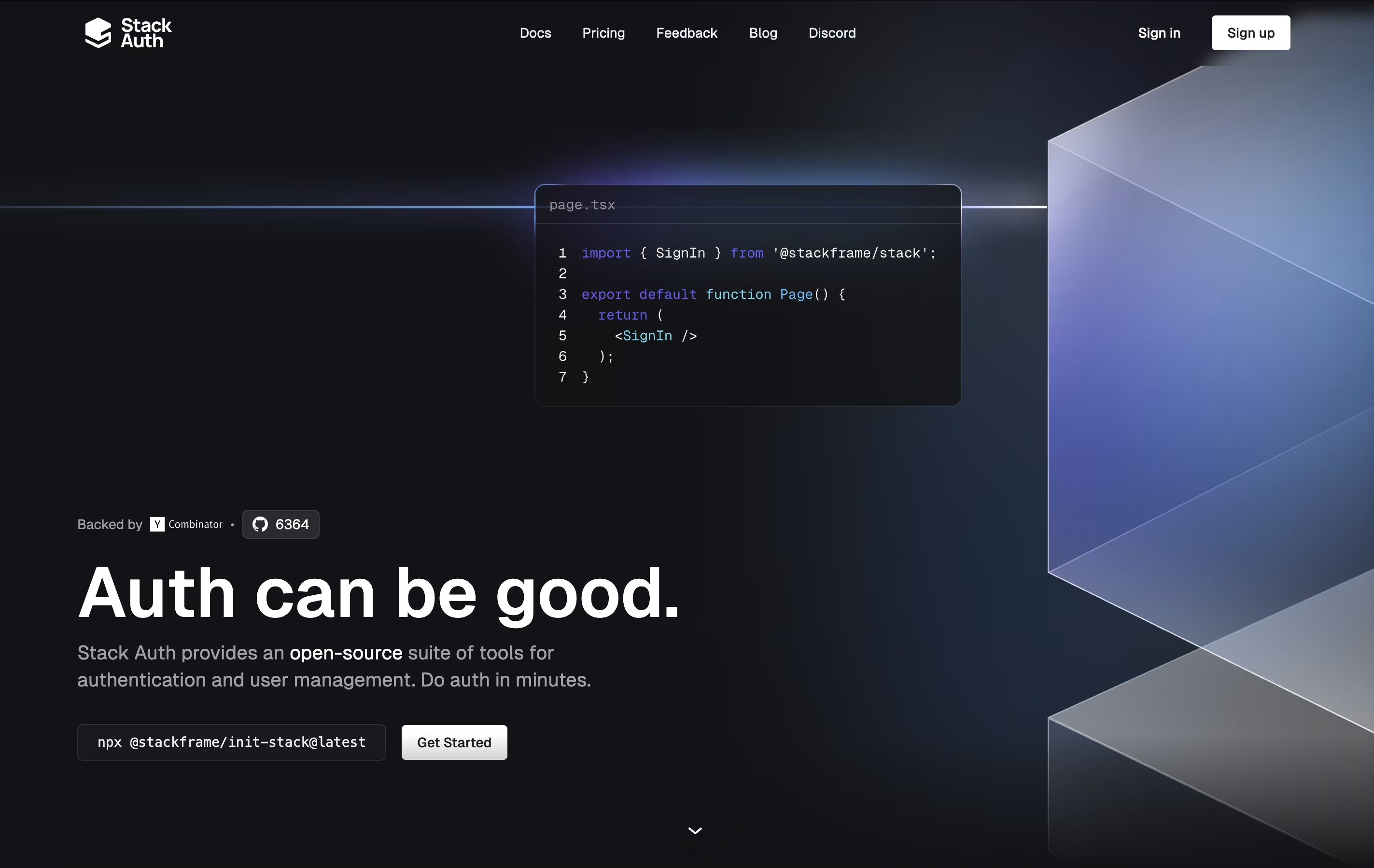 Stack AuthOpen-Source Authentication Platform for Developers are the best for Developer Authentication Frameworks. So, let’s take a closer look at all 7 tools.
Better Auth is a framework-agnostic authentication library that runs directly in your application. It handles user accounts, login sessions, and security features without relying on external services. You keep full control of your user data because everything runs on your own database and server.
The framework provides ready-to-use authentication methods including email and password login, social sign-in with platforms like GitHub and Google, passkeys for passwordless access, and magic link login. It also supports advanced features like two-factor authentication, organization management for team accounts, and role-based access control.
Unlike paid authentication services, Better Auth is completely free with no user limits or hidden costs. It uses modern security practices and actively maintained code to keep your applications safe.
Auth.js is a complete authentication solution that works across different JavaScript frameworks. It provides everything needed to add secure login systems to websites and applications. You can let users sign in through their existing accounts on services like Google or GitHub, or you can use email-based magic links, or even traditional username and password combinations.
The library is runtime agnostic, meaning it adapts to work with Next.js, SvelteKit, Express, Qwik, and other frameworks. It handles session management, protects routes, and connects to databases when needed. Auth.js follows web standards and security best practices, making it both safe and reliable. Since it is open source, the code is publicly available for review and contributions from developers worldwide.
Stack Auth is a complete authentication solution that handles all the complex parts of user login and management. When you add it to your application, you get ready-made login pages, account settings, password reset flows, and user dashboards without writing code for these features yourself.
The platform supports multiple ways for users to sign in, including regular passwords, social logins through Google or GitHub, magic email links, and modern passkeys using fingerprints or face recognition. It also handles advanced features like two-factor authentication for extra security, team management for business apps, and permission systems to control what different users can do.
Stack Auth is fully open-source and licensed under MIT and AGPL, meaning you can see exactly how it works and modify it if needed.

Logto is an authentication and identity management platform that handles user sign-in, permissions, and security for your applications. You can use it as a cloud service or install it on your own servers since it's open-source.
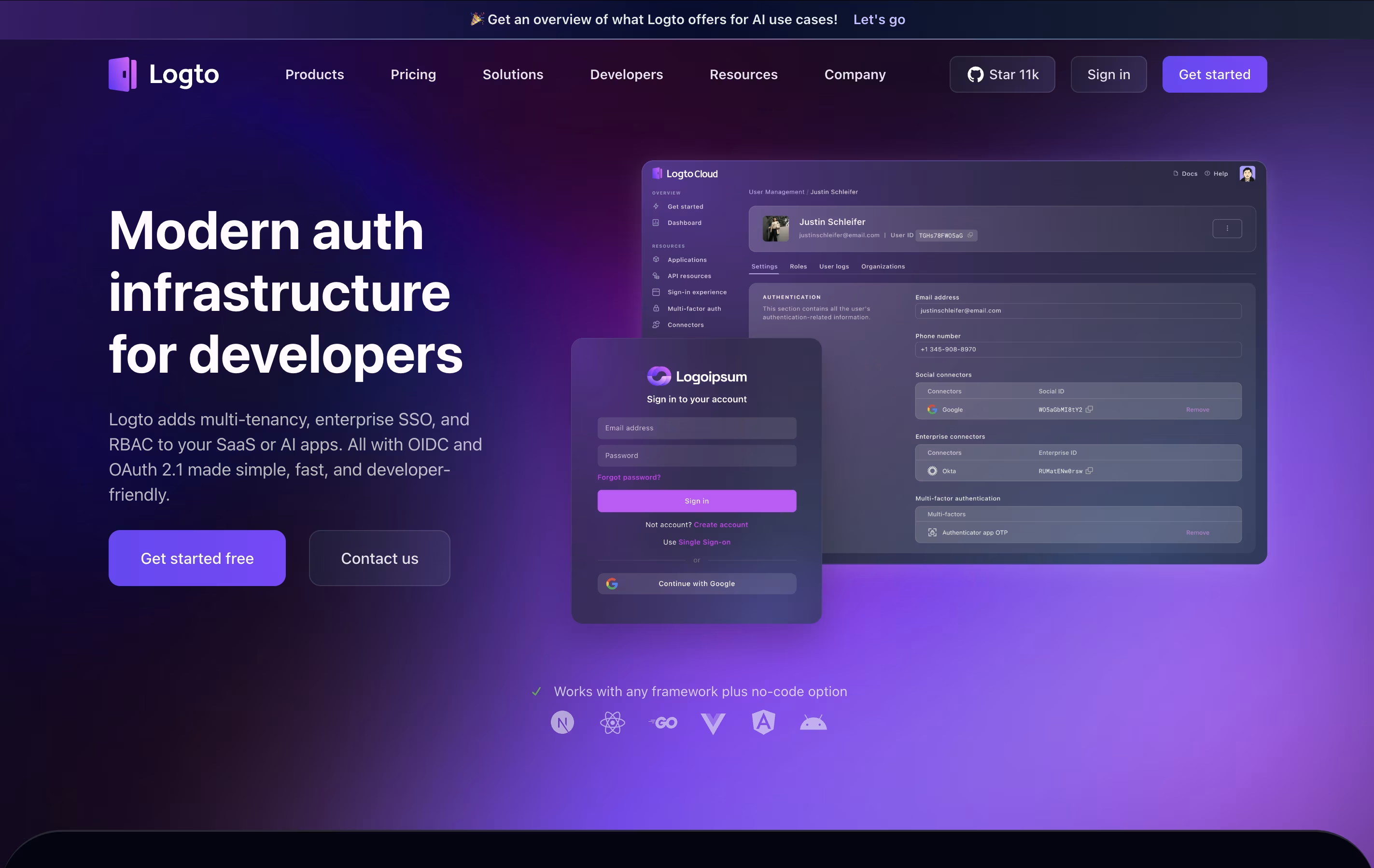
The platform supports multiple ways for users to sign in: traditional passwords, email codes, phone verification, social media accounts like Google and Facebook, or enterprise systems through Single Sign-On. It also includes advanced features like multi-factor authentication for extra security and role-based access control to manage what different users can do.
Logto works with over 30 programming languages and frameworks including React, Next.js, Vue, Python, and Go. It's trusted by companies worldwide and meets strict security standards with SOC 2 Type II certification.

SuperTokens is an authentication framework that handles user login, registration, and session management for your applications. It provides ready-made solutions for email password login, social login through providers like Google and Facebook, passwordless authentication using magic links or one-time codes, and more.
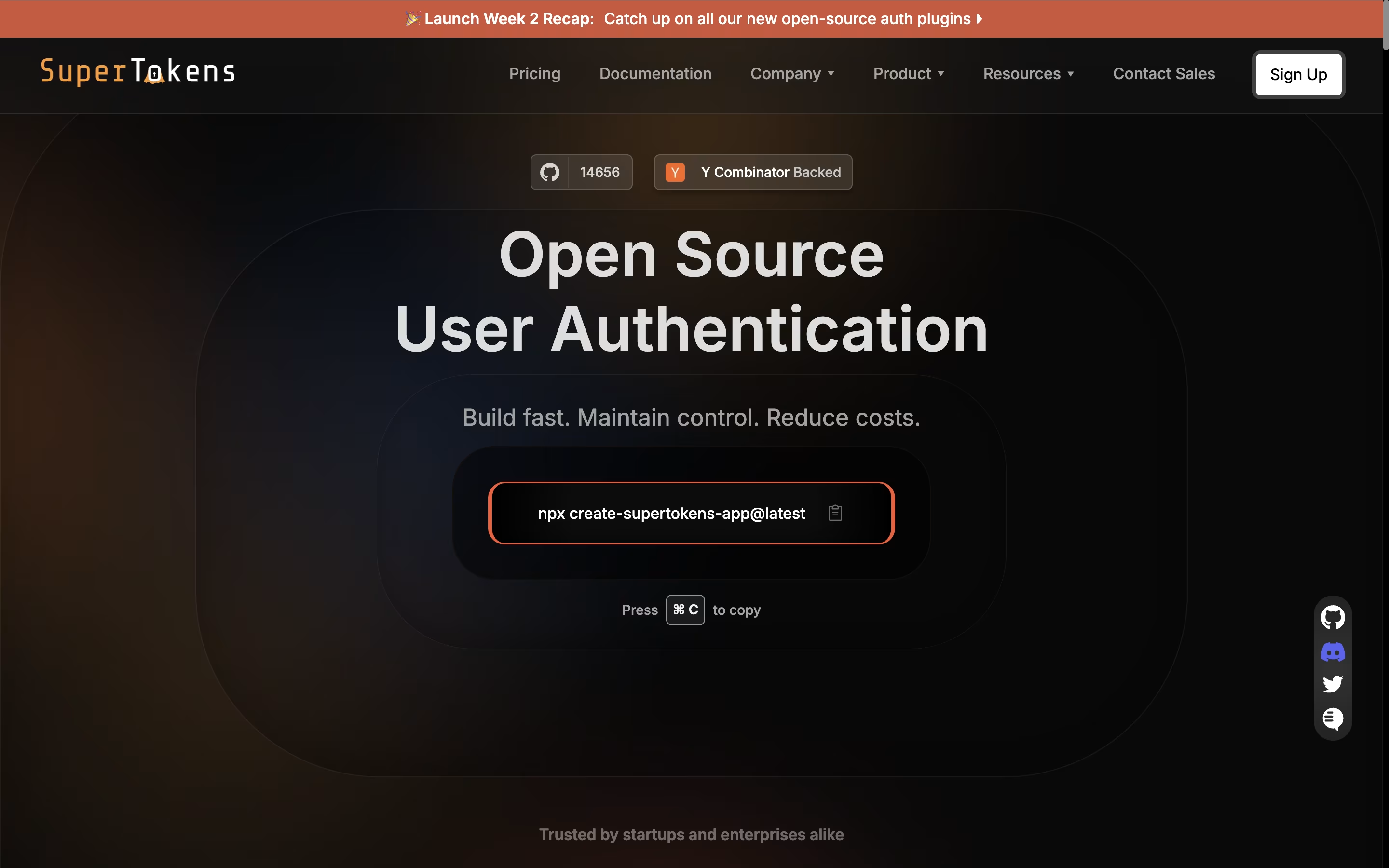
The tool uses a unique design where your backend sits between your frontend and SuperTokens. This gives you more control to customize the authentication process while keeping it secure. SuperTokens manages the complex security tasks automatically, including protecting against common attacks and handling session tokens.
You can choose to run SuperTokens on your own servers completely free, or use their managed cloud service that handles all the technical work for you.

Ory is a complete identity management system that handles user authentication and access control for web and mobile applications. It combines several specialized tools that work together to protect your application and manage who can access what.
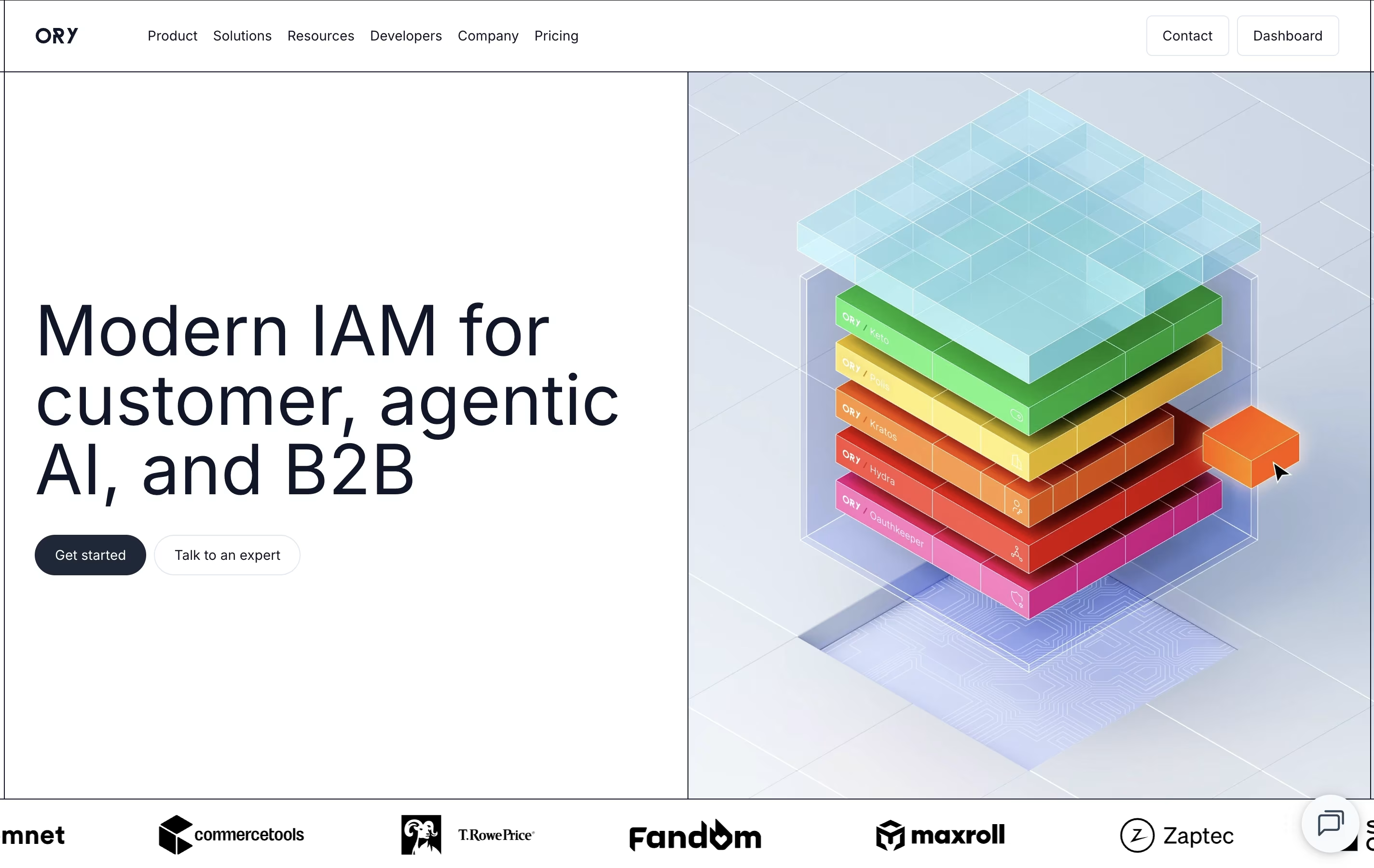
The platform includes components for user login and registration, OAuth and social sign-in connections, permission management, and API security. Unlike closed systems where you cannot see how things work, Ory is open source, meaning the code is public and can be reviewed by anyone. This makes it more trustworthy and secure.
You can choose to use Ory Network, which is the hosted cloud version that Ory manages for you, or download the open-source version and run it on your own infrastructure. Both options give you strong security and the ability to customize everything to match your needs.

Authorizer is a tool that adds login and user management to your website or app. You connect it to your existing database, and it creates a complete system for users to sign up, log in, and manage their accounts. Unlike paid services, you own all the code and data.
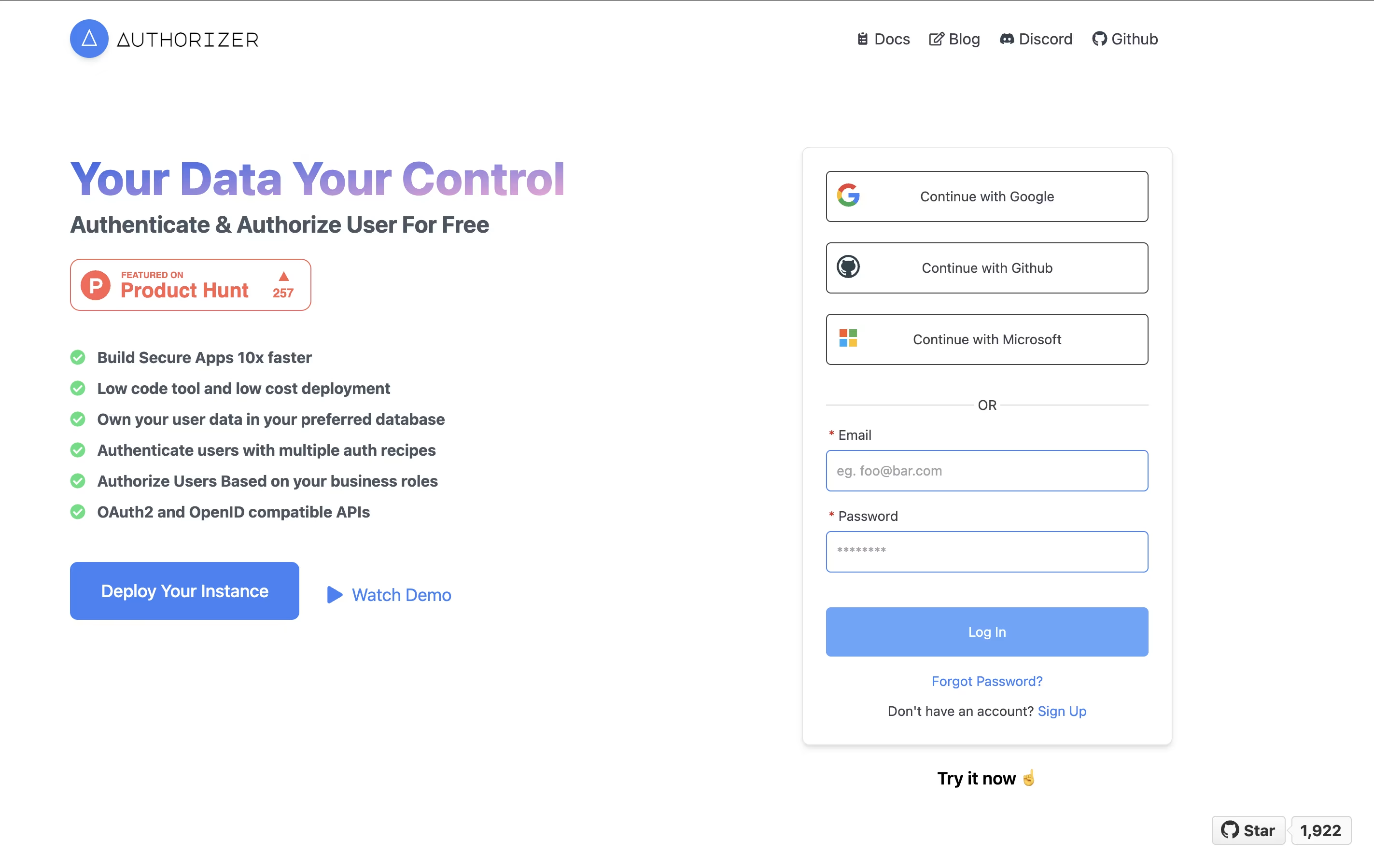
It supports over 11 different databases including popular options like PostgreSQL, MySQL, MongoDB, and SQLite. You can let users log in with email and password, social media accounts like Google and Facebook, or magic links sent to their email. The tool also includes features like password reset, email verification, and role-based access control.
Because it's self-hosted, you deploy it on your own servers using Docker, Kubernetes, or cloud platforms. This gives you complete control and no per-user pricing.
Related to
Developer Authentication Frameworks